
1. Search Result
Search Result
Results for "

low

" in MedChemExpress (MCE) Product Catalog:

2286

Inhibitors & Agonists

34

Screening Libraries

103

Fluorescent Dye

144

Biochemical Assay Reagents

99

Peptides

18

MCE Kits

32

Inhibitory Antibodies

226

Natural
Products

69

Recombinant Proteins

129

Isotope-Labeled Compounds

32

Antibodies

24

Click Chemistry

44

Oligonucleotides

1

GMP Molecules

Targets Recommended:
Cat. No. Product Name Target Research Areas Chemical Structure
  • HY-Y0320C
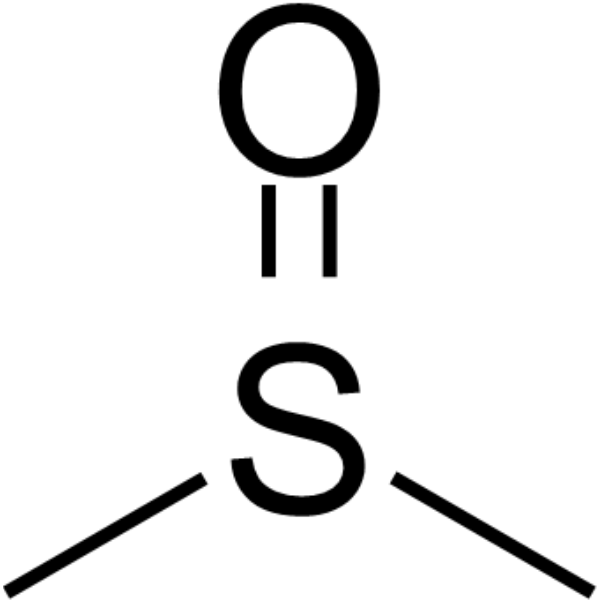
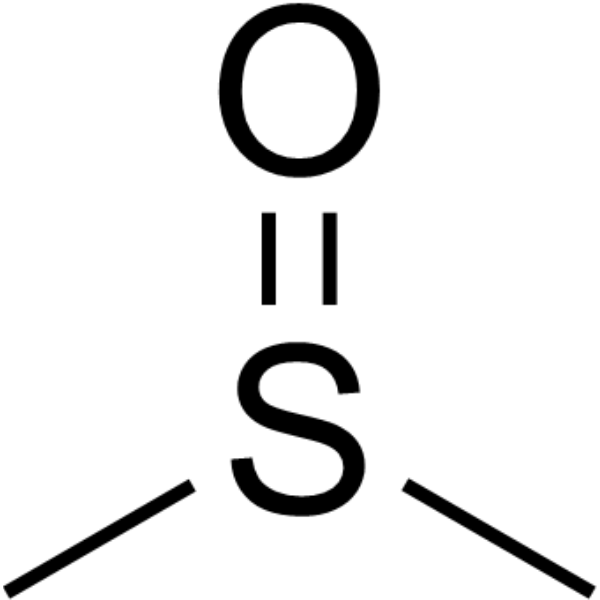
    Dimethyl sulfoxide
    30+ Cited Publications

    DMSO

    Environmental Pollutants Bacterial Cholinesterase (ChE) Inflammation/Immunology
    Dimethyl sulfoxide (DMSO) is an aprotic solvent that can dissolve water-insoluble therapeutic and toxic agents. Dimethyl sulfoxide (DMSO) has a strong affinity for water and has the ability to rapidly penetrate or enhance the penetration of other substances through biological membranes. Dimethyl sulfoxide also has potential free radical scavenging and anticholinesterase effects and may affect coagulation activity. Dimethyl sulfoxide also induces histamine release from mast cells but is thought to have low systemic toxicity .
    Low endotoxin, can be used in various biochemical experiments such as drug dissolution.
    Dimethyl sulfoxide
  • HY-D0842A

    Albumin bovine serum (low Endotoxin,Fatty acid free); BSA (low Endotoxin,Fatty acid free)

    Biochemical Assay Reagents Nucleoside Antimetabolite/Analog Inflammation/Immunology
    Bovine Serum Albumin (Low Endotoxin,Fatty acid free) (BSA) is a 583 amino acid globular protein and oligonucleotide binding protein composed of three homologous full α domains. Bovine Serum Albumin (Low Endotoxin,Fatty acid free) (BSA) blocks the overall binding of oligonucleotides to cells. Bovine Serum Albumin (Low Endotoxin,Fatty acid free) (BSA) regulates the development of hamster embryos and induces arthritis .
    Bovine Serum Albumin (Low Endotoxin,Fatty acid free)
  • HY-W088070A
    Agarose,Low melting point
    1 Publications Verification

    Biochemical Assay Reagents Others
    Agarose,Low melting point is a kind of agarose, a kind of polysaccharide that can be derived from seaweed. It is commonly used in molecular biology and biochemistry to isolate and purify DNA and RNA fragments. Agarose,Low melting point is a low melting point agarose, which is suitable for the recovery of large DNA fragments and enzymatic reactions in gels and other applications. In addition, it has been used in various techniques, such as pulsed field gel electrophoresis and capillary electrophoresis for analyzing genetic material.
    Agarose,Low melting point
  • HY-NP013
    Oxidized low density lipoprotein (mouse)
    4 Publications Verification

    Mouse ox-LDL

    LDLR ROR β-catenin Cardiovascular Disease
    Oxidized low density lipoprotein (mouse) (Mouse ox-LDL) is an oxidized low density lipoprotein (LDL). Oxidized low density lipoprotein (mouse) induces atherosclerosis (AS) by facilitating endothelial dysfunction and accelerating the VSMCs growth and migration. Oxidized low density lipoprotein (mouse) can be used to construct an in vitro model of AS .
    Oxidized low density lipoprotein (mouse)
  • HY-W250978A

    Biochemical Assay Reagents Inflammation/Immunology
    Ovalbumin, low endotoxin (OVA, low endotoxin), the main protein found in egg whites, have various biological activities such as anticancer, antihypertensive, antibacterial, antioxidant and immunomodulatory activities. Ovalbumins are the most abundant proteins synthesized in progesterone- or estrogen-treated fallopian tubes and are commonly used as markers to study hormone regulation of gene expression in tissues . Ovalbumin, a low endotoxin, can be used to establish an asthma model .
    Ovalbumin, low endotoxin
  • HY-B2144E

    Deacetylated chitin (≥90% deacetylated, low viscosity,<200mPa.s); Poly(D-glucosamine) (≥90% deacetylated, low viscosity,<200mPa.s)

    Environmental Pollutants Biochemical Assay Reagents Bacterial Fungal Infection Cancer
    Chitosan (Deacetylated chitin) (≥90% deacetylated, Low viscosity,<200mPa.s) is a polysaccharide obtained by deacetylating chitin, and exhibits antimicrobial activity against various bacteria and fungi .
    Chitosan (≥90% deacetylated, Low viscosity,<200mPa.s)
  • HY-B0633E

    Hyaluronan, low endotoxin; Hyaluronate, low endotoxin

    Endogenous Metabolite CD44 Bacterial Akt PI3K Neurological Disease Metabolic Disease Inflammation/Immunology Cancer
    Hyaluronic acid, low endotoxin (Hyaluronan, low endotoxin) is a biopolymer composed of repeating disaccharide units containing low levels of endotoxin. Hyaluronic acid is a major component of the extracellular matrix (ECM). It is synthesized on the plasma membrane. Hyaluronic acid exerts its effects by binding to receptors CD44 and RHAMM. Hyaluronic acid activates PI3K-Akt signaling. Hyaluronic acid also enhances cell invasion and angiogenesis by promoting or stimulating the binding of proteolytic MMP-9 to the cell surface. Elevated hyaluronic acid levels are associated with tumor cell growth, adhesion, migration, invasion, and angiogenesis in digestive system cancers. Hyaluronic acid is involved in tissue remodeling and rapid cell proliferation in several physiological processes, including embryonic morphogenesis and wound healing. Hyaluronic acid can be used as a regulator of cancer-associated lymphangiogenesis. Hyaluronic acid can be used as a drug delivery carrier for sodium butyrate, enhancing its anti-proliferative activity against breast cancer cell lines. Hyaluronic acid can lubricate the corneal endothelium. Hyaluronic acid can improve tissue hydration and enhance the resistance of cells to mechanical damage. Hyaluronic acid has been conjugated with antibodies to ensure that the active compound continues to exert its effects at the site of inflammation. Hyaluronic acid can be used in research in the fields of osteoarthritis, ophthalmology, cosmetic dermatology, oncology, and liver diseases .
    Hyaluronic acid, low endotoxin
  • HY-D0785

    4-Fluoro-7-nitrobenzofurazan

    Fluorescent Dye Others
    NBD-F (4-Fluoro-7-nitrobenzofurazan) is a pro-fluorescent reagent which is developed for amino acid analysis. NBD-F reacts with primary or secondary amines to produce a fluorescent product and used for analysis of amino acids and low molecular weight amines .
    NBD-F
  • HY-145652
    Narmafotinib
    1 Publications Verification

    AMP-945

    Narmafotinib (AMP-945) is an orally active inhibitor of the enzyme focal adhesion kinase (FAK, KD=0.21 nM). Narmafotinib inhibits autophosphorylation of 397Y-FAK in MDA-MB-231 cells with an IC50=7 nM and exhibits low general cellular toxicity (IC50=2.7 μM, MDA-MB-231 cells). Narmafotinib can be used for anti-cancer study .
    Narmafotinib
  • HY-D0102

    ABD-F

    Fluorescent Dye Others
    4-(Aminosulfonyl)-7-fluoro-2,1,3-benzoxadiazole (ABD-F) is a fluorescent reagent for the sensitive and specific detection of thiols (Ex/Em: 380/510 nm). 4-(Aminosulfonyl)-7-fluoro-2,1,3-benzoxadiazole has low fluorescence background, and good stability of fluorophor .
    4-(Aminosulfonyl)-7-fluoro-2,1,3-benzoxadiazole
  • HY-116282M

    Bacterial Inflammation/Immunology
    Dextran sulfate, low sulfate (MW 40000), a biopolymer, is a sulfated polysaccharide. Dextran sulfate, low sulfate (MW 40000) has antiviral, antibacterial, anti-inflammatory, antifibrotic, and wound-healing properties. Dextran sulfate can be used as an additive in cell culture media for preventing cell aggregation and in cosmetics as a gel-forming agent .
    Dextran sulfate, low sulfate (MW 40000)
  • HY-12839
    p38 MAPK-IN-1
    10+ Cited Publications

    p38 MAPK Autophagy Inflammation/Immunology
    p38 MAPK-IN-1 (Compound 4) is a novel potent and selective inhibitor of p38 MAPK with IC50 of 68 nM. p38 MAPK-IN-1 shows sustained levels, low clearance and good bioavailability.
    p38 MAPK-IN-1
  • HY-120635

    PD-1/PD-L1 Inflammation/Immunology Cancer
    BMS-1001 is an orally active human PD-L1/PD-1 immune checkpoint inhibitor. BMS-1001 exhibits low-toxicity in cells. The IC50 value of BMS-1001 in a homogeneous time-resolved fluorescence (HTRF) binding assay is 2.25 nM .
    BMS-1001 hydrochloride
  • HY-13859
    Clevudine
    1 Publications Verification

    L-FMAU

    HBV DNA/RNA Synthesis Orthopoxvirus Infection
    Clevudine (L-FMAU), a nucleoside analog of the unnatural L-configuration, has potent anti-HBV activity with long half-life, low toxicity. Clevudine is a non-competitive inhibitor that is not incorporated into the viral DNA but rather binds to the polymerase. Clevudine is active against cowpox virus respiratory infection in mice .
    Clevudine
  • HY-15043

    Bradykinin Receptor Inflammation/Immunology Endocrinology
    ELN-441958 is a potent, neutral, competitive and selective bradykinin B1 receptor antagonist with a Ki of 0.26 nM against native human bradykinin B1 receptor. ELN-441958 has high oral bioavailability, and has low CNS exposure in the mouse .
    ELN-441958
  • HY-147652

    DNA Stain Others
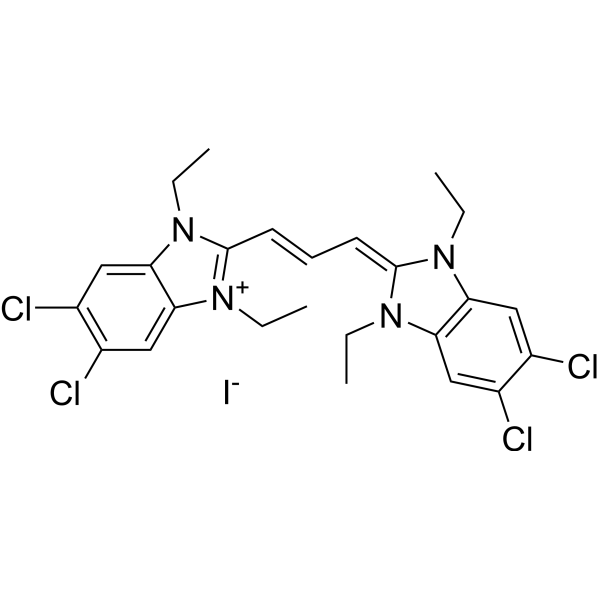
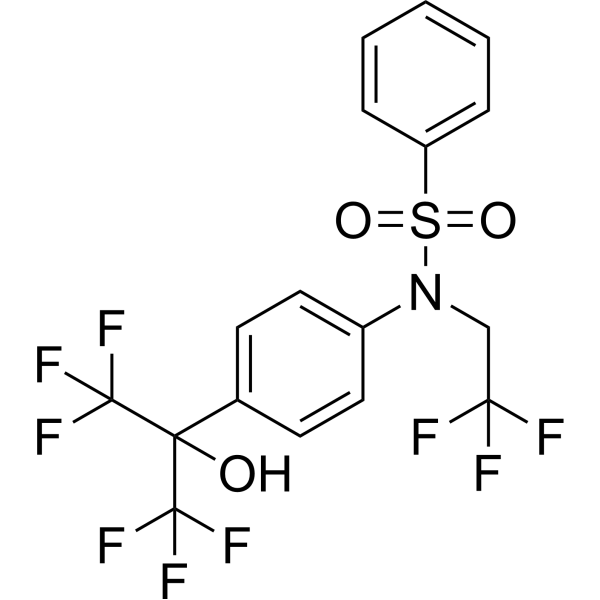
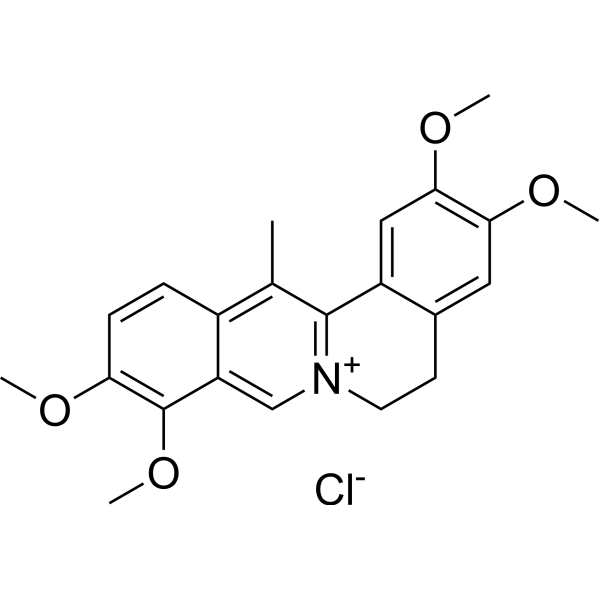
    G-quadruplex DNA fluorescence probe 1 (Compound E1) is a selective G-quadruplex DNA targeting fluorescent probe. G-quadruplex DNA fluorescence probe 1 can pass through membrane and enter living cells with low cytotoxicity .
    G-quadruplex DNA fluorescence probe 1
  • HY-146985
    Cathepsin X-IN-1
    1 Publications Verification

    Cathepsin Neurological Disease Cancer
    Cathepsin X-IN-1 (compound 25) is a potent Cathepsin X inhibitor with an IC50 of 7.13 µM. Cathepsin X-IN-1 decreases PC-3 cell migration with low cytotoxic .
    Cathepsin X-IN-1
  • HY-Y1091

    Endogenous Metabolite Others
    D-Lysine is a useful raw material employed as an analog of lutenizing-hormone-releasing hormone and as a agent carrier in the form of polylysine. D-Lysine decreases renal uptake of radioactivity during scintigraphy and PRRT with low toxicity. D-Lysine not interferes with the natural amino acid metabolic balance .
    D-Lysine
  • HY-17605A
    Bictegravir sodium
    15+ Cited Publications

    GS-9883 sodium

    HIV Integrase HIV Infection
    Bictegravir sodium is a potent inhibitor of HIV-1 integrase, with an IC50 of 7.5 nM. Bictegravir sodium exhibits potent and selective anti-HIV activity and low cytotoxicity .
    Bictegravir sodium
  • HY-146682

    Aldehyde Dehydrogenase (ALDH) Apoptosis Cancer
    KS100 is a potent ALDH inhibitor with IC50s of 230, 1542, 193 nM for ALDH1A1, ALDH2, and ALDH3A1, respectively. KS100 shows antiproliferative and anticancer effects with low low toxic. KS100 significantly increases ROS activity, lipid peroxidation and toxic aldehyde accumulation. KS10600 induces apoptosis and cell cycle arrest at the G2/M phase .
    KS100
  • HY-D1262

    Thiol-green 2

    Fluorescent Dye Others
    BODIPY-TS (Thiol-green 2) is a fast response and thiol-specific turn-on probe. BODIPY-TS utilizes the thiosulfonate scaffold as a thiol recognition unit. BODIPY-TS has low toxicity, and features high selectivity, low detection limit, and quantitative reaction to thiols . Ex: 490 nM; Em: 515 nM.
    BODIPY-TS
  • HY-79504

    Environmental Pollutants Parasite Infection Cancer
    Ferrocene is an important structural core in bioorganometallic chemistry because of its inherent stability, excellent redox properties, and low toxicity. Ferrocene has antimalarial and anticancer properties .
    Ferrocene
  • HY-120395
    UC-514321
    1 Publications Verification

    STAT Apoptosis TET Protein Inflammation/Immunology Cancer
    UC-514321, a structural analog of NSC370284 with higher activity, directly targets STAT3/5 and represses TET1 expression, but not TET2 or TET3. UC-514321 has the potential to treat acute myeloid leukemia (AML) both in vitro and in vivo, with low toxicity .
    UC-514321
  • HY-P10697A

    LDLR Metabolic Disease
    VH4127 TFA is a cyclic peptide targeting the low density lipoprotein receptor (LDLR) with a KD of 18 nM for hLDLR. VH4127 TFA specifically binds to rodent and human epidermal growth factor (EGF) homology domain of LDLR .
    VH4127 TFA
  • HY-131981
    TP0586532
    2 Publications Verification

    Bacterial Infection Cardiovascular Disease
    TP0586532 is a non-hydroxamate LpxC inhibitor (IC50=0.101 μM). TP0586532 as a compound with a low cardiovascular risk that is effective against K. pneumoniae, including resistant strains . TP0586532 is a click chemistry reagent, it contains an Alkyne group and can undergo copper-catalyzed azide-alkyne cycloaddition (CuAAc) with molecules containing Azide groups.
    TP0586532
  • HY-146683

    Aldehyde Dehydrogenase (ALDH) Apoptosis Cancer
    KS106 is a potent ALDH inhibitor with IC50s of 334, 2137, 360 nM for ALDH1A1, ALDH2, and ALDH3A1, respectively. KS106 shows antiproliferative and anticancer effects with low low toxic.KS106 significantly increases ROS activity, lipid peroxidation and toxic aldehyde accumulation. KS106 induces apoptosis and cell cycle arrest at the G2/M phase .
    KS106
  • HY-P5107

    LMWP; TDSP5

    VEGFR Cancer
    Low molecular weight protamine is a cell-penetrating peptide with vascular endothelial growth factor (VEGF) inhibitory activity. Low molecular weight protamine can inhibit tumor growth and is used in cancer research .
    Low molecular weight protamine
  • HY-W007524
    2-Aminoquinoline
    1 Publications Verification

    2-Quinolinamine

    NO Synthase Orthopoxvirus Infection Neurological Disease
    2-Aminoquinoline (2-Quinolinamine) is a promising compound as bioavailable nNOS inhibitor but suffers from low human nNOS inhibition, low selectivity versus human eNOS, and significant binding to other CNS targets. 2-Aminoquinoline exhibits antiviral activity against the vaccinia virus. 2-Aminoquinoline has the potential for the research of antineurodegenerative agents .
    2-Aminoquinoline
  • HY-151917

    Apoptosis Carbonic Anhydrase Phosphodiesterase (PDE) Cancer
    Enpp/Carbonic anhydrase-IN-2 (compound 1i) is a potent Enpp and carbonic anhydrase inhibitor with IC50s of 1.13, 1.07, 0.74, 0.33, 0.68 for NPP1, NPP2, NPP3, CA-IX, CA-XII respectively. Enpp/Carbonic anhydrase-IN-2 shows antiproliferative activity for cancer cells and low cytotoxic against normal cells. Enpp/Carbonic anhydrase-IN-2 induces Apoptosis .
    Enpp/Carbonic anhydrase-IN-2
  • HY-116282J

    Bacterial Inflammation/Immunology
    Dextran sulfate, low sulfate (MW 5000), a biopolymer, is a sulfated polysaccharide. Dextran sulfate, low sulfate (MW 5000) has antiviral, antibacterial, anti-inflammatory, antifibrotic, and wound-healing properties. Dextran sulfate can be used as an additive in cell culture media for preventing cell aggregation and in cosmetics as a gel-forming agent .
    Dextran sulfate, low sulfate (MW 5000)
  • HY-100557A

    Biochemical Assay Reagents Others
    Low-Substituted Hydroxypropyl Cellulose can be used as an excipient, such as Coating agents, emulsifiers, suspensions, tablets, thickeners, thickeners, etc. Pharmaceutical excipients, or pharmaceutical auxiliaries, refer to other chemical substances used in the pharmaceutical process other than pharmaceutical ingredients. Pharmaceutical excipients generally refer to inactive ingredients in pharmaceutical preparations, which can improve the stability, solubility and processability of pharmaceutical preparations. Pharmaceutical excipients also affect the absorption, distribution, metabolism, and elimination (ADME) processes of co-administered drugs .
    Low-Substituted Hydroxypropyl Cellulose
  • HY-139303

    GnRH Receptor Endocrinology
    LUF5771 is a potent allosteric recombinant luteinizing hormone (recLH) and Org 43553 inhibitor. LUF5771 is able to partially activate the LH receptor with low efficacy .
    LUF5771
  • HY-132297A
    PARP1-IN-5 dihydrochloride
    1 Publications Verification

    PARP Cancer
    PARP1-IN-5 dihydrochloride is a low toxicity, orally active, potent and selective PARP-1 inhibitor (IC50 =14.7 nM). PARP1-IN-5 dihydrochloride can be used for the research of cancer .
    PARP1-IN-5 dihydrochloride
  • HY-B1869
    Metsulfuron-methyl
    2 Publications Verification

    Environmental Pollutants Herbicide Others
    Metsulfuron-methyl is a systemic sulfonylurea herbicide that has been widely used to control broadleaf weeds and annual grasses in rice, corn, wheat, and barley. Metsulfuron-methyl exhibits high herbicidal activity and low mammalian toxicity, with an LD50 for rats exceeding 5000 mg/kg .
    Metsulfuron-methyl
  • HY-143255

    Phosphodiesterase (PDE) Cancer
    Enpp-1-IN-11 (compound 23) is a potent Ecto-nucleotide pyrophosphatase/phosphodiesterases 1 (ENPP1) inhibitor with an Ki value of 45 nM. Enpp-1-IN-11 exhibits low clearance in human and mouse liver microsomes, good plasma stability in human and mouse plasma. Enpp-1-IN-11 can be used for researching anticancer .
    Enpp-1-IN-11
  • HY-D1557

    Fluorescent Dye Others
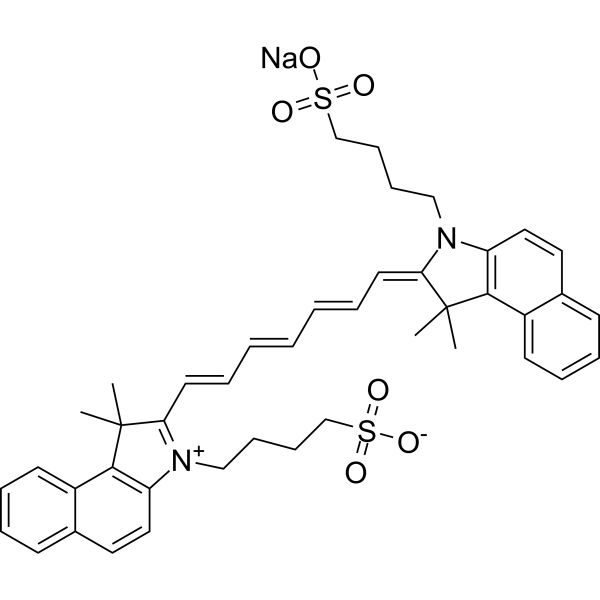
    Cyanine5.5 tetrazine is a far-infrared luminescent dye. Cyanine5.5 tetrazine is a Cyanine5.5 (HY-D0925A) derivative contains a tetrazine moiety. Cyanine5.5 tetrazine can be used for in vivo imaging and low background applications. Cyanine5.5 tetrazine is a click chemistry reagent, it contains a Tetrazine group that can undergo an inverse electron demand Diels-Alder reaction (iEDDA) with molecules containing TCO groups.
    Cyanine5.5 tetrazine
  • HY-148172

    HIV HBV Nucleoside Antimetabolite/Analog Infection
    L-Fd4A is an adenine derivative. L-Fd4A has anti-human immunodeficiency virus (HIV) (EC50=1.5 μM) and anti-hepatitis B virus (HBV) (EC50=1.7 μM) activity. L-Fd4A has low cytotoxicity .
    L-Fd4A
  • HY-153241

    Epigenetic Reader Domain Cancer
    GSK737 is a BRD4 BD1 and BD2 inhibitor, with pIC50 values of 5.3 and 7.3 respectively. GSK737 has low clearance and good solubility and permeability in rat .
    GSK737
  • HY-136476C

    Biochemical Assay Reagents Ferrochelatase Others
    Ni(II) protoporphyrin IX is a metalloporphyrin that has a low tendency toward axial ligation, becomes distorted when bound to ferrochelatase .
    Ni(II) protoporphyrin IX
  • HY-N7262

    Others Cancer
    Hydroxyvalerenic acid is isolated from Verbena officinalis, has a low toxicity with IC50 values of 123 and 165 μM against GLC4 and COLO 320 cells, respectively .
    Hydroxyvalerenic acid
  • HY-149431

    HSP Potassium Channel Cancer
    NDNA4 (compound 17) is a selective inhibitor of Hsp90α (IC50: 0.34 μM). NDNA4 is a permanently charged analog with low membrane permeability and low cytotoxicity against Ovcar-8 and MCF-10A ((IC50 >100 μM)). NDNA4 prevents disruption of hERG channel maturation without generating a heat shock response or causing degradation of Hsp90α-dependent client proteins .
    NDNA4
  • HY-144341

    Bacterial Infection
    DprE1-IN-1 is a potent, orally active DprE1 inhibitor with favorable hepatocyte stability, low cytotoxicity and low hERG channel inhibition. DprE1-IN-1 displays potent activity against both agent-susceptible and clinically isolated drug-resistant Tuberculosis strains with MICs10 CFU reduction in macrophages.
    DprE1-IN-1
  • HY-120647

    PD-1/PD-L1 Inflammation/Immunology Cancer
    BMS-1001 is an orally active human PD-L1/PD-1 immune checkpoint inhibitor. BMS-1001 exhibits low-toxicity in cells. The IC50 value of BMS-1001 in a homogeneous time-resolved fluorescence (HTRF) binding assay is 2.25 nM .
    BMS-1001
  • HY-126275

    ROCK Cancer
    HSD1590 is potent ROCK inhibitor, with IC50s of 1.22 and 0.51 nM for ROCK1 and ROCK2, respectively. HSD1590 exhibits single digit nanomolar binding to ROCK (Kds<2 nM). HSD1590 displays low cytotoxicity .
    HSD1590
  • HY-17605AR

    GS-9883 sodium (Standard)

    Reference Standards HIV Integrase HIV Infection
    Bictegravir (sodium) (Standard) is the analytical standard of Bictegravir (sodium). This product is intended for research and analytical applications. Bictegravir sodium is a potent inhibitor of HIV-1 integrase, with an IC50 of 7.5 nM. Bictegravir sodium exhibits potent and selective anti-HIV activity and low cytotoxicity .
    Bictegravir sodium (Standard)
  • HY-146388

    Bacterial ATP Synthase Infection
    Mtb ATP synthase-IN-1 (compound 6ab) is a potent Mycobacterium tuberculosis (Mtb) ATP synthase inhibitor, with MIC of 0.452-0.499 μg/mL against Mtb. Mtb ATP synthase-IN-1 has good metabolic stability, low cytotoxicity (Vero IC50 > 64 μg/mL), and acceptable oral bioavailability. Mtb ATP synthase-IN-1 can be used for researching anti-mycobacterium .
    Mtb ATP synthase-IN-1
  • HY-P5107A

    LMWP acetate; TDSP5 acetate

    VEGFR Cancer
    Low molecular weight protamine (LMWP) is a truncated arginine-rich protamine peptide, which also acts as an antidote for heparin/low molecular weight heparin and a cell-penetrating delivery vector. Low molecular weight protamine neutralizes heparin-induced anticoagulant activities, including aPTT, anti-Xa and anti-IIa activities. Low molecular weight protamine translocates across mammalian cell membranes, delivers conjugated impermeable molecules through tumor tissues, enhances the skin permeability of conjugated epidermal growth factor, and accelerates wound healing when conjugated with epidermal growth factor. Low molecular weight protamine retains the in vitro cell proliferation activity of conjugated EGF, and also enables site-specific conjugation with peptides or proteins via genetic recombination. Low molecular weight protamine can be used in studies related to colon cancer, skin wounds and diabetic skin wounds .
    Low molecular weight protamine acetate
  • HY-W007524R

    2-Quinolinamine (Standard)

    Reference Standards NO Synthase Orthopoxvirus Infection Neurological Disease
    2-Aminoquinoline (2-Quinolinamine) is a promising compound as bioavailable nNOS inhibitor but suffers from low human nNOS inhibition, low selectivity versus human eNOS, and significant binding to other CNS targets. 2-Aminoquinoline exhibits antiviral activity against the vaccinia virus. 2-Aminoquinoline has the potential for the research of antineurodegenerative agents .
    2-Aminoquinoline (Standard)
  • HY-160533

    Molecular Glues IKZF Family Cancer
    IKZF1-degrader-2 (Compound 3) is an IKZF1 molecular glues degrader. IKZF1-degrader-2 has anticancer activity and low toxicity .
    IKZF1-degrader-2
  • HY-141646

    Fluorescent Dye Others
    MIT-PZR is a mitochondria-targeted,? low cytotoxicity fluorescent probe that can be used in live cells and in vivo imaging. Ex / Em = 485 / 705 nm
    MIT-PZR

Inquiry Online

Your information is safe with us. * Required Fields.

Salutation


Country or Region *

Applicant Name *


Organization Name *

Department *


Email Address *


Product Name *

Cat. No.


Requested quantity *

Phone Number *


Remarks

Inquiry Online

Inquiry Information

Product Name:
Cat. No.:
Quantity:
MCE Japan Authorized Agent:

