
4764 Results for "

methotrexate-induced liver damage

" in MedChemExpress (MCE) Product Catalog:
Products (4764)

4764 Results for "methotrexate-induced liver damage" in MCE Product Catalog:

1778
1778 Publications Verification
Cat. No.: HY-100579
CAS No.: 347174-05-4
Purity:  99.71%
Synonyms: Fer-1
Target:  

Ferroptosis Fungal

Research Areas:  

Cancer

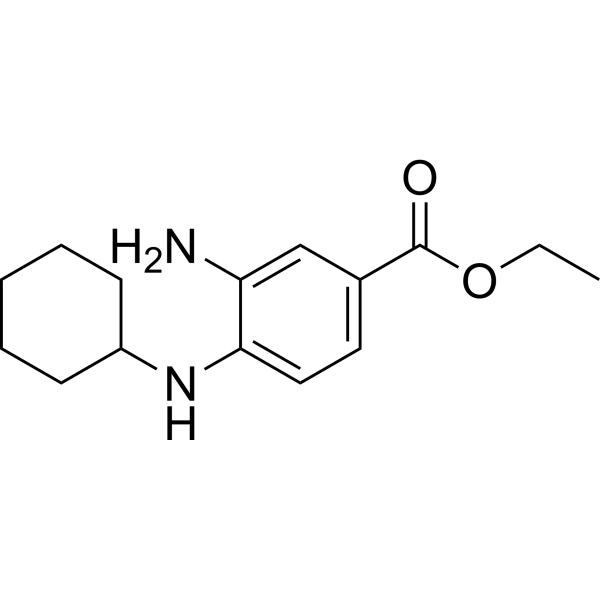
Ferrostatin-1 (Fer-1), a potent and selective ferroptosis inhibitor, suppresses Erastin-induced ferroptosis in HT-1080 cells (EC50=60 nM). Ferrostatin-1, a synthetic antioxidant, acts via a reductive mechanism to prevent damage to membrane lipids and thereby inhibits cell death. Ferrostatin-1 exhibits antifungal activity .
loading...
    loading...
859
859 Cited Publications
Cat. No.: HY-17394
CAS No.: 15663-27-1
Synonyms: cis-Platinum; CDDP; cis-Diaminodichloroplatinum
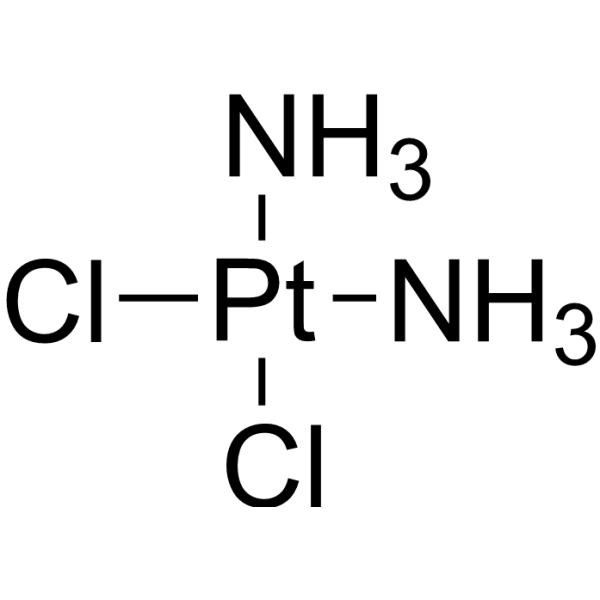
Cisplatin (CDDP) is an antineoplastic chemotherapy agent by cross-linking with DNA and causing DNA damage in cancer cells. Cisplatin activates ferroptosis and induces autophagy .
loading...
    loading...
270
270 Cited Publications
Cat. No.: HY-13757
CAS No.: 54965-24-1
Purity:  99.93%
Synonyms: ICI 46474; (Z)-Tamoxifen Citrate; trans-Tamoxifen Citrate
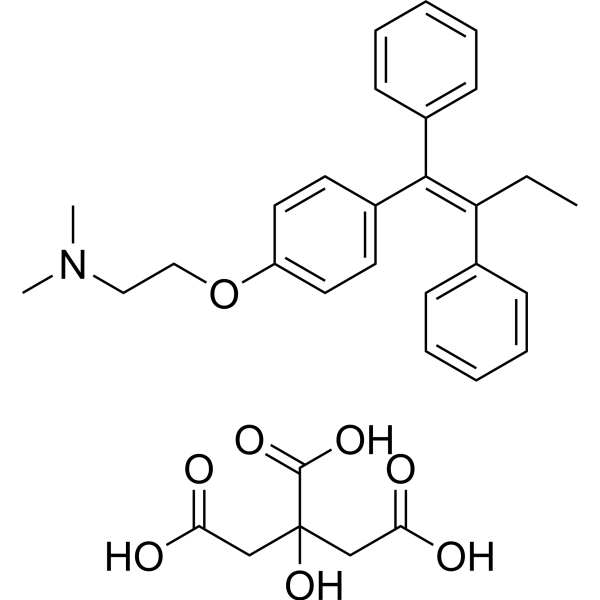
Tamoxifen Citrate (ICI 46474) is an orally active, selective estrogen receptor modulator (SERM) which blocks estrogen action in breast cells and can activate estrogen activity in other cells, such as bone, liver, and uterine cells.Tamoxifen Citrate is a potent Hsp90 activator and enhances the Hsp90 molecular chaperone ATPase activity. Tamoxifen Citrate also potent inhibits infectious EBOV Zaire and Marburg (MARV) with IC50 of 0.1 μM and 1.8 μM, respectively. Tamoxifen Citrate activates autophagy and induces apoptosis. Tamoxifen Citrate can also be used to induce gene knockout in CreER transgenic mice .
loading...
    loading...
270
270 Cited Publications
Cat. No.: HY-13757A
CAS No.: 10540-29-1
Purity:  99.78%
Synonyms: ICI 47699; (Z)-Tamoxifen; trans-Tamoxifen
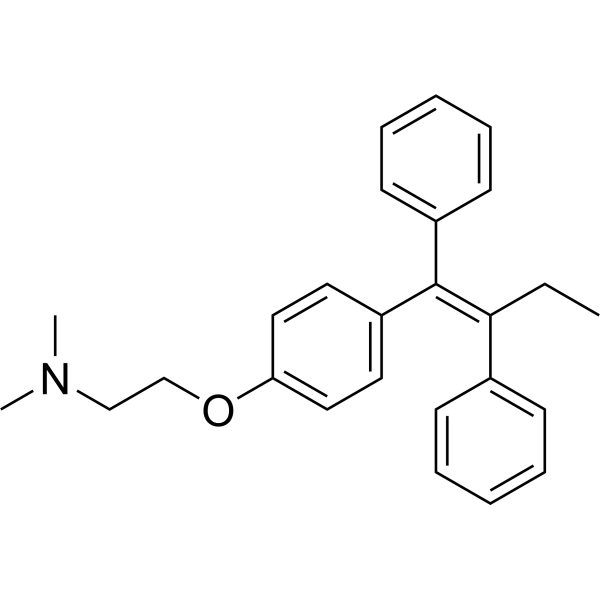
Tamoxifen (ICI 47699) is an orally active, selective estrogen receptor modulator (SERM) which blocks estrogen action in breast cells and can activate estrogen activity in other cells, such as bone, liver, and uterine cells. Tamoxifen is a potent Hsp90 activator and enhances the Hsp90 molecular chaperone ATPase activity. Tamoxifen also potent inhibits infectious EBOV Zaire and Marburg (MARV) with IC50 of 0.1 μM and 1.8 μM, respectively. Tamoxifen activates autophagy and induces apoptosis. Tamoxifen can also be dissolved in corn oil (HY-Y1888) for use in inducing gene knockout in CreER transgenic mice. Tamoxifen has better solubility in corn oil compared to Tamoxifen Citrate (HY-13757) .
loading...
    loading...
236
236 Cited Publications
Cat. No.: HY-17371
CAS No.: 61825-94-3
Research Areas:  

Inflammation/Immunology Cancer

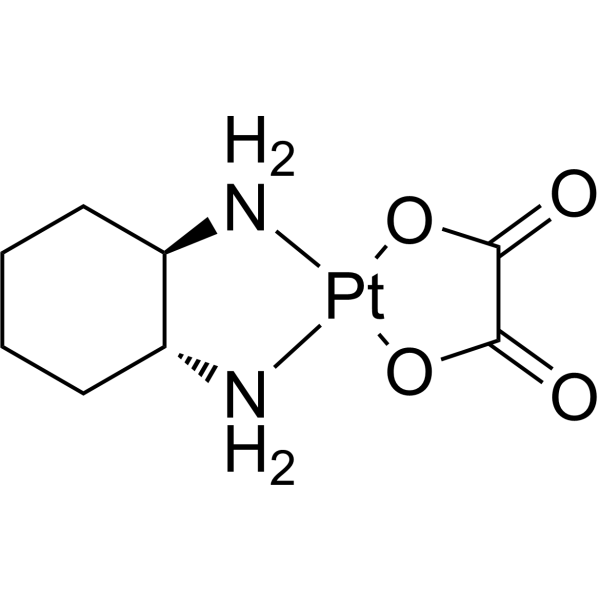
Oxaliplatin is a DNA synthesis inhibitor. Oxaliplatin causes DNA crosslinking damage, prevents DNA replication and transcription and induces apoptosis. Oxaliplatin can be used for cancer research .
loading...
    loading...
217
217 Cited Publications
Cat. No.: HY-17565A
CAS No.: 67763-87-5
Research Areas:  

Cancer

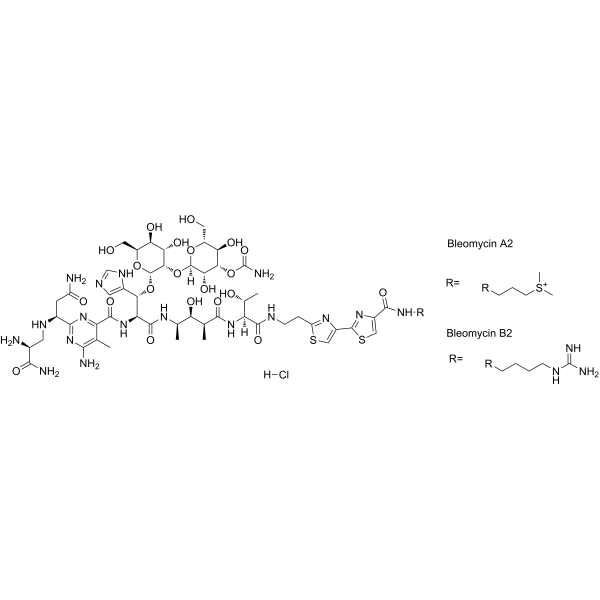
Bleomycin hydrochloride is a DNA synthesis inhibitor. Bleomycin hydrochloride is a DNA damaging agent. Bleomycin hydrochloride is an antitumor antibiotic .
loading...
    loading...
217
217 Cited Publications
Cat. No.: HY-17565
CAS No.: 9041-93-4
Synonyms: Bleomycin sulfate
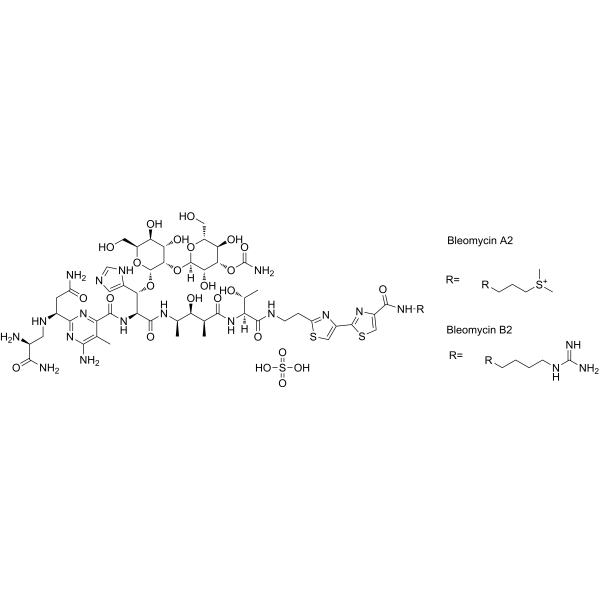
Bleomycin sulfate is a DNA synthesis inhibitor. Bleomycin hydrochloride is a DNA damaging agent. Bleomycin sulfate is an antitumor antibiotic .
loading...
    loading...
212
212 Cited Publications
Cat. No.: HY-17471A
CAS No.: 1115-70-4
Synonyms: 1,1-Dimethylbiguanide hydrochloride
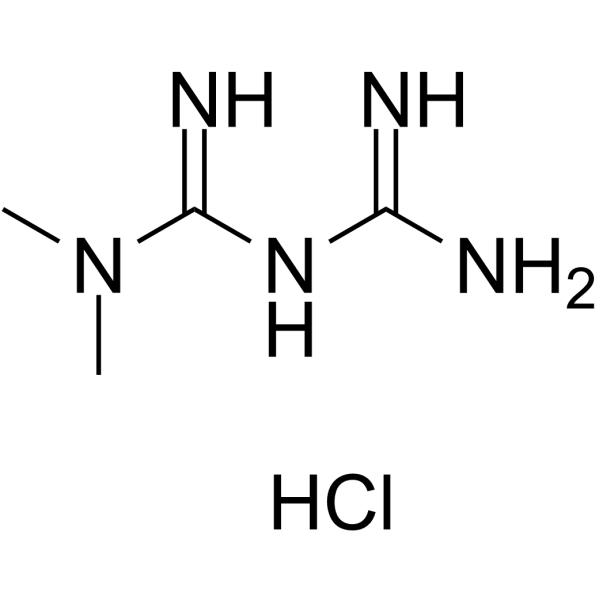
Metformin (1,1-Dimethylbiguanide) hydrochloride inhibits the mitochondrial respiratory chain in the liver, leading to AMPK activation and enhancing insulin sensitivity, and can be used in the study of type 2 diabetes. Metformin hydrochloride exerts central glucose-lowering effects by inhibiting Ras-related protein 1 (Rap1) in SF1 hypothalamic neurons. Metformin hydrochloride also inhibits liver oxidative stress, nitrosative stress, inflammation, and apoptosis caused by liver ischemia/reperfusion injury. In addition, Metformin hydrochloride regulates the expression of autophagy-related proteins by activating AMPK and inhibiting the mTOR signaling pathway, thereby inducing tumor cell autophagy and inhibiting the growth of renal cell carcinoma in vitro and in vivo .
loading...
    loading...
212
212 Cited Publications
Cat. No.: HY-B0627
CAS No.: 657-24-9
Synonyms: 1,1-Dimethylbiguanide
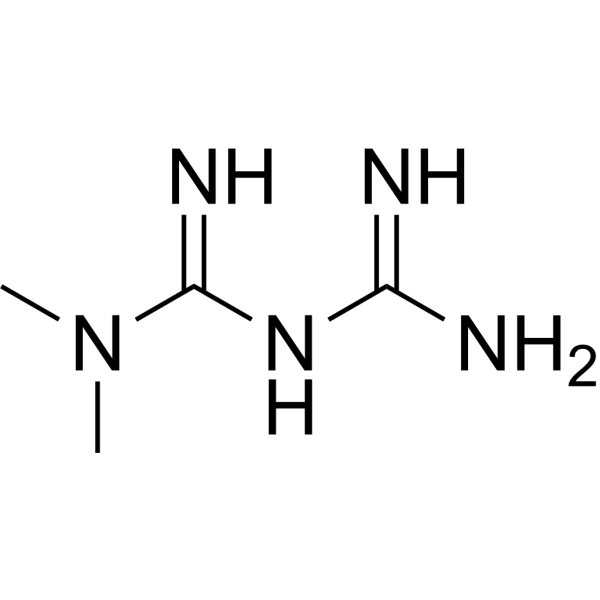
Metformin (1,1-Dimethylbiguanide) inhibits the mitochondrial respiratory chain in the liver, leading to AMPK activation and enhancing insulin sensitivity, and can be used in the study of type 2 diabetes. Metformin exerts central glucose-lowering effects by inhibiting Ras-related protein 1 (Rap1) in SF1 hypothalamic neurons. Metformin also inhibits liver oxidative stress, nitrosative stress, inflammation, and apoptosis caused by liver ischemia/reperfusion injury. In addition, Metformin regulates the expression of autophagy-related proteins by activating AMPK and inhibiting the mTOR signaling pathway, thereby inducing tumor cell autophagy and inhibiting the growth of renal cell carcinoma in vitro and in vivo .
loading...
    loading...
184
184 Cited Publications
Cat. No.: HY-D0814
CAS No.: 28718-90-3
Synonyms: 4',6-Diamidino-2-phenylindole dihydrochloride
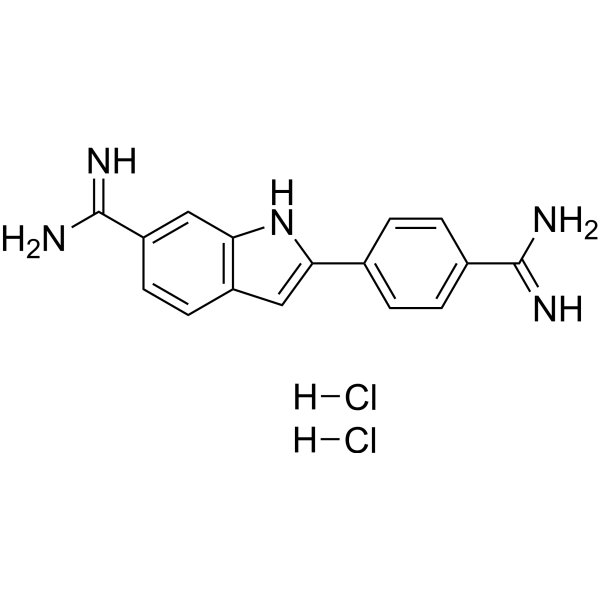
DAPI (4',6-Diamidino-2-phenylindole) dihydrochloride is a DAPI dye. DAPI is a fluorescent dye that binds strongly to DNA. It binds to the AT base pair of the double-stranded DNA minor groove, and one DAPI molecule can occupy three base pair positions. The fluorescence intensity of DAPI molecules bound to double-stranded DNA is increased by about 20 times, and it is commonly observed with fluorescence microscopy, and the amount of DNA can be determined based on the intensity of fluorescence. DAPI cannot penetrate intact cell membranes and is commonly used for staining damaged and fixed cells . DAPI (Compound 3) is an acid-sensing ion channel 3 (ASIC3) inhibitor. DAPI binds to ASIC3 and blocks the channel function. DAPI can be used in the study of chronic pain treatment (Ex/Em = 356/451 nm).
loading...
    loading...
184
184 Cited Publications
Cat. No.: HY-D2868
CAS No.: 47165-04-8
Synonyms: 4',6-Diamidino-2-phenylindole
DAPI (4',6-Diamidino-2-phenylindole) is a DAPI dye. DAPI is a fluorescent dye that binds strongly to DNA. It binds to the AT base pair of the double-stranded DNA minor groove, and one DAPI molecule can occupy three base pair positions. The fluorescence intensity of DAPI molecules bound to double-stranded DNA is increased by about 20 times, and it is commonly observed with fluorescence microscopy, and the amount of DNA can be determined based on the intensity of fluorescence. DAPI cannot penetrate intact cell membranes and is commonly used for staining damaged and fixed cells . DAPI (Compound 3) is an acid-sensing ion channel 3 (ASIC3) inhibitor. DAPI binds to ASIC3 and blocks the channel function. DAPI can be used in the study of chronic pain treatment (Ex/Em = 356/451 nm).
loading...
    loading...
178
178 Cited Publications
Cat. No.: HY-D1738
CAS No.: 28718-91-4
Synonyms: 4',6-Diamidino-2-phenylindole dilactate
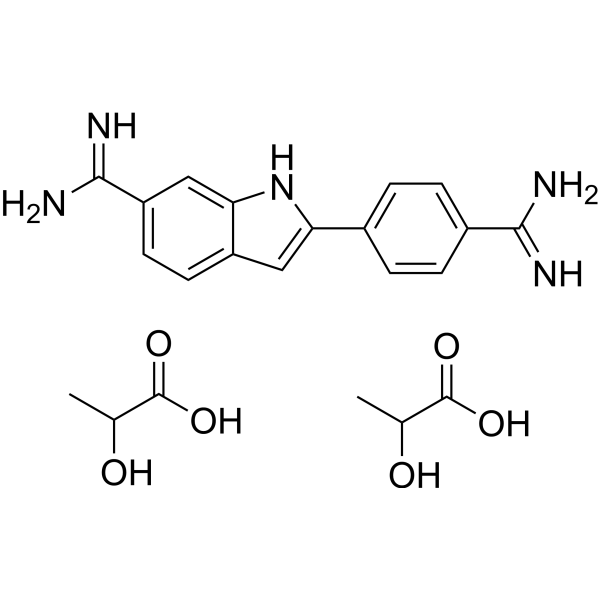
DAPI (4',6-Diamidino-2-phenylindole) dilactate is a DAPI dye. DAPI is a fluorescent dye that binds strongly to DNA. It binds to the AT base pair of the double-stranded DNA minor groove, and one DAPI molecule can occupy three base pair positions. The fluorescence intensity of DAPI molecules bound to double-stranded DNA is increased by about 20 times, and it is commonly observed with fluorescence microscopy, and the amount of DNA can be determined based on the intensity of fluorescence. DAPI cannot penetrate intact cell membranes and is commonly used for staining damaged and fixed cells . DAPI (Compound 3) is an acid-sensing ion channel 3 (ASIC3) inhibitor. DAPI binds to ASIC3 and blocks the channel function. DAPI can be used in the study of chronic pain treatment (Ex/Em = 356/451 nm) .
loading...
    loading...
168
168 Cited Publications
Cat. No.: HY-D0815
CAS No.: 25535-16-4
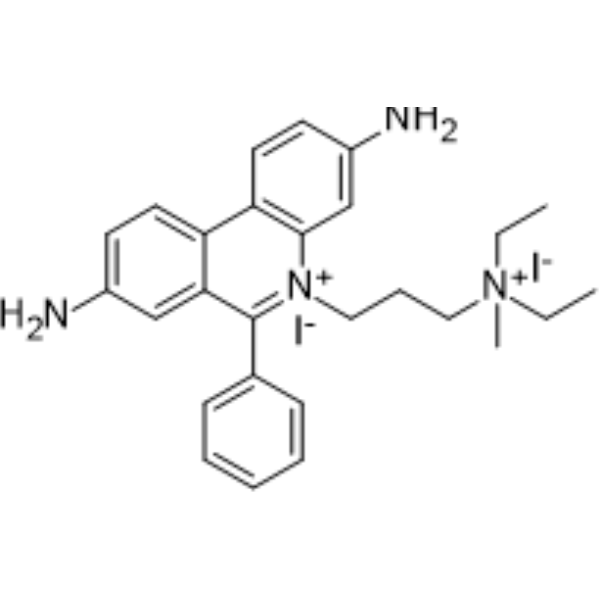
Propidium Iodide (PI) is a nuclear staining agent that stains DNA. Propidium Iodide is an analogue of ethidine bromide that emits red fluorescence upon embedding in double-stranded DNA. Propidium Iodide cannot pass through living cell membranes, but it can pass through damaged cell membranes to stain the nucleus. Propidium Iodide has a fluorescence wavelength of 493/617 nm and a wavelength of 536/635 nm after Mosaic with DNA. Propidium Iodide is commonly used in the detection of apoptosis (apoptosis) or necrosis (necrosis), and is often used in flow cytometry analysis.
loading...
    loading...
165
165 Cited Publications
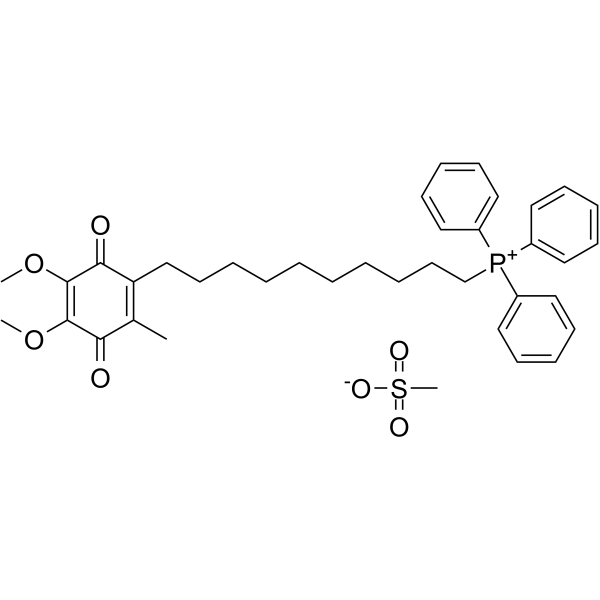
Cat. No.: HY-100116A
CAS No.: 845959-50-4
Purity:  99.09%
Synonyms: MitoQ mesylate; MitoQ10 mesylate
Research Areas:  

Metabolic Disease Cancer

Mitoquinone mesylate is a TPP-based, mitochondrially targeted antioxidant in order to protect against oxidative damage .
loading...
    loading...
147
147 Cited Publications
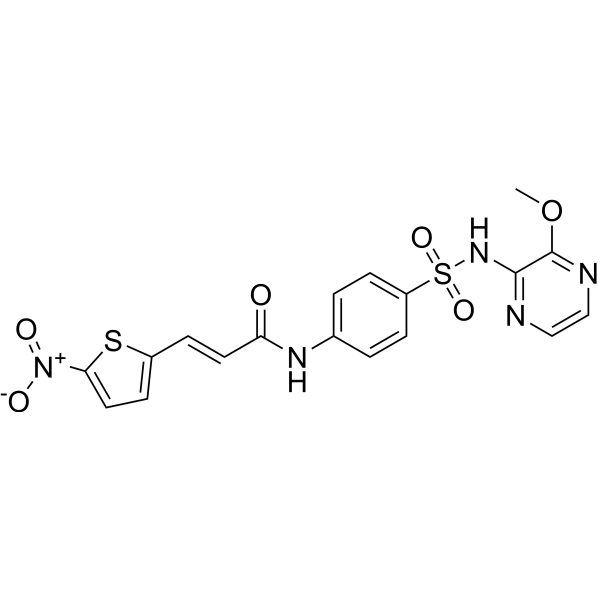
Cat. No.: HY-100573
CAS No.: 1360614-48-7
Purity:  99.47%
Necrosulfonamide is a MLKL and Gasdermin D (GSDMD) inhibitor, capable of separately inhibiting necroptosis and pyroptosis of cells. Necrosulfonamide does not affect the activation of upstream signals, but specifically inhibits the downstream executor oligomerization step. Necrosulfonamide reduces the expression of the key kinases NLRP3 and caspase-1 involved in necroptosis and pyroptosis, activate the Nrf2 pathway and the downstream antioxidant enzymes, and also downregulates a variety of inflammatory factors. Necrosulfonamide plays significant roles in various diseases such as neurodegenerative diseases (such as Parkinson’s disease), tissue damage and ischemia-reperfusion injury, inflammatory bowel disease, osteoarthritis and fracture repair, and hair loss by regulating two important programmed necrosis pathways .
loading...
    loading...
115
115 Cited Publications
Cat. No.: HY-10231
CAS No.: 685898-44-6
Purity:  ≥98.0%
PX-478 is a multifunctional HIF-1α inhibitor with properties including radiosensitization, autophagy activation, and lipid accumulation inhibition. PX-478 also blocks hypoxia-induced VEGF production and regulates β-cell phenotypes under hypoxic conditions. PX-478 induces cell cycle arrest and DNA damage, restores autophagic function, reduces foam cell formation, and maintains glucose homeostasis. PX-478 is widely used in research on related diseases such as human tumors (e.g., prostate cancer), type 2 diabetes, and atherosclerosis .
loading...
    loading...
111
111 Cited Publications
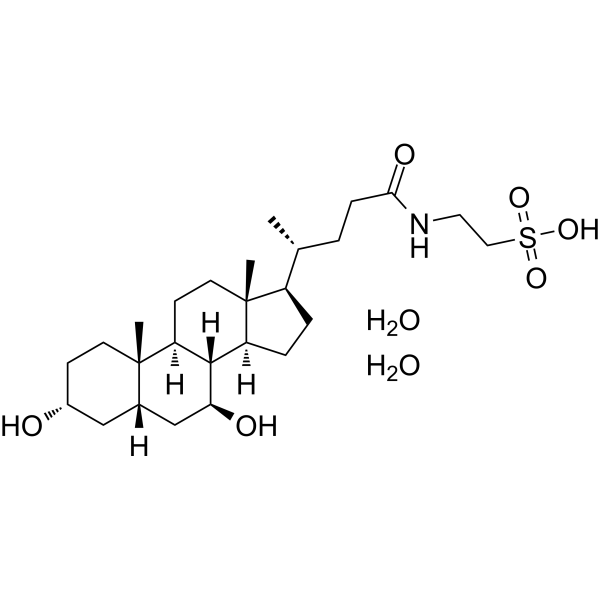
Cat. No.: HY-19696B
CAS No.: 117609-50-4
Synonyms: Tauroursodeoxycholic acid dihydrate; TUDCA dihydrate; UR 906 dihydrate
Tauroursodeoxycholate dehydrate is an orally active taurine conjugate of Ursodeoxycholic acid (HY-13771). Tauroursodeoxycholate dehydrate inhibits caspase-3/7, Apoptosis, IRE1α/TRAF2/NF-κB, prevents JNK phosphorylation, inhibits ROS generation, and activates Akt signaling. Tauroursodeoxycholate dehydrate prevents cataract formation, reduces renal tubular damage in type 2 diabetic mice, reduces I/R injury in liver, and inhibits intestinal inflammation and barrier disruption in nonalcoholic fatty liver disease .
loading...
    loading...
103
103 Cited Publications
Cat. No.: HY-40354
CAS No.: 477600-75-2
Synonyms: Tasocitinib; CP-690550
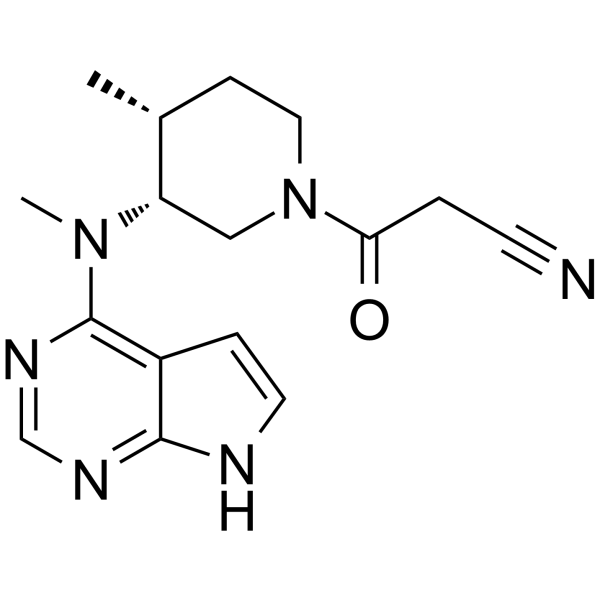
Tofacitinib (Tasocitinib) is an orally active, blood-brain barrier permeable selective inhibitor of JAK1/JAK3. Tofacitinib blocks the JAK-STAT/NF-κB signaling pathway, inhibits cytokine signal transduction, phosphorylation of STAT1/STAT5, and suppresses innate and adaptive immune responses. Tofacitinib can be used in research related to major depressive disorder, rheumatoid arthritis, pulmonary diseases, systemic lupus erythematosus, and immune-mediated liver injury .
loading...
    loading...
103
103 Cited Publications
Cat. No.: HY-40354A
CAS No.: 540737-29-9
Synonyms: Tasocitinib citrate; CP-690550 citrate
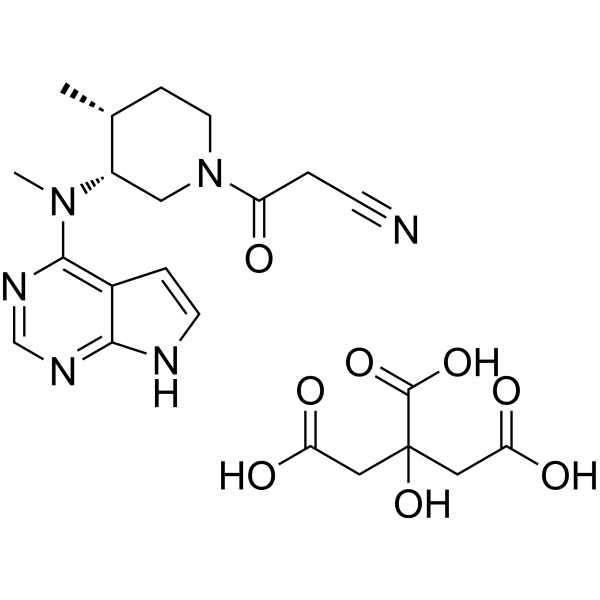
Tofacitinib citrate (Tasocitinib citrate) is an orally active, blood-brain barrier permeable selective inhibitor of JAK1/JAK3. Tofacitinib citrate blocks the JAK-STAT/NF-κB signaling pathway, inhibits cytokine signal transduction, phosphorylation of STAT1/STAT5, and suppresses innate and adaptive immune responses. Tofacitinib citrate can be used in research related to major depressive disorder, rheumatoid arthritis, pulmonary diseases, systemic lupus erythematosus, and immune-mediated liver injury .
loading...
    loading...
99
99 Cited Publications
Cat. No.: HY-128868
CAS No.: 60842-46-8
FITC-Dextran (MW 10000) is a fluorescent probe for fluorescein isothiocyanate (FITC) dextran (Ex=495 nm; Em=525 nm). FITC-Dextran (MW 10000) can be used as a marker to reveal heat shock-induced cell damage and to study the early and late stages of apoptosis. FITC-Dextran (MW 10000) can also be used for cell permeability studies, such as blood-brain barrier permeability and determination of the extent of blood-brain barrier disruption .
loading...
    loading...

