1. Search Result
Search Result
Results for "

microsome

" in MedChemExpress (MCE) Product Catalog:

439

Inhibitors & Agonists

6

Biochemical Assay Reagents

2

Peptides

50

Natural
Products

14

Isotope-Labeled Compounds

5

Click Chemistry

Cat. No. Product Name Target Research Areas Chemical Structure
  • HY-100432
    LOC14
    4 Publications Verification

    PDI Neurological Disease Inflammation/Immunology
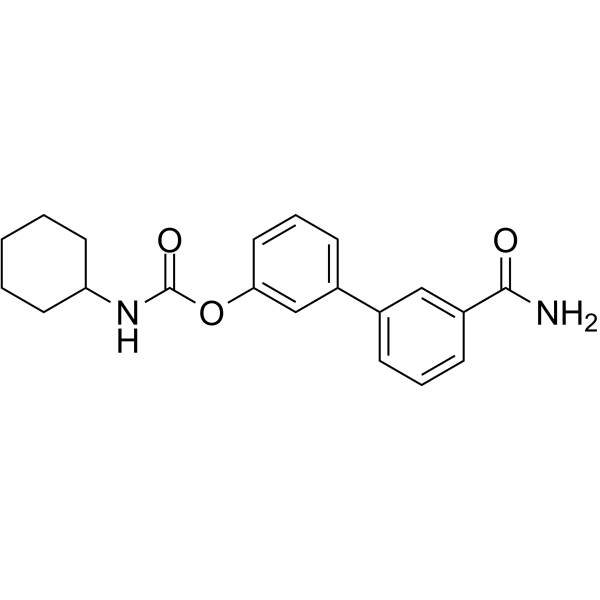
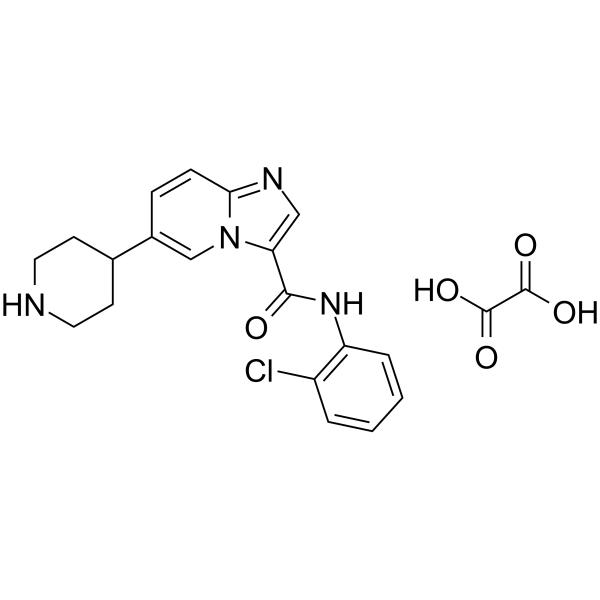
    LOC14 is a potent Protein disulfide isomerase (PDI) inhibitor with EC50 and Kd values of 500 nM and 62 nM, respectively. LOC14 exhibits high stability in mouse liver microsomes and blood plasma, low intrinsic microsome clearance, and low plasma-protein binding . LOC14 inhibits PDIA3 activity, decreases intramolecular disulfide bonds and subsequent oligomerization (maturation) of HA in lung epithelial cells .
    LOC14
  • HY-B0476
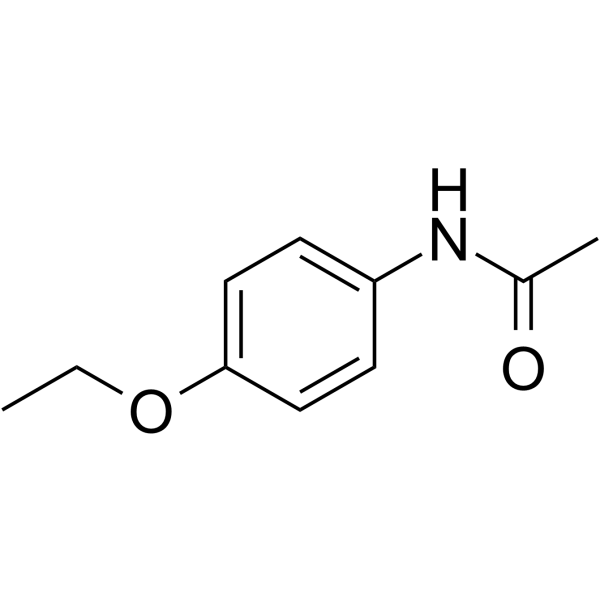
    Phenacetin
    1 Publications Verification

    Acetophenetidin

    COX Inflammation/Immunology
    Phenacetin (Acetophenetidin) is a non-opioid analgesic/antipyretic agent. Phenacetin is a selective COX-3 inhibitor. Phenacetin is used as probe of cytochrome P450 enzymes CYP1A2 in human liver microsomes and in rats .
    Phenacetin
  • HY-10864
    URB-597
    5 Publications Verification

    KDS-4103

    FAAH Autophagy Mitophagy Neurological Disease
    URB-597 (KDS-4103) is an orally bioavailable and selective FAAH inhibitor. URB-597 inhibits FAAH activity with an IC50s of approximately 5 nM in rat brain membranes, 0.5 nM in intact rat neurons, 3 nM in human liver microsomes. Antidepressant-like effects. Analgesic activity .
    URB-597
  • HY-149055

    CXCR Inflammation/Immunology
    ACT-777991 is an orally active and selective CXCR3 antagonist. ACT-777991 has microsomes and hepatocytes stability across animal models. ACT-777991 inhibits the migration of activated T cells toward CXCL11 .
    ACT-777991
  • HY-157421

    NAMPT Metabolic Disease
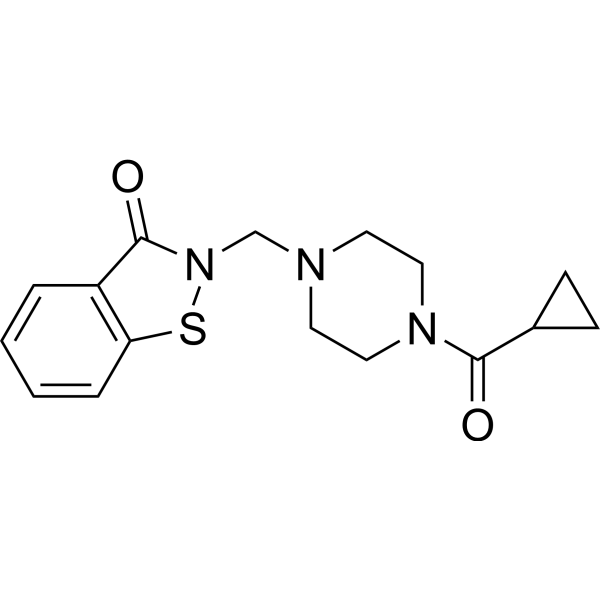
    Nampt activator-4 is an orally active NAMPT activator, with an EC50 of 58 nM and a Ka of 85.38 nM against human NAMPT. Nampt activator-4 effectively relieves the feedback inhibition of nicotinamide and NAD +, thereby enhancing enzymatic activity and significantly increasing intracellular NAD + levels. Nampt activator-4 exhibits moderate stability in human and mouse liver microsomes. Nampt activator-4 shows low to moderate inhibitory effects on cytochrome P450 (especially CYP3A4). Nampt activator-4 can be used for the research of type 2 diabetes and related metabolic disorders .
    Nampt activator-4
  • HY-B1311
    Proadifen hydrochloride
    1 Publications Verification

    SKF-525A; U-5446; RP-5171

    Cytochrome P450 Monoamine Oxidase Bcl-2 Family Survivin PARP Neurological Disease Inflammation/Immunology Cancer
    Proadifen (SKF-525A) hydrochloride is a non-competitive Cytochrome P450 inhibitor with an IC50 value of 19 μM. Proadifen hydrochloride reduces monoamine oxidase A (MAO-A) activity and reverses the antidepressantlike behavioral effect of Imipramine (HY-B1490A) and Desipramine (HY-B1272A) in rats. Proadifen hydrochloride also reduces N, N-dimethyltryptamine (DMT) metabolism in liver microsomes and inhibits N-demethylationand Acridone (HY-W007771) formation. Proadifen hydrochloride augments Lipopolysaccharide (LPS) (HY-D1056)-induced fever and exacerbates Prostaglandin E2 (PGE2) (HY-101952) levels in the rat. Proadifen hydrochloride is promising for research of metabolism-related deseases, ovarian carcinoma, inflammation and dopamine neurons-related deseases .
    Proadifen hydrochloride
  • HY-17614

    SMT C1100; BMN 195; VOX-C1100

    Cytochrome P450 Others
    Ezutromid (SMT C1100) is a first-in-class, orally active benzoxazole utrophin modulator with an EC50 of 0.91 μM. Ezutromid can be used for the research Duchenne muscular dystrophy (DMD). Ezutromid inhibits CYP1A2 enzymic activity in human liver microsomes (HLM) with an IC50 of 5.4 μM .
    Ezutromid
  • HY-124098

    Lidocaine N-oxide

    Drug Metabolite Others
    Lignocaine N-oxide (Lidocaine N-oxide) is a compound derived from the metabolism of lidocaine. Lidocaine can be metabolized to its N-oxide in rat liver microsomes.
    Lignocaine N-oxide
  • HY-16718

    PF-00251802

    Glucocorticoid Receptor Cytochrome P450 Inflammation/Immunology Endocrinology
    Dagrocorat (PF-00251802) is an orally active and selective high-affinity partial agonist of the glucocorticoid receptor. Dagrocorat is also a time-dependent reversible inhibitor of CYP3A (IC50=1.3 μM in human liver microsomes) and CYP2D6 (Ki=0.57 μM in human liver microsomes). Dagrocorat can be used for the research of rheumatoid arthritis .
    Dagrocorat
  • HY-N4031

    Anaplastic lymphoma kinase (ALK) METTL3 Inflammation/Immunology
    Humantenine is a highly toxic indole alkaloid from Gelsemium elegans (Gardn. & Champ.) Benth. that binds to RNA m6A modification regulatory proteins (ALKBH5, METTL). Humantenine stably binds via hydrogen bonding and hydrophobic interactions and disrupts the m6A methylation level of target genes, thereby impairing the expression of intestinal epithelial cell tight junction and cytoskeleton-related genes, causing intestinal barrier dysfunction and significant intestinal cytotoxicity. The intraperitoneal injection LD50 values of Humantenine are <1 mg/kg in mice, 1.2 mg/kg in male rats and 1.5 mg/kg in female rats, respectively. Species differences exist in the metabolism of Humantenine in human, porcine, goat and rat liver microsomes, and demethylation, dehydrogenation and oxidation occur in liver microsomes .
    Humantenine
  • HY-128268

    Parasite Infection
    PFK-IN-1 (compound 1) is a phosphofructokinase (PFK) inhibitor, with IC50 values of 0.41 and 0.23 μM against T.brucei and T.cruzi PFK, respectively, and an ED50 of 15.18 μg/mL for T.brucei. The half-lives of PFK-IN-1 in rat and mouse liver microsomes are 9.7 and 408 minutes, respectively .
    PFK-IN-1
  • HY-148208

    Amino Acid Derivatives Metabolic Disease
    S-(p-Nitrobenzyl)glutathione is a competitive glutathionase inhibitor. S-(p-Nitrobenzyl)glutathione is converted to the corresponding cysteine derivatives by rat kidney microsomes. S-(p-Nitrobenzyl)glutathione can be used for the research of metabolic breakdown of glutathione by the glutathionase system .
    S-(p-Nitrobenzyl)glutathione
  • HY-14585

    Estrone 3-O-sulfamate

    Steroid Sulfatase Cancer
    Estrone O-sulfamate (Estrone 3-O-sulfamate) is a potent steroid sulfatase (STS) inhibitor. Estrone O-sulfamate has inhibitory activity for STS in a placental microsomes (P.M.) preparation and in MCF-7 cells with IC50 values of 18 nM and 0.83 nM, respectively. Estrone O-sulfamate can be used for the research of cancer .
    Estrone O-sulfamate
  • HY-N4071

    Others Others
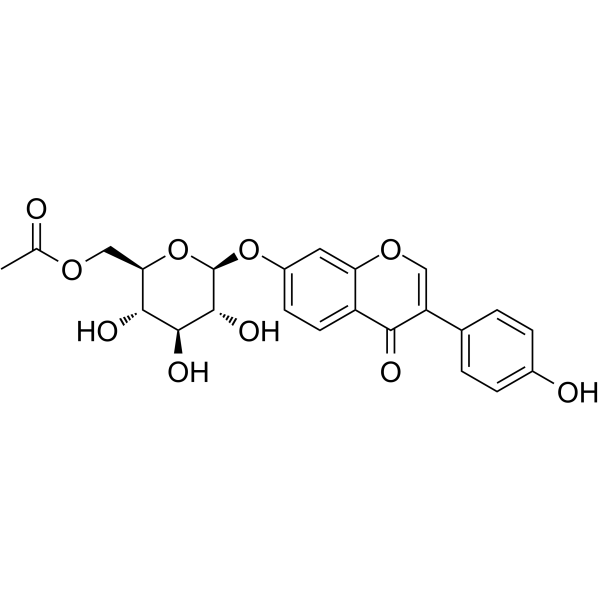
    6"-O-Acetyldaidzin is an isoflavone glycoside isolated from soybeans. 6"-O-Acetyldaidzin significantly inhibits lipid peroxidation in rat liver microsome with an IC50 of 8.2 μM .
    6
  • HY-N4070

    Others Others
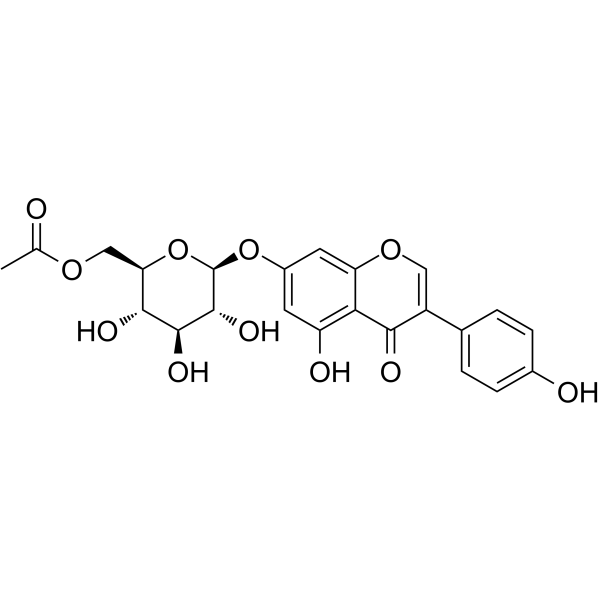
    6"-O-Acetylgenistin is an isoflavone glycoside isolated from soybeans. 6"-O-Acetylgenistin significantly inhibits lipid peroxidation in rat liver microsome with an IC50 of 10.6 μM .
    6
  • HY-134423S

    Isotope-Labeled Compounds Others
    Stearoyl coenzyme A- 13C18 (lithium) is the 13C labeled Stearoyl coenzyme A lithium . Stearoyl coenzyme A (Stearoyl-CoA) lithium is an active compound that can be used as a substrate for the determination of stearoyl-Coenzyme desaturase in microsomes .
    Stearoyl coenzyme A-13C18 lithium
  • HY-119669

    Bacterial Others
    Furylfuramide is a food preservative that exhibits mutagenic activity. Furylfuramide can be degraded through the aerobic metabolism by liver microsomes .
    Furylfuramide
  • HY-123370

    Proton Pump Metabolic Disease Cancer
    FR-167356 is a potent, orally active and selective vacuolar ATPase inhibitor with IC50 values of 170, 220, 370, and 1200 nM for osteoclast plasma membranes, macrophage microsomes, renal brush border membranes, and liver lysosomal membranes, respectively. FR-167356 inhibits bone resorption and ovariectomy-induced bone loss .
    FR-167356
  • HY-W003371

    Drug Metabolite Others
    CGP 44 645 is the methanol metabolite of Letrozole (HY-14248) and is a molecular indicator for evaluating its metabolic kinetics in microsomes in vitro. Levels of CGP 44 645 in rat liver microsomes may be sex-specific .
    CGP 44 645
  • HY-N1483

    Potassium Channel Cardiovascular Disease
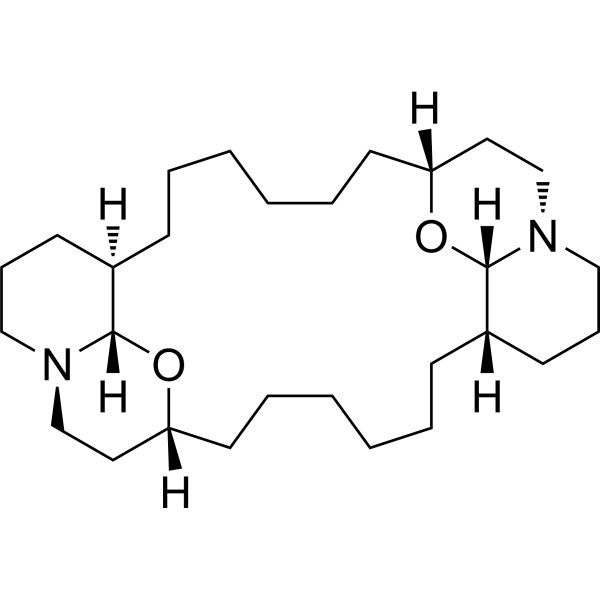
    Guanfu base A is an antiarrhythmic alkaloid isolated from Aconitum coreanum and is a potent noncompetitive CYP2D6 inhibitor, with a Ki of 1.20 μM in human liver microsomes (HLMs) and a Ki of 0.37 μM for the human recombinant form (rCYP2D6). Guanfu base A is also a potent competitive inhibitor of CYP2D in monkey (Ki of 0.38 μM) and dog (Ki of 2.4 μM) microsomes . Guanfu base A also inhibits HERG channel current .
    Guanfu base A
  • HY-W196803

    Propyl Disulfide; DPDS

    Environmental Pollutants Cytochrome P450 Others
    Dipropyl disulfide is oxidized to dipropyl thiosulfinate (DPDSO) by rat microsomes. Both flavincontaining monooxygenases (FMO) and cytochrome P450 enzymes (CYPs) are involved in dipropyl disulfide oxidation. Dipropyl disulfide forms two metabolites: propylglutathione sulfide conjugate and propylthiol .
    Dipropyl disulfide
  • HY-148207

    Amino Acid Derivatives Metabolic Disease
    S-Benzylglutathione is a competitive glutathionase inhibitor. S-Benzylglutathione is converted to the corresponding cysteine derivatives by rat kidney microsomes. S-Benzylglutathione can be used for the research of metabolic breakdown of glutathione by the glutathionase system .
    S-Benzylglutathione
  • HY-155050

    Apoptosis Histone Methyltransferase Cancer
    PRMT5-IN-31 (Compound 3m) is a selective PRMT5 inhibitor (IC50: 0.31 μM). PRMT5-IN-31 up-regulates hnRNP E1 protein level. PRMT5-IN-31 occupies the substrate site of PRMT5 and forms essential interactions with amino acid residues. PRMT5-IN-31 has antiproliferative effects against A549 cells by inducing apoptosis and inhibiting cell migration. PRMT5-IN-31 has high metabolic stability on human liver microsomes (T1/2: 132.4 min) .
    PRMT5-IN-31
  • HY-129344

    Acyltransferase Metabolic Disease
    CL 277082 is a potent and selective acyl CoA:cholesterol acyltransferase (ACAT) inhibitor in microsomes. CL 277082 inhibits ACAT with IC50 values of 0.14 μM for intestinal mucosal microsomes, 0.74 μM for liver, and 1.18 μM for rat adrenal. CL 277082 is a ACAT-catalyzed cholesterol esterification and cholesterol absorption inhibitor .
    CL 277082
  • HY-16443

    Phosphatase Metabolic Disease
    S-4048 is a Glucose-6-phosphatase (G6Pase) inhibitor with an IC50 value of 9.4 nM for rat microsomes.
    S-4048
  • HY-N6702

    Acyltransferase Infection Cardiovascular Disease
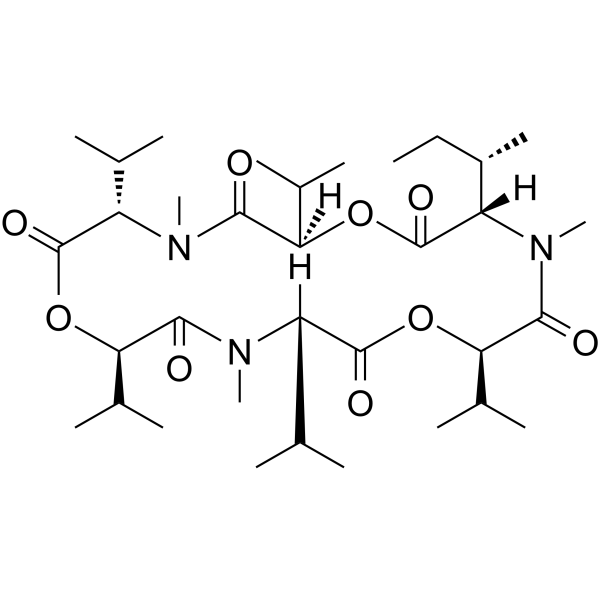
    Enniatin A is a Fusarium mycotoxin. Enniatin A inhibits acyl-CoA: cholesterol acyltransferase (ACAT) activity with an IC50 of 22 μM in an enzyme assay using rat liver microsomes .
    Enniatin A
  • HY-126665

    ADC Payload Cancer
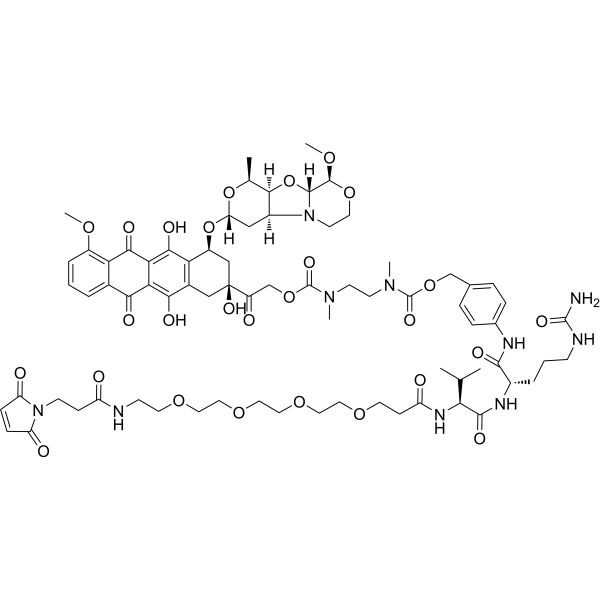
    DMEA-PNU-159682 (molecule D12) is a ADC cytotoxin molecule including metabolites of nemorubicin (MMDX) from liver microsomes and a potent ADCs cytotoxin PNU-159682 .
    DMEA-PNU-159682
  • HY-117789

    keto-ITZ

    Cytochrome P450 Infection Cancer
    Keto-itraconazole (keto-ITZ) is a metabolism of Itraconazole (HY-17514) with a potent inhibitor activity of CYP3A. Keto-itraconazole shows unbound IC50 value of 4.6 nM when coincubated with human liver microsomes and midazolam .
    Keto-itraconazole
  • HY-151983

    Thrombin Cardiovascular Disease
    Thrombin inhibitor 6 is a potent thrombin inhibitor (IC50: 1 nM). Thrombin inhibitor 6 has the function as an anticoagulant .
    Thrombin inhibitor 6
  • HY-130238

    (±)8-HDoHE; 8-hydroxy Docosahexaenoic acid; (±)8-HDoHE

    Endogenous Metabolite Metabolic Disease
    (±)8-HDHA is an autoxidation product of docosahexaenoic acid (DHA) in vitro. It is also produced from incubations of DHA in rat liver, brain, and intestinal microsomes. (±)8-HDHA is a potential marker of oxidative stress in brain and retina where DHA is an abundant polyunsaturated fatty acid.
    (±)8-HDHA
  • HY-N11677

    Drug Metabolite Others
    7-Hydroxy-TSU-68 is a derivative of TSU-68 (HY-10517). It is a metabolite of the biotransformation pathway of TSU-68 in human liver microsomes. The content represents the self-induced hydroxylation level of TSU-68 .
    7-Hydroxy-TSU-68
  • HY-121345

    Drug Metabolite Neurological Disease Cancer
    Homobaldrinal is a decomposition product of Valepotriate (HY-N0718). Homobaldrinal exhibits genotoxic activity in the Salmonella/microsome test .
    Homobaldrinal
  • HY-16718A

    PF-00251802 hydrochloride

    Glucocorticoid Receptor Cytochrome P450 Inflammation/Immunology Endocrinology
    Dagrocorat (PF-00251802) hydrochloride is an orally active and selective high-affinity partial agonist of the glucocorticoid receptor. Dagrocorat hydrochloride is also a time-dependent reversible inhibitor of CYP3A (IC50=1.3 μM in human liver microsomes) and CYP2D6 (Ki=0.57 μM in human liver microsomes). Dagrocorat hydrochloride can be used for the research of rheumatoid arthritis .
    Dagrocorat hydrochloride
  • HY-172565

    SCH 56592 D-glucuronide

    Drug Metabolite UGT Infection
    Posaconazole D-glucuronide (SCH 56592 D-glucuronide) is a glucuronide metabolite of the antifungal agent Posaconazole (HY-17373). Posaconazole D-glucuronide can be formed in human liver microsomes catalyzed by UGT1A4 .
    Posaconazole D-glucuronide
  • HY-142931

    ATM/ATR Neurological Disease Cancer
    ATM-IN-1 is a potent inhibitor of ATM. ATM is located mainly in the nucleus and microsomes and is involved in cell cycle progression and in the cell cycle checkpoint response to DNA damage. ATM-IN-1 has the potential for the research of cancer and neurology diseases (extracted from patent WO2021139814A1, compound 3) .
    ATM-IN-1
  • HY-10864R

    KDS-4103 (Standard)

    FAAH Autophagy Mitophagy Reference Standards Neurological Disease
    URB-597 (Standard) is the analytical standard of URB-597. This product is intended for research and analytical applications. URB-597 (KDS-4103) is an orally bioavailable and selective FAAH inhibitor. URB-597 inhibits FAAH activity with an IC50s of approximately 5 nM in rat brain membranes, 0.5 nM in intact rat neurons, 3 nM in human liver microsomes. Antidepressant-like effects. Analgesic activity .
    URB-597 (Standard)
  • HY-119647

    COX Cytochrome P450 Others
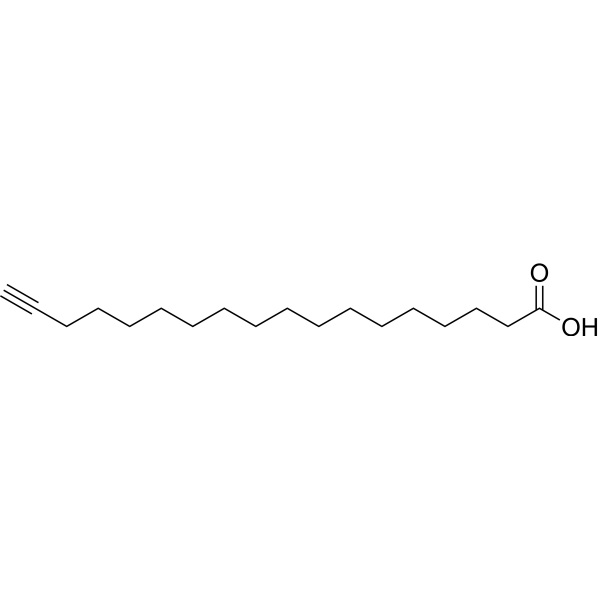
    PPOH, a fatty acid derivative, is a selective cyclooxygenase (COX) inhibitor that inhibits arachidonic acid cyclooxygenase activity in renal cortical microsomes. In addition, PPOH acts on CYP4A2 and CYP4A3 with the IC50 values of 22 μM and 6.5 μM, respectively . PPOH is a click chemistry reagent, it contains an Alkyne group and can undergo copper-catalyzed azide-alkyne cycloaddition (CuAAc) with molecules containing Azide groups.
    PPOH
  • HY-N13388

    UGT1A6

    Biochemical Assay Reagents Others
    5-Hydroxytryptophol-O-glucuronide is an authentic glucuronide standard and probe metabolite. 5-Hydroxytryptophol-O-glucuronide is used to detect the activity of human UGT1A6 in in vitro systems including human liver microsomes and recombinant UGT1A6 .
    5-Hydroxytryptophol-O-glucuronide
  • HY-146410

    Angiotensin Receptor Others
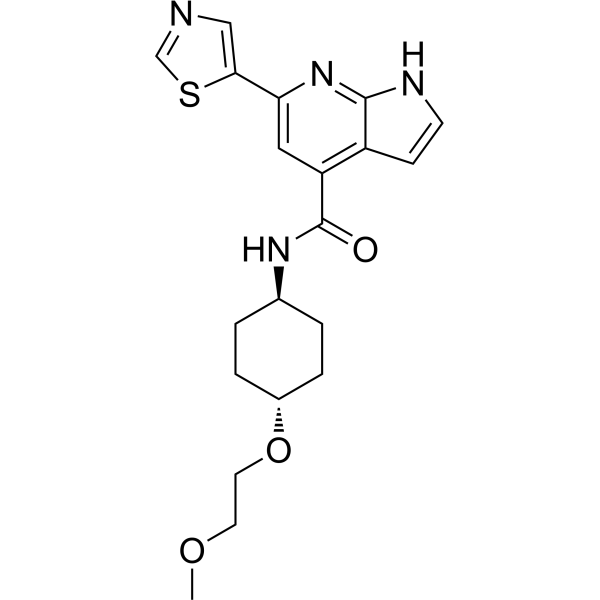
    AT2R antagonist 1 (compound 21) is a potent and high selective AT2R (angiotensin II AT2 receptor) ligand. AT2R antagonist 1 exhibits a fair AT2R affinity, with a Ki of 29 nM. AT2R antagonist 1 also inhibits common agent-metabolizing CYP enzymes. AT2R antagonist 1 shows high stability in human, rat and mouse liver microsomes .
    AT2R antagonist 1
  • HY-N9515

    Apoptosis Reactive Oxygen Species (ROS) Neurological Disease Metabolic Disease
    Diallyl tetrasulfide is an orally active diallyl tetrasulfide. Diallyl tetrasulfide ameliorates cadmium-induced changes in acetylcholinesterase and adenosine triphosphatase activities as well as oxidative stress injury in the brain of rats . Diallyl tetrasulfide inhibits lipid peroxidation in rat liver microsomes . Diallyl tetrasulfide ameliorates cadmium-induced oxidative liver injury in rats . Diallyl tetrasulfide protects cells against cadmium-induced loss of cell viability, reduces apoptosis rate and ROS production. Diallyl tetrasulfide is applicable to research related to cadmium-induced neurotoxicity and cadmium-induced oxidative liver injury .
    Diallyl tetrasulfide
  • HY-101627

    Acyltransferase Metabolic Disease
    YM17E is an inhibitor of acyl CoA:cholesterol acyltransferase (ACAT), with IC50 of 44 nM in rabbit liver microsomes in vitro.
    YM17E
  • HY-112690A
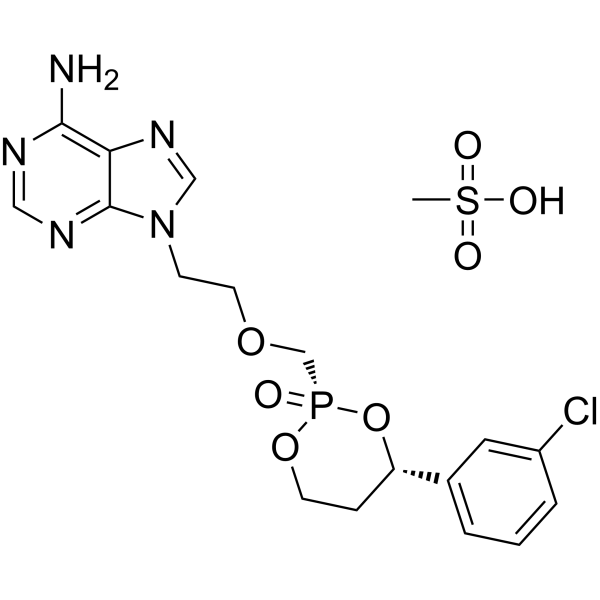
    Pradefovir mesylate
    1 Publications Verification

    Remofovir mesylate

    Cytochrome P450 Metabolic Disease
    Pradefovir mesylate is a good substrate for liver CYP3A4. Pradefovir is converted to 9-(2-phosphonylmethoxyethyl)adenine (PMEA) in human liver microsomes with a Km of 60 μM.
    Pradefovir mesylate
  • HY-W154117

    Drug Metabolite Others
    2,2-Dichloro-1,1-ethanediol is a metabolite of the insecticides Dichlorvos (HY-B1312) and Trichlorphon, is mutagenic in the Salmonella/microsome test.
    2,2-Dichloro-1,1-ethanediol
  • HY-126665A

    ADC Payload Cancer
    DMEA-PNU-159682 (molecule D12) dichloroacetate is an ADC cytotoxin molecule including metabolites of nemorubicin (MMDX) from liver microsomes and a potent ADCs cytotoxin PNU-159682 .
    DMEA-PNU-159682 dichloroacetate
  • HY-P10331

    SDCBP Cancer
    KSL 128114, a peptide inhibitor of syntenin, binds the PDZ1 domain of syntenin with nanomolar affinity. KSL 128114 is resistant toward degradation in human plasma and mouse hepatic microsomes and displays a global PDZ domain selectivity for syntenin .
    KSL 128114
  • HY-134423

    Stearoyl-CoA lithium

    Biochemical Assay Reagents Others
    Stearoyl coenzyme A (Stearoyl-CoA) lithium is an active compound that can be used as a substrate for the determination of stearoyl-Coenzyme desaturase in microsomes .
    Stearoyl coenzyme A lithium
  • HY-16442

    Phosphatase Metabolic Disease
    S-3483, a Chlorogenic acid (HY-N0055) derivative, is a reversible, linear competitive glucose-6-phosphatase (Glc-6-Pase) system inhibitor. S-3483 inhibits Glc-6-Pase with a Ki 129 nM in rat liver microsomes. S-3483 specifically inhibits Glc-6-P transporter of renal and liver microsomes .
    S-3483
  • HY-N8094

    Cytochrome P450 Others
    Kushenol M is a flavonoid from Sophora flavescens. Kushenol M is a cytochrome P450 (CYP) inhibitor, with IC50 values of 1.29 μM for CYP3A4 in human liver microsomes .
    Kushenol M
  • HY-100644

    Trimethoprim 1-N-oxide

    Drug Metabolite Infection
    Trimethoprim N-oxide (Trimethoprim 1-N-oxide) belongs to human urinary metabolites. Trimethoprim N-oxide is generated by oxidation of nitrogen atoms in the pyrimidine ring. Trimethoprim N-oxide is formed predominantly by CYP1A2 in human liver microsomes .
    Trimethoprim N-oxide
  • HY-157931

    Histamine Receptor Neurological Disease
    Anticancer agent 192 (compound XXI) is a steroid-based histamine H3 receptor antagonist with no affinity for muscarinics and hERG. Anticancer agent 192 is quite stable in human and rat liver microsomes. Anticancer agent 192 can improve the cognitive level and reduce the degree of addiction in rats in the in vivo addiction test .
    Anticancer agent 192

Inquiry Online

Your information is safe with us. * Required Fields.

Salutation


Country or Region *

Applicant Name *


Organization Name *

Department *


Email Address *


Product Name *

Cat. No.


Requested quantity *

Phone Number *


Remarks

Inquiry Online

Inquiry Information

Product Name:
Cat. No.:
Quantity:
MCE Japan Authorized Agent:

