1. Search Result
Search Result
Results for "

nitric oxide signaling pathways

" in MedChemExpress (MCE) Product Catalog:

34

Inhibitors & Agonists

3

Fluorescent Dyes

14

Natural
Products

Targets Recommended:
Cat. No. Product Name Target Research Areas Chemical Structure
  • HY-N1445
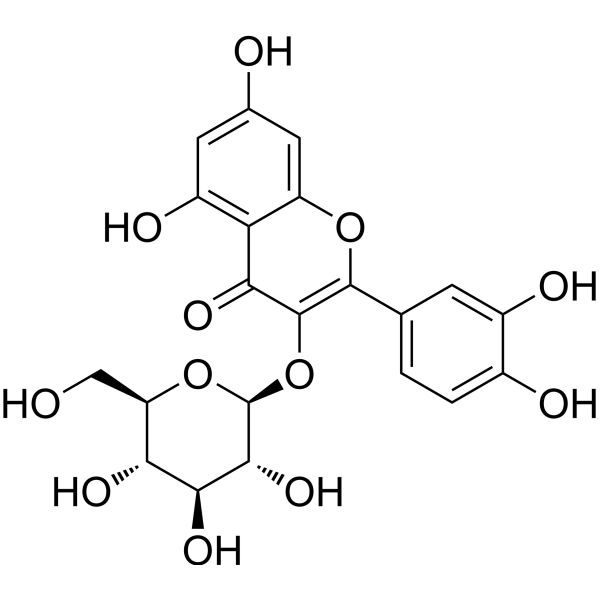
    Isoquercitrin
    Maximum Cited Publications
    7 Publications Verification

    Isoquercetin; Quercetin 3-glucoside

    NF-κB NO Synthase Inflammation/Immunology Cancer
    Isoquercetin (Quercetin 3-glucoside) is a naturally occurring polyphenol that has antioxidant, anti-proliferative, and anti-inflammatory properties. Isoquercetin alleviates ethanol-induced hepatotoxicity, oxidative stress, and inflammatory responses via the Nrf2/ARE antioxidant signaling pathway . Isoquercetin regulates the expression of nitric oxide synthase 2 (NO2) via modulating the nuclear factor-κB (NF-κB) transcription regulation system. Isoquercetin has high bioavailability and low toxicity, is a promising candidate agent to prevent birth defects in diabetic pregnancies .
    Isoquercitrin
  • HY-14536
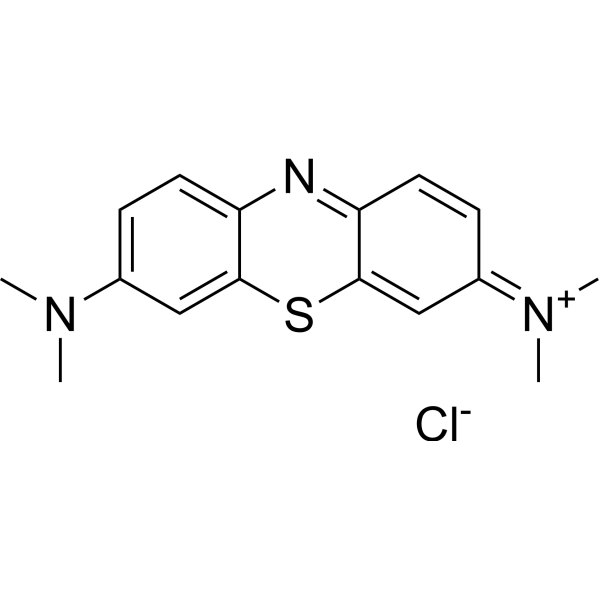
    Methylene Blue
    25+ Cited Publications

    Basic Blue 9; CI-52015; Methylthioninium chloride

    Environmental Pollutants Monoamine Oxidase Guanylate Cyclase Microtubule/Tubulin NO Synthase Infection Neurological Disease Cancer
    Methylene blue (Basic Blue 9) is a guanylyl cyclase (sGC), monoamine oxidase A (MAO-A) and NO synthase (NOS) inhibitor. Methylene blue is a vasopressor and is often used as a dye in several medical procedures. Methylene blue through the nitric oxide syntase/guanylate cyclase signalling pathway to reduce prepulse inhibition. Methylene blue is a REDOX cycling compound and able to cross the blood-brain barrier. Methylene blue is a Tau aggregation inhibitor. Methylene Blue is a photosensitizer and redox agent. Methylene blue reduces cerebral edema, attenuated microglial activation and reduced neuroinflammation .
    Methylene Blue
  • HY-Y0488A
    Formic acid ammonium
    2 Publications Verification

    Ammonium formate

    Environmental Pollutants Calcium Channel NO Synthase Bacterial ATP Synthase Metabolic Disease
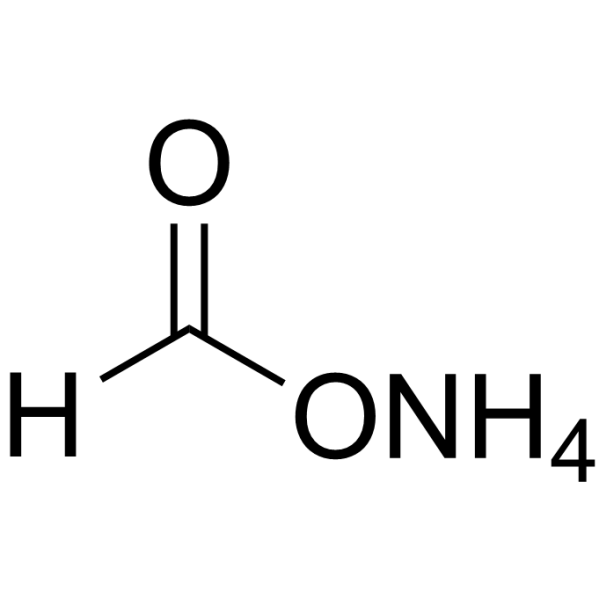
    Formic acid ammonium is the ammonium salt form of formic acid, which is an endogenous metabolite. Formic acid ammonium activates the nitric oxide/cyclic guanosine monophosphate (NO/cGMP) signaling pathway in endothelial cells and inhibits calcium ion influx in vascular smooth muscle cells, resulting in vasomotor relaxation. Formic acid ammonium inhibits cytochrome C oxidase (CcO) and disrupts the electron transport chain, leading to ATP depletion. Formic acid ammonium can be used as a feed additive, which can lower the feed pH value, inhibit the growth of microorganisms (such as Escherichia coli, Salmonella), and extend the shelf life of the feed .
    Formic acid ammonium
  • HY-N1382
    Asperuloside
    2 Publications Verification

    NO Synthase Metabolic Disease Inflammation/Immunology
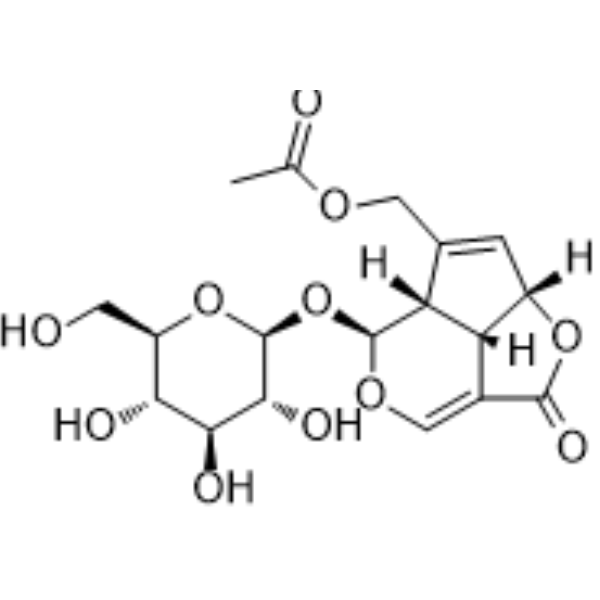
    Asperuloside is an iridoid isolated from Hedyotis diffusa, with anti-inflammatory activity. Asperuloside inhibits inducible nitric oxide synthase (iNOS), suppresses NF-κB and MAPK signaling pathways .
    Asperuloside
  • HY-N0617
    Sanggenon C
    2 Publications Verification

    Phosphatase ERK NF-κB Apoptosis Cardiovascular Disease Inflammation/Immunology Cancer
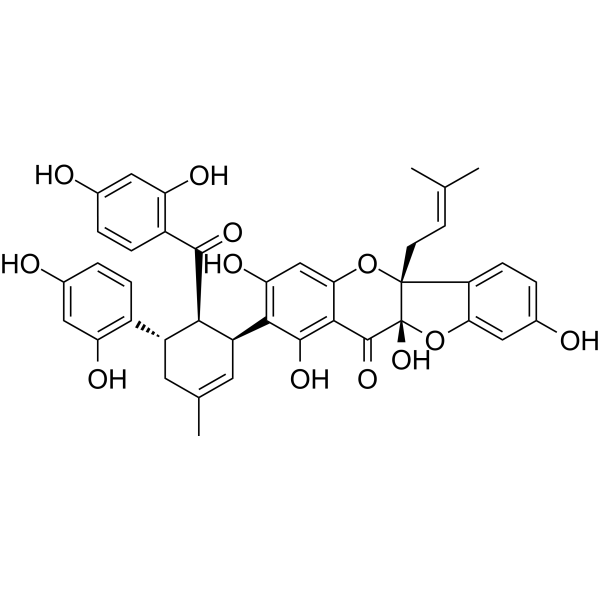
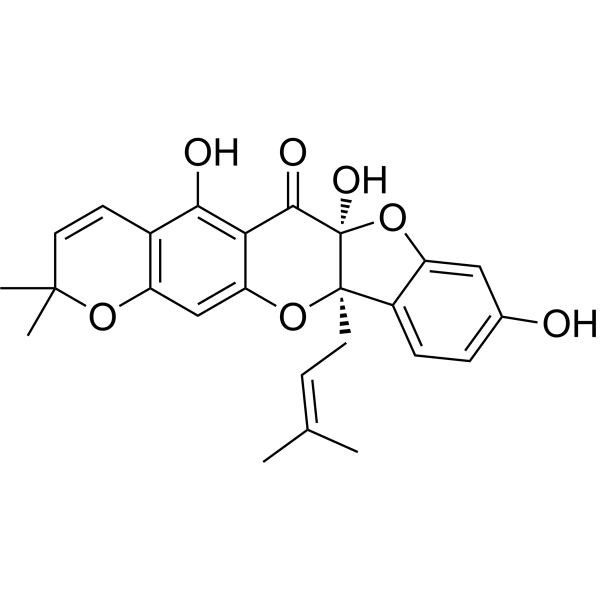
    Sanggenon C, a flavonoid, exerts protective effects against cardiac hypertrophy and fibrosis via suppression of the calcineurin/NFAT2 pathway. Sanggenon C inhibits mitochondrial fission to induce apoptosis by blocking the ERK signaling pathway. Sanggenon C inhibits inducible nitric oxide synthase expression in RAW264.7 cells, and TNF-α-stimulated cell adhesion and VCAM-1 expression, by suppressing NF-κB activity. Sanggenon C possesses antioxidant, anti-inflammatory and antitumor activities .
    Sanggenon C
  • HY-D0958
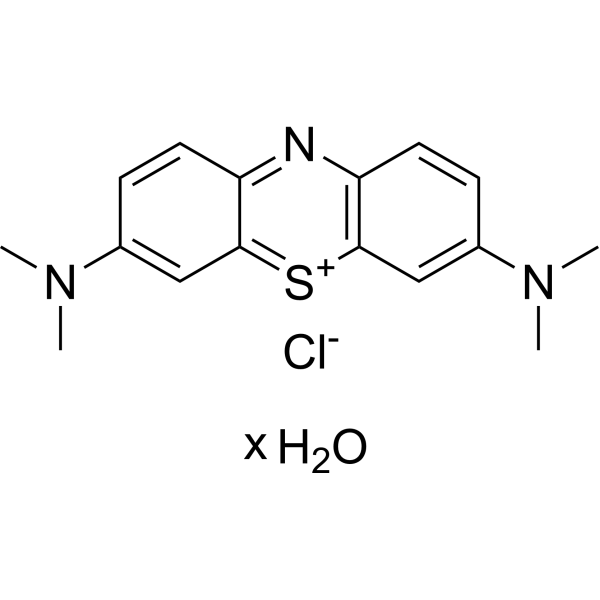
    Methylene blue hydrate
    20+ Cited Publications

    Basic Blue 9 hydrate; CI-52015 hydrate; Methylthioninium chloride hydrate

    Guanylate Cyclase Monoamine Oxidase NO Synthase Microtubule/Tubulin Infection Inflammation/Immunology Cancer
    Methylene blue (Basic Blue 9) hydrate is a guanylyl cyclase (sGC), monoamine oxidase A (MAO-A) and NO synthase (NOS) inhibitor. Methylene blue is a vasopressor and is often used as a dye in several medical procedures. Methylene blue hydrate through the nitric oxide syntase/guanylate cyclase signalling pathway to reduce prepulse inhibition. Methylene blue hydrate is a REDOX cycling compound and able to cross the blood-brain barrier. Methylene blue hydrate is a Tau aggregation inhibitor. Methylene blue hydrate reduces cerebral edema, attenuated microglial activation and reduced neuroinflammation .
    Methylene blue hydrate
  • HY-14536A

    Basic Blue 9 (purity≥70%); CI-52015 (purity≥70%); Methylthioninium chloride (purity≥70%)

    Environmental Pollutants Monoamine Oxidase Guanylate Cyclase Microtubule/Tubulin NO Synthase Infection Neurological Disease Cancer
    Methylene blue (purity≥70%) is a guanylyl cyclase (sGC), monoamine oxidase A (MAO-A) and NO synthase (NOS) inhibitor. Methylene blue (purity≥70%) is a vasopressor and is often used as a dye in several medical procedures. Methylene blue (purity≥70%) through the nitric oxide syntase/guanylate cyclase signalling pathway to reduce prepulse inhibition. Methylene blue (purity≥70%) is a REDOX cycling compound and able to cross the blood-brain barrier. Methylene blue (purity≥70%) is a Tau aggregation inhibitor. Methylene blue reduces cerebral edema, attenuated microglial activation and reduced neuroinflammation .
    Methylene blue (purity≥70%)
  • HY-18732
    L-NMMA
    10+ Cited Publications

    Tilarginine; Methylarginine

    NO Synthase Neurological Disease Inflammation/Immunology Cancer
    L-NMMA (Tilarginine) is a non-selective and competitive inhibitor of nitric oxide synthase. L-NMMA inhibits three subtypes, namely nNOS, eNOS, and iNOS, and reduces NO production . L-NMMA alleviates mechanical allodynia, thermal hyperalgesia, and choroidal fibrosis. L-NMMA is applicable to research related to nociception, bone cancer pain, and myopia .
    L-NMMA
  • HY-12379
    NS-2028
    1 Publications Verification

    Guanylate Cyclase Inflammation/Immunology
    NS-2028 is a highly selective soluble Guanylyl Cyclase (sGC) inhibitor with IC50 values of 30 nM and 200 nM for basal and NO-stimulated enzyme activity . NS-2028 inhibits soluble Guanylyl Cyclase activity in homogenates of mouse cerebellum and neuronal NO synthase with IC50 values of 17 nM and 20 nM . NS-2028 inhibits 3-morpholino-sydnonimine (SIN-1)-elicited formation of cyclic GMP in human cultured umbilical vein endothelial cells with an IC50 of 30 nM . NS-2028 is commonly used in the research of nitric oxide signaling pathways, it inhibits NO-dependent relaxant responses in non-vascular smooth muscle completely (1 μM) . NS-2028 reduces vascular endothelial growth factor-induced angiogenesis and permeability .
    NS-2028
  • HY-171705

    Keap1-Nrf2 AMPK JNK IKK p38 MAPK NO Synthase α-synuclein Interleukin Related Neurological Disease
    KMS99220 is an orally active, blood-brain barrier-permeable activator of the Nrf2 inhibitory protein Keap-1. KMS99220 enhances the activity of AMPK, activates the Nrf2 signaling pathway, and reduces the phosphorylation of IκB, nuclear translocation of NFκB, as well as the phosphorylation levels of JNK, IKK and p38 MAPK via HO-1. KMS99220 binds to Keap1 to trigger the nuclear translocation of Nrf2, induces the expression of HO-1, NQO1, GCLC, GCLM and proteasome subunits; enhances proteasomal enzymatic activity; inhibits iNOS expression, nitric oxide production and IL-1β generation; attenuates microglial activation; reduces α-synuclein aggregation; and prevents dopaminergic neuron degeneration and motor dysfunction. KMS99220 prevents the degeneration of dopaminergic neurons in the substantia nigra, induces the expression of Nrf2 downstream target genes, and effectively ameliorates associated motor dysfunction in a mouse model of Parkinson's disease. KMS99220 is applicable to research related to Parkinson's disease .
    KMS99220
  • HY-N1445R
    Isoquercitrin (Standard)
    1 Publications Verification

    Isoquercetin (Standard); Quercetin 3-glucoside (Standard)

    Reference Standards NF-κB NO Synthase Inflammation/Immunology Cancer
    Isoquercetin (Standard) is the analytical standard of Isoquercetin. This product is intended for research and analytical applications. Isoquercetin (Quercetin 3-glucoside) is a naturally occurring polyphenol that has antioxidant, anti-proliferative, and anti-inflammatory properties. Isoquercetin alleviates ethanol-induced hepatotoxicity, oxidative stress, and inflammatory responses via the Nrf2/ARE antioxidant signaling pathway . Isoquercetin regulates the expression of nitric oxide synthase 2 (NO2) via modulating the nuclear factor-κB (NF-κB) transcription regulation system. Isoquercetin has high bioavailability and low toxicity, is a promising candidate agent to prevent birth defects in diabetic pregnancies .
    Isoquercitrin (Standard)
  • HY-N12188

    NF-κB TNF Receptor Interleukin Related p38 MAPK Inflammation/Immunology
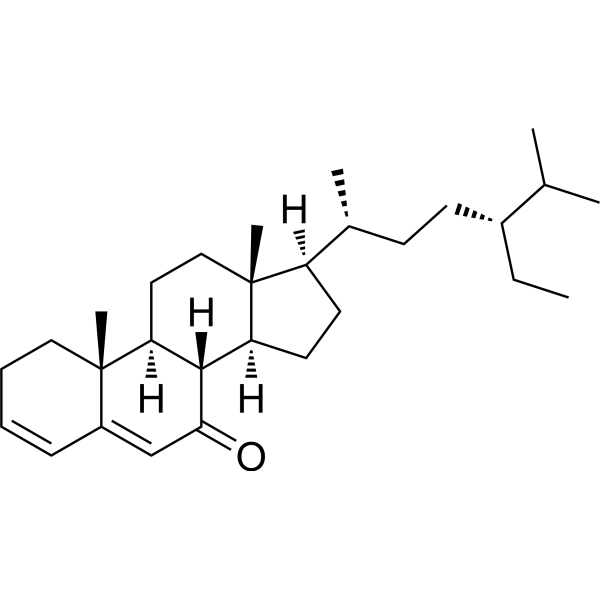
    Stigmasta-3,5-dien-7-one is a steroid compound that can be isolated from Harrisonia abyssinica. Stigmasta-3,5-dien-7-one blocks the NF-κB signaling pathway via down-regulation of phospho-p38 mitogen-activated protein kinase and phosphorylation and degradation of inhibitor of NF-κB α. Stigmasta-3,5-dien-7-one reduces LPS (HY-D1056)-induced nitric oxide, PGE2, and pro-inflammatory cytokine levels in macrophages. Stigmasta-3,5-dien-7-one can be used for inflammation diseases .
    Stigmasta-3,5-dien-7-one
  • HY-N3426

    NO Synthase Akt AMPK Metabolic Disease
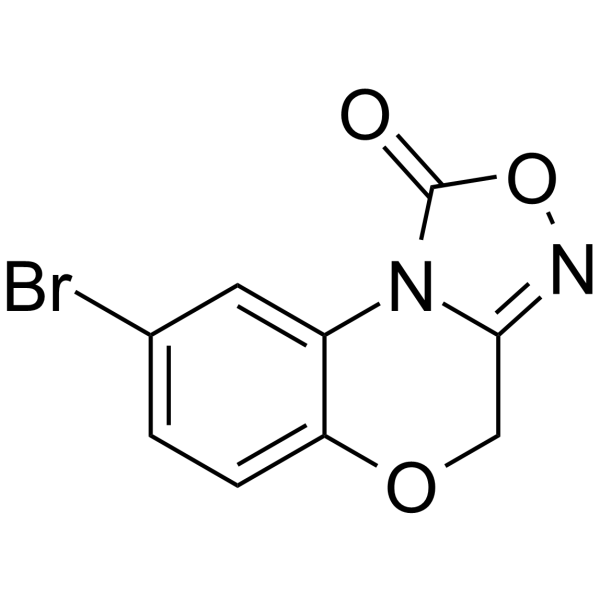
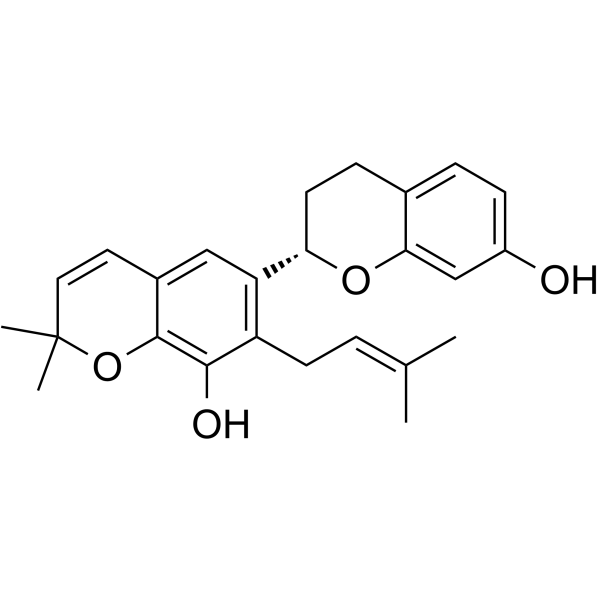
    Kazinol B, a prenylated flavan with a dimethyl pyrane ring, is an inhibitor of nitric oxide (NO) production. Kazinol B improves insulin sensitivity by enhancing glucose uptake via the insulin-Akt signaling pathway and AMPK activation. Kazinol B has the potential for diabetes mellitus research .
    Kazinol B
  • HY-142125

    Xanthine Oxidase Reactive Oxygen Species (ROS) Apoptosis Inflammation/Immunology Cancer
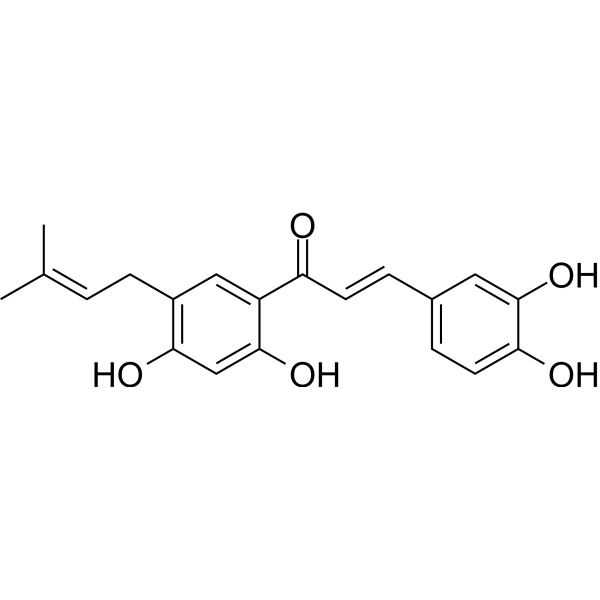
    Broussochalcone A is an antioxidant and an inhibitor of Xanthine Oxidase (IC50=2.21 μM), with free radical scavenging activity. Broussochalcone A inhibits iron-induced lipid peroxidation and nitric oxide synthesis in lipopolysaccharide (LPS) -activated macrophages. Broussochalcone A also induces Apoptosis of human renal carcinoma cells by increasing ROS levels and activating FOXO3 signaling pathways .
    Broussochalcone A
  • HY-14536R

    Basic Blue 9 (Standard); CI-52015 (Standard); Methylthioninium chloride (Standard)

    Reference Standards Guanylate Cyclase Monoamine Oxidase NO Synthase Microtubule/Tubulin Infection Neurological Disease Cancer
    Methylene Blue (Standard) is the analytical standard of Methylene Blue. This product is intended for research and analytical applications. Methylene blue (Basic Blue 9) is a guanylyl cyclase (sGC), monoamine oxidase A (MAO-A) and NO synthase (NOS) inhibitor. Methylene blue is a vasopressor and is often used as a dye in several medical procedures. Methylene blue through the nitric oxide syntase/guanylate cyclase signalling pathway to reduce prepulse inhibition. Methylene blue is a REDOX cycling compound and able to cross the blood-brain barrier. Methylene blue is a Tau aggregation inhibitor. Methylene blue reduces cerebral edema, attenuated microglial activation and reduced neuroinflammation .
    Methylene Blue (Standard)
  • HY-120505

    ERK p38 MAPK Inflammation/Immunology
    ITZ-1 is an orally active and selective extracellular signal-regulated kinase (ERK)-mitogen-activated protein kinase (MAPK) pathway inhibitor with an IC50 of 0.51 μM for inhibiting interleukin-1β (IL-1β)-induced matrix metalloproteinase-13 (MMP-13) production. ITZ-1 reduces MMP-13 expression and suppresses nitric oxide (NO)-induced chondrocyte apoptosi. ITZ-1 is promising for research of osteoarticular diseases .
    ITZ-1
  • HY-N10133

    3′-Prenylnaringenin

    Bacterial mTOR Akt PI3K NF-κB Caspase JNK ERK COX NO Synthase Apoptosis Others
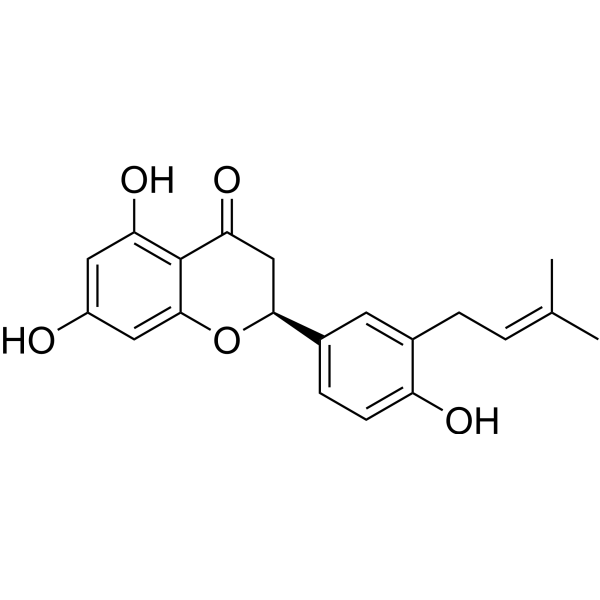
    Licoflavanone (3′-Prenylnaringenin) is a flavanone with antioxidant, anti-inflammatory and anticancer activities. Licoflavanone can be isolated from the leaf extract of Glycyrrhiza glabra. Licoflavanone downregulates the mTOR/PI3K/AKT signaling pathway to inhibit the proliferation, migration and invasion of cancer cells, while activates Bax, Bad and multiple caspase enzymes to induce apoptosis. Its anti-inflammatory effect is manifested by reducing the nuclear translocation of NF-κB, decreasing the phosphorylation levels of p38, JNK and ERK1/2, thereby inhibiting the expression of nitric oxide, proinflammatory cytokines, COX-2 and iNOS. Licoflavanone is used in studies on nasopharyngeal carcinoma and related mechanisms .
    Licoflavanone
  • HY-N11657

    Sanggenone A

    NF-κB Keap1-Nrf2 Inflammation/Immunology
    Sanggenon A (Sanggenone A) exerts anti-inflammatory effects by regulating NF-κB and HO-1/Nrf2 signaling pathways in BV2 and RAW264.7 cells. Sanggenon A markedly inhibits the Lipopolysaccharide (LPS; HY-D1056)-induced production of nitric oxide .
    Sanggenon A
  • HY-149724

    STING NO Synthase Inflammation/Immunology
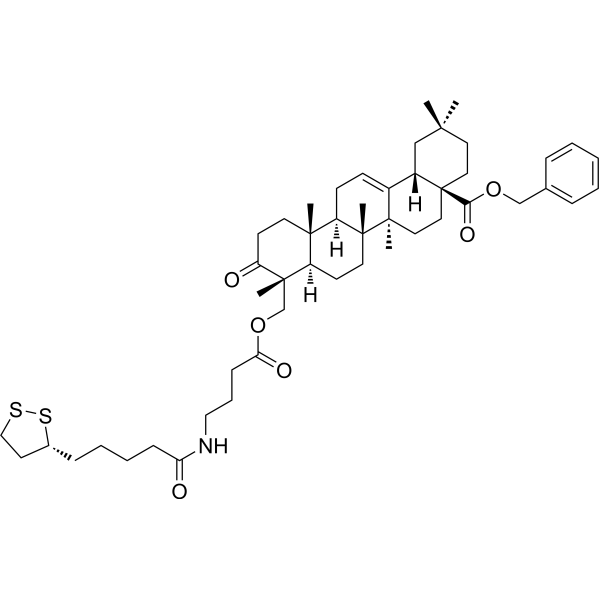
    Anti-inflammatory agent 65 (compound 29) is a Hederagonic acid derivative with potent anti-inflammatory activity. Anti-inflammatory agent 65 inhibits nitric oxide (NO) release. Anti-inflammatory agent 65 inhibits the nuclear translocation of IRF3 and p65, and disrupts the STING/IRF3/NF-κB signaling pathway, thereby attenuating the inflammatory response .
    Anti-inflammatory agent 65
  • HY-D0958R

    Basic Blue 9 hydrate (Standard); CI-52015 hydrate (Standard); Methylthioninium chloride hydrate (Standard)

    Reference Standards Guanylate Cyclase Monoamine Oxidase NO Synthase Microtubule/Tubulin Infection Inflammation/Immunology Cancer
    Methylene blue (hydrate) (Standard) is the analytical standard of Methylene blue (hydrate). This product is intended for research and analytical applications. Methylene blue (Basic Blue 9) hydrate is a guanylyl cyclase (sGC), monoamine oxidase A (MAO-A) and NO synthase (NOS) inhibitor. Methylene blue is a vasopressor and is often used as a dye in several medical procedures. Methylene blue hydrate through the nitric oxide syntase/guanylate cyclase signalling pathway to reduce prepulse inhibition. Methylene blue hydrate is a REDOX cycling compound and able to cross the blood-brain barrier. Methylene blue hydrate is a Tau aggregation inhibitor. Methylene blue hydrate reduces cerebral edema, attenuated microglial activation and reduced neuroinflammation .
    Methylene blue hydrate (Standard)
  • HY-N1382R

    Reference Standards NO Synthase Metabolic Disease Inflammation/Immunology
    Asperuloside (Standard) is the analytical standard of Asperuloside. This product is intended for research and analytical applications. Asperuloside is an iridoid isolated from Hedyotis diffusa, with anti-inflammatory activity. Asperuloside inhibits inducible nitric oxide synthase (iNOS), suppresses NF-κB and MAPK signaling pathways .
    Asperuloside (Standard)
  • HY-155568

    Reactive Oxygen Species (ROS) Apoptosis Neurological Disease Inflammation/Immunology
    Flo8 is a potent anti-inflammatory and antioxidant compound. Flo8 inhibits the release of intracellular reactive oxygen species (ROS) and nitric oxide (NO) and suppresses neuronal apoptotic by inhibiting inflammatory and apoptotic signaling pathways. Flo8 can be used for Parkinson's Disease (PD) research .
    Anti-inflammatory agent 47
  • HY-161513

    COX NO Synthase Inflammation/Immunology
    iNOS/COX-2-IN-1 (Compound 12e) is an inhibitor of cyclooxygenase-2 (COX-2) and inducible nitric oxide synthase (iNOS). iNOS/COX-2-IN-1 inhibits the NF-κB and MAPKs signaling pathways and thus exerts anti-inflammatory effects .
    iNOS/COX-2-IN-1
  • HY-147836

    Akt NF-κB JNK TNF Receptor COX Inflammation/Immunology
    Akt/NF-κB/JNK-IN-1 (Compound 2i) is an inhibitor of Akt, NF-κB and JNK signaling pathways. Akt/NF-κB/JNK-IN-1 inhibits nitric oxide production with an IC50 of 3.15 μM. Akt/NF-κB/JNK-IN-1 shows anti-inflammatory activities .
    Akt/NF-κB/JNK-IN-1
  • HY-162004

    NF-κB Toll-like Receptor (TLR) Inflammation/Immunology
    NF-κB-IN-14 (compound 5e) significantly inhibits nitric oxide production in LPS-induced macrophages (IC50: 6.4 μM). NF-κB-IN-14 disrupts the TLR4-MyD88 protein interaction, leading to the suppression of the NF-κB signaling pathway suppression. NF-κB-IN-14 reduces ear edema and inflammation in an atopic dermatitis mouse model .
    NF-κB-IN-14
  • HY-Y0488AR

    Ammonium formate (Standard)

    Reference Standards NO Synthase Calcium Channel Bacterial ATP Synthase Metabolic Disease
    Formic acid ammonium (Standard) is the analytical standard of Formic acid ammonium. This product is intended for research and analytical applications. Formic acid ammonium is the ammonium salt form of formic acid, which is an endogenous metabolite. Formic acid ammonium activates the nitric oxide/cyclic guanosine monophosphate (NO/cGMP) signaling pathway in endothelial cells and inhibits calcium ion influx in vascular smooth muscle cells, resulting in vasomotor relaxation. Formic acid ammonium inhibits cytochrome C oxidase (CcO) and disrupts the electron transport chain, leading to ATP depletion. Formic acid ammonium can be used as a feed additive, which can lower the feed pH value, inhibit the growth of microorganisms (such as Escherichia coli, Salmonella), and extend the shelf life of the feed.
    Formic acid ammonium (Standard)
  • HY-116115

    17-Oxo-DPA; 17-Oxo-7(Z),10(Z),13(Z),15(E),19(Z)-DPA

    NF-κB PPAR Inflammation/Immunology
    17-Oxo-7(Z),10(Z),13(Z),15(E),19(Z)-docosapentaenoic acid (17-Oxo-DPA; 17-Oxo-7(Z),10(Z),13(Z),15(E),19(Z)-DPA) is an electrophilic oxo-derivative (EFOX) of the docosahexaenoic acid (DHA) (HY-B2167). 17-Oxo-7(Z),10(Z),13(Z),15(E),19(Z)-docosapentaenoic acid is generated during inflammation by COX-2-catalyzed mechanism in activated macrophages. 17-Oxo-7(Z),10(Z),13(Z),15(E),19(Z)-docosapentaenoic acid acts as an agonist for PPARγ and a modulator for NF-κB signaling pathway, inhibits the production of pro-inflammatory cytokines and nitric oxide, and exhibits anti-inflammatory efficacy .
    17-Oxo-7(Z),10(Z),13(Z),15(E),19(Z)-docosapentaenoic acid
  • HY-181755

    NO Synthase Inflammation/Immunology
    Phenylaminojuglone AJ-2 is a nitric oxide synthase inhibitor that interacts with soluble guanylate cyclase, β-adrenergic receptor, CaV1.2 calcium channel, KV channel and KCa channel. Phenylaminojuglone AJ-2 blocks extracellular Ca 2+ influx, regulates the activity of the NO?sGC?cGMP signaling pathway, and inhibits pharmacologic and electromechanical contractions of smooth muscle. Phenylaminojuglone AJ-2 is applicable to studies related to intestinal spasm .
    Phenylaminojuglone AJ-2
  • HY-N17131

    NF-κB ERK Inflammation/Immunology
    24-O-Acetyllycoclavanol (compound 1) is a triterpenoid anti-inflammatory agent that selectively targets the NF-κB and ERK1/2 signaling pathways. It exerts its anti-inflammatory activity by inhibiting lipopolysaccharide (LPS)-induced inducible nitric oxide synthase (iNOS) and COX-2 expression, reducing the production of inflammatory mediators such as nitric oxide (NO), IL-1β, and IL-8. 24-O-Acetyllycoclavanol can be used in research related to inflammatory bowel disease (IBD). 24-O-Acetyllycoclavanol can be biologically isolated from the ethyl acetate extract of Lycopodium clavatum .
    24-O-Acetyllycoclavanol
  • HY-181545A

    NO Synthase IFNAR Cancer
    nNOS-IN-2 trihydrochloride is a blood-brain barrier-permeable nitric oxide synthase (nNOS) inhibitor. nNOS-IN-2 trihydrochloride exhibits Ki values of 1.7 nM and 2.3 nM against human and rat nNOS, respectively, and shows high selectivity for human eNOS and iNOS. nNOS-IN-2 trihydrochloride also effectively reduces PD-L1 expression in human melanoma cells under both basal conditions and IFN-γ exposure. nNOS-IN-2 trihydrochloride can be used for the study of melanoma and related signaling pathways .
    nNOS-IN-2 trihydrochloride
  • HY-183272

    Akt mTOR JAK STAT Apoptosis Caspase Reactive Oxygen Species (ROS) NO Synthase Cardiovascular Disease Neurological Disease
    PI3K/Akt/mTOR-IN-7 is an AKT/mTOR and JAK2/STAT3 inhibitor. PI3K/Akt/mTOR-IN-7 restores p-Akt, p-mTOR, and p-STAT3 expression, reduces pro-apoptotic Caspase-3 mRNA expression. PI3K/Akt/mTOR-IN-7 reduces intracellular ROS accumulation and inhibits NO production. PI3K/Akt/mTOR-IN-7 can be used for research on stroke, Alzheimer's disease and Parkinson's disease .
    PI3K/Akt/mTOR-IN-7
  • HY-N9541

    Others Inflammation/Immunology
    Chaetoglobosin Vb is a novel cytotoxic alkaloid with anti-inflammatory and antioxidant activities. Chaetoglobosin Vb can inhibit oxidative stress induced by LPS stimulation, reduce the production of reactive oxygen species and increase the expression of the antioxidant enzyme superoxide dismutase (SOD). Chaetoglobosin Vb significantly reduced the gene and protein expression of inducible nitric oxide synthase (iNOS) and cyclooxygenase-2 (COX-2) induced by LPS, and alleviated the production of proinflammatory cytokines such as TNF-α, IL-6 and IL-1β. Chaetoglobosin Vb exerts its biological activity through the TLR4-mediated MyD88-dependent signaling pathway and the TRIF-dependent signaling pathway, which is specifically manifested by inhibiting the phosphorylation of p38, ERK, and JNK MAPK and the translocation of NF-κB p65 subunit to the nucleus. Chaetoglobosin Vb showed no cytotoxic effect in the concentration range of 25-100 μM and promoted SOD enzyme activity and phosphorylation of p38, ERK1/2 and JNK in a dose-dependent manner .
    Chaetoglobosin Vb
  • HY-111165

    HSP NF-κB ERK JNK PDGFR c-Myc DNA/RNA Synthesis Apoptosis Inflammation/Immunology Cancer
    SNX-7081 is an Hsp90 inhibitor with Ki and IC50 values of 26 nM and 44 nM, respectively. SNX-7081 blocks the nuclear translocation of NF-κB, inhibits the production of pro-inflammatory cytokines, attenuates the ERK/JNK and PDGF signaling pathways, and suppresses LPS (HY-D1056)-induced nitric oxide production. SNX-7081 inhibits DNA repair, induces G2/M cell cycle arrest, and triggers apoptosis via downregulation of MYC/nucleolin and activation of Fas. SNX-7081 can be used in research related to rheumatoid arthritis and cancer .
    SNX-7081
  • HY-183352

    Cholinesterase (ChE) Toll-like Receptor (TLR) p38 MAPK Interleukin Related Complement System Neurological Disease
    BuChE-IN-23 is an orally active, blood-brain barrier permeable butyrylcholinesterase (eqBuChE) inhibitor with an IC50 of 15.59 μM and a Ki of 29.33 μM. BuChE-IN-23 exhibits an IC50 of 38.65 μM against hBuChE and shows selectivity for butyrylcholinesterase over acetylcholinesterase. BuChE-IN-23 inhibits LPS (HY-D1056)-induced nitric oxide production, attenuates hippocampal glial cell activation and neuroinflammation, suppresses the TLR4/p38 MAPK signaling pathway, and regulates the IL-1β/C3-mediated microglia-astrocyte inflammatory axis. BuChE-IN-23 can be used for the research of Alzheimer's disease .
    BuChE-IN-23

Inquiry Online

Your information is safe with us. * Required Fields.

Salutation


Country or Region *

Applicant Name *


Organization Name *

Department *


Email Address *


Product Name *

Cat. No.


Requested quantity *

Phone Number *


Remarks

Inquiry Online

Inquiry Information

Product Name:
Cat. No.:
Quantity:
MCE Japan Authorized Agent:

