58 Results for "

nitrile imines

" in MedChemExpress (MCE) Product Catalog:
Products (58)

58 Results for "nitrile imines" in MCE Product Catalog:

7
7 Publications Verification
Cat. No.: HY-138153
CAS No.: 2421119-60-8
Purity:  99.54%
Research Areas:  

Cancer

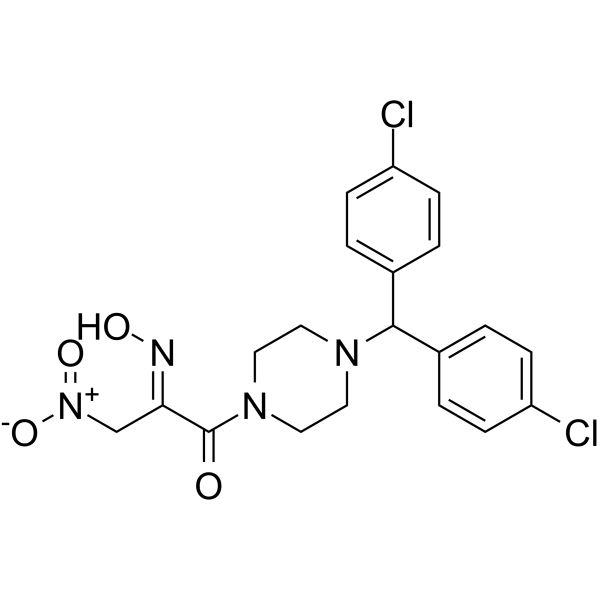
JKE-1674 is an orally active glutathione peroxidase 4 (GPX4) inhibitor and an active metabolite of GPX4 inhibitor ML-210. JKE-1674, an analog of ML-210 in which the nitroisoxazole ring is replaced with an α-nitroketoxime. JKE-1674 can convert into a nitrile oxide JKE-1777. JKE-1674 kills LOX-IMVI cells in a manner that is equipotent to ML-210 and is completely rescued by ferroptosis inhibitors .
loading...
    loading...
2
2 Cited Publications
Cat. No.: HY-139093A
CAS No.: 1331891-93-0
Purity:  ≥99.0%
Synonyms: APAP-Cys TFA
Target:  

Drug Derivative

Research Areas:  

Others

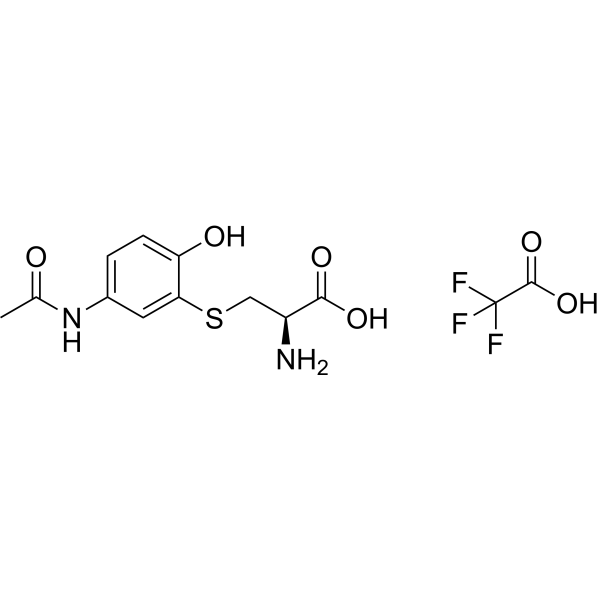
Paracetamol-cysteine TFA (APAP-Cys TFA) is a cysteine adduct of Acetaminophen (HY-66005). It forms when Acetaminophen is oxidized to the reactive metabolite N-acetyl-p-benzoquinone imine (NAPQI) .
loading...
    loading...
1
1 Cited Publications
Cat. No.: HY-N6742
CAS No.: 7184-60-3
Synonyms: Treponemycin
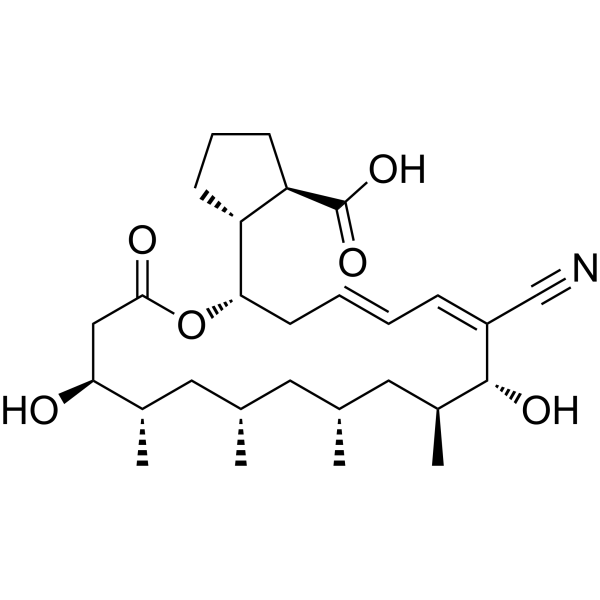
Borrelidin (Treponemycin) is a bacterial and eukaryal threonyl-tRNA synthetase inhibitor which is a nitrile-containing macrolide antibiotic isolated from Streptomyces rochei . Borrelidin is an inhibitor of Cdc28/Cln2 of the budding yeast, with an IC50 of 24 μM . Borrelidin is a potent angiogenesis inhibitor, with an IC50 of 0.8 nM. Borrelidin induces apoptosis in the tube-forming cells . Borrelidin has strong antimalarial activities, with IC50s of 1.9 nM and 1.8 nM against K1 and FCR3 strains of Plasmodium falciparum, respectively .
loading...
    loading...
Cat. No.: HY-125773
CAS No.: 6232-19-5
Purity:  ≥99.0%
Synonyms: Beta-cyano-l-alanine
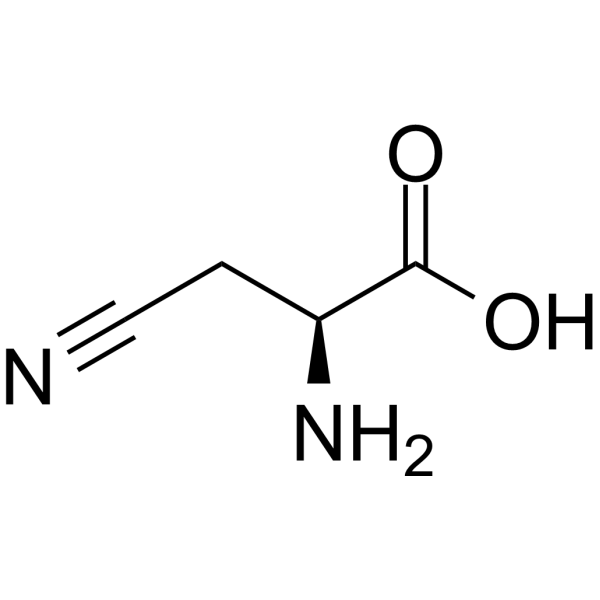
β-cyano-L-Alanine (Beta-cyano-l-alanine), a nitrile of widespread occurrence in higher plants, is enzymatically produced by cyanoalanine synthase from cyanide and cysteine as substrates . β-cyano-L-Alanine abolishes the protective effect of ethanol on cerebral ischemia/reperfusion (I/R) injury .
loading...
    loading...
Cat. No.: HY-40228
CAS No.: 196929-78-9
Synonyms: (R)-2-Methylpropane-2-sulfinamide
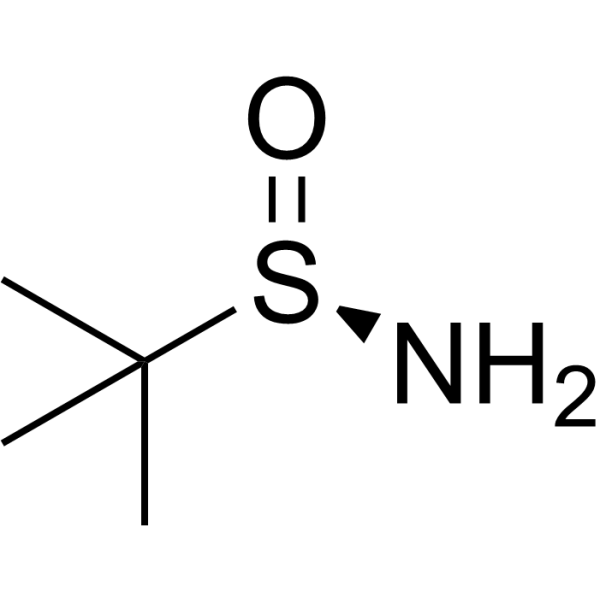
(R)-(+)-tert-Butylsulfinamide ((R)-2-Methylpropane-2-sulfinamide) is a chiral reagent commonly used in the asymmetric synthesis of compounds such as amines, amino acids, and amino alcohols. (R)-(+)-tert-Butylsulfinamide achieves stereoselective reactions by condensing with carbonyl groups to form sulfinyl imine intermediates, and after the reaction, this group can be removed under acidic conditions to obtain the target product .
loading...
    loading...
Cat. No.: HY-Y1078
CAS No.: 4637-24-5
Synonyms: N-Dimethoxymethyl-N,N-dimethylamine
Research Areas:  

Others

DMF-DMA (N-Dimethoxymethyl-N,N-dimethylamine) is a reagent with both condensation and alkylation functions. DMF-DMA can undergo condensation reactions with active methylene groups or amino groups to generate enamine and imino derivatives, and can also act as an alkylating agent to methylate nitrogen and oxygen atoms in heterocyclic structures. DMF-DMA is widely used in the synthesis of enaminones and dimethylamino imine intermediates, as well as in the construction of heterocyclic backbones such as pyridine, pyrimidine and pyrazole. DMF-DMA can also serve as a polar aprotic co-solvent; although DMF-DMA cannot dissolve cellulose alone, it can form an efficient cellulose dissolution system with diallylimidazolium methoxyacetate .
loading...
    loading...
Cat. No.: HY-156383
CAS No.: 2141976-25-0
Target:  

PROTAC Linkers

Research Areas:  

Cancer

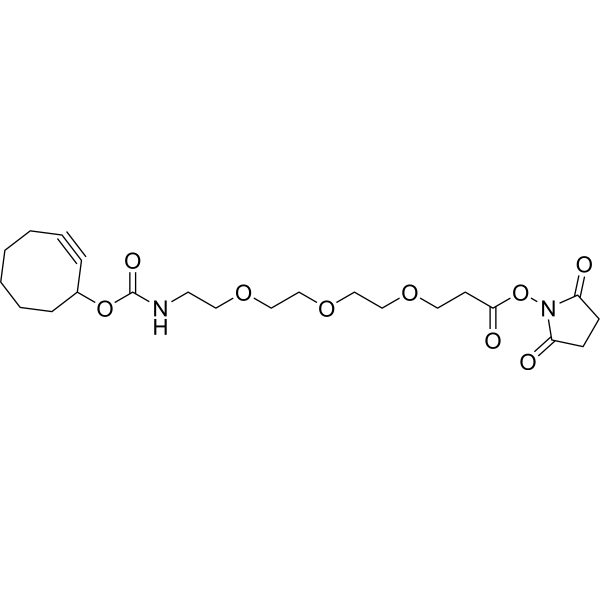
SCO-PEG3-NHS is a PEG linker with a terminal imine(NH) group. SCO-PEG3-NHS is a PEG-based PROTAC linker can be used in the synthesis of PROTACs.
loading...
    loading...
Cat. No.: HY-131120
CAS No.: 563-70-2
Purity:  99.38%
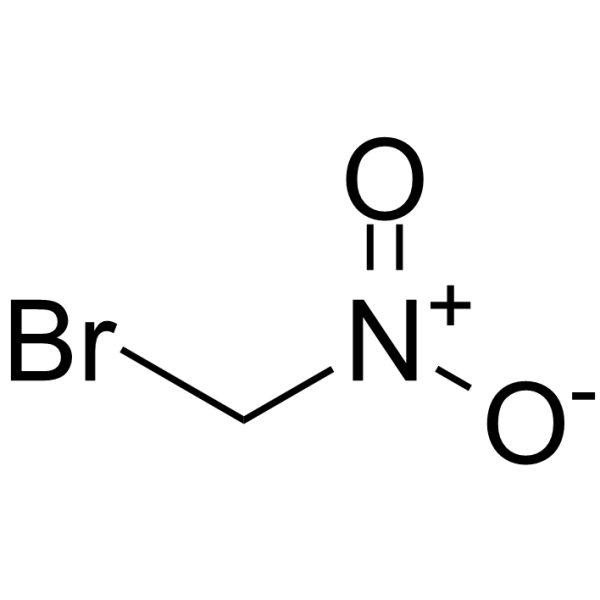
Bromonitromethane is a halogenated nitromethane disinfection byproduct. Bromonitromethane does not induce morphological changes in lung cells, alter cell growth status, change the secretion levels of matrix metalloproteinases, or enhance the anchorage-independent growth ability of lung cells. Bromonitromethane can act as a bromine donor to participate in the bis (amidine)-catalyzed enantioselective aza-Henry addition reaction of N-(trimethylsilyl) imines, which is used in the synthesis of α-bromonitroalkane donors for umpolung amide synthesis (UmAS). Bromonitromethane can be used in bronchial and cancer research .
loading...
    loading...
Cat. No.: HY-W015823
CAS No.: 14191-95-8
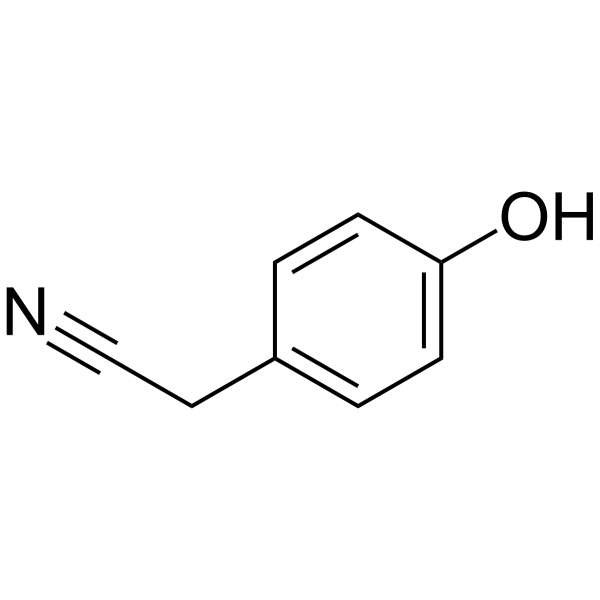
4-Hydroxybenzyl cyanide is an aromatic nitrile compound and also a precursor for tyramine synthesis. 4-Hydroxybenzyl cyanide exhibits strong antioxidant activity .
loading...
    loading...
Cat. No.: HY-W001069
CAS No.: 192139-92-7
Synonyms: RuCl[(R,R)-Tsdpen](p-cymene)
RuCl (p-cymene)[(R,R)-Ts-DPEN] (RuCl[(R,R)-Tsdpen](p-cymene)) is a Noyori-type chiral ruthenium asymmetric transfer hydrogenation catalyst. RuCl (p-cymene)[(R,R)-Ts-DPEN] is widely used in the asymmetric transfer hydrogenation and enantioselective reduction of ketones, imines and quinolines to construct specific stereoisomers with high optical purity .
loading...
    loading...
Cat. No.: HY-125372
CAS No.: 16348-49-5
Purity:  99.85%
Synonyms: ABAO
Research Areas:  

Others

2-Amino benzamidoxime (ABAO) acts as a bioconjugation reagent precursor and a fluorescent probe precursor. 2-Amino benzamidoxime contains an aniline group for imine activation of aldehydes, as well as a nucleophilic group (Nu:) located at the ortho position of the amine, which is responsible for intramolecular cyclization. 2-Amino benzamidoxime reacts with glyoxal at the N-terminus of phage-displayed peptide libraries. Derivatives of 2-Amino benzamidoxime can be used for protein bioconjugation. Derivatives of 2-Amino benzamidoxime serve as fluorescent probes .\n


loading...
    loading...
Cat. No.: HY-P3188
CAS No.: 9024-90-2
Research Areas:  

Others

Nitrilase is able to hydrolyze nitriles into their corresponding carboxylic acids and ammonia. Nitrilase is a green biocatalyst for the production of high value-added products .
loading...
    loading...
Cat. No.: HY-Y0425
CAS No.: 623-27-8
Terephthalaldehyde is a crosslinking agent. Terephthalaldehyde forms a crosslinked structure inside the gelatin matrix by forming Schiff base imines with the amino groups of gelatin, thereby constructing a three-dimensional network. Terephthalaldehyde improves the hydrophobicity of the gelatin matrix, delays water vapor penetration and enhances the liquid water resistance of gelatin films. Terephthalaldehyde can be used as a crosslinking agent to prepare crosslinked chitosan hydrogel (CAAT) via ultrasound-induced synthesis. Terephthalaldehyde helps CAAT hydrogels selectively adsorb anionic dyes from aqueous media, including multi-component systems containing cationic dyes. Terephthalaldehyde serves as a starting material for the synthesis of bis-heterocyclic compounds (including bis-thiazole and bis-triazolopyrimidine compounds) .
loading...
    loading...
Cat. No.: HY-12733
CAS No.: 1254318-44-9
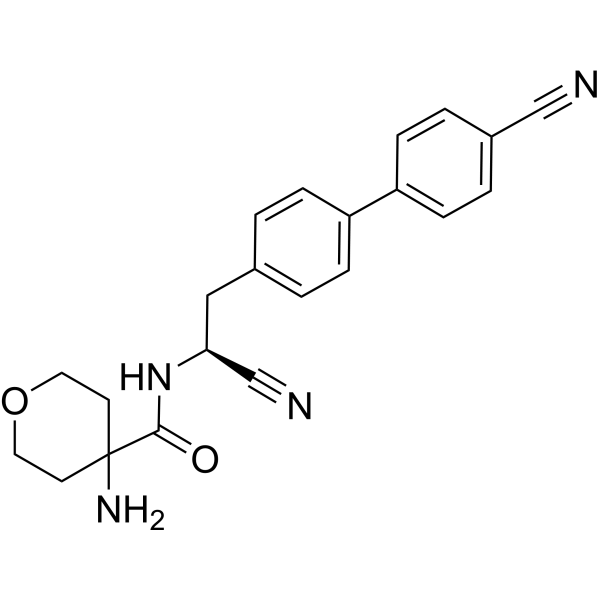
AZD5248 is an orally active, selective dipeptidyl peptidase 1 (cathepsin C) inhibitor, with IC50 values of 1 nM and 17 nM against human CatC, 44 nM against human DPP1, and 67 nM against rat DPP1. It exhibits low clearance and high bioavailability in animal models. AZD5248 forms an irreversible covalent bond with the catalytic Cys234 residue of CatC, exerts reversible inhibition via its nitrile moiety, blocks CatC-dependent amyloid formation, and reduces the activation levels of neutrophil serine proteases in bone marrow and blood. AZD5248 reacts with aortic elastin aldehydes to form stable 4-imidazolinones, induces ultrastructural changes in aortic tissue, and has an α-amino acid-based backbone. AZD5248 reduces the severity of acute pancreatitis in mouse models. AZD5248 can be used in research on chronic obstructive pulmonary disease, acute pancreatitis, neurodegenerative diseases, lysosomal storage disorders, acute lung injury, cystic fibrosis, and neutrophil-mediated inflammatory diseases .
loading...
    loading...
Cat. No.: HY-139093
CAS No.: 53446-10-9
Synonyms: APAP-Cys
Target:  

Drug Derivative

Research Areas:  

Others

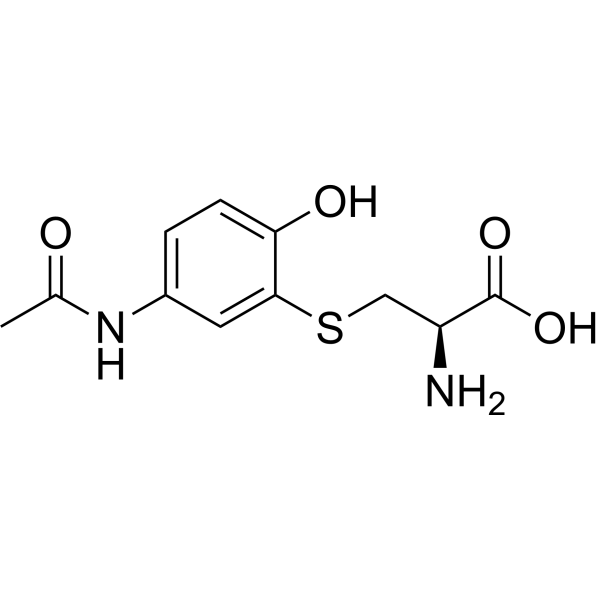
Paracetamol-cysteine (APAP-Cys) is a cysteine adduct of Acetaminophen (HY-66005). It forms when Acetaminophen is oxidized to the reactive metabolite N-acetyl-p-benzoquinone imine (NAPQI) .
loading...
    loading...
Cat. No.: HY-14292
CAS No.: 247016-69-9
Target:  

Dipeptidyl Peptidase

Research Areas:  

Metabolic Disease

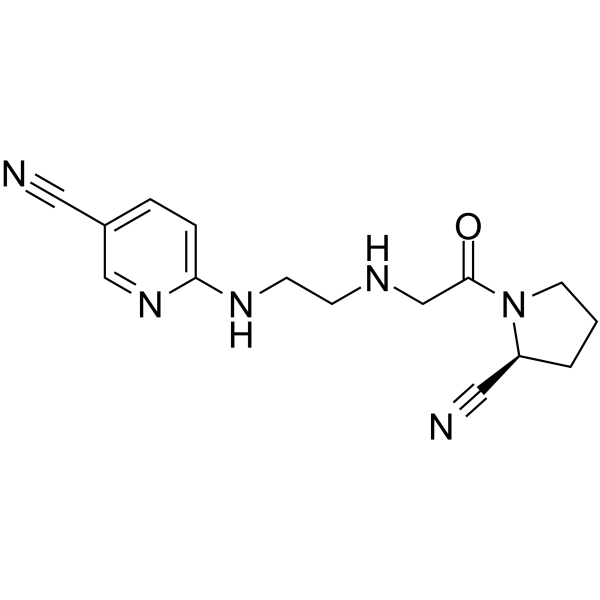
NVP-DPP728 is a potent, reversible and nitrile-dependent dipeptidyl peptidase IV (DPP-IV) inhibitor. NVP-DPP728 can inhibit human DPP-IV amidolytic activity with a Ki of 11 nM. NVP-DPP728 inhibits degradation of glucagon-like peptide-1 (GLP-1) and thereby potentiates insulin release in response to glucose intake. NVP-DPP728 can be used for researching diabetes .
loading...
    loading...
Cat. No.: HY-Y1416
CAS No.: 5537-71-3
Synonyms: DF2107Y
Research Areas:  

Others

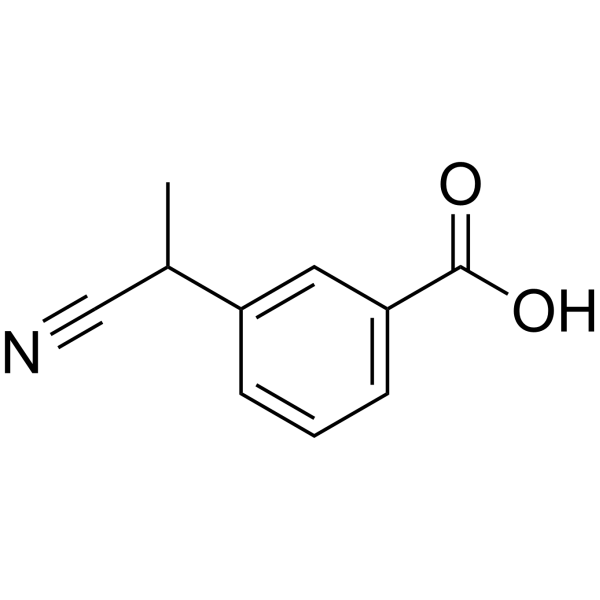
3-(1-Cyanoethyl)benzoic acid (DF2107Y) is a benzoic acid that can be used to screen cobalt containing nitrile hydratases (NHases) .
loading...
    loading...
Cat. No.: HY-186038
CAS No.: 10264-38-7
Research Areas:  

Inflammation/Immunology

Cyanoethyl dimethyldithiocarbamate, a dithiocarbamate-related substance, is a contact allergen. Cyanoethyl dimethyldithiocarbamate can be found in accelerator-free and conventional nitrile gloves. Cyanoethyl dimethyldithiocarbamate can be used for the research of allergic contact dermatitis .
loading...
    loading...
Cat. No.: HY-113811
CAS No.: 105-65-7
Synonyms: DIXDS; Diproxide
Research Areas:  

Others

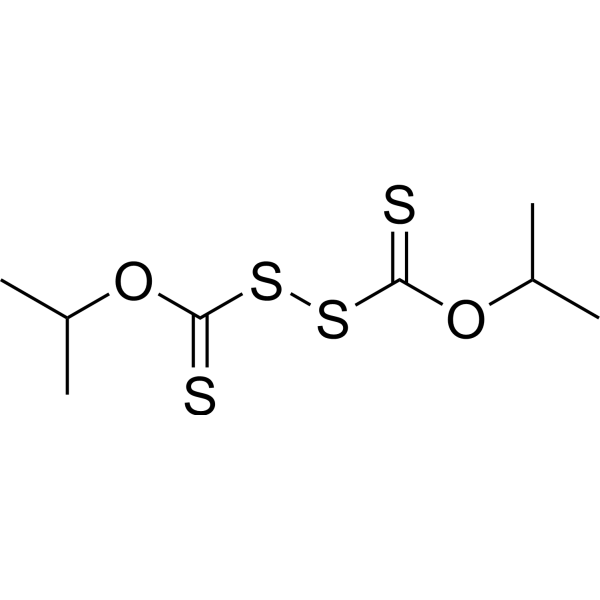
Diisopropyl xanthogen disulfide (DIXDS) is a superaccelerator for natural rubber and latex, styrene-butadiene rubber and latex, nitrile butadiene rubber and recycled rubber. It can also be used as a neoprene rubber modifier and an insoluble sulfur stabilizer .
loading...
    loading...
Cat. No.: HY-129123
CAS No.: 1610516-67-0
Purity:  99.26%
Target:  

Antibiotic

Research Areas:  

Infection

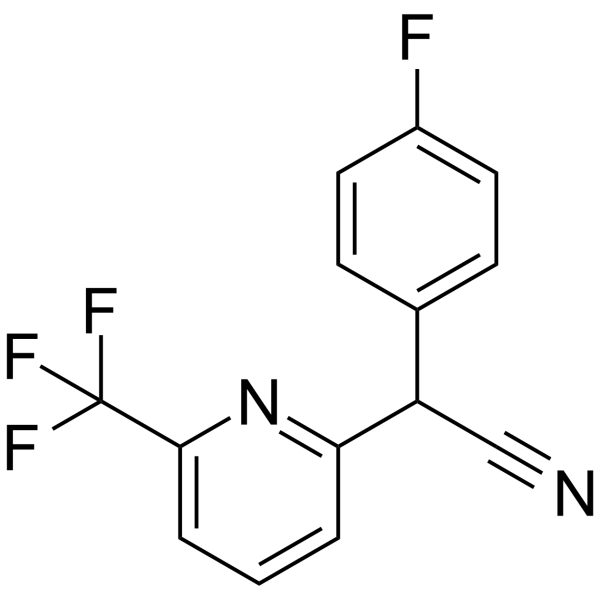
ML318 is a biaryl nitrile inhibitor of PvdQ acylase with an IC50 of 20 nM by binding in the acyl-binding site. ML318 inhibits P. aeruginosa (PAO1) with an IC50 of 19 μM. ML318 prevents pyoverdine production and limits the growth of P. aeruginosa under iron-limiting conditions .
loading...
    loading...