149 Results for "

palmitate

" in MedChemExpress (MCE) Product Catalog:
Products (149)

149 Results for "palmitate" in MCE Product Catalog:

149
149 Publications Verification
Cat. No.: HY-50202A
CAS No.: 828934-41-4
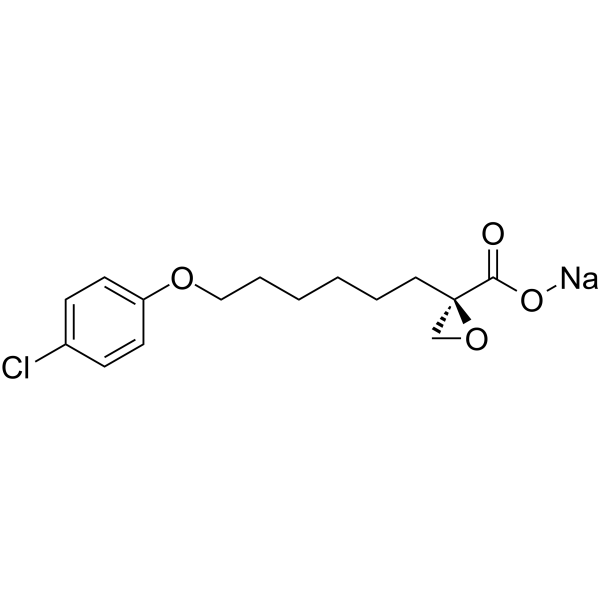
Synonyms: (R)-(+)-Etomoxir sodium salt
Etomoxir((R)-(+)-Etomoxir) sodium salt is an irreversible inhibitor of carnitine palmitoyltransferase 1a (CPT-1a), inhibits fatty acid oxidation (FAO) through CPT-1a and inhibits palmitate β-oxidation in human, rat and guinea pig .
loading...
    loading...
149
149 Publications Verification
Cat. No.: HY-50202
CAS No.: 124083-20-1
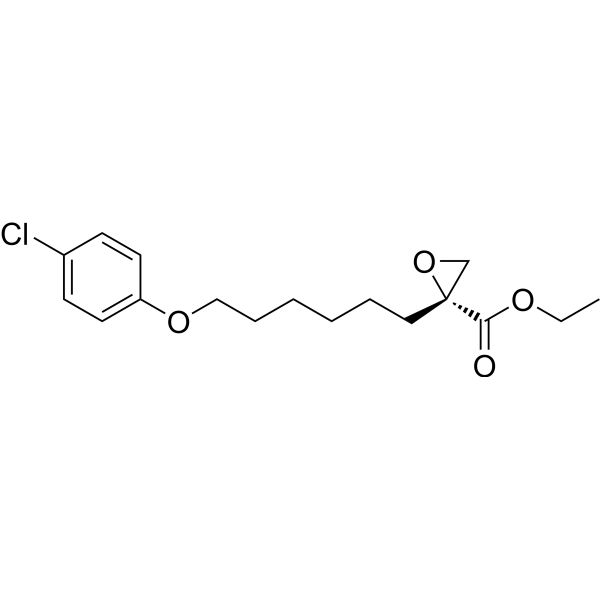
Synonyms: (R)-(+)-Etomoxir
Etomoxir ((R)-(+)-Etomoxir) is an irreversible inhibitor of carnitine palmitoyltransferase 1a (CPT-1a), inhibits fatty acid oxidation (FAO) through CPT-1a and inhibits palmitate β-oxidation in human, rat and guinea pig.
loading...
    loading...
34
34 Cited Publications
Cat. No.: HY-138565
CAS No.: 2563855-03-6
Purity:  99.89%
Target:  

YAP

Research Areas:  

Cancer

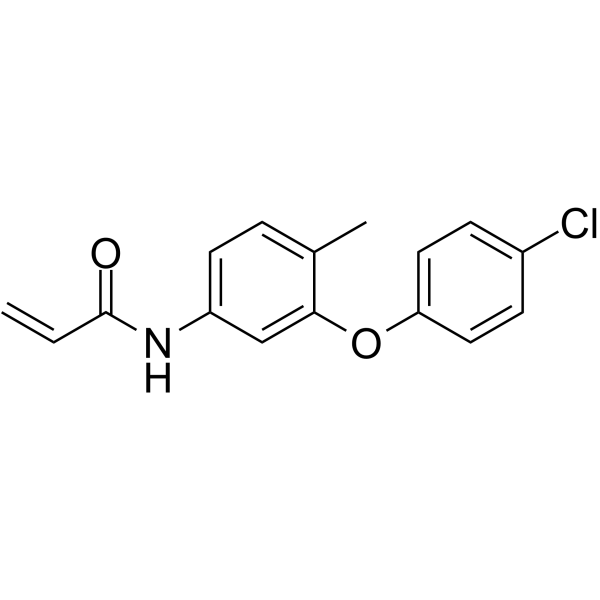
K-975 is a potent, selective and orally active TEAD inhibitor, with a strong inhibitory effect against protein-protein interactions between YAP1/TAZ and TEAD. K-975 covalently binds to Cys359 located in the palmitate-binding pocket of TEAD via an acrylamide structure. K-975 exhibits antitumor activity on malignant pleural mesothelioma .
loading...
    loading...
12
12 Cited Publications
Cat. No.: HY-120394
CAS No.: 1533438-83-3
Purity:  99.69%
Research Areas:  

Cancer

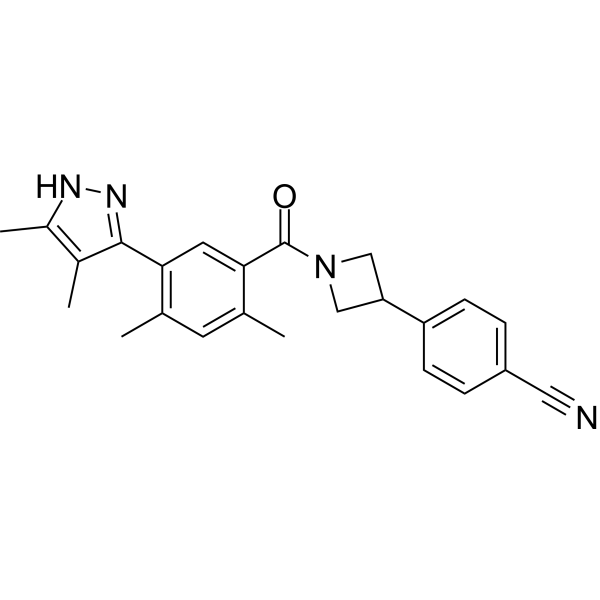
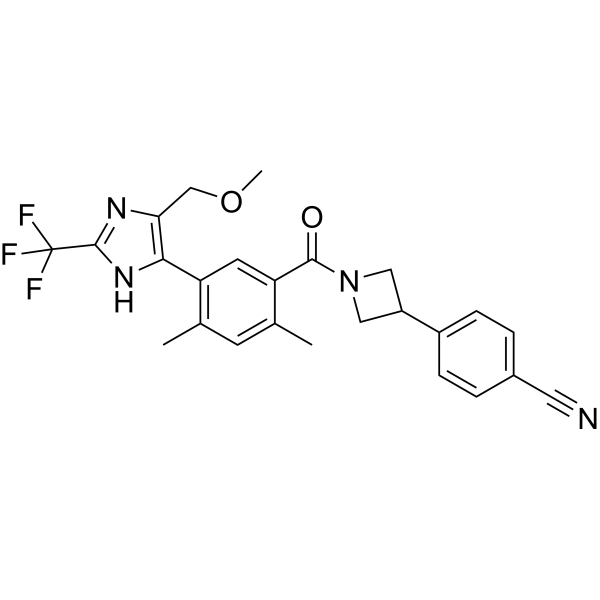
TVB-3166 is an orally-available, reversible, and selective fatty acid synthase (FASN) inhibitor with IC50s of 42 nM and 81 nM for biochemical FASN and cellular palmitate synthesis, respectively. TVB-3166 induces apoptosis, and inhibits in-vivo xenograft tumor growth .
loading...
    loading...
5
5 Cited Publications
Cat. No.: HY-120062
CAS No.: 2097262-58-1
Purity:  99.76%
Research Areas:  

Cancer

TVB-3664 is an orally available, reversible, potent, selective and highly bioavailable fatty acid synthase (FASN) inhibitor, with IC50 values of 18 nM and 12 nM for human and mouse cell palmitate synthesis, respectively. TVB-3664 significantly reduces tubulin palmitoylation and mRNA expression .
loading...
    loading...
3
3 Cited Publications
Cat. No.: HY-B0987
CAS No.: 137-66-6
Synonyms: L-Ascorbic acid 6-hexadecanoate; 6-O-Palmitoyl-L-ascorbic acid
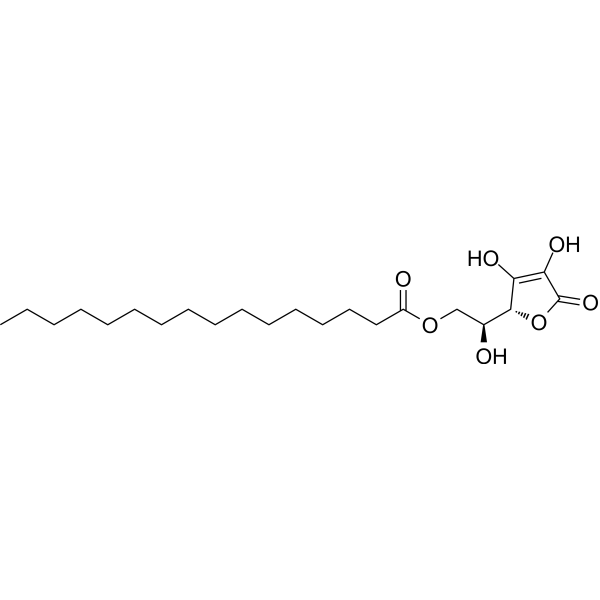
Ascorbyl palmitate is an orally active ester formed from ascorbic acid and palmitic acid, used as an antioxidant and food additive. Ascorbyl palmitate in preventing fat and oil oxidation is more efficient than Butylated hydroxyanisole (HY-B1066) and Butylated hydroxytoluene (HY-Y0172). Ascorbyl palmitate mitigates inhibition of collagen synthesis by select calcium and sodium channel blockers. Ascorbyl palmitate induces Apoptosis in human umbilical vein endothelial cells (HUVECs). Ascorbyl palmitate ameliorates inflammatory diseases by inhibition of NLRP3 inflammasome .
loading...
    loading...
3
3 Cited Publications
Cat. No.: HY-101906
CAS No.: 346692-04-4
Purity:  99.57%
Research Areas:  

Metabolic Disease

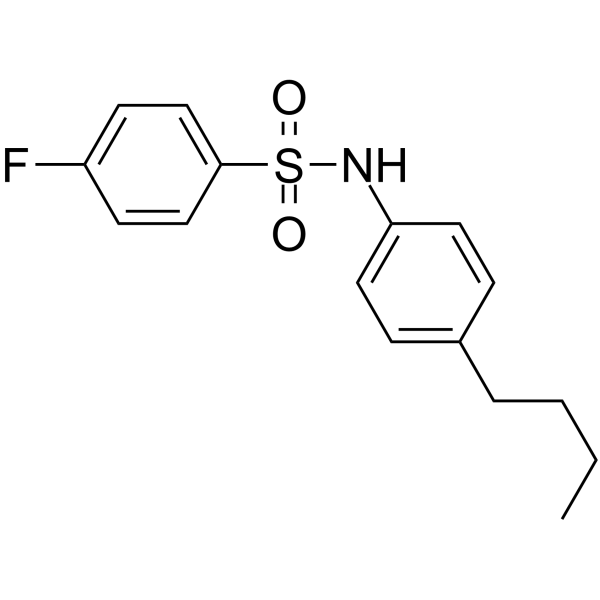
DC260126 is a potent antagonist of GPR40 (FFAR1). DC260126 dose-dependently inhibits GPR40-mediated Ca 2+ elevations stimulated by linoleic acid, oleic acid, palmitoleic acid and lauric acid (IC50: 6.28, 5.96, 7.07, 4.58 μM, respectively) . DC260126 could protect MIN6 β cells from palmitate-induced ER stress and apoptosis .
loading...
    loading...
3
3 Cited Publications
Cat. No.: HY-107737
CAS No.: 18194-25-7
Purity:  ≥98.0%
Synonyms: 1,2-Dilauroyl-sn-glycero-3-phosphocholine
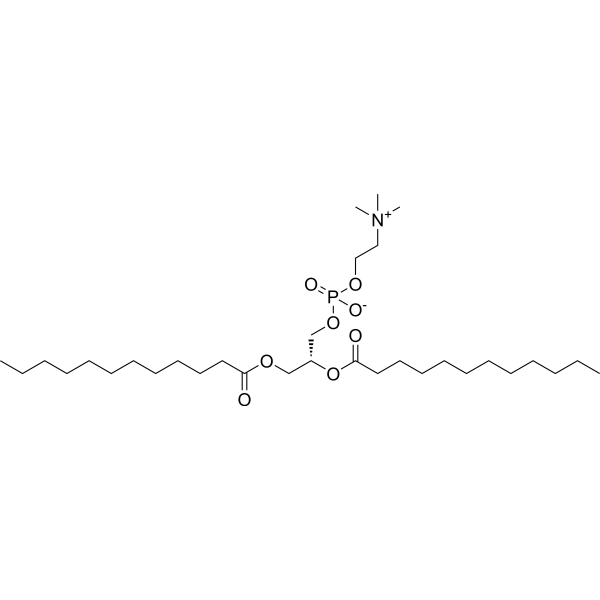
1,2-DLPC (1,2-Dilauroyl-sn-glycero-3-phosphocholine) is a ligand for LRH-1 agonists. 1,2-DLPC is a phospholipid used in the synthesis of liposomes. 1,2-DLPC enhances fat breakdown and apoptosis in fat cells through a TNFα-dependent pathway, while also inhibiting palmitate-induced insulin resistance through PPARα-mediated inflammation in muscle cells .
loading...
    loading...
3
3 Cited Publications
Cat. No.: HY-13467
CAS No.: 1142214-62-7
Purity:  99.65%
Research Areas:  

Metabolic Disease

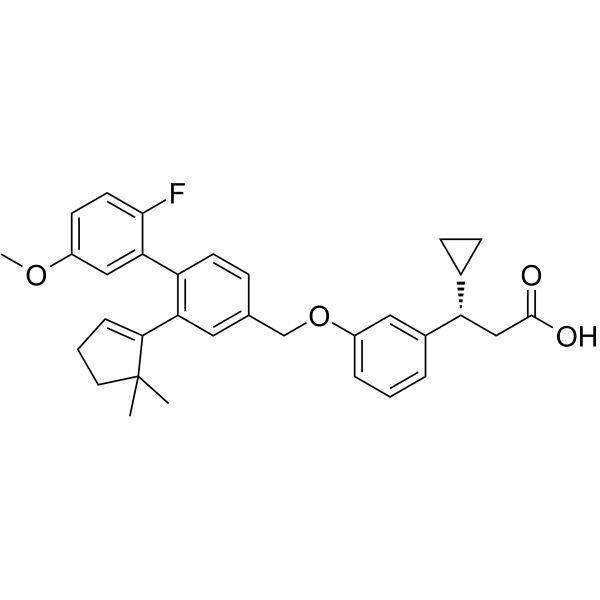
AM-1638 is an orally active full agonist of GPR40 (EC50: 0.16 μM). AM-1638 increases the expression of antioxidant molecules (HO-1 and NQO-1). AM1638 blocks Palmitate (HY-N0830)-mediated superoxide production and ER stress. AM-1638 has antidiabetic activity and improves glycemic control in BDF mice with diet-induced obesity (DIO). AM-1638 demonstrates excellent oral bioavailability (mouse, >100%; rat, 72%; and cyno, 71%) .
loading...
    loading...
2
2 Cited Publications
Cat. No.: HY-N2086
CAS No.: 628-97-7
Synonyms: Ethyl hexadecanoate
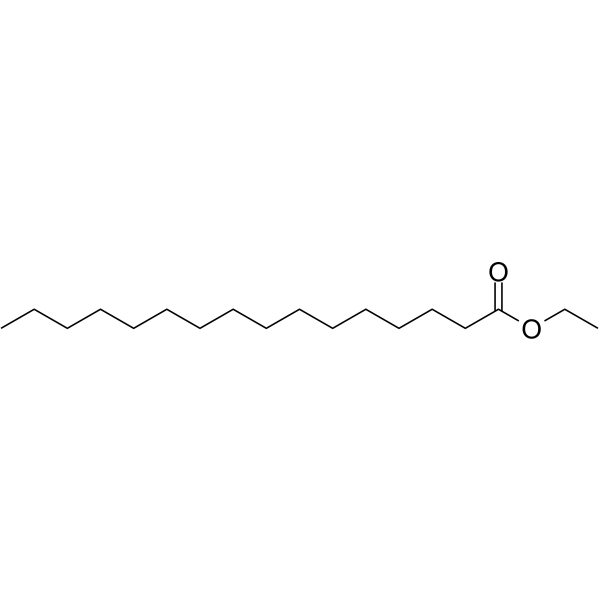
Ethyl palmitate (Ethyl hexadecanoate) is a CHIKV virus inhibitor with an EC50 value of 0.0068 μM. Ethyl palmitate can reduce levels of TNF-α, IL-6, and NF-κB in endotoxemic rats, showing anti-inflammatory activity .
loading...
    loading...
1
1 Cited Publications
Cat. No.: HY-B1384
CAS No.: 79-81-2
Synonyms: Vitamin A palmitate; Retinol palmitate
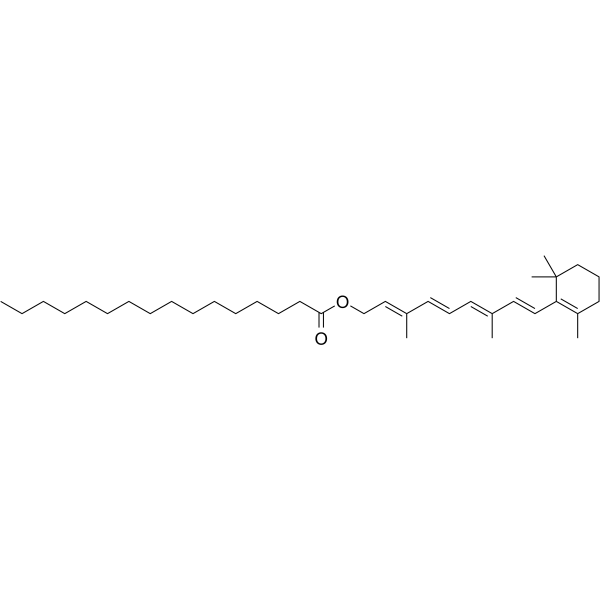
Retinyl palmitate is an ester of Retinol and is the major form of vitamin A found in the epidermis. Retinyl palmitate has been widely used in researches of pharmaceutical and cosmetic formulations .
loading...
    loading...
1
1 Cited Publications
Cat. No.: HY-A0019A
CAS No.: 199739-10-1
Synonyms: 9-Hydroxyrisperidone palmitate
Research Areas:  

Neurological Disease

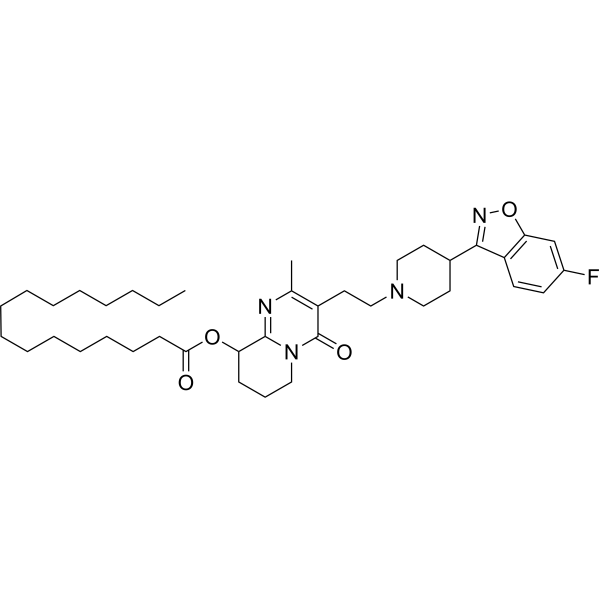
Paliperidone palmitate is an orally effective competitive antagonist of dopamine D2 receptors and 5-hydroxytryptamine 2A (5-HT2A) receptors that can cross the blood-brain barrier. Paliperidone palmitate competitively inhibits the effects of dopamine and 5-hydroxytryptamine by binding to dopamine D2 receptors and 5-HT2A receptors, regulating the balance of the neurotransmitter system and thus exerting antipsychotic activity. Paliperidone palmitate is mainly used in the research field of schizophrenia .
loading...
    loading...
1
1 Cited Publications
Cat. No.: HY-P10441A
Target:  

Peptides

Research Areas:  

Inflammation/Immunology

S-palm P0(180–199) (TFA) is a peptide that enhances MHC II-restricted responses. S-palm P0(180–199) (TFA) can be used to establish models of chronic inflammatory demyelinating polyneuropathy (CIDP) and chronic experimental autoimmune neuritis (c-EAN). S-palm P0(180–199) (TFA) is used for studying autoimmune-mediated neuroinflammatory diseases .
loading...
    loading...
Cat. No.: HY-128922
CAS No.: 14899-36-6
Purity:  99.68%
Synonyms: DXP
Target:  

Drug Intermediate

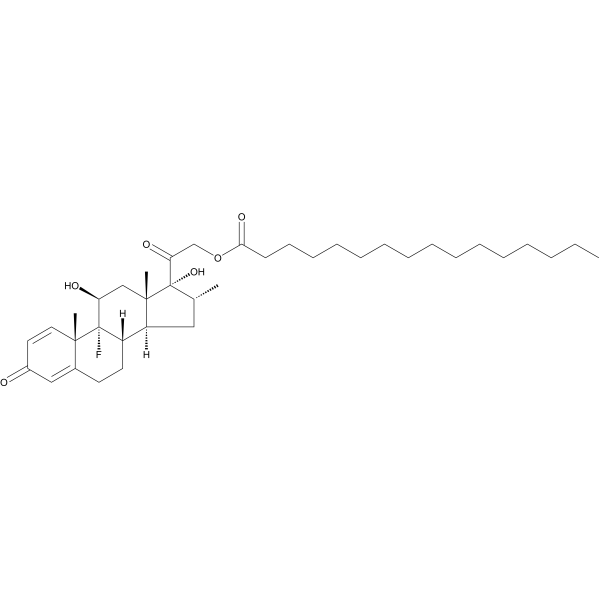
Dexamethasone palmitate (DXP) is a proagent of Dexamethasone (HY-14648). Dexamethasone palmitate can be used for the research of inflammation .
loading...
    loading...
Cat. No.: HY-W013168
CAS No.: 1492-30-4
Synonyms: 4-Nitrophenyl hexadecanoate; p-Nitrophenyl palmitate; pNpp
4-Nitrophenyl palmitate (4-Nitrophenyl hexadecanoate) is a chromogenic substrate for lipases and esterases. Upon enzymatic hydrolysis, 4-Nitrophenyl palmitate releases p-nitrophenol, which can be quantified by colorimetric detection at 410 nm as a measure of enzymatic activity. 4-Nitrophenyl palmitate is used to characterize the activity of various bacterial and mammalian enzymes, including those from Burkholderia and porcine pancreatic lipase .
loading...
    loading...
Cat. No.: HY-N1482
CAS No.: 112-39-0
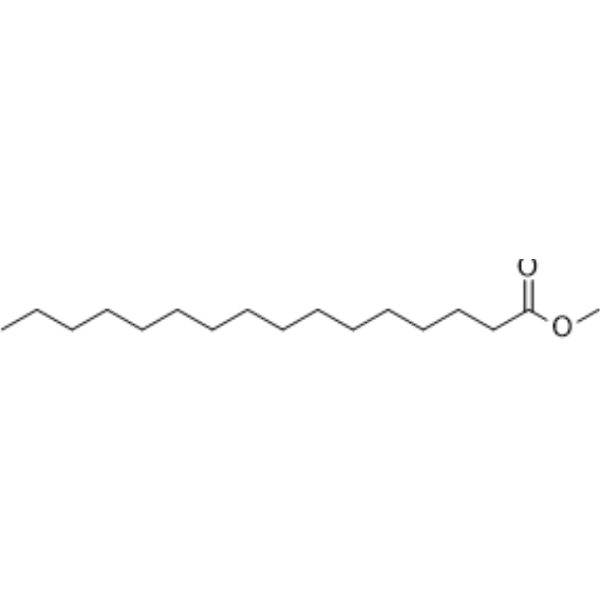
Methyl palmitate is a naturally occurring fatty acid ester. Methyl palmitate is a potent inhibitor of ΙκB phosphorylation. Methyl palmitate modulates macrophage activity and down-regulates pro-inflammatory mediators such as TNF-α and nitric oxide (NO). Methyl palmitate possesses anti-inflammatory and antifibrotic effects. Methyl palmitate can inhibit LPS (HY-D1056)-induced Kupffer cells and rat peritoneal macrophages. Methyl palmitate is able to inhibit the phagocytic function of RAW cells. Methyl palmitate is antagonistic to muscarinic receptors. Methyl palmitate exerts cardioprotective effects against ischemia/reperfusion injury in vivo. Methyl palmitate is highly toxic against adult T. cinnabarinus .
loading...
    loading...
Cat. No.: HY-W011426
CAS No.: 142-91-6
Synonyms: Propan-2-yl hexadecanoate
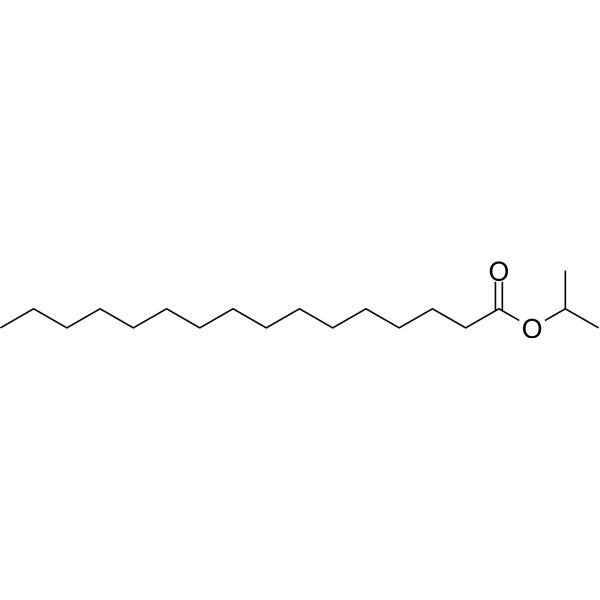
Isopropyl palmitate is an fatty acid ester. Isopropyl palmitate can be used for design and characterization of bioactive bilayer films. The bilayer membrane not only has the ability to scavenge free radicals and inhibit lipid peroxidation, but also can inhibit the growth of known foodborne pathogens. Isopropyl palmitate can be used as an excipient, such as lubricant, oily carrier, solvent, controlled-release transdermal film. Pharmaceutical excipients, or pharmaceutical auxiliaries, refer to other chemical substances used in the pharmaceutical process other than pharmaceutical ingredients. Pharmaceutical excipients generally refer to inactive ingredients in pharmaceutical preparations, which can improve the stability, solubility and processability of pharmaceutical preparations. Pharmaceutical excipients also affect the absorption, distribution, metabolism, and elimination (ADME) processes of co-administered drugs .
loading...
    loading...
Cat. No.: HY-168375
CAS No.: 1246809-50-6
Target:  

Fluorescent Dye

Research Areas:  

Metabolic Disease

BODIPY-Palmitate is a fluorescently labeled palmitic acid (HY-N0830), with excitation/emission maxima at 488/508 nm. BODIPY-Palmitate can be used to detect fatty acid uptake and metabolism .
loading...
    loading...
Cat. No.: HY-B1599
CAS No.: 530-43-8
Target:  

Bacterial Antibiotic

Research Areas:  

Infection

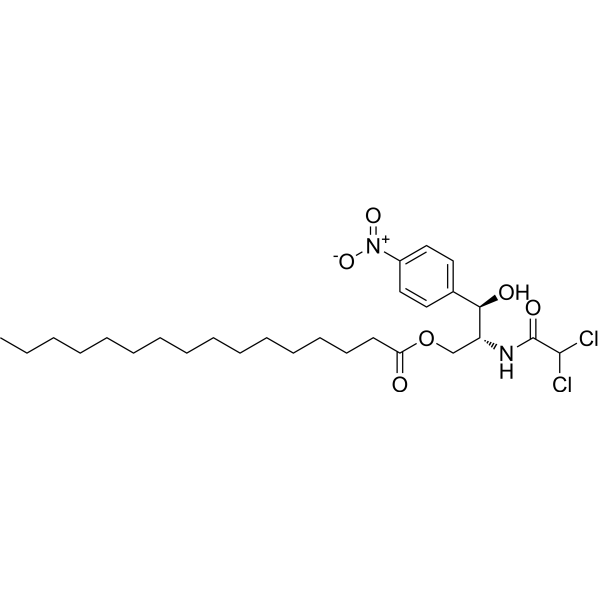
Chloramphenicol palmitate is an orally active prodrug of Chloramphenicol (HY-B0239), obtained from the esterification reaction between the agent and Palmitic acid (HY-N0830). Chloramphenicol palmitate is rapidly and completely hydrolyzed by intestinal esterase, releasing Chloramphenicol. Chloramphenicol is an orally effective broad-spectrum antibiotic .
loading...
    loading...
Cat. No.: HY-W010708
CAS No.: 601-34-3
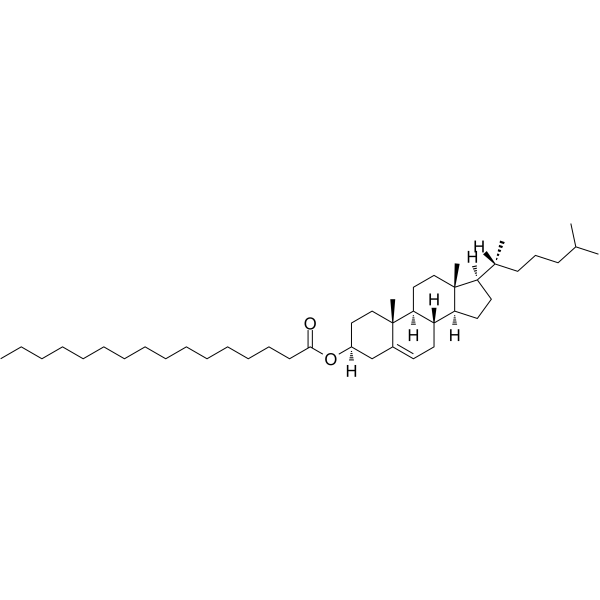
Cholesteryl palmitate is the main cholesterol ester found in human blephariol and has been used to form a stable tear film to study amphiphilic block copolymers as surfactants for dry eye syndrome. Cholesteryl palmitate can be used as a predictor of fetal lung maturity. Cholesteryl palmitate can be used as a prognostic biomarker for chronic interstitial pneumonia .
loading...
    loading...

