1. Search Result
Search Result
Results for "

pathologies

" in MedChemExpress (MCE) Product Catalog:

286

Inhibitors & Agonists

9

Screening Libraries

180

Fluorescent Dye

7

Biochemical Assay Reagents

12

Peptides

1

MCE Kits

5

Inhibitory Antibodies

8

Natural
Products

3

Isotope-Labeled Compounds

9

Click Chemistry

1

Oligonucleotides

Cat. No. Product Name Target Research Areas Chemical Structure
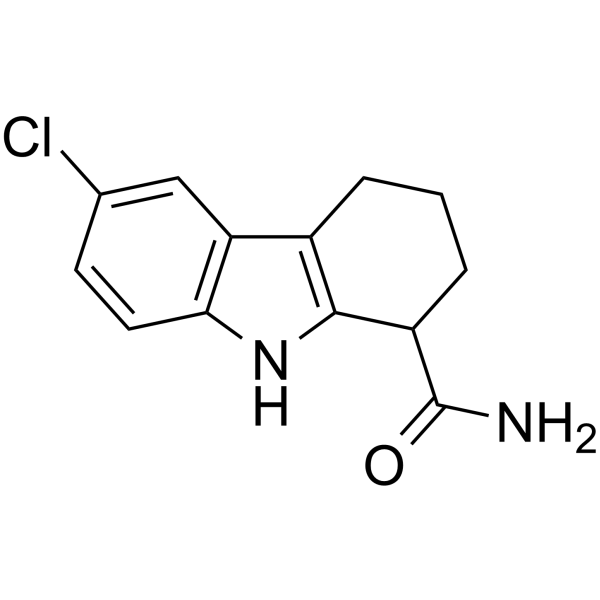
  • HY-15452
    Selisistat
    Maximum Cited Publications
    292 Publications Verification

    EX-527

    Sirtuin Inflammation/Immunology Cancer
    Selisistat (EX-527) is a potent and selective SirT1 (Sir2 in Drosophila melanogaster) inhibitor with an IC50 of 123 nM for SirT1. Selisistat alleviates pathology in multiple animal and cell models of Huntington's disease .
    Selisistat
  • HY-114153
    PLX5622
    85+ Cited Publications

    c-Fms Neurological Disease
    PLX5622 is a highly selective brain penetrant and orally active CSF1R inhibitor (IC50=0.016 μM; Ki=5.9 nM). PLX5622 allows for extended and specific microglial cells elimination, preceding and during pathology development. PLX5622 demonstrates desirable PK properties in varies animals. PLX5622 is predominantly administered via ad libitum diets with a dose of 1200 ppm .
    PLX5622
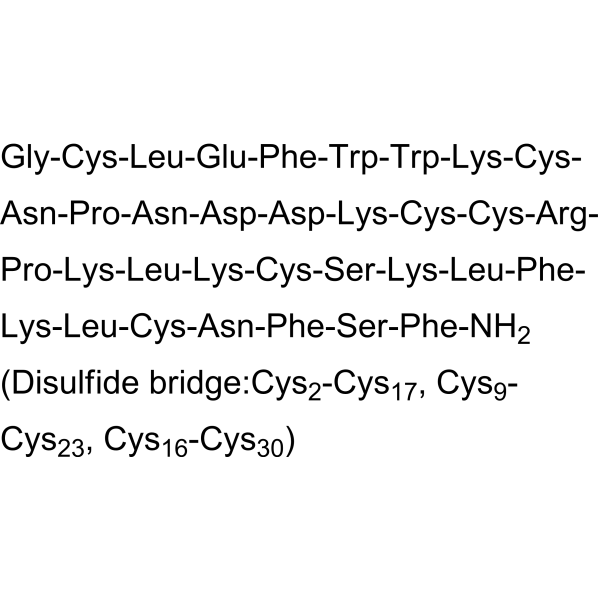
  • HY-P1410
    GsMTx4
    110+ Cited Publications

    TRP Channel Piezo Channel Cardiovascular Disease Neurological Disease Inflammation/Immunology
    GsMTx4 is a spider venom peptide that selectively inhibits cationic-permeable mechanosensitive channels (MSCs) belonging to the Piezo and TRP channel families. GsMTx4 also blocks cation-selective stretch-activated channels (SACs) , attenuates lysophosphatidylcholine (LPC)-induced astrocyte toxicity and microglial reactivity. GsMTx4 is an important pharmacological tool for identifying the role of these excitatory MSCs in normal physiology and pathology .
    GsMTx4
  • HY-B0315
    Vitamin B12
    3 Publications Verification

    Cyanocobalamin

    Environmental Pollutants Endogenous Metabolite Infection Neurological Disease Metabolic Disease Inflammation/Immunology Cancer
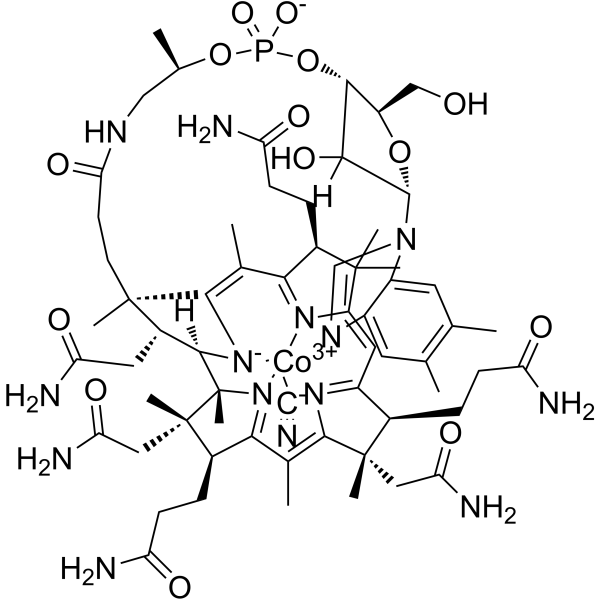
    Vitamin B12 is a vitamin that can pass through the blood-brain barrier. Vitamin B12 plays a key role in the normal functioning of the brain and nervous system, and for the formation of blood. Vitamin B12 is beneficial for many inflammatory diseases and also provides protection in oxidative-stress-associated pathologies .
    Vitamin B12
  • HY-101855

    Anle138b

    Amyloid-β Neurological Disease
    Emrusolmin (Anle138b), an oligomeric aggregation inhibitor, blocks the formation of pathological aggregates of prion protein (PrPSc) and of α-synuclein (α-syn). Emrusolmin strongly inhibits oligomer accumulation, neuronal degeneration, and disease progression in vivo. Emrusolmin has low toxicity and an excellent oral bioavailability and blood-brain-barrier penetration. Emrusolmin blocks Aβ channels and rescues disease phenotypes in a mouse model for amyloid pathology .
    Emrusolmin
  • HY-103157
    PD146176
    5+ Cited Publications

    NSC168807

    Autophagy Ferroptosis Cardiovascular Disease
    PD146176 (NSC168807), a 15-Lipoxygenase (15-LO) inhibitor, inhibits rabbit reticulocyte 15-LO (Ki=197 nM, IC50=0.54 μM). PD146176 reverses cognitive impairment, brain amyloidosis, and tau pathology by stimulating autophagy in aged triple transgenic mice .
    PD146176
  • HY-111914A
    Ferroheme
    1 Publications Verification

    NO Synthase Fatty Acid Synthase (FASN) Cardiovascular Disease
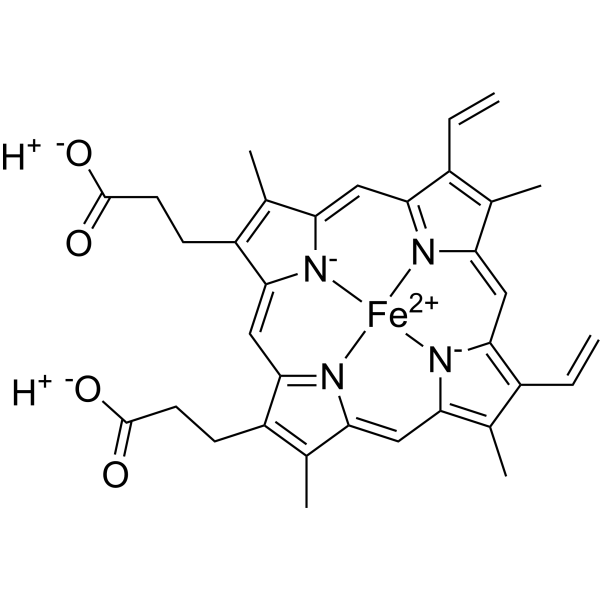
    Ferroheme is the ferrous form of heme in hemoglobin, reversibly binding oxygen as an oxygen carrier. Its free form induces oxidative stress and ferroptosis by releasing iron ions, which catalyze reactive oxygen species generation via Fenton reactions, leading to lipid peroxidation and cell death. This mechanism is critical in pathological contexts like intracerebral hemorrhage and neurodegenerative diseases, making it a target for studying iron-overload disorders and ferroptosis-related pathologies[1][2][3].
    Ferroheme
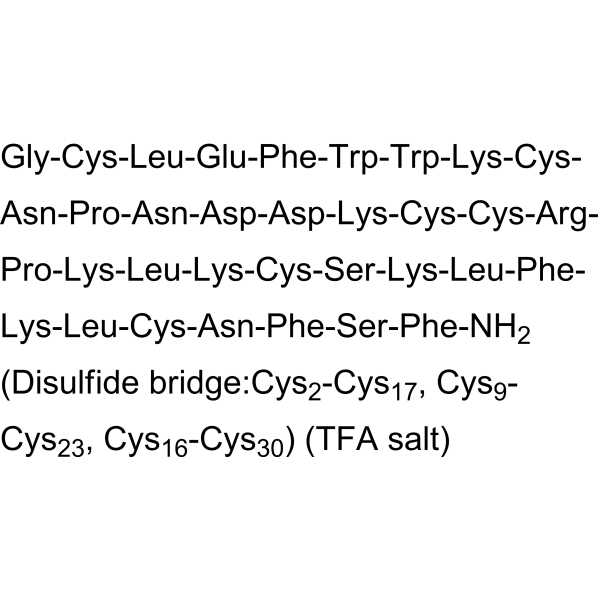
  • HY-P1410A
    GsMTx4 TFA
    110+ Cited Publications

    TRP Channel Piezo Channel Cardiovascular Disease Neurological Disease Inflammation/Immunology
    GsMTx4 TFA is a spider venom peptide that selectively inhibits cationic-permeable mechanosensitive channels (MSCs) belonging to the Piezo and TRP channel families. GsMTx4 TFA also blocks cation-selective stretch-activated channels (SACs) , attenuates lysophosphatidylcholine (LPC)-induced astrocyte toxicity and microglial reactivity. GsMTx4 TFA is an important pharmacological tool for identifying the role of these excitatory MSCs in normal physiology and pathology .
    GsMTx4 TFA
  • HY-P99471

    UCB 0107

    Tau Protein Neurological Disease
    Bepranemab is a humanized IgG4 monoclonal antibody that binds to the central region of tau protein. Bepranemab inhibits the seeding, aggregation of pathological tau protein and the spread of tau pathology to distal brain regions. Bepranemab is applicable to research related to Alzheimer's disease .
    Bepranemab
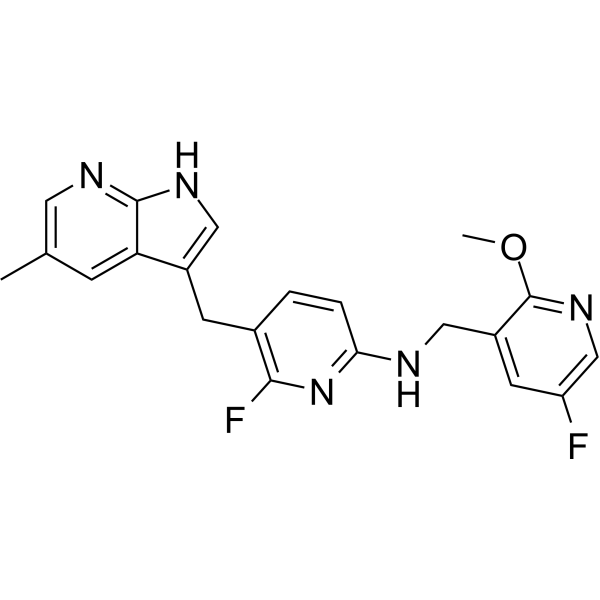
  • HY-114153A
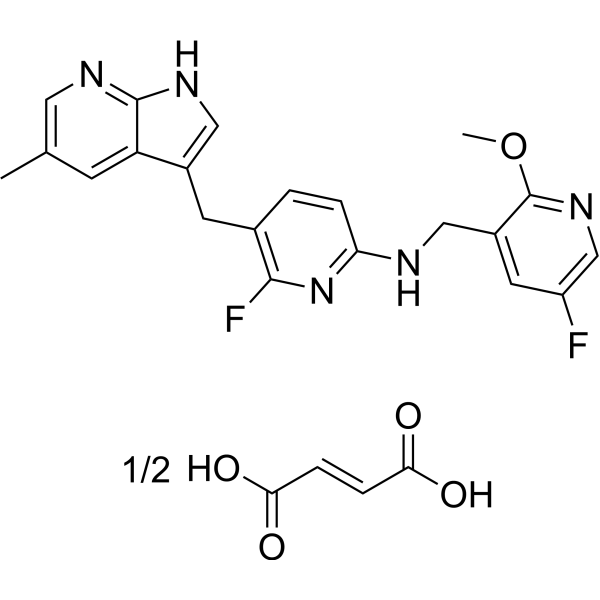
    PLX5622 hemifumarate
    85+ Cited Publications

    c-Fms Neurological Disease
    PLX5622 hemifumarate is a highly selective brain penetrant and orally active CSF1R inhibitor (IC50=0.016 μM; Ki=5.9 nM). PLX5622 hemifumarate allows for extended and specific microglial elimination, preceding and during pathology development. PLX5622 hemifumarate demonstrates desirable PK properties in varies animals .
    PLX5622 hemifumarate
  • HY-P10936A

    Aquaporin Neurological Disease Inflammation/Immunology
    AQP4 (201-220) TFA is an encephalitogenic epitope of AQP-4. AQP4 (201-220) TFA can induce experimental autoimmune encephalomyelitis (EAE) (characterized by midline lesions in the brain, retinal pathology, and lesions at the grey matter/white matter border zone in the spinal cord). AQP-4 is a target antigen in neuromyelitis optica .
    AQP4 (201-220) TFA
  • HY-118472

    CGS 14831

    Drug Metabolite Endogenous Metabolite Angiotensin-converting Enzyme (ACE) Cardiovascular Disease
    Benazeprilat is an orally active and the active metabolite of benazepril, a carboxyl-containing ACE inhibitor with antihypertensive activity. Benazepril is a well-established antihypertensive agent, both in monoresearch and in combination with other classes of drugs including thiazide diuretics and calcium channel blockers. Benazepril is a first-line research in reducing various pathologies associated with CV risk and secondary end-organ damage .
    Benazeprilat
  • HY-P991734

    TREM receptor Syk Calcium Channel Neurological Disease Inflammation/Immunology
    VHB937 is a potent and selective TREM2 agonist, a human monoclonal antibody, with sub-nanomolar affinity. VHB937 enhances TREM2 surface expression and downstream signaling, such as Syk phosphorylation and calcium mobilization. VHB937 exhibits robust neuroprotective effects in vivo, significantly reducing pathology and pro-inflammatory markers across a broad range of animal models of neuroinflammation and neurodegeneration. VHB937 can be used for neurodegenerative diseases research .
    VHB937
  • HY-P2280

    P110

    Dynamin Neurological Disease Inflammation/Immunology
    TAT-P110, a peptide inhibitor of Drp1-Fis1 interaction, reduces pathology in numerous models of neurodegeneration, ischemia, and sepsis without blocking the physiological functions of Drp1 .
    TAT-P110
  • HY-P2096

    Reactive Oxygen Species (ROS) ATM/ATR MDM-2/p53 MMP Keap1-Nrf2 HSP Inflammation/Immunology
    Hexapeptide-11 is an anti-aging peptide that can protect fibroblasts from premature cell senescence mediated by oxidative stress. Hexapeptide-11 is also a potential stimulator of hyaluronic acid in keratinocytes, and can enhance skin barrier function by upregulating the expression of HAS2 and EGR3, and downregulating the expression of HYAL2. Hexapeptide-11 can also improve skin elasticity .
    Hexapeptide-11
  • HY-D0214A
    Acid Red 94 lactone
    1 Publications Verification

    Fluorescent Dye Others
    Acid Red 94 lactone is a multifunctional dye. Dyes are important tools in biological experiments. They can help researchers observe and analyze cell structures, track biomolecules, evaluate cell functions, distinguish cell types, detect biomolecules, study tissue pathology and monitor microorganisms. Their applications range from basic scientific research to clinical A wide range of diagnostics. Dyes are also widely used in traditional fields such as textile dyeing, as well as in emerging fields such as functional textile processing, food pigments and dye-sensitized solar cells.
    Acid Red 94 lactone
  • HY-101183

    Tau Protein Neurological Disease
    THK5351 can be radiolabeled and used as a radiotracer for in vivo imaging of tau pathology in the brain.
    THK5351
  • HY-14460

    FLAP Inflammation/Immunology
    AM679 is a potent, selective 5-lipoxygenase-activating protein (FLAP) inhibitor with an IC50 of 2 nM in a human FLAP membrane binding assay. AM679 markedly reduces the respiratory syncytial virus-driven ocular pathology as well as the synthesis of cysteinyl leukotrienes (CysLTs) in the eye .
    AM679
  • HY-B0315B
    Vitamin B12 hydrate
    3 Publications Verification

    Cyanocobalamin hydrate

    Endogenous Metabolite Metabolic Disease Inflammation/Immunology Cancer
    Vitamin B12 (Cyanocobalamin) hydrate is a vitamin that can pass through the blood-brain barrier. Vitamin B12 plays a key role in the normal functioning of the brain and nervous system, and for the formation of blood. Vitamin B12 hydrate is beneficial for many inflammatory diseases and also provides protection in oxidative-stress-associated pathologies .
    Vitamin B12 hydrate
  • HY-122537A
    Arotinolol
    2 Publications Verification

    Adrenergic Receptor 5-HT Receptor Cardiovascular Disease
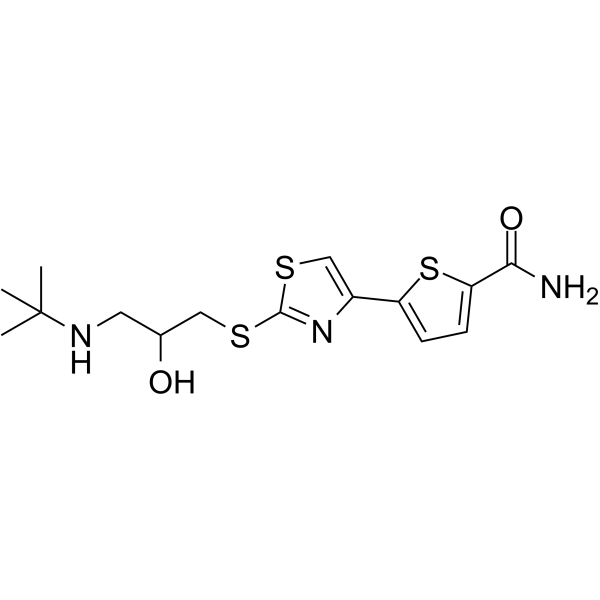
    Arotinolol is a nonselective α/β-adrenergic receptor blocker and a vasodilating β-blocker . Arotinolol also shows potency for inhibiting the binding of the radioligand 125I-ICYP to 5HT1B-serotonergic receptor sites . Arotinolol is an antihypertensive agent for the treatment of a variety of cardiovascular pathologies as well as non-cardiovascular diseases .
    Arotinolol
  • HY-N7491A

    Calcium Channel Cancer
    ent-(+)-verticilide is a potent and selective inhibitor of cardiac ryanodine receptor (RyR2) calcium release channels with antiarrhythmic activity. ent-(+)-verticilide inhibits RyR2-mediated diastolic Ca2+ leak and exhibits higher potency and a distinct mechanism of action compared with theDantrolene and Tetracaine. ent-(+)-verticilide is a useful tool to investigate the therapeutic potential of targeting RyR2 hyperactivity in heart and brain pathologies .
    Ent-(+)-Verticilide
  • HY-132845

    PTC857

    α-synuclein Cytochrome P450 Ferroptosis Lipoxygenase Neurological Disease
    Utreloxastat (PTC857) is an orally active and blood-brain barrier-permeable 15-lipooxygenase inhibitor. Utreloxastat is a weak inhibitor of CYP1A2 and 2B6 with an IC50 of >5.3 μM. Utreloxastat reduces oxidative stress and inhibits the consumption of reduced glutathione and ferroptosis. Utreloxastat can be used in the study of neurodegenerative diseases characterized by high levels of oxidative stress and mitochondrial pathology, such as amyotrophic lateral sclerosisc .
    Utreloxastat
  • HY-179492

    hnRNP Neurological Disease
    ACI-19278 is a TDP-43 PET tracer with an average Kd of 25 nM. ACI-19278 only binds to pathological TDP-43 aggregates and does not cross-react with Aβ, Tau, etc. [ 18F]ACI-19278 successfully visualized the TDP-43 pathology in the human brain through positron emission computed tomography. ACI-19278 can be used for in vivo diagnosis of TDP-43 protein lesions .
    ACI-19278
  • HY-19306

    Integrin Cancer
    SB-267268 is a selective and nonpeptidic alpha(v)beta3 (αvβ3) and alpha(v)beta5 (αvβ5) integrins antagonist, with Kis of 0.9, 0.5 and 0.7 nM for human αvβ3, monkey αvβ3 and human αvβ5, respectively. SB-267268 inhibits human and mouse αvβ3 with IC50s of 0.68 and 0.29 nM, respectively. SB-267268 reduces angiogenesis and VEGF expression .
    SB-267268
  • HY-119442
    Quininib
    1 Publications Verification

    Leukotriene Receptor Cardiovascular Disease
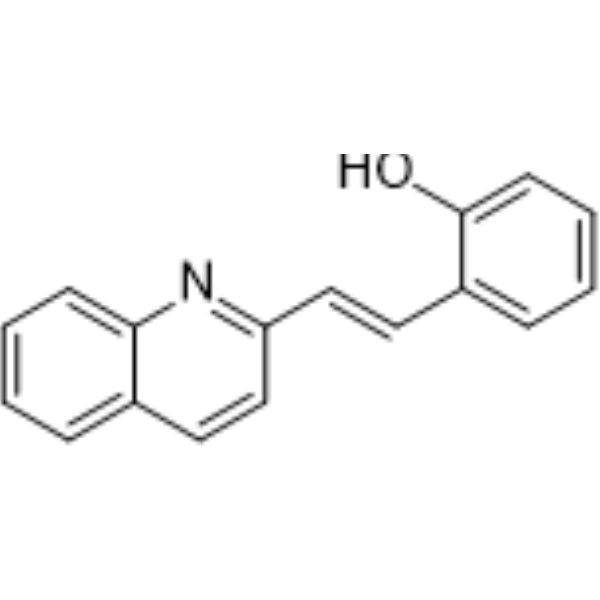
    Quininib is a cysteinyl leukotriene 1 and 2 receptor antagonist with IC50s of 1.2 and 52 μM for CysLT1R and CysLT2R, respectively. Quininib is a potent inhibitor of developmental angiogenesis in the zebrafish eye. Quininib can be used for the research of ocular neovascular pathologies and may complement current anti-VEGF biological agents .
    Quininib
  • HY-B1044

    Kemantane; 5-Hydroxy-2-adamantanone

    Drug Derivative Neurological Disease Inflammation/Immunology
    Idramantone (Kemantane, 5-Hydroxy-2-adamantanone) is an Adamantane derivative. Idramantone is an immunostimulant. Idramantone is a versatile starting material for the synthesis of various adamantine deivatives. Idramantone can be produced using P450cam monooxygenase coupled with NADH regeneration as an oxidation biocatalyst. Idramantone can be studied in research on bronchial pathology .
    Idramantone
  • HY-P10936

    Aquaporin Neurological Disease Inflammation/Immunology
    AQP4 (201-220) is an encephalitogenic epitope of AQP-4. AQP4 (201-220) can induce experimental autoimmune encephalomyelitis (EAE) (characterized by midline lesions in the brain, retinal pathology, and lesions at the grey matter/white matter border zone in the spinal cord). AQP-4 is a target antigen in neuromyelitis optica .
    AQP4 (201-220)
  • HY-D2353

    DNA/RNA Synthesis Cancer
    Biotin-PEG3-benzophenone is biotin-labeled Benzophenone (HY-Y0546). Benzophenone is an endogenous metabolite and a photosensitizer that has been implicated in photosensitive damage to DNA. Benzophenone causes nucleobase oxidation, formation of cyclobutane-pyrimidine dimers, single-strand breaks, DNA-protein cross-links or abasic sites, different pathologies that may occur in nucleosides, oligonucleotides or DNA .
    Biotin-PEG3-benzophenone
  • HY-D0370

    Environmental Pollutants Biochemical Assay Reagents Others
    Solvent Yellow 16 is a disperse dye. Dyes are important tools in biological experiments. They can help researchers observe and analyze cell structures, track biomolecules, evaluate cell functions, distinguish cell types, detect biomolecules, study tissue pathology and monitor microorganisms. Their applications range from basic scientific research to clinical A wide range of diagnostics. Dyes are also widely used in traditional fields such as textile dyeing, as well as in emerging fields such as functional textile processing, food pigments and dye-sensitized solar cells .
    Solvent Yellow 16
  • HY-D0563

    Fluorescent Dye Others
    Direct yellow 86 is a multifunctional dye. Dyes are important tools in biological experiments. They can help researchers observe and analyze cell structures, track biomolecules, evaluate cell functions, distinguish cell types, detect biomolecules, study tissue pathology and monitor microorganisms. Their applications range from basic scientific research to clinical A wide range of diagnostics. Dyes are also widely used in traditional fields such as textile dyeing, as well as in emerging fields such as functional textile processing, food pigments and dye-sensitized solar cells.
    Direct yellow 86
  • HY-15452R

    EX-527 (Standard)

    Sirtuin Reference Standards Inflammation/Immunology Cancer
    Selisistat (Standard) is the analytical standard of Selisistat. This product is intended for research and analytical applications. Selisistat (EX-527) is a potent and selective SirT1 (Sir2 in Drosophila melanogaster) inhibitor with an IC50 of 123 nM for SirT1. Selisistat alleviates pathology in multiple animal and cell models of Huntington's disease .
    Selisistat (Standard)
  • HY-142701

    Somatostatin Receptor Neurological Disease
    SSTR4 agonist 4 is a potent agonist of SSTR4. SSTR4 is expressed at relatively high levels in the hippocampus and neocortex, memory and learning regions, and Alzheimer's disease pathology. SSTR4 agonists are potent in rodent models of pain associated with acute and chronic associated anti-peripheral nociceptive and anti-inflammatory activity. SSTR4 agonist 4 has the potential for the research of pain (extracted from patent WO2021233428A1, compound 14) .
    SSTR4 agonist 4
  • HY-139973

    Amyloid-β Neurological Disease
    OAB-14, is a Bexarotene (HY-14171) derivative, improves Alzheimer's disease-related pathologies and cognitive impairments by increasing β-amyloid clearance in APP/PS1 mice. OAB-14 effectively ameliorates the dysfunction of the endosomal-autophagic-lysosomal pathway in APP/PS1 transgenic mice .
    OAB-14
  • HY-D0783

    Fluorescent Dye Others
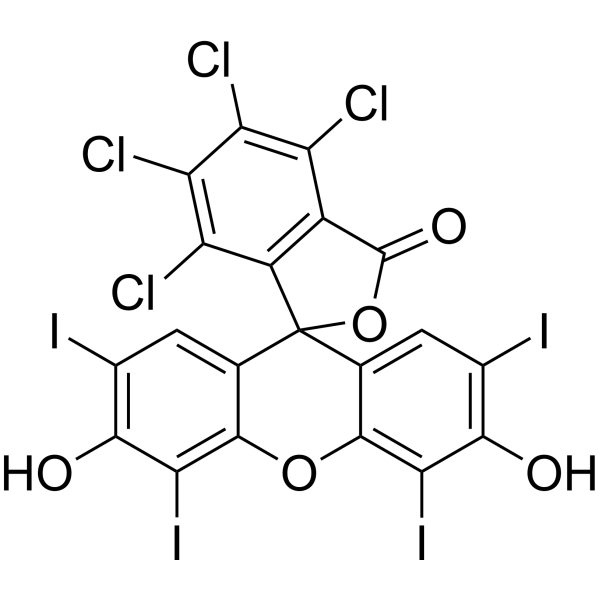
    5-Maleimido-eosin is a multifunctional dye. Dyes are important tools in biological experiments. They can help researchers observe and analyze cell structures, track biomolecules, evaluate cell functions, distinguish cell types, detect biomolecules, study tissue pathology and monitor microorganisms. Their applications range from basic scientific research to clinical A wide range of diagnostics. Dyes are also widely used in traditional fields such as textile dyeing, as well as in emerging fields such as functional textile processing, food pigments and dye-sensitized solar cells.
    5-Maleimido-eosin
  • HY-D0087

    Fluorescent Dye Others
    MDCC is a multifunctional dye. Dyes are important tools in biological experiments. They can help researchers observe and analyze cell structures, track biomolecules, evaluate cell functions, distinguish cell types, detect biomolecules, study tissue pathology and monitor microorganisms. Their applications range from basic scientific research to clinical A wide range of diagnostics. Dyes are also widely used in traditional fields such as textile dyeing, as well as in emerging fields such as functional textile processing, food pigments and dye-sensitized solar cells.
    MDCC
  • HY-100723

    Amyloid-β Neurological Disease
    THK-523 has demonstrated its high affinity and selectivity for tau pathology both in vitro and in vivo. 18F-THK523 is a potent tau imaging radiotracer. 18F-THK523 is a potent in vivo tau imaging ligand for Alzheimer's disease .
    THK-523
  • HY-176130

    ATTECs Tau Protein Autophagy Neurological Disease
    MRL828 combines a Tau pathology-binding ligand and modified guanine moiety based on the ATTEC technology to selectively designate aggregated tau proteins for clearance via the ALP. MRL828 decreases intracellular Tau aggregates and promotes the secretion of Tau .
    MRL828
  • HY-124051

    Elastase Cardiovascular Disease Inflammation/Immunology
    BAY-8040 is a pyrimidopyridazine derivative which has inhibitory activity against human neutrophil elastase (HNE). BAY-8040 decreases cardiac remodeling and ameliorates cardiac function in a Monocrotaline (HY-N0750)-induced rat model for pulmonary arterial hypertension. BAY-8040 is promising for research of inflammatory pathologies and cardiopulmonary pathologies .
    BAY-8040
  • HY-P1166

    Urotensin Receptor Cardiovascular Disease
    UFP-803 is a potent urotensin-II receptor (UT) ligand. UFP-803 has lower residual agonist activity, so it may be an important tool for the investigations on the role played by the UT system in physiology and pathology .
    UFP-803
  • HY-142700

    Somatostatin Receptor Neurological Disease
    SSTR4 agonist 3 is a potent agonist of SSTR4. SSTR4 is expressed at relatively high levels in the hippocampus and neocortex, memory and learning regions, and Alzheimer's disease pathology. SSTR4 agonists are potent in rodent models of pain associated with acute and chronic associated anti-peripheral nociceptive and anti-inflammatory activity. SSTR4 agonist 3 has the potential for the research of pain (extracted from patent WO2021233427A1, compound 14) .
    SSTR4 agonist 3
  • HY-122537

    Adrenergic Receptor 5-HT Receptor Cardiovascular Disease
    Arotinolol hydrochloride is a nonselective α/β-adrenergic receptor blocker and a vasodilating β-blocker . Arotinolol hydrochloride also shows potency for inhibiting the binding of the radioligand 125I-ICYP to 5HT1B-serotonergic receptor sites . Arotinolol hydrochloride is an antihypertensive agent for the treatment of a variety of cardiovascular pathologies as well as non-cardiovascular diseases .
    Arotinolol hydrochloride
  • HY-W841438

    Amyloid-β Tau Protein Neurological Disease
    Lithium orotate is an orally active lithium supplement with reduced binding that can bypass amyloid sequestration in AD mice models. Lithium orotate can prevent Aβ plaque deposition and phospho-tau accumulation and reverse AD pathology, neuroinflammatory changes and memory loss in AD mice models and ageing wild-type mice. Lithium orotate can be used for the research of alcoholism and Alzheimer’s disease .
    Lithium orotate
  • HY-N4192

    Others Cardiovascular Disease Cancer
    Toringin, a bioflavonoid, is isolated from the bark of Docyniopsis tschonoski. Toringin progressively decreases not only the cis-effect of the expanded CTG repeats but cytotoxicity as well. Exposure to isosakuranetin, Toringin rescues PC12 neuronal cells. Flavonoids are efficacious for ameliorating the RNA gain of function caused by expanded CTG repeats, and have various biological activities and beneficial actions against cancers, coronary heart disease, among other pathologies .
    Toringin
  • HY-D0578

    Fluorescent Dye Others
    Basic yellow 28 is a multifunctional dye. Dyes are important tools in biological experiments. They can help researchers observe and analyze cell structures, track biomolecules, evaluate cell functions, distinguish cell types, detect biomolecules, study tissue pathology and monitor microorganisms. Their applications range from basic scientific research to clinical A wide range of diagnostics. Dyes are also widely used in traditional fields such as textile dyeing, as well as in emerging fields such as functional textile processing, food pigments and dye-sensitized solar cells.
    Basic yellow 28
  • HY-D1354

    Fluorescent Dye Others
    Azide MegaStokes dye 673 is a multifunctional dye. Dyes are important tools in biological experiments. They can help researchers observe and analyze cell structures, track biomolecules, evaluate cell functions, distinguish cell types, detect biomolecules, study tissue pathology and monitor microorganisms. Their applications range from basic scientific research to clinical A wide range of diagnostics. Dyes are also widely used in traditional fields such as textile dyeing, as well as in emerging fields such as functional textile processing, food pigments and dye-sensitized solar cells.
    Azide MegaStokes dye 673
  • HY-D0572

    Fluorescent Dye Others
    Acid red 260 is a multifunctional dye. Dyes are important tools in biological experiments. They can help researchers observe and analyze cell structures, track biomolecules, evaluate cell functions, distinguish cell types, detect biomolecules, study tissue pathology and monitor microorganisms. Their applications range from basic scientific research to clinical A wide range of diagnostics. Dyes are also widely used in traditional fields such as textile dyeing, as well as in emerging fields such as functional textile processing, food pigments and dye-sensitized solar cells.
    Acid red 260
  • HY-D0474

    Fluorescent Dye Others
    Acid green 12 is a multifunctional dye. Dyes are important tools in biological experiments. They can help researchers observe and analyze cell structures, track biomolecules, evaluate cell functions, distinguish cell types, detect biomolecules, study tissue pathology and monitor microorganisms. Their applications range from basic scientific research to clinical A wide range of diagnostics. Dyes are also widely used in traditional fields such as textile dyeing, as well as in emerging fields such as functional textile processing, food pigments and dye-sensitized solar cells.
    Acid green 12
  • HY-D0461

    Fluorescent Dye Others
    beta-Naphthol violet is a multifunctional dye. Dyes are important tools in biological experiments. They can help researchers observe and analyze cell structures, track biomolecules, evaluate cell functions, distinguish cell types, detect biomolecules, study tissue pathology and monitor microorganisms. Their applications range from basic scientific research to clinical A wide range of diagnostics. Dyes are also widely used in traditional fields such as textile dyeing, as well as in emerging fields such as functional textile processing, food pigments and dye-sensitized solar cells.
    beta-Naphthol violet
  • HY-D0951

    Fluorescent Dye Others
    Methyl violet dye is a multifunctional dye. Dyes are important tools in biological experiments. They can help researchers observe and analyze cell structures, track biomolecules, evaluate cell functions, distinguish cell types, detect biomolecules, study tissue pathology and monitor microorganisms. Their applications range from basic scientific research to clinical A wide range of diagnostics. Dyes are also widely used in traditional fields such as textile dyeing, as well as in emerging fields such as functional textile processing, food pigments and dye-sensitized solar cells.
    Methyl violet dye
  • HY-D1303

    Fluorescent Dye Others
    Marina blue is a multifunctional dye. Dyes are important tools in biological experiments. They can help researchers observe and analyze cell structures, track biomolecules, evaluate cell functions, distinguish cell types, detect biomolecules, study tissue pathology and monitor microorganisms. Their applications range from basic scientific research to clinical A wide range of diagnostics. Dyes are also widely used in traditional fields such as textile dyeing, as well as in emerging fields such as functional textile processing, food pigments and dye-sensitized solar cells.
    Marina blue

Inquiry Online

Your information is safe with us. * Required Fields.

Salutation


Country or Region *

Applicant Name *


Organization Name *

Department *


Email Address *


Product Name *

Cat. No.


Requested quantity *

Phone Number *


Remarks

Inquiry Online

Inquiry Information

Product Name:
Cat. No.:
Quantity:
MCE Japan Authorized Agent:

