1. Search Result
Search Result
Results for "

phenotypes

" in MedChemExpress (MCE) Product Catalog:

185

Inhibitors & Agonists

13

Screening Libraries

5

Fluorescent Dye

9

Biochemical Assay Reagents

18

Peptides

1

MCE Kits

8

Inhibitory Antibodies

20

Natural
Products

10

Isotope-Labeled Compounds

3

Oligonucleotides

2

GMP Molecules

Cat. No. Product Name Target Research Areas Chemical Structure
  • HY-101855

    Anle138b

    Amyloid-β Neurological Disease
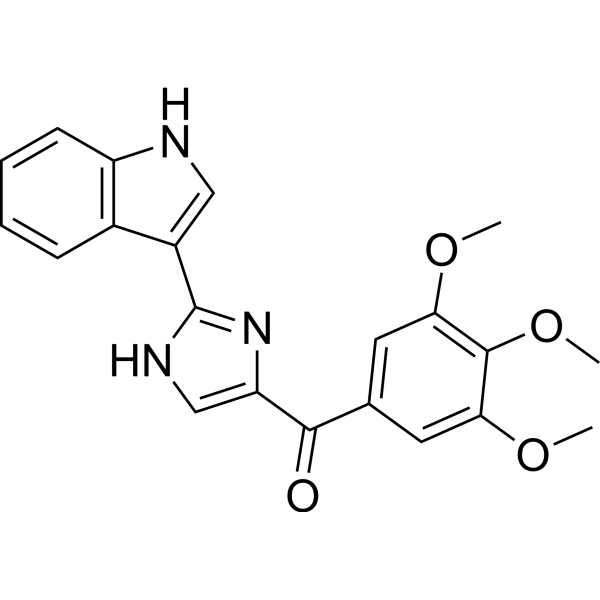
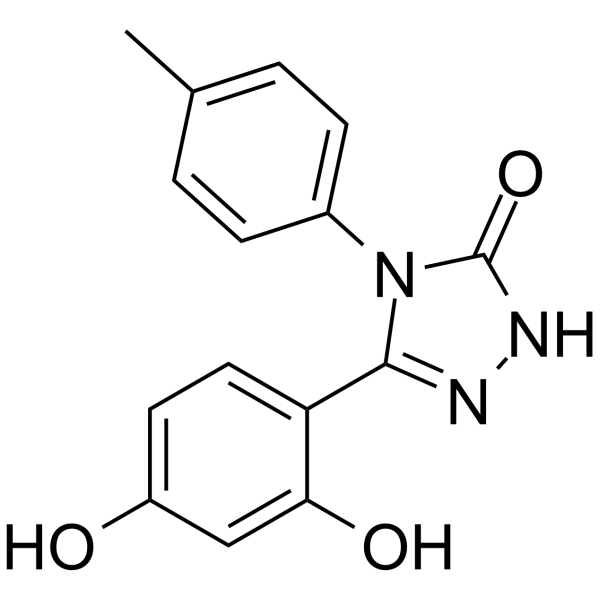
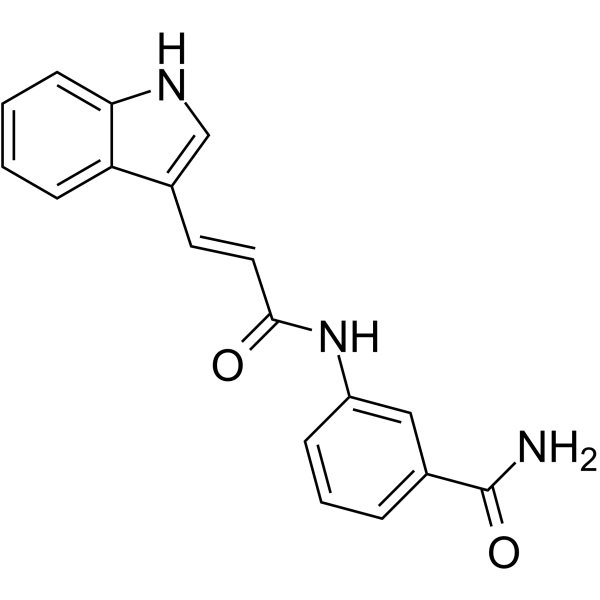
    Emrusolmin (Anle138b), an oligomeric aggregation inhibitor, blocks the formation of pathological aggregates of prion protein (PrPSc) and of α-synuclein (α-syn). Emrusolmin strongly inhibits oligomer accumulation, neuronal degeneration, and disease progression in vivo. Emrusolmin has low toxicity and an excellent oral bioavailability and blood-brain-barrier penetration. Emrusolmin blocks Aβ channels and rescues disease phenotypes in a mouse model for amyloid pathology .
    Emrusolmin
  • HY-N0790
    Lupeol
    5 Publications Verification

    Clerodol; Monogynol B; Fagarasterol

    Androgen Receptor Apoptosis Cancer
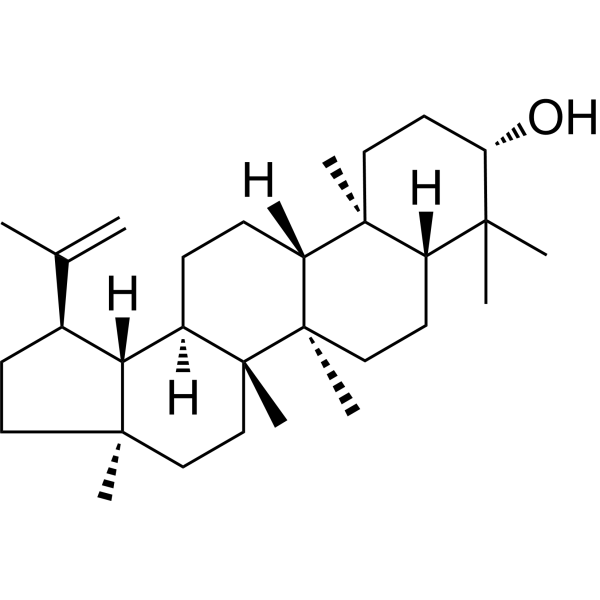
    Lupeol (Clerodol; Monogynol B; Fagarasterol) is an active pentacyclic triterpenoid, has anti-oxidant, anti-mutagenic, anti-tumor and anti-inflammatory activity. Lupeol is a potent androgen receptor (AR) inhibitor and can be used for cancer research, especially prostate cancer of androgen-dependent phenotype (ADPC) and castration resistant phenotype (CRPC) .
    Lupeol
  • HY-N0284
    Esculetin
    Maximum Cited Publications
    6 Publications Verification

    PI3K Akt Inflammation/Immunology Cancer
    Esculetin is an active ingredient extracted mainly from the bark of Fraxinus rhynchophylla. Esculetin inhibits platelet-derived growth factor (PDGF)-induced airway smooth muscle cells (ASMCs) phenotype switching through inhibition of PI3K/Akt pathway. Esculetin has antioxidant, antiinflammatory, and antitumor activities .
    Esculetin
  • HY-B1378
    Ethosuximide
    1 Publications Verification

    Calcium Channel Neurological Disease Cancer
    Ethosuximide, a widely prescribed anti-epileptic agent, improves the phenotypes of multiple neurodegenerative disease models and blocks the low voltage activated T-type calcium channel.
    Ethosuximide
  • HY-19987
    BML-284
    Maximum Cited Publications
    41 Publications Verification

    Wnt Cancer
    BML-284 is a potent and cell-permeable Wnt signaling activator. BML-284 induces TCF-dependent transcriptional activity with an EC50 of 700 nM .
    BML-284
  • HY-P9948

    Campath-IH

    Apoptosis Cancer
    Alemtuzumab (Campath-IH) is a humanized monoclonal antibody against CD52. Alemtuzumab does not cross-react with murine CD52. Alemtuzumab selectively targets the CD52 antigen to induce profound lymphocyte depletion, followed by recovery of T and B cells with regulatory phenotypes. Alemtuzumab is capable of complement-dependent cytotoxicity and antibody-dependent cell-mediated cytotoxicity (ADCC), as well as induction of apoptosis. Alemtuzumab has the potential for B-cell chronic lymphocytic leukaemia research .
    Alemtuzumab
  • HY-P6292A

    PACAP Receptor Neurological Disease Inflammation/Immunology Cancer
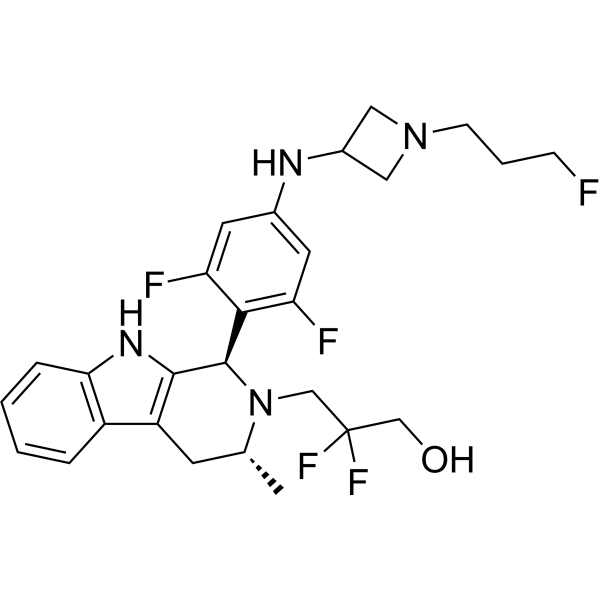
    KS-133 TFA is a highly selective and potent antagonist of the vascular active enteropeptide receptor 2 (VIPR2) with IC50 values for Ca influx measurement and cAMP measurement of 24.8 nM and 500 nM, respectively. KS-133 TFA reverses the tumor-promoting M2 phenotype of tumor-associated macrophages to the anti-tumor M1 phenotype, alters the tumor immune microenvironment, and inhibits tumor growth. KS-133 TFA can be used for research on schizophrenia and cancer immune regulation .
    KS-133 TFA
  • HY-15794
    Nemorubicin
    1 Publications Verification

    Methoxymorpholinyl doxorubicin; FCE 23762; PNU 152243

    G-quadruplex Cancer
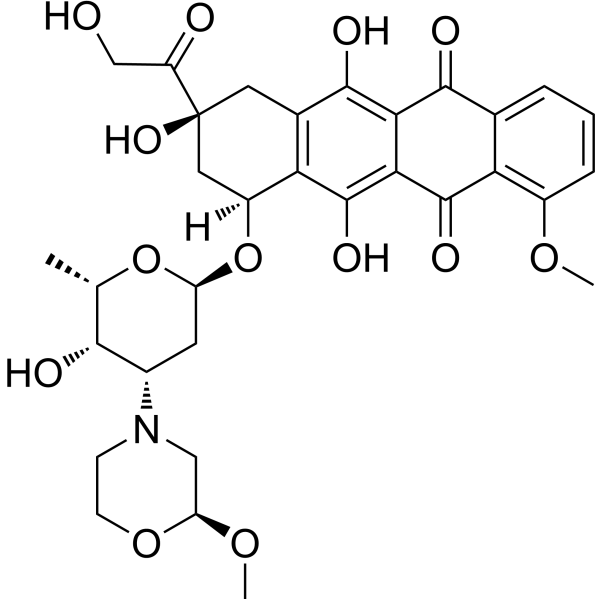
    Nemorubicin (Methoxymorpholinyl doxorubicin) is a Doxorubicin derivative with potent antitumor activity. Nemorubicin is highly cytotoxic to a variety of tumor cell lines presenting a multidrug-resistant phenotype. Nemorubicin not only intercalate into the duplex DNA, but also result in significant ligands for G-quadruplex DNA segments, stabilizing their structure. Nemorubicin requirs an intact nucleotide excision repair (NER) system to exert its activity .
    Nemorubicin
  • HY-122506

    STAT Cancer
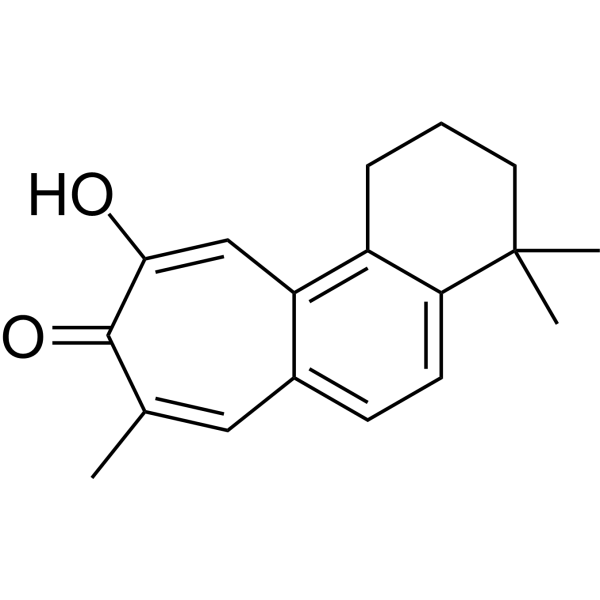
    Salviolone is a natural diterpenoid derivative that can against melanoma cells. Salviolone exhibits a pleiotropic effect against melanoma by hampering cell cycle progression, STAT3 signaling, and malignant phenotype of A375 melanoma cells .
    Salviolone
  • HY-P99256

    SCH 900222; MK 3222; Anti-Human IL23 Recombinant Antibody

    Interleukin Related Inflammation/Immunology Cancer
    Tildrakizumab (SCH 900222) is a humanized anti-IL-23 (p19 subunit) monoclonal antibody. IL-23 is a critical cytokine to maintain the Th17 cell phenotype. Tildrakizumab has high-affinity for single-chain IL-23 (Kd: 136 pM). Tildrakizumab is effective against moderate to severe plaque psoriasis .
    Tildrakizumab
  • HY-120599
    Sabizabulin
    4 Publications Verification

    VERU-111; ABI-231

    Microtubule/Tubulin Apoptosis HPV Cancer
    VERU-111 (ABI-231) is a potent and orally active α and β tubulin inhibitor, which displays strong antiproliferative activity, with an average IC50 of 5.2 nM against panels of melanoma and prostate cancer cell lines. VERU-111 (ABI-231) suppresses tumor growth and metastatic phenotypes of cervical cancer cells via targeting HPV E6 and E7, and has potential for the treatment of prostate cancer .
    Sabizabulin
  • HY-Y0493

    HOOBt

    STAT HIV Infection Cancer
    HODHBt (HOOBt) inhibits STAT5-SUMO interaction by blocking SUMOylation of phosphorylated STAT5. HODHBt enhances the magnitude of IL-15 signaling and significantly increases the natural killer (NK) cell cytotoxicity phenotype and function and the generation of cytokine-induced memory-like (CIML) natural killer (NK) cells. HODHBt can be used for research of HIV-infection and cancer .
    HODHBt
  • HY-P991316

    DX-2400; DX-2410

    MMP NO Synthase Inflammation/Immunology Cancer
    KD014 (DX-2400) is a human monoclonal antibody that selectively targets MMP‑14. KD014 inhibits collagen degradation and regulates the polarization of macrophages toward an anti-inflammatory/anti-tumor phenotype. KD014 alleviates joint damage in rheumatoid arthritis and suppresses tumor growth and invasion. KD014 can be used in studies related to breast cancer and rheumatoid arthritis .
    KD014
  • HY-165740

    Disialoganglioside GD2

    Apoptosis Cancer
    Ganglioside GD2 (Disialoganglioside GD2) is a tumor-associated antigen. Ganglioside GD2 shows limited expression in normal tissues but is overexpressed in multiple tumor types, and thus can serve as a target in cancer. Ganglioside GD2 is associated with tumor development and malignant phenotypes, and its mechanism of action relies on enhancing cell proliferation, motility, migration, adhesion and invasion, with specific effects depending on the tumor type .
    Ganglioside GD2
  • HY-137892

    Epigenetic Reader Domain Inflammation/Immunology
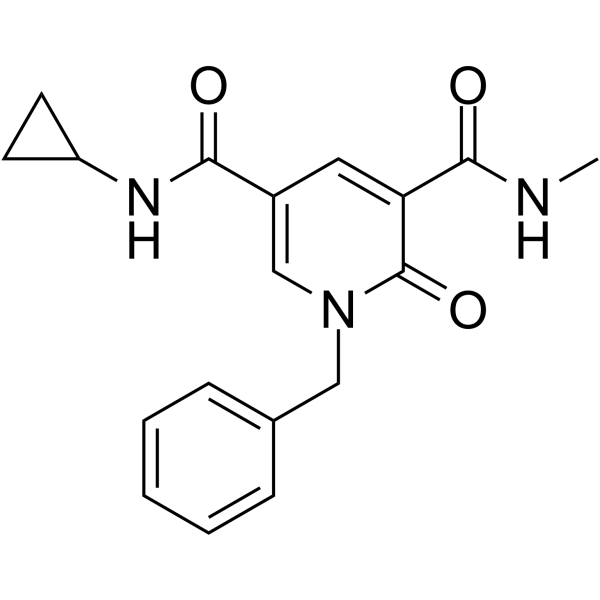
    GSK620, a chemical probe, is a potent and orally active pan-BD2 inhibitor with excellent broad selectivity, developability and in vivo oral pharmacokinetics. GSK620 is highly selective for the BET-BD2 family of proteins, with >200-fold selectivity over all other bromodomains. GSK620 shows an anti-inflammatory phenotype in human whole blood .
    GSK620
  • HY-B1184
    Mephenytoin
    2 Publications Verification

    Cytochrome P450 Neurological Disease
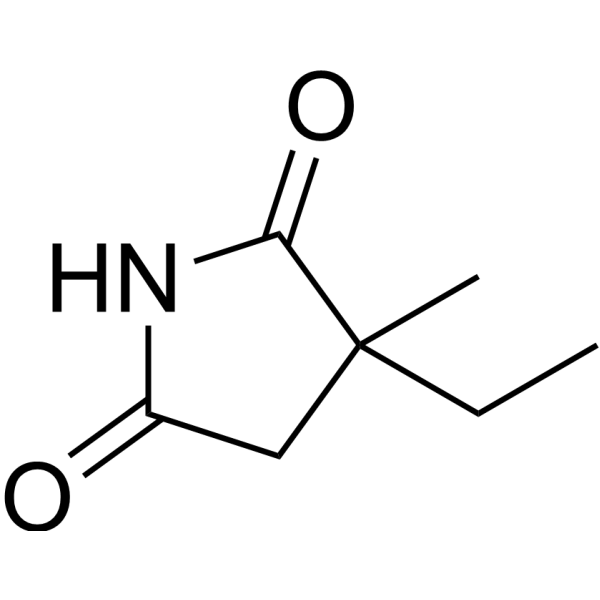
    Mephenytoin, an anticonvulsant, is the CYP2C19 and CYP2B6 substrate .
    Mephenytoin
  • HY-164485

    Toll-like Receptor (TLR) SARS-CoV Infection
    INI-4001 is a TLR7/8 agonist and vaccine adjuvant. INI-4001 regulates innate and adaptive immune responses by activating murine TLR7 and human TLR7/TLR8. INI-4001 enhances IgG and neutralizing antibody responses against Powassan virus (POWV), reduces viral loads in the brain, liver and spleen, provides complete protection against lethal POWV challenge, and skews immune responses toward a Th1 phenotype. When INI-4001 is used in combination with Al (OH)3 and SARS-CoV-2 RBD antigen, it efficiently adsorbs to Al (OH)3, promotes Th1 immunity and enhances SARS-CoV-2 neutralizing antibody responses. INI-4001 is applicable to research related to Powassan virus infection and COVID-19 .
    INI-4001
  • HY-137206

    Molecular Glues Ligands for E3 Ligase Cancer
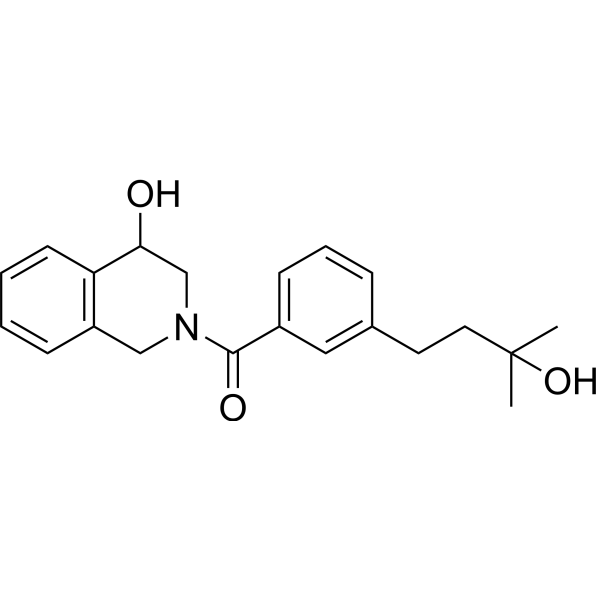
    ALV2 is a potent and selective Helios molecular glue degrader. ALV2 binds CRBN, with an IC50 of 0.57 μM. Helios is the zinc-finger transcription factor that can maintain a stable Treg cell phenotype in the inflammatory tumor microenvironment .
    ALV2
  • HY-NP199
    Bovine pituitary extract
    1 Publications Verification

    Reactive Oxygen Species (ROS) Inflammation/Immunology
    Bovine pituitary extract is a bovine pituitary extract that can be used as a mitogenic supplement in serum-free growth media. Bovine pituitary extract is rich in growth factors. Bovine pituitary extract not only promotes the proliferation of corneal keratinocytes and maintains their phenotype, but also exerts significant antioxidant stress protective effects on human prostate epithelial cells .
    Bovine pituitary extract
  • HY-18620
    DZ2002
    1 Publications Verification

    STAT PI3K NF-κB MEK ERK Bacterial Antibiotic Akt Inflammation/Immunology
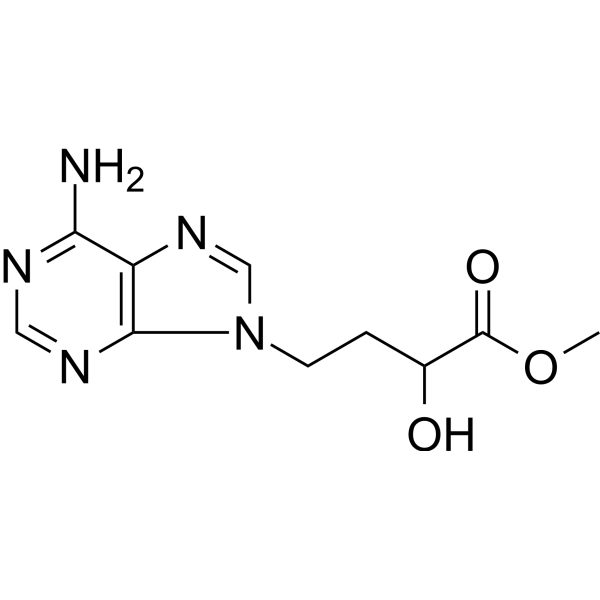
    DZ2002 is an orally active, reversible and low-cytotoxic type III SAHH inhibitor (Ki=17.9 nM), with good immunosuppressive activity. DZ2002 prevents the development of experimental dermal fibrosis by reversing the profibrotic phenotype of various cell types. DZ2002 can be used in studies of autoimmune diseases such as lupus syndrome and systemic sclerosis .
    DZ2002
  • HY-Y0586

    Asaronic acid

    NF-κB STAT Metabolic Disease Inflammation/Immunology
    2,4,5-Trimethoxybenzoic acid (Asaronic acid) is a compound identified in purple perilla extracts. 2,4,5-Trimethoxybenzoic acid inhibits LPS (HY-D1056)-induced inflammatory responses, inhibits the activation of NF-κB and STAT signaling pathways. 2,4,5-Trimethoxybenzoic acid inhibits M1 macrophage phenotype-mediated inflammation in diabetes .
    2,4,5-Trimethoxybenzoic acid
  • HY-12346

    NSC 12407; BRD-K4477

    Quinone Reductase Others
    FH1 (NSC 12407) is a NQO2 inhibitor with hepatoprotective effects. FH1 enhances hepatocyte function and promotes differentiation of induced pluripotent stem (iPS)-derived hepatocytes to a more mature phenotype and maturation of well-differentiated hepatocyte-like cell (iHeps) cultures. FH1 protects against Acetaminophen (HY-66005)-induced hepatotoxicity in both embryos and adult zebrafish .
    FH1
  • HY-168437

    MicroRNA Cancer
    LIN28-IN-2 is a Lin28 inhibitor with activity against Lin28a, Lin28b, and their zinc knuckle domain. LIN28-IN-2 blocks Lin28-RNA substrate binding, perturbs zinc knuckle domain conformation. LIN28-IN-2 inhibits cancer cell proliferation, spheroid growth, and induces G2/M phase arrest. LIN28-IN-2 suppresses cancer stem cell phenotypes, Lin28-mediated stress granule formation, let-7 target genes, cancer stem cell biomarkers, and neuroendocrine biomarkers expression in cancer cells. LIN28-IN-2 can be used for the research of cancer .
    LIN28-IN-2
  • HY-P2522

    Bacterial Infection
    Competence-Stimulating Peptide-2 (CSP-2) is a 17-amino acid signal peptide produced by Streptococcus pneumoniae, with an EC50 of 50.7 nM for its compatible receptor ComD2. Competence-Stimulating Peptide-2 (CSP-2) can regulate bacterial phenotypes such as competence development, virulence, and biofilm formation through quorum sensing .
    Competence-Stimulating Peptide-2 (CSP-2)
  • HY-13224

    Kinesin Apoptosis Mitosis Cancer
    AZD4877 is another isostere to Ispinesib (HY-50759)and also a kinesin spindle protein (Eg5) inhibitor with IC50 of 2 nM.AZD4877 arrests cell mitosis, leads to the formation of the monopolar spindle phenotype and induces apoptosis. AZD4877 inhibits circulating peripheral blood mononuclear cells (PBMCs) and has anti-cancer activity .
    AZD4877
  • HY-124284

    HMBA

    Apoptosis p38 MAPK Akt NF-κB Notch Bcl-2 Family MDM-2/p53 Epigenetic Reader Domain Neurological Disease Metabolic Disease Cancer
    Hexamethylene bisacetamide (HMBA) is a differentiation inducer and selective bromine domain inhibitor that can differentiate across the blood-brain barrier. Hexamethylene bisacetamide can induce tumor cell differentiation and inhibit cell proliferation, showing antitumor activity. Hexamethylene bisacetamide induces apoptosis by Notch1, Bcl-2 and p53 signaling pathways. In addition, Hexamethylene bisacetamide improves the obesity phenotype of mice .
    Hexamethylene bisacetamide
  • HY-121793

    (-)-Roemerine

    Endogenous Metabolite 5-HT Receptor mGluR iGluR Bacterial Antibiotic Infection Neurological Disease Cancer
    Roemerine is an alkaloid that has been identified from the leaves of Fibraurea recisa Pierre. Roemerine exhibits antibacterial, anticancer, and antidepressant activities, can reverse the multidrug resistance phenotype in cultured cells, and exerts antibacterial effects by regulating the cAMP signaling pathway. Additionally, Roemerine influences neuronal activity by increasing BDNF protein expression and modulating the serotonergic and glutamatergic systems. Roemerine holds promise for research in the fields of cancer, infections, and neurological diseases .
    Roemerine
  • HY-145110

    IGF-1R Cancer
    IGF-1R inhibitor-2 (example 121) is an insulin-like growth factor-1 receptor (IGF-1R) inhibitor. Downregulation of IGF-1R can reverse the transformed phenotype of tumor cells and potentially render them susceptible to apoptosis .
    IGF-1R inhibitor-2
  • HY-105005

    AAD-2004

    Prostaglandin Receptor PGE synthase Reactive Oxygen Species (ROS) Apoptosis Neurological Disease Inflammation/Immunology
    Crisdesalazine (AAD-2004) is a microsomal prostaglandin E2 synthase-1 (mPGES-1) inhibitor. Crisdesalazine acts as a potent free radical scavenger that directly neutralizes reactive oxygen species (ROS) including hydrogen peroxide, exerting neuroprotective effects against apoptosis and axonal damage. Crisdesalazine inhibits PGE2 production, mediates inflammatory responses, and promotes the conversion of macrophages from the pro-inflammatory M1 phenotype to the anti-inflammatory M2 phenotype. Crisdesalazine is applicable to neuroprotection research in multiple sclerosis and spinal cord injury .
    Crisdesalazine
  • HY-118134

    Ser/Thr Protease Cancer
    Hepln-13 is a potent and orally active Hepsin inhibitor with an IC50 of 0.33 μM. Hepln-13 can be used for the research of metastatic prostate cancer .
    Hepln-13
  • HY-131035

    Lys-coenzyme A

    Histone Acetyltransferase Cancer
    Lys-CoA TFA is a selective p300 histone acetyltransferase (HAT) inhibitor (IC50=50-500 nM). Lys-CoA TFA displays >100-fold selectivity for p300 over PCAF (IC50=200 μM). Lys-CoA TFA inhibits p300 HAT activity-dependent transcriptional activation .
    Lys-CoA TFA
  • HY-122604

    DNA/RNA Synthesis Neurological Disease
    PF-DcpSi is a mRNA decapping scavenger enzyme (DcpS) inhibitor (IC50: 0.11 nM). PF-DcpSi (30 mg/kg,i.p.) ameliorates the disease phenotype in a mice model of spinal muscular atrophy (SMA) .
    PF-DcpSi
  • HY-139059
    ERD03
    1 Publications Verification

    DNA Alkylator/Crosslinker Neurological Disease
    ERD03 is a potent disruptor of the EXOSC3-RNA interaction, with a Kd of 17±7 μM . ERD03 induces PCH1B-like phenotype in zebrafish embryo and can be used for neurological disorder disease research .
    ERD03
  • HY-117651

    Acyltransferase Cancer
    2-Fluoropalmitic acid, an acyl-CoA synthetase inhibitor, acts as a candidate anti-glioma agent. 2-Fluoropalmitic acid suppresses the viability and stem-like phenotype of glioma stem cells (GSCs). 2-Fluoropalmitic acid also inhibits proliferation and invasion of glioma cell lines .
    2-Fluoropalmitic acid
  • HY-W004850

    Endogenous Metabolite Reactive Oxygen Species (ROS) Neurological Disease Metabolic Disease
    Aminoacetone hydrochloride is an α-aminoketone and also a catabolite of threonine and glycine. When accumulated under pathological conditions, Aminoacetone hydrochloride participates in oxidative damage and protein dysfunction via the production of reactive oxygen species (ROS) and methylglyoxal, and it is associated with phenotypes such as diabetes, mitochondrial damage and sleep disorders .
    Aminoacetone hydrochloride
  • HY-125331

    Topoisomerase ADC Payload Cancer
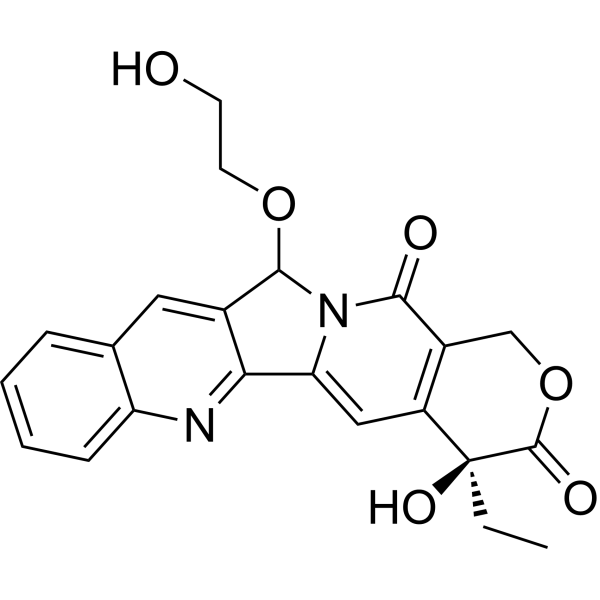
    DRF-1042 is an orally active derivative of Camptothecin. DRF-1042 acts to inhibit DNA topoisomerase I. DRF-1042 shows good anticancer activity against a panel of human cancer cell lines including multi-agent resistance (MDR) phenotype .
    DRF-1042
  • HY-114250

    TRX-E-002-1

    Apoptosis Cancer
    Cantrixil (TRX-E-002-1), an active enantiomer of TRX-E-002, is a second-generation super-benzopyran (SBP) compound. Cantrixil increases phosphorylated c-Jun levels resulting in caspase-mediated apoptosis in ovarian cancer cells. Cantrixil has potent pan anti-cancer activity against a broad range of cancer phenotypes .
    Cantrixil
  • HY-113512

    Influenza Virus Inflammation/Immunology
    17-HDHA is a DHA-derived specialized proresolving mediator (SPM). 17-HDHA enhances the antibody-mediated immune response against influenza virus. 17-HDHA enhances the differentiation of B cells toward the CD27 + CD38 + antibody-secreting cell phenotype, thereby strongly increasing IgM and IgG production by activated B cells .
    17-HDHA
  • HY-145848

    Estrogen Receptor/ERR Neurological Disease
    ERRγ agonist-1 is a potent ERRγ agonist. ERRγ agonist-1 increases transcriptional activities of ERRγ. ERRγ agonist-1 has the potential for the research of neuropsychological disorders .
    ERRγ agonist-1
  • HY-165245

    Transmembrane Glycoprotein Cancer
    SBI-183 is an orally active inhibitor of QSOX1 (Kd: 20 μM). SBI-183 suppresses the proliferative and invasive phenotype of renal cancer cell lines, including triple negative breast cancer cell line, lung adenocarcinoma cell line and pancreatic ductal adenocarcinoma. SBI-183 inhibits tumor growth in two human xenograft mouse models of renal cell carcinoma in vivo .
    SBI-183
  • HY-149711

    ICMT Metabolic Disease
    Farnesylcysteine (FC) is a competitive inhibitor of ICMT. The fcly mutant has quantitatively low farnesylcysteine (FC) lyase activity and an enhanced response to ABA. Farnesylcysteine induces an ABA hypersensitive phenotype in Arabidopsis thaliana .
    Farnesylcysteine
  • HY-123298
    Chrysotoxine
    1 Publications Verification

    Src Akt Apoptosis Cancer
    Chrysotoxine is a dual inhibitor of Src/Akt. Chrysotoxine suppresses cancer stem cells (CSCs) phenotypes by down-regulating Src/Akt signaling. Chrysotoxine reduces cell viability and increases apoptosis level in H460 and H23 cells instead of non-tumor cell lines. Chrysotoxine shows rapid excretion and low bioavailability in rats. Chrysotoxine is used in cancer research .
    Chrysotoxine
  • HY-152208

    SHP1 SHP2 Cancer
    BPDA2 is a highly selective and competitive active site SHP2 inhibitor with IC50s of 92.0 nM, 33.39 μM, 40.71 μM for SHP2, SHP1, SHP1B, respectively. DBDA2 downregulates mitogenic and cell survival signaling and RTK expression. BPDA2 suppresses SHP2 mediated signaling and breast cancer cell phenotypes .
    BPDA2
  • HY-119790

    PPAR Metabolic Disease
    Palmitoyllactic acid is a long-chain fatty acid with lipogenic activity. Palmitoyllactic acid can induce a brown fat-like phenotype in 3T3-L1 cells. Palmitoyllactic acid enhances the expression of a variety of brown/beige cell-specific genes, such as Prdm16 and Pgc1a. Palmitoyllactic acid acts similarly to PPARγ agonists, significantly enhancing adipogenesis in the presence of dexamethasone. Palmitoyllactic acid can be used in obesity research .
    Palmitoyllactic acid
  • HY-N0284R

    Reference Standards PI3K Akt Inflammation/Immunology Cancer
    Esculetin (Standard) is the analytical standard of Esculetin. This product is intended for research and analytical applications. Esculetin is an active ingredient extracted mainly from the bark of Fraxinus rhynchophylla. Esculetin inhibits platelet-derived growth factor (PDGF)-induced airway smooth muscle cells (ASMCs) phenotype switching through inhibition of PI3K/Akt pathway. Esculetin has antioxidant, antiinflammatory, and antitumor activities .
    Esculetin (Standard)
  • HY-139990
    CSF1R-IN-3
    1 Publications Verification

    c-Fms Cancer
    CSF1R-IN-3 (compound 21) is a potent and orally active CSF-1R inhibitor (IC50=2.1 nM). CSF1R-IN-3 is a potent antiproliferative activity against colorectal cancer cells. CSF1R-IN-3 inhibits the progression of colorectal cancer by suppressing the migration of macrophages, reprograming M2-like macrophages to the M1 phenotype, and enhancing the antitumor immunity .
    CSF1R-IN-3
  • HY-163642

    Others Cancer
    TNF-α agonistic 1 (compound 22a) can repolarize tumor-associated macrophages (TAMs) in the tumor microenvironment (TME) from the M2 phenotype to the M1 anti-tumor phenotype .
    TNF-α agonistic 1
  • HY-136482

    Calcium Channel Others
    Nemadipine B is a calcium channel blocker and an EGL-19 antagonist. Nemadipine B induces Egl, Vab and Gro phenotypes in Caenorhabditis elegans .
    Nemadipine B
  • HY-104026B

    Endogenous Metabolite Aryl Hydrocarbon Receptor Inflammation/Immunology
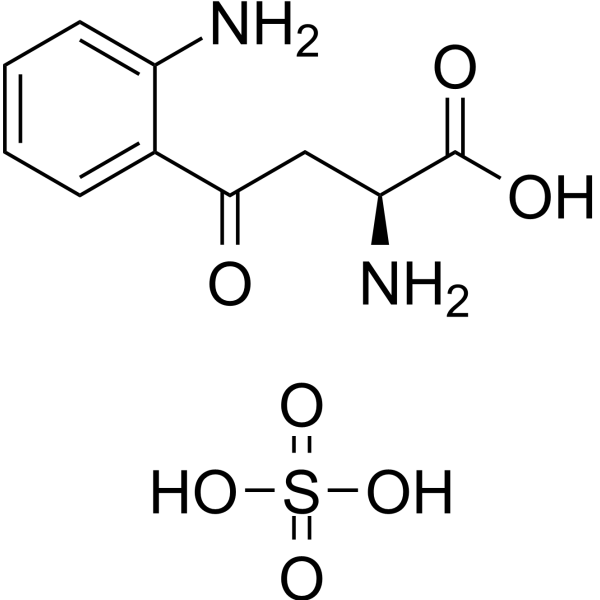
    L-Kynurenine sulfate, an aryl hydrocarbon receptor (AHR) agonist that activates AHR-directed, naive T cell polarization to the anti-inflammatory Treg phenotype .
    L-Kynurenine sulfate
  • HY-125197

    Autophagy Inflammation/Immunology
    BRD5631 is an autophagy enhancer, enhances autophagy through an mTOR-independent pathway. BRD5631 affects several cellular disease phenotypes previously linked to autophagy, including protein aggregation, cell survival, bacterial replication, and inflammatory cytokine production .
    BRD5631

Inquiry Online

Your information is safe with us. * Required Fields.

Salutation


Country or Region *

Applicant Name *


Organization Name *

Department *


Email Address *


Product Name *

Cat. No.


Requested quantity *

Phone Number *


Remarks

Inquiry Online

Inquiry Information

Product Name:
Cat. No.:
Quantity:
MCE Japan Authorized Agent:

