1. Search Result
Search Result
Results for "

prosurvival

" in MedChemExpress (MCE) Product Catalog:

20

Inhibitors & Agonists

1

Fluorescent Dyes

1

Biochemical Assay Reagents

1

Peptides

2

Inhibitory Antibodies

2

Natural
Products

1

Isotope-Labeled Compounds

1

GMP Molecules

Cat. No. Product Name Target Research Areas Chemical Structure
  • HY-115630

    RIP kinase Caspase Apoptosis Cancer
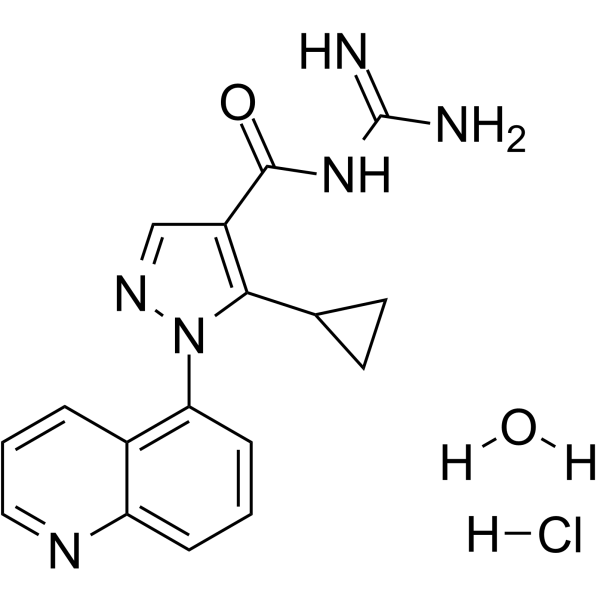
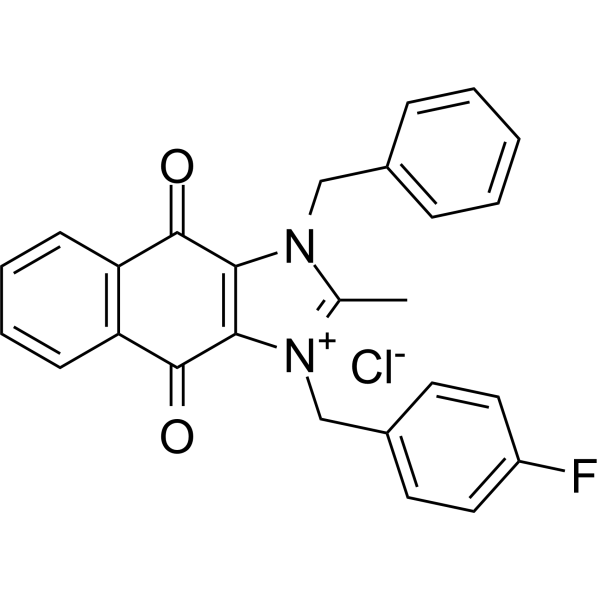
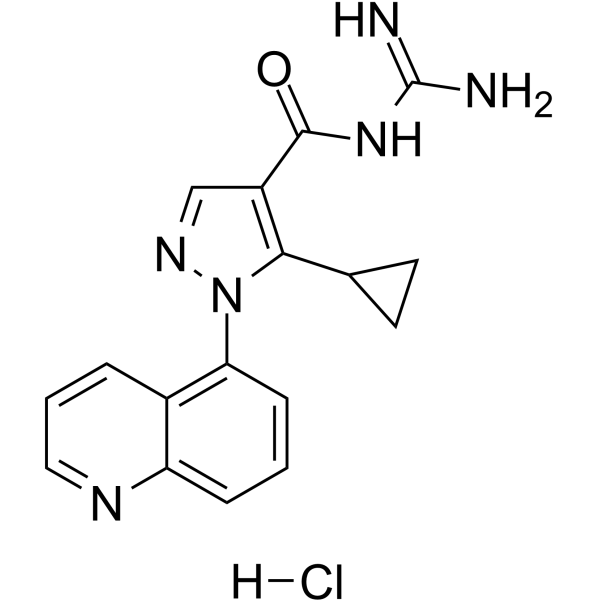
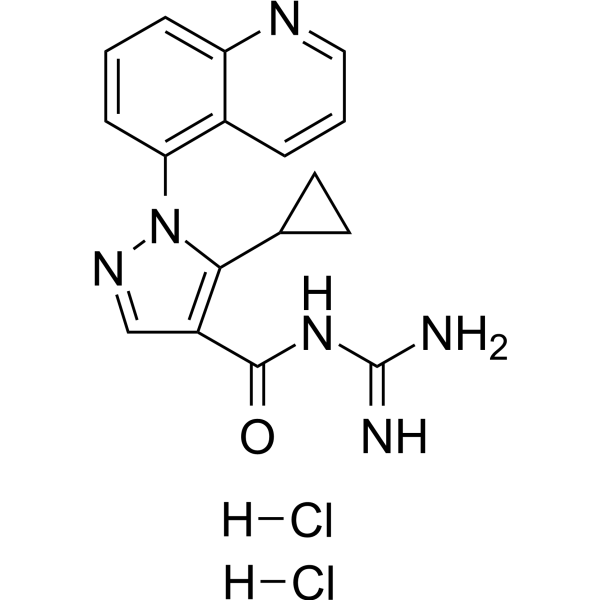
    cRIPGBM chloride, an orally active, proapoptotic derivative. cRIPGBM can be generated from glioblastoma multiforme (GBM) cancer stem cells (CSCs). cRIPGBM(chloride) targets to receptor-interacting protein kinase 2 (RIPK2) to induce caspase 1-dependent apoptosis. cRIPGBM(chloride) suppresses the formation of RIPK2/TAK1 (prosurvival complex), and increases the formation of RIPK2/caspase 1 (proapoptotic complex). cRIPGBM(chloride) exerts potent anti-tumor activity in vivo in animal models .
    cRIPGBM chloride
  • HY-N2217

    Akt mTOR p38 MAPK Apoptosis Phosphatase Interleukin Related NF-κB PI3K Keap1-Nrf2 Heme Oxygenase (HO) Toll-like Receptor (TLR) Reactive Oxygen Species (ROS) Metabolic Disease Inflammation/Immunology Cancer
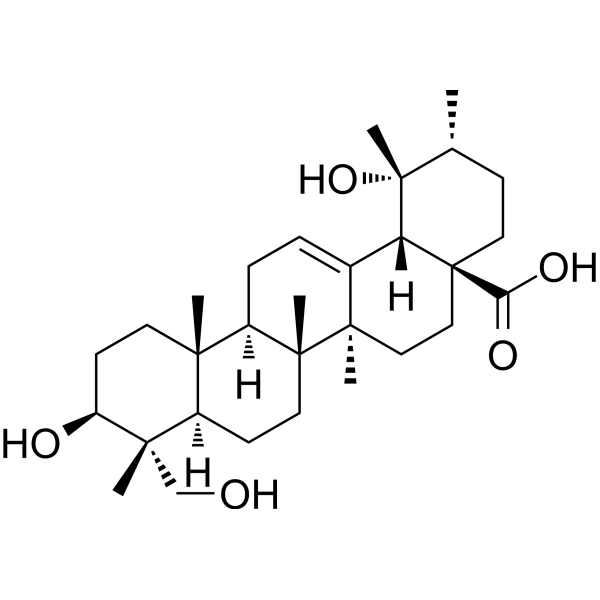
    Rotundic acid is an orally effective triterpenoid with a Kd value of 51.3 µM for PTP1B. Rotundic acid downregulates the AKT/mTOR pro-survival pathway and modulates the MAPK pathway. Rotundic acid induces cell cycle S-phase arrest, DNA damage and apoptosis; it inhibits migration, invasion, angiogenesis and proliferation of cancer cells. Rotundic acid improves leptin sensitivity, regulates gut microbiota and reduces cellular senescence. Rotundic acid can be used in research related to hepatocellular carcinoma, obesity, aging, acute lung injury and type 2 diabetes .
    Rotundic acid
  • HY-176142

    CDK c-Myc Apoptosis Bcl-2 Family Cancer
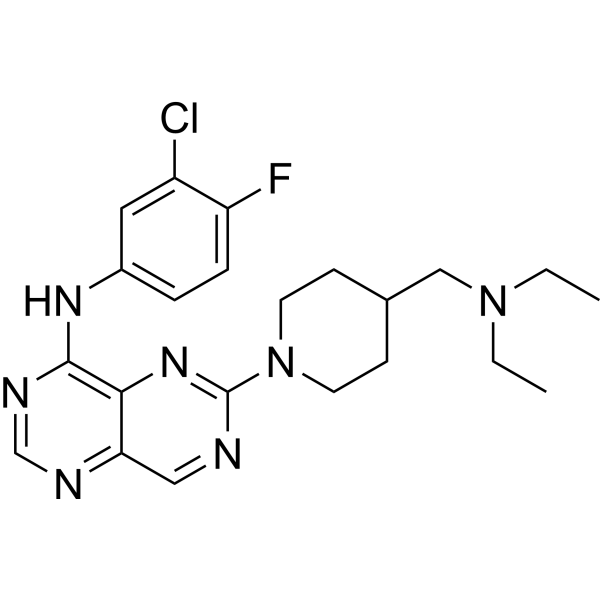
    YX0798 is a selective and orally active CDK9 inhibitor (Kd: 0.28 nM). YX0798 downregulates the oncoprotein c-MYC and pro-survival protein MCL-1. YX0798 disrupts the cell cycle and results in transcriptomic reprogramming, eventually leading to cell apoptosis. YX0798 has antitumor activity .
    YX0798
  • HY-P99653A

    VAY-736 (FUT8-KO)

    TNF Receptor Apoptosis NF-κB Inflammation/Immunology Cancer
    Ianalumab (VAY-736) (FUT8-KO) is an anti-BAFF-R monoclonal antibody expressed in CHO cells with the fucosyltransferase 8 gene (FUT8) knocked out. Fucose depletion enhances its B cell clearance capacity. Ianalumab (FUT8-KO) competitively blocks the binding of BAFF to BAFF-R, inhibits the BAFF-mediated alternative NF-κB pro-survival signaling pathway, and abrogates the apoptotic (apoptosis) protective effect of BAFF on cancer cells. Ianalumab (FUT8-KO) can be used in research related to primary Sjögren's syndrome and chronic lymphocytic leukemia .
    Ianalumab (FUT8-KO)
  • HY-120234

    Z-Leu-Leu-Nle-CHO; GSII

    γ-secretase Proteasome Apoptosis Cancer
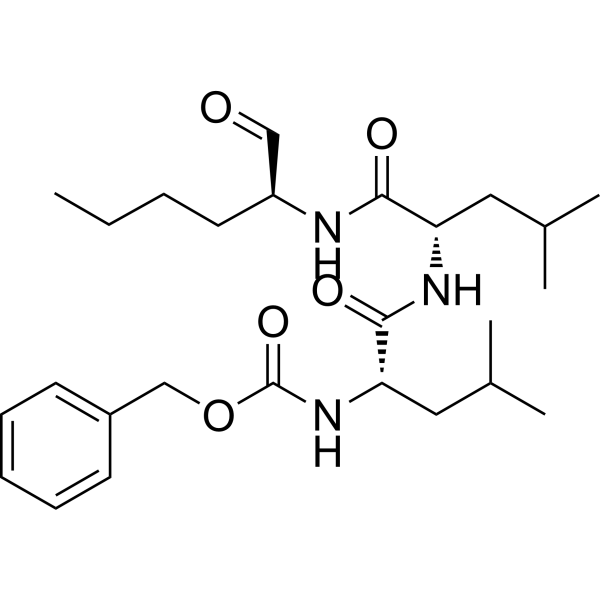
    Z-LLNle-CHO (Z-Leu-Leu-Nle-CHO) is a γ-secretase inhibitor I. Z-LLNle-CHO induces caspase and ROS-dependent apoptosis by blocking the Akt-mediated pro-survival pathway. Z-LLNle-CHO can be used in cancer research, such as breast cancer and leukaemia .
    Z-LLNle-CHO
  • HY-147187

    STAT Apoptosis Bcl-2 Family Survivin Cancer
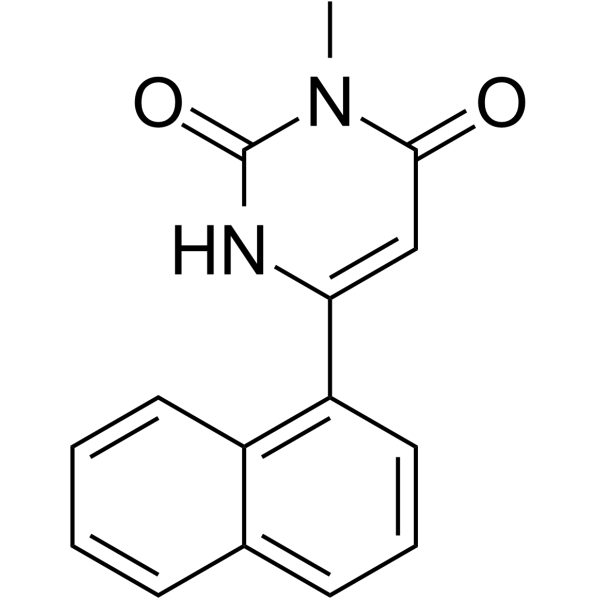
    MNK8 is a potent STAT3 (signal transducer and activator of transcription 3) inhibitor. MNK8 inhibits STAT3 activation and reduced its DNA binding ability. MNK8 shows good growth inhibition against hepatocellular carcinoma (HCC) cells. MNK8 induces apoptosis in HCC cells. MNK8 reduces prosurvival proteins expression and migration/invasion of HCC cells .
    MNK8
  • HY-N0060BS

    (E)-Coniferic acid-d3

    β-catenin Bcl-2 Family Ferroptosis Endogenous Metabolite Cancer
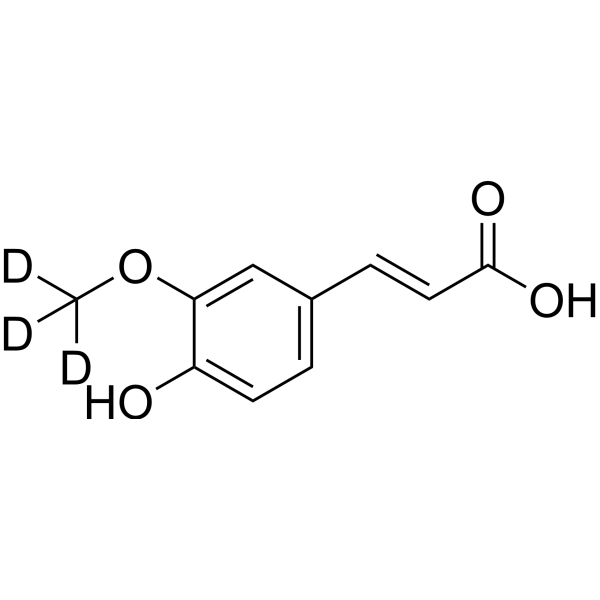
    (E)-Ferulic acid-d3 is the deuterium labeled (E)-Ferulic acid. (E)-Ferulic acid is a isomer of Ferulic acid which is an aromatic compound, abundant in plant cell walls. (E)-Ferulic acid causes the phosphorylation of β-catenin, resulting in proteasomal degradation of β-catenin and increases the expression of pro-apoptotic factor Bax and decreases the expression of pro-survival factor survivin. (E)-Ferulic acid shows a potent ability to remove reactive oxygen species (ROS) and inhibits lipid peroxidation. (E)-Ferulic acid exerts both anti-proliferation and anti-migration effects in the human lung cancer cell line H1299 .
    (E)-Ferulic acid-d3
  • HY-12323G

    Isoxazole 9

    Calcium Channel Cardiovascular Disease Neurological Disease
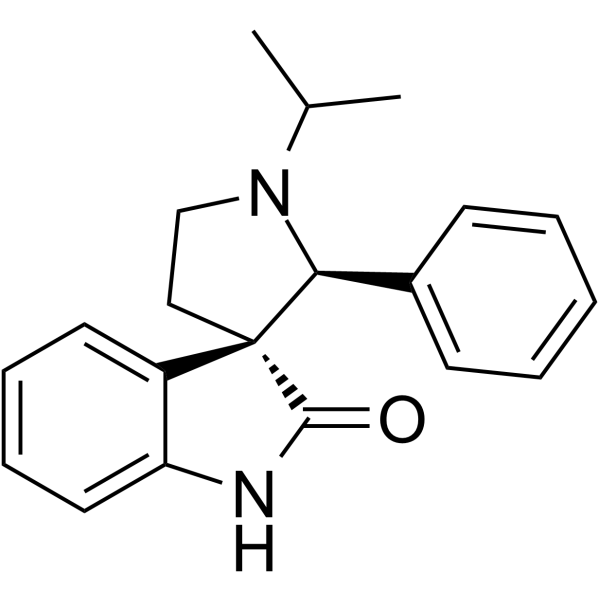
    ISX-9 (Isoxazole 9) is a potent inducer of adult neural stem cell differentiation.
    ISX-9
  • HY-120434

    HGS1029

    IAP Cancer
    AEG40826 (HGS1029), a second mitochondria-derived activator of caspases (SMAC) mimetic, is an inhibitor of apoptosis (IAP) inhibitor. AEG40826 degrades cellular IAP1 (cIAP1) and blocks TNF-α pro-survival signaling. AEG40826 can be used for cancer research .
    AEG40826
  • HY-P991524

    EGFR Cancer
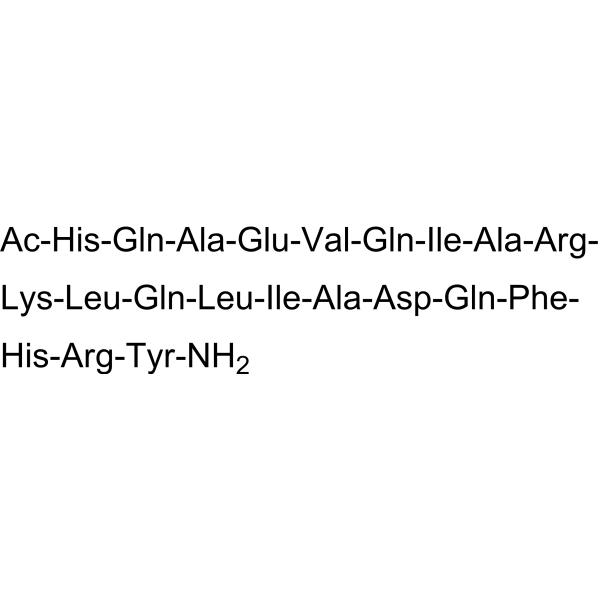
    MM-111 is a bispecific antibody fusion protein targeting the ErbB2/ErbB3 oncogenic unit. MM-111 blocks activation of the PI3K pro-survival pathway. MM-111 binds to the ErbB2 receptor, which localizes the bispecific molecule to ErbB2 over-expressing tumor cells and promotes binding of the anti-ErbB3 arm to the ErbB3 receptor. MM-111 binding to ErbB3 results in inhibition of ErbB3 signaling by blocking the binding of the ErbB3 physiological ligand heregulin. MM-111 can be used for the study of ErbB2 over-expressing breast tumors .
    MM-111
  • HY-146441

    STAT Cardiovascular Disease Inflammation/Immunology
    Prohibitin ligand 1 (Compound 22i), a cardioprotectant prohibitin ligand, induces a phosphorylation of the pro-survival factor STAT3. Prohibitin ligand 1 exhibits in vitro cardioprotectant activities at nanomolar concentrations .
    Prohibitin ligand 1
  • HY-103438A

    Apoptosis Autophagy Akt Cancer
    BIBU1361 dihydrochloride induces apoptosis and inhibits autophagy. BIBU1361 inhibits pro-survival pathways Akt/mTOR and gp130/JAK/STAT3, and decreased levels of pro-inflammatory cytokine IL-6 .
    BIBU1361 dihydrochloride
  • HY-103438

    Apoptosis Akt Autophagy Cancer
    BIBU1361 induces apoptosis and inhibits autophagy. BIBU1361 inhibits pro-survival pathways Akt/mTOR and gp130/JAK/STAT3, and decreased levels of pro-inflammatory cytokine IL-6 .
    BIBU1361
  • HY-148899

    Bcl-2 Family Cancer
    Mcl-1 inhibitor 10 (compound 43) is a relatively strong MCL-1 inhibitor (IC50=0.67 μM). Mcl-1 inhibitor 10 interacts with specific binding sites of MCL-1 protein to block the pro-survival signal of MCL-1 and push cancer cells into apoptosis. Mcl-1 inhibitor 10 can be used in the study of MCL-1 dependent cancers .
    Mcl-1 inhibitor 10
  • HY-117744

    Pim Endocrinology Cancer
    NMS-P645 is a PIM1 inhibitor. NMS-P645 exhibits anti-proliferative activity when combined with GDC-0941 (HY-50094) in TMPRSS2/ERG positive and negative PCa cells. NMS-P645 can reverse PIM1-induced pro-survival signals in prostate cells. NMS-P645 can be studied in research on prostate cancer .
    NMS-P645
  • HY-N2217R

    Reference Standards Akt mTOR p38 MAPK Apoptosis Cardiovascular Disease Inflammation/Immunology Cancer
    Rotundic acid (Standard) is the analytical standard of Rotundic acid (HY-N2217). This product is intended for research and analytical applications. Rotundic acid is an orally effective triterpenoid with a Kd value of 51.3 µM for PTP1B. Rotundic acid downregulates the AKT/mTOR pro-survival pathway and modulates the MAPK pathway. Rotundic acid induces cell cycle S-phase arrest, DNA damage and apoptosis; it inhibits migration, invasion, angiogenesis and proliferation of cancer cells. Rotundic acid improves leptin sensitivity, regulates gut microbiota and reduces cellular senescence. Rotundic acid can be used in research related to hepatocellular carcinoma, obesity, aging, acute lung injury and type 2 diabetes .
    Rotundic acid (Standard)
  • HY-120089

    FLT3 ERK Akt STAT Apoptosis Cancer
    UNC1666 is an ATP-competitive dual-target Mer/Flt3 tyrosine kinase inhibitor with IC50 values of 0.55 nM and 0.69 nM, and Ki values of 0.16 nM and 0.67 nM, respectively. UNC1666 reduces the phosphorylation levels of Mer and Flt3, suppresses downstream pro-survival signaling pathways (Erk1/2, Akt and Stat), induces cell apoptosis, and decreases colony formation of acute myeloid leukemia cells. UNC1666 is applicable to research related to acute myeloid leukemia .
    UNC1666
  • HY-182003

    Akt Cancer
    Anticancer agent 308 (compound 3s) is an AKT inhibitor with antitumor activity. Anticancer agent 308 reduces total AKT protein levels, thereby inhibiting the pro-survival PI3K/AKT signaling pathway. Anticancer agent 308 induces apoptosis, disrupts mitochondrial membrane potential, promotes reactive oxygen species (ROS) accumulation in mitochondria, and induces cell cycle arrest. Anticancer agent 308 inhibits cancer cell migration. Anticancer agent 308 is applicable to research related to breast cancer, lung adenocarcinoma, cervical cancer, prostate cancer, and hepatocellular carcinoma .
    Anticancer agent 308
  • HY-183273

    Epigenetic Reader Domain Akt CDK Autophagy Apoptosis Cancer
    BRD4/AKT-IN-1 is a BRD4/AKT inhibitor with BRD4 IC50 66.12 nM and AKT1 IC50 143.81 nM. BRD4/AKT-IN-1 blocks BRD4-mediated c-Myc transcriptional regulation, modulates AKT1 signaling, decouples AKT phosphorylation from pro-survival effectors. BRD4/AKT-IN-1 induces G0/G1 cell cycle arrest via downregulated phosphorylated RB, cyclin E1, CDK2. BRD4/AKT-IN-1 elevates LC3B levels to promote autophagy. BRD4/AKT-IN-1 promotes apoptosis in cancer cells. BRD4/AKT-IN-1 can be used for the research of metastatic castration-resistant prostate cancer .
    BRD4/AKT-IN-1
  • HY-122670

    Pim Apoptosis AMPK DYRK STAT MDM-2/p53 Cancer
    VS-II-173 is a pan-Pim kinase inhibitor with IC50 values ​​of 0.07 μM and 0.02 μM for Pim1 and Pim3, respectively, and a residual activity of 46% for Pim2 at 1 μM. VS-II-173 also inhibits kinases such as HIPK2, PRK2, RSK1, DYRK1a and AMPKα1, selectively inhibiting acute myeloid leukemia (AML) cells with significantly lower toxicity to non-malignant cells (EC50 > 30 μM). VS-II-173 weakens the phosphorylation of substrates such as Stat5 (Y694), MDM2 (S166), Bad (S112), and 4E-BP1 (T37/46) by inhibiting Pim kinase-mediated signaling pathways, blocking pro-survival signals in AML cells and inducing apoptosis. VS-II-173 synergistically enhances anti-AML activity when combined with Daunorubicin (HY-13062A). VS-II-173 can be used in AML research, especially for AML with FLT3-ITD mutations and NPM1 mutations .
    VS-II-173

Inquiry Online

Your information is safe with us. * Required Fields.

Salutation


Country or Region *

Applicant Name *


Organization Name *

Department *


Email Address *


Product Name *

Cat. No.


Requested quantity *

Phone Number *


Remarks

Inquiry Online

Inquiry Information

Product Name:
Cat. No.:
Quantity:
MCE Japan Authorized Agent:

