



1. Search Result
Search Result
Results for "

quality

" in MedChemExpress (MCE) Product Catalog:

107

Inhibitors & Agonists

241

Screening Libraries

1

Fluorescent Dye

18

Biochemical Assay Reagents

3

Peptides

3

MCE Kits

2

Inhibitory Antibodies

26

Natural
Products

11

Isotope-Labeled Compounds

1

Click Chemistry

2

Oligonucleotides

Cat. No. Product Name Target Research Areas Chemical Structure
  • HY-108213
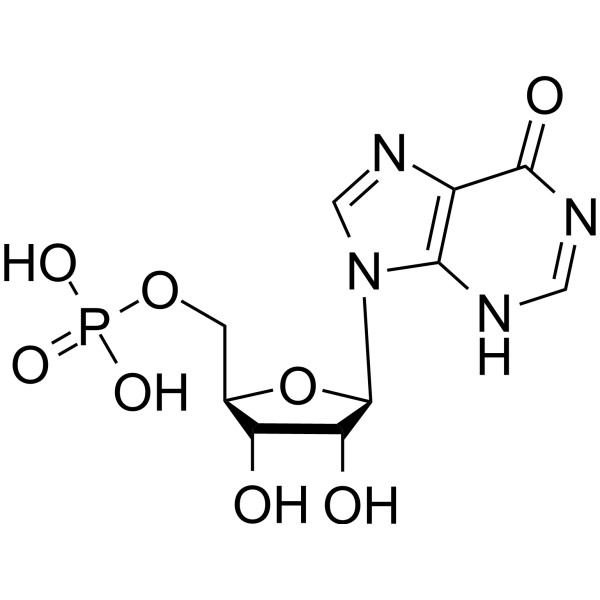
    Inosinic acid
    4 Publications Verification

    5'-IMP; IMP; Inosine 5'-dihydrogen phosphate

    Endogenous Metabolite Others
    Inosinic acid is an endogenous metabolite. Inosinic acid is used as umami tastant, or as the dietary supplement to improve the yield and meat quality of pigs .
    Inosinic acid
  • HY-P2775
    β-Glucosidase, almond
    1 Publications Verification

    Glycosidase Others
    β-Glucosidase, almond is the rate-limiting enzyme in cellulose degradation. β-Glucosidase is a major group among glycoside hydrolases. β-Glucosidase is involved in the degradation of cellulose in soils and has potential for monitoring soil quality .
    β-Glucosidase, almond
  • HY-126307
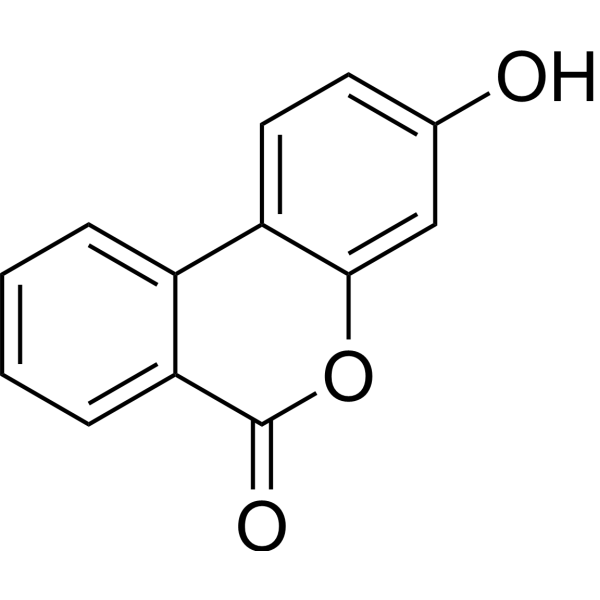
    Urolithin B
    Maximum Cited Publications
    6 Publications Verification

    NF-κB JNK ERK Akt AMPK Endogenous Metabolite Inflammation/Immunology
    Urolithin B is one of Ellagitannins' slow microbial products, and has anti-inflammatory and anti-inflammatory effects. Urolithin B suppresses NF-κB activity. Urolithin B suppresses JNK, ERK and Akt's oxidation, and increases AMPK's oxidation. Urolithin B is also a quantitative change factor for bone and skin quality .
    Urolithin B
  • HY-109517
    Calf thymus DNA
    5 Publications Verification

    DNA from calf thymus, Thymonucleic acid

    DNA/RNA Synthesis Inflammation/Immunology Cancer
    Calf thymus DNA (DNA from calf thymus) is high quality double-stranded template DNA isolated from the thymus of male and female calves. Calf thymus DNA can be used for the research of the interaction between DNA and agents .
    Calf thymus DNA
  • HY-121360

    DNA/RNA Synthesis Reactive Oxygen Species (ROS) Cancer
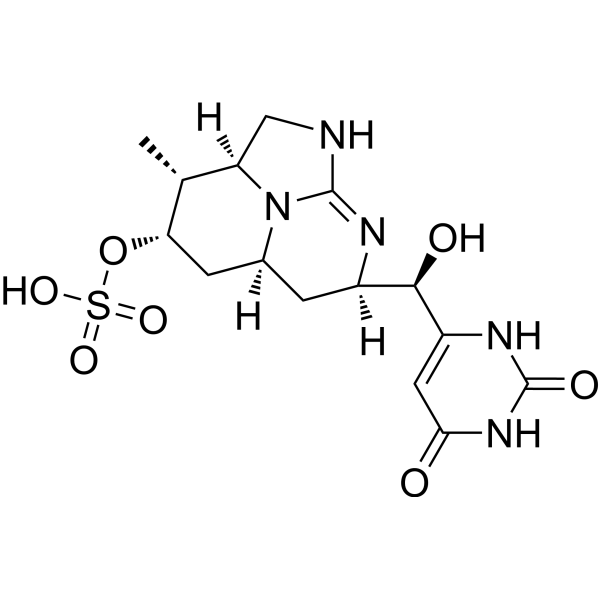
    Cylindrospermopsin, a cyanotoxin, is a polycyclic uracil derivative containing guanidine and sulfate groups, which can inhibit protein synthesis and covalently modify DNA or RNA. Cylindrospermopsin induces hepatocellular hypertrophy, renal cellular hypertrophy, intracellular reactive oxygen species (ROS), DNA strand breaks, mitochondrial hyperpolarisation, ultrastructural damage, and altered gene expression in liver, kidney, and intestinal cells. Cylindrospermopsin can be used in research including hepatocellular carcinoma and water quality testing .
    Cylindrospermopsin
  • HY-136641

    Radionuclide-Drug Conjugates (RDCs) FAP Cancer
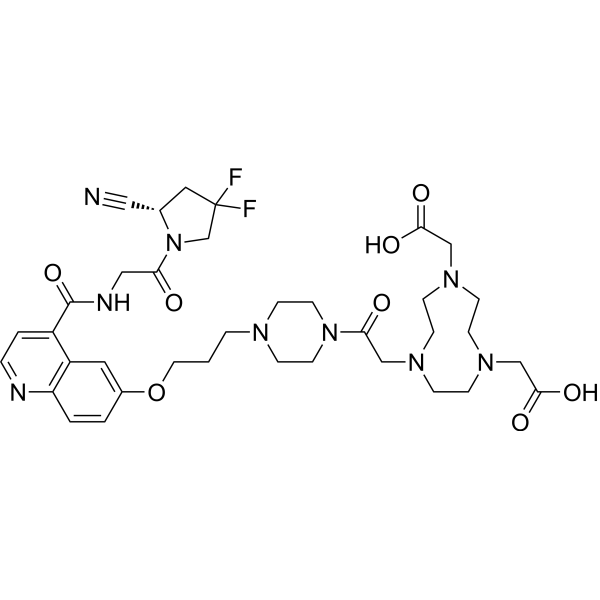
    NOTA-FAPI is a fibroblast activation protein (FAP) inhibitor. NOTA-FAPI can be used as a probe for FAP-targeted tumour imaging. NOTA-FAPI has good tumour detection efficacy and excellent imaging quality .
    NOTA-FAPI
  • HY-Y0873M

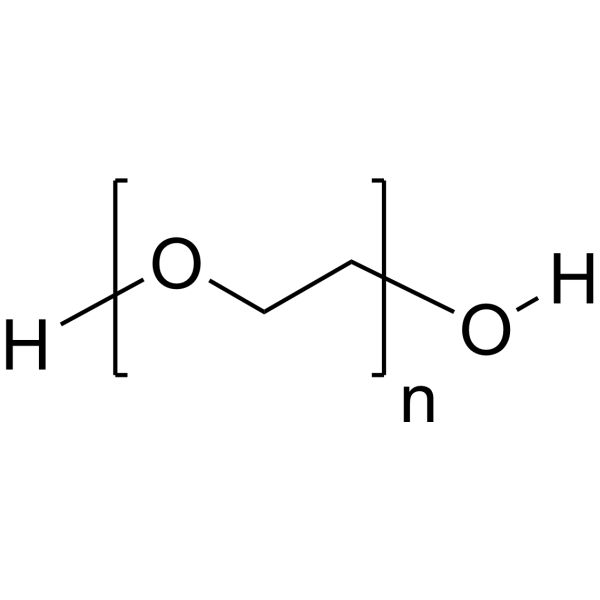
    Polyethylene glycol 500

    Environmental Pollutants Biochemical Assay Reagents Others
    PEG500 (Polyethylene glycol 500) is a versatile polymer that's used as a solvent, dispersant, lubricant, and more in industries like pharmaceuticals and biotechnology, and it can also modify liposomes. PEG500 is commonly used as a solvent or carrier for drugs, helping with capsule endoscopy to improve image quality and cecum completion rates .
    PEG500
  • HY-N0478
    Neoline
    1 Publications Verification

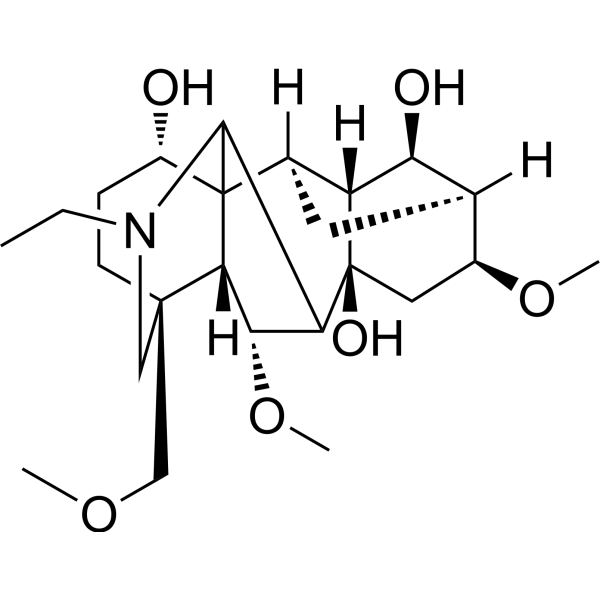
    Bullatine B

    Others Neurological Disease
    Neoline (Bullatine B) is the active ingredient of the active ingredient (PA), which can be used to cure the disease. Neoline Flow Suppression Nav1.7 Electrical Flow Control (VGSC), improve diabetes mechanical pain sensitivity. Neoline has a list of compounds that can be used, research on its use, and the quality of its processing during processing in pain .
    Neoline
  • HY-B2221
    Cellulose
    1 Publications Verification

    Pectin glycosidase

    Environmental Pollutants Endogenous Metabolite Others Cancer
    Cellulose (Pectin glycosidase) is a natural high molecular weight polysaccharide found in many plants and organisms. It is widely used in manufacturing industries, such as in paper making, textiles, food and medicine, etc. As a renewable resource, Cellulose is biodegradable and sustainable, and can also be used to manufacture chemicals such as Cellulose Esters, Cellulose Acetate and Cellulose Nitrate. In addition, Cellulose is often used as a food additive to increase the stability and quality of food.
    Cellulose
  • HY-W010607

    (Z)-3-Hexen-1-ol

    Environmental Pollutants Neurological Disease
    cis-3-Hexen-1-ol ((Z)-3-Hexen-1-ol) is a green grassy smelling compound found in many fresh fruits and vegetables with bitter taste enhancement. cis-3-Hexen-1-ol is widely used as an added flavor in processed food to provide a fresh green quality. cis-3-Hexen-1-ol is an attractant to various insects .
    cis-3-Hexen-1-ol
  • HY-Y0678
    1,3,5-Trimethoxybenzene
    1 Publications Verification

    TRIMETHYL PHLOROGLUCINOL

    Biochemical Assay Reagents Others
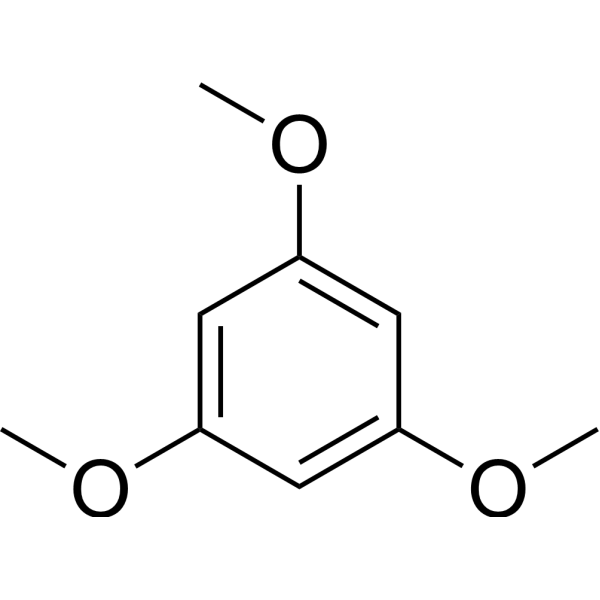
    1,3,5-Trimethoxybenzene (TRIMETHYL PHLOROGLUCINOL) is an electrophilic substitution reaction substrate targeting free chlorine (Cl +) and free bromine (Br +). 1,3,5-Trimethoxybenzene has highly selective electrophilic addition characteristics. By capturing halogens, it undergoes specific substitution reactions to generate stable halogenated products. 1,3,5-Trimethoxybenzene can not only quench residual oxidants, but also quantify the halogen concentration by detecting the product without affecting the stability of redox-sensitive disinfection byproducts (DBPs). 1,3,5-Trimethoxybenzene is mainly used in water quality testing and quantitative analysis of free chlorine/bromine in water. At the same time, in phytochemistry, it is a key component of rose fragrance and participates in the study of pollination attraction mechanism .
    1,3,5-Trimethoxybenzene
  • HY-W012499
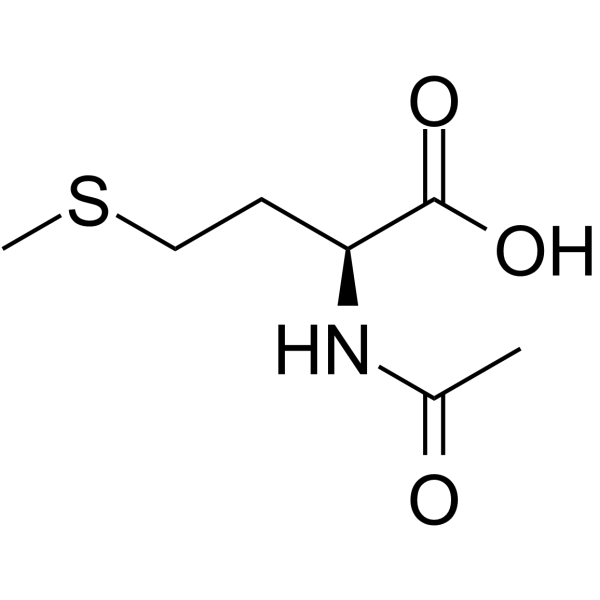
    N-Acetyl-L-methionine
    2 Publications Verification

    N-Acetylmethionine

    Caspase Mitochondrial Metabolism Metabolic Disease
    N-Acetyl-L-methionine is a dietary supplementation. N-Acetyl-L-methionine increases caspase-3 activity and inhibits mitochondrial activity. N-Acetyl-L-methionine promotes lactation and improves meat quality .
    N-Acetyl-L-methionine
  • HY-132596A

    SYL1001 sodium

    Small Interfering RNA (siRNA) TRP Channel Neurological Disease
    Tivanisiran sodium (SYL1001 sodium) is a small interfering RNA (siRNA) targeting TRPV1 . Tivanisiran sodium induces the degradation of TRPV1 mRNA, thereby inhibiting protein synthesis. Tivanisiran sodium alleviates ocular discomfort and pain, and improves ocular hyperemia and tear quality. Tivanisiran sodium is applicable to research related to dry eye disease .
    Tivanisiran sodium
  • HY-W040201

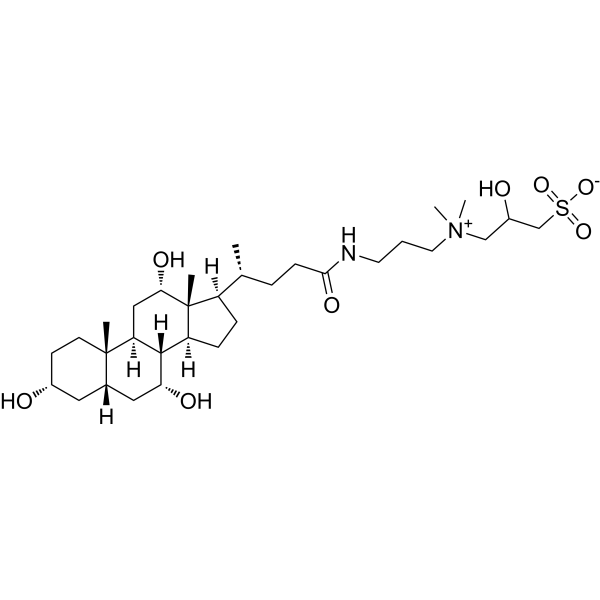
    3-[3-(Cholamidopropyl)dimethylammonio]-2-hydroxy-1-propanesulfonate

    Biochemical Assay Reagents Others
    CHAPSO is a bile derivative. CHAPSO reduces protein adsorption, improves the cryo-EM imaging quality. CHAPSO can be used as a detergent, or as the membrane protein solubilization and reconstruction reagent in membrane protein structural studies .
    CHAPSO
  • HY-W017960

    Et-HE; 1,4-DHP

    SOD Endocrinology
    Diludine (BNP-7787) is an orally effective feed additive. Diludine reduces the activity of G6PD and increases the level of superoxide dismutase (SOD). Diludine reduces the mutagenic effect of environmental pollutants, protects parental reproductive systems and improves offspring quality. Diludine is mainly applied during the transition period of dairy cows to increase milk yield and milk fat content, and improve health status during parturition. Diludine can be used in animal feeding research .
    Diludine
  • HY-145149

    ADC Payload Cancer
    Duostatin 5 is a ADC Cytotoxin designed based on MMAF (HY-15579) and can be used to synthesize ADCs. The preparation of Duostatin 5 has the advantages of fewer synthetic steps, simple operation, less difficulty in quality control, and more stable chemical synthesis process. Duostatin 5 can be linked to the antibody targeting 5T4 (ZV05) by cross-linking with interchain cysteines through a disubstituted C-Lock linker. Duostatin 5 is a click chemistry reagent. It contains an azide group and can undergo copper-catalyzed azide-alkyne cycloaddition (CuAAc) with molecules containing alkyne groups. It can also undergo ring strain-driven alkyne-azide cycloaddition (SPAAC) with molecules containing DBCO or BCN groups[1][2].
    Duostatin 5
  • HY-N1384

    Environmental Pollutants Others
    Ambroxide is a naturally occurring terpenoid. Ambroxide is one of the key constituents of ambergris. Ambroxide is used in the manufacture of high-end perfumes to improve the aroma quality and fragrance lasting time of perfumes .
    Ambroxide
  • HY-P2799A
    Creatine Kinase (CPK/CK), Bovine Heart
    1 Publications Verification

    CK, CPK, Creatine Phosphokinase

    Endogenous Metabolite Creatine Kinase Cardiovascular Disease
    Creatine Kinase (CPK/CK), Bovine Heart (CK) is a creatine kinase derived from bovine heart. Creatine Kinase (CPK/CK), Bovine Heart catalyzes the reversible phosphate transfer reaction between phosphocreatine and ADP, and is widely used in myocardial energy metabolism research and quality control of clinical biochemical tests .
    Creatine Kinase (CPK/CK), Bovine Heart
  • HY-N0899

    JAK STAT Wnt β-catenin Inflammation/Immunology Cancer
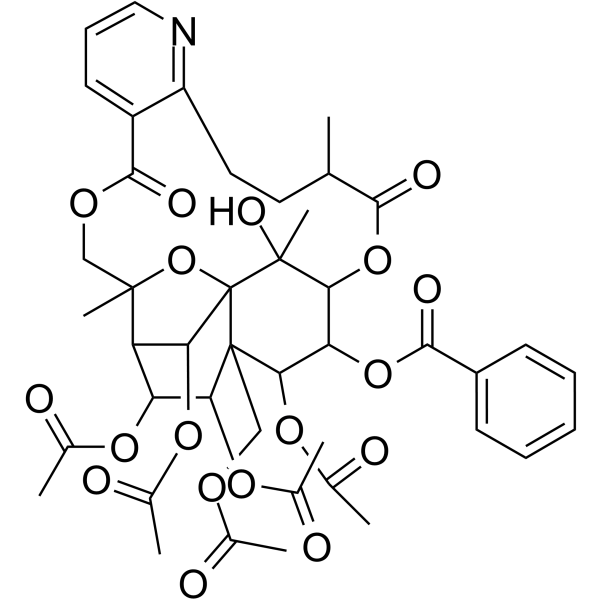
    Wilforine is an orally active JAK-STAT pathway inhibitor with immunomodulatory effects and the ability to inhibit osteoclast fusion. Wilforine disrupts lipid raft integrity, reprograms cholesterol and glycosphingolipid metabolic pathways, regulates NF-κB and the complement system, and modulates the expression of various interleukins. Wilforine also inhibits the Wnt11/β-catenin signaling pathway and suppresses the proliferation of fibroblast-like synoviocytes. Wilforine can serve as a quality and pharmacokinetic marker for Tripterygium glycoside tablets, and can be applied to research on related diseases such as rheumatoid arthritis, inflammatory osteolysis, and SAPHO syndrome .
    Wilforine
  • HY-172242

    Cathepsin Dipeptidyl Peptidase Inflammation/Immunology
    Verducatib (BI 1291583) is an orally active inhibitor of cathepsin C (also known as DPP1). Verducatib restores the protease-inhibitor balance by inhibiting the activation of neutrophil serine proteases, thereby alleviating pulmonary inflammation and regulating infection responses. Verducatib significantly reduces the risk (including severe exacerbations) and frequency of acute exacerbations in bronchiectasis (BE). Verducatib also improves lung function and quality of life, and shortens the duration of antibiotic use. The overall incidence of adverse events of Verducatib is comparable to that of placebo, with only slightly more mild-to-moderate cutaneous adverse events observed in the high-dose group, demonstrating promising clinical application potential .
    Verducatib
  • HY-108213R

    5'-IMP (Standard); IMP (Standard); Inosine 5'-dihydrogen phosphate (Standard)

    Reference Standards Endogenous Metabolite Others
    Inosinic acid (Standard) is the analytical standard of Inosinic acid. This product is intended for research and analytical applications. Inosinic acid is an endogenous metabolite. Inosinic acid is an endogenous metabolite. Inosinic acid is used as umami tastant, or as the dietary supplement to improve the yield and meat quality of pigs .
    Inosinic acid (Standard)
  • HY-165607S

    Piezo Channel Isotope-Labeled Compounds ERK CaMK Metabolic Disease
    MCB-22-174 is a deuterated Piezo1 agonist, with an EC50 value of 6.28 μM. MCB-22-174 remarkably activates the CaMKII/ERK signaling pathway and initiates Ca 2+ influx in rMSCs. MCB-22-174 significantly decreases the expression of chondrogenesis markers (Comp, Acan) and adipogenesis markers (Lpl, Fabp4) in MSCs. MCB-22-174 can effectively improve bone quality in hind-limb unloading (HU) model rats. MCB-22-174 can be used for the study of disuse osteoporosis (OP) .
    MCB-22-174
  • HY-W041831

    Ethanedioic acid ammonium

    Environmental Pollutants Biochemical Assay Reagents Others
    Oxalic acid (ammonium) is a oxalic acid bound to ammonium. Oxalic acid has high acidity, reducibility, and chelation ability. Oxalic acid plays important roles in the regulation of plant growth and development, the response to both biotic and abiotic stresses such as plant defense and heavy metals detoxification, and food quality .
    Oxalic acid ammonium
  • HY-N7026
    Celosin I
    1 Publications Verification

    Others Metabolic Disease
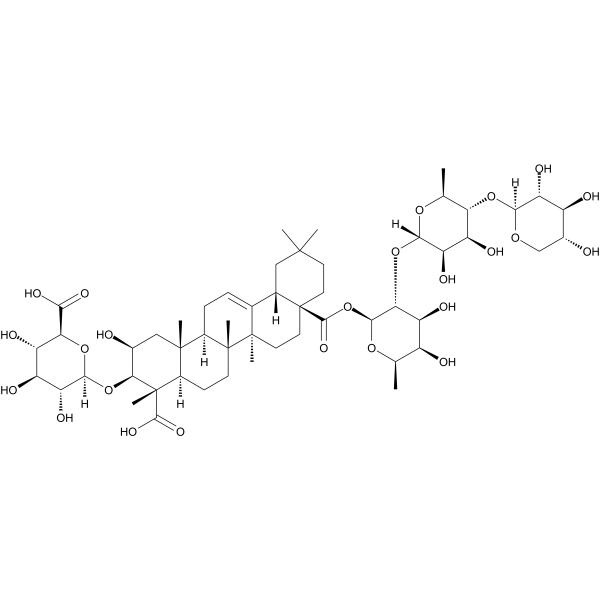
    Celosin I, an oleanane-type triterpenoid saponin isolated from the seeds of Celosia argentea L, could be used as chemical markers for the quality control of C. argentea seeds. Celosin I exhibits significant hepatoprotective effect on carbon tetrachloride-induced and N,N-dimethylformamide-induced hepatotoxicity in mice .
    Celosin I
  • HY-75200

    Biochemical Assay Reagents Others
    N-(Benzyloxycarbonyloxy)succinimide is an efficient amino-protecting reagent in organic synthesis, playing an important role in the field of organic synthesis. N-(Benzyloxycarbonyloxy)succinimide is also a neutral ionophore, which significantly improves the performance of erbium ion (Er 3+) sensors and provides a practical tool for the rapid detection of erbium ions in the environment and water quality .
    N-(Benzyloxycarbonyloxy)succinimide
  • HY-W134423B

    Biochemical Assay Reagents Others
    Agar, meets USP testing specifications is a high-quality selective growth support and substrate for non-adherent cells. Agar, meets USP testing specifications effectively supports the growth, colony formation and metachromatic matrix production of chondrocytes, and also facilitates the isolation and differentiation of pure chondrocyte strains by restricting the proliferation of fibroblast-like cells. Chondrocytes grown in Agar, meets USP testing specifications can be successfully transferred to a liquid suspension culture system, where they continue to proliferate while retaining the characteristics exhibited during growth in agar .
    Agar, meets USP testing specifications
  • HY-124482

    Others Others
    Mesembrenol (Chemotype c) is an alkaloid widely found in plants. Mesembrenol has potential application in quality control of raw materials and products of S.tortuosum .
    Mesembrenol
  • HY-B1337C

    Biochemical Assay Reagents Endogenous Metabolite Others
    Choline (chloride), >98% serves as a pharmaceutical secondary standard for quality control, offering pharmaceutical laboratories and manufacturers a convenient and cost-effective alternative to preparing in-house working standards.
    Choline chloride, >98%
  • HY-W774934

    Fungal
    Isopyrazam is a plant protection product with fungal activity. Isopyrazam exhibits excellent disease resistance on crops and effectively inhibits the growth of multiple plant pathogenic fungi. The application of Isopyrazam can significantly improve the yield and quality of crops.
    Isopyrazam
  • HY-W016187

    2-Naphthylacetic acid

    Biochemical Assay Reagents Metabolic Disease
    2-(Naphthalen-2-yl)acetic acid (2-Naphthylacetic acid) is a plant growth regulator that can improve the quality and yield of crops such as bean sprouts. In addition, 2-(Naphthalen-2-yl)acetic acid can be used as a probe to study the distribution of amino acid conjugation mechanisms in different species .
    2-(Naphthalen-2-yl)acetic acid
  • HY-177569

    Eukaryotic Initiation Factor (eIF) Others
    NVS1.1 is a potent, orally active and brain-penetrant readthrough promoter. NVS1.1 triggers the degradation of eRF1 by activating the ribosome-related quality control pathways (involving GCN1, RNF14, and RNF25), thereby facilitating the reading through of premature termination codons. NVS1.1 can be used for the research of genetic diseases caused by nonsense mutations .
    NVS1.1
  • HY-W773294

    Tetramethylammonium silicate, 16-20% in water

    Biochemical Assay Reagents Others
    Tetramethylammonium silicate solution is a salt solution formed by tetramethylammonium cations and silicate anions. Tetramethylammonium silicate solution can be used to prepare high-quality silicon dioxide films on substrates .
    Tetramethylammonium silicate solution
  • HY-124956

    Taste Receptor Others
    GIV3727 is a bitter taste receptor hTAS2R antagonist, which can inhibit the activation of hTAS2R31 by saccharin and acesulfame potassium, and can effectively reduce the bitter quality of food, beverage and medicine .
    GIV3727
  • HY-131740

    C7dATP

    DNA/RNA Synthesis Others
    2'-Deoxytubercidin 5'-triphosphate(C7dATP) is a deoxyadenosine triphosphate (dATP) analog, which can reduce the electrophoretic mobility abnormality caused by the compression of G or A residues, and is used to improve the quality of DNA sequencing data .
    2'-Deoxytubercidin 5'-triphosphate
  • HY-W097929

    2,4,6-Trichloroanisole

    Olfactory Receptor Others
    Tyrene (2,4,6-Trichloroanisole) is a the detoxification product of toxic 2,4,6-Trichlorophenol by filamentous fungi. Tyrene is the key substance that causes "cork taint" in wine. Tyrene can be used for the researches on food quality control and detoxification of environmental pollutants .
    Tyrene
  • HY-108213A
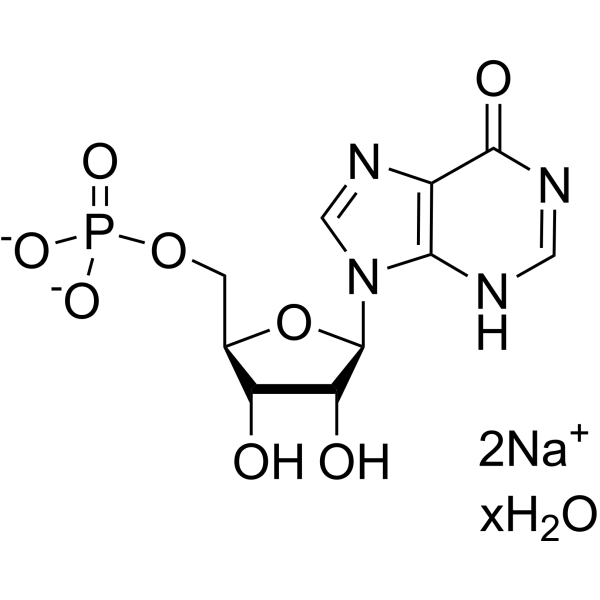
    Inosinic acid disodiumhydrate(1:2:X)
    4 Publications Verification

    5'-IMP disodiumhydrate(1:2:X); IMP disodiumhydrate(1:2:X); Inosine 5'-dihydrogen phosphate disodiumhydrate(1:2:X)

    Endogenous Metabolite Others
    Inosinic acid (disodium)(hydrate)(1:2:X) (5'-IMP (disodium)(hydrate)(1:2:X)) is an endogenous metabolite. Inosinic acid (disodium)(hydrate)(1:2:X) is used as umami tastant, or as the dietary supplement to improve the yield and meat quality of pigs .
    Inosinic acid disodiumhydrate(1:2:X)
  • HY-B2221S1

    Isotope-Labeled Compounds Endogenous Metabolite Others
    U- 13C Cellulose from chicory is the 13C labeled Cellulose (HY-B2221). Cellulose (Pectin glycosidase) is a natural high molecular weight polysaccharide found in many plants and organisms. It is widely used in manufacturing industries, such as in paper making, textiles, food and medicine, etc. As a renewable resource, Cellulose is biodegradable and sustainable, and can also be used to manufacture chemicals such as Cellulose Esters, Cellulose Acetate and Cellulose Nitrate. In addition, Cellulose is often used as a food additive to increase the stability and quality of food .
    U-13C Cellulose from chicory
  • HY-D2923

    Fluorescent Dye Others
    PA-JF549-Halo ligand is a covalently linked conjugate comprising the photoactivatable fluorescent dye PA-JF549 and a ligand for the HaloTag protein. PA-JF549-Halo ligand exhibts inherent structural properties and predispose it to localize within mitochondria. PA-JF549-Halo ligand combines the exceptional brightness, photostability, and cell permeability of the JF549 dye with photoactivation capabilities and the high specificity characteristic of HaloTag protein labeling technology. PA-JF549-Halo ligand enables high-quality single-molecule imaging and super-resolution imaging of specific proteins within live cells .
    PA-JF549-Halo ligand
  • HY-W010607R

    (Z)-3-Hexen-1-ol (Standard)

    Reference Standards Others Neurological Disease
    cis-3-Hexen-1-ol (Standard) is the analytical standard of cis-3-Hexen-1-ol. This product is intended for research and analytical applications. cis-3-Hexen-1-ol ((Z)-3-Hexen-1-ol) is a green grassy smelling compound found in many fresh fruits and vegetables. cis-3-Hexen-1-ol is widely used as an added flavor in processed food to provide a fresh green quality. cis-3-Hexen-1-ol is an attractant to various insects .
    cis-3-Hexen-1-ol (Standard)
  • HY-Y0678R

    Reference Standards Biochemical Assay Reagents Others
    1,3,5-Trimethoxybenzene (TRIMETHYL PHLOROGLUCINOL) is an electrophilic substitution reaction substrate targeting free chlorine (Cl+) and free bromine (Br+). 1,3,5-Trimethoxybenzene has highly selective electrophilic addition characteristics. By capturing halogens, it undergoes specific substitution reactions to generate stable halogenated products. 1,3,5-Trimethoxybenzene can not only quench residual oxidants, but also quantify the halogen concentration by detecting the product without affecting the stability of redox-sensitive disinfection byproducts (DBPs). 1,3,5-Trimethoxybenzene is mainly used in water quality testing and quantitative analysis of free chlorine/bromine in water. At the same time, in phytochemistry, it is a key component of rose fragrance and participates in the study of pollination attraction mechanism .
    1,3,5-Trimethoxybenzene (Standard)
  • HY-177757

    Eukaryotic Initiation Factor (eIF) Others
    NVS2.1 is a potent, orally active and brain-penetrant readthrough promoter. NVS2.1 triggers the degradation of eRF1 by activating the ribosome-related quality control pathways (involving GCN1, RNF14, and RNF25), thereby facilitating the reading through of premature termination codons. NVS2.1 can be used for the research of genetic diseases caused by nonsense mutations .
    NVS2.1
  • HY-N0624

    Others Cancer
    Complanatoside A is a flavonol glycoside isolated from Astragalus complanatus, and currently it is used as a quality control index for A. complanatus in the 2010 edition of the Chinese Pharmacopoeia.
    Complanatoside A
  • HY-W013170

    N-Octylbicycloheptenedicarboximide; ENT 8184

    Environmental Pollutants Insecticide Infection
    MgK-264 (N-octylbicycloheptenedicarboximide) is a synergist enhancing the potency of pyrethroid ingredients. MgK-264 has no intrinsic pesticidal qualities itself .
    MGK-264
  • HY-W173257

    6-Amino-5-1,3-dimethyl-5-(formamido)uracil

    Others
    Theophylline EP impurity C is an alkaloid with anti-bronchial smooth muscle spasm activity. Theophylline EP impurity C can be used to assess the purity and quality of compounds. Theophylline EP impurity C has potential clinical value in the suppression of asthma and chronic obstructive pulmonary disease.
    Theophylline EP impurity C
  • HY-W074888

    Endogenous Metabolite Inflammation/Immunology
    N-Lauroyl-L-glutamic acid is an amino acid derivative with anti-asthmatic activity. N-Lauroyl-L-glutamic acid has been found to improve asthma symptoms in studies. The potential application of N-Lauroyl-L-glutamic acid is mainly focused on the suppression of respiratory diseases. N-Lauroyl-L-glutamic acid may help improve the quality of life of patients .
    N-Lauroyl-L-glutamic acid
  • HY-151894

    Epigenetic Reader Domain Cancer
    I-BET432 is a BET inhibitor. I-BET432 inhibits BRD4 N-terminal bromodomain (BD1) and the C-terminal bromodomain (BD2) with pIC50 values of 7.5 and 7.2, respectively. I-BET432 can be used as an oral candidate quality molecule for the research of multiple oncology and inflammatory diseases .
    I-BET432
  • HY-119916

    DNA/RNA Synthesis Cancer
    Tauromustine is an orally active nitrosourea anticancer agent. Tauromustine has an alkylation effect and can damage the DNA function. Tauromustine has a high therapeutic index, especially in the study of Walker 256 rat sarcoma. It is also active against melanoma, breast cancer, pleural mesothelioma and ovarian cancer. Tauromustine is mainly metabolized in the liver, but some of its metabolites also have cytotoxicity .
    Tauromustine
  • HY-B2221S

    Isotope-Labeled Compounds Endogenous Metabolite Others
    U- 13C Cellulose high DP from potato is the 13C labeled Cellulose (HY-B2221). Cellulose (Pectin glycosidase) is a natural high molecular weight polysaccharide found in many plants and organisms. It is widely used in manufacturing industries, such as in paper making, textiles, food and medicine, etc. As a renewable resource, Cellulose is biodegradable and sustainable, and can also be used to manufacture chemicals such as Cellulose Esters, Cellulose Acetate and Cellulose Nitrate. In addition, Cellulose is often used as a food additive to increase the stability and quality of food .
    U-13C Cellulose high DP from potato
  • HY-W017960R

    Et-HE (Standard); 1,4-DHP (Standard)

    SOD Reference Standards Metabolic Disease
    Diludine (Standard) is the analytical standard of Diludine (HY-W017960). This product is intended for research and analytical applications. Diludine (BNP-7787) is an orally effective feed additive. Diludine reduces the activity of G6PD and increases the level of superoxide dismutase (SOD). Diludine reduces the mutagenic effect of environmental pollutants, protects parental reproductive systems and improves offspring quality. Diludine is mainly applied during the transition period of dairy cows to increase milk yield and milk fat content, and improve health status during parturition. Diludine can be used in animal feeding research .
    Diludine (Standard)
  • HY-P10416

    Q14 peptide

    Deubiquitinase Mitophagy Others Neurological Disease
    Q14 is a polypeptide derived from the USP30 (ubiquitin specific peptidase 30) transmembrane (TM) domain with the ability to inhibit the deubiquitination activity of USP30 (IC50=57.2 nM). Q14 reduces USP30 activity by inhibiting the interaction between the USP30 transmembrane domain and its catalytic domain. Q14 peptide contains the LC3 interaction region (LIR) motif, which enables it to bind to the LC3 and accelerate the formation of autophagosomes, thereby promoting mitophagy. Q14 can be used in the study of neurodegenerative diseases as well as mitochondrial quality control and cell metabolism .
    Q14

Inquiry Online

Your information is safe with us. * Required Fields.

Salutation


Country or Region *

Applicant Name *


Organization Name *

Department *


Email Address *


Product Name *

Cat. No.


Requested quantity *

Phone Number *


Remarks

Inquiry Online

Inquiry Information

Product Name:
Cat. No.:
Quantity:
MCE Japan Authorized Agent:

