155 Results for "

renin

" in MedChemExpress (MCE) Product Catalog:
Products (155)

155 Results for "renin" in MCE Product Catalog:

  • Targets Recommended:
248
248 Publications Verification
Cat. No.: HY-13948
CAS No.: 4474-91-3
Purity:  99.98%
Synonyms: Angiotensin II; Ang II; DRVYIHPF
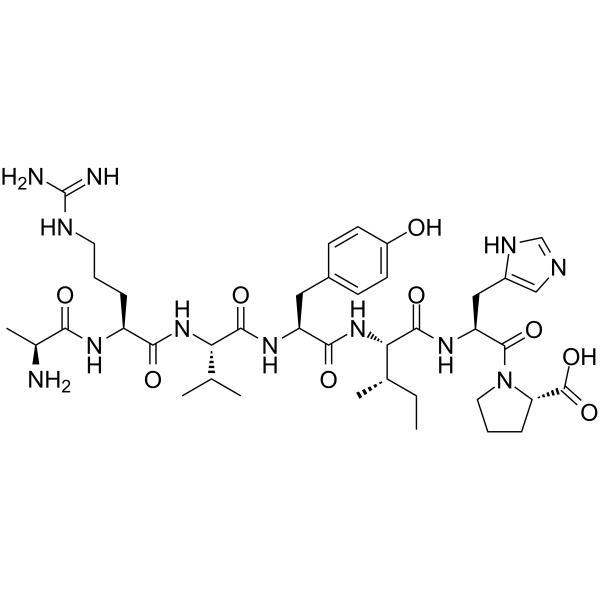
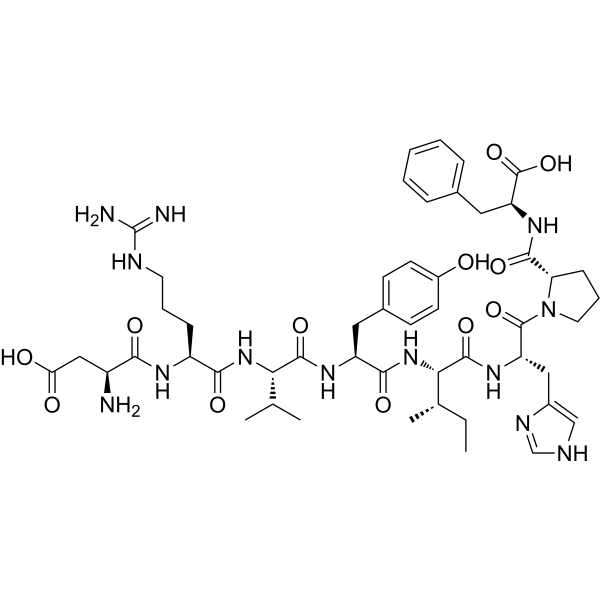
Angiotensin II (Angiotensin II) is a vasoconstrictor and a major bioactive peptide of the renin/angiotensin system. Angiotensin II human plays a central role in regulating human blood pressure, which is mainly mediated by interactions between Angiotensin II and the G-protein-coupled receptors (GPCRs) Angiotensin II type 1 receptor (AT1R) and Angiotensin II type 2 receptor (AT2R). Angiotensin II human stimulates sympathetic nervous stimulation, increases aldosterone biosynthesis and renal actions. Angiotensin II human induces growth of vascular smooth muscle cells, increases collagen type I and III synthesis in fibroblasts, leading to thickening of the vascular wall and myocardium, and fibrosis. Angiotensin II human also induces apoptosis. Angiotensin II induces capillary formation from endothelial cells via the LOX-1 dependent redox-sensitive pathway .
loading...
    loading...
248
248 Publications Verification
Cat. No.: HY-13948A
CAS No.: 68521-88-0
Purity:  99.62%
Synonyms: Angiotensin II acetate; Ang II acetate; DRVYIHPF acetate
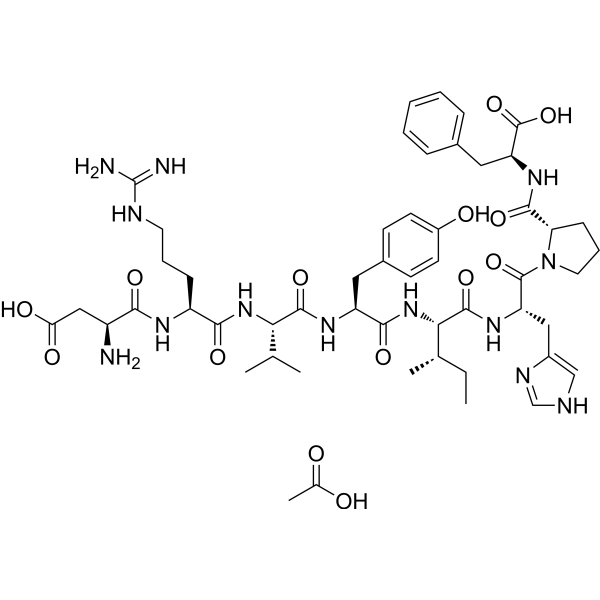
Angiotensin II human (Angiotensin II) acetate is a vasoconstrictor and a major bioactive peptide of the renin/angiotensin system. Angiotensin II human acetate plays a central role in regulating human blood pressure, which is mainly mediated by interactions between Angiotensin II and the G-protein-coupled receptors (GPCRs) Angiotensin II type 1 receptor (AT1R) and Angiotensin II type 2 receptor (AT2R). Angiotensin II human acetate stimulates sympathetic nervous stimulation, increases aldosterone biosynthesis and renal actions. Angiotensin II human acetate induces growth of vascular smooth muscle cells, increases collagen type I and III synthesis in fibroblasts, leading to thickening of the vascular wall and myocardium, and fibrosis. Angiotensin II human acetate also induces apoptosis. Angiotensin II human acetate induces capillary formation from endothelial cells via the LOX-1 dependent redox-sensitive pathway .
loading...
    loading...
248
248 Publications Verification
Cat. No.: HY-13948B
CAS No.: 2761969-44-0
Purity:  98.84%
Synonyms: Angiotensin II TFA; Ang II TFA; DRVYIHPF TFA
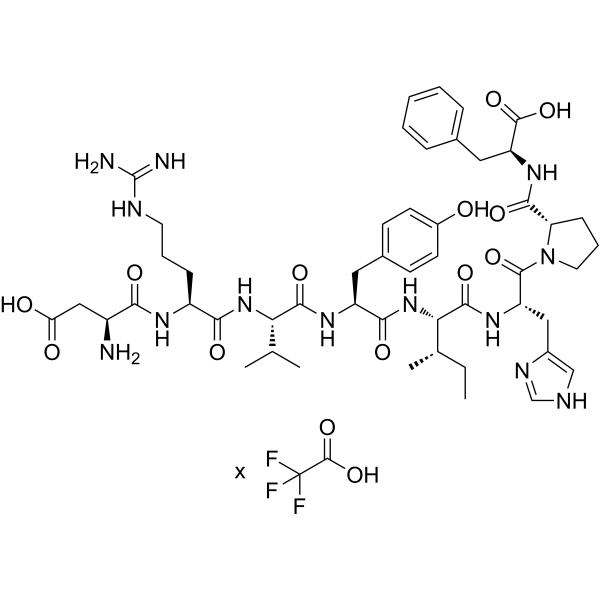
Angiotensin II human (Angiotensin II) TFA is a vasoconstrictor and a major bioactive peptide of the renin/angiotensin system. Angiotensin II human TFA plays a central role in regulating human blood pressure, which is mainly mediated by interactions between Angiotensin II and the G-protein-coupled receptors (GPCRs) Angiotensin II type 1 receptor (AT1R) and Angiotensin II type 2 receptor (AT2R). Angiotensin II human TFA stimulates sympathetic nervous stimulation, increases aldosterone biosynthesis and renal actions. Angiotensin II human TFA induces growth of vascular smooth muscle cells, increases collagen type I and III synthesis in fibroblasts, leading to thickening of the vascular wall and myocardium, and fibrosis. Angiotensin II human TFA also induces apoptosis. Angiotensin II human TFA induces capillary formation from endothelial cells via the LOX-1 dependent redox-sensitive pathway .
loading...
    loading...
17
17 Cited Publications
Cat. No.: HY-12403A
CAS No.: 2855063-75-9
Purity:  99.87%
Synonyms: TXA127 acetate; Angiotensin (1-7) acetate; Ang-(1-7) acetate
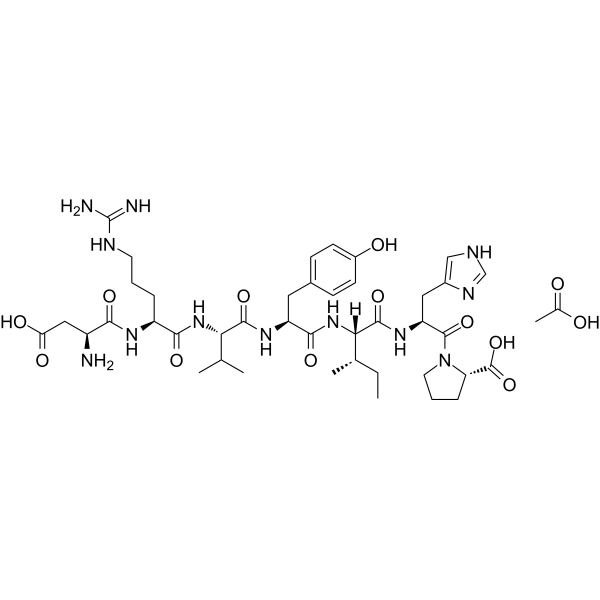
Angiotensin 1-7 (Ang-(1-7)) acetate is an endogenous heptapeptide from the renin-angiotensin system (RAS) with a cardioprotective role due to its anti-inflammatory and anti-fibrotic activities in cardiac cells. Angiotensin 1-7 acetate inhibits purified canine ACE activity (IC50=0.65 μM). Angiotensin 1-7 acetate acts as a local synergistic modulator of kinin-induced vasodilation by inhibiting ACE and releasing nitric oxide. Angiotensin 1-7 acetate blocks Ang II-induced smooth muscle cell proliferation and hypertrophy and shows antiangiogenic and growth-inhibitory effects on the endothelium .
loading...
    loading...
17
17 Cited Publications
Cat. No.: HY-12403
CAS No.: 51833-78-4
Purity:  99.75%
Synonyms: TXA127; Angiotensin (1-7); Ang-(1-7)
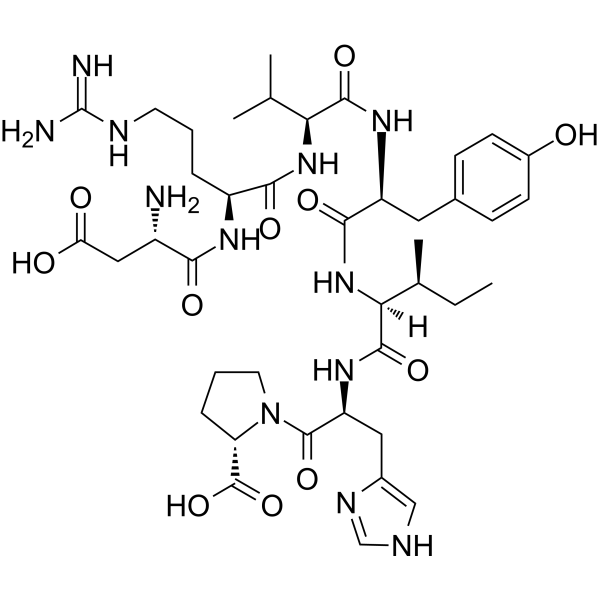
Angiotensin 1-7 (Ang-(1-7)) is an endogenous heptapeptide from the renin-angiotensin system (RAS) with a cardioprotective role due to its anti-inflammatory and anti-fibrotic activities in cardiac cells. Angiotensin 1-7 inhibits purified canine ACE activity (IC50=0.65 μM). Angiotensin 1-7 acts as a local synergistic modulator of kinin-induced vasodilation by inhibiting ACE and releasing nitric oxide. Angiotensin 1-7 blocks Ang II-induced smooth muscle cell proliferation and hypertrophy and shows antiangiogenic and growth-inhibitory effects on the endothelium. Angiotensin 1-7 shows anti-inflammatory activity .
loading...
    loading...
13
13 Cited Publications
Cat. No.: HY-10472
CAS No.: 1194044-20-6
Purity:  99.62%
Target:  

Beta-secretase

Research Areas:  

Neurological Disease

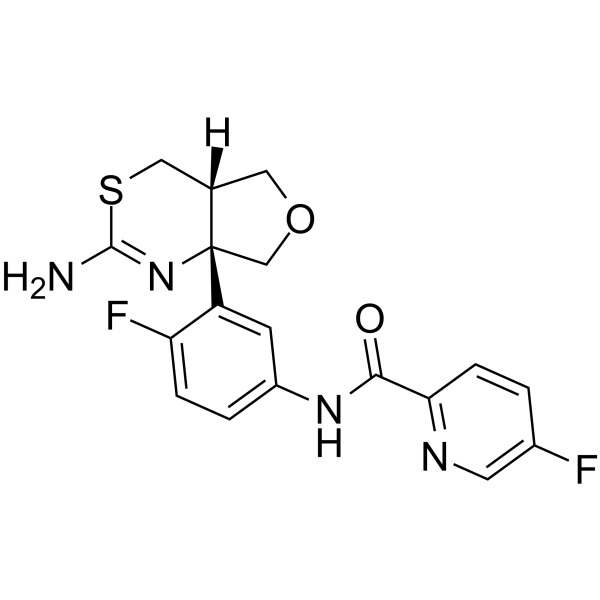
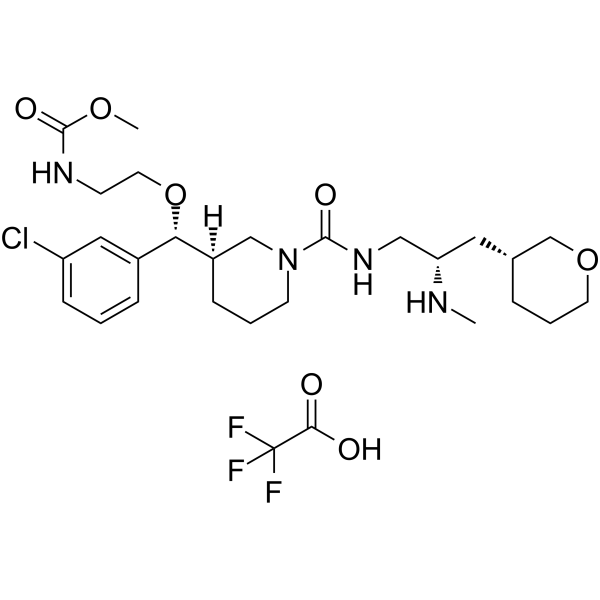
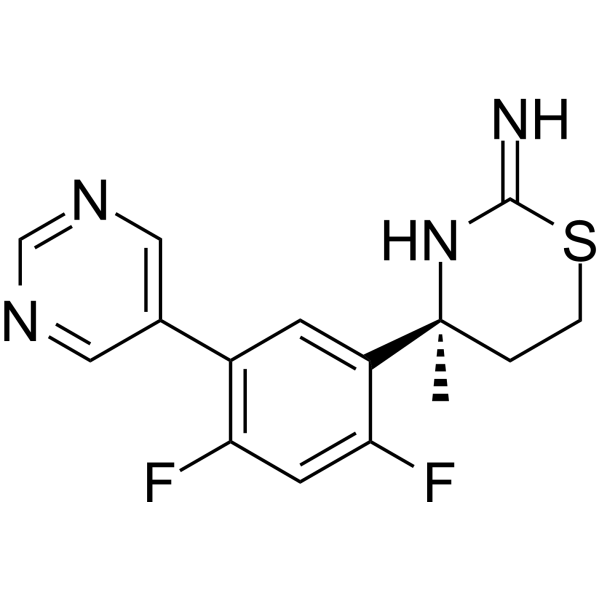
LY2811376 is the first orally available non-peptidic β-secretase (BACE1) inhibitor with IC50 of 239 nM-249 nM, that acts to decrease Aβ secretion with EC50 of 300 nM, and demonstrates to have 10-fold selectivity towards BACE1 over BACE2, and more than 50-fold inhibition over other aspartic proteases including cathepsin D, pepsin, or renin.
loading...
    loading...
13
13 Cited Publications
Cat. No.: HY-B0331
CAS No.: 75847-73-3
Synonyms: MK-421
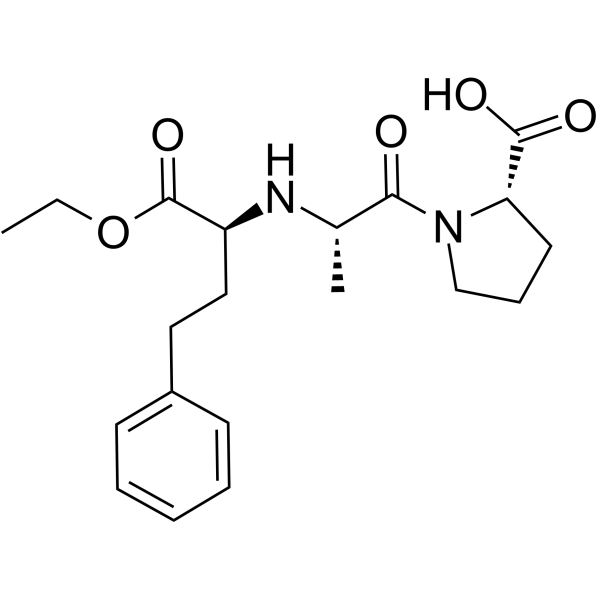
Enalapril (MK-421) is an orally active angiotensin-converting enzyme inhibitor. Enalapril blocks the conversion of angiotensin I to angiotensin II, regulates the renin-angiotensin system, reduces preload and afterload, and decreases plasma angiotensin II levels. Enalapril inhibits apoptosis, reduces nitric oxide metabolite levels, stabilizes endothelial cells, enhances endothelial antioxidant defense, scavenges reactive oxygen species (ROS), and alleviates neuronal damage. Enalapril attenuates glutathione depletion, protein/lipid oxidation, tissue damage, and type III collagen immunolabeling in organs of diabetic rats. Enalapril reduces systolic blood pressure and urinary albumin excretion, and delays the progression of diabetic cardiac/renal injury. Enalapril is used in research related to asymptomatic left ventricular dysfunction, congestive heart failure, Alzheimer's disease, diabetes mellitus, acute myocardial infarction, atrial fibrillation, hypertension, cerebral ischemia, chronic heart failure, and single-ventricle physiology .
loading...
    loading...
13
13 Cited Publications
Cat. No.: HY-B0331A
CAS No.: 76095-16-4
Synonyms: MK-421 maleate
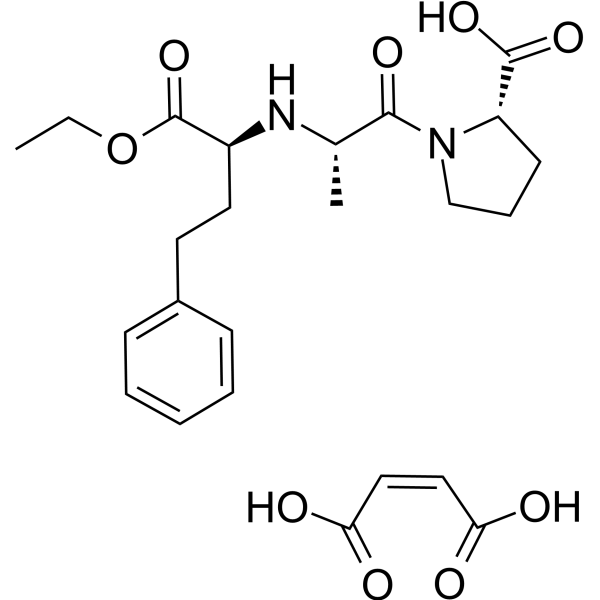
Enalapril maleate (MK-421 maleate) is an orally active angiotensin-converting enzyme inhibitor. Enalapril maleate blocks the conversion of angiotensin I to angiotensin II, regulates the renin-angiotensin system, reduces preload and afterload, and decreases plasma angiotensin II levels. Enalapril maleate inhibits apoptosis, reduces nitric oxide metabolite levels, stabilizes endothelial cells, enhances endothelial antioxidant defense, scavenges reactive oxygen species (ROS), and alleviates neuronal damage. Enalapril maleate attenuates glutathione depletion, protein/lipid oxidation, tissue damage, and type III collagen immunolabeling in organs of diabetic rats. Enalapril maleate reduces systolic blood pressure and urinary albumin excretion, and delays the progression of diabetic cardiac/renal injury. Enalapril maleate is used in research related to asymptomatic left ventricular dysfunction, congestive heart failure, Alzheimer's disease, diabetes mellitus, acute myocardial infarction, atrial fibrillation, hypertension, cerebral ischemia, chronic heart failure, and single-ventricle physiology .
loading...
    loading...
11
11 Cited Publications
Cat. No.: HY-113313
CAS No.: 52-39-1
Purity:  98.93%
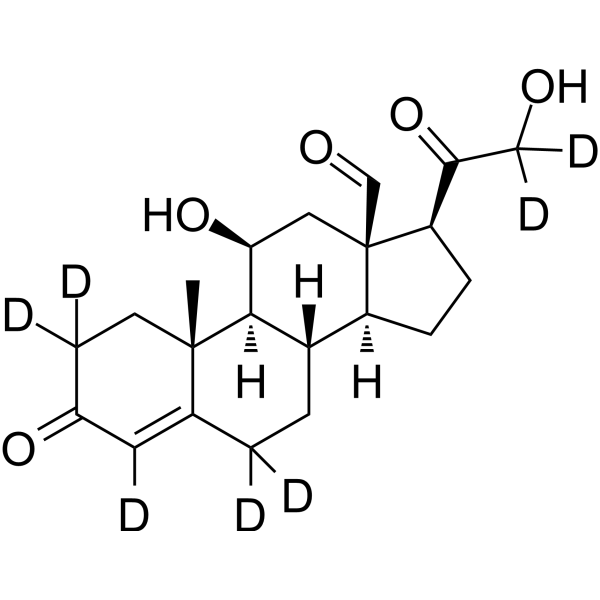
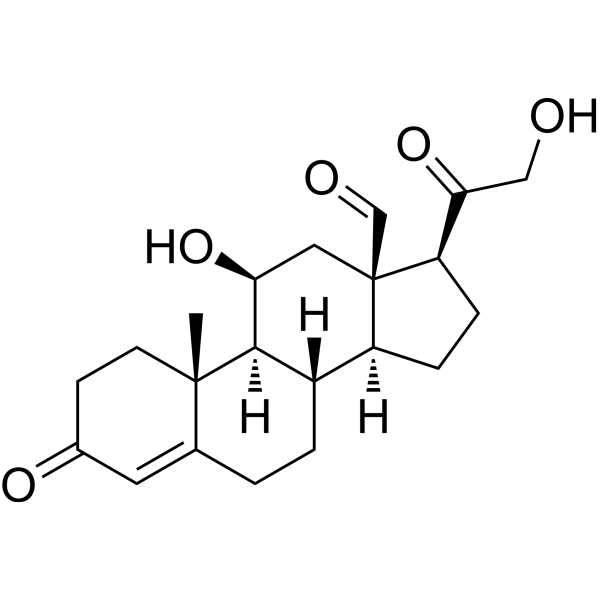
Aldosterone is the primary mineralocorticoid. Aldosterone is a steroid hormone, and it is synthesized and secreted in response to renin-angiotensin system activation (RAS) or high dietary potassium by the zona glomerulosa (ZG) of the adrenal cortex. Aldosterone activity is dependent by the binding and activation of the cytoplasmic/nuclear mineralocorticoid receptor (MR) at cellular level .
loading...
    loading...
11
11 Cited Publications
Cat. No.: HY-12176
CAS No.: 173334-57-1
Purity:  98.78%
Synonyms: CGP 60536; CGP60536B; SPP 100
Target:  

Renin Autophagy

Research Areas:  

Cardiovascular Disease Cancer

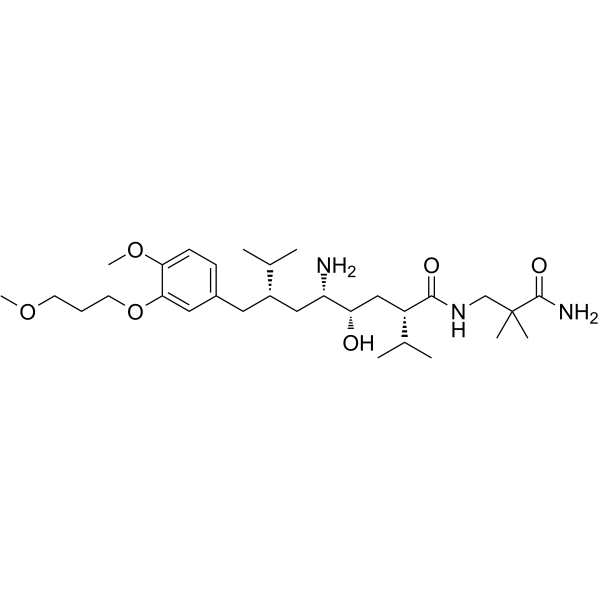
Aliskiren is an orally active, highly potent and selective renin inhibitor, with IC50 of 1.5 nM. Aliskiren can be used for the research of hypertension, cardiovascular diseases and cancer cachexia .
loading...
    loading...
11
11 Cited Publications
Cat. No.: HY-12177
CAS No.: 173334-58-2
Purity:  99.62%
Synonyms: CGP 60536 hemifumarate; CGP60536B hemifumarate; SPP 100 hemifumarate
Target:  

Renin Autophagy

Research Areas:  

Cardiovascular Disease Cancer

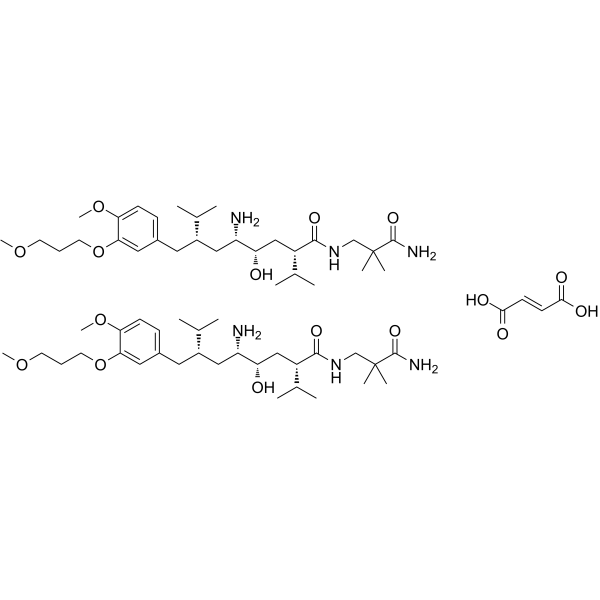
Aliskiren (CGP 60536; CGP60536B; SPP 100) hemifumarate is an orally active and selective renin inhibitor, with IC50 of 1.5 nM. Aliskiren hemifumarate can be used for the research of hypertension, cardiovascular diseases and cancer cachexia .
loading...
    loading...
3
3 Cited Publications
Cat. No.: HY-W010991
CAS No.: 64967-39-1
Synonyms: FAPGG
Research Areas:  

Others

N-[3-(2-Furyl)acryloyl]-Phe-Gly-Gly (FAPGG) is a specific substrate of angiotensin converting enzyme (ACE) with a Ki of 2.546×10 -4 M. It is used as a chromogenic probe for quantitative detection of ACE activity. N-[3-(2-Furyl)acryloyl]-Phe-Gly-Gly can be hydrolyzed by ACE to generate N-[3-(2-furyl)acryloyl]-Phe (FAP) and Gly-Gly, and the ACE inhibitory effect is monitored by photometry. FAPGG competitively binds to the active center of ACE and is a key tool for screening ACE inhibitors such as Captopril (HY-B0368) and Dioscorin. Its reversible mechanism of action supports hypertension research and drug development targeting the renin-angiotensin system .
loading...
    loading...
2
2 Cited Publications
Cat. No.: HY-P3108
CAS No.: 1176306-10-7
Alamandine, a member of the renin-angiotensin system (RAS), a vasoactive peptide, is an endogenous ligand of the G protein-coupled receptor MrgD. Alamandine targets to protect the kidney and heart through anti-hypertensive actions .
loading...
    loading...
2
2 Cited Publications
Cat. No.: HY-N2115
CAS No.: 7518-22-1
Synonyms: Chikusetsusaponin IV
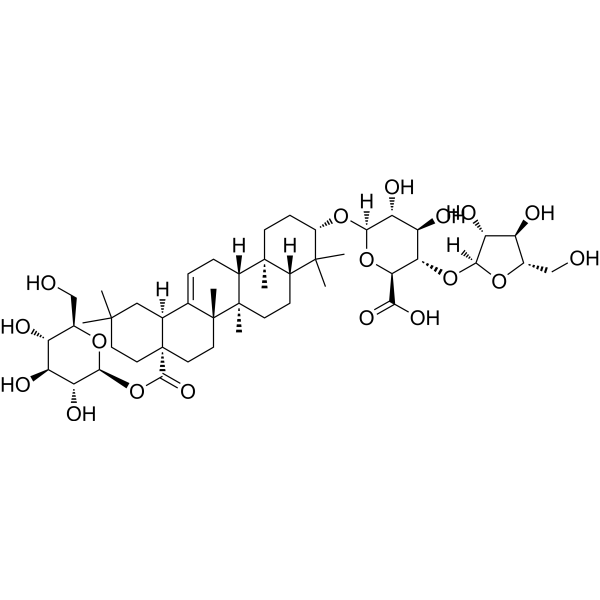
Araloside A (Chikusetsusaponin IV), triterpenoid saponins, is an orally active component of Aralia elata. Araloside A shows low-renin-inhibitory activity with an IC50 of 77.4 μM. Araloside A can inhibit cell proliferation and induce apoptosis. Araloside A suppresses inflammatory cytokines IL-1β and IL-6 production. Araloside A can be used for the researches of cancer, inflammation and cardiovascular disease, such as renal cell carcinoma and rheumatoid arthritis .
loading...
    loading...
2
2 Cited Publications
Cat. No.: HY-13240
CAS No.: 1262036-50-9
Purity:  99.72%
Target:  

Beta-secretase

Research Areas:  

Neurological Disease

LY2886721 is a potent, selective and orally active beta-site amyloid precursor protein cleaving enzyme 1 (BACE1) inhibitor with an IC50 of 20.3 nM for recombinant human BACE1. LY2886721 is selectivity against cathepsin D, pepsin, and renin, but lacking selectivity against BACE2 (IC50 of 10.2 nM). LY2886721 can across blood-brain barrier and has the potential for Alzheimer's disease treatment .
loading...
    loading...
2
2 Cited Publications
Cat. No.: HY-100713
CAS No.: 111902-57-9
Purity:  98.14%
Temocapril is an orally active angiotensin-converting enzyme (ACE) inhibitor. Temocapril can be used for the research of hypertension, congestive heart failure, acute myocardial infarction, insulin resistance, and renal diseases .
loading...
    loading...
2
2 Cited Publications
Cat. No.: HY-B0384
CAS No.: 110221-44-8
Temocapril hydrochloride is an orally active angiotensin-converting enzyme (ACE) inhibitor. Temocapril hydrochloride can be used for the research of hypertension, congestive heart failure, acute myocardial infarction, insulin resistance, and renal diseases .
loading...
    loading...
1
1 Cited Publications
Cat. No.: HY-160187
Research Areas:  

Cardiovascular Disease

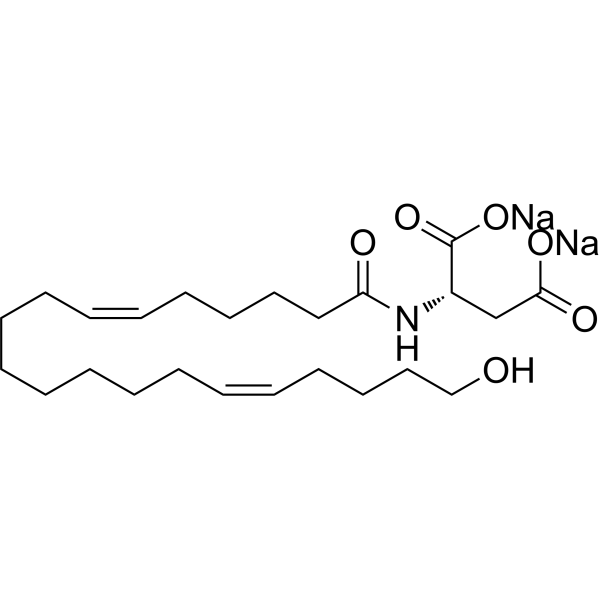
AAA is an orally active 20-HETE receptor antagonist. AAA exerts antihypertensive and organoprotective effects. AAA blocks 20-HETE prohypertensive actions, suppresses intrarenal and circulating angiotensin II levels, and interferes with renin-angiotensin system interactions. AAA attenuates development of, and reverses established, ANG II (HY-13948)-dependent malignant hypertension. AAA reduces albuminuria, glomerulosclerosis, and cardiac hypertrophy linked to malignant hypertension. AAA can be used for the research of malignant hypertension .
loading...
    loading...
1
1 Cited Publications
Cat. No.: HY-P1656
CAS No.: 586962-44-9
(D-Pro7)-Angiotensin I/II (1-7) is a potent Mas receptor inhibitor with a Ki of 0.001 μM for rat receptors. (D-Pro7)-Angiotensin I/II (1-7) competitively blocks the binding of Angiotensin-(1-7) to the Mas receptor and attenuates the vasodilatory effect of rat aortas under physiological and hypertensive conditions. (D-Pro7)-Angiotensin I/II (1-7) can be used for studies on the function of the renin-angiotensin system and the pathological mechanisms of hypertension .
loading...
    loading...
Cat. No.: HY-P0205
CAS No.: 34273-10-4
Synonyms: [Sar1,Ala8] Angiotensin II
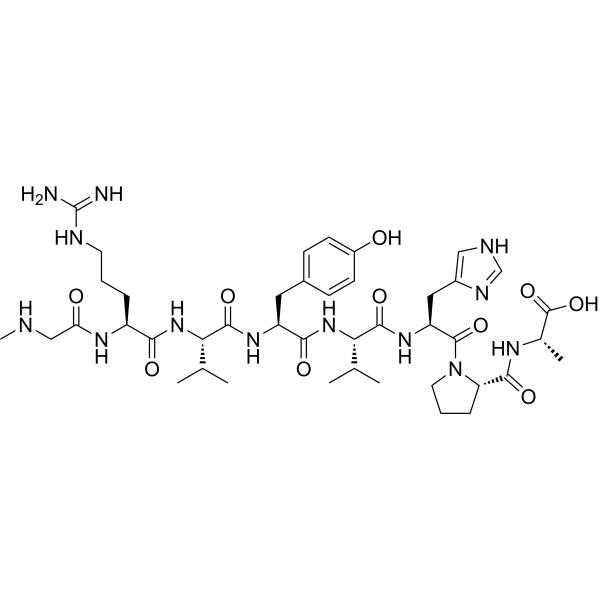
Saralasin ([Sar1,Ala8] Angiotensin II) is an octapeptide analog of angiotensin II. Saralasin is a competitive angiotensin II receptor antagonist with a Ki value of 0.32 nM for 74% of the binding sites, and has partial agonist activity as well. Saralasin can be used for the research of renovascular hypertension, renin-dependent (angiotensinogenic) hypertension .
loading...
    loading...