
Search Result
Results for "
resonance
" in MedChemExpress (MCE) Product Catalog:
5
Biochemical Assay Reagents
1
Isotope-Labeled Compounds
| Cat. No. |
Product Name |
Target |
Research Areas |
Chemical Structure |
-
- HY-18743
-
|
|
Reactive Oxygen Species (ROS)
|
Cancer
|
|
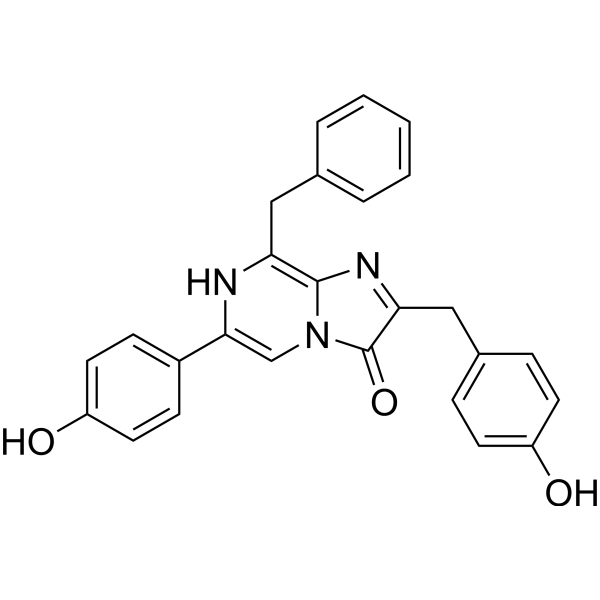
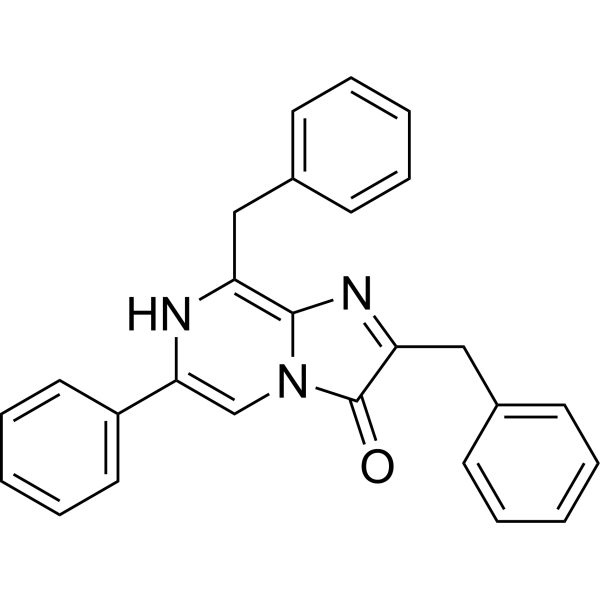
Coelenterazine is a luminescent enzyme substrate for apoaequorin and Renilla luciferase. Renilla luciferase and substrate coelenterazine has been used as the bioluminescence donor in bioluminescence resonance energy transfer (BRET) to detect protein-protein interactions. Coelenterazine is a superoxide anion-sensitive chemiluminescent probe and it can also be used in chemiluminescent detection of peroxynitrite (Ex/Em = 429/466 nm) .
|
-
-
- HY-101533
-
AZD-5991
Maximum Cited Publications
19 Publications Verification
|
Bcl-2 Family
|
Cancer
|
|
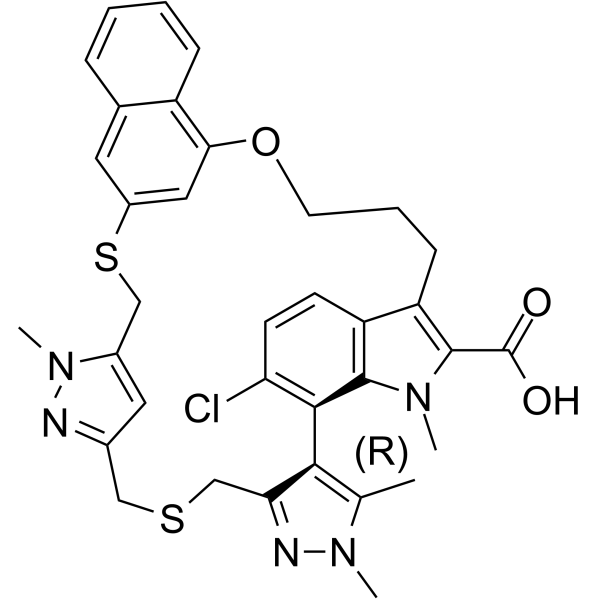
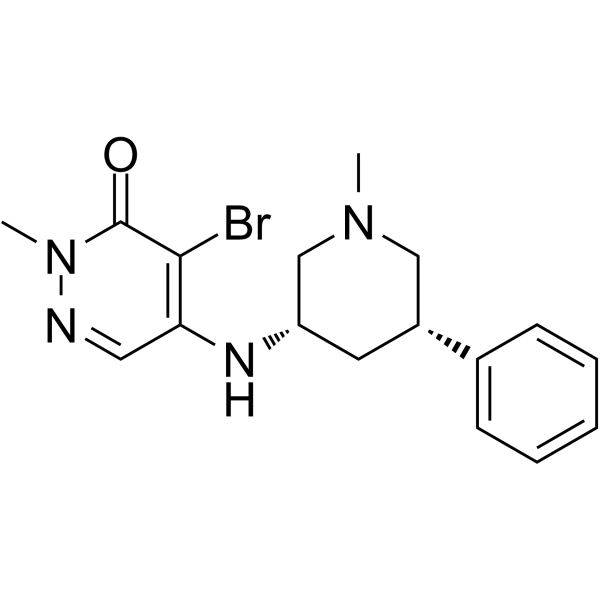
AZD-5991 is a potent and selective Mcl-1 inhibitor with an IC50 of 0.7 nM in FRET assay and a Kd of 0.17 nM in surface plasmon resonance (SPR) assay .
|
-
-
- HY-118462
-
|
Coelenterazine 400a; Bisdeoxycoelenterazine
|
Fluorescent Dye
|
Others
|
|
Coelenteramine 400a (Coelenterazine 400a), a derivative of Coelenterazine, is a Renilla luciferase (RLuc) substrate. In the presence of Coelenteramine 400a, RLuc can emit blue light at 395 nm . Coelenterazine 400a will causes color change in the bioluminescence reaction of Rluc by replacing the sulfur and oxygen heteroatoms of the methylene bridge. Coelenterazine 400a provides higher signal resolution and can be used in the research of bioluminescence resonance energy transfer (BRET) .
|
-
-
- HY-W034551
-
|
|
Radionuclide-Drug Conjugates (RDCs)
|
Others
Cancer
|
|
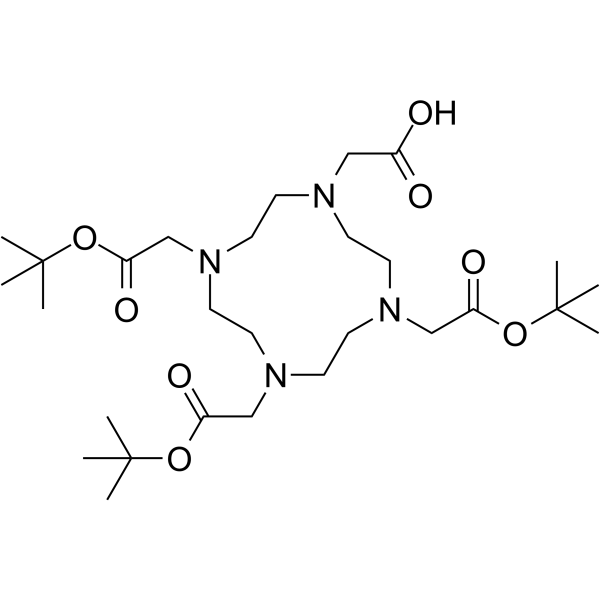
DOTA-tri(t-butyl ester) belongs to the DOTA class of chelating agents. DOTA-tri(t-butyl ester) is a key raw material for synthesizing nanospherical magnetic resonance imaging (MRI) contrast agents, which are used in MR angiography and tumor angiogenesis imaging .
|
-
-
- HY-15943
-
6-TAMRA
1 Publications Verification
6-Carboxytetramethylrhodamine
|
Fluorescent Dye
|
Others
|
|
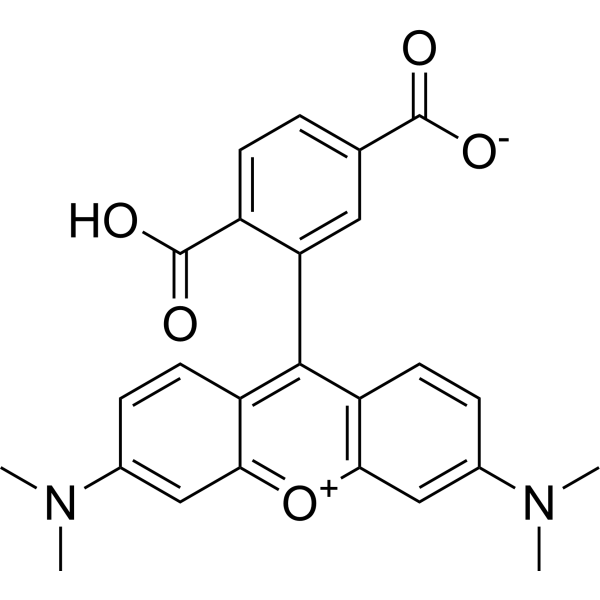
6-TAMRA (6-Carboxytetramethylrhodamine) is a fluorescent dye. 6-TAMRA is often used in combination with 6-FAM (HY-66021) as an acceptor or fluorescence quencher for fluorescence resonance energy transfer (FRET) in biochemical studies such as potassium ion detection and ribonuclease activity assays .
|
-
-
- HY-13963
-
ZCL278
3 Publications Verification
|
Ras
Dengue Virus
VSV
Arenavirus
|
Infection
Neurological Disease
Metabolic Disease
Cancer
|
|
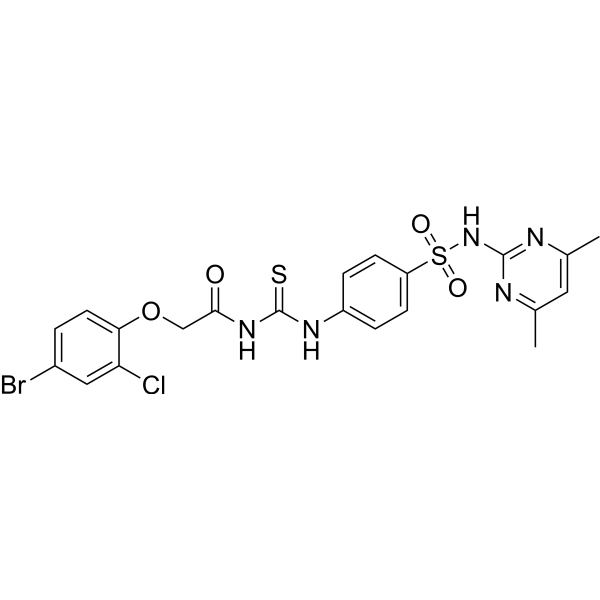
ZCL278 is a selective Cdc42 inhibitor with Kds of 6.4 μM in fluorescence titration and 11.4 μM in surface plasmon resonance (SPR) measurement. ZCL278 is able to disrupt the Cdc42-ITSN interaction as well as GTP/GDP binding. ZCL278 has inhibitory effects on various enveloped viruses, but is ineffective against non-enveloped viruses. ZCL278 can be used for the studies of arsenic neurotoxicity and HER2-positive gastric cancer (GC) .
|
-
-
- HY-D1080
-
EDANS
3 Publications Verification
1,5-EDANS
|
Fluorescent Dye
|
Others
|
|
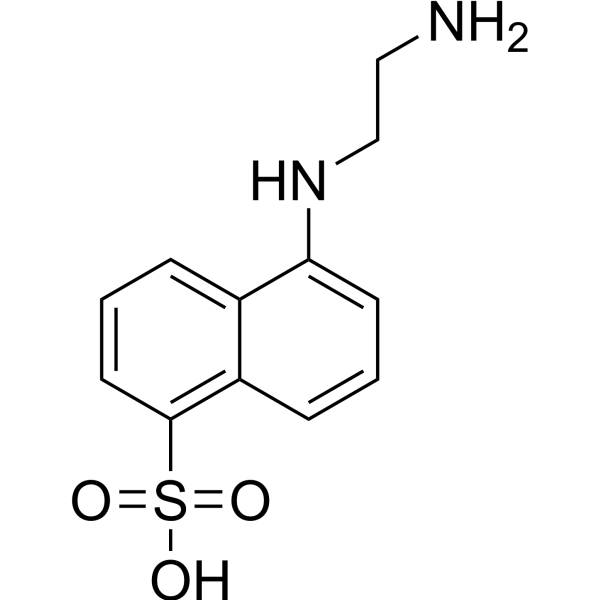
EDANS (1,5-EDANS) is a novel and quenched fluorogenic substrate for assaying retroviral protease by resonance energy transfer (RET) .
|
-
-
- HY-B1724
-
|
Perfluorooctyl bromide; 1-Bromoperfluorooctane; PFOB
|
RSV
NF-κB
|
Infection
Inflammation/Immunology
|
|
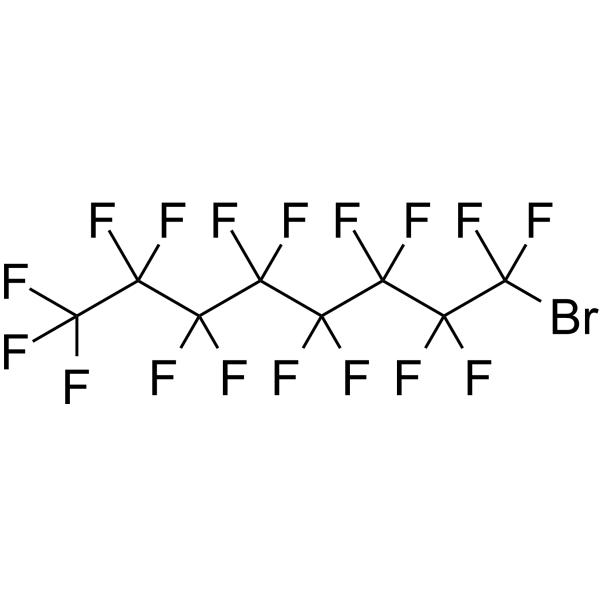
Perflubron (Perfluorooctyl bromide) is a contrast medium for magnetic resonance imaging and sonography. Perflubron inhibits chemokine expression and NF-κB activation. Perflubron can be emulsified with egg phospholipids (EYP) and shows exceptionally fast excretion characteristics. Perflubron has anti-inflammatory, antiviral and cytoprotective effects .
|
-
-
- HY-101027
-
-
-
- HY-135152
-
|
|
Reactive Oxygen Species (ROS)
|
Cancer
|
|
CYPMPO is a spin-trapping reagent. CYPMPO, a cyclic DEPMPO-type nitrone, is evaluated for spin-trapping capabilities toward hydroxyl and superoxide radicals. anti-oxidant and anti-tumor?activity .
|
-
-
- HY-D1725
-
|
|
Fluorescent Dye
DNA Stain
|
Others
|
|
Cy3-dCTP is a directly fluorescently labeled deoxyribonucleotide, in which Cy3 is a cyanine fluorescent dye. Cy3-dCTP is used for direct enzymatic labeling of DNA and cDNA: with the aid of DNA polymerases, this modified nucleotide is incorporated into the extending DNA strand during processes such as reverse transcription, PCR, nick translation or random primer labeling .
|
-
-
- HY-152231
-
|
|
Fluorescent Dye
Ligands for E3 Ligase
|
Others
|
|
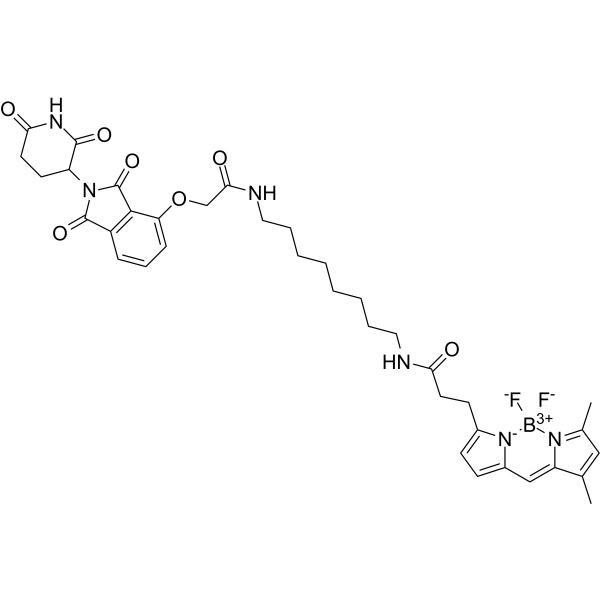
BODIPY FL thalidomide is a high-affinity and selective human cereblon (CRBN)-targeting fluorescent probe with a Kd of 3.6 nM. BODIPY FL thalidomide enables use as a probe in time-resolved fluorescence resonance energy transfer (TR-FRET) binding assays for cereblon ligands. BODIPY FL thalidomide supports development of highly sensitive, selective, stable cereblon TR-FRET binding assays (Ex/Em = 502/510 nm) .
|
-
-
- HY-106594A
-
|
Iron(III) ferrocyanide; Milori blue
|
Environmental Pollutants
Bacterial
|
Infection
Cancer
|
|
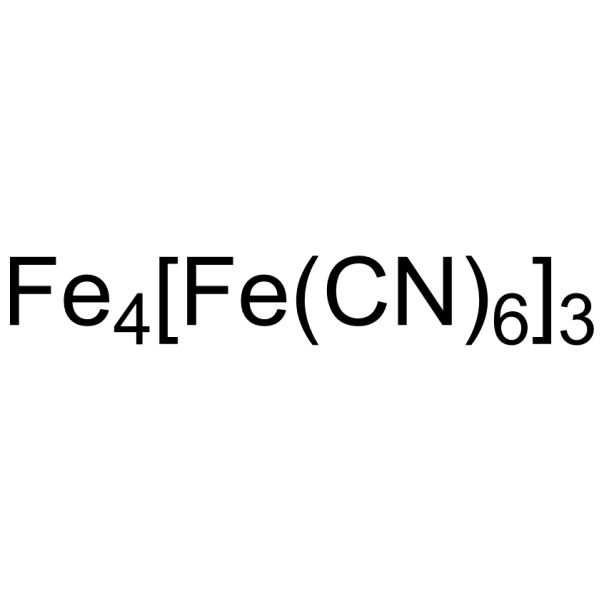
Prussian blue soluble is a good adsorbent to be used as antidotes for poisoning with cesium or thallium ions. Prussian blue soluble has anticancerous and antibacterial properties. Prussian blue soluble can be used as a contrast agent in photoacoustic and magnetic resonance imaging (MRI) .
|
-
-
- HY-P9949
-
|
Sch 55700; CDP-835; JES1-39D10
|
Interleukin Related
|
Inflammation/Immunology
|
|
Reslizumab (Sch 55700) is humanized monoclonal antibodies that target interleukin-5 (IL-5) for the treatment of eosinophilic asthma. Reslizumab is effective in neutralizing the function of IL-5. Reslizumab has high binding affinity for human IL-5, with KD values of 109 pM and 4.3 pM in the the Biacore surface plasmon resonance and Kinetic Exclusion Assay, respectively .
|
-
-
- HY-P3722
-
|
|
Fluorescent Dye
MMP
|
Others
|
|
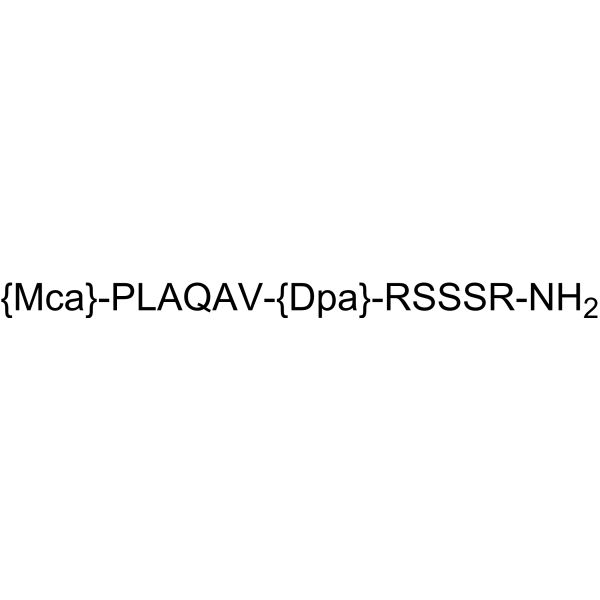
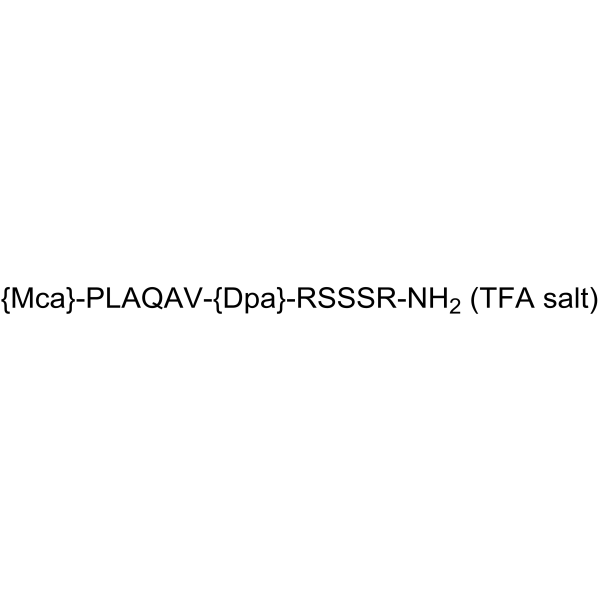
Mca-PLAQAV-Dpa-RSSSR-NH2 is a fluorescent substrate peptide that can be used to detect ADAM9, ADAM10, and tumor necrosis factor-α converting enzyme (TACE/ADAM17). Mca-PLAQAV-Dpa-RSSSR-NH2 is a fluorescence resonance energy transfer-based substrate, and its activity can be determined by changes in fluorescence intensity upon cleavage (Ex = 320 nm
; Em = 405 nm) .
|
-
-
- HY-W016371
-
|
3,4,5-threechlorine pyridine
|
Biochemical Assay Reagents
|
Others
|
|
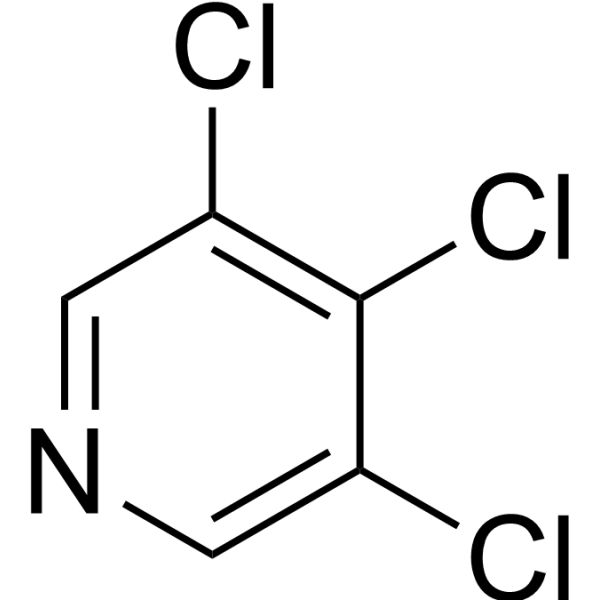
3,4,5-Trichloropyridine is a chlorinated pyridine compound and also serves as an internal standard for quantitative proton nuclear magnetic resonance spectroscopy .
|
-
-
- HY-101027A
-
-
-
- HY-P99900
-
|
MSL-109
|
CMV
|
Infection
|
|
Sevirumab (MSL-109) is a human IgG1 neutralizing monoclonal antibody against cytomegalovirus (CMV). Sevirumab recognizes CMV gH complexes and inhibits CMV replication with an EC50 of 0.3 μg/mL .
|
-
-
- HY-100468
-
|
|
DNA/RNA Synthesis
|
Cancer
|
|
REV7/REV3L-IN-1 is a REV7/REV3L interaction inhibitor with an IC50 of 78 μM, which directly binds to REV7 in nuclear magnetic resonance analyses, and inhibits the reactivation of a reporter plasmid containing an interstrand crosslink (ICL) in between the promoter and reporter regions .
|
-
-
- HY-130509
-
|
Otmpmms
|
Biochemical Assay Reagents
|
Others
|
|
MTSSL (Otmpmms) is highly reactive thiol-specific spin label, which is used to label protein thiol residues for protein structure and dynamics determination and protein-protein interaction studies .
|
-
-
- HY-160477
-
|
|
PIKfyve
NF-κB
IKK
|
Inflammation/Immunology
|
|
DC-SX029 is a potent SNX10 protein-protein interaction (PPI) inhibitor with oral activity with an estimated KD constant of ~0.935 μM by surface plasmon resonance (SPR). DC-SX029 blocks the SNX10-PIKfyve interaction, thereby decreased the TBK1/c-Rel signaling activation. DC-SX029 does not affect the protein level of SNX10. DC-SX029 has the potential for inflammatory bowel disease (IBD) research .
|
-
-
- HY-129242
-
|
4-Oxo-Tempo
|
SOD
|
Others
|
|
Tempone (4-Oxo-Tempo) is a stable water-soluble nitro radical. Tempone is widely used as a contrast agent for metabolic activity and hypoxic sensitivity in electron spin resonance spectroscopy, magnetic resonance imaging and dynamic nuclear polarization. Tempone reduces superoxide radicals by mimicking the activity of superoxide dismutase (SOD), thereby reducing the formation of hydroxyl radicals and peroxynitrites. Tempone can be used in the study of ischemia-reperfusion injury and acute renal failure .
|
-
-
- HY-P3722A
-
|
|
Fluorescent Dye
MMP
|
Others
|
|
Mca-PLAQAV-Dpa-RSSSR-NH2 TFA is a fluorescent substrate peptide that can be used to detect ADAM9, ADAM10, and tumor necrosis factor-α converting enzyme (TACE/ADAM17). Mca-PLAQAV-Dpa-RSSSR-NH2 TFA is a fluorescence resonance energy transfer-based substrate, and its activity can be determined by changes in fluorescence intensity upon cleavage (Ex = 320 nm
; Em = 405 nm) .
|
-
-
- HY-42984
-
|
|
Biochemical Assay Reagents
|
Others
|
|
BHQ-2 NHS is a dark quencher with no native emission due to the polyaromatic-azo backbone and a terminal NHS ester. UBHQ-2 NHS has a wide and intense quenching range from 560-670 nm, which makes it useful as an acceptor in fluorescence resonance energy transfer (FRET) applications in conjunction with orange to far-red emitting dyes. The NHS ester can be applied to label the primary amines (-NH2) of proteins, amine-modified oligonucleotides, and other amine-containing molecules.
|
-
-
- HY-D1703
-
|
|
Fluorescent Dye
|
Others
|
|
Oxazine 170 perchlorate is a laser dye with a wide excitation spectrum range (300−550 nm), which strongly absorbs light with a wavelength greater than 550 nm, and it emits fluorescence with a wavelength of about 645 nm .
|
-
-
- HY-160062
-
|
|
Mucin
|
Cancer
|
|
S2.2 aptamer sodium is a nucleic acid-based MUC1-binding aptamer with high affinity and low toxicity. Upon binding to its target, S2.2 aptamer sodium undergoes a conformational switch and restores fluorescence signal, serving as a targeted imaging agent for MUC1-positive cancer cells. S2.2 aptamer sodium enables targeted delivery to breast cancer cells with overexpressed MUC1. When formulated as the S2.2-PEG-MZF molecular probe, S2.2 aptamer sodium possesses the functions of T2 signal inhibition, magnetic field-induced hyperthermia and targeted magnetic resonance molecular imaging. In the S2.2-PEG-MZF/DOX nanoliposome, S2.2 aptamer sodium supports targeted thermochemotherapy, effectively inhibiting cancer cell proliferation and invasion as well as inducing apoptosis, and is widely used in studies related to breast cancer .
|
-
-
- HY-D1773
-
|
|
Fluorescent Dye
DNA Alkylator/Crosslinker
|
Others
|
|
YOYO-3 is a trimethine cyanine homodimer dye. YOYO-3 intercalates into AF488-tagged dsDNA molecules at the single-molecule level. YOYO-3 has a greater affinity for DNA than do EB and other Cyanine dyes .
|
-
-
- HY-164071
-
|
CM-Dextran
|
Drug Derivative
|
Others
|
|
Carboxymethyl Dextran (CM-Dextran) is a dextran derivative and a biocompatible coating for superparamagnetic iron oxide nanoparticles. When coated on the surface of superparamagnetic nanoparticles, Carboxymethyl Dextran forms stable particles across all pH values and NaCl concentrations. Carboxymethyl Dextran can be used to prepare materials for magnetic resonance molecular imaging .
|
-
-
- HY-D1682
-
|
|
Fluorescent Dye
|
Others
|
|
NFQ1 is a non-fluorescent quencher (absorption wavelength: 474 nm), and is used for a new type of One Sample Fluorescence Resonance Energy Transfer (OS-FRET) method. OS-FRET enable measurement of unquenched donor emission in the same sample. NFQ1 shows broad absorption spectrum ensuring its utility as a dark acceptor for many donors .
|
-
-
- HY-137115
-
|
|
Smo
|
Cancer
|
|
BODIPY-Cyclopamine is a fluorescently labeled ligand for the Smoothened (SMO) receptor. The activation of SMO is regulated by Patch protein, and over-activated SMO signaling pathways are associated with tumorigenesis. The NanoBRET (Nanofluorescein bioluminescence resonance energy transfer) technique used in the study can sensitively detect the resonance energy transfer between SMO and BODIPY-Cyclopamine, which can be used for high-throughput screening and kinetic analysis. Studying the binding site of BODIPY-Cyclopamine on SMO can also further explore SMO-targeted drugs .
|
-
-
- HY-106594B
-
|
Pigment blue 27
|
Bacterial
|
Infection
Cancer
|
|
Prussian blue soluble is a good adsorbent to be used as antidotes for poisoning with cesium or thallium ions. Prussian blue soluble has anticancerous and antibacterial properties. Prussian blue soluble can be used as a contrast agent in photoacoustic and magnetic resonance imaging (MRI) .
|
-
-
- HY-P4920
-
|
|
Fluorescent Dye
|
Others
|
|
Mca-SEVNLDAEFK(Dnp)-NH2 contains a highly fluorescent 7-methoxycoumarin group that is efficiently quenched by resonance energy transfer to the 2,4-dinitrophenyl group. It can be used to measure the activities of peptidases that are capable of cleaving an amide bond between the fluorescent group and the quencher group, causing an increase in fluorescence, such as can be used to measure the activity of BACE-1 .
|
-
-
- HY-P5485
-
|
|
Bacterial
|
Others
|
|
Dabcyl-QALPETGEE-Edans is a synthetic peptide substrate for fluorescence resonance energy transfer (FRET) detection of Sortase A (SrtA) enzymatic activity. Dabcyl-QALPETGEE-Edans is labeled at both ends with the fluorescent group Edans (donor) and the quencher Dabcyl (acceptor), respectively. Dabcyl-QALPETGEE-Edans's central sequence contains a conserved motif specifically recognized by SrtA. Dabcyl-QALPETGEE-Edans demonstrates high sensitivity in vitro assays, enabling precise determination of the half-maximal inhibitory concentration of SrtA .
|
-
-
- HY-D2413
-
|
BODIPY FL PEG4-VH032
|
Fluorescent Dye
|
Others
|
|
BODIPY FL VH032 is a high-affinity VHL fluorescent probe with a Kd value of 3.01 nM. BODIPY FL VH032 consists of von Hippel-Lindau (VHL) ligand VH032 (HY-120217) and BODIPY FL (HY-43520). BODIPY FL VH032 can be used for time-resolved fluorescence resonance energy transfer (TR-FRET) detection for high-throughput identification and characterization of VHL ligands with maximum excitation emission wavelength: 504/520 nm .
|
-
-
- HY-W105634
-
|
|
Endogenous Metabolite
|
Others
|
|
Strombine is a imino acid produced by a dehydrogenase. Strombine is a compound present in the hemolymph that is capable of cryoprotection .
|
-
-
- HY-21170B
-
|
Triflate lithium; Trifluoromethylsulfonate lithium; Trifluoromethanesulphonic acid lithium
|
Biochemical Assay Reagents
Herbicide
|
Others
|
|
Trifluoromethanesulfonate (Triflate;Trifluoromethylsulfonate) lithium is a stable lithium salt and dopant with four resonance states, which is commonly used as an electrolyte component in polymer light-emitting electrochemical cells and primary lithium batteries. Trifluoromethanesulfonate lithiumalso acts as a catalyst for the preparation of the herbicide Imazapyr. In MEH-PPV-based light-emitting electrochemical cells, Trifluoromethanesulfonate lithium promotes electrochemical p-type doping at the anode interface under applied bias, thereby facilitating the formation of p-i-n junctions, exciton generation, and light emission. Trifluoromethanesulfonate lithiumexhibits strong ion pairing in non-aqueous electrolytes, but its electrochemical stability window is narrower than that of lithium bistrifluoromethylsulfonyl imidee .
|
-
-
- HY-W100959
-
|
Tetramethylquinone
|
Drug Derivative
|
Others
|
|
Duroquinone (Tetramethylquinone) is a model compound of amphiphilic quinone, which can be used as an oxidative-reductive activity probe. Duroquinone can be easily reduced by biological systems to hydrogen peroxide (DQH₂) or semi-quinone free radicals (DQ•⁻). Duroquinone can freely pass through the cell membrane, facilitating the study of the electron transfer process inside and outside the cells. Duroquinone can be used to investigate the relationship between metabolism in the pulmonary circulation and endothelial cells .
|
-
-
- HY-W007392
-
|
Methyl 4-bromopyrrole-2-carboxylate
|
Biochemical Assay Reagents
|
Others
|
|
Methyl 4-bromo-1H-pyrrole-2-carboxylate (Methyl 4-bromopyrrole-2-carboxylate) is a biologically active pyrrole derivative. Methyl 4-bromo-1H-pyrrole-2-carboxylate can be used in studies on the development of pyrrole-related biosensors .
|
-
-
- HY-D1080R
-
|
1,5-EDANS (Standard)
|
Fluorescent Dye
Reference Standards
|
Others
|
|
EDANS (1,5-EDANS) (Standard) is an analytical standard for EDANS. This product is intended for research and analytical applications. EDANS (1,5-EDANS) is a novel quenched fluorogenic substrate for the analysis of retroviral proteases by resonance energy transfer .
|
-
-
- HY-157558
-
|
8SGE
|
Ligands for E3 Ligase
|
Others
|
|
KDRLKZ-1 is a KLHDC2 ligand (Kd = 0.36 μM), with IC50s of 0.21 μM and 0.31 μM in alphaLISA and time-resolved fluorescence resonance energy transfer (TR-FRET) displacement assays .
|
-
-
- HY-101533B
-
|
|
Bcl-2 Family
|
Cancer
|
|
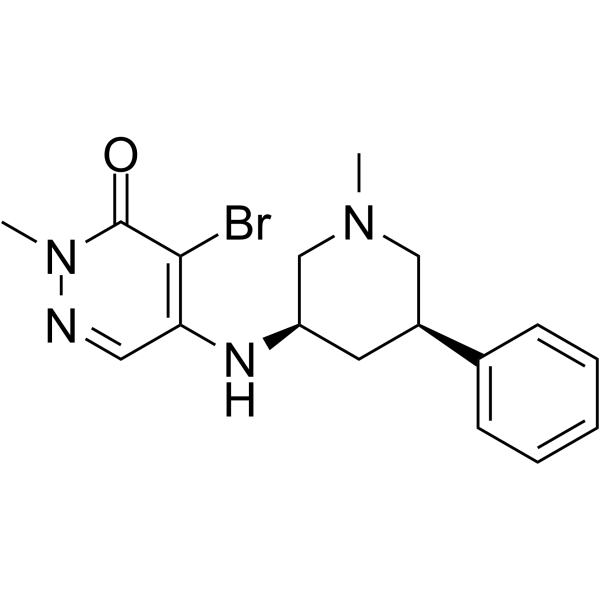
AZD-5991 S-enantiomer is the less active enantiomer of AZD-5991. AZD-5991 S-enantiomer is a Mcl-1 inhibitor with an IC50 of 6.3 μM in FRET assay and a Kd of 0.98 μM in surface plasmon resonance (SPR) assay.
|
-
-
- HY-124304
-
|
LOE-908
|
TRP Channel
SARS-CoV
|
Neurological Disease
|
|
Pinokalant is a broad-spectrum and non-selectivecation channel inhibitor. Pinokalant significantly reduces cortical infarct volume. Pinokalant o improves the metabolic and electrophysiologic status of the ischemic penumbra. Pinokalant reduces lesion size on magnetic resonance images in the acute phase following middle cerebral artery occlusion in rats. Pinokalant has the potential for the research of stroke. Pinokalant also shows anti-SARS-CoV-2 activity .
|
-
-
- HY-125385
-
|
|
Endogenous Metabolite
|
Metabolic Disease
|
|
Sulforhodamine 101 DHPE is a fluorescent probe made from the conjugation of the phospholipid 1,2-dipalmitoyl-sn-glycero-3-PE to sulforhodamine 101, a red fluorescent dye that displays excitation/emission spectra of 586/605 nm, respectively. It integrates into phospholipid bilayers and has been used for imaging of solid supported lipid bilayers, detection of protein-ligand binding on bilayers, and to monitor colocalization of lipid probes in liposomes via resonance energy transfer (RET).
|
-
-
- HY-W854721
-
|
Manganese(III) Protoporphyrin IX Chloride
|
Heme Oxygenase (HO)
|
Metabolic Disease
|
|
Mn(III) protoporphyrin IX chloride is a metalloporphyrin. It induces mRNA expression of the genes encoding δ-aminolevulinate synthase and heme oxygenase (HO), enzymes that catalyze the rate-limiting steps of heme biosynthesis and degradation, respectively, in chick embryo liver cells when used at a concentration of 10 μM. Mn(III) protoporphyrin IX chloride-containing nanobialys have been used in magnetic resonance imaging (MRI) of fibrin clots in vitro. It has also been used in the synthesis of Mn(III) protoporphyrin IX-6(7)-glycyl-glycyl-L-histidine methyl ester (MnGGH), a metalloporphyrin conjugate with microperoxidase activity.
|
-
-
- HY-136476A
-
|
|
Biochemical Assay Reagents
|
Others
|
|
Mn(II) protoporphyrin IX is a potential intravenous paramagnetic magnetic resonance contrast agent. Mn(II) protoporphyrin IX maintains strong paramagnetic properties .
|
-
-
- HY-118462A
-
|
Coelenterazine 400a hydrochloride; Bisdeoxycoelenterazine hydrochloride
|
Fluorescent Dye
|
Others
|
|
Coelenteramine (Coelenterazine) 400a hydrochloride, a derivative of Coelenterazine, is a Renilla luciferase (RLuc) substrate. In the presence of Coelenteramine 400a hydrochloride, RLuc can emit blue light at 395 nm . Coelenteramine 400a hydrochloride will causes color change in the bioluminescence reaction of Rluc by replacing the sulfur and oxygen heteroatoms of the methylene bridge. Coelenteramine 400a hydrochloride provides higher signal resolution and can be used in the research of bioluminescence resonance energy transfer (BRET) .
|
-
-
- HY-173308
-
|
|
Fluorescent Dye
|
Others
|
|
QSY-21 is a fluorescence quencher. QSY-21 possesses broad absorption in far red and NIR range, and can quench fluorescence of dyes that emit in this region. This is a carboxylic acid derivative. QSY-21 has intense absorption maximum at 661 nm, making it useful as an acceptor in fluorescence resonance energy transfer (FRET) applications. It is a common quencher for Cyanine5, Cyanine5.5, AF 647, or other spectrally similar fluorescent dyes.
|
-
-
- HY-P4805
-
-
-
- HY-180450
-
|
|
Biochemical Assay Reagents
|
Cancer
|
|
Gadoxetate disodium is a liver-specific magnetic resonance imaging (MRI) contrast agent, can be used for detecting and identifying liver tumors .
|
-
-
- HY-W324458
-
|
|
Fluorescent Dye
|
Others
|
|
MCA succinimidyl ester is a derivative of MCA (HY-W027544). MCA succinimidyl ester has succinimidyl ester can react selectively with amines. MCA succinimidyl ester can be used as peptide substrate for fluorescence resonance energy transfer .
|
-
- HY-P10344
-
|
|
Fluorescent Dye
|
Infection
|
|
MCA-AVLQSGFR-Lys(Dnp)-Lys-NH2 is a fluorescent substrate used for fluorescence resonance energy transfer (FRET) protease assays. This substrate is employed to measure the activity of SARS-CoV-2 3CLpro .
|
-
- HY-D2735
-
|
|
Fluorescent Dye
|
Others
|
|
QSY-9-succinimidyl ester is a nonfluorescent acceptor molecule with a terminal NHS ester group. QSY-9-succinimidyl ester has a wide and intense quenching range from 500-600 nm that makes it useful as an acceptor in fluorescence resonance energy transfer (FRET) applications in conjunction with fluorescent dyes at 500 nm to 600 nm. The NHS ester can be applied to label the primary amines (-NH2) of proteins, amine-modified oligonucleotides, and other amine-containing molecules.
|
-
- HY-175454
-
|
|
DNA/RNA Synthesis
PDGFR
Oxidative Phosphorylation
Mitochondrial Metabolism
|
Cancer
|
|
YH-0623 is an orally active mitochondrial RNA polymerase (POLRMT) inhibitor (IC50 = 50.48 nM, Nanoluciferase Bioluminescence Resonance Energy Transfer (NanoBRET) assay). YH-0623 exhibits antiproliferative effects on 22Rv1 cells by reducing the expression of mitochondrial-related genes. YH-0623 inhibits 22Rv1 cell growth, colony formation, and the expression of OXPHOS-related proteins. YH-0623 significantly inhibits tumor growth in a prostate cancer xenograft mouse model. YH-0623 is indicated for prostate cancer research .
|
-
- HY-B1724R
-
|
Perfluorooctyl bromide (Standard); 1-Bromoperfluorooctane (Standard); PFOB (Standard)
|
RSV
NF-κB
Reference Standards
|
Metabolic Disease
Cancer
|
|
Perflubron (Standard) is the analytical standard of Perflubron. This product is intended for research and analytical applications. Perflubron (Perfluorooctyl bromide) is a contrast medium for magnetic resonance imaging and sonography. Perflubron can be emulsified with egg phospholipids (EYP) and shows exceptionally fast excretion characteristics .
|
-
- HY-P5228
-
|
|
Biochemical Assay Reagents
|
Others
|
|
KSDSC is a penta-peptide, correlated positively with hairpin DNA with tetramer loops. Therefore, KSDSC joins hands with hairpin DNA (hpDNA) with improved selectivity as sensing materials in the detection system, used for surface plasmon resonance imaging (SPRi) .
|
-
- HY-147151
-
|
|
Biochemical Assay Reagents
|
Others
|
|
AMCPy is a potent electron paramagnetic resonance (EPR) brain imaging agent, possessing excellent lipophilicity for blood brain barrier (BBB) penetration .
|
-
- HY-123259
-
|
|
Thymidylate Synthase
|
Others
|
|
CB3731 is an analogue of N-10-(fluoroethyl)quinazolinylfolate and can be used for fluorine-19 nuclear magnetic resonance studies of binary and ternary complexes of thymidylate synthase .
|
-
- HY-W777072
-
|
|
HIV
|
Others
|
|
4-isocyanato TEMPO is a spin labeling reagent used to label the 2’-position in RNA. It has been used to study HIV-1 transactivation response RNA and hammerhead ribosome dynamics by electron paramagnetic resonance (EPR) spectroscopy.
|
-
- HY-173383
-
|
1,2-dioleoyl-sn-glycero-3-phosphoethanolamine-N- tetraazacyclododecane-N-tetraacetic acid, sodium salt
|
Biochemical Assay Reagents
|
Inflammation/Immunology
Cancer
|
|
DOPE-DOTA sodium is a chelated lipid that serves as a key contrast agent in magnetic resonance imaging (MRI). DOPE-DOTA sodium can be used for cancer, blood-brain barrier disruption, abnormalities such as aneurysms or plaque buildup, inflammation in arthritis, and liver function and lesions study
|
-
- HY-173384
-
|
1,2-distearoyl-sn-glycero-3-phosphoethanolamine-N- tetraazacyclododecane-N-tetraacetic acid, sodium salt
|
Biochemical Assay Reagents
|
Neurological Disease
Inflammation/Immunology
Cancer
|
|
DSPE-DOTA sodium (1,2-distearoyl-sn-glycero-3-phosphoethanolamine-N- tetraazacyclododecane-N-tetraacetic acid, sodium salt) is a chelating lipid used as a key contrast agent in magnetic resonance imaging (MRI). DSPE-DOTA sodium can be used for imaging detection of tumors, neurological and inflammatory diseases .
|
-
- HY-164981
-
|
|
Drug Intermediate
|
Cancer
|
|
p-SCN-Bn-DOTA(tBu)4 is the derivative of DOTA (HY-W053583). p-SCN-Bn-DOTA(tBu)4 is the component of the Gd(III)-DOTA-IAC, which is a targeted magnetic resonance imaging (MRI) contrast agent for αvβ3 integrin receptor .
|
-
- HY-34849
-
|
|
Biochemical Assay Reagents
|
Others
|
|
(R)-(-)-1-(9-Anthryl)-2,2,2-trifluoroethanol is utilized as a chiral shift reagent for determining enantiomeric ratios. Additionally, (R)-(-)-1-(9-Anthryl)-2,2,2-trifluoroethanol can be employed for nuclear magnetic resonance (NMR) optical purity determination .
|
-
- HY-172309
-
|
|
Fluorescent Dye
|
Others
|
|
UBQ-3 NHS Ester is a fluroescent agent with a terminal NHS ester group. UBQ-3 NHS Ester has a wide quenching range from 620-730 nm, which makes the compound useful as an acceptor in fluorescence resonance energy transfer (FRET) applications in conjunction with far-red to near-IR emitting dyes such as Cy5, Cy5.5, Alexa Fluor 633, 647, 700. The NHS ester can be applied to label the primary amines (-NH2) of proteins, amine-modified oligonucleotides, and other amine-containing molecules.
|
-
- HY-160481
-
|
|
Tau Protein
MicroRNA
|
Neurological Disease
|
|
MG-1102 is first-in-class dual binder of monomeric tau and pre-miRNA-146a. MG-1102 shows specific inhibition of miRNA146a with IC50s of 0.21 mM and 0.36 mM specific inhibition of doublelabeled pre-miRNA146a and mono-labeled pre-miRNA146a, respectively. MG-1102 interacts with tau monomers with a Kd of 3.21 mM by surface plasmon resonance (SPR). MG-1102 is a potential multi-target-directed ligands (MTDLs) for Alzheimer’s disease (AD) .
|
-
- HY-P10065
-
-
- HY-146578
-
|
|
Keap1-Nrf2
|
Inflammation/Immunology
|
|
Keap1-Nrf2-IN-8 (compound 12d) is a potent Keap1-Nrf2 PPI (Keap1-Nrf2 protein−protein interaction) inhibitor with IC50s of 64.5 nM and 14.2 nM for FP and TR-FRET assays, respectively. Keap1-Nrf2-IN-8 significantly increases the mRNA levels of Nrf2 downstream genes, GSTM3, HMOX2 and NQO1 .
|
-
- HY-P5228A
-
|
|
Biochemical Assay Reagents
|
Others
|
|
KSDSC TFA is a penta-peptide, correlated positively with hairpin DNA with tetramer loops. Therefore, KSDSC TFA joins hands with hairpin DNA (hpDNA) with improved selectivity as sensing materials in the detection system, used for surface plasmon resonance imaging (SPRi) .
|
-
- HY-116156
-
|
|
Biochemical Assay Reagents
|
Cancer
|
|
SR-4554 is a probe for the measurement of tumor hypoxia. SR-4554 undergoes enzymatic single-electron reduction reactions within hypoxic cells. SR-4554 determines the 19F retention index for four commonly used mouse tumors (EMT6, SCCVII, KILT and RIF-I) through 19F MRS technique. SR-4554 can used to detect tumor Hypoxia noninvasively by 19F magnetic resonance spectroscopy ( 19F MRS) .
|
-
- HY-W003471
-
|
|
MAP4K
|
Others
|
|
Pyrrolo[2,1-f][1,2,4]triazin-4-amine is a MAP4K4 inhibitor with a surface plasmon resonance (SPR) Kd of 88 μM and a ligand efficiency of 0.56 .
|
-
- HY-D3328
-
|
|
Fluorescent Dye
|
Others
|
|
APC-Cy5.5 is a tandem dye widely used in flow cytometry. It consists of the energy donor allophycocyanin (APC) and the energy acceptor Cy5.5, and operates via the fluorescence resonance energy transfer mechanism (Ex/Em = 650 nm/690 nm) .
|
-
- HY-101533R
-
|
|
Bcl-2 Family
Reference Standards
|
Cancer
|
|
AZD-5991 (Standard) is the analytical standard of AZD-5991 (HY-101533). This product is intended for research and analytical applications. AZD-5991 is a potent and selective Mcl-1 inhibitor with an IC50 of 0.7 nM in FRET assay and a Kd of 0.17 nM in surface plasmon resonance (SPR) assay .
|
-
- HY-101027R
-
-
- HY-179762
-
|
|
Others
|
Metabolic Disease
|
|
16:0 Tempo PC is a phosphocholine with a TEMPO group. (2,2,6,6-tetramethylpiperidin-1-yl)oxyl (TEMPO) is commonly used as a spin-label for lipid membrane studies. TEMPO alwayss acts as a spin probe are in electron resonance spectroscopy, as a paramagnetic contrast agent in NMR, and as oxygen-sensitive probes in biological systems.
|
-
- HY-101027AR
-
-
- HY-179880
-
|
|
Others
|
Metabolic Disease
|
|
16:0-18:1 Tempo PC is a phosphocholine with a TEMPO group. (2,2,6,6-tetramethylpiperidin-1-yl)oxyl (TEMPO) is commonly used as a spin-label for lipid membrane studies. TEMPO alwayss acts as a spin probe are in electron resonance spectroscopy, as a paramagnetic contrast agent in NMR, and as oxygen-sensitive probes in biological systems.
|
-
- HY-106594AR
-
|
Iron(III) ferrocyanide (Standard); Milori blue (Standard)
|
Reference Standards
Bacterial
|
Infection
Cancer
|
|
Prussian blue insoluble (Standard) is the analytical standard of Prussian blue insoluble (HY-106594A). This product is intended for research and analytical applications. Prussian blue soluble is a good adsorbent to be used as antidotes for poisoning with cesium or thallium ions. Prussian blue soluble has anticancerous and antibacterial properties. Prussian blue soluble can be used as a contrast agent in photoacoustic and magnetic resonance imaging (MRI) .
|
-
- HY-106594BR
-
|
Pigment blue 27 (Standard)
|
Reference Standards
Bacterial
|
Infection
Cancer
|
|
Prussian blue soluble (Standard) is the analytical standard of Prussian blue soluble (HY-106594B). This product is intended for research and analytical applications. Prussian blue soluble is a good adsorbent to be used as antidotes for poisoning with cesium or thallium ions. Prussian blue soluble has anticancerous and antibacterial properties. Prussian blue soluble can be used as a contrast agent in photoacoustic and magnetic resonance imaging (MRI) .
|
-
- HY-181685
-
|
|
LAG-3
TNF Receptor
|
Cancer
|
|
LAGi-DEL is a LAG-3 inhibitor, with Kd values of 97.33 nM and 271 nM in surface plasmon resonance (SPR) assay and microscale thermophoresis (MST) assay, respectively. LAGi-DEL blocks the LAG-3/MHC-II interaction, with an EC50 of 138 nM. LAGi-DEL restores T cell activation, enhances IFN-γ secretion and promotes immune-mediated cytotoxicity. LAGi-DEL can be used in the research of acute myeloid leukemia, lung cancer and melanoma .
|
-
- HY-D3251
-
|
|
Fluorescent Dye
|
Cancer
|
|
LCP is a fluorescent probe applicable for subcellular localization. LCP responds to polarity changes in the cellular microenvironment via fluorescence resonance energy transfer, emitting blue fluorescence in low-polarity environments and red fluorescence in high-polarity environments. LCP enables dual-color visualization of dynamic changes in lysosomes and cytoplasmic membranes during drug-induced cell apoptosis, and monitors cell viability through localization and emission color changes. LCP can be used in cancer research .
|
-
- HY-D3277
-
|
|
Fluorescent Dye
|
Others
|
|
PE-VF594 is a high-brightness fluorescent dye used in flow cytometry, primarily for labeling antibodies or streptavidin to help identify specific cell subpopulations. PE-VF594 is a tandem dye composed of two covalently linked fluorescent groups: one is phycoerythrin (PE), responsible for absorbing laser energy; the other is the receptor molecule VF594. Energy is transferred from PE to VF594 via fluorescence resonance energy transfer (FRET) mechanism (Ex/Em = 450-500 nm/614 nm) .
|
-
- HY-N19787
-
|
|
Others
|
Others
|
|
Corylidin is a coumarin that can be isolated from Erucaria microcarpa Boiss. .
|
-
- HY-N19758
-
|
|
Others
|
Others
|
|
Benzyl alcohol-O-β-xylopyranosyl-(1→2)-β-glucopyranoside is a benzyl alcohol glycoside found in the leaves of Phlomis aurea .
|
-
- HY-D3334
-
|
|
Fluorescent Dye
CD74
|
Others
|
|
PE-CF594 is a labeled monoclonal antibody conjugate that specifically binds to HLA-DR on the surface of monocytes and B cells, while acting as a signal attenuator. Through steric hindrance and a possible fluorescence resonance energy transfer mechanism, PE-CF594 specifically reduces the fluorescence intensity of PE-CD124 staining, but does not interfere with the staining of other PE-labeled antibodies such as CD40, CD4 or CD14. PE-CF594 can also be used to detect the emission signal of mt-Keima after excitation with a 561-nm laser, thereby effectively evaluating mitophagy activity .
|
-
- HY-D3275
-
|
|
Fluorescent Dye
|
Others
|
|
PE-Cy5.5 is a far-red emitting tandem dye designed based on the principle of fluorescence resonance energy transfer (FRET), and is widely used in multicolor flow cytometry. PE-Cy5.5 consists of phycoerythrin (PE) as the energy donor and the cyanine dye Cy5.5 as the energy acceptor. Upon excitation by blue or green laser light, PE absorbs energy and transfers it to Cy5.5 via FRET, ultimately resulting in Cy5.5 emitting characteristic far-red fluorescence (Ex/Em = 450-500 nm/698 nm) .
|
-
- HY-100468R
-
|
|
DNA/RNA Synthesis
Reference Standards
|
Cancer
|
|
REV7/REV3L-IN-1 (Standard) is the analytical standard of REV7/REV3L-IN-1 (HY-100468). This product is intended for research and analytical applications. REV7/REV3L-IN-1 is a REV7/REV3L interaction inhibitor with an IC50 of 78 μM, which directly binds to REV7 in nuclear magnetic resonance analyses, and inhibits the reactivation of a reporter plasmid containing an interstrand crosslink (ICL) in between the promoter and reporter regions .
|
-
- HY-13963S
-
|
|
Isotope-Labeled Compounds
Endogenous Metabolite
|
Infection
Cancer
|
|
ZCL278- 13C is a 13C-labeled version of ZCL278 (HY-13963). ZCL278 is a selective Cdc42 inhibitor with Kds of 6.4 μM in fluorescence titration and 11.4 μM in surface plasmon resonance (SPR) measurement. ZCL278 can disrupt the interaction between Cdc42 and ITSN, and also inhibit the binding of GTP and GDP. ZCL278 has inhibitory effects on various enveloped viruses, but is ineffective against non-enveloped viruses. ZCL278 can be used in the research of arsenic neurotoxicity and HER2-positive gastric cancer (GC) [1][2][3][4].
|
-
- HY-180766
-
|
|
JAK
|
Cancer
|
|
JAK2-IN-19 (Compound 3p) is a JAK2 inhibitor with a KD value of 1.11 μM. JAK2-IN-19 inhibits the proliferation of K562 cells and HeLa cells. JAK2-IN-19 significantly reduces the level of p-JAK2. JAK2-IN-19 can be used for research on cervical cancer and leukemia .
|
-
- HY-N19934
-
|
|
|
Others
|
|
Protogenkwanin 4'-glucoside is a flavonoid glucoside that can be found in the fertile sprouts of Equisetum arvense L. .
|
-
| Cat. No. |
Product Name |
Type |
-
- HY-18743
-
|
|
Fluorescent Dyes
|
|
Coelenterazine is a luminescent enzyme substrate for apoaequorin and Renilla luciferase. Renilla luciferase and substrate coelenterazine has been used as the bioluminescence donor in bioluminescence resonance energy transfer (BRET) to detect protein-protein interactions. Coelenterazine is a superoxide anion-sensitive chemiluminescent probe and it can also be used in chemiluminescent detection of peroxynitrite (Ex/Em = 429/466 nm) .
|
-
- HY-118462
-
|
Coelenterazine 400a; Bisdeoxycoelenterazine
|
Fluorescent Dyes
|
|
Coelenteramine 400a (Coelenterazine 400a), a derivative of Coelenterazine, is a Renilla luciferase (RLuc) substrate. In the presence of Coelenteramine 400a, RLuc can emit blue light at 395 nm . Coelenterazine 400a will causes color change in the bioluminescence reaction of Rluc by replacing the sulfur and oxygen heteroatoms of the methylene bridge. Coelenterazine 400a provides higher signal resolution and can be used in the research of bioluminescence resonance energy transfer (BRET) .
|
-
- HY-15943
-
6-TAMRA
1 Publications Verification
6-Carboxytetramethylrhodamine
|
Fluorescent Dyes
|
|
6-TAMRA (6-Carboxytetramethylrhodamine) is a fluorescent dye. 6-TAMRA is often used in combination with 6-FAM (HY-66021) as an acceptor or fluorescence quencher for fluorescence resonance energy transfer (FRET) in biochemical studies such as potassium ion detection and ribonuclease activity assays .
|
-
- HY-D1080
-
EDANS
3 Publications Verification
1,5-EDANS
|
Fluorescent Dyes
|
|
EDANS (1,5-EDANS) is a novel and quenched fluorogenic substrate for assaying retroviral protease by resonance energy transfer (RET) .
|
-
- HY-D1725
-
|
|
Fluorescent Dyes
|
|
Cy3-dCTP is a directly fluorescently labeled deoxyribonucleotide, in which Cy3 is a cyanine fluorescent dye. Cy3-dCTP is used for direct enzymatic labeling of DNA and cDNA: with the aid of DNA polymerases, this modified nucleotide is incorporated into the extending DNA strand during processes such as reverse transcription, PCR, nick translation or random primer labeling .
|
-
- HY-42984
-
|
|
Fluorescent Dyes
|
|
BHQ-2 NHS is a dark quencher with no native emission due to the polyaromatic-azo backbone and a terminal NHS ester. UBHQ-2 NHS has a wide and intense quenching range from 560-670 nm, which makes it useful as an acceptor in fluorescence resonance energy transfer (FRET) applications in conjunction with orange to far-red emitting dyes. The NHS ester can be applied to label the primary amines (-NH2) of proteins, amine-modified oligonucleotides, and other amine-containing molecules.
|
-
- HY-D1703
-
|
|
Fluorescent Dyes
|
|
Oxazine 170 perchlorate is a laser dye with a wide excitation spectrum range (300−550 nm), which strongly absorbs light with a wavelength greater than 550 nm, and it emits fluorescence with a wavelength of about 645 nm .
|
-
- HY-D1773
-
|
|
Fluorescent Dyes
|
|
YOYO-3 is a trimethine cyanine homodimer dye. YOYO-3 intercalates into AF488-tagged dsDNA molecules at the single-molecule level. YOYO-3 has a greater affinity for DNA than do EB and other Cyanine dyes .
|
-
- HY-D1682
-
|
|
Fluorescent Dyes
|
|
NFQ1 is a non-fluorescent quencher (absorption wavelength: 474 nm), and is used for a new type of One Sample Fluorescence Resonance Energy Transfer (OS-FRET) method. OS-FRET enable measurement of unquenched donor emission in the same sample. NFQ1 shows broad absorption spectrum ensuring its utility as a dark acceptor for many donors .
|
-
- HY-106594B
-
|
Pigment blue 27
|
Fluorescent Dyes
|
|
Prussian blue soluble is a good adsorbent to be used as antidotes for poisoning with cesium or thallium ions. Prussian blue soluble has anticancerous and antibacterial properties. Prussian blue soluble can be used as a contrast agent in photoacoustic and magnetic resonance imaging (MRI) .
|
-
- HY-D2413
-
|
BODIPY FL PEG4-VH032
|
Fluorescent Dyes
|
|
BODIPY FL VH032 is a high-affinity VHL fluorescent probe with a Kd value of 3.01 nM. BODIPY FL VH032 consists of von Hippel-Lindau (VHL) ligand VH032 (HY-120217) and BODIPY FL (HY-43520). BODIPY FL VH032 can be used for time-resolved fluorescence resonance energy transfer (TR-FRET) detection for high-throughput identification and characterization of VHL ligands with maximum excitation emission wavelength: 504/520 nm .
|
-
- HY-173308
-
|
|
Fluorescent Dyes
|
|
QSY-21 is a fluorescence quencher. QSY-21 possesses broad absorption in far red and NIR range, and can quench fluorescence of dyes that emit in this region. This is a carboxylic acid derivative. QSY-21 has intense absorption maximum at 661 nm, making it useful as an acceptor in fluorescence resonance energy transfer (FRET) applications. It is a common quencher for Cyanine5, Cyanine5.5, AF 647, or other spectrally similar fluorescent dyes.
|
-
- HY-W324458
-
|
|
Fluorescent Dyes
|
|
MCA succinimidyl ester is a derivative of MCA (HY-W027544). MCA succinimidyl ester has succinimidyl ester can react selectively with amines. MCA succinimidyl ester can be used as peptide substrate for fluorescence resonance energy transfer .
|
-
- HY-D2735
-
|
|
Fluorescent Dyes
|
|
QSY-9-succinimidyl ester is a nonfluorescent acceptor molecule with a terminal NHS ester group. QSY-9-succinimidyl ester has a wide and intense quenching range from 500-600 nm that makes it useful as an acceptor in fluorescence resonance energy transfer (FRET) applications in conjunction with fluorescent dyes at 500 nm to 600 nm. The NHS ester can be applied to label the primary amines (-NH2) of proteins, amine-modified oligonucleotides, and other amine-containing molecules.
|
-
- HY-D3328
-
|
|
Fluorescent Dyes
|
|
APC-Cy5.5 is a tandem dye widely used in flow cytometry. It consists of the energy donor allophycocyanin (APC) and the energy acceptor Cy5.5, and operates via the fluorescence resonance energy transfer mechanism (Ex/Em = 650 nm/690 nm) .
|
-
- HY-106594BR
-
|
Pigment blue 27 (Standard)
|
Fluorescent Dyes
|
|
Prussian blue soluble (Standard) is the analytical standard of Prussian blue soluble (HY-106594B). This product is intended for research and analytical applications. Prussian blue soluble is a good adsorbent to be used as antidotes for poisoning with cesium or thallium ions. Prussian blue soluble has anticancerous and antibacterial properties. Prussian blue soluble can be used as a contrast agent in photoacoustic and magnetic resonance imaging (MRI) .
|
-
- HY-D3251
-
|
|
Fluorescent Dyes
|
|
LCP is a fluorescent probe applicable for subcellular localization. LCP responds to polarity changes in the cellular microenvironment via fluorescence resonance energy transfer, emitting blue fluorescence in low-polarity environments and red fluorescence in high-polarity environments. LCP enables dual-color visualization of dynamic changes in lysosomes and cytoplasmic membranes during drug-induced cell apoptosis, and monitors cell viability through localization and emission color changes. LCP can be used in cancer research .
|
-
- HY-D3277
-
|
|
Fluorescent Dyes
|
|
PE-VF594 is a high-brightness fluorescent dye used in flow cytometry, primarily for labeling antibodies or streptavidin to help identify specific cell subpopulations. PE-VF594 is a tandem dye composed of two covalently linked fluorescent groups: one is phycoerythrin (PE), responsible for absorbing laser energy; the other is the receptor molecule VF594. Energy is transferred from PE to VF594 via fluorescence resonance energy transfer (FRET) mechanism (Ex/Em = 450-500 nm/614 nm) .
|
-
- HY-D3334
-
|
|
Fluorescent Dyes
|
|
PE-CF594 is a labeled monoclonal antibody conjugate that specifically binds to HLA-DR on the surface of monocytes and B cells, while acting as a signal attenuator. Through steric hindrance and a possible fluorescence resonance energy transfer mechanism, PE-CF594 specifically reduces the fluorescence intensity of PE-CD124 staining, but does not interfere with the staining of other PE-labeled antibodies such as CD40, CD4 or CD14. PE-CF594 can also be used to detect the emission signal of mt-Keima after excitation with a 561-nm laser, thereby effectively evaluating mitophagy activity .
|
-
- HY-D3275
-
|
|
Fluorescent Dyes
|
|
PE-Cy5.5 is a far-red emitting tandem dye designed based on the principle of fluorescence resonance energy transfer (FRET), and is widely used in multicolor flow cytometry. PE-Cy5.5 consists of phycoerythrin (PE) as the energy donor and the cyanine dye Cy5.5 as the energy acceptor. Upon excitation by blue or green laser light, PE absorbs energy and transfers it to Cy5.5 via FRET, ultimately resulting in Cy5.5 emitting characteristic far-red fluorescence (Ex/Em = 450-500 nm/698 nm) .
|
| Cat. No. |
Product Name |
Type |
-
- HY-W016371
-
|
3,4,5-threechlorine pyridine
|
Biochemical Assay Reagents
|
|
3,4,5-Trichloropyridine is a chlorinated pyridine compound and also serves as an internal standard for quantitative proton nuclear magnetic resonance spectroscopy .
|
-
- HY-21170B
-
|
Triflate lithium; Trifluoromethylsulfonate lithium; Trifluoromethanesulphonic acid lithium
|
Biochemical Assay Reagents
|
|
Trifluoromethanesulfonate (Triflate;Trifluoromethylsulfonate) lithium is a stable lithium salt and dopant with four resonance states, which is commonly used as an electrolyte component in polymer light-emitting electrochemical cells and primary lithium batteries. Trifluoromethanesulfonate lithiumalso acts as a catalyst for the preparation of the herbicide Imazapyr. In MEH-PPV-based light-emitting electrochemical cells, Trifluoromethanesulfonate lithium promotes electrochemical p-type doping at the anode interface under applied bias, thereby facilitating the formation of p-i-n junctions, exciton generation, and light emission. Trifluoromethanesulfonate lithiumexhibits strong ion pairing in non-aqueous electrolytes, but its electrochemical stability window is narrower than that of lithium bistrifluoromethylsulfonyl imidee .
|
-
- HY-W007392
-
|
Methyl 4-bromopyrrole-2-carboxylate
|
Biochemical Assay Reagents
|
|
Methyl 4-bromo-1H-pyrrole-2-carboxylate (Methyl 4-bromopyrrole-2-carboxylate) is a biologically active pyrrole derivative. Methyl 4-bromo-1H-pyrrole-2-carboxylate can be used in studies on the development of pyrrole-related biosensors .
|
-
- HY-173383
-
|
1,2-dioleoyl-sn-glycero-3-phosphoethanolamine-N- tetraazacyclododecane-N-tetraacetic acid, sodium salt
|
Biochemical Assay Reagents
|
|
DOPE-DOTA sodium is a chelated lipid that serves as a key contrast agent in magnetic resonance imaging (MRI). DOPE-DOTA sodium can be used for cancer, blood-brain barrier disruption, abnormalities such as aneurysms or plaque buildup, inflammation in arthritis, and liver function and lesions study
|
-
- HY-173384
-
|
1,2-distearoyl-sn-glycero-3-phosphoethanolamine-N- tetraazacyclododecane-N-tetraacetic acid, sodium salt
|
Biochemical Assay Reagents
|
|
DSPE-DOTA sodium (1,2-distearoyl-sn-glycero-3-phosphoethanolamine-N- tetraazacyclododecane-N-tetraacetic acid, sodium salt) is a chelating lipid used as a key contrast agent in magnetic resonance imaging (MRI). DSPE-DOTA sodium can be used for imaging detection of tumors, neurological and inflammatory diseases .
|
| Cat. No. |
Product Name |
Target |
Research Area |
-
- HY-P3722
-
|
|
Fluorescent Dye
MMP
|
Others
|
|
Mca-PLAQAV-Dpa-RSSSR-NH2 is a fluorescent substrate peptide that can be used to detect ADAM9, ADAM10, and tumor necrosis factor-α converting enzyme (TACE/ADAM17). Mca-PLAQAV-Dpa-RSSSR-NH2 is a fluorescence resonance energy transfer-based substrate, and its activity can be determined by changes in fluorescence intensity upon cleavage (Ex = 320 nm
; Em = 405 nm) .
|
-
- HY-P3722A
-
|
|
Fluorescent Dye
MMP
|
Others
|
|
Mca-PLAQAV-Dpa-RSSSR-NH2 TFA is a fluorescent substrate peptide that can be used to detect ADAM9, ADAM10, and tumor necrosis factor-α converting enzyme (TACE/ADAM17). Mca-PLAQAV-Dpa-RSSSR-NH2 TFA is a fluorescence resonance energy transfer-based substrate, and its activity can be determined by changes in fluorescence intensity upon cleavage (Ex = 320 nm
; Em = 405 nm) .
|
-
- HY-P4920
-
|
|
Fluorescent Dye
|
Others
|
|
Mca-SEVNLDAEFK(Dnp)-NH2 contains a highly fluorescent 7-methoxycoumarin group that is efficiently quenched by resonance energy transfer to the 2,4-dinitrophenyl group. It can be used to measure the activities of peptidases that are capable of cleaving an amide bond between the fluorescent group and the quencher group, causing an increase in fluorescence, such as can be used to measure the activity of BACE-1 .
|
-
- HY-P5485
-
|
|
Bacterial
|
Others
|
|
Dabcyl-QALPETGEE-Edans is a synthetic peptide substrate for fluorescence resonance energy transfer (FRET) detection of Sortase A (SrtA) enzymatic activity. Dabcyl-QALPETGEE-Edans is labeled at both ends with the fluorescent group Edans (donor) and the quencher Dabcyl (acceptor), respectively. Dabcyl-QALPETGEE-Edans's central sequence contains a conserved motif specifically recognized by SrtA. Dabcyl-QALPETGEE-Edans demonstrates high sensitivity in vitro assays, enabling precise determination of the half-maximal inhibitory concentration of SrtA .
|
-
- HY-W105634
-
|
|
Endogenous Metabolite
|
Others
|
|
Strombine is a imino acid produced by a dehydrogenase. Strombine is a compound present in the hemolymph that is capable of cryoprotection .
|
-
- HY-P11317
-
|
|
Peptides
|
Others
|
|
HWGMWSY is a polystyrene binding peptide. HWGMWSY is a target-unrelated peptide while interacting with polystyrene plastic surfaces .
|
-
- HY-P5229A
-
|
|
Peptides
|
Others
|
|
IHRIC TFA is a penta-peptide, correlated positively with hairpin DNA with tetramer loops. Therefore, IHRIC TFA joins hands with hairpin DNA (hpDNA) with improved selectivity as sensing materials in the detection system, used for surface plasmon resonance imaging (SPRi) .
|
-
- HY-P4805
-
-
- HY-P10344
-
|
|
Fluorescent Dye
|
Infection
|
|
MCA-AVLQSGFR-Lys(Dnp)-Lys-NH2 is a fluorescent substrate used for fluorescence resonance energy transfer (FRET) protease assays. This substrate is employed to measure the activity of SARS-CoV-2 3CLpro .
|
-
- HY-P5229
-
|
|
Peptides
|
Others
|
|
IHRIC is a penta-peptide, correlated positively with hairpin DNA with tetramer loops. Therefore, IHRIC joins hands with hairpin DNA (hpDNA) with improved selectivity as sensing materials in the detection system, used for surface plasmon resonance imaging (SPRi) .
|
-
- HY-P5228
-
|
|
Biochemical Assay Reagents
|
Others
|
|
KSDSC is a penta-peptide, correlated positively with hairpin DNA with tetramer loops. Therefore, KSDSC joins hands with hairpin DNA (hpDNA) with improved selectivity as sensing materials in the detection system, used for surface plasmon resonance imaging (SPRi) .
|
-
- HY-P10065
-
-
- HY-P5228A
-
|
|
Biochemical Assay Reagents
|
Others
|
|
KSDSC TFA is a penta-peptide, correlated positively with hairpin DNA with tetramer loops. Therefore, KSDSC TFA joins hands with hairpin DNA (hpDNA) with improved selectivity as sensing materials in the detection system, used for surface plasmon resonance imaging (SPRi) .
|
| Cat. No. |
Product Name |
Target |
Research Area |
Image |
-
- HY-P9949
-
|
Sch 55700; CDP-835; JES1-39D10
|
Interleukin Related
|
Inflammation/Immunology
|
|
Reslizumab (Sch 55700) is humanized monoclonal antibodies that target interleukin-5 (IL-5) for the treatment of eosinophilic asthma. Reslizumab is effective in neutralizing the function of IL-5. Reslizumab has high binding affinity for human IL-5, with KD values of 109 pM and 4.3 pM in the the Biacore surface plasmon resonance and Kinetic Exclusion Assay, respectively .
|
-
(5)
-
- HY-P99900
-
|
MSL-109
|
CMV
|
Infection
|
|
Sevirumab (MSL-109) is a human IgG1 neutralizing monoclonal antibody against cytomegalovirus (CMV). Sevirumab recognizes CMV gH complexes and inhibits CMV replication with an EC50 of 0.3 μg/mL .
|
-
(5)
| Cat. No. |
Product Name |
Category |
Target |
Chemical Structure |
| Cat. No. |
Product Name |
Chemical Structure |
-
- HY-13963S
-
|
|
|
ZCL278- 13C is a 13C-labeled version of ZCL278 (HY-13963). ZCL278 is a selective Cdc42 inhibitor with Kds of 6.4 μM in fluorescence titration and 11.4 μM in surface plasmon resonance (SPR) measurement. ZCL278 can disrupt the interaction between Cdc42 and ITSN, and also inhibit the binding of GTP and GDP. ZCL278 has inhibitory effects on various enveloped viruses, but is ineffective against non-enveloped viruses. ZCL278 can be used in the research of arsenic neurotoxicity and HER2-positive gastric cancer (GC) [1][2][3][4].
|
-
| Cat. No. |
Product Name |
|
Classification |
-
- HY-D1725
-
|
|
|
Labeling and Fluorescence Imaging
|
|
Cy3-dCTP is a directly fluorescently labeled deoxyribonucleotide, in which Cy3 is a cyanine fluorescent dye. Cy3-dCTP is used for direct enzymatic labeling of DNA and cDNA: with the aid of DNA polymerases, this modified nucleotide is incorporated into the extending DNA strand during processes such as reverse transcription, PCR, nick translation or random primer labeling .
|
| Cat. No. |
Product Name |
|
Classification |
-
- HY-160062
-
|
|
|
Aptamers
|
|
S2.2 aptamer sodium is a nucleic acid-based MUC1-binding aptamer with high affinity and low toxicity. Upon binding to its target, S2.2 aptamer sodium undergoes a conformational switch and restores fluorescence signal, serving as a targeted imaging agent for MUC1-positive cancer cells. S2.2 aptamer sodium enables targeted delivery to breast cancer cells with overexpressed MUC1. When formulated as the S2.2-PEG-MZF molecular probe, S2.2 aptamer sodium possesses the functions of T2 signal inhibition, magnetic field-induced hyperthermia and targeted magnetic resonance molecular imaging. In the S2.2-PEG-MZF/DOX nanoliposome, S2.2 aptamer sodium supports targeted thermochemotherapy, effectively inhibiting cancer cell proliferation and invasion as well as inducing apoptosis, and is widely used in studies related to breast cancer .
|
Your information is safe with us. * Required Fields.
Inquiry Information
- Product Name:
- Cat. No.:
- Quantity:
- MCE Japan Authorized Agent:

