
1. Search Result
Search Result
Results for "

root extract

" in MedChemExpress (MCE) Product Catalog:

50

Inhibitors & Agonists

1

Biochemical Assay Reagents

2

Peptides

42

Natural
Products

2

Isotope-Labeled Compounds

Cat. No. Product Name Target Research Areas Chemical Structure
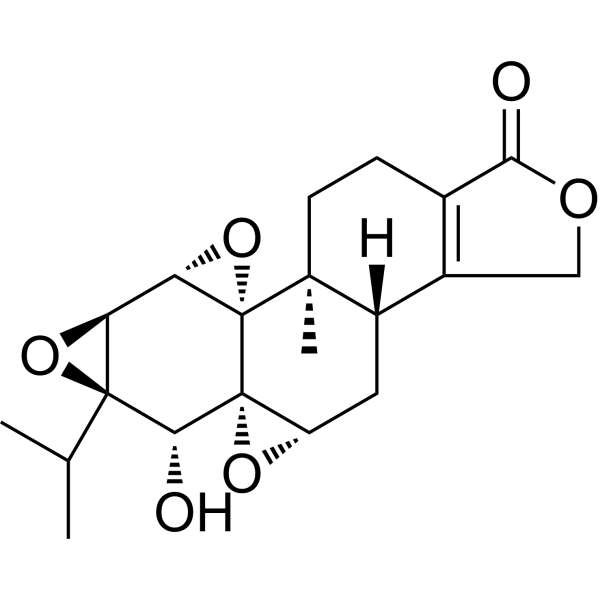
  • HY-32735
    Triptolide
    Maximum Cited Publications
    70 Publications Verification

    PG490

    Environmental Pollutants NF-κB Apoptosis Cancer
    Triptolide is a diterpenoid triepoxide extracted from the root of Tripterygium wilfordii with immunosuppressive, anti-inflammatory, antiproliferative and antitumour effects. Triptolide is a NF-κB activation inhibitor .
    Triptolide
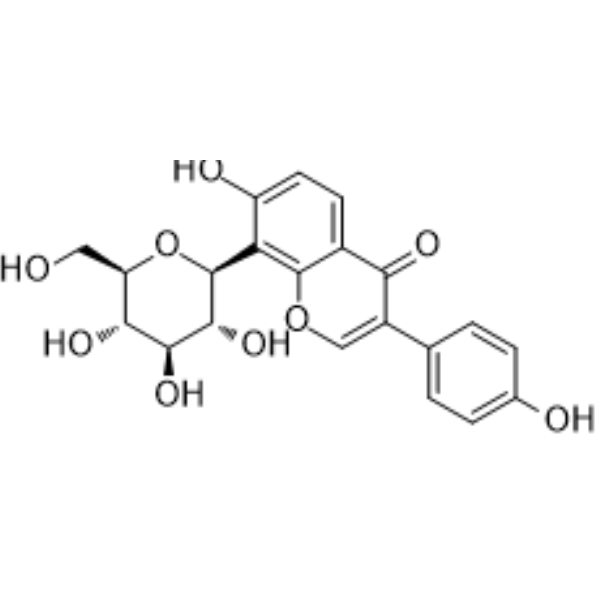
  • HY-N0145
    Puerarin
    25+ Cited Publications

    5-HT Receptor Cardiovascular Disease Infection Neurological Disease Metabolic Disease Inflammation/Immunology Cancer
    Puerarin is an isoflavone extracted from Pueraria root and is a 5-HT2C receptor antagonist. Puerarin inhibits the dorsal motor nucleus of the vagus (DMV)-vagus nerve pathway, which in turn leads to decreased fat absorption .
    Puerarin
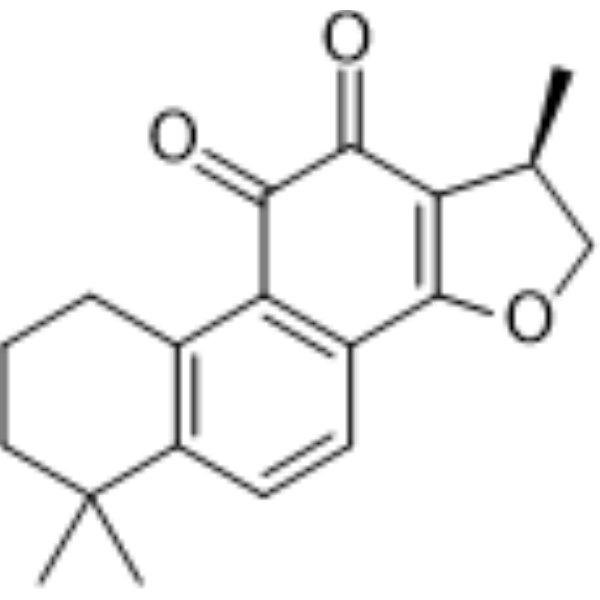
  • HY-N0174
    Cryptotanshinone
    45+ Cited Publications

    Cryptotanshinon; Tanshinone c

    STAT Autophagy Cancer
    Cryptotanshinone is a natural compound extracted from the root of Salvia miltiorrhiza Bunge that shows antitumor activities. Cryptotanshinone inhibits STAT3 with an IC50 of 4.6 μM.
    Cryptotanshinone
  • HY-N6973
    Boldine
    1 Publications Verification

    RANKL/RANK Apoptosis Inflammation/Immunology Cancer
    Boldine is an apomorphine isoquinoline alkaloid extracted from the root of the pheasant pepper (Litsea cubeba). Boldine is an oral effective antioxidant, anti-inflammatory, antitumor agent, and can inhibit osteoclast formation. Boldine induces apoptosis of human bladder cancer cells by regulating ERK, AKT and GSK-3β. Boldine ameliorates bone destruction by down-regulating the OPG/RANKL/RANK signaling pathway. It can be used in rheumatoid arthritis research .
    Boldine
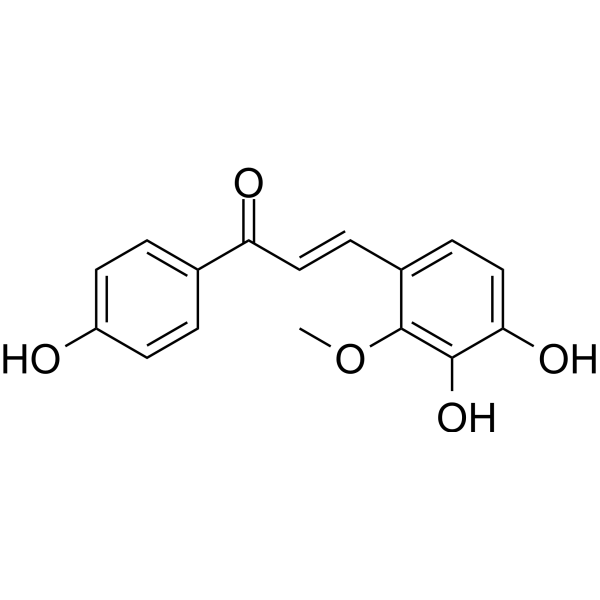
  • HY-N0373
    Licochalcone B
    10+ Cited Publications

    Amyloid-β Apoptosis NOD-like Receptor (NLR) Neurological Disease
    Licochalcone B is an extract from the root of Glycyrrhiza uralensis. Licochalcone B inhibits amyloid β (42) self-aggregation (IC50=2.16 μM) and disaggregate pre-formed Aβ42 fibrils, reduce metal-induced Aβ42 aggregation through chelating metal ionsLicochalcone B inhibits phosphorylation of NF-κB p65 in LPS signaling pathway. Licochalcone B inhibits growth and induces apoptosis of NSCLC cells. Licochalcone B specifically inhibits the NLRP3 inflammasome by disrupting NEK7‐NLRP3 interaction .
    Licochalcone B
  • HY-N2481
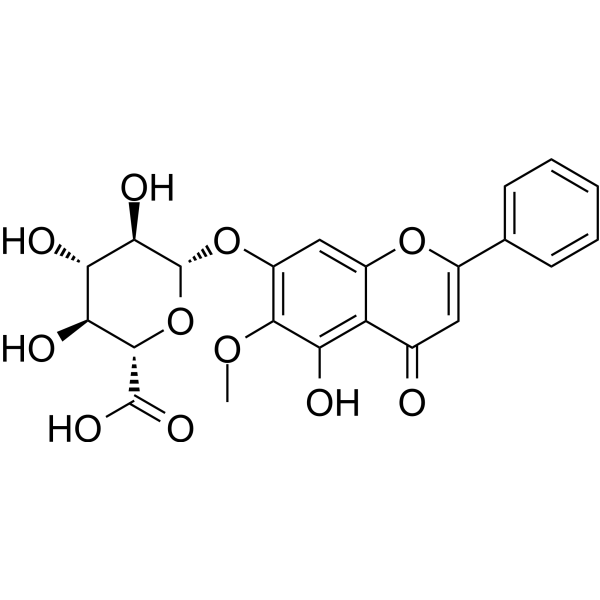
    Oroxylin A-7-O-glucuronide
    1 Publications Verification

    Oroxyloside; Oroxylin A-7-O-β-D-glucuronide

    Prolyl Endopeptidase (PREP) Drug Metabolite JNK PPAR NF-κB Interleukin Related Cardiovascular Disease Metabolic Disease Inflammation/Immunology Cancer
    Oroxylin A-7-O-glucuronide (oroxyloside) is an orally active flavonoid glucuronide and metabolite of Oroxylin A (HY-N0560). Oroxylin A-7-O-glucuronide can be extracted from the dried root of Scutellaria baicalensis. Oroxylin A-7-O-glucuronide exhibits prolyl oligopeptidase inhibitory activity. Oroxylin A-7-O-glucuronide inhibits the JNK pathway, upregulates PPARγ, and inhibits NF-κB p65 nuclear translocation. Oroxylin A-7-O-glucuronide reduces cytokine (IL-1β, IL-6) production. Oroxylin A-7-O-glucuronide exhibits anti-angiogenic, anti-tumor (glioma, liver cancer), anti-inflammatory, and hepatoprotective activities .
    Oroxylin A-7-O-glucuronide
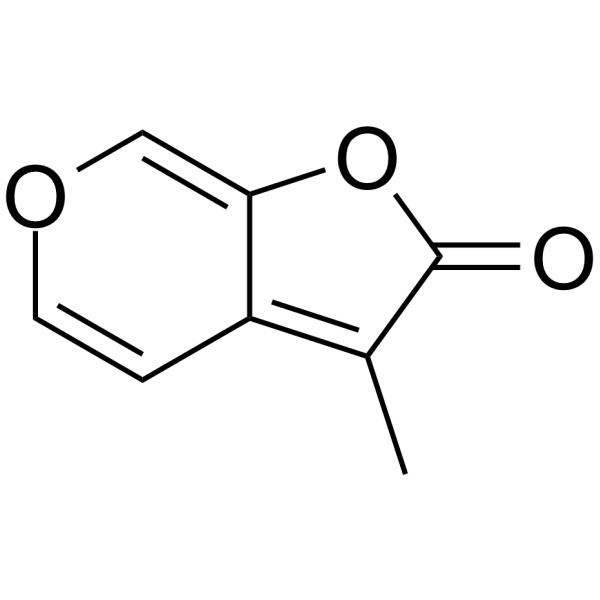
  • HY-136302

    Phytohormone Others
    Karrikinolide is a plant-active compound. Karrikinolide can be extracted from smoke water (SW). Karrikinolide promotes total Cytokinin production. Plants treated with Karrikinolide exhibit superior growth in terms of rooting, leaf and bulb size, and fresh weight .
    Karrikinolide
  • HY-W250120

    Environmental Pollutants Biochemical Assay Reagents Others
    Konjac glucomannan (Viscosity≥15000mPa.s) is an acetylated (1-4)-beta-D-glucomannan extracted from the tuber of konjac or konjac root. In Japan, it is a dietary supplement intended to reduce calorie intake because it swells in water.
    Konjac glucomannan (Viscosity≥15000mPa.s)
  • HY-N0434
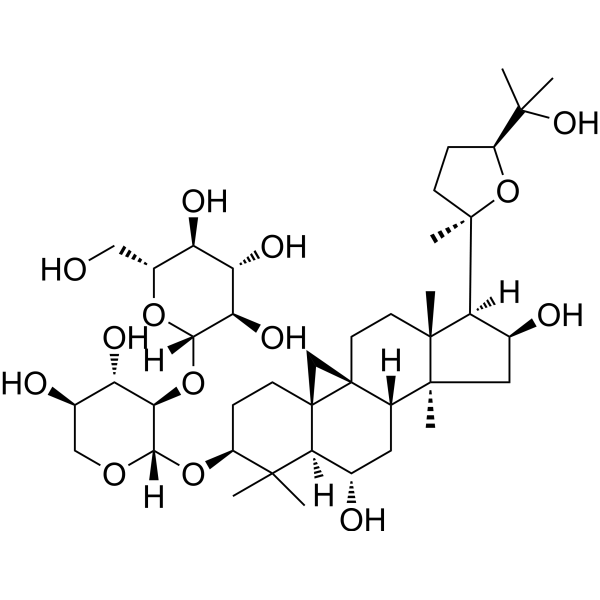
    Astragaloside III
    2 Publications Verification

    C-type Lectin-like Receptors (CTLRs) Apoptosis Dengue Virus Infection Cancer
    Astragaloside III is a triterpenoid saponin. Astragaloside III can be extracted from Astragalus root. Astragaloside III increases NKG2D and induces TACE phosphorylation. Astragaloside III induces Apoptosis. Astragaloside III has antiviral activity against dengue serotypes 1 and 3. Astragaloside III has anticancer activity against breast and colon cancer .
    Astragaloside III
  • HY-W016289

    3,4,5-Trimethoxyphenol

    Glycosidase Others
    Antiarol (3,4,5-Trimethoxyphenol) is a natural compound. Antiarol can be extracted from Cochlospermum vitifolium. Antiarol can be used to study plant seed germination and root and hypocotyl growth .
    Antiarol
  • HY-N10686

    Carboxylesterase (CES) Cancer
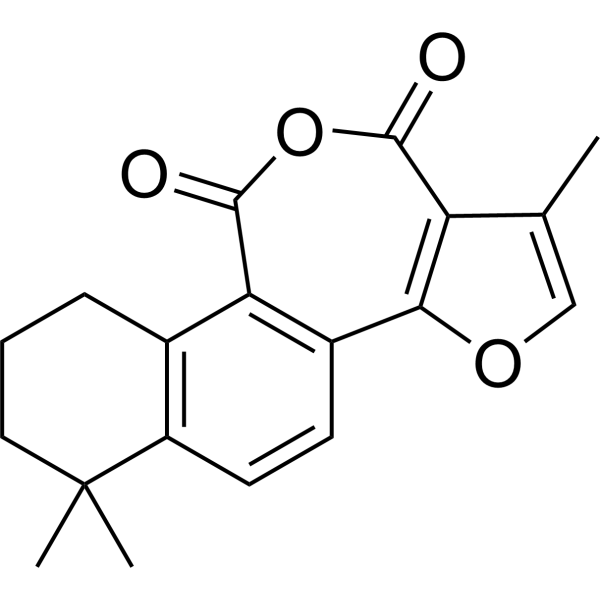
    Tanshinone IIA anhydride, present in root extracts of Salvia miltiorrhiza, acts as an inhibitor of human carboxylesterase (CE). Tanshinone IIA anhydride has a Ki value of 1.9 nM against hCE1 and a Ki value of 1.4 nM against hiCE. Tanshinone IIA anhydride forms a stable covalent complex with serine Ser221 at the active site of hCE1, blocking the catalytic cycle of carboxylesterase, and the activity of the inactivated enzyme cannot recover spontaneously. Tanshinone IIA anhydride is applicable in metabolism-related studies .
    Tanshinone IIA anhydride
  • HY-32735S

    PG490-d3

    Isotope-Labeled Compounds NF-κB Apoptosis Cancer
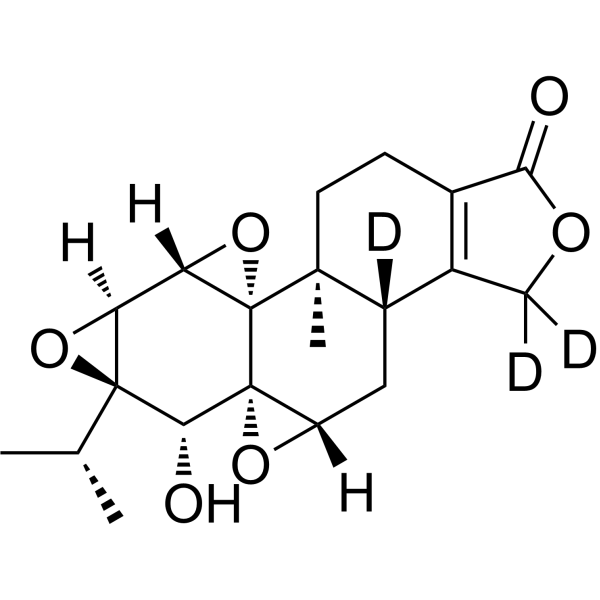
    Triptolide-d3 is the deuterium labeled Triptolide. Triptolide is a diterpenoid triepoxide extracted from the root of Tripterygium wilfordii with immunosuppressive, anti-inflammatory, antiproliferative and antitumour effects. Triptolide is a NF-κB activation inhibitor .
    Triptolide-d3
  • HY-N8761

    NO Synthase Metabolic Disease
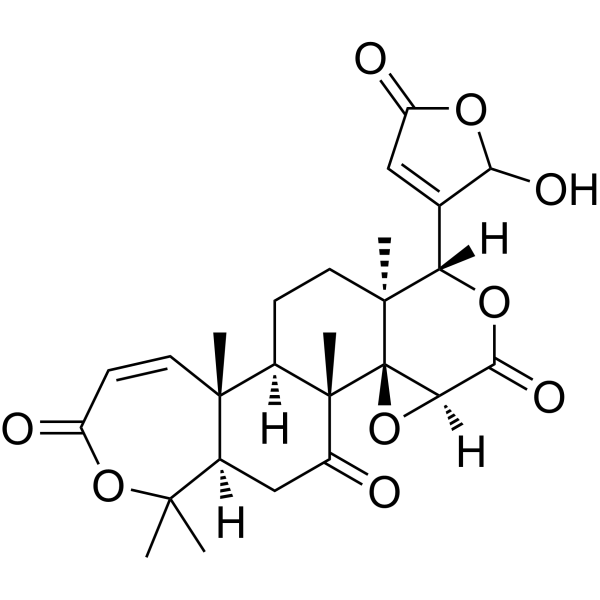
    Kihadanin A (compound 3) is a limonoid NOS3 inhibitor that can be isolated from the methanol extract of Dictamnus dasycarpus root bark. Kihadanin A is useful in the study of hyperuricemia (HUA) [3].
    Kihadanin A
  • HY-32735R

    PG490 (Standard)

    Reference Standards NF-κB Apoptosis Cancer
    Triptolide (Standard) is the analytical standard of Triptolide. This product is intended for research and analytical applications. Triptolide is a diterpenoid triepoxide extracted from the root of Tripterygium wilfordii with immunosuppressive, anti-inflammatory, antiproliferative and antitumour effects. Triptolide is a NF-κB activation inhibitor .
    Triptolide (Standard)
  • HY-N6973R
    Boldine (Standard)
    1 Publications Verification

    Reference Standards RANKL/RANK Inflammation/Immunology
    Boldine (Standard) is the analytical standard of Boldine. This product is intended for research and analytical applications. Boldine is an aporphine isoquinoline alkaloid extracted from the root of Litsea cubeba and also possesses these properties, including antioxidant, anti-inflammatory and cytoprotective effects. Boldine suppresses osteoclastogenesis, improves bone destruction by down-regulating the OPG/RANKL/RANK signal pathway and may be a potential therapeutic agent for rheumatoid arthritis .
    Boldine (Standard)
  • HY-N2205
    Esculentoside H
    2 Publications Verification

    NF-κB JNK Cancer
    Esculentoside H (EsH) is a saponin isolated from the root extract of perennial plant Phytolacca esculenta . Esculentoside H (EH) has anti-tumor activity, the mechanism is related to the capacity for TNFrelease . Esculentoside H (EsH) suppresses colon cancer cell migration through blockage of the JNK1/2 and NF-κB signaling-mediated matrix metalloproteinases-9 (MMP-9) expression .
    Esculentoside H
  • HY-P3071

    Stichodactyla helianthus neurotoxin

    Potassium Channel Neurological Disease Inflammation/Immunology
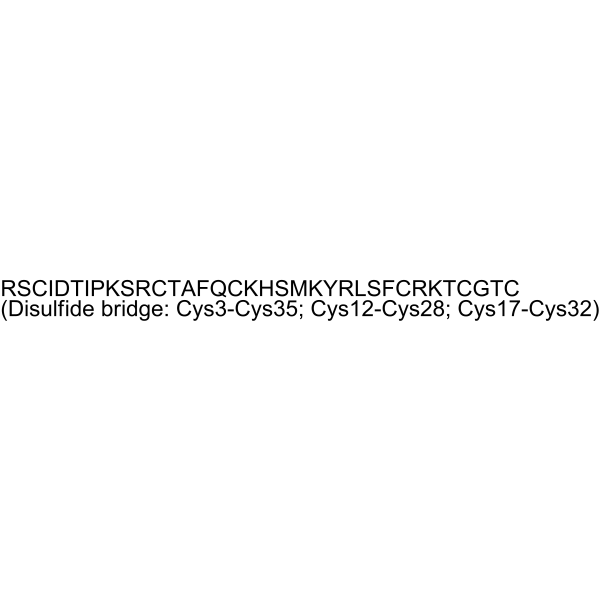
    ShK toxin blocks voltage-dependent potassium channel (Kv1.3 channel). ShK toxin can be isolated from the whole body extract of the Caribbean sea anemone (Stichodactylu helianthus). ShK toxin competes with dendrotoxin I and α-dendrotoxin for binding to synaptosomal membranes of rat brain, facilitates acetylcholine release. ShK toxin suppresses K+ currents in cultured rat dorsal root ganglion neurons. ShK toxin also inhibits T lymphocyte proliferation .
    ShK toxin
  • HY-107918

    Others Cardiovascular Disease
    Alkaloids, Rauwolfia is an extract of the whole root of Rauwolfia serpentina with antihypertensive effect .
    Alkaloids, Rauwolfia
  • HY-N10603

    Baihuaqianhuoside

    Others Inflammation/Immunology
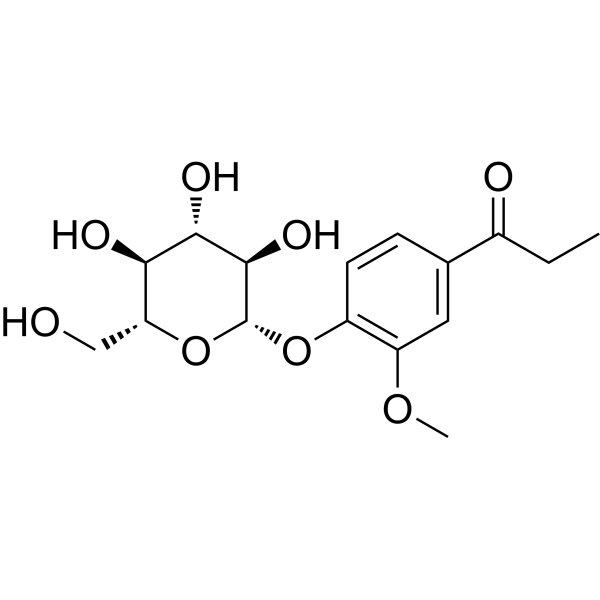
    Praeroside (Baihuaqianhuoside), a coumarin glycoside. Praeroside can be extracted from the root of Peucedanum praeruptorum and Heracleum dissectum. Praeroside shows anti-inflammatory activity in vitro. Praeroside can be used for the research of inflammation .
    Praeroside
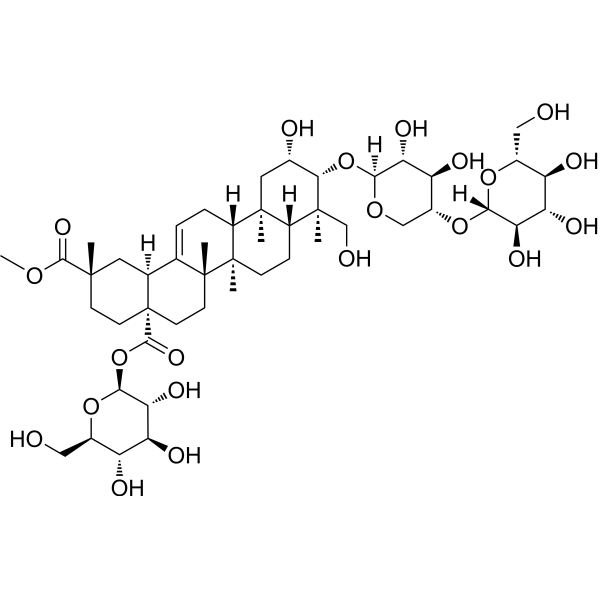
  • HY-N11020

    EBV Infection Inflammation/Immunology
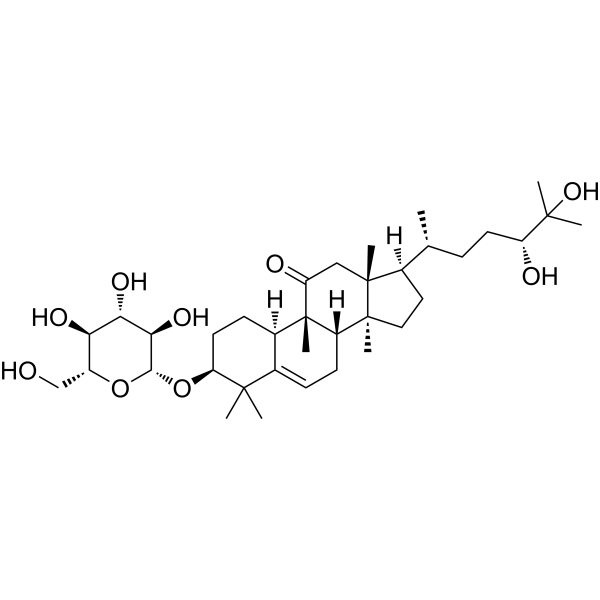
    Cabenoside D (compound 8) is a triterpenoid glycoside, which can be isolated from the methanol extract of lichen root. Cabenoside D shows anti-inflammatory activity and inhibits inflammation induced by 12-O-tetracylacyl hormone-13-acetate (TPA) in mice. Cabenoside D also inhibits TPA-induced Epstein-Barr virus (EBV) early antigen (EBV-EA) activation .
    Cabenoside D
  • HY-W017241

    1-Hydroxymethylnaphthalene

    Bacterial Biochemical Assay Reagents Infection
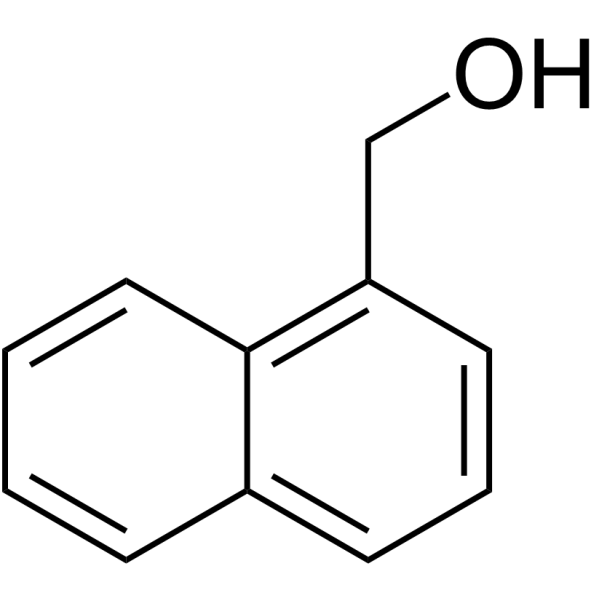
    1-Naphthalenemethanol is a hydroxyl-substituted naphthalene derivative. 1-Naphthalenemethanol can be extracted from the root of Annona senegalensis. 1-Naphthalenemethanol is a photolysis product of 1-napthaleneacetic acid. 1-Naphthalenemethanol, together with PAPS, provides some protection against the irreversible inactivation of AST IV caused by N-OH-2AF. 1-Naphthalenemethanol can be used in antibacterial research .
    1-Naphthalenemethanol
  • HY-N7399

    Environmental Pollutants Others
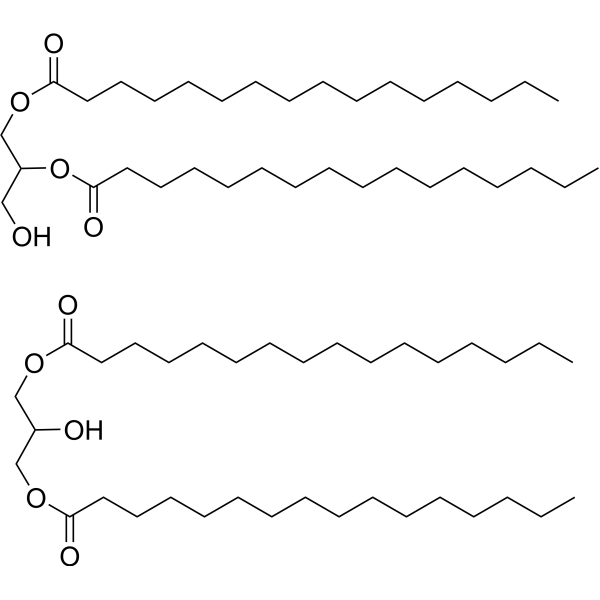
    Dipalmitin is an active product that can be extracted from root tuber of Typhonium giganteum Engl. Dipalmitin is a diacylglycerol that contains the saturated 16-carbon fatty acid Palmitic acid (HY-N0830) at two positions .
    Dipalmitin
  • HY-P3071A

    Stichodactyla helianthus neurotoxin TFA

    Potassium Channel Neurological Disease Inflammation/Immunology
    ShK toxin TFA (Stichodactyla helianthus neurotoxin TFA) is a neurotoxin. ShK toxin TFA blocks voltage-dependent potassium channel (Kv1.3 channel). ShK toxin TFA can be isolated from the whole body extract of the Caribbean sea anemone (Stichodactylu helianthus). ShK toxin TFA competes with dendrotoxin I and α-dendrotoxin for binding to synaptosomal membranes of rat brain, facilitates acetylcholine release. ShK toxin TFA suppresses K + currents in cultured rat dorsal root ganglion neurons. ShK toxin TFA also inhibits T lymphocyte proliferation .
    ShK toxin TFA
  • HY-N2481R

    Oroxyloside (Standard); Oroxylin A-7-O-β-D-glucuronide (Standard)

    Reference Standards Prolyl Endopeptidase (PREP) Drug Metabolite JNK PPAR NF-κB Interleukin Related Cardiovascular Disease Metabolic Disease Inflammation/Immunology Cancer
    Oroxylin A-7-O-glucuronide (Standard) is the analytical standard of Oroxylin A-7-O-glucuronide (HY-N2481). This product is intended for research and analytical applications. Oroxylin A-7-O-glucuronide (oroxyloside) is an orally active flavonoid glucuronide and metabolite of Oroxylin A (HY-N0560). Oroxylin A-7-O-glucuronide can be extracted from the dried root of Scutellaria baicalensis. Oroxylin A-7-O-glucuronide exhibits prolyl oligopeptidase inhibitory activity. Oroxylin A-7-O-glucuronide inhibits the JNK pathway, upregulates PPARγ, and inhibits NF-κB p65 nuclear translocation. Oroxylin A-7-O-glucuronide reduces cytokine (IL-1β, IL-6) production. Oroxylin A-7-O-glucuronide exhibits anti-angiogenic, anti-tumor (glioma, liver cancer), anti-inflammatory, and hepatoprotective activities .
    Oroxylin A-7-O-glucuronide (Standard)
  • HY-N19046

    Others Others
    Rehmannia Root Extract is derived from the root tuber of Rehmannia glutinosa Libosch. It contains catalpol, a variety of amino acids and sugars, mannitol, β-sitosterol and campesterol.
    Rehmannia root extract
  • HY-N18691

    Others Inflammation/Immunology
    Scutellaria Baicalensis Root Extract is a plant cosmetic raw material obtained from the dried root of Scutellaria baicalensis Georgi. Scutellaria Baicalensis Root Extract mainly contains two flavonoid active ingredients, baicalin and baicalein, which has strong biological activity and is a multi-effect cosmetic additive.
    Scutellaria baicalensis root extract
  • HY-N18672

    Others Others
    Valerian root solid extract is a substance extracted from the rhizome of valerian (Valeriana officinalis) and is commonly used in health products, pharmaceuticals, and cosmetics.
    Valerian root solid extract
  • HY-N12365

    Others Others
    Ginsenoside Rs2 is extracted from Panax ginseng root .
    Ginsenoside Rs2
  • HY-N8662

    Others Inflammation/Immunology
    Primulic acid II is a saponin isolated from root extract of Primula sp .
    Primulic acid II
  • HY-N5154

    Others Others
    Sanggenon W is an isoprenyl flavonoid extracted from mulberry root bark .
    Sanggenon W
  • HY-N7341

    Others Others
    8-Deacetylyunaconitine, a diterpenoid alkaloid, can be found in the root extract of A. forrestii .
    8-Deacetylyunaconitine
  • HY-N12014

    Others Others
    Triptotriterpenic acid C is a ursolic-type acid that can be isolated from total glycosides extracted from the root of Tripterygium wilfordii Hook.f. .
    Triptotriterpenic acid C
  • HY-119637

    Others Others
    Frangufoline is a 4(14)-type cyclopeptide alkaloid, that can be isolated from the root bark extract of Ziziphus cambodiana Pierre .
    Frangufoline
  • HY-N9478

    Glycosidase Others
    Sumaresinolic acid (compound 6) is a natural product which can be extracted from heterophyllum root . Sumaresinolic acid is a alpha-glucosidase inhibitor .
    Sumaresinolic acid
  • HY-N12579

    Others Inflammation/Immunology
    Desacylsenegasaponin B is an active product that can be extracted from root of Polygala tenuifolia. Desacylsenegasaponin B has potential anti-inflammatory activity .
    Desacylsenegasaponin B
  • HY-N12575

    Others Others
    Physcion-8-O-(6'-O-malonyl)-glucoside can be extracted from the root tuber of Polygonum multiflorum Thunb .
    Physcion-8-O-(6'-O-malonyl)-glucoside
  • HY-N1770

    3,4-Didehydrosapriparaquione

    Others Others
    12-Hydroxysapriparaquinone (compound 8) is a rearranged 4,5-seco-abietane diterpenoid isolated from the petroleum ether extract of the root of Salvia rhytidea .
    12-Hydroxysapriparaquinone
  • HY-N0174R

    Cryptotanshinon (Standard); Tanshinone c (Standard)

    Reference Standards STAT Autophagy Cancer
    Cryptotanshinone (Standard) is the analytical standard of Cryptotanshinone. This product is intended for research and analytical applications. Cryptotanshinone is a natural compound extracted from the root of Salvia miltiorrhiza Bunge that shows antitumor activities. Cryptotanshinone inhibits STAT3 with an IC50 of 4.6 μM.
    Cryptotanshinone (Standard)
  • HY-W654377

    Isotope-Labeled Compounds Apoptosis NF-κB Cancer
    Triptolide-d3 (major) (>90%) is the deuterium labeled Triptolide (HY-32735). Triptolide is a diterpenoid triepoxide extracted from the root of Tripterygium wilfordii with immunosuppressive, anti-inflammatory, antiproliferative and antitumour effects. Triptolide is a NF-κB activation inhibitor .
    Triptolide-d3 (major) (>90%)
  • HY-N2939

    Others Others
    Bis-5,5-Nortrachelogenin is isolated from active extract of root of Wikstroemia indica. Bis-5,5-Nortrachelogenin inhibits nitric oxide (NO) production in a lipopolysaccharide (LPS) and recombinant mouse interferon-γ(IFN-γ) activated murine macrophage-like cell line, RAW 264.7 with an IC50 value of 48.6 mM .
    Bis-5,5-Nortrachelogenin
  • HY-N2132R

    Flavokavain B (Standard)

    Reference Standards Apoptosis Cancer
    Flavokawain B (Standard) is the analytical standard of Flavokawain B. This product is intended for research and analytical applications. Flavokawain B (Flavokavain B) is a chalcone isolated from the root extracts of kava-kava plant and a potent apoptosis inducer for inhibiting the growth of various cancer cell lines. Flavokawain B (Flavokavain B) shows strong antiangiogenic activity. Flavokawain B (Flavokavain B) inhibits human brain endothelial cell (HUVEC) migration and tube formation with very low and non-toxic concentrations .
    Flavokawain B (Standard)
  • HY-N0434R

    Reference Standards C-type Lectin-like Receptors (CTLRs) Apoptosis Dengue Virus Infection Cancer
    Astragaloside III (Standard) is the analytical standard of Astragaloside III (HY-N0434). This product is intended for research and analytical applications. Astragaloside III is a triterpenoid saponin. Astragaloside III can be extracted from Astragalus root. Astragaloside III increases NKG2D and induces TACE phosphorylation. Astragaloside III induces Apoptosis. Astragaloside III has antiviral activity against dengue serotypes 1 and 3. Astragaloside III has anticancer activity against breast and colon cancer .
    Astragaloside III (Standard)
  • HY-W017241R

    1-Hydroxymethylnaphthalene (Standard)

    Reference Standards Bacterial Biochemical Assay Reagents Infection
    1-Naphthalenemethanol (Standard) is the analytical standard of 1-Naphthalenemethanol (HY-W017241). This product is intended for research and analytical applications. 1-Naphthalenemethanol is a hydroxyl-substituted naphthalene derivative. 1-Naphthalenemethanol can be extracted from the root of Annona senegalensis. 1-Naphthalenemethanol is a photolysis product of 1-napthaleneacetic acid. 1-Naphthalenemethanol, together with PAPS, provides some protection against the irreversible inactivation of AST IV caused by N-OH-2AF. 1-Naphthalenemethanol can be used in antibacterial research .
    1-Naphthalenemethanol (Standard)
  • HY-N0373R

    Reference Standards Amyloid-β Apoptosis NOD-like Receptor (NLR) Neurological Disease
    Licochalcone B (Standard) is the analytical standard of Licochalcone B. This product is intended for research and analytical applications. Licochalcone B is an extract from the root of Glycyrrhiza uralensis. Licochalcone B inhibits amyloid β (42) self-aggregation (IC50=2.16 μM) and disaggregate pre-formed Aβ42 fibrils, reduce metal-induced Aβ42 aggregation through chelating metal ionsLicochalcone B inhibits phosphorylation of NF-κB p65 in LPS signaling pathway. Licochalcone B inhibits growth and induces apoptosis of NSCLC cells. Licochalcone B specifically inhibits the NLRP3 inflammasome by disrupting NEK7‐NLRP3 interaction .
    Licochalcone B (Standard)
  • HY-N8737

    Others Others
    Desrhamnosylmartynosideis extracted from the root of Scutellaria prostrata. Desrhamnosylmartynoside has absorption bands assignable to hydroxyl,α,β-unsanturate carbonyl groups .
    Desrhamnosylmartynoside
  • HY-N17537

    Drug Derivative Others
    Norwogonin-7-O-glucoside is a flavonoid found in the root of Scutellaria discolor COLEBR .
    Norwogonin-7-O-glucoside
  • HY-N17559

    Others Others
    Praeroside V is an angular-type pyranocoumarm glycoside. Praeroside V can be isolated from the n-butanol extracts of Bai-Hua Qian-Hu, the root of Peucedanum praeruptorum Dunn .
    Praeroside V
  • HY-N19073

    Others Inflammation/Immunology
    Picrorrhiza kurroa extract is derived from the root of the Picrorrhiza kurroa plant. Its active ingredients include matrine I, matrine II, oleanolic acid, and triterpenoids, which give it hepatoprotective, anti-inflammatory, antioxidant, and immunomodulatory effects.
    Picrorrhiza kurroa extract
  • HY-N18182

    Glycosidase Inflammation/Immunology
    Mudanpioside E is an orally effective paeoniflorin-type monoterpene glycoside antiallergic agent, with an IC50 of 40.34 μM against IgE-mediated β-hexosaminidase release. Mudanpioside E reverses the inhibitory effect of the modified Xiaoqinglong Decoction extract (paeonia root component removed) on passive cutaneous anaphylaxis in mice. Mudanpioside E itself shows no activity against passive cutaneous anaphylaxis. Mudanpioside E can be used in research related to allergic diseases .
    Mudanpioside E
  • HY-N17966

    Others Others
    Puerarin-6"-O-glucoside (Compound 2) is an isoflavonoid compound that can be isolated from the roots of Pueraria lobata (Wild.) Ohwi .
    Puerarin-6

Inquiry Online

Your information is safe with us. * Required Fields.

Salutation


Country or Region *

Applicant Name *


Organization Name *

Department *


Email Address *


Product Name *

Cat. No.


Requested quantity *

Phone Number *


Remarks

Inquiry Online

Inquiry Information

Product Name:
Cat. No.:
Quantity:
MCE Japan Authorized Agent:

