

Search Result
Results for "
subcutaneous
" in MedChemExpress (MCE) Product Catalog:
1
Biochemical Assay Reagents
1
Isotope-Labeled Compounds
| Cat. No. |
Product Name |
Target |
Research Areas |
Chemical Structure |
-
- HY-P991015
-
|
JNJ-78278343; KLCB-245
|
CD3
|
Cancer
|
|
Pasritamig (JNJ-78278343; KLCB-245) is a bispecific T-cell engager (BiTE) that targets the complex of human kallikrein KLK2 and CD3 receptor. Pasritamig redirects the cytotoxicity of T cells to KLK2-expressing tumor cells and induces T cell-mediated lysis of KLK2-expressing prostate cancer cells. Administered via subcutaneous injection, subcutaneous infusion or intravenous infusion, Pasritamig exhibits antitumor activity against metastatic castration-resistant prostate cancer. Pasritamig has a safety profile with an extremely low incidence of cytokine release syndrome and can be safely administered in an outpatient setting. Pasritamig is applicable to the research of metastatic castration-resistant prostate cancer .
|
-
-
- HY-132589
-
-
-
- HY-107574
-
|
|
Histone Methyltransferase
AP-1
NF-κB
PKA
|
Metabolic Disease
Inflammation/Immunology
Cancer
|
|
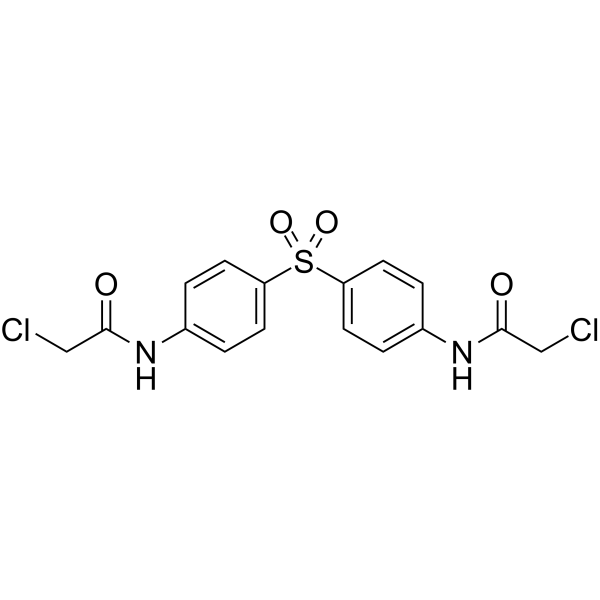
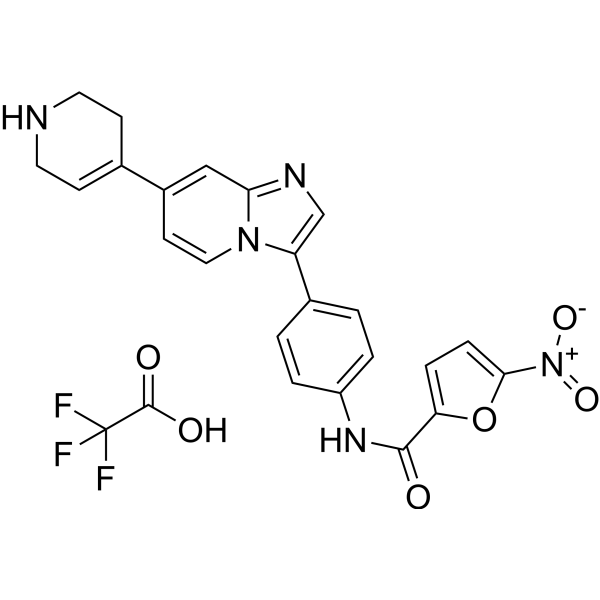
TC-E 5003 is a selective protein arginine methyltransferase 1 (PRMT1) inhibitor with an IC50 of 1.5 µM against hPRMT1. TC-E 5003 modulates the lipopolysaccharide (LPS) (HY-D1056)-induced AP-1 and NF-κB signaling pathways with anti-inflammatory properties. TC-E 5003 also upregulates the expression of Ucp1 and Fgf21, activates protein kinase A signaling and lipolysis in primary subcutaneous adipocytes from both mouse and humans. TC-E 5003 is promising for research of obesity and associated metabolic disorders, oxidative stress, inflammation and cancers .
|
-
-
- HY-156618
-
|
ABSK011
|
FGFR
|
Cancer
|
|
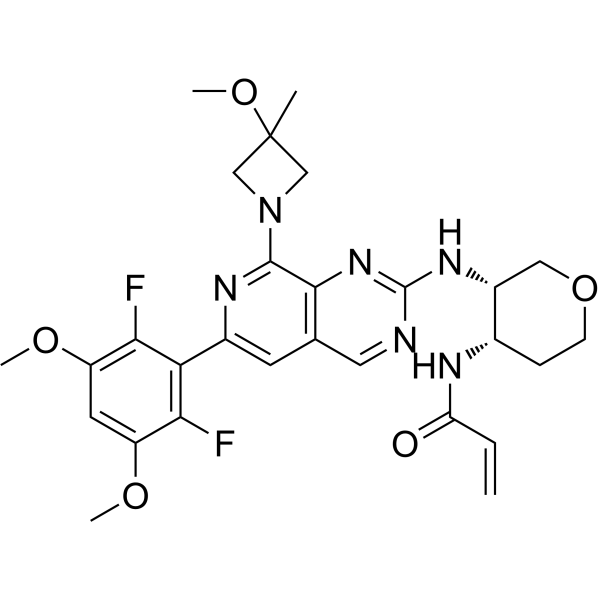
Irpagratinib (ABSK011) is an orally active FGFR4 inhibitor (IC50<10 nM). Irpagratinib inhibits FGFR4 autophosphorylation and blocks signaling from FGFR4 to downstream pathway activation. Irpagratinib has shown high exposure in PK studies in mice, rats, and dogs, and also demonstrated antitumor activity in a subcutaneous xenograft tumor model .
|
-
-
- HY-W440896
-
|
|
Liposome
|
Others
|
|
DSPE-PEG2000-SH is an amphiphilic thiol-functionalized DSPE-PEG molecule. DSPE-PEG2000-SH inserts into extracellular vesicle (EV) bilayer membranes via hydrophobic interactions, displaying surface thiol groups to form EV-SH crosslinkers.DSPE-PEG2000-SH enables crosslinking of EV-SH with 8-arm PEG-norbornene via thiol-ene photochemistry to construct hydrogels, with hydrogel mechanical properties tunable via PEG segment molecular weight variation.DSPE-PEG2000-SH can be used to encapsulate agents for drug delivery system, such as mRNA vaccine .
|
-
-
- HY-B1018A
-
|
|
Monoamine Oxidase
GABA Receptor
Histone Demethylase
|
Cardiovascular Disease
Neurological Disease
Metabolic Disease
Inflammation/Immunology
Cancer
|
|
Phenelzine sulfate, an antidepressant agent, is an irreversible and orally active monoamine oxidase (MAO-A and MAO-B) inhibitor. Phenelzine sulfate inhibits GABA transaminase and primary amine oxidase (PrAO), and sequester reactive aldehydes. Phenelzine sulfate also inhibits LSD1 (Ki: 5.6 μM) and suppresses oxidative stress and lipogenesis. Phenelzine sulfate elevates neurotransmitters (serotonin, norepinephrine, dopamine). Phenelzine sulfate is studied in neurological, metabolic and cancer diseases for depression and anxiety disorders, stroke, spinal cord injury, traumatic brain injury, multiple sclerosis, Parkinson’s disease, Alzheimer’s disease, inflammatory pain, obesity and prostate cancer .
|
-
-
- HY-P9992
-
|
BAY-2315497; PSMA-TTC
|
PSMA
Apoptosis
|
Cancer
|
|
Peligifatamab is a PSMA-targeted α-radioimmunoconjugate with an EC50 of 1.2 nM against human targets. Peligifatamab induces DNA damage, DNA double-strand breaks, cell cycle arrest and apoptosis (Apoptosis) in PSMA-positive prostate cancer cells. Peligifatamab reduces cell viability in a manner dependent on cellular PSMA expression levels. Peligifatamab inhibits tumor growth and tumor-induced abnormal bone growth in prostate cancer bone metastasis models. Peligifatamab exhibits antitumor efficacy in subcutaneous prostate cancer models and xenograft models. Peligifatamab can be used for the research of metastatic castration-resistant prostate cancer .
|
-
-
- HY-N6017
-
|
|
HDAC
TNF Receptor
Interleukin Related
TGF-β Receptor
IFNAR
PI3K
PKC
Akt
GSK-3
Caspase
Apoptosis
|
Cancer
|
|
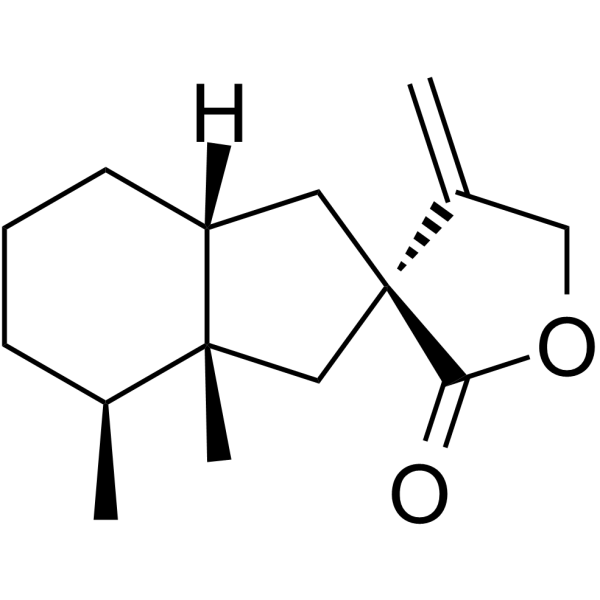
Bakkenolide A is an anticancer agent. Bakkenolide A reduces the viability of leukemia cells, inhibits cell colony formation and invasion, and downregulates the expression of HDAC3 in cells. Bakkenolide A downregulates the expression of pro-inflammatory cytokines including TNF-α, interleukins such as IL-1β, TGF-β1 and IFN-γ, as well as the expression of PI3K, PDK and PKC in leukemia cells. Bakkenolide A downregulates activated Akt, GSK and Bad, while upregulates Cyto-c, cleaved Caspase3 and cleaved Caspase7, induces apoptosis (apoptosis) in leukemia cells and thereby inhibits inflammatory responses in leukemia cells. Bakkenolide A significantly slows the growth of subcutaneous leukemia tumors in nude mice. Bakkenolide A is applicable to leukemia-related research .
|
-
-
- HY-14608R
-
|
|
Reference Standards
Endogenous Metabolite
iGluR
Ferroptosis
Apoptosis
|
Neurological Disease
|
L-Glutamic acid (Standard) is the analytical standard of L-Glutamic acid. This product is intended for research and analytical applications. L-Glutamic acid is an excitatory amino acid neurotransmitter that acts as an agonist for all subtypes of glutamate receptors (metabolic rhodophylline, NMDA, and AMPA). L-Glutamic acid has an agonist effect on the release of DA from dopaminergic nerve endings. L-Glutamic acid can be used in the study of neurological diseases .
IC50 & Target:DA .
In Vitro: L-Glutamic acid (120, 500, 750, 1000 mg/dL) can reduce the harmful effect of lithium on the embryonic development of Xenopus Xenopus .
L-Glutamic acid (2, 5, 10, 20 mM, 24-48 h) can induce neuroexcitotoxicity in neuroblastoma .
In Vivo: L-Glutamic acid (3 g/kg, subcutaneous injection) can promote excitotoxic degeneration of retinal ganglion cells in mice .
L-Glutamic acid (750 mg/kg, intraperitoneal injection) can reduce and inhibit oxidative stress induced by chlorpyrifos (CPF) in rats .
|
-
-
- HY-107580
-
|
|
GPR109A
|
Cardiovascular Disease
Metabolic Disease
Inflammation/Immunology
|
|
GPR109 receptor agonist-1 is a highly selective agonist of the human orphan G protein-coupled receptor GPR109b, and does not activate the mouse homologous receptor PUMA-G. GPR109 receptor agonist-1 functionally modulates the human GPR109b receptor via the cAMP signaling pathway, with an EC50 of 400 nM. GPR109 receptor agonist-1 inhibits isoproterenol (HY-B0468)-stimulated lipolysis in human subcutaneous adipocytes, with efficacy comparable to that of Niacin (HY-B0143), and does not act on β-adrenergic receptors. GPR109 receptor agonist-1 can be used in studies related to dyslipidemia and atherosclerosis .
|
-
-
- HY-120692
-
|
|
JAK
STAT
Apoptosis
|
Cancer
|
|
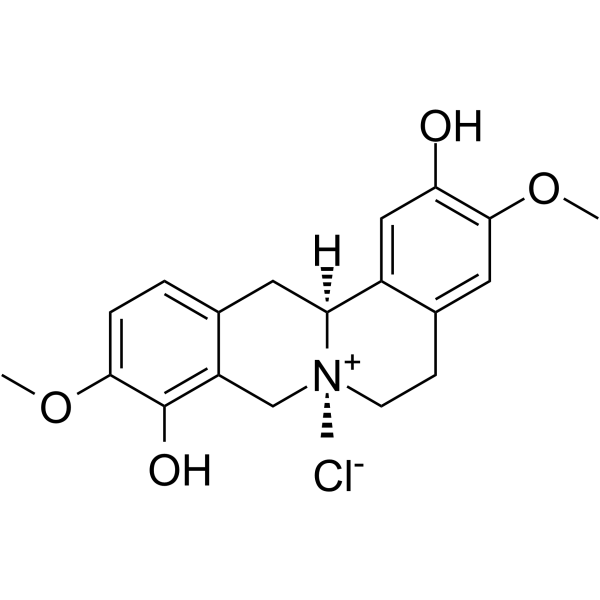
Cyclanoline chloride is an alkaloid. Cyclanoline chloride can be isolated from Fangji. Cyclanoline (chloride) inhibits the phosphorylation of JAK2 and STAT3, and induces Apoptosis. Cyclanoline chloride suppresses tumor growth in subcutaneous bladder cancer xenograft models of nude mice. Cyclanoline chloride reverses cisplatin resistance in bladder cancer cells and enhances the efficacy of Cisplatin (HY-17394). Cyclanoline chloride can be used for research related to bladder cancer .
|
-
-
- HY-P10026
-
|
LY-3457263
|
Neuropeptide Y Receptor
|
Metabolic Disease
|
|
Nisotirotide (LY-3457263) is a subcutaneous injectable NPY2 receptor agonist. By mimicking peptide YY (PYY), Nisotirotide inhibits appetite and can be used in the research of diseases such as obesity and diabetes .
|
-
-
- HY-P9990
-
-
-
- HY-P991212
-
|
ALT-B4
|
Glycosidase
|
Cancer
|
|
Berahyaluronidase alfa (ALT-B4) is a recombinant hyaluronidase engineered from human hyaluronidase PH20. Berahyaluronidase alfa features favorable structural stability and enzymatic activity, and can be used to enhance drug absorption and dispersion in subcutaneous or intradermal administration .
|
-
-
- HY-P5225
-
|
|
PGC-1α
|
Others
|
|
Acetyl hexapeptide-38 is a tissue repair promoter that targets fibroblasts in the dermis of the skin. It works by promoting collagen synthesis in the dermis and thickening of subcutaneous fat. Acetyl hexapeptide-38 can activate the skin repair mechanism, increase the collagen content in the dermis, improve the skin tissue structure, and has the activity of promoting local tissue repair. Acetyl hexapeptide-38 can be used in the field of cosmetic medicine to repair congenital soft tissue defects, reduce tear grooves and nasolabial folds, eliminate postoperative scars, and conduct micro-plastic surgery of skin tissue .
|
-
-
- HY-P99925
-
|
REGN421
|
Notch
|
Metabolic Disease
Cancer
|
|
Enoticumab (REGN421, SAR153192) is an IgG1κ antibody targeting human Dll4. DLL4 is a ligand of the Notch signaling pathway and regulates fatty acid uptake through non-transcriptional regulation of macropinocytosis-dependent long-chain fatty acid uptake. Specific in vivo activity of Enoticumab in an ovarian xenograft model. EGN421 (2.5 mg/kg once weekly) resulted in 86% and 83% tumor growth inhibition in mouse subcutaneous TOV-112D or intraperitoneal A2780 human tumor xenograft models, respectively .
|
-
-
- HY-134635
-
|
|
Bacterial
Fungal
HIV
CDK
|
Infection
Cancer
|
|
Dehydrozingerone is a ginger-derived component and cyclin D1 inhibitor that downregulates cyclin D1 expression and induces cell cycle G1 phase arrest. Dehydrozingerone reduces the proliferative capacity of castration-resistant prostate cancer cells under in vitro conditions. Dehydrozingerone reduces subcutaneous tumor growth by inhibiting cell proliferation and angiogenesis. Dehydrozingerone exerts antibacterial and antifungal activities via its α,β-unsaturated carbonyl conjugated system. Dehydrozingerone can be used in studies related to castration-resistant prostate cancer, bacterial infections, and food spoilage fungal infections .
|
-
-
- HY-155079
-
|
|
EGFR
|
Cancer
|
|
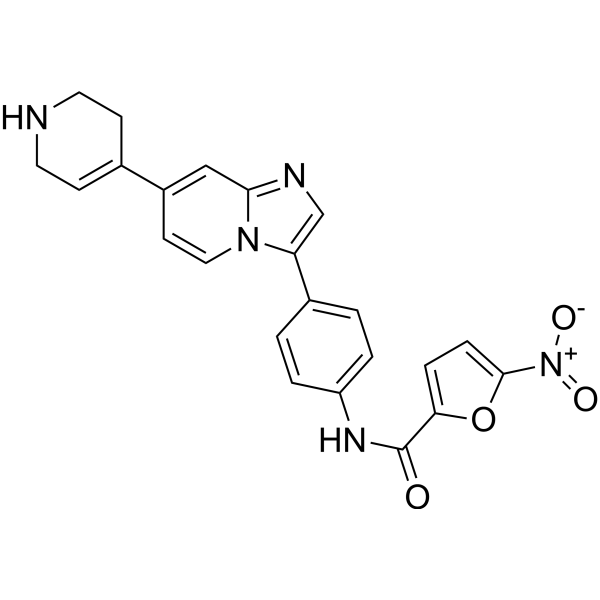
DZD1516 is a potent and selective HER2 inhibitor (IC50=0.56 nM) with good blood-brain permeability. DZD1516 exhibits antitumor activity in CNS and subcutaneous xenograft mouse models .
|
-
-
- HY-163001
-
|
|
Autophagy
p62
Atg8/LC3
|
Cancer
|
|
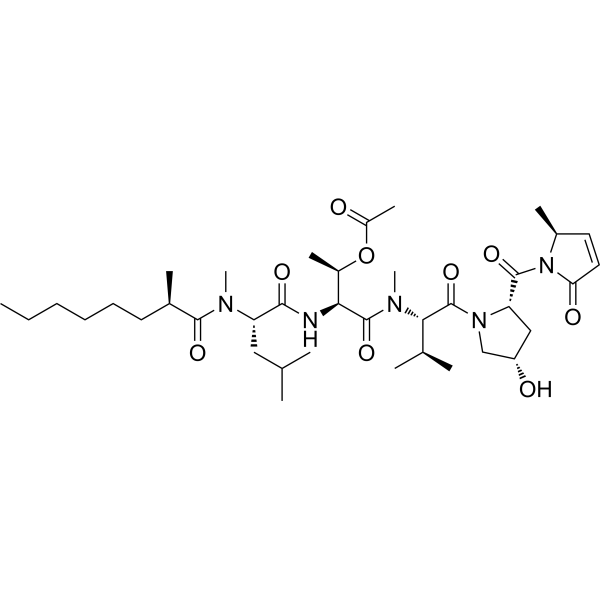
Microcolin H is a marine lipopeptide and phosphatidylinositol transfer protein ligand that targets PITPα/β. Microcolin H increases the conversion of LC3I to LC3II and reduces p62 levels in cancer cells, leading to autophagy cell death (Autophagy). Microcolin H effectively inhibits tumor development and has anti-proliferative activity in nude mouse subcutaneous tumor models .
|
-
-
- HY-N3389
-
|
|
SARS-CoV
Sirtuin
CDK
Apoptosis
|
Infection
Metabolic Disease
Cancer
|
|
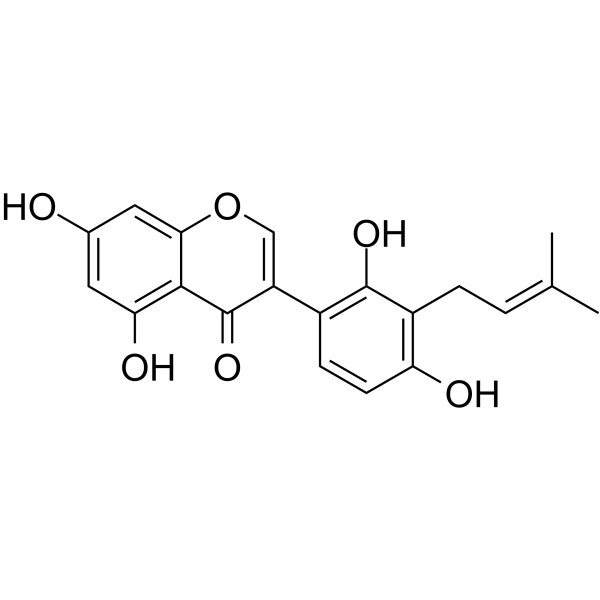
Licoisoflavone A is an orally active isoflavone. Licoisoflavone A inhibits proliferation, induces apoptosis, and causes G1/S phase arrest in colorectal cancer (CRC) cells. Licoisoflavone A inhibits the CDK2-Cyclin E1 axis. Licoisoflavone A inhibits lipid peroxidation with an IC50 of 7.2 μM. Licoisoflavone A shows a dose-dependent inhibition effect on SARS-CoV-2 infection. Licoisoflavone A exhibits significant anti-tumor efficacy in mice bearing CT26 cell subcutaneous xenografts. Licoisoflavone A can be used for the study of colorectal cancer and SARS-CoV-2 infection .
|
-
-
- HY-P11339
-
|
|
Integrin
|
Cancer
|
|
c-RGD-SH is a ligand for integrin αvβ3 (Integrin αvβ3). Conjugation of c-RGD-SH with core-crosslinked polymeric micelles (CCPM) enables the synthesis of a bimodal nanoprobe, which can be labeled with Cy7 and 111In for SPECT and NIRF imaging of tumors .
|
-
-
- HY-W021450A
-
|
|
Biochemical Assay Reagents
|
Neurological Disease
|
|
DL-Fluorocitric acid barium is a glial cell metabolic inhibitor. DL-Fluorocitric acid barium inhibits mechanical hyperalgesia induced by subcutaneous injection of complete Freund's adjuvant in rats. DL-Fluorocitric acid barium inhibits nociceptive behaviors induced by Histamine (HY-B1204) in mice and blocks the phosphorylation of the NMDA receptor NR1 subunit in the lumbar spinal cord of mice. DL-Fluorocitric acid (barium) can be used in the research of mechanical hyperalgesia and nociceptive pain .
|
-
-
- HY-W272217S
-
|
n-Octacosane-d58; NSC 5549-d58
|
Bacterial
Endogenous Metabolite
|
Cancer
|
|
Octacosane-d58 is the deuterium labeled Octacosane . Octacosane is an endogenous metabolite with antibacterial activity. Octacosane shows high cytotoxicity against murine melanoma B16F10-Nex2 cells besides inducing protection against a grafted subcutaneous melanoma. Octacosane has the larvicidal activity against mosquito Culex quinquefasciatus with the LC50 concentration of 7.2 mg/l .
|
-
-
- HY-P3455
-
|
|
PGC-1α
|
Metabolic Disease
Cancer
|
|
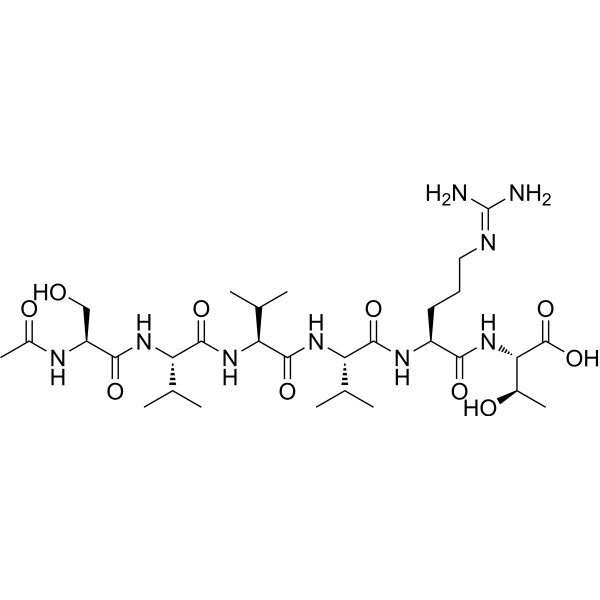
Ac-SVVVRT-NH2 is a PGC-1α modulator that modulates the activity of the human PGC-1α promoter (114%). Ac-SVVVRT-NH2 increases PGC-1α mRNA (125%) and accumulation of intracellular lipids (128%) in subcutaneous human adipocytes. Ac-SVVVRT-NH2 can be used in the research of diseases which is modulated by PGC-1α .
|
-
-
- HY-153190
-
W1131
1 Publications Verification
|
Oxidative Phosphorylation
STAT
Ferroptosis
|
Cancer
|
|
W1131 is a potent STAT3 inhibitor, triggering ferroptosis. W1131 suppresses cancer progression in gastric cancer cell subcutaneous xenograft model, organoids model, and PDX model. W1131 effectively alleviates chemical resistance of cancer cells to 5-FU (HY-90006). W1131 regulates cell cycle, DNA damage response, and oxidative phosphorylation, including IL6-JAK-STAT3 pathway and ferroptosis pathway .
|
-
-
- HY-175381
-
|
|
PROTACs
Pyroptosis
Reactive Oxygen Species (ROS)
Caspase
|
Cancer
|
|
DeFer-2 is a ferritin PROTAC degrader (Kd = 17.1 μM). DeFer-2 induces ferritin degradation, triggering caspase 3-GSDME-mediated pyroptosis in cancer cells through free iron accumulation and elevated ROS. DeFer-2 significantly inhibits tumor growth and prolongs survival in mice bearing B16F10 subcutaneous tumors. DeFer-2 can be used to study melanoma. (Pink: Oleic acid: HY-N1446, Blue: (S,R,S)-AHPC: HY-125845, Black: γ-Aminobutyric acid: HY-N0067, Blue + Black: (S,R,S)-AHPC-C3-NH2: HY-130711) .
|
-
-
- HY-172241
-
|
RZL-012; Utenpanium chloride
|
Ser/Thr Kinase
|
Metabolic Disease
|
|
Tapencarium (RZL-012) is a serine/threonine kinase inhibitor. Tapencarium can reduce subcutaneous fat volume. Tapencarium is promising for research of fat-related disorders such as Dercum’s disease and aesthetic applications .
|
-
-
- HY-W272217
-
|
n-Octacosane; NSC 5549
|
Endogenous Metabolite
Bacterial
|
Inflammation/Immunology
Cancer
|
|
Octacosane is an endogenous metabolite with antibacterial activity. Octacosane shows high cytotoxicity against murine melanoma B16F10-Nex2 cells besides inducing protection against a grafted subcutaneous melanoma. Octacosane has the larvicidal activity against mosquito Culex quinquefasciatus with the LC50 concentration of 7.2 mg/l .
|
-
-
- HY-150158
-
|
|
Toll-like Receptor (TLR)
|
Cancer
|
|
TMX-201 is a TLR7 ligand-phospholipid conjugate. TMX-201 shows potent immune stimulatory activity. TMX-201 can be used for breast cancer and melanoma research .
|
-
-
- HY-13554
-
|
|
Antibiotic
|
Cancer
|
|
Annamycin is an anthracycline antibiotic with antitumor activity. Annamycin interacts with topoisomerase II, induces double-strand DNA breaks, triggers cell death, and exerts cytotoxic effects. In mice, Annamycin inhibits the growth of advanced subcutaneous melanoma and subcutaneous squamous cell carcinoma, and prolongs the survival of mice with subcutaneous reticulosarcoma and in lung cancer lung metastasis models. Annamycin can be used in research related to melanoma, reticulum cell sarcoma, lung cancer, non-small cell lung cancer, small cell lung cancer .
|
-
-
- HY-163281
-
|
|
Fluorescent Dye
|
Cancer
|
|
FSY-OSO2F shows an uptake in MCF-7 cells through the regulation of L-Tyr, ASC, and ASC2 transporters. FSY-OSO2F can be used as a PET tracer, when labeled with 18F, and exhibits good uptake and good contrast in MCF-7 and 22Rv1 subcutaneous tumors .
|
-
-
- HY-144720
-
|
|
SWI/SNF Complex
|
Cancer
|
|
BRG1-IN-1 (Compound 11d) is a potent inhibitor of SMARCA4/BRG1. BRG1-IN-1 shows better efficacy than PFI-3 in sensitizing GBM cells to the antiproliferative and cell death inducing effects of Temozolomide in vitro. BRG1-IN-1 enhances the inhibitor effect of Temozolomide on the growth of subcutaneous GBM tumors .
|
-
-
- HY-125135
-
|
β-Peltatin
|
Apoptosis
Bcl-2 Family
Caspase
PARP
|
Cancer
|
|
(-)-β-Peltatin is an aryltetrahydronaphthalene lignan. (-)-β-Peltatin exhibits antitumor activity and cytotoxicity against pancreatic cancer cells. (-)-β-Peltatin induces G2/M cell cycle arrest and apoptosis in pancreatic cancer cells. (-)-β-Peltatin inhibits the growth of subcutaneous xenografts of pancreatic cancer cells in nude mice. (-)-β-Peltatin can be used in pancreatic cancer-related research .
|
-
-
- HY-175660
-
|
|
Heme Oxygenase (HO)
|
Cancer
|
|
KCL-HO-1i is an orally active heme oxygenase-1 (HO-1) inhibitor (rat HO-1: IC50 = 123 nM) and human HO-1: IC50 = 128 nM). KCL-HO-1i targets immunosuppressive LYVE-1 + perivascular tumor-associated macrophages (PvTAMs) in the tumor microenvironment (TME), reduces PvTAM-mediated immune exclusion. KCL-HO-1i demonstrates synergistic anti-tumor efficacy with chemotherapy in MMTV-PyMT spontaneous breast cancer mice or C57Bl/6 mice bearing subcutaneous MN-MCA1 sarcomas. KCL-HO-1i can be used for the study of cancer .
|
-
-
- HY-174984
-
|
|
p97
Caspase
p62
|
Cancer
|
|
VCP/p97 IN-3 is a VCP/p97 allosteric inhibitor. VCP/p97 IN-3 shows the inhibitory activity against the VCP proteins with an IC50 of 9 nM and the mutant VCP proteins with IC50 of 12 nM (N660K) and 19 nM (V474A/D649A). VCP/p97 IN-3 increases K48-linked ubiquitination and the level of cleaved caspase-3. VCP/p97 IN-3 activates ER-stress and the UPR. VCP/p97 IN-3 inhibits tumor growth in RPMI-8226 cell subcutaneous xenograft mouse models. VCP/p97 IN-3 can be used for the study of multiple myeloma .
|
-
-
- HY-178858
-
|
|
PROTACs
FLT3
Checkpoint Kinase (Chk)
STAT
ERK
c-Myc
Akt
|
Cancer
|
|
PROTAC FLT3/CHK1 Degrader-1 is a PROTAC FLT3/CHK1 degrader, with DC50 values of 5.88 nM (FLT3) and 4.17 nM (CHK1), respectively. PROTAC FLT3/CHK1 Degrader-1 can inhibit the phosphorylation of FLT3 downstream signaling effectors STAT5 (Tyr694), AKT (Ser473), and ERK (Tyr204), downregulate the protein level of c-Myc and maintain the expression of p53 protein. PROTAC FLT3/CHK1 Degrader-1 induces apoptosis in MV-4-11 cells. PROTAC FLT3/CHK1 Degrader-1 shows significant anti-tumor efficacy in mice bearing MV-4-11 subcutaneous xenografts. PROTAC FLT3/CHK1 Degrader-1 can be used for the study of acute myeloid leukemia (AML). (Pink: FLT3/CHK1 ligand (HY-178869 ), Blue: CRBN Ligand (HY-W093272), Black: Linker, E3 ligase ligand-linker conjugate (HY-W998238)) .
|
-
-
- HY-W615797
-
|
|
Drug Derivative
|
Cancer
|
|
DL-Sarcolysine is an alkylating agent-based antitumor agent. DL-Sarcolysine shows significant inhibitory activity against solid tumors transplanted subcutaneously and in the abdominal cavity .
|
-
-
- HY-W751579
-
|
|
Bacterial
Antibiotic
|
Infection
|
|
Cefovecin is a third-generation cephalosporin antibiotic. Cefovecin's most notable characteristic is its extremely long-lasting effect; a single subcutaneous injection can maintain an effective therapeutic concentration in tissues for up to 14 days. Cefovecin is used in research on bacterial infections in dogs and cats .
|
-
-
- HY-A0069A
-
|
|
Histamine Receptor
Cytochrome P450
|
Neurological Disease
Metabolic Disease
|
|
Doxylamine is a first-generation antihistamine and acts as a histamine H1 receptor antagonist. Doxylamine is orally active, possessing analgesic and hypnotic activities. Doxylamine enhances the activities of CYP2B, CYP2A, CYP3A and thyroxine-glucuronosyltransferase via promoting substrate hydroxylation and thyroxine metabolic pathways. Doxylamine decreases serum thyroxine (T4) level and elevates serum thyroid-stimulating hormone (TSH) level. Doxylamine induces liver enlargement and increases the activities of hepatic microsomal cytochrome P450, cytochrome b5 and NADPH-cytochrome c reductase. Doxylamine can be used for the research of nausea, allergy, insomnia .
|
-
-
- HY-A0069R
-
|
|
Reference Standards
Histamine Receptor
Cytochrome P450
|
Neurological Disease
Metabolic Disease
|
|
Doxylamine succinate (Standard) is the analytical standard of Doxylamine succinate (HY-A0069). This product is intended for research and analytical applications. Doxylamine succinate is a first-generation antihistamine and acts as a histamine H1 receptor antagonist. Doxylamine succinate is orally active, possessing analgesic and hypnotic activities. Doxylamine succinate enhances the activities of CYP2B, CYP2A, CYP3A and thyroxine-glucuronosyltransferase via promoting substrate hydroxylation and thyroxine metabolic pathways. Doxylamine succinate decreases serum thyroxine (T4) level and elevates serum thyroid-stimulating hormone (TSH) level. Doxylamine succinate induces liver enlargement and increases the activities of hepatic microsomal cytochrome P450, cytochrome b5 and NADPH-cytochrome c reductase. Doxylamine succinate can be used for the research of nausea, allergy, insomnia .
|
-
-
- HY-10615
-
|
|
PARP
|
Cancer
|
|
A-620223 is a PARP-1 inhibitor with a Ki of 8 nM against PARP-1 and EC50 of 3 nM in a whole cell assay. A-620223 demonstrates good in vivo efficacy in a B16F10 subcutaneous murine melanoma model in combination with Temozolomide (TMZ) (HY-17364) and in an MX-1 breast xenograph model in combination with Cisplatin (HY-17394). A-620223 can be used for the studies of melanoma and breast cancer .
|
-
-
- HY-W585843
-
|
|
Interleukin Related
|
Inflammation/Immunology
|
|
1,1′-Ethylidenebis[L-tryptophan] is an impurity in the synthesis of L-tryptophan. 1,1′-Ethylidenebis[L-tryptophan] promotes the proliferation of eosinophilic leukemia cells, induces the release of eosinophil cationic protein from eosinophils, and stimulates T cells to produce IL-5. 1,1′-Ethylidenebis[L-tryptophan] (40 µg/kg) can induce fascia thickening, mast cell infiltration, and fibrosis in adipose and subcutaneous muscle tissues in mice. 1,1′-Ethylidenebis[L-tryptophan] can be used in immunology and inflammation research .
|
-
-
- HY-176065
-
|
|
Sodium Channel
|
Neurological Disease
|
|
Nav1.2-IN-1 (compound 5i), a 3-(1,2,3,6-tetrahydropyridine)-4-azaindole derivative, is a potent and selective Nav1.2 inhibitor. Nav1.2-IN-1 induces a reduction in the peak amplitude of Nav1.2 currents with an IC50 value of 7.79 μM. Nav1.2-IN-1 exhibits antiepileptic activity. Nav1.2-IN-1 shows high anticonvulsant effect and low neurotoxicity in subcutaneous Pentetrazole (sc-PTZ)-induced epilepsy mode .
|
-
-
- HY-175497
-
|
|
ROR
Apoptosis
Bcl-2 Family
PARP
|
Cancer
|
|
ROR1-IN-4 is a selective ROR1 inhibitor with a Kd of 52 nM. ROR1-IN-4 shows potent anti-proliferative activity against TNBC cell line MDA-MB-231 (IC50 = 75 nM). ROR1-IN-4 reduces colony formation, induces apoptosis and inhibits the phosphorylation of ROR1 (Tyr786) in MDA-MB-231 cells. ROR1-IN-4 demonstrates superior anti-tumor efficacy in nude mice bearing MDA-MB-231 subcutaneous xenografts. ROR1-IN-4 can be used for the study of triple-negative breast cancer (TNBC) .
|
-
-
- HY-P5520
-
|
|
Bombesin Receptor
Radionuclide-Drug Conjugates (RDCs)
|
Cancer
|
|
GB-6 is a short linear peptide that targets the gastrin releasing peptide receptor (GRPR). GRPR is overexpressed in pancreatic cancer. Based on the tumor selectivity and tumor-specific accumulation properties of GB-6, GB-6 labeled with near infrared (NIR) fluorescent dyes or radionuclide netium-99m (99mTc) can be used as a high-contrast imaging probe. GB-6 has excellent in vivo stability, with tumor to pancreatic and intestinal fluorescence signal ratios of 5.2 and 6.3, respectively, in SW199 0 subcutaneous xenograft models. GB-6 can rapidly target tumors and accurately delineate tumor boundaries, which has broad application prospects .
|
-
-
- HY-175826
-
|
|
Deubiquitinase
Ferroptosis
Reactive Oxygen Species (ROS)
Glutathione Peroxidase
|
Cancer
|
|
USP30-IN-20 is an orally active USP30 inhibitor (Kd = 1.61 μM, IC50 = 12.8 μM). USP30-IN-20 induces ferroptosis by promoting ubiquitination-mediated degradation of GPX4. USP30-IN-20 inhibits the proliferation, migration, invasion, and stemness of prostate cancer cells. USP30-IN-20 induces G0/G1 cell cycle arrest and ROS levels in prostate cancer cells. USP30-IN-20 exhibits significant anti-tumor efficacy in PC3 cell subcutaneous xenografts in mice. USP30-IN-20 can be used for the study of advanced prostate cancer .
|
-
-
- HY-15616
-
|
|
Melanocortin Receptor
|
Cancer
|
|
BMS-470539 is a synthetic MC-1R agonist with potent anti-inflammatory properties. BMS-470539 selectively activates human and murine MC-1R with EC50 values ??of 16.8 nM and 11.6 nM, respectively. In vitro studies have shown that BMS-470539 is able to dose-dependently inhibit TNF-alpha-induced NF-kB activation in human melanoma cells expressing MC-1R. In vivo, subcutaneous injection of BMS-470539 into BALB/c mice effectively inhibited LPS-induced TNF-alpha production with an ED50 of approximately 10 μmol/kg and a pharmacodynamic half-life of approximately 8 hours. It also significantly reduced leukocyte infiltration in a lung inflammation model and attenuated paw swelling in a delayed-type hypersensitivity model, highlighting its efficacy as an anti-inflammatory agent through MC-1R modulation .
|
-
-
- HY-172364
-
|
|
Polo-like Kinase (PLK)
|
Cancer
|
|
PLK1-IN-12 is a highly selective and orally active PLK1 inhibitor with an IC50 of 20 nM. PLK1-IN-12 shows more selective for PLK1 than PLK2 (IC50: >10000 nM) and PLK3 (IC50: 3953 nM). PLK1-IN-12 exhibits anticancer potency across a broad spectrum of cell lines. PLK1-IN-12 can be used in anti-leukemia research .
|
-
-
- HY-174330A
-
|
|
Trk Receptor
|
Cancer
|
|
TRK-IN-31 hydrochloride is an orally active TRK inhibitor with an IC50 of 1.8 nM. TRK-IN-31 hydrochloride has superior antiproliferative activity in the Ba/F3-MPRIP-TRKA G667C cells, and potently inhibits TRK kinase activity with high selectivity. TRK-IN-31 hydrochloride significantly inhibits tumor growth in Ba/F3-MPRIP-TRKA G667C subcutaneous tumor mice model .
|
-
-
- HY-174330
-
|
|
Trk Receptor
|
Cancer
|
|
TRK-IN-31 is an orally active TRK inhibitor with an IC50 of 1.8 nM. TRK-IN-31 has superior antiproliferative activity in the Ba/F3-MPRIP-TRKA G667C cells, and potently inhibits TRK kinase activity with high selectivity. TRK-IN-31 significantly inhibits tumor growth in Ba/F3-MPRIP-TRKA G667C subcutaneous tumor mice model .
|
-
- HY-169801
-
|
|
Glucocorticoid Receptor
Interleukin Related
|
Inflammation/Immunology
|
|
Rofleponide 21-palmitate is a lipophilic Corticosteroid prodrug. Rofleponide 21-palmitate reduces subcutaneous edema, plasma haptoglobin levels, and plasma levels of IL-6, KC, IP-10, MCP-1. Rofleponide 21-palmitate increases and prolongs mRNA-encoded protein expression in lipid nanoparticle formulations .
|
-
- HY-N14542
-
|
|
Bacterial
|
Infection
Cancer
|
|
Oleficin is resistant to Gram-positive bacteria and effective against subcutaneous transplantation of Yoshida sarcoma .
|
-
- HY-129661
-
|
|
Opioid Receptor
|
Neurological Disease
|
|
AH 7959 is an orally active N-substituted cyclohexyl methyl benzamide compound that has analgesic effects, the oral and subcutaneous ED50 of AH 7959 in mice is greater than 100 mg/kg .
|
-
- HY-146615
-
|
|
TAM Receptor
|
Cancer
|
|
Axl-IN-6 (compound 14) is an orally active and potent AXL inhibitor. Axl-IN-6 is well tolerated and significantly inhibits the tumor growth in MV-4-11 subcutaneous xenograft model .
|
-
- HY-122309
-
|
|
Antibiotic
|
Infection
|
|
A-71497 is the 3-formyl derivative of the antibiotic Tosufloxacin (HY-B1802). A-71497 can produce high plasma levels of tosufloxacin upon both oral and subcutaneous administration to mice .
|
-
- HY-W714505
-
|
|
Opioid Receptor
|
Neurological Disease
|
|
AH 7563 structurally belongs to the opioid compounds and exhibits analgesic activity. In the phenylquinone test and hot plate test, the ED50 of AH 7563 for analgesia in mice were 15.3 mg/kg (orally) and 15.5 mg/kg (subcutaneous injection), respectively .
|
-
- HY-14688
-
|
|
PARP
|
Cancer
|
|
CEP-8983 is a PARP-1 and PARP-2 inhibitor (IC50: 20 and 6 nM). CEP-8983 is an effective chemosensitizing agent, and can sensitize chemotherapy-resistant cell lines and subcutaneous xenografts to Temozolomide (HY-17364) and Camptothecin (HY-16560) .
|
-
- HY-101824
-
|
|
PPAR
|
Metabolic Disease
|
|
NC-2100 is a PPAR activator. NC-2100 can effectively reduce the plasma glucose and triglyceride levels of obese KKAy mice. NC-2100 can induce UCP1 and UCP2 expression in mesenteric and subcutaneous WAT of mice. NC-2100 can be used in research related to type 2 diabetes .
|
-
- HY-153190A
-
|
|
Ferroptosis
STAT
|
Cancer
|
|
W1131 TFA is a potent STAT3 inhibitor that induces ferroptosis. W1131 inhibits cancer progression in subcutaneous xenograft, organoid, and PDX models of gastric cancer. W1131 effectively alleviates cancer cell chemoresistance to 5-FU (HY-90006). W1131 regulates the cell cycle, DNA damage response, and oxidative phosphorylation, including the IL6-JAK-STAT3 pathway and the ferroptosis pathway .
|
-
- HY-W272217R
-
|
n-Octacosane (Standard); NSC 5549 (Standard)
|
Reference Standards
Endogenous Metabolite
Bacterial
|
Inflammation/Immunology
Cancer
|
|
Octacosane (Standard) is the analytical standard of Octacosane. This product is intended for research and analytical applications. Octacosane is an endogenous metabolite with antibacterial activity. Octacosane shows high cytotoxicity against murine melanoma B16F10-Nex2 cells besides inducing protection against a grafted subcutaneous melanoma. Octacosane has the larvicidal activity against mosquito Culex quinquefasciatus with the LC50 concentration of 7.2 mg/l .
|
-
- HY-159937
-
|
|
Wee1
CDK
|
Cancer
|
|
PKMYT1-IN-7 (compound 7) is an orally active PKMYT1 inhibitor with IC50 values of 1.6 nM and 0.06 μM against of PKMYT1 and pCDK1, respectively. PKMYT1-IN-7 suppresses the phosphorylation of CDK1 at T14 and Y15. PKMYT1-IN-7 shows anticancer activity both < and < .
|
-
- HY-175544
-
|
|
Drug Derivative
|
Cancer
|
|
anti-TNBC agent-10 is an anti-TNBC agent. anti-TNBC agent-10 shows potent anti-TNBC activity against BT549 cells (IC50 = 0.018 μM) and maintains activity against MDA-MB-231 cells (IC50 = 4.16 μM). anti-TNBC agent-10 9 demonstrates significant anti-tumor efficacy in mice bearing subcutaneous MDA-MB-231 TNBC xenografts. anti-TNBC agent-10 can be used for the study of triple-negative breast cancer (TNBC) .
|
-
- HY-19873
-
|
|
Photosensitizer
|
Cancer
|
|
SL-052 is a hypocrellin-based photosensitizer that has recently shown promising results in clinical and preclinical testing for cancer photodynamic therapy (PDT). SL-052 is encapsulated in biodegradable polylactic-co-glycolic acid (PLGA) polymer nanoparticles optimized using single emulsion solvent evaporation technology. The SL-052-PLGA nanoparticles were more effective in PDT treatment of subcutaneous SCCVII squamous cell carcinoma compared to polyvinylpyrrolidone (PVP)-based and standard liposomal SL-052 formulations. A longer time interval between drug injection and tumor illumination can improve tumor cure rates, and SL-052-PLGA nanoparticles showed the best therapeutic effect among all SL-052 formulations.
|
-
- HY-P0037
-
|
Org 30850ANT
|
GnRH Receptor
|
Endocrinology
|
|
Org-30850 is a potent LHRH antagonist designed for treating hormone-dependent disorders. In animal studies, a single subcutaneous dose effectively inhibited ovulation in rats and significantly reduced testosterone levels in male rats for up to 48 hours post-administration. Daily doses of Org-30850 in female rats suppressed estrous cycles, decreased uterine and ovarian weights, and lowered estradiol and FSH serum levels. In male rats, prolonged treatment resulted in reversible reductions in gonadal function and testosterone levels, with almost complete recovery observed after cessation of treatment. Unlike comparable LHRH antagonists, Org-30850 exhibited minimal injection site irritation and no edematous reactions, suggesting a more favorable therapeutic profile .
|
-
- HY-175542
-
|
|
STAT
Apoptosis
Reactive Oxygen Species (ROS)
PARP
|
Cancer
|
KB-15 is a STAT3 inhibitor. KB-15 exhibits potent anti-proliferative activity against AGS gastric cancer cells (IC50 = 0.29 μM) and BGC-823 gastric cancer cells (IC50 = 0.65 μM). KB-15 exerts anti-tumor effects by inhibiting STAT3 phosphorylation, downregulating HO-1 expression, and promoting intracellular ROS accumulation. KB-15 induces G0/G1 phase cell cycle arrest and apoptosis, as well as suppresses colony formation and migration of gastric cancer cells. KB-15 demonstrates excellent anti-tumor efficacy in BGC-823 subcutaneous xenograft model. KB-15 can be used for the study of gastric cancer .
|
-
- HY-163507
-
|
|
Anaplastic lymphoma kinase (ALK)
|
Cancer
|
|
ALK5-IN-79 (compound 57) is an ALK inhibitor with anticancer activity, by blocking TGF-β1/SMAD signaling pathway. ALK5-IN-79 attenuates the production of extracellular matrix (ECM) and deposition of collagen. ALK5-IN-79 exhibits adequate pharmacokinetic (PK) properties and good in vivo tolerance.
|
-
- HY-P992453
-
|
MTBT1466A; RG-6315
|
TGF-β Receptor
|
Neurological Disease
Inflammation/Immunology
|
|
RO-7303509 (MTBT1466A; RG-6315) is a human monoclonal antibody and TGFβ3 neutralizer. RO-7303509 targets the profibrotic mediator TGFβ3 to alleviate fibrosis. RO-7303509 can be administered via subcutaneous or intravenous routes and is used in research on systemic sclerosis . Recommended isotype control: Human IgG1 kappa, Isotype Control (HY-P99001).
|
-
- HY-183340
-
|
|
Bacterial
|
Infection
|
|
Antibacterial agent 341 is an anti-bacterial agent. Antibacterial agent 341 shows broad-spectrum Gram-positive antibacterial activity. Antibacterial agent 341 targets phosphatidylglycerol (PG) and cardiolipin (CL) in bacterial cell membranes, induces sustained depolarization of membranes, and disrupts the cell membrane integrity. Antibacterial agent 341 exhibits anti-infection activity against S. aureus-induced subcutaneous abscesses in mice .
|
-
- HY-119925
-
|
|
Drug Intermediate
|
Neurological Disease
|
|
Amaralin is a sesquiterpene lactone with analgesic activity, which exists in the leaves and stems of Helenium amarum (Raf.) H. Rock. When administered subcutaneously, Amaralin produces analgesic effects in the mouse tail-flick test. When administered subcutaneously, Amaralin inhibits acetic acid-induced writhing syndrome in mice. Amaralin can be used for pain-related research .
|
-
- HY-P11618
-
|
|
Glycoprotein VI
|
Cancer
|
|
10P3Me is a Glypican-3 (GPC3)-targeting probe with a Ka of 93.8 nM for the human target. 10P3Me exhibits high binding affinity to GPC3, targets GPC3-positive cells, and serves as an agent for PET imaging. 10P3Me selectively accumulates in GPC3-positive tumor tissues, including subcutaneous xenograft models and orthotopic HepG2-LUC liver cancer models, to achieve precise localization of lesions .
|
-
- HY-118647
-
|
Etisul
|
Bacterial
|
Infection
|
|
Ditophal is an orally active thiol ester anti-tuberculosis and anti-leprosy agent. Ditophal combats Mycobacterium tuberculosis infections in subcutaneous and intracerebral sites in guinea pigs, including isoniazid (HY-B0329)-resistant strains. Ditophal alters the staining characteristics of Mycobacterium leprae and reduces the bacterial index of leprosy. Ditophal causes ulcers at the injection site when administered subcutaneously to guinea pigs at high doses. Ditophal can be used in the research of tuberculosis and leprosy .
|
-
- HY-125055A
-
|
|
Melanocortin Receptor
|
Metabolic Disease
|
|
CD08108 is a selective MC1R full agonist with an EC50 of 70 nM against hMC1R. CD08108 participates in the melanogenesis process. CD08108 promotes cell proliferation. CD08108 can be used in studies related to vitiligo, subcutaneous diseases and photosensitive diseases .
|
-
- HY-182400
-
|
|
Methionine Adenosyltransferase (MAT)
|
Cancer
|
|
AGI-25696 is an orally active ethionine adenosyltransferase 2A (MAT2A) inhibitor with an IC50 of 97 nM. AGI-25696 reduces intracellular SAM levels in cancer cells. AGI-25696 inhibits tumor growth in mice bearing subcutaneous KP4 MTAP-null pancreatic xenografts. AGI-25696 can be used for the research of mtap-deleted pancreatic cancer .
|
-
- HY-182485
-
|
|
Dopamine β-hydroxylase
|
Others
|
|
U-11634 is an orally active dopamine β-hydroxylase noncompetitive inhibitor, with rat LD50 values of 1197 mg/kg (subcutaneous) and 524 mg/kg (oral). U-11634 blocks conversion of dopamine to norepinephrine and reduces norepinephrine levels in brain. U-11634 decreases food intake and spontaneous motor activity via dietary inclusion. U-11634 induces thyroid toxicity and inhibits pregnancy. U-11634 inhibits deciduomata formation in intact and steroid-treated rats, with no reversal by progesterone or oestradiol. U-11634 can be used for pregnancy .
|
-
- HY-156184
-
|
|
Endogenous Metabolite
|
Neurological Disease
Metabolic Disease
Cancer
|
|
Octanoylcarnitine is an orally active medium-chain acylcarnitine transport intermediate in fatty acid β-oxidation. Octanoylcarnitine is converted to octanoyl-CoA by carnitine acetyltransferase (CrAT), which then generates energy via β-oxidation in mitochondria of the heart and skeletal muscle. Octanoylcarnitine enhances grip strength and treadmill endurance, alleviates lactic acidosis, distributes in muscle and heart tissues, increases free carnitine levels, and mitigates mitochondrial stress. Octanoylcarnitine is associated with long-chain fatty acid metabolism, shows a positive correlation with subcutaneous fat area in patients with metastatic pancreatic ductal adenocarcinoma, and is closely related to central retinal artery occlusion (CRAO) .
|
-
- HY-186045
-
|
|
Histone Methyltransferase
Apoptosis
DNA/RNA Synthesis
ATP-binding cassette (ABC) transporters
|
Cancer
|
|
SKLB06489 is a selective and orally active inhibitor of type I PRMT enzymes, with IC50 values of 64.55 nM (PRMT1), 4.21 nM (PRMT6), and 51.27 nM (PRMT8). SKLB06489 inhibits cell proliferation, colony formation, DNA replication, and DNA damage repair in cancer cells. SKLB06489 induces G0/G1-phase cell cycle arrest and apoptosis in cancer cells. SKLB06489 enhances intracellular cholesterol efflux via ABCA1 and ABCG1 upregulation, disrupts cholesterol metabolic homeostasis, and suppresses tumor growth in subcutaneous xenograft models. SKLB06489 can be used for the research of triple-negative breast cancer (TNBC) .
|
-
- HY-181675
-
|
|
Microtubule/Tubulin
Apoptosis
Bcl-2 Family
Caspase
|
Cancer
|
|
CHNQD-01522 is a microtubule inhibitor targeting the colchicine binding site on β-tubulin. CHNQD-01522 binds to the colchicine binding site on β-tubulin, inhibits microtubule polymerization, and evades P-glycoprotein transport in cancer cells. CHNQD-01522 inhibits proliferation, suppresses tumor cell colony formation, arrests cell cycle in G2/M phases, and induces apoptosis in cancer cells. CHNQD-01522 upregulates of Bax and activation of caspase-9 and caspase-3. CHNQD-01522 shows anti-tumor efficacy in subcutaneous and orthotopic hepatocellular carcinoma xenograft tumor models. CHNQD-01522 can be used for the research of hepatocellular carcinoma .
|
-
- HY-107574R
-
|
|
Reference Standards
Histone Methyltransferase
AP-1
NF-κB
PKA
|
Metabolic Disease
Inflammation/Immunology
Cancer
|
|
TC-E 5003 (Standard) is the analytical standard of TC-E 5003 (HY-107574). This product is intended for research and analytical applications. TC-E 5003 is a selective protein arginine methyltransferase 1 (PRMT1) inhibitor with an IC50 of 1.5 µM against hPRMT1. TC-E 5003 modulates the lipopolysaccharide (LPS) (HY-D1056)-induced AP-1 and NF-κB signaling pathways with anti-inflammatory properties. TC-E 5003 also upregulates the expression of Ucp1 and Fgf21, activates protein Kinase A signaling and lipolysis in primary subcutaneous adipocytes from both mouse and humans. TC-E 5003 is promising for research of obesity and associated metabolic disorders, oxidative stress, inflammation and cancers .
|
-
- HY-P992108
-
|
RELAX10
|
RXFP Receptor
Akt
NO Synthase
VEGFR
|
Cardiovascular Disease
|
|
Efadirelaxin alfa (RELAX10) is a highly selective agonist of relaxin/insulin-like family peptide receptor RXFP1. After subcutaneous administration in animal experiments, Efadirelaxin alfa exhibits a significantly prolonged terminal half-life (7 days in mice, 3.75 days in rats), and shows no activity against related receptors such as RXFP2 and RXFP3. Efadirelaxin alfa has significant anti-cardiac hypertrophy and anti-fibrotic effects. Efadirelaxin alfa effectively attenuates and reverses cardiac hypertrophy and collagen deposition by regulating the TGF-β1/Smad2 and AKT/eNOS signaling pathways. Efadirelaxin alfa improves cardiac systolic function without causing fluctuations in blood pressure or heart rate, demonstrating favorable safety. Efadirelaxin alfa is currently mainly used in studies related to heart failure .
|
-
- HY-159796A
-
|
GR69153
|
Bacterial
Antibiotic
Glycosidase
|
Infection
Metabolic Disease
|
|
Ceftezole (GR69153) is a broad-spectrum cephalosporin antibiotic and an α-glucosidase inhibitor. Ceftezole inhibits bacterial cell lysis by inhibiting cell wall synthesis and binding to penicillin-binding proteins (PBPs). Ceftezole exhibits in vivo anti-diabetic activity in diabetic mice. Ceftezole can be used in antibacterial and anti-diabetic research .
|
-
- HY-181514
-
|
|
STAT
CDK
c-Myc
Apoptosis
|
Cancer
|
|
STAT3-IN-53 (Compound L20) is a STAT3 inhibitor with a Kd value of 6.16 μM. STAT3-IN-53 binds directly to the SH2 domain of STAT3, inhibits phosphorylation at the Y705 site without affecting the total STAT3 protein level, and suppresses the IL-6/JAK/STAT3 pathway. STAT3-IN-53 downregulates the transcription and expression of cyclin-D1 and c-Myc. STAT3-IN-53 induces cell cycle arrest and promotes Apoptosis. STAT3-IN-53 exhibits anticancer activity against colorectal cancer .
|
-
- HY-P11399
-
|
|
Bacterial
Fungal
|
Infection
|
|
Tachyplesin-3 is a broad-spectrum cationic antimicrobial peptide. Tachyplesin-3 has inhibitory activity against Gram-positive bacteria, Gram-negative bacteria, fungi and enveloped viruses. Tachyplesin-3 binds to bacterial membrane lipopolysaccharides through positive charges, disrupting membrane integrity and causing leakage of cellular contents. Tachyplesin-3 interferes with bacterial adhesion and aggregation, prevents biofilm formation, and has a synergistic effect when used in combination with Piperacillin (HY-B1923) - Tazobactam (HY-B1418) (TZP) .
|
-
- HY-P992074
-
|
IPH6501
|
CD20
Interleukin Related
|
Cancer
|
|
Zemlikafusp alfa (IPH6501) is a tetra-specific NK cell engager that targets CD20, CD16a, NKp46 and carries an IL-2 variant. Zemlikafusp alfa (IPH6501) is used in research for the treatment of relapsed/refractory B-cell non-Hodgkin lymphoma .
|
-
- HY-181790
-
|
|
Ligands for Target Protein for PROTAC
Histone Methyltransferase
|
Cancer
|
|
DOT1L ligand-2 (Compound 52) is a DOT1L ligand. DOT1L ligand-2 acts as a Ligand for Target Protein for PROTAC, which is used to develop and design degraders of PROTAC DOT1L, such as DOT1L808 (HY-181789). DOT1L ligand-2 is applicable to research related to MLL-rearranged leukemia .
|
-
- HY-185693
-
|
|
|
Others
|
|
DBCO2-PEG24 is a non-targeting bivalent DBCO-functionalized shielding agent with a PEG24 spacer, which can be used as a surface shielding control. DBCO2-PEG24 binds to the surface of lipid oligomer-modified siRNA lipopolymer nanoparticles via copper-free click reaction (SPAAC) .
|
-
- HY-P992086
-
|
|
VEGFR
|
Cancer
|
|
Anti-Mouse VEGF Antibody (G6-31) is a anti-mouse VEGF antibody. Anti-Mouse VEGF Antibody (G6-31) blocks VEGF-A-mediated angiogenesis and shows antitumor activity. Anti-Mouse VEGF Antibody (G6-31) can be used for the research of cancer, such as multiple endocrine neoplasia type 1 .
|
-
- HY-186158
-
|
|
Drug Intermediate
|
Cancer
|
|
HOOC-OXA-COOH is an anionic prodrug of Oxaliplatin (HY-17371). HOOC-OXA-COOH can be loaded onto nanomotors via electrostatic interaction, and undergoes cascade activation by H2S and endogenous glutathione in the tumor microenvironment to release cytotoxic Pt 2+. HOOC-OXA-COOH can be used in the research of colon cancer .
|
-
- HY-P99658A
-
-
- HY-W705093
-
|
|
Bacterial
|
Infection
Cancer
|
|
Dimethoxane is an antibacterial agent and an orally active oncogen. Dimethoxane exerts slow bactericidal action against various bacteria, rapid bacteriostatic action that halts bacterial growth, and does not induce bacterial lysis. Dimethoxane induces multiple tumor formation in rats. Dimethoxane functions as a low-toxicity preservative in cosmetic formulations and controls spoilage microorganisms in aqueous systems, emulsions, and suspensions .
|
-
| Cat. No. |
Product Name |
Type |
-
- HY-W440896
-
|
|
Biochemical Assay Reagents
|
|
DSPE-PEG2000-SH is an amphiphilic thiol-functionalized DSPE-PEG molecule. DSPE-PEG2000-SH inserts into extracellular vesicle (EV) bilayer membranes via hydrophobic interactions, displaying surface thiol groups to form EV-SH crosslinkers.DSPE-PEG2000-SH enables crosslinking of EV-SH with 8-arm PEG-norbornene via thiol-ene photochemistry to construct hydrogels, with hydrogel mechanical properties tunable via PEG segment molecular weight variation.DSPE-PEG2000-SH can be used to encapsulate agents for drug delivery system, such as mRNA vaccine .
|
| Cat. No. |
Product Name |
Target |
Research Area |
-
- HY-P10026
-
|
LY-3457263
|
Neuropeptide Y Receptor
|
Metabolic Disease
|
|
Nisotirotide (LY-3457263) is a subcutaneous injectable NPY2 receptor agonist. By mimicking peptide YY (PYY), Nisotirotide inhibits appetite and can be used in the research of diseases such as obesity and diabetes .
|
-
- HY-P5225
-
|
|
PGC-1α
|
Others
|
|
Acetyl hexapeptide-38 is a tissue repair promoter that targets fibroblasts in the dermis of the skin. It works by promoting collagen synthesis in the dermis and thickening of subcutaneous fat. Acetyl hexapeptide-38 can activate the skin repair mechanism, increase the collagen content in the dermis, improve the skin tissue structure, and has the activity of promoting local tissue repair. Acetyl hexapeptide-38 can be used in the field of cosmetic medicine to repair congenital soft tissue defects, reduce tear grooves and nasolabial folds, eliminate postoperative scars, and conduct micro-plastic surgery of skin tissue .
|
-
- HY-163001
-
|
|
Autophagy
p62
Atg8/LC3
|
Cancer
|
|
Microcolin H is a marine lipopeptide and phosphatidylinositol transfer protein ligand that targets PITPα/β. Microcolin H increases the conversion of LC3I to LC3II and reduces p62 levels in cancer cells, leading to autophagy cell death (Autophagy). Microcolin H effectively inhibits tumor development and has anti-proliferative activity in nude mouse subcutaneous tumor models .
|
-
- HY-P11339
-
|
|
Integrin
|
Cancer
|
|
c-RGD-SH is a ligand for integrin αvβ3 (Integrin αvβ3). Conjugation of c-RGD-SH with core-crosslinked polymeric micelles (CCPM) enables the synthesis of a bimodal nanoprobe, which can be labeled with Cy7 and 111In for SPECT and NIRF imaging of tumors .
|
-
- HY-P3455
-
|
|
PGC-1α
|
Metabolic Disease
Cancer
|
|
Ac-SVVVRT-NH2 is a PGC-1α modulator that modulates the activity of the human PGC-1α promoter (114%). Ac-SVVVRT-NH2 increases PGC-1α mRNA (125%) and accumulation of intracellular lipids (128%) in subcutaneous human adipocytes. Ac-SVVVRT-NH2 can be used in the research of diseases which is modulated by PGC-1α .
|
-
- HY-P5520
-
|
|
Bombesin Receptor
Radionuclide-Drug Conjugates (RDCs)
|
Cancer
|
|
GB-6 is a short linear peptide that targets the gastrin releasing peptide receptor (GRPR). GRPR is overexpressed in pancreatic cancer. Based on the tumor selectivity and tumor-specific accumulation properties of GB-6, GB-6 labeled with near infrared (NIR) fluorescent dyes or radionuclide netium-99m (99mTc) can be used as a high-contrast imaging probe. GB-6 has excellent in vivo stability, with tumor to pancreatic and intestinal fluorescence signal ratios of 5.2 and 6.3, respectively, in SW199 0 subcutaneous xenograft models. GB-6 can rapidly target tumors and accurately delineate tumor boundaries, which has broad application prospects .
|
-
- HY-P0037
-
|
Org 30850ANT
|
GnRH Receptor
|
Endocrinology
|
|
Org-30850 is a potent LHRH antagonist designed for treating hormone-dependent disorders. In animal studies, a single subcutaneous dose effectively inhibited ovulation in rats and significantly reduced testosterone levels in male rats for up to 48 hours post-administration. Daily doses of Org-30850 in female rats suppressed estrous cycles, decreased uterine and ovarian weights, and lowered estradiol and FSH serum levels. In male rats, prolonged treatment resulted in reversible reductions in gonadal function and testosterone levels, with almost complete recovery observed after cessation of treatment. Unlike comparable LHRH antagonists, Org-30850 exhibited minimal injection site irritation and no edematous reactions, suggesting a more favorable therapeutic profile .
|
-
- HY-P11618
-
|
|
Glycoprotein VI
|
Cancer
|
|
10P3Me is a Glypican-3 (GPC3)-targeting probe with a Ka of 93.8 nM for the human target. 10P3Me exhibits high binding affinity to GPC3, targets GPC3-positive cells, and serves as an agent for PET imaging. 10P3Me selectively accumulates in GPC3-positive tumor tissues, including subcutaneous xenograft models and orthotopic HepG2-LUC liver cancer models, to achieve precise localization of lesions .
|
-
- HY-P10794
-
|
|
Peptides
|
Cancer
|
|
LH2 peptide is a pH-responsive cell-penetrating peptide dimer with the amino acid sequence LHHLCHLLHHLCHLAG. It can increase its uptake in tumor cells under weakly acidic conditions (such as the tumor microenvironment) through the protonation of histidine residues (pKa approximately 6). When conjugated with the anticancer drug Paclitaxel (HY-B0015), the PTX-LH2 conjugate showed superior tumor suppression effects compared to paclitaxel alone in a subcutaneous breast tumor model. The LH2 peptide holds potential as a drug delivery vehicle in cancer research .
|
-
- HY-P11399
-
|
|
Bacterial
Fungal
|
Infection
|
|
Tachyplesin-3 is a broad-spectrum cationic antimicrobial peptide. Tachyplesin-3 has inhibitory activity against Gram-positive bacteria, Gram-negative bacteria, fungi and enveloped viruses. Tachyplesin-3 binds to bacterial membrane lipopolysaccharides through positive charges, disrupting membrane integrity and causing leakage of cellular contents. Tachyplesin-3 interferes with bacterial adhesion and aggregation, prevents biofilm formation, and has a synergistic effect when used in combination with Piperacillin (HY-B1923) - Tazobactam (HY-B1418) (TZP) .
|
| Cat. No. |
Product Name |
Target |
Research Area |
Image |
-
- HY-P991015
-
|
JNJ-78278343; KLCB-245
|
CD3
|
Cancer
|
|
Pasritamig (JNJ-78278343; KLCB-245) is a bispecific T-cell engager (BiTE) that targets the complex of human kallikrein KLK2 and CD3 receptor. Pasritamig redirects the cytotoxicity of T cells to KLK2-expressing tumor cells and induces T cell-mediated lysis of KLK2-expressing prostate cancer cells. Administered via subcutaneous injection, subcutaneous infusion or intravenous infusion, Pasritamig exhibits antitumor activity against metastatic castration-resistant prostate cancer. Pasritamig has a safety profile with an extremely low incidence of cytokine release syndrome and can be safely administered in an outpatient setting. Pasritamig is applicable to the research of metastatic castration-resistant prostate cancer .
|
-
(5)
-
- HY-P9992
-
|
BAY-2315497; PSMA-TTC
|
PSMA
Apoptosis
|
Cancer
|
|
Peligifatamab is a PSMA-targeted α-radioimmunoconjugate with an EC50 of 1.2 nM against human targets. Peligifatamab induces DNA damage, DNA double-strand breaks, cell cycle arrest and apoptosis (Apoptosis) in PSMA-positive prostate cancer cells. Peligifatamab reduces cell viability in a manner dependent on cellular PSMA expression levels. Peligifatamab inhibits tumor growth and tumor-induced abnormal bone growth in prostate cancer bone metastasis models. Peligifatamab exhibits antitumor efficacy in subcutaneous prostate cancer models and xenograft models. Peligifatamab can be used for the research of metastatic castration-resistant prostate cancer .
|
-
(5)
-
- HY-P9990
-
-
(5)
-
- HY-P991212
-
|
ALT-B4
|
Glycosidase
|
Cancer
|
|
Berahyaluronidase alfa (ALT-B4) is a recombinant hyaluronidase engineered from human hyaluronidase PH20. Berahyaluronidase alfa features favorable structural stability and enzymatic activity, and can be used to enhance drug absorption and dispersion in subcutaneous or intradermal administration .
|
-
(5)
-
- HY-P99925
-
|
REGN421
|
Notch
|
Metabolic Disease
Cancer
|
|
Enoticumab (REGN421, SAR153192) is an IgG1κ antibody targeting human Dll4. DLL4 is a ligand of the Notch signaling pathway and regulates fatty acid uptake through non-transcriptional regulation of macropinocytosis-dependent long-chain fatty acid uptake. Specific in vivo activity of Enoticumab in an ovarian xenograft model. EGN421 (2.5 mg/kg once weekly) resulted in 86% and 83% tumor growth inhibition in mouse subcutaneous TOV-112D or intraperitoneal A2780 human tumor xenograft models, respectively .
|
-
(5)
-
- HY-P992453
-
|
MTBT1466A; RG-6315
|
TGF-β Receptor
|
Neurological Disease
Inflammation/Immunology
|
|
RO-7303509 (MTBT1466A; RG-6315) is a human monoclonal antibody and TGFβ3 neutralizer. RO-7303509 targets the profibrotic mediator TGFβ3 to alleviate fibrosis. RO-7303509 can be administered via subcutaneous or intravenous routes and is used in research on systemic sclerosis . Recommended isotype control: Human IgG1 kappa, Isotype Control (HY-P99001).
|
-
(5)
-
- HY-P992108
-
|
RELAX10
|
RXFP Receptor
Akt
NO Synthase
VEGFR
|
Cardiovascular Disease
|
|
Efadirelaxin alfa (RELAX10) is a highly selective agonist of relaxin/insulin-like family peptide receptor RXFP1. After subcutaneous administration in animal experiments, Efadirelaxin alfa exhibits a significantly prolonged terminal half-life (7 days in mice, 3.75 days in rats), and shows no activity against related receptors such as RXFP2 and RXFP3. Efadirelaxin alfa has significant anti-cardiac hypertrophy and anti-fibrotic effects. Efadirelaxin alfa effectively attenuates and reverses cardiac hypertrophy and collagen deposition by regulating the TGF-β1/Smad2 and AKT/eNOS signaling pathways. Efadirelaxin alfa improves cardiac systolic function without causing fluctuations in blood pressure or heart rate, demonstrating favorable safety. Efadirelaxin alfa is currently mainly used in studies related to heart failure .
|
-
(5)
-
- HY-P992074
-
|
IPH6501
|
CD20
Interleukin Related
|
Cancer
|
|
Zemlikafusp alfa (IPH6501) is a tetra-specific NK cell engager that targets CD20, CD16a, NKp46 and carries an IL-2 variant. Zemlikafusp alfa (IPH6501) is used in research for the treatment of relapsed/refractory B-cell non-Hodgkin lymphoma .
|
-
(5)
-
- HY-P992086
-
|
|
VEGFR
|
Cancer
|
|
Anti-Mouse VEGF Antibody (G6-31) is a anti-mouse VEGF antibody. Anti-Mouse VEGF Antibody (G6-31) blocks VEGF-A-mediated angiogenesis and shows antitumor activity. Anti-Mouse VEGF Antibody (G6-31) can be used for the research of cancer, such as multiple endocrine neoplasia type 1 .
|
-
(5)
-
- HY-P99658A
-
-
(5)
| Cat. No. |
Product Name |
Category |
Target |
Chemical Structure |
-
- HY-N6017
-
|
|
Structural Classification
Classification of Application Fields
Terpenoids
Sesquiterpenes
Plants
Compositae
Disease Research Fields
Corethrodendron multijugum (Maximowicz) B. H. Choi & H. Ohashi
Source Classification
Cancer
|
HDAC
TNF Receptor
Interleukin Related
TGF-β Receptor
IFNAR
PI3K
PKC
Akt
GSK-3
Caspase
Apoptosis
|
|
Bakkenolide A is an anticancer agent. Bakkenolide A reduces the viability of leukemia cells, inhibits cell colony formation and invasion, and downregulates the expression of HDAC3 in cells. Bakkenolide A downregulates the expression of pro-inflammatory cytokines including TNF-α, interleukins such as IL-1β, TGF-β1 and IFN-γ, as well as the expression of PI3K, PDK and PKC in leukemia cells. Bakkenolide A downregulates activated Akt, GSK and Bad, while upregulates Cyto-c, cleaved Caspase3 and cleaved Caspase7, induces apoptosis (apoptosis) in leukemia cells and thereby inhibits inflammatory responses in leukemia cells. Bakkenolide A significantly slows the growth of subcutaneous leukemia tumors in nude mice. Bakkenolide A is applicable to leukemia-related research .
|
-
-
- HY-14608R
-
|
|
Structural Classification
Microorganisms
Disease markers
Endocrine diseases
Amino acids
Nervous System Disorder
Endogenous metabolite
Cardiovascular System Disorder
Cancer
Source Classification
|
Reference Standards
Endogenous Metabolite
iGluR
Ferroptosis
Apoptosis
|
L-Glutamic acid (Standard) is the analytical standard of L-Glutamic acid. This product is intended for research and analytical applications. L-Glutamic acid is an excitatory amino acid neurotransmitter that acts as an agonist for all subtypes of glutamate receptors (metabolic rhodophylline, NMDA, and AMPA). L-Glutamic acid has an agonist effect on the release of DA from dopaminergic nerve endings. L-Glutamic acid can be used in the study of neurological diseases .
IC50 & Target:DA .
In Vitro: L-Glutamic acid (120, 500, 750, 1000 mg/dL) can reduce the harmful effect of lithium on the embryonic development of Xenopus Xenopus .
L-Glutamic acid (2, 5, 10, 20 mM, 24-48 h) can induce neuroexcitotoxicity in neuroblastoma .
In Vivo: L-Glutamic acid (3 g/kg, subcutaneous injection) can promote excitotoxic degeneration of retinal ganglion cells in mice .
L-Glutamic acid (750 mg/kg, intraperitoneal injection) can reduce and inhibit oxidative stress induced by chlorpyrifos (CPF) in rats .
|
-
-
- HY-120692
-
-
-
- HY-163001
-
|
|
Microorganisms
Source Classification
|
Autophagy
p62
Atg8/LC3
|
|
Microcolin H is a marine lipopeptide and phosphatidylinositol transfer protein ligand that targets PITPα/β. Microcolin H increases the conversion of LC3I to LC3II and reduces p62 levels in cancer cells, leading to autophagy cell death (Autophagy). Microcolin H effectively inhibits tumor development and has anti-proliferative activity in nude mouse subcutaneous tumor models .
|
-
-
- HY-N3389
-
-
-
- HY-W272217
-
-
-
- HY-125135
-
-
-
- HY-N14542
-
-
-
- HY-W272217R
-
-
-
- HY-119925
-
-
| Cat. No. |
Product Name |
Chemical Structure |
-
- HY-W272217S
-
|
|
|
Octacosane-d58 is the deuterium labeled Octacosane . Octacosane is an endogenous metabolite with antibacterial activity. Octacosane shows high cytotoxicity against murine melanoma B16F10-Nex2 cells besides inducing protection against a grafted subcutaneous melanoma. Octacosane has the larvicidal activity against mosquito Culex quinquefasciatus with the LC50 concentration of 7.2 mg/l .
|
-
| Cat. No. |
Product Name |
|
Classification |
-
- HY-132589
-
|
ALN-TTRsc02
|
|
siRNAs
siRNA drugs
|
|
Vutrisiran (ALN-TTRsc02) is a liver-directed, investigational, small interfering ribonucleic acid (siRNA) agent. Vutrisiran can be used for transthyretin (TTR)-mediated amyloidosis research .
|
-
- HY-W440896
-
|
|
|
Pegylated Lipids
|
|
DSPE-PEG2000-SH is an amphiphilic thiol-functionalized DSPE-PEG molecule. DSPE-PEG2000-SH inserts into extracellular vesicle (EV) bilayer membranes via hydrophobic interactions, displaying surface thiol groups to form EV-SH crosslinkers.DSPE-PEG2000-SH enables crosslinking of EV-SH with 8-arm PEG-norbornene via thiol-ene photochemistry to construct hydrogels, with hydrogel mechanical properties tunable via PEG segment molecular weight variation.DSPE-PEG2000-SH can be used to encapsulate agents for drug delivery system, such as mRNA vaccine .
|
Your information is safe with us. * Required Fields.
Inquiry Information
- Product Name:
- Cat. No.:
- Quantity:
- MCE Japan Authorized Agent:

