





1. Search Result
Search Result
Results for "

surface activity

" in MedChemExpress (MCE) Product Catalog:

159

Inhibitors & Agonists

4

Screening Libraries

10

Fluorescent Dye

18

Biochemical Assay Reagents

13

Peptides

16

Inhibitory Antibodies

30

Natural
Products

6

Isotope-Labeled Compounds

1

Click Chemistry

4

Oligonucleotides

Cat. No. Product Name Target Research Areas Chemical Structure
  • HY-141598
    Datopotamab deruxtecan
    2 Publications Verification

    DS-1062; Dato-DXd

    TROP2 Antibody-Drug Conjugates (ADCs) Topoisomerase Cancer
    Datopotamab deruxtecan (DS-1062; Dato-DXd) is a trophoblast cell surface antigen 2 (TROP2)-directed antibody-drug conjugate (ADC). Datopotamab deruxtecan has a potent antitumor activity .
    Datopotamab deruxtecan
  • HY-125861

    MC(Viscosity:100000mPa.s)

    Environmental Pollutants Biochemical Assay Reagents Others
    Methyl cellulose (MC) (Viscosity:100000mPa.s) is a non-ionic cellulose ether with surface activity and thermogelation properties. Methyl cellulose (Viscosity:100000mPa.s) is widely used as drug delivery agents, thickeners, stabilizers, emulsifiers, etc., in industries such as pharmaceuticals, food, cosmetics, and construction .
    Methyl cellulose(Viscosity:100000mPa.s)
  • HY-B0633A
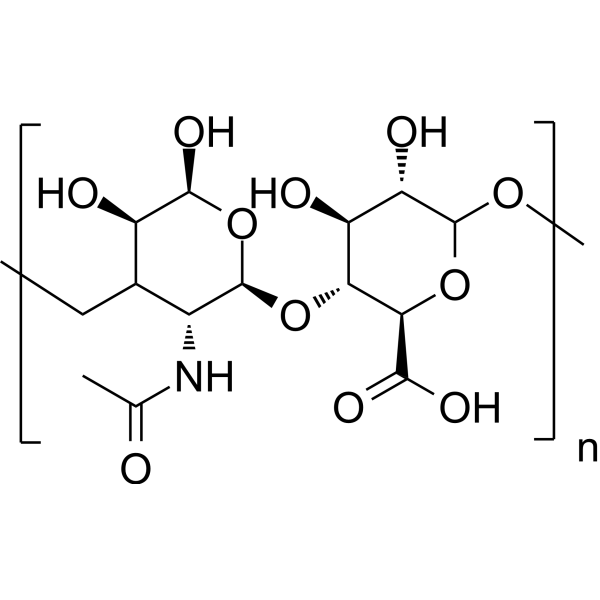
    Hyaluronic acid
    15+ Cited Publications

    Hyaluronan; Hyaluronate

    Endogenous Metabolite Bacterial Akt PI3K Infection Neurological Disease Inflammation/Immunology Cancer
    Hyaluronic acid is a biopolymer composed of repeating units of disaccharides with various applications. Hyaluronic acid is a major component of the extracellular matrix (ECM). Hyaluronic acid is synthesized at the plasma membrane. Increased hyaluronic acid levels are associated with tumor cell growth, adhesion, migration, invasion and angiogenesis in digestive cancers. Hyaluronic acid participates in tissue remodeling and rapid cell proliferation in some physiological processes including embryonic morphogenesis and wound-healing. Hyaluronic acid activates the PI3K-Akt signaling. Hyaluronic acid acts as a regulator of cancer-associated lymphangiogenesis. Hyaluronic acid also enhances cell invasion and angiogenesis by promoting proteolytic MMP-9 binding to cell surface or stimulating MMP-9 binding to cell surface. Hyaluronic acid can be used as drug delivery for sodium butyrate to improve the anti-proliferative activity on breast cancer cell line. Hyaluronic acid can be studied in joint diseases, wound healing and cancer .
    Hyaluronic acid
  • HY-B0633
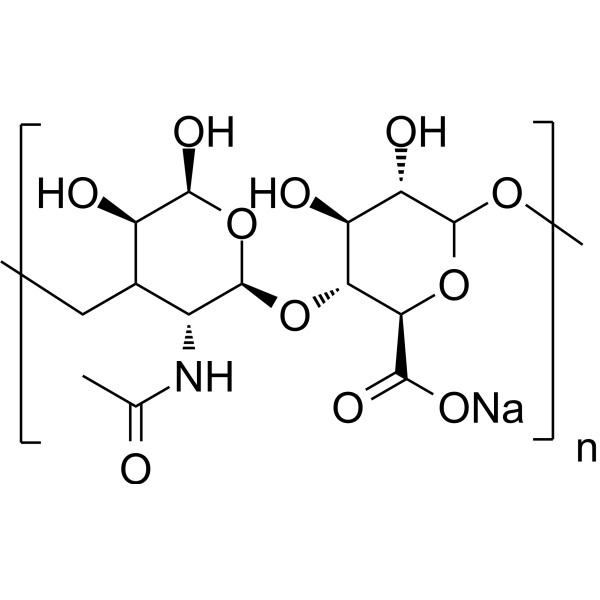
    Hyaluronic acid sodium
    Maximum Cited Publications
    18 Publications Verification

    Sodium hyaluronate

    Endogenous Metabolite Bacterial PI3K Akt Inflammation/Immunology Cancer
    Hyaluronic acid sodium (Sodium hyaluronate) is a biopolymer composed of repeating units of disaccharides with various applications. Hyaluronic acid sodium is a major component of the extracellular matrix (ECM). Hyaluronic acid sodium is synthesized at the plasma membrane. Increased hyaluronic acid sodium levels are associated with tumor cell growth, adhesion, migration, invasion and angiogenesis in digestive cancers. Hyaluronic acid sodium participates in tissue remodeling and rapid cell proliferation in some physiological processes including embryonic morphogenesis and wound-healing. Hyaluronic acid sodium activates the PI3K-Akt signaling. Hyaluronic acid sodium acts as a regulator of cancer-associated lymphangiogenesis. Hyaluronic acid sodium also enhances cell invasion and angiogenesis by promoting proteolytic MMP-9 binding to cell surface or stimulating MMP-9 binding to cell surface. Hyaluronic acid sodium can be used as drug delivery for sodium butyrate to improve the anti-proliferative activity on breast cancer cell line. Hyaluronic acid sodium can be studied in joint diseases, wound healing and cancer .
    Hyaluronic acid sodium
  • HY-P99042
    Polatuzumab
    2 Publications Verification

    Transmembrane Glycoprotein ADC Antibody Cancer
    Polatuzumab is a monoclonal antibody that targets CD79b on the surface of B cells. Polatuzumab can be used to synthesize the ADC Polatuzumab Vedotin (HY-132253), which has anti-tumor activity .
    Polatuzumab
  • HY-125861E

    MC(Viscosity:4000mPa.s)

    Environmental Pollutants Biochemical Assay Reagents Others
    Methyl cellulose (MC) (Viscosity:4000mPa.s) is a non-ionic cellulose ether with surface activity and thermogelation properties. Methyl cellulose (Viscosity:4000mPa.s) is widely used as drug delivery agents, thickeners, stabilizers, emulsifiers, etc., in industries such as pharmaceuticals, food, cosmetics, and construction .
    Methyl cellulose(Viscosity:4000mPa.s)
  • HY-W020780

    mPEG5000-Maleimide

    Biochemical Assay Reagents Cancer
    mPEG5000-Mal (mPEG5000-Maleimide) is a PEG-derived selective covalent binding agent for sulfhydryl groups (RSGs), which can form irreversible thioether bonds with sulfhydryl groups under near-neutral conditions via the maleimide group. The mechanism of action of mPEG5000-Mal can be divided into two categories: firstly, as an enzyme modifier, it binds to target proteins through hydrophobic interactions, hydrogen bonds, and van der Waals forces, altering the protein's secondary structure; secondly, as a nanoparticle surface modifier, it covalently binds to sulfhydryl groups on the surface of red blood cells, changing the surface properties and morphology of the red blood cells, leading to their phagocytosis by macrophages of the reticuloendothelial system. mPEG5000-Mal can react with free cysteine in proteins, increasing the apparent molecular weight of the modified protein by 10-15 kDa for detection purposes. mPEG5000-Mal can enhance the thermal stability and catalytic activity of enzymes, and improve the macrophage targeting of nanoparticles, enabling targeted drug delivery. mPEG5000-Mal can be applied in enzyme engineering research in the food industry and in oncology, assisting radiotherapy by inhibiting tumor-associated macrophage infiltration and enhancing anti-tumor immune responses .
    mPEG5000-Mal
  • HY-125861B
    Methyl cellulose(Viscosity:400mPa.s)
    2 Publications Verification

    MC(Viscosity:400mPa.s)

    Environmental Pollutants Biochemical Assay Reagents Others
    Methyl cellulose (MC) (Viscosity:400mPa.s) is a non-ionic cellulose ether with surface activity and thermogelation properties. Methyl cellulose (Viscosity:400mPa.s) is widely used as drug delivery agents, thickeners, stabilizers, emulsifiers, etc., in industries such as pharmaceuticals, food, cosmetics, and construction .
    Methyl cellulose(Viscosity:400mPa.s)
  • HY-N13022
    Humic acid
    1 Publications Verification

    Environmental Pollutants Bacterial SOD Inflammation/Immunology Cancer
    Humic acid is an important component of organic matter in soil and water, and serves as a plant regulator. Humic acid has multiple reactive activities such as surface adsorption, ion exchange, and complexation. Humic acid can enhance pyrene degradation by Mycobacterium NJS-1. Humic acid can inhibit the activity of superoxide dismutase and scavenge hydroxyl radicals. Humic acid is also toxic to CEM cells .
    Humic acid
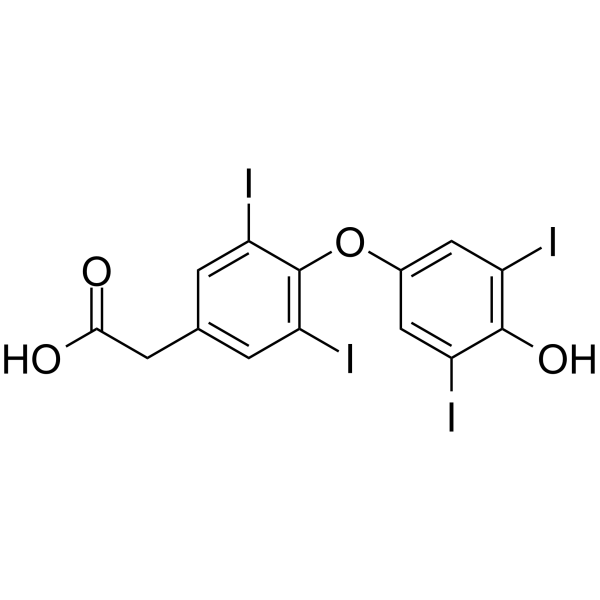
  • HY-W008859
    Tetrac
    1 Publications Verification

    Tetraiodothyroacetic acid; 3,3',5,5'-Tetraiodothyroacetic acid

    Integrin Endogenous Metabolite Cancer
    Tetrac (Tetraiodothyroacetic acid), a derivative of L-thyroxine (T4), is a thyrointegrin receptor antagonist. Tetrac blocks the actions of T4 and 3,5,3'-triiodo-L-thyronine (T3) at the cell surface receptor for thyroid hormone on integrin αvβ3. Tetra has anti-angiogenic and anti-tumor activities .
    Tetrac
  • HY-N6790

    Ammonium ionophore I

    Oxidative Phosphorylation Potassium Channel Mitochondrial Metabolism Bacterial Influenza Virus Apoptosis Antibiotic HSP Infection Cancer
    Nonactin is a macrotetrolide antibiotic and mitochondrial uncoupler with antibacterial, insecticidal, and acaricidal activities. Nonactin acts as an ionophore for monovalent cations, including K +, and NH4 +, and it can also inhibit the surface expression of endogenous HSP60. In addition, Nonactin can induce apoptosis in β-catenin mutant tumor cells and has anti-tumor activity .
    Nonactin
  • HY-125861A
    Methyl cellulose(Viscosity:15mPa.s)
    2 Publications Verification

    MC(Viscosity:15mPa.s)

    Environmental Pollutants Biochemical Assay Reagents Others
    Methyl cellulose (MC) (Viscosity:15mPa.s) is a non-ionic cellulose ether with surface activity and thermogelation properties. Methyl cellulose (Viscosity:15mPa.s) is widely used as drug delivery agents, thickeners, stabilizers, emulsifiers, etc., in industries such as pharmaceuticals, food, cosmetics, and construction .
    Methyl cellulose(Viscosity:15mPa.s)
  • HY-W591476

    mPEG1000-SH

    Biochemical Assay Reagents Others
    m-PEG1000-thiol is a surface modifier that can modify DNA thiolation and is used in the synthesis of gold nanorods (AuNR). m-PEG1000-thiol can load thiolated DNA onto AuNR, form a covalent bond with the surface of gold nanoparticles through the thiol group, and stabilize the nanoparticles by the steric hindrance effect of the polyethylene glycol chain, preventing aggregation and enhancing its biocompatibility. m-PEG1000-thiol can also provide a platform for the subsequent coupling of biomolecules (such as DNA, antibodies) by replacing surfactants (such as CTAB) on the surface of nanoparticles, thereby exerting its activity in promoting the functionalization of nanomaterials [2].
    m-PEG1000-thiol
  • HY-125861C
    Methyl cellulose(Viscosity:1500mPa.s)
    2 Publications Verification

    MC(Viscosity:1500mPa.s)

    Environmental Pollutants Biochemical Assay Reagents Others
    Methyl cellulose (MC) (Viscosity:1500mPa.s) is a non-ionic cellulose ether with surface activity and thermogelation properties. Methyl cellulose (Viscosity:1500mPa.s) is widely used as drug delivery agents, thickeners, stabilizers, emulsifiers, etc., in industries such as pharmaceuticals, food, cosmetics, and construction .
    Methyl cellulose(Viscosity:1500mPa.s)
  • HY-W133920

    PPG 2000

    Environmental Pollutants Biochemical Assay Reagents Others
    Polypropylene glycol 2000 (PPG 2000) is a polyether produced by ring-opening polymerization of propylene oxide. Polypropylene glycol 2000 has low toxicity, and acts as a dispersant for leather finishing materials, as well as a surfactant and wetting agent for pharmaceutical preparations .
    Polypropylene glycol 2000
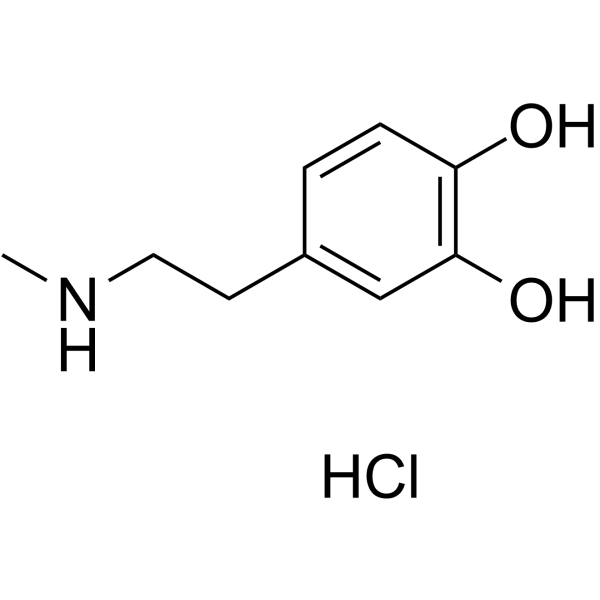
  • HY-W014728
    N-Methyldopamine hydrochloride
    1 Publications Verification

    Dopamine Receptor Cardiovascular Disease Neurological Disease
    N-Methyldopamine hydrochloride is a precursor of adrenaline in the adrenal medulla. N-Methyldopamine hydrochloride is a modification of the dopamine (DA), and retains agonist activity at the DA1 receptor. N-Methyldopamine hydrochloride remains capable of universal surface coating and secondary reactions using the surface catechols. N-Methyldopamine hydrochloride can be used for heart failure research .
    N-Methyldopamine hydrochloride
  • HY-128784

    MDM-2/p53 Reactive Oxygen Species (ROS) Cancer
    PK11007 is a mild thiol alkylator with anticancer activity. PK11007 stabilizes p53 via selective alkylation of two surface-exposed cysteines without compromising its DNA binding activity. PK11007 induces mutant p53 cancer cell death by increasing reactive oxygen species (ROS) levels .
    PK11007
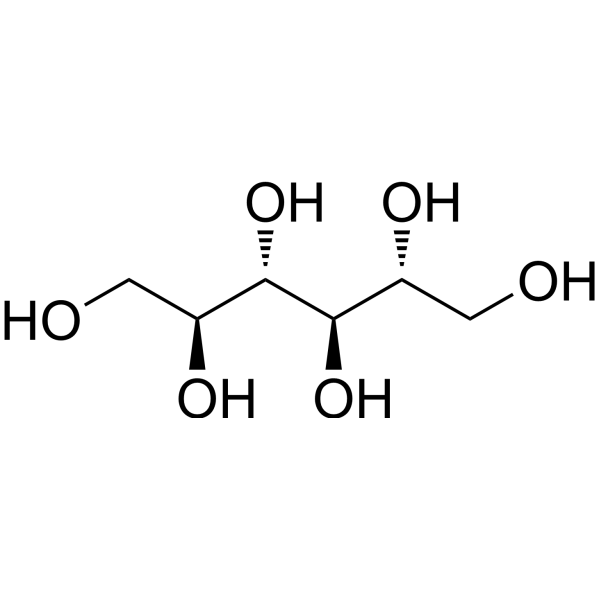
  • HY-N2840
    Allitol
    1 Publications Verification

    Allodulcitol

    Others Metabolic Disease
    Allitol (Allodulcitol) is an orally active rare sugar alcohol found in Itea virginica L, Tylopilus plumbeoviolaceus. Allitol has anti-obesity and hypoglycaemic activities. Allitol reduces carcass and total body fat mass, increases cecal weight, surface area, and short-chain fatty acid production, and upregulates cecal microbial enzymes linked to butyrate metabolism. Allitol can be used for the researches of obesity and diabetes .
    Allitol
  • HY-D0947

    DNA Stain Others
    Azure A chloride is a phenothiazine dye. Azure A chloride is an alternative DNA dye used for the separation of DNA and protein fragments in agarose gel electrophoresis and PAGE. Azure A chloride can be chemisorbed on the surface of mild steel according to the Langmuir adsorption isotherm to form a protective film. Azure A chloride binds to double-stranded DNA in a non-cooperative manner via weak intercalation, triggering molecular conformational disturbance, restricted rotational motion, and changes in optical activity .
    Azure A chloride
  • HY-P990060

    Mim8

    Factor Xa Cardiovascular Disease
    Denecimig (Mim8) is a factor VIII-mimetic bispecific antibody with micromolar human binding affinity for Factor X and Factor IXa. Denecimig binds Factor X and Factor IXa, localizes both to the phospholipid surface, enhances the Factor IXa-mediated activation of Factor X to Factor Xa, and stimulates the proteolytic activity of Factor IXa via its monovalent anti-Factor IXa arm. Denecimig is applicable to research related to hemophilia A .
    Denecimig
  • HY-B0633I

    Endogenous Metabolite Bacterial PI3K Akt Inflammation/Immunology Cancer
    Hyaluronic acid sodium (MW 800kDa) is a biopolymer composed of repeating units of disaccharides with various applications. Hyaluronic acid sodium is a major component of the extracellular matrix (ECM). Hyaluronic acid sodium is synthesized at the plasma membrane. Increased hyaluronic acid sodium levels are associated with tumor cell growth, adhesion, migration, invasion and angiogenesis in digestive cancers. Hyaluronic acid sodium participates in tissue remodeling and rapid cell proliferation in some physiological processes including embryonic morphogenesis and wound-healing. Hyaluronic acid sodium activates the PI3K-Akt signaling. Hyaluronic acid sodium acts as a regulator of cancer-associated lymphangiogenesis. Hyaluronic acid sodium also enhances cell invasion and angiogenesis by promoting proteolytic MMP-9 binding to cell surface or stimulating MMP-9 binding to cell surface. Hyaluronic acid sodium can be used as drug delivery for sodium butyrate to improve the anti-proliferative activity on breast cancer cell line. Hyaluronic acid sodium can be studied in joint diseases, wound healing and cancer .
    Hyaluronic acid sodium (MW 800kDa)
  • HY-P5255

    Bacterial Infection Inflammation/Immunology
    Oligopeptide-10 is a bioactive peptide with antimicrobial activity. Oligopeptide-10 exhibits broad-spectrum bactericidal effects against Gram-positive bacteria including Propionibacterium acnes and Staphylococcus aureus. Oligopeptide-10 targets lipoteichoic acid (LTA) on the surface of bacterial cell membranes, induces bacterial osmotic imbalance by disrupting the integrity of bacterial membranes, and reduces the release of pro-inflammatory cytokines induced by bacteria. Oligopeptide-10 possesses skin-protective activity. Oligopeptide-10 can be applied in research related to acne vulgaris, dandruff, seborrheic dermatitis, and tinea pedis .
    Oligopeptide-10
  • HY-106449

    DA-6034 free acid

    NF-κB COX Apoptosis ERK Calcium Channel Inflammation/Immunology Cancer
    Recoflavone (DA-6034 (free acid)), a synthetic derivative of the flavonoid Eupatilin (HY-N0783), is orally active. Recoflavone can inhibit the NF-κB pathway and induce [Ca( 2+)]i increase in epithelial cells. Recoflavone exhibits activities such as anti-inflammation, anti-tumor effects, protection of gastric and intestinal mucosa, and promotion of secretion in the ocular surface and salivary glands. Recoflavone can be used for the research of diseases such as dry eye, gastric injury, and intestinal injury .
    Recoflavone
  • HY-P990785

    ABBV-383; TNB 383B

    CD3 Cardiovascular Disease Inflammation/Immunology Cancer
    Etentamig is a BCMA × CD3 bispecific T-cell engager (BiTE) that can inhibit the activity of B-cell maturation antigen (BCMA) and activate the T-cell surface glycoprotein CD3 complex. Etentamig can be used for research in multiple myeloma, immunoglobulin light chain amyloidosis, and cardiovascular diseases .
    Etentamig
  • HY-125861D
    Methyl cellulose(Viscosity:40000mPa.s)
    2 Publications Verification

    MC(Viscosity:40000mPa.s)

    Environmental Pollutants Biochemical Assay Reagents Others
    Methyl cellulose (MC) (Viscosity:40000mPa.s) is a non-ionic cellulose ether with surface activity and thermogelation properties. Methyl cellulose (Viscosity:40000mPa.s) is widely used as drug delivery agents, thickeners, stabilizers, emulsifiers, etc., in industries such as pharmaceuticals, food, cosmetics, and construction .
    Methyl cellulose(Viscosity:40000mPa.s)
  • HY-P2315

    HβD-1

    Antibiotic Bacterial Infection
    Human β-defensin-1 (HβD-1) is a cysteine-rich cationic skin-antimicrobial peptide (SAP) produced by all epithelial surfaces, but also by circulatory cells and cells of the reproductive tract. Human β-defensin-1 has antimicrobial activities against a broad-sperm bacteria .
    Human β-defensin-1
  • HY-121527

    Enterovirus Influenza Virus Bacterial Infection Neurological Disease
    Amylmetacresol is a phenolic compound with topical antibacterial and antiviral activity. Amylmetacresol works by destroying the protein structure of the virus surface or interfering with the function of the virus lipid membrane. Amylmetacresol inhibits the attachment and replication of respiratory viruses such as human Rhinovirus 1a and influenza virus A, without significant effect on viruses such as HRV8. Amylmetacresol is mainly applied topically to the throat to relieve viral sore throats. Amylmetacresol is more active against enveloped viruses than non-enveloped viruses .
    Amylmetacresol
  • HY-135474
    KM91104
    2 Publications Verification

    ATP Synthase Toll-like Receptor (TLR) Others
    KM91104 is a cell-permeable V-ATPase a3-b2 inhibitor (IC50 = 2.3 µM). KM91104 reduces the metabolic activity, cell proliferation capacity and V-ATPase subunit protein expression levels of primary human hepatic stellate cells, increases intracellular ATP levels and decreases cytoplasmic pH. KM91104 reduces TLR4 expression on the surface of oligodendrocyte precursor cells, blocks the ENV-TLR4 interaction, and reverses oligodendrocyte myelination defects induced by ENV protein .
    KM91104
  • HY-133721

    HBV Infection Inflammation/Immunology
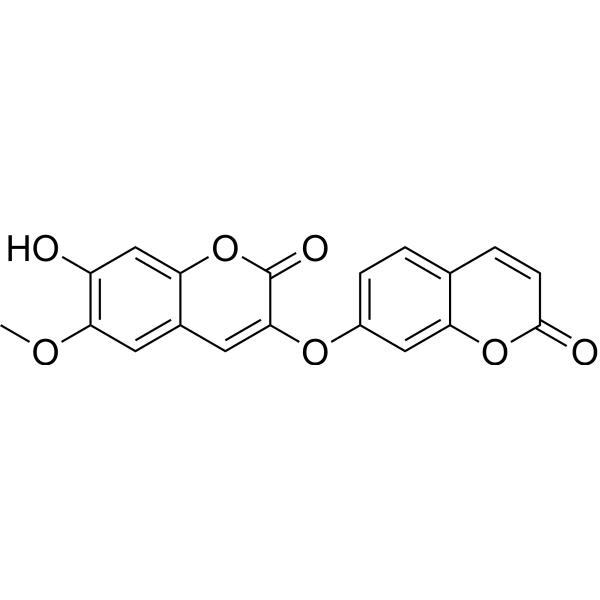
    Chamaechromone is a biflavonoid ingredient isolated from the roots of Stellera chamaejasme L. (Thymelaeaceae). Chamaechromone possesses anti-hepatitis B virus (HBV) effects against the surface antigen of HBV (HBsAg) secretion and has insecticidal activities .
    Chamaechromone
  • HY-P99490

    hzVSF-v13

    Interleukin Related SARS-CoV Infection Inflammation/Immunology
    Burfiralimab (hzVSF-v13) is a monoclonal IgG4 antibody against vimentin expressed on the surface of virus-infected cells, with broad-spectrum antiviral activity and anti-inflammatory effects against virus-induced inflammation. Burfiralimab can be used in severe COVID-19 studies .
    Burfiralimab
  • HY-144399

    Transmembrane Glycoprotein Neurological Disease
    CD33 splicing modulator 1 (Compound 1) is a CD33 splicing modulator. CD33/Siglec 3 is a myeloid lineage cell surface receptor that is known to regulate microglia activity. CD33 splicing modulator 1 increases exon 2 skipping in cellular mRNA pools. CD33 splicing modulator 1 has the potential for the research of neurodegenerative disease including Alzheimer's disease .
    CD33 splicing modulator 1
  • HY-D0214R

    Reference Standards Influenza Virus Others
    Acid Red 94 sodium (Standard) is the analytical standard of Acid Red 94 sodium. This product is intended for research and analytical applications. Acid Red 94 sodium, a synthetic fluorescein derivative, and is a crimson-coloured dye with the principal component being 4,5,6,7-tetrachloro-2,4,5,7-tetraiodo fluorescein. Acid Red 94 sodium has been widely used as an ophthalmic diagnostic agents, and can detect desiccated or damaged cells on the ocular surface. Acid Red 94 sodium exhibits antiviral activities .
    Acid Red 94 sodium (Standard)
  • HY-160477

    PIKfyve NF-κB IKK Inflammation/Immunology
    DC-SX029 is a potent SNX10 protein-protein interaction (PPI) inhibitor with oral activity with an estimated KD constant of ~0.935 μM by surface plasmon resonance (SPR). DC-SX029 blocks the SNX10-PIKfyve interaction, thereby decreased the TBK1/c-Rel signaling activation. DC-SX029 does not affect the protein level of SNX10. DC-SX029 has the potential for inflammatory bowel disease (IBD) research .
    DC-SX029
  • HY-14801

    A-007

    Drug Derivative Inflammation/Immunology Cancer
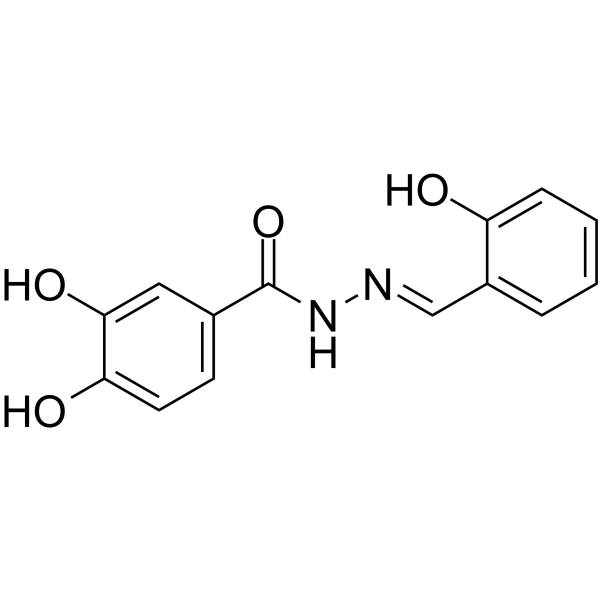
    Sivifene (A-007) is a triaryl hydrazone. Sivifene has anticancer activity and immunomodulatory effects. Sivifene regulates immune regulation by upregulating CD45 T lymphocyte surface receptors .
    Sivifene
  • HY-D2004

    Fluorescent Dye Inflammation/Immunology
    ATTO 488 streptavidin is a fluorescent reagent that specifically targets and binds to biotin (biotin), formed by the conjugation of ATTO 488 with streptavidin (HY-P3152). ATTO 488 streptavidin enables visualization of the activity of streptavidin immobilized on the surface of polymeric nanoparticles, or acts as a fluorescent probe to detect the selective binding and internalization process of anti-HB-EGF/NA with cells expressing HB-EGF (with no such effect on cells that do not express this receptor). ATTO 488 streptavidin effectively verifies the function of streptavidin conjugated to the surface of nanoparticles and is suitable for research related to atherosclerotic cardiovascular diseases .
    ATTO 488 streptavidin
  • HY-171944

    Drug Derivative Lactate Dehydrogenase Others
    6-O-Oleoyltrehalose is a derivative of trehalose. 6-O-Oleoyltrehalose has biodegradable and low surface tension reduction ability. 6-O-Oleoyltrehalose preserves Lactate dehydrogenase (LDH) activity during freeze/thaw cycles. 6-O-Oleoyltrehalose can be used for stabilizer research .
    6-O-Oleoyltrehalose
  • HY-125861H

    MC(Viscosity:25mPa.s)

    Biochemical Assay Reagents Others
    Methyl cellulose (MC) (Viscosity:25mPa.s) is a non-ionic cellulose ether with surface activity and thermogelation properties. Methyl cellulose (Viscosity:25mPa.s) is widely used as drug delivery agents, thickeners, stabilizers, emulsifiers, etc., in industries such as pharmaceuticals, food, cosmetics, and construction .
    Methyl cellulose(Viscosity:25mPa.s)
  • HY-W142092

    Bacterial Endogenous Metabolite Others
    N-Acetyl-DL-serine is a hydrophobic amino acid that is synthesized in the body and can be found as a free form or as a salt with malonate, phosphate, or acetate. N-Acetyl-DL-serine has antimicrobial activity against Bacillus cereus and Staphylococcus aureus. N-Acetyl-DL-serine has also been used for the immobilization of DNA fragments on solid surfaces and can be used for protein synthesis and optical detection of DNA strands .
    N-Acetyl-DL-serine
  • HY-W276164

    Sodium stearyl sulfate

    Biochemical Assay Reagents Others
    Sodium octadecyl sulfate (Sodium stearyl sulfate) is a long-chain alkyl sodium sulfate that functions as an emulsifier, crosslinking agent, and regulator. Sodium octadecyl sulfate has high safety, with a LD50 greater than 3.00 Gm./Kg for both intraperitoneal injection in mice and oral administration in rats. Sodium octadecyl sulfate enhances continuous contraction of the gastrocnemius muscle in frogs and boosts intestinal smooth muscle activity in albino rats. However, Sodium octadecyl sulfate exerts no significant effect on isolated tortoise myocardium and does not alter the conduction function of frog sciatic nerves. Sodium octadecyl sulfate can also be used to coat the surface of starch aggregates, promote crosslinking and increase aggregate size through hydrophobic and electrostatic interactions, and further form a coexistent B-V type crystalline structure with acid-hydrolyzed gelatinized starch, thereby effectively modifying the structure and surface properties of high-starch systems .
    Sodium octadecyl sulfate
  • HY-W002438

    Biochemical Assay Reagents Endogenous Metabolite OAT Ferroptosis Neurological Disease Metabolic Disease
    6-Hydroxyindole is an orally active, endogenous long-acting OATP1B1 inhibitor. 6-Hydroxyindole does not alter the cell surface expression or subcellular localization of OATP1B1. 6-Hydroxyindole protects cells against Ferroptosis. 6-Hydroxyindole possesses intrinsic radical-trapping antioxidant activity. 6-Hydroxyindole serves as a component of oxidative hair dyes. 6-Hydroxyindole can be used in research related to renal failure and neurodegenerative diseases .
    6-Hydroxyindole
  • HY-P99109

    GLS-010; AB-122; WBP-3055

    PD-1/PD-L1 Cancer
    Zimberelimab (GLS-010) is a fully human IgG4 anti-PD-1 monoclonal antibody with an EC50 of 210 pM for human PD-1. Zimberelimab effectively blocks the binding of PD-L1 and PD-L2 to cell-surface PD-1 in CHO-S cells, with IC50 values of 580 pM and 670 pM, respectively. Zimberelimab shows antitumor activities, and can be used for various cancers research, including cervical cancer, non-small cell lung cancer and classical Hodgkin’s lymphoma .
    Zimberelimab
  • HY-103658

    Miramistin

    Bacterial Infection
    Myramistin (Miramistin) is an antibacterial agent targeting bacterial cell membrane. Myramistin can bind to the negatively charged surface of bacteria through its cationic properties, disrupt the integrity of the bacterial cell membrane, inhibit bacterial metabolism and growth, and induce cell death, thus exerting antibacterial activity .
    Myramistin
  • HY-P5486

    Bacterial Others
    Tet-20 is a biological active peptide. (Tet-20, is a synthetic cathelicidin-derived peptide. It was tested as infection-resistant coating for medical devices. When tethered on an implant surface Tet-20 exhibited broad antimicrobial activities both in vivo and in vitro. It can stop biofilm formation and appears to be non-toxic to eukaryotic cells)
    Tet-20
  • HY-P991309

    C-type Lectin-like Receptors (CTLRs) Cancer
    ZM-008 is an anti-LLT1 monoclonal antibody. ZM-008 blocks the interaction between LLT1 and CD161 on the surface of NK cells and T cells. ZM-008 restores anti-tumor immune activity, shifts the tumor microenvironment to an immune-responsive state, and recovers NK cell-mediated cytotoxicity against tumor cells, thereby reversing immunosuppression in immune-resistant "cold" tumors. ZM-008 is applicable to the research of immune-resistant solid tumors .
    ZM-008
  • HY-P5694

    HPV Parasite Infection
    Human α-defensin 5 is an antiviral peptide. Human α-defensin 5 blocks infection of non-enveloped viruses, including AdV, HPV, and polyomaviruses (IC50: 0.6-1.25 μM for HPV16). Human α-defensin 5 can bind to the viral capsid and blocks escape of the virus from the endosome. Human α-defensin 5 increases HIV binding to the cell surface. Human α-defensin 5 also has parasiticidal activity .
    Human α-defensin 5
  • HY-W344875

    Biochemical Assay Reagents
    Sodium ligninsulfonate is a natural polymer compound with good surface activity, which can be used as a stabilizer for liposomes, a promoter for nanocrystal production, and a dispersant for nanoparticle preparation.
    Sodium ligninsulfonate
  • HY-W008859R

    Tetraiodothyroacetic acid (Standard); 3,3',5,5'-Tetraiodothyroacetic acid (Standard)

    Reference Standards Integrin Endogenous Metabolite Cancer
    Tetrac (Tetraiodothyroacetic acid), a derivative of L-thyroxine (T4), is a thyrointegrin receptor antagonist. Tetrac blocks the actions of T4 and 3,5,3'-triiodo-L-thyronine (T3) at the cell surface receptor for thyroid hormone on integrin αvβ3. Tetra has anti-angiogenic and anti-tumor activities .
    Tetrac (Standard)
  • HY-P991231

    CD19 Cancer
    DI-B4 is an anti-CD19 monoclonal antibody that can bind to CD19 on the surface of B cells and has anti-tumor activity .
    DI-B4
  • HY-131545

    NT-702 free base; NT-702 free base

    Phosphodiesterase (PDE) Others
    Parogrelil (NT-702 free base) is a compound with intermittent claudication inhibitory activity that inhibits PDE3, inhibits platelet aggregation and vasoconstriction, and improves walking distance and plantar surface temperature in a rat experimental model.
    Parogrelil
  • HY-122407

    Cetyltrimethylammonium hydroxide

    Biochemical Assay Reagents Others
    Hexadecyltrimethylammonium hydroxide, a quaternary ammonium compound, is commonly used as an emulsifier, detergent, and surfactant in various industrial processes, especially in the production of cosmetics, pharmaceuticals, and textiles. Hexadecyltrimethylammonium hydroxide has unique chemical properties that make it an active ingredient in many applications requiring strong surface activity and solubility.
    Hexadecyltrimethylammonium hydroxide,25% in methanol

Inquiry Online

Your information is safe with us. * Required Fields.

Salutation


Country or Region *

Applicant Name *


Organization Name *

Department *


Email Address *


Product Name *

Cat. No.


Requested quantity *

Phone Number *


Remarks

Inquiry Online

Inquiry Information

Product Name:
Cat. No.:
Quantity:
MCE Japan Authorized Agent:

