45 Results for "

systemic infection

" in MedChemExpress (MCE) Product Catalog:
Products (45)

45 Results for "systemic infection" in MCE Product Catalog:

6
6 Publications Verification
Cat. No.: HY-N7378
CAS No.: 115819-92-6
Synonyms: 1-Hydroxy-2-piperidinecarboxylic acid; NHP
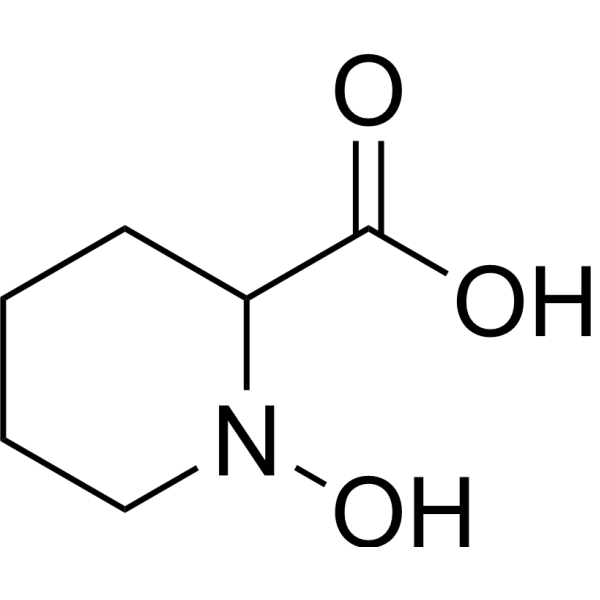
N-Hydroxypipecolic acid (1-Hydroxy-2-piperidinecarboxylic acid), a plant metabolite and a systemic acquired resistance (SAR) regulator, orchestrates SAR establishment in concert with the immune signal salicylic acid. N-Hydroxypipecolic acid accumulates systemically in the plant foliage in response to pathogen attack. N-Hydroxypipecolic acid induces SAR to bacterial and oomycete infection .
loading...
    loading...
1
1 Cited Publications
Cat. No.: HY-B0724A
CAS No.: 163680-77-1
Synonyms: T-3762; Pazufloxacin methanesulfonate; Pazufloxacin mesilate
Research Areas:  

Infection

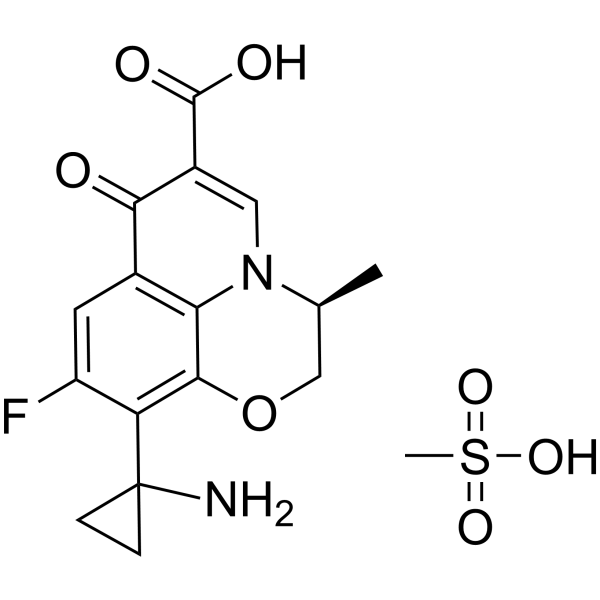
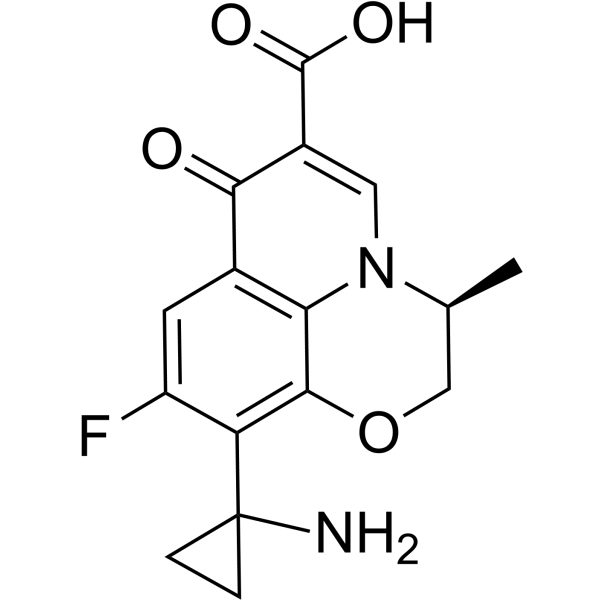
Pazufloxacin mesylate is an orally active fluoroquinolone antimicrobial agent. Pazufloxacin mesylate inhibits DNA gyrase with IC50 values of 0.88 μg/mL (E. coli) and 1.9 μg/mL (P. aeruginosa). Pazufloxacin mesylate exhibits broad-spectrum antimicrobial activity, with MIC90 values ranging from 0.025 to 100 μg/mL against Gram-positive and Gram-negative bacteria, non-fermenting bacteria, Legionella spp., and anaerobic bacteria. Pazufloxacin mesylate is indicated for research on systemic infections, lung infections, urinary tract infections, and Legionella pneumonia .
loading...
    loading...
1
1 Cited Publications
Cat. No.: HY-156685
CAS No.: 2767264-57-1
Purity:  99.86%
Target:  

PI4K Parasite

Research Areas:  

Infection Metabolic Disease Cancer

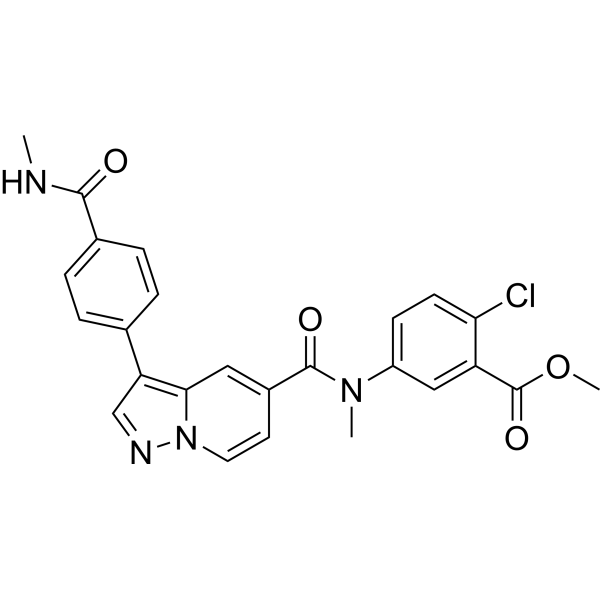
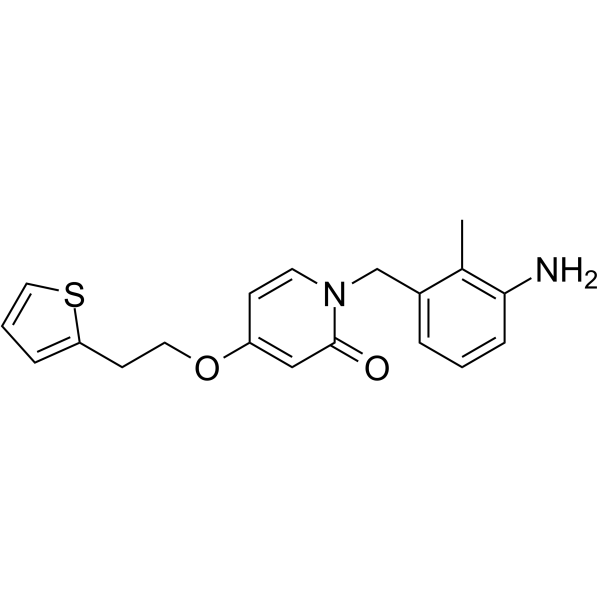
EDI048 is an orally active, gut-restricted parasiticidal agent. EDI048 specifically binds to the ATP-binding site of Cryptosporidium phosphatidylinositol 4-kinase (CpPI (4) K), blocks parasite membrane biogenesis, arrests the pathogen at the schizont stage, and thus irreversibly clears the infection. EDI048 is rapidly converted to an inactive carboxylic acid metabolite via hepatic first-pass metabolism, with extremely low systemic exposure, good safety profile, and no cardiotoxicity, genotoxicity or off-target effects. EDI048 is used in studies of intestinal cryptosporidiosis in children .
loading...
    loading...
Cat. No.: HY-P10408
CAS No.: 1906866-53-2
Candidalysin is a cytolytic peptide toxin secreted by the fungus Candida albicans. Candidalysin drives epithelial immune responses by activating the EGFR-MAPK signaling pathway, inducing MMP expression and calcium influx, and regulating the c-Fos transcription factor and MKP1 via p38 MAPK and ERK1/2 respectively. Candidalysin is essential for mucosal and systemic infections, activating NLRP3 to promote inflammatory responses, neutrophil recruitment, and Th17 immunity. Candidalysin activates LDH causing membrane damage and exhibiting cytotoxicity
loading...
    loading...
Cat. No.: HY-B1325
CAS No.: 64544-07-6
Target:  

Bacterial Antibiotic

Research Areas:  

Infection Inflammation/Immunology

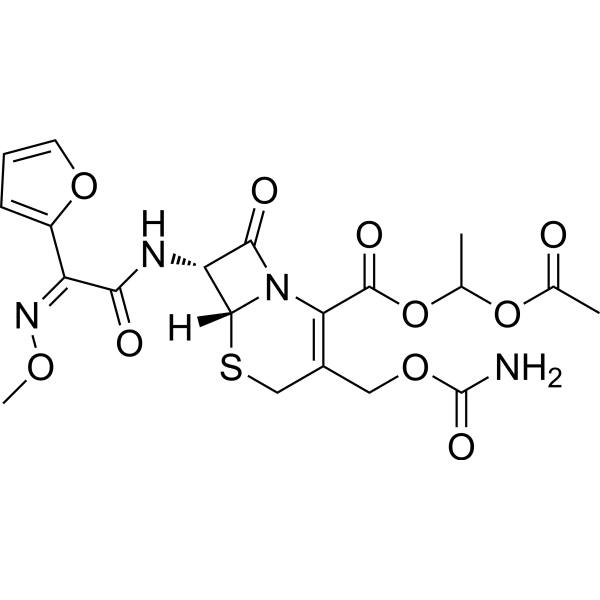
Cefuroxime axetil is an orally effective broad-spectrum β-lactam antibiotic that targets bacterial penicillin-binding proteins (PBPs, such as PBP3 and PBP1). Cefuroxime axetil inhibits cell wall synthesis, leading to bacterial lysis and death, with a minimum inhibitory concentration (MIC) of 0.12-4 mg/L for non-typeable Haemophilus influenzae (NTHi). Cefuroxime axetil is hydrolyzed by esterase to the active ingredient Cefuroxime (HY-B1256A) after oral absorption. Topical administration of Cefuroxime via bioadhesive nanoparticles (BNPs) can prolong the drug's retention time in the middle ear (≥7 days). Cefuroxime axetil can be used in the study of otitis media (especially NTHi infection). Cefuroxime axetil can achieve precise antibacterial effects through oral or topical nano-delivery systems, reducing systemic exposure and the risk of antibiotic resistance .
loading...
    loading...
Cat. No.: HY-B0455
CAS No.: 98079-52-8
Synonyms: SC47111A hydrochloride; NY-198 hydrochloride
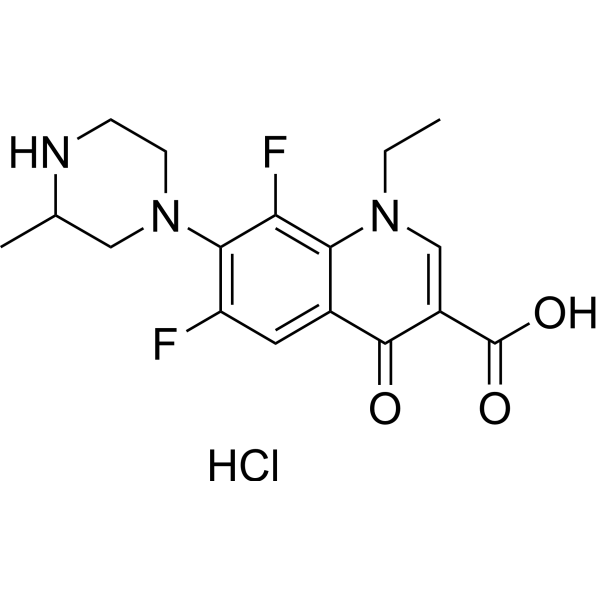
Lomefloxacin hydrochloride (NY-198 hydrochloride) is an orally active difluoroquinolone antibiotic. Lomefloxacin hydrochloride prevents DNA supercoiling and replication by inhibiting bacterial topoisomerase II. Lomefloxacin hydrochloride induces ROS production and Apoptosis. Lomefloxacin hydrochloride has broad-spectrum bactericidal activity against Gram-positive and Gram-negative bacteria. Lomefloxacin hydrochloride has anticancer effects against melanoma. Lomefloxacin hydrochloride can be used in the study of systemic bacterial infections (such as Salmonella typhimurium infections), skin and melanoma .
loading...
    loading...
Cat. No.: HY-B0455A
CAS No.: 98079-51-7
Synonyms: SC47111A; NY-198
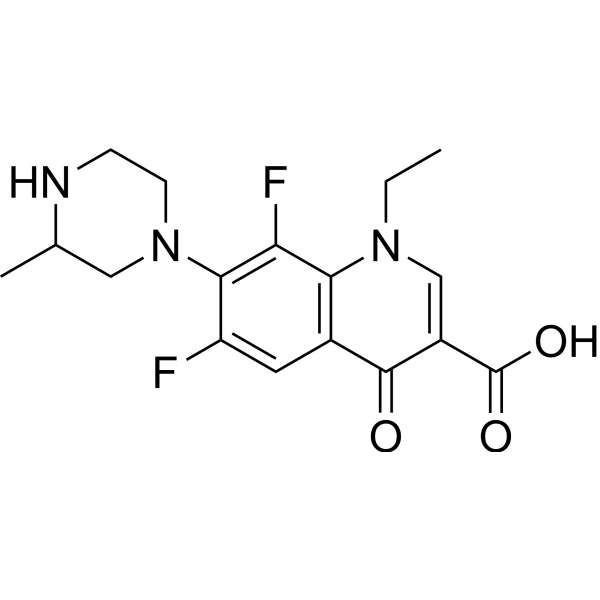
Lomefloxacin (SC47111A) is an orally active difluoroquinolone antibiotic. Lomefloxacin prevents DNA supercoiling and replication by inhibiting bacterial topoisomerase II. Lomefloxacin induces ROS production and Apoptosis. Lomefloxacin has broad-spectrum bactericidal activity against Gram-positive and Gram-negative bacteria. Lomefloxacin has anticancer effects against melanoma. Lomefloxacin can be used in the study of systemic bacterial infections (such as Salmonella typhimurium infections), skin and melanoma .
loading...
    loading...
Cat. No.: HY-116228
CAS No.: 153808-85-6
Purity:  98.21%
Synonyms: Caderofloxacin; CS-940
Target:  

Bacterial

Research Areas:  

Infection

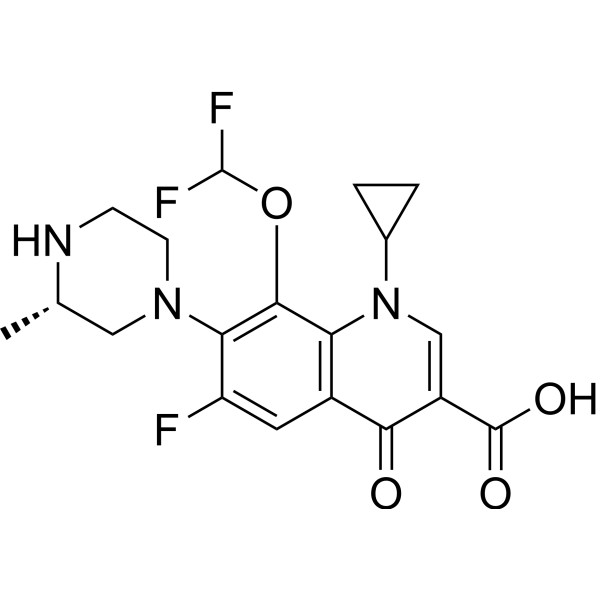
Cadrofloxacin (Caderofloxacin; CS-940) is an orally active antibacterial agent with significant bactericidal activity against quinolone-resistant Staphylococcus aureus, Gram-positive bacteria, Gram-negative bacteria and anaerobic bacteria. Cadrofloxacin effectively improves systemic infection and experimental Klebsiella pneumoniae pneumonia in mice. Cadrofloxacin can be widely used in research related to systemic bacterial infections and bacterial pneumonia .
loading...
    loading...
Cat. No.: HY-122394
CAS No.: 82079-32-1
Purity:  96.65%
Research Areas:  

Infection

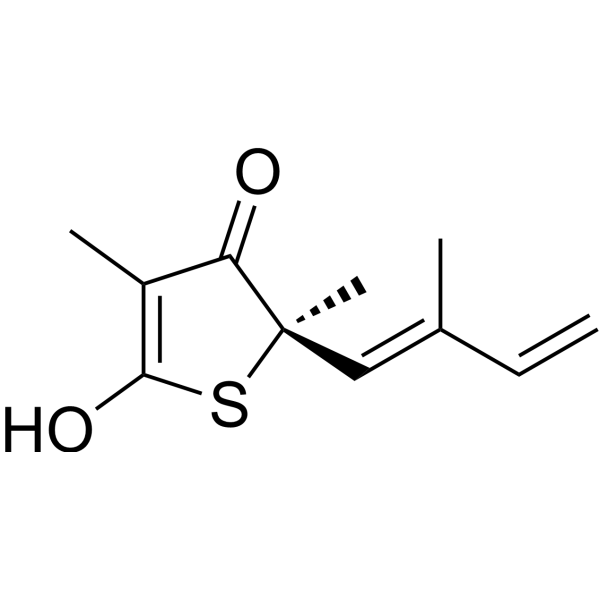
Thiolactomycin is an orally active bacterial type II fatty acid synthase (FAS-II) inhibitor with antibacterial and antimalarial activities. Thiolactomycin specifically targets KasA/KasB in mycobacteria and FabB/FabF in bacteria, thereby inhibiting the biosynthesis of fatty acids and mycolic acids. Thiolactomycin can be used in studies related to tuberculosis, systemic bacterial infections, and experimental pyelonephritis .
loading...
    loading...
Cat. No.: HY-116541
CAS No.: 135158-54-2
Purity:  99.77%
Synonyms: ASM
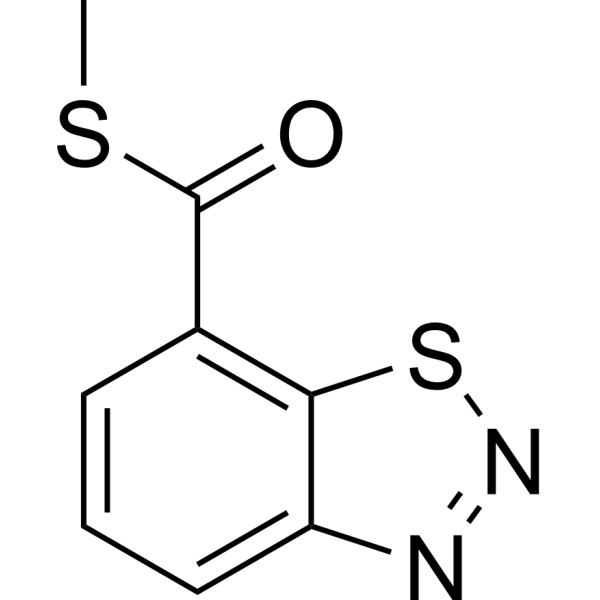
Acibenzolar-S-methyl (ASM) is a synthetic analog of Salicylic acid (HY-B0167) and a plant activator. Acibenzolar‑S‑methyl induces increased activities of defense-related enzymes such as peroxidase and chitinase, activates stomatal defense responses and PR defense gene expression, induces the production of ROS, triggers local and systemic acquired resistance, and inhibits the proliferation of bacterial and fungal pathogens in plants. Acibenzolar‑S‑methyl can be used in studies related to plant infection .
loading...
    loading...
Cat. No.: HY-111071
CAS No.: 934628-27-0
Purity:  99.58%
Synonyms: CG-400549
Target:  

Antibiotic Bacterial

Research Areas:  

Infection

Nilofabicin (CG-400549) is an anti-bacterialagent that targets FabI. Nilofabicin shows high selectivity for the genus Staphylococcus and weak activity against most Gram-negative bacteria. Nilofabicin inhibits bacterial fatty acid biosynthesis, blocks phospholipid synthesis, and disrupts the structure of bacterial cell membranes. Nilofabicin exhibits in vivo antibacterial efficacy in a mouse model of systemic Staphylococcus aureus infection. Nilofabicin can be used in studies related to bacterial infections .
loading...
    loading...
Cat. No.: HY-108988
CAS No.: 1622253-00-2
Albicidin is a peptide antibiotic with phytotoxic activity. Albicidin potently inhibits bacterial and plant DNA gyrase at nanomolar concentrations, blocks DNA replication, and exhibits excellent antibacterial efficacy against multidrug-resistant bacteria. Albicidin possesses bactericidal activity against Gram-positive and Gram-negative microorganisms, and acts as a virulence factor for the systemic plant infection by Xanthomonas albilineans. Albicidin can be used in studies related to bacterial infections and sugarcane leaf blight .
loading...
    loading...
Cat. No.: HY-B0724B
CAS No.: 127045-41-4
Synonyms: T3761
Research Areas:  

Infection

Pazufloxacin is an orally active fluoroquinolone antimicrobial agent. Pazufloxacin inhibits DNA gyrase with IC50 values of 0.88 μg/mL (E. coli) and 1.9 μg/mL (P. aeruginosa). Pazufloxacin exhibits broad-spectrum antimicrobial activity, with MIC90 values ranging from 0.025 to 100 μg/mL against Gram-positive and Gram-negative bacteria, non-fermenting bacteria, Legionella spp., and anaerobic bacteria. Pazufloxacin is indicated for research on systemic infections, lung infections, urinary tract infections, and Legionella pneumonia .
loading...
    loading...
Cat. No.: HY-U00380
CAS No.: 102507-71-1
Research Areas:  

Infection

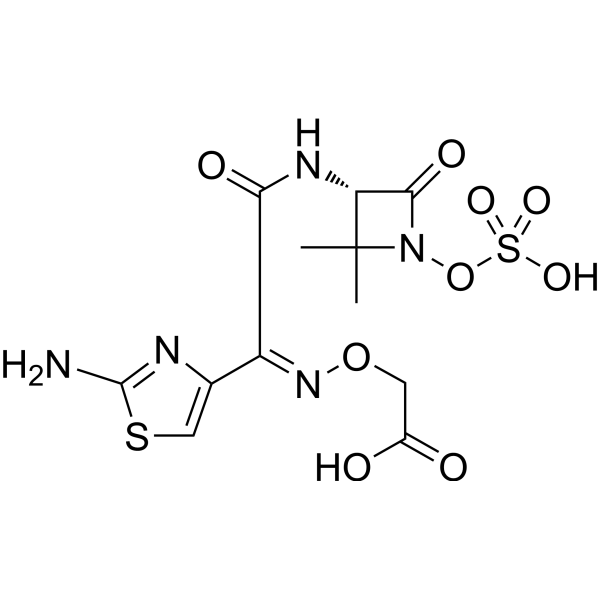
Tigemonam is an orally active monobactam antibiotic with a Ki of 0.86 μM against Enterobacter cloacae P99 β-lactamase and 50.8 μM against Escherichia coli TEM-1 β-lactamase. Tigemonam binds to penicillin-binding proteins 1a, 3, and 4, inhibits bacterial cell wall synthesis, and exhibits bactericidal activity against aerobic gram-negative bacteria including Enterobacteriaceae, Haemophilus influenzae, and Neisseria gonorrhoeae. Tigemonam resists hydrolysis by multiple β-lactamase enzymes, reduces bacterial load in systemic, pyelonephritic, lung, and thigh muscle infections in rodents, and shows minimal difference between minimum inhibitory and bactericidal concentrations. Tigemonam can be used for the research of gram-negative bacterial infections, acute pyelonephritis, lung infection, and thigh muscle infection .
loading...
    loading...
Cat. No.: HY-116541R
CAS No.: 135158-54-2
Synonyms: ASM (Standard)
Acibenzolar-S-methyl (Standard) (ASM (Standard)) is the analytical standard of Acibenzolar-S-methyl (HY-116541). This product is intended for research and analytical applications. Acibenzolar-S-methyl (ASM) is a synthetic analog of Salicylic acid (HY-B0167) and a plant activator. Acibenzolar‑S‑methyl induces increased activities of defense-related enzymes such as peroxidase and chitinase, activates stomatal defense responses and PR defense gene expression, induces the production of ROS, triggers local and systemic acquired resistance, and inhibits the proliferation of bacterial and fungal pathogens in plants. Acibenzolar‑S‑methyl can be used in studies related to plant infection .
loading...
    loading...
Cat. No.: HY-U00181
CAS No.: 53597-28-7
Synonyms: R23633
Target:  

Fungal

Research Areas:  

Infection

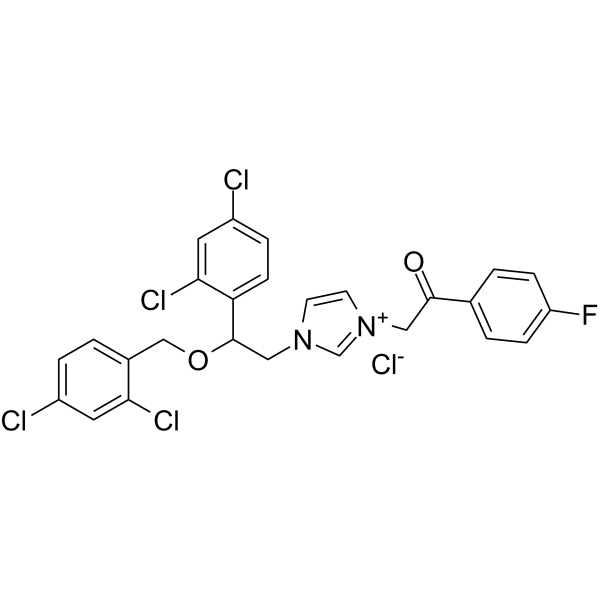
Fludazonium chloride (R23633) is an anti-fungal agent, which can be used in the treatment and prevention of superficial and systemic fungal infections.
loading...
    loading...
Cat. No.: HY-P991655

Target:  

IFNAR HIV

Research Areas:  

Infection Inflammation/Immunology

AGS-009 is a humanized monoclonal neutralising antibody targeting IFN-α. AGS-009 significantly reduces activated lymphocytes, such as CD4 + and CD8 + T cells as well as B cells in SIV infection rhesus macaque models. AGS-009 can be used for autoimmune diseases like systemic lupus erythematosus (SLE) and HIV infections research .
loading...
    loading...
Cat. No.: HY-146079
CAS No.: 2077083-94-2
Target:  

Fungal

Research Areas:  

Infection

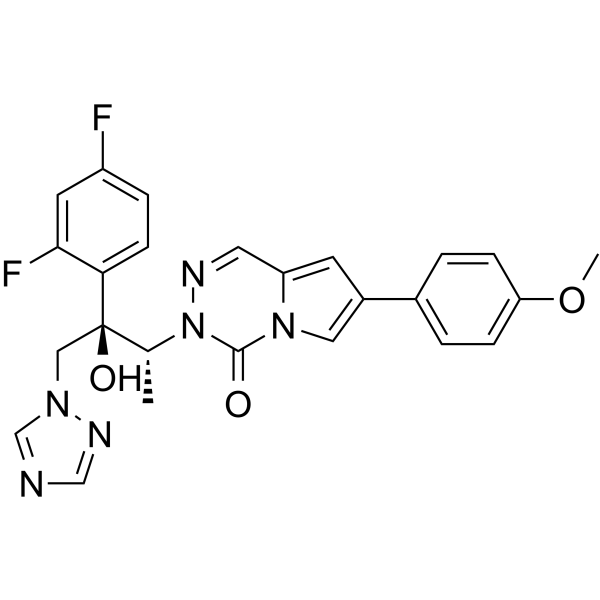
Antifungal agent 31 (compound 12) is a potent and orally active triazole antifungal agents with a pyrrolotriazinone scaffold. Antifungal agent 31 shows antifungal activity against Candida spp. and filamentous fungi. Antifungal agent 31 significantly reduced mortality rates and kidney fungal burden in two murine models of lethal systemic infections .
loading...
    loading...
Cat. No.: HY-B0724BS
CAS No.: 1346602-96-7
Synonyms: T3761-d4
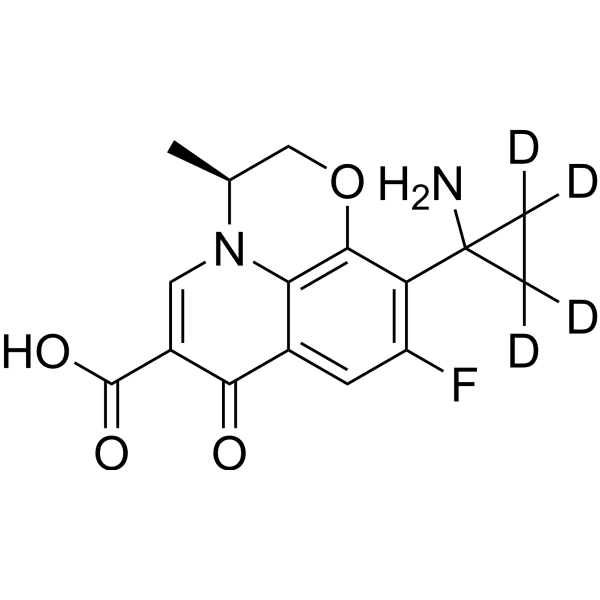
Pazufloxacin-d4 is deuterium labeled Pazufloxacin (HY-B0724B). Pazufloxacin is an orally active fluoroquinolone antimicrobial agent. Pazufloxacin inhibits DNA gyrase with IC50 values of 0.88 μg/mL (E. coli) and 1.9 μg/mL (P. aeruginosa). Pazufloxacin exhibits broad-spectrum antimicrobial activity, with MIC90 values ranging from 0.025 to 100 μg/mL against Gram-positive and Gram-negative bacteria, non-fermenting bacteria, Legionella spp., and anaerobic bacteria. Pazufloxacin is indicated for research on systemic infections, lung infections, urinary tract infections, and Legionella pneumonia .
loading...
    loading...
Cat. No.: HY-114900
CAS No.: 235784-88-0
Target:  

Antibiotic

Research Areas:  

Infection Others

BB-3497 is a potent, orally active and selective peptide deformylase (PDF) inhibitor. BB-3497 is highly selective for PDF (IC50 = 7 nM for E. coli PDF.Ni) over the other mammalian metalloenzymes (MMP-1/2/3/7 and enkephalinase). BB-3497 exhibits potent activity against gram-positive bacteria and some gram-negative pathogens. BB-3497 protects mice from infection in systemic models of Staphylococeus aureus. BB-3497 can be used for anti-bacterial infection research .
loading...
    loading...

