58 Results for "

thymine

" in MedChemExpress (MCE) Product Catalog:
Products (58)

58 Results for "thymine" in MCE Product Catalog:

14
14 Publications Verification
Cat. No.: HY-12404
CAS No.: 908-54-3
Purity:  99.16%
Synonyms: Diminazene diaceturate
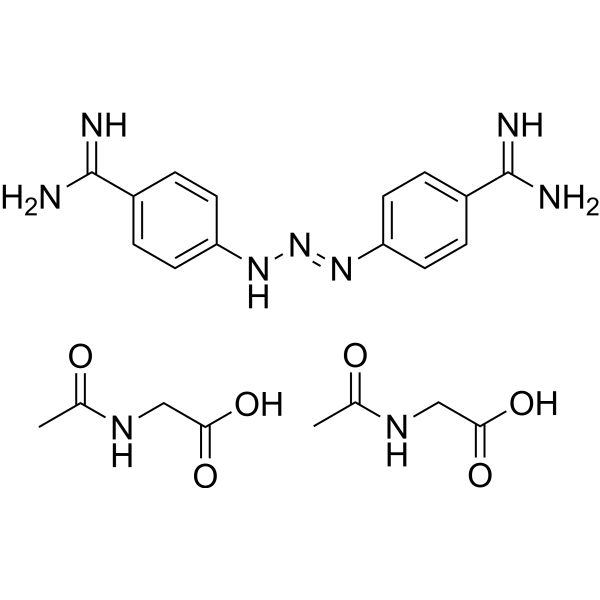
Diminazene aceturate (Diminazene diaceturate) is an anti-trypanosome agent for livestock. The main biochemical mechanism of the trypanocidal actions of Diminazene aceturate is by binding to trypanosomal kinetoplast DNA (kDNA) in a non-intercalative manner through specific interaction with sites rich in adenine-thymine base pairs. Diminazene aceturate is also an angiotensin-converting enzyme 2 (ACE2) activator and has strong and potent anti-inflammatory properties .
loading...
    loading...
6
6 Cited Publications
Cat. No.: HY-112669
CAS No.: 50-90-8
Purity:  99.96%
Synonyms: 5-Chlorodeoxyuridine; CldU
Research Areas:  

Neurological Disease

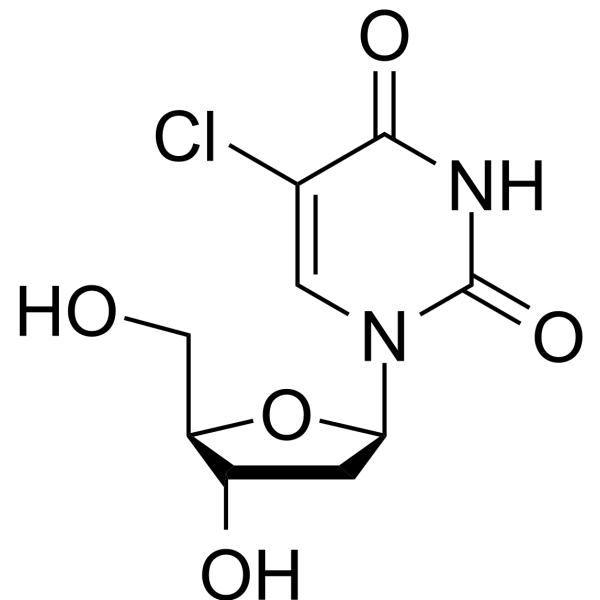
5-Chloro-2'-deoxyuridine, a thymine analog, is to study the potential of hypochlorous acid damage to DNA and DNA precursors.
loading...
    loading...
3
3 Cited Publications
Cat. No.: HY-N6787
CAS No.: 696-04-8
Synonyms: Dihydrothymine
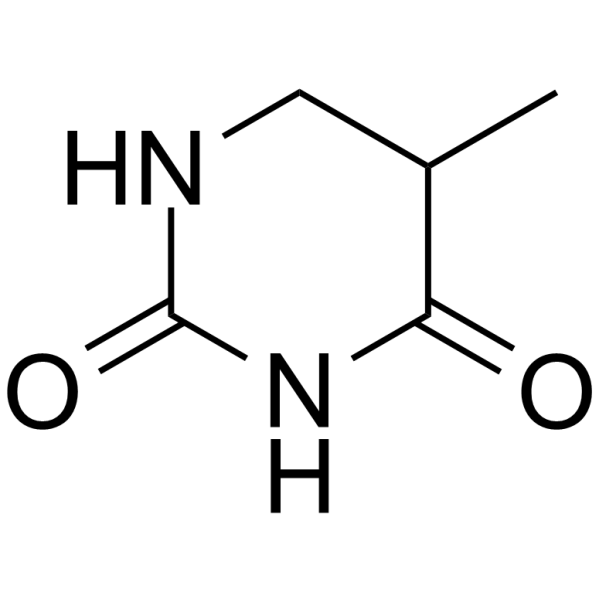
5,6-Dihydro-5-methyluracil (Dihydrothymine) is an intermediate breakdown product of Thymine (HY-W010450). 5,6-Dihydro-5-methyluracil can be used as a marker of DNA damage. 5,6-Dihydro-5-methyluracil can be used for the research of COVID-19 .
loading...
    loading...
2
2 Cited Publications
Cat. No.: HY-B0333
CAS No.: 144-82-1
Target:  

Antibiotic Bacterial

Research Areas:  

Infection

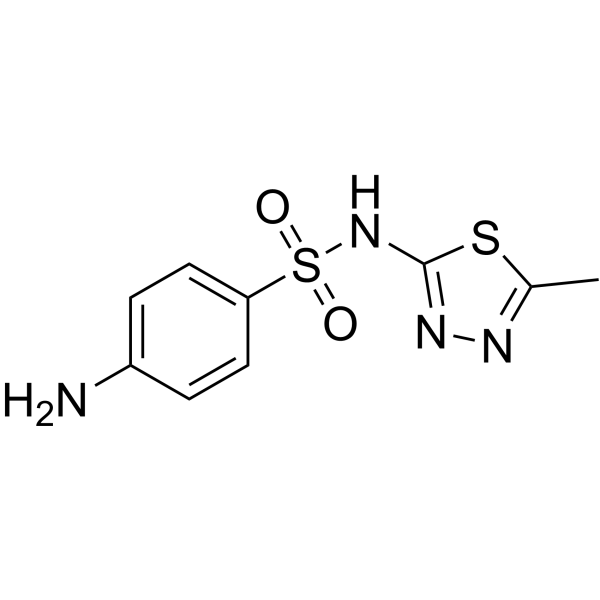
Sulfamethizole is a sulfathiazole antibiotic. Sulfamethizole inhibits the synthesis of folic acid and thymine, and selectively suppresses Photobacterium phosphoreum bioluminescence. Sulfamethizole exerts antibacterial activity against Escherichia coli-mediated urinary tract infections but no activity against sulII gene-positive Escherichia coli. Sulfamethizole is applicable for the research of urinary tract infections and Photobacterium phosphoreum bioluminescence mechanisms .
loading...
    loading...
2
2 Cited Publications
Cat. No.: HY-135218A
CAS No.: 19350-66-4
Purity:  99.65%
Target:  

DNA/RNA Synthesis

Research Areas:  

Cancer

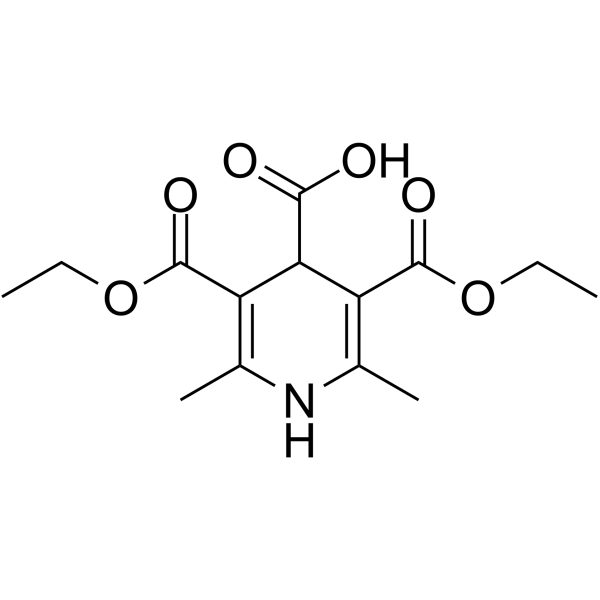
AV-153 free base, a 1,4-dihydropyridine (1,4-DHP) derivative, is an antimutagenic. AV-153 free base intercalates to DNA in a single strand break and reduces DNA damage, stimulates DNA repair in human cells in vitro. AV-153 free base interacts with thymine and cytosine and has an influence on poly(ADP)ribosylation. AV-153 free base has anti-cancer activity .
loading...
    loading...
1
1 Cited Publications
Cat. No.: HY-W010450
CAS No.: 65-71-4
Target:  

Endogenous Metabolite

Research Areas:  

Metabolic Disease Cancer

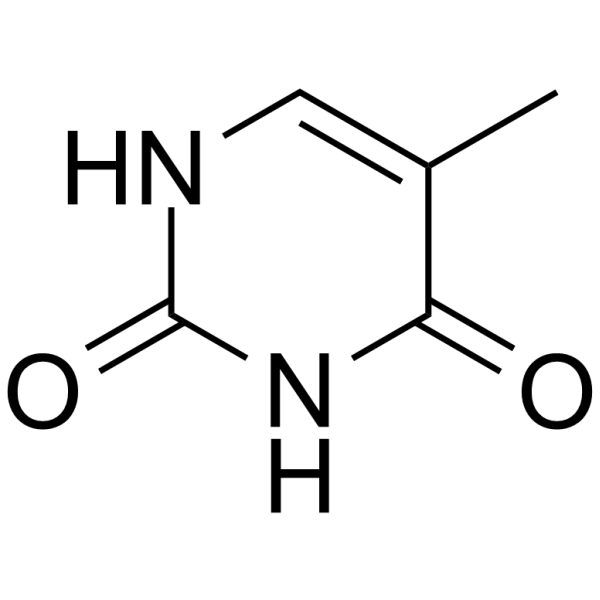
Thymine, one of the four bases of DNA, is a substrate for rat liver dihydropyrimidine dehydrogenase (DPD), with a Km value of 2.2 μM, Ki of 24 μM (using 5-FU as the DPD substrate), and a specific activity of 0.68 nmol/min/mg .
loading...
    loading...
1
1 Cited Publications
Cat. No.: HY-113380
CAS No.: 4249-19-8
Purity:  ≥98.0%
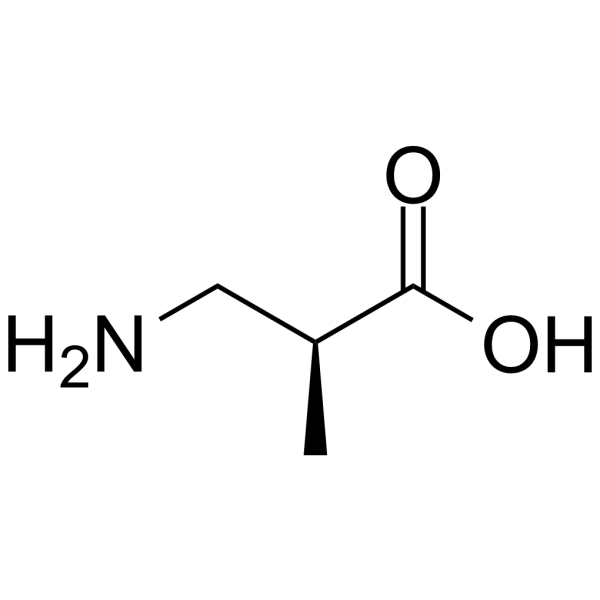
(S)-β-Aminoisobutyric acid is an orally active S-isomer of β-Aminoisobutyric acid (HY-W012974). (S)-β-Aminoisobutyric acid can be produced through the catabolism of thymine and valine. (S)-β-Aminoisobutyric acid reduces apoptosis and increases the ratio of p-AMPK. (S)-β-Aminoisobutyric acid has cardioprotective effects. (S)-β-Aminoisobutyric acid is associated with acute aerobic exercise .
loading...
    loading...
1
1 Cited Publications
Cat. No.: HY-13747
CAS No.: 13909-09-6
Purity:  ≥98.0%
Research Areas:  

Cancer

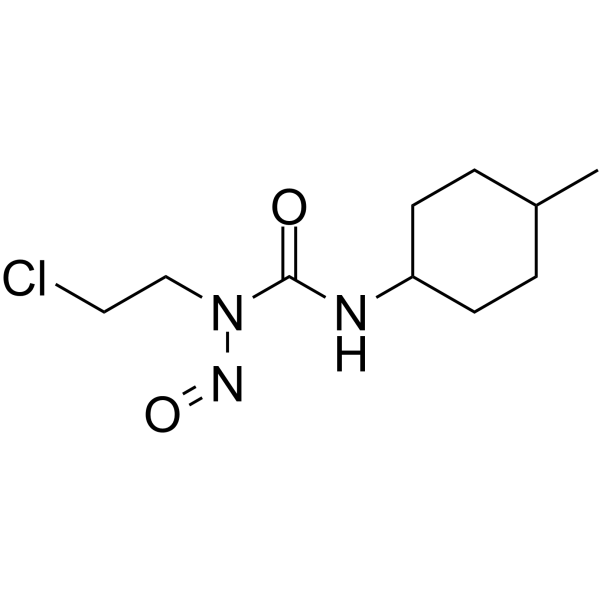
Semustine is an orally active, blood-brain barrier permeable antitumor alkylating agent with a binding affinity of 1.53 × 10 3 M -1 for guanine and thymine residues in bovine DNA. Semustine undergoes major groove-directed alkylation at guanine residues to form O6-chloroethylguanine and N1-O6-ethanoguanine adducts, and generates dG-dC interstrand crosslinks. Semustine induces partial B- to C-type transition of DNA, base stacking and helical structure distortion, mild dehydration, as well as partial DNA double-strand unwinding. Semustine can be used in research related to Lewis lung cancer, leukemia, Hodgkin's lymphoma, malignant melanoma, glioma, and diffuse large B-cell lymphoma .
loading...
    loading...
Cat. No.: HY-113126
CAS No.: 2068-83-9
Purity:  ≥93.0%
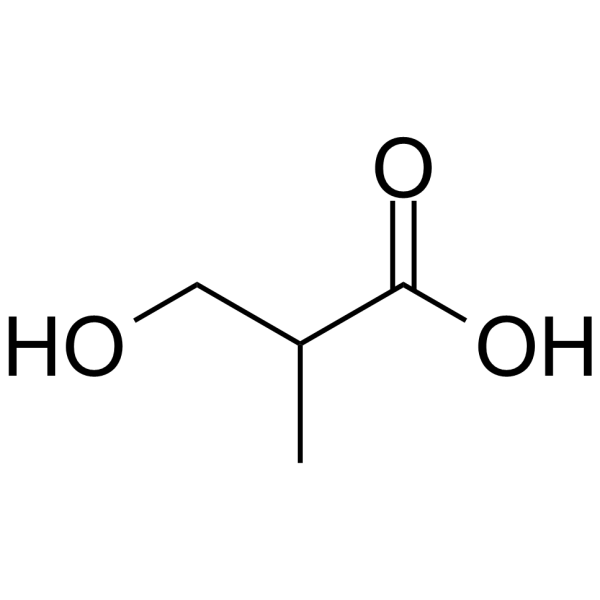
3-Hydroxyisobutyric acid is an intermediate in the metabolic pathways of L-valine and thymine, and can be found in urine. 3-Hydroxyisobutyric acid is a secreted mediator of endothelial cell fatty acid transport and insulin resistance. 3-Hydroxyisobutyric acid can also inhibit key enzymes of energy metabolism in the cerebral cortex of young rats. The levels of 3-Hydroxyisobutyric acid are closely related to various diseases such as 3-hydroxyisobutyric aciduria, diabetes, and ketoacidosis .
loading...
    loading...
Cat. No.: HY-W012974
CAS No.: 144-90-1
Synonyms: β-Aminoisobutyric acid; BAIBA
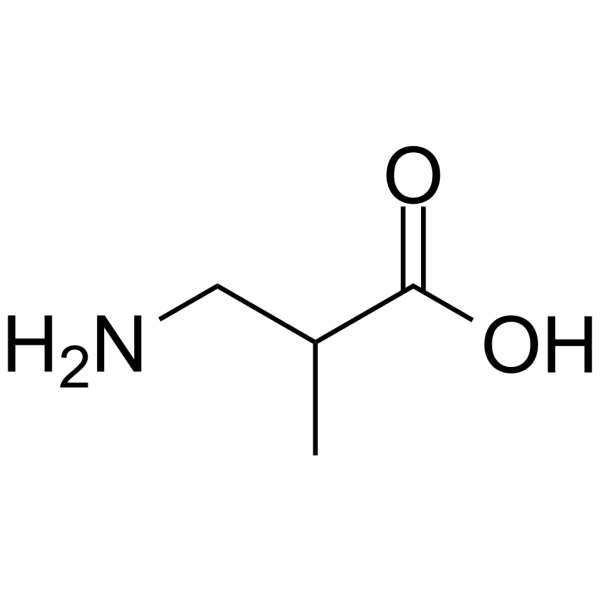
3-Aminoisobutyric acid (β-Aminoisobutyric acid) has anti-inflammatory and antioxidant effects. 3-Aminoisobutyric acid increases the expression of brown adipocyte-specific genes in white adipose tissue and fatty acid β-oxidation in hepatocytes. 3-Aminoisobutyric acid attenuates insulin resistance and inflammation induced by palmitate or a high fat diet via an AMPK-PPARδ-dependent pathway in mice. 3-Aminoisobutyric acid is a catabolic metabolite of thymine and valine in skeletal muscle .
loading...
    loading...
Cat. No.: HY-103694
CAS No.: 550-33-4
Purity:  98.44%
Synonyms: 9-β-D-Ribofuranosylpurine
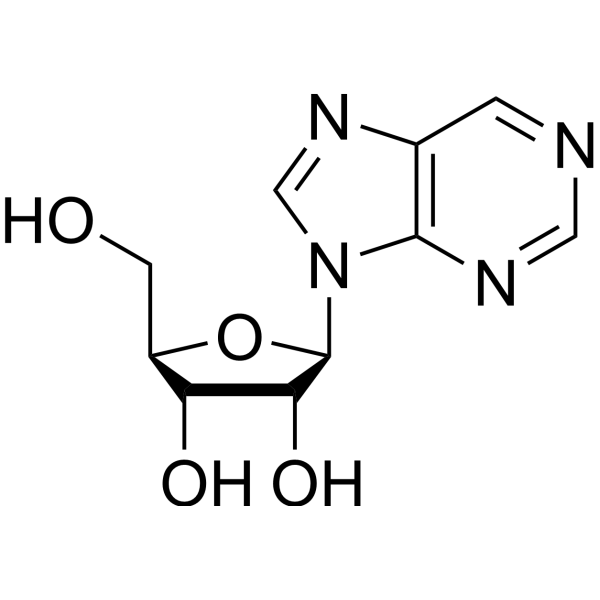
Nebularine (9-β-D-Ribofuranosylpurine) is a naturally occurring cytotoxic purine riboside antibiotic. Nebularine competitively inhibits adenine deaminase and xanthine oxidase, and acts as a template for thymine insertion during DNA elongation and replication. Nebularine serves as a cytokinin antagonist and induces mitotic aberrations in plant cells. Nebularine exhibits cytotoxicity against plants, mammals, fungal organisms and cancer cells. Nebularine can be used in research related to fungal infections, plant growth, as well as chronic myeloid leukemia, acute lymphoblastic leukemia and breast cancer .
loading...
    loading...
Cat. No.: HY-W010450R
CAS No.: 65-71-4
Thymine (Standard) is the analytical standard of Thymine. This product is intended for research and analytical applications. Thymine is one of the four nucleobases in the nucleic acid of DNA and can be a target for actions of 5-fluorouracil (5-FU) in cancer treatment, with a Km of 2.3 μM.
loading...
    loading...
Cat. No.: HY-W013741
CAS No.: 2491-17-0
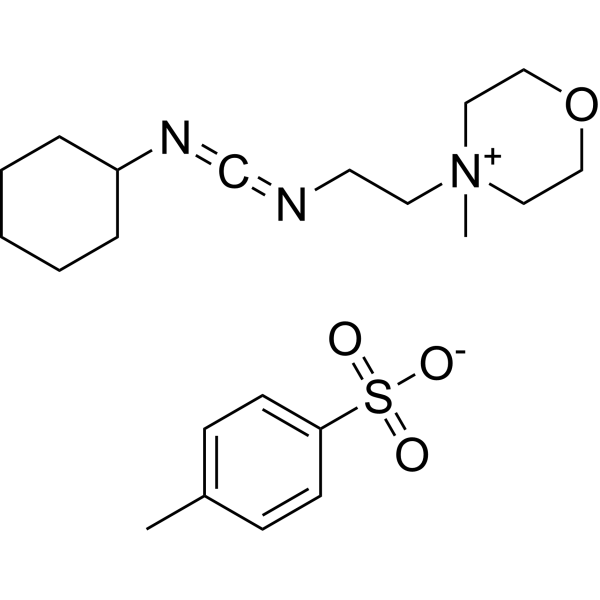
CME-carbodiimide is a nucleic acid modification reagent. CME-carbodiimide reacts specifically with uracil and guanine residues of RNA, as well as guanine and thymine residues of denatured DNA; it does not react with native DNA. Modification of DNA by CME-carbodiimide inhibits phosphodiester bond cleavage or DNA hydrolysis mediated by pancreatic ribonuclease, snake venom phosphodiesterase and deoxyribonuclease .
loading...
    loading...
Cat. No.: HY-77537
CAS No.: 39929-79-8
Synonyms: 7DX
Target:  

Thymidylate Synthase

Research Areas:  

Cardiovascular Disease

7-Deazaxanthine (7DX) is an inhibitor of thymidine phosphorylase (TPase). 7-Deazaxanthine inhibits TPase reaction in a concentration-dependent manner with an IC50 value of 40 μM. 7-Deazaxanthine also has a significant angiogenesis inhibitory effect .
loading...
    loading...
Cat. No.: HY-126181
CAS No.: 4425-59-6
Target:  

Endogenous Metabolite

Research Areas:  

Others

5-Formylcytosine is a modified base, which is oxidized from 5-methylcytosine. 5-Formylcytosine is a intermediate of in the active DNA demethylation .
loading...
    loading...
Cat. No.: HY-W341499
CAS No.: 4494-26-2
Target:  

Endogenous Metabolite

Research Areas:  

Others

5-Formyl-2'-deoxyuridine is a product formed when the 5-methyl group of thymine in DNA undergoes oxidation due to exposure to gamma radiation or certain chemical agents. Serving as a biomarker of oxidative DNA damage, 5-formyl-2'-deoxyuridine is employed in investigations of DNA damage and repair mechanisms. Additionally, 5-Formyl-2'-deoxyuridine can be used in studies involving chemically crosslinking with peptides derived from the RecA protein .
loading...
    loading...
Cat. No.: HY-136559
CAS No.: 932-53-6
Purity:  99.94%
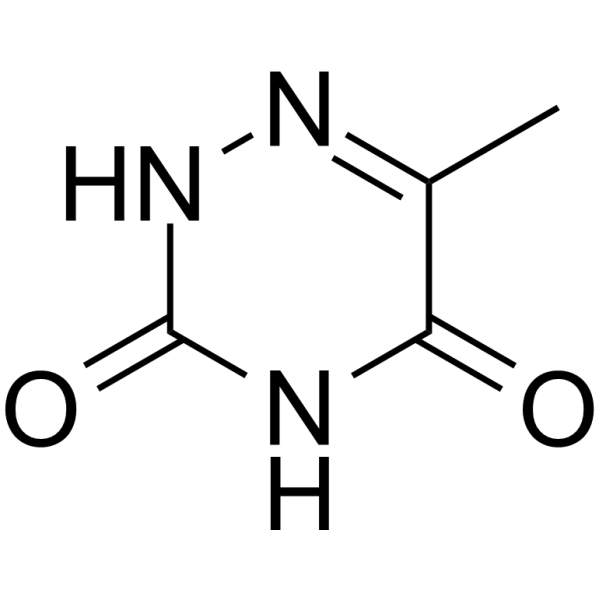
6-Azathymine, a 6-nitrogen analog of thymine, is a potent D-3-aminoisobutyrate-pyruvate aminotransferase inhibitor. 6-Azathymine inhibits the biosynthesis of DNA, and has antibacterial and antiviral activities .
loading...
    loading...
Cat. No.: HY-E70575
CAS No.: 118390-70-8
Target:  

DNA Glycosylase

Research Areas:  

Others

Endonuclease VIII is a DNA repair enzyme that excises oxidized pyrimidines from DNA. Endonuclease VIII is a bacterial DNA glycosylase/AP lyase that excises modified pyrimidines, including thymine glycol (Tg), uracil glycol, dihydrothymine, dihydrouracil (DHU) .
loading...
    loading...
Cat. No.: HY-W541025
CAS No.: 9007-49-2
Deoxyribonucleic acid is a polymer formed by two polynucleotide chains twisted around each other to form a double-helix structure. Deoxyribonucleic acid exists in all dividing cells and is a fundamental component of chromosomes .
loading...
    loading...
Cat. No.: HY-W010450S4
CAS No.: 156054-85-2
Thymine-d4-1 is the deuterium labeled Thymine . Thymine is one of the four nucleobases in the nucleic acid of DNA and can be a target for actions of 5-fluorouracil (5-FU) in cancer treatment, with a Km of 2.3 μM .
loading...
    loading...

