
1. Search Result
Search Result
Pathways Recommended: Cell Cycle/DNA Damage
Results for "

tissue damage

" in MedChemExpress (MCE) Product Catalog:

130

Inhibitors & Agonists

12

Screening Libraries

1

Fluorescent Dyes

8

Biochemical Assay Reagents

8

Peptides

3

Inhibitory Antibodies

25

Natural
Products

8

Isotope-Labeled Compounds

2

Click Chemistry

2

Oligonucleotides

1

GMP Molecules

Cat. No. Product Name Target Research Areas Chemical Structure
  • HY-100573
    Necrosulfonamide
    Maximum Cited Publications
    139 Publications Verification

    Mixed Lineage Kinase Necroptosis Pyroptosis Caspase NOD-like Receptor (NLR) Keap1-Nrf2 TNF Receptor Interleukin Related NO Synthase Heme Oxygenase (HO) Cardiovascular Disease Neurological Disease Metabolic Disease Inflammation/Immunology Endocrinology
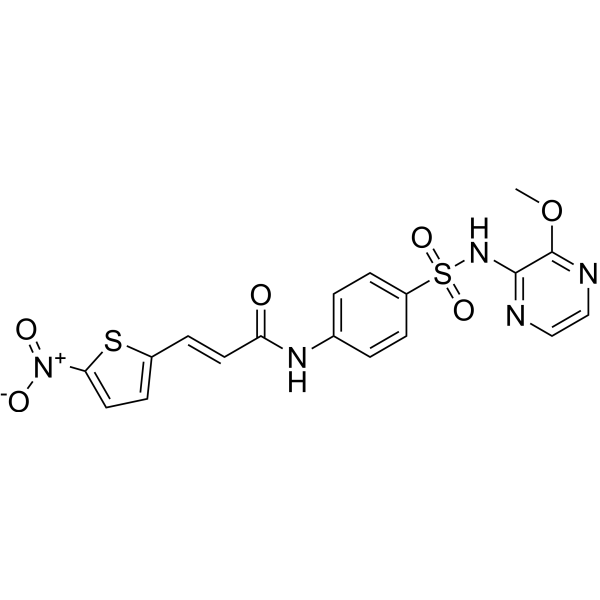
    Necrosulfonamide is a MLKL and Gasdermin D (GSDMD) inhibitor, capable of separately inhibiting necroptosis and pyroptosis of cells. Necrosulfonamide does not affect the activation of upstream signals, but specifically inhibits the downstream executor oligomerization step. Necrosulfonamide reduces the expression of the key kinases NLRP3 and caspase-1 involved in necroptosis and pyroptosis, activate the Nrf2 pathway and the downstream antioxidant enzymes, and also downregulates a variety of inflammatory factors. Necrosulfonamide plays significant roles in various diseases such as neurodegenerative diseases (such as Parkinson’s disease), tissue damage and ischemia-reperfusion injury, inflammatory bowel disease, osteoarthritis and fracture repair, and hair loss by regulating two important programmed necrosis pathways .
    Necrosulfonamide
  • HY-B0639
    Amifostine
    10+ Cited Publications

    WR2721

    MDM-2/p53 HIF/HIF Prolyl-Hydroxylase Cancer
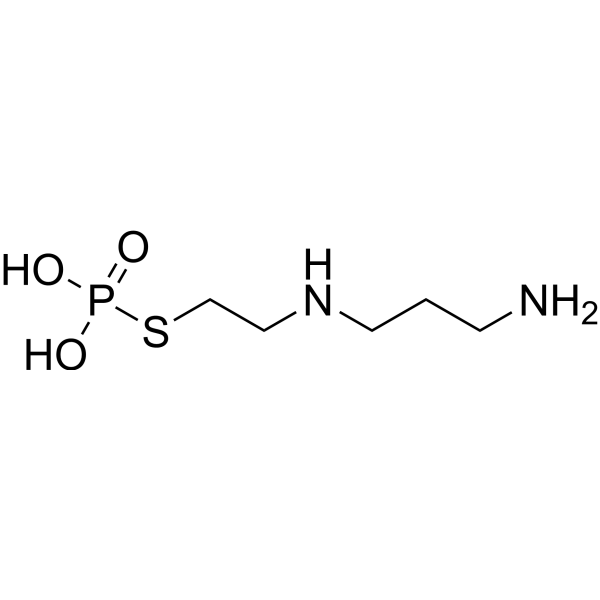
    Amifostine (WR2721) is a broad-spectrum cytoprotective agent and a radioprotector. Amifostine selectively protects normal tissues from damage caused by radiation and chemotherapy. Amifostine is potent hypoxia-inducible factor-α1 (HIF-α1) and p53 inducer. Amifostine protects cells from damage by scavenging oxygen-derived free radicals. Amifostine reduces renal toxicity and has antiangiogenic action .
    Amifostine
  • HY-108910
    Chymotrypsin
    2 Publications Verification

    EC 3.4.21.1; Chymotrypsin A

    Toll-like Receptor (TLR) NF-κB MMP Others Inflammation/Immunology
    Chymotrypsin (EC 3.4.21.1; Chymotrypsin A) is an orally effective inhibitor targeting molecules such as TLR4, NF-κB, MMP-1, TNF-α, IL-1β, and IL-6. Chymotrypsin downregulates the TLR4/NF-κB signaling pathway, inhibiting the release of inflammatory factors, reducing cell infiltration and tissue damage. It also reduces the expression of tumor cell adhesion molecules (such as CD44 and CD54) and can be specifically detected by fluorescent probes (such as NBD-3). Chymotrypsin has anti-inflammatory, hepatoprotective, joint damage-reducing, liver protection against lipotoxicity, and anti-tumor metastasis functions. It can be used in research on diseases such as rheumatoid arthritis, non-alcoholic fatty liver disease, and melanoma metastasis. Chymotrypsin can be used in studies of inflammation, edema, and expectoration .
    Chymotrypsin
  • HY-B1614
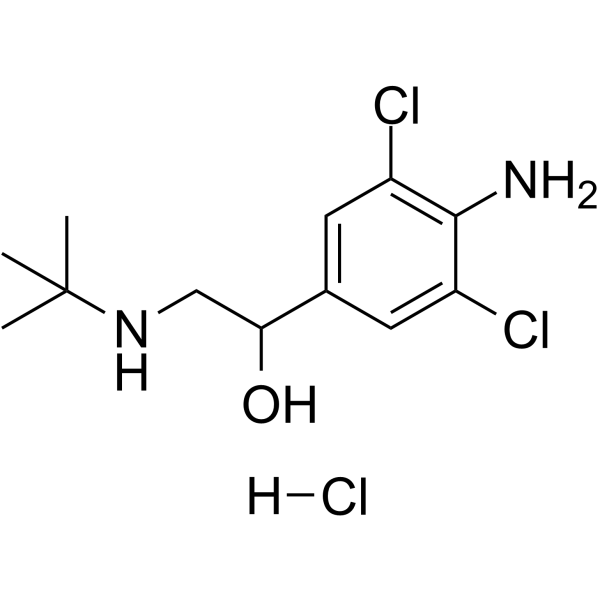
    Clenbuterol hydrochloride
    Maximum Cited Publications
    6 Publications Verification

    NAB-365 hydrochloride

    Adrenergic Receptor Metabolic Disease Inflammation/Immunology Endocrinology
    Clenbuterol (NAB-365) hydrochloride, a selective β2-adrenergic agonist, enhances skeletal muscle strength and hypertrophy. Clenbuterol hydrochloride induces growth factor mRNA, activates astrocytes, and protects rat brain tissue against ischemic damage .
    Clenbuterol hydrochloride
  • HY-A0134
    Isoflurane
    15+ Cited Publications

    Reactive Oxygen Species (ROS) Cardiovascular Disease Neurological Disease Inflammation/Immunology Endocrinology
    Isoflurane is a volatile anaesthetic. Isoflurane diminishs the effect of ROS activity. Isoflurane suppresses respiration. Isoflurane enables rapid anesthesia induction and emergence. Isoflurane protects against noise-induced hearing loss and tissue damage in mice. Isoflurane protects against renal ischemia and reperfusion injury and modulates leukocyte infiltration .
    Isoflurane
  • HY-P3211
    Nangibotide
    Maximum Cited Publications
    7 Publications Verification

    LR12

    TREM receptor NF-κB NOD-like Receptor (NLR) Interleukin Related Apoptosis Cardiovascular Disease Inflammation/Immunology
    Nangibotide (LR12) is a synthetic peptide and TREM-1 receptor inhibitor. Nangibotide inhibits NF-κB and NLRP3 inflammasome activation and reduces the release of pro-inflammatory factors (such as IL-1β, IL-8). Nangibotide inhibits Apoptosis. Nangibotide reduces excessive inflammatory responses and protects tissues (liver, lung) from damage. Nangibotide can be used in the researches for myocardial ischemia-reperfusion injury, septic shock, acute lung injury, osteoarthritis, and acute liver failure .
    Nangibotide
  • HY-111355B

    Sirtuin Endogenous Metabolite PKC AMPK DOCK Metabolic Disease Inflammation/Immunology Cancer
    Cholesterol sulfate sodium is a naturally occurring, orally active cholesterol derivative that is widely distributed in various tissues and body fluids. Cholesterol sulfate sodium acts as a DOCK2 inhibitor, with IC50 values of 2 μM and 2.9 μM against mouse and human targets, respectively. Cholesterol sulfate sodium restricts excessive neutrophil infiltration and alleviates intestinal inflammation and damage. Cholesterol sulfate sodium serves as an activator of protein kinase C (PKC), which promotes squamous cell differentiation and inhibits skin carcinogenesis. Cholesterol sulfate sodium regulates cholesterol homeostasis and cellular metabolism by activating the AMPK-Sirt1 pathway. Cholesterol sulfate sodium can be used in research related to actinic keratitis, ulcerative colitis, skin cancer, and other conditions .
    Cholesteryl sulfate sodium
  • HY-W018026

    L-p-Hydroxyphenylglycine; 4-Hydroxy-L-phenylglycine; UK 25842

    Acyltransferase Apoptosis Cardiovascular Disease Metabolic Disease
    Oxfenicine (L-p-Hydroxyphenylglycine) is an orally active carnitine palmitoyltransferase-1 inhibitor. Oxfenicine inhibits the oxidation of fatty acids in the heart, protecting cardiac tissue from necrotic damage during ischemia, and also has an inhibitory effect on cardiac tissue apoptosis. In addition, Oxfenicine promotes lipolysis in a high-fat diet rat model. Oxfenicine can be used in the study of cardiovascular and metabolic diseases .
    Oxfenicine
  • HY-118716
    PhIP
    1 Publications Verification

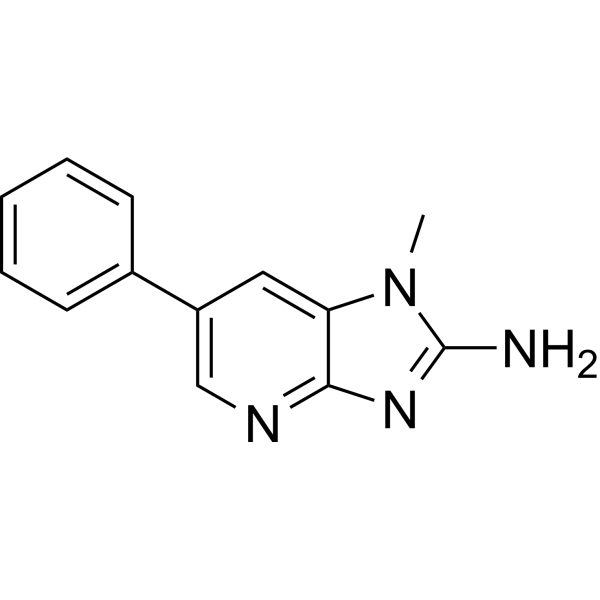
    2-Amino-1-methyl-6-phenylimidazo[4,5-b]pyridine

    Others Cancer
    PhIP (2-Amino-1-methyl-6-phenylimidazo[4,5-b]pyridine) is the most abundant of generation of heterocyclic amines (HCA), resulted in the cooking of meat . DNA damaging and mutagenic activities. PhIP also has oestrogenic activity that could contribute to its tissue specific carcinogenicity .
    PhIP
  • HY-B1398
    Ampyrone
    1 Publications Verification

    4-Aminophenazone

    COX Drug Metabolite Neurological Disease Inflammation/Immunology Cancer
    Ampyrone (4-Aminophenazone; 4-Aminoantipyrine) is a reversible and low-damage optical clearing agent and non-selective COX inhibitor based on UV absorption properties. Ampyrone can improve the optical transmittance of mouse skin and other tissues. Ampyrone can induce tissue refractive index matching by enhancing UV absorption, reduce light scattering, and achieve tissue transparency in vivo. Ampyrone reduces the synthesis of prostaglandin PGE2, thereby exerting anti-inflammatory, analgesic and antipyretic effects. Ampyrone inhibits DNA damage, cell apoptosis and immune cell phagocytosis induced by Doxorubicin (HY-15142A) and Cisplatin (HY-17394), etc., and participates in the regulation of toxicity in tumor chemotherapy .
    Ampyrone
  • HY-B1770

    Environmental Pollutants Biochemical Assay Reagents Cardiovascular Disease Endocrinology
    Sodium Iodide is a compound composed of sodium ions and iodine ions. Sodium Iodide scavenges hydrogen peroxide. Sodium Iodide maintains the level of thyroid hormone T3 through its iodine component. Sodium Iodide protects tissues from oxidative damage and regulates thyroid homeostasis. Sodium Iodide relieves acute myocardial infarction .
    Sodium Iodide,99%
  • HY-P99673
    Itepekimab
    1 Publications Verification

    REGN-3500; SAR-440340

    Interleukin Related NF-κB Inflammation/Immunology
    Itepekimab (REGN-3500) is an IgG4 monoclonal antibody against IL-33. Itepekimab reduced airway inflammation and related tissue damage in preliminary clinical studies. Itepekimab has potential effects in asthma, chronic obstructive pulmonary disease (COPD), and atopic dermatitis (AD) .
    Itepekimab
  • HY-B0111
    Drospirenone
    1 Publications Verification

    Dihydrospirorenone

    Progesterone Receptor Androgen Receptor Endocrinology Cancer
    Drospirenone (Dihydrospirorenone) is an orally active fourth-generation progestin that interacts with the progesterone receptor (PR) and androgen receptor (AR). Drospirenone significantly decreases both plasminogen activator inhibitor-1 (PAI-1) and tissue plasminogen activator (tPA) via the AR. Drospirenone can produce DNA damage in bone marrow cells of female mice. .
    Drospirenone
  • HY-P3211A
    Nangibotide TFA
    Maximum Cited Publications
    7 Publications Verification

    LR12 TFA

    TREM receptor NF-κB NOD-like Receptor (NLR) Interleukin Related Apoptosis Cardiovascular Disease Inflammation/Immunology
    Nangibotide TFA (LR12 TFA) is a synthetic peptide and TREM-1 receptor inhibitor. Nangibotide TFA inhibits NF-κB and NLRP3 inflammasome activation and reduces the release of pro-inflammatory factors (such as IL-1β, IL-8). Nangibotide TFA inhibits Apoptosis. Nangibotide TFA reduces excessive inflammatory responses and protects tissues (liver, lung) from damage. Nangibotide TFA can be used in the researches for myocardial ischemia-reperfusion injury, septic shock, acute lung injury, osteoarthritis, and acute liver failure .
    Nangibotide TFA
  • HY-W087830

    L-BPA

    Biochemical Assay Reagents Cancer
    L-p-Boronophenylalanine is a boron-containing substrate for L-type amino acid transporters (LAT1 and LAT2). L-p-Boronophenylalanine enters tumor cells by competing with natural amino acids for LAT, selectively accumulating boron in cancer cells. L-p-Boronophenylalanine can be used in boron neutron capture therapy (BNCT). When boron-10 captures thermal neutrons, a nuclear reaction occurs, producing high-energy alpha particles and lithium nuclei, which kill cancer cells at close range with little damage to surrounding tissues. L-p-Boronophenylalanine can be used in cancer research, especially glioblastoma and anaplastic astrocytoma .
    L-p-Boronophenylalanine
  • HY-107661
    Arundic Acid
    2 Publications Verification

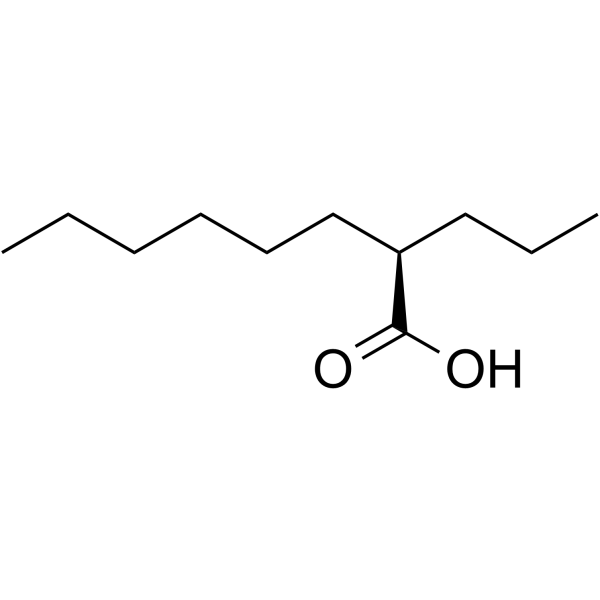
    ONO-2506; (R)-2-Propyloctanoic acid

    ERK Akt NF-κB EAAT Cardiovascular Disease Neurological Disease
    Arundic Acid is an orally effective astrocyte function modulator and neuroprotective agent. Arundic Acid increases the expression and function of the astrocytic glutamate transporter EAAT1 by activating the ERK, Akt and NF-κB pathways. Arundic Acid attenuates retinal ganglion cell death in a normal-tension glaucoma model. Arundic Acid exerts neuroprotective effects in a mouse model of Parkinson's disease. Arundic Acid is a S100β protein synthesis inhibitor that prevents neurological deficits and brain tissue damage after intracerebral hemorrhage in rats. Arundic Acid downregulates neuroinflammation and astrocytic dysfunction after status epilepticus in immature rats. Arundic Acid is applicable to research related to Parkinson's disease, cerebral ischemia, glaucoma, intracerebral hemorrhage and epilepsy .
    Arundic Acid
  • HY-P2807F

    LAD, LD, L-LDH, (S)-Lactate: NAD+ oxidoreductase

    Lactate Dehydrogenase Cardiovascular Disease
    Lactate Dehydrogenase (LDH), Bovine Heart (LAD) is an oxidoreductase that catalyzes the reversible conversion between lactate and pyruvate. Lactate Dehydrogenase (LDH), Bovine Heart is mainly used in life science research, tissue damage diagnosis, and as an enzyme marker .
    Lactate Dehydrogenase (LDH), Bovine Heart
  • HY-131394

    5hmdC

    Drug Derivative DNA/RNA Synthesis Cancer
    5-Hydroxymethyl-2’-deoxycytidine (5hmdC) is an oxidation derivative of 5-methyl-2'-deoxycytidine (5-mdC) in DNA. 5-Hydroxymethyl-2’-deoxycytidine may serve as a marker of irreversibly damaged cells .
    5-Hydroxymethyl-2’-deoxycytidine
  • HY-13981
    Ligandrol
    2 Publications Verification

    LGD-4033

    Androgen Receptor Apoptosis Insulin Receptor Caspase Metabolic Disease Endocrinology
    Ligandrol is an orally active, selective androgen receptor (AR) agonist. Ligandrol enhances protein synthesis, inhibits muscle breakdown and oxidative stress, improves muscle cell viability and bone tissue microstructure, and reduces Cisplatin (HY-17394)-induced muscle toxicity and apoptosis. Ligandrol promotes muscle growth, protects bone structure, and has anti-diabetic, anti-apoptotic and antioxidant effects. Ligandrol can antagonize Streptozotocin (HY-13753) damage to pancreatic islets and improve the symptoms of type 2 diabetes .
    Ligandrol
  • HY-B1189

    Dicrotalic acid; 3-Hydroxy-3-methylglutaric acid

    HMG-CoA Reductase (HMGCR) Autophagy Endogenous Metabolite Cardiovascular Disease Metabolic Disease
    Meglutol is a lipid-lowering agent. Meglutol can reduces cholesterol, triglycerides, serum β-lipoprotein, and phospholipids, and inhibits the activity of HMG-CoA reductase (a rate-limiting enzyme in cholesterol biosynthesis). Meglutol can induce significant lipid oxidative damage in brain tissue. It is promising for research in the field of cardiovascular diseases and metabolic diseases .
    Meglutol
  • HY-118907

    Fluorescent Dye Others
    Methyl Orange is a soluble azo dye commonly used as an acid-base indicator and for staining cells and tissue sections, as well as for dyeing textiles. Methyl Orange appears red at a pH of 3.1 and changes to bright yellow as the pH increases to 4.4. Methyl Orange (500 mg/L) exhibits cytotoxicity and can cause DNA damage .
    Methyl Orange
  • HY-B1589A
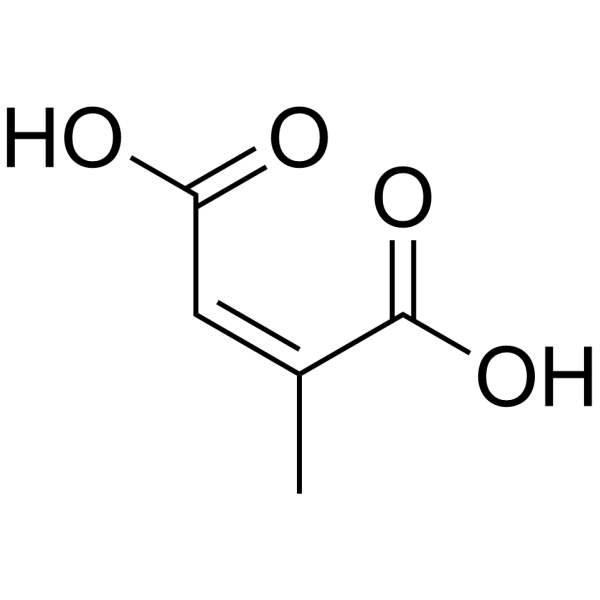
    Carbinoxamine maleate salt
    1 Publications Verification

    Histamine Receptor Influenza Virus Infection Inflammation/Immunology
    Carbinoxamine maleate salt is a blood-brain barrier-permeable histamine H1 receptor antagonist. Carbinoxamine maleate salt blocks the action of histamine on H1 receptors, reducing symptoms such as sneezing, rhinitis, rhinorrhea, erythema, pruritus and urticaria. Carbinoxamine maleate salt inhibits influenza virus entry into cells via endocytosis, targets the early stage of the viral life cycle, and simultaneously reduces viral replication levels in the lungs, alleviating pathological damage and inflammatory responses in lung tissues. Carbinoxamine maleate salt can be used in research on allergic rhinitis, influenza, etc.
    Carbinoxamine maleate salt
  • HY-N8157
    4'-O-Methylpyridoxine
    1 Publications Verification

    Others Cardiovascular Disease Neurological Disease
    4'-O-Methylpyridoxine is an orally active antivitamin B6 compound found in Ginkgo biloba seeds and leaves. 4'-O-Methylpyridoxine inhibits pyridoxal kinase. 4'-O-Methylpyridoxine reduces brain pyridoxal-5'-phosphate (PLP) levels, decreases gamma-aminobutyric acid/glutamate (GABA/Glu) ratio. 4'-O-Methylpyridoxine increases plasma levels of pyridoxal-5'-phosphate and pyridoxal. 4'-O-Methylpyridoxine induces hyperactivity, convulsions, pathological tissue changes, organ damage in rodent brain and heart .
    4'-O-Methylpyridoxine
  • HY-108910A
    Chymotrypsin (MS grade)
    2 Publications Verification

    EC 3.4.21.1 (MS grade); Chymotrypsin A (MS grade)

    Toll-like Receptor (TLR) NF-κB MMP Others Inflammation/Immunology
    Chymotrypsin (EC 3.4.21.1; Chymotrypsin A) (MS grade) is an orally effective inhibitor targeting molecules such as TLR4, NF-κB, MMP-1, TNF-α, IL-1β, and IL-6. Chymotrypsin (MS grade) downregulates the TLR4/NF-κB signaling pathway, inhibits the release of inflammatory factors, reduces cell infiltration and tissue damage, and also reduces the expression of tumor cell adhesion molecules (such as CD44 and CD54). It can also be specifically detected by fluorescent probes (such as NBD-3). Chymotrypsin (MS grade) has anti-inflammatory, hepatoprotective, joint damage-reducing, liver protection against lipotoxicity, and anti-tumor metastasis functions, and can be used in the research of diseases such as rheumatoid arthritis, non-alcoholic fatty liver disease, and melanoma metastasis. Chymotrypsin (MS grade) can be used in studies of inflammation, edema, and expectoration .
    Chymotrypsin (MS grade)
  • HY-123581
    Quinocetone
    1 Publications Verification

    Antibiotic Bacterial ATF6 DAPK Autophagy NF-κB NO Synthase Apoptosis Reactive Oxygen Species (ROS) Keap1-Nrf2 Heme Oxygenase (HO) Infection Inflammation/Immunology
    Quinocetone is an orally active animal feed additive used to increase the meat production of livestock and poultry. Quinocetone exhibits antibacterial activity against a variety of pathogenic microorganisms. Quinocetone exhibits tissue-specific (liver, lymphocyte) toxicity. Quinocetone induces autophagy in cells through the ATF6/DAPK1 pathway. Quinocetone activates the NF-κB and iNOS pathways, leading to cell apoptosis, hepatocyte vacuolar degeneration and fibrosis. Quinocetone can inhibit Nrf2/HO-1 and induce the generation of reactive oxygen species (ROS), leading to oxidative stress and DNA damage .
    Quinocetone
  • HY-N0507

    TNF Receptor Interleukin Related Neurological Disease Inflammation/Immunology
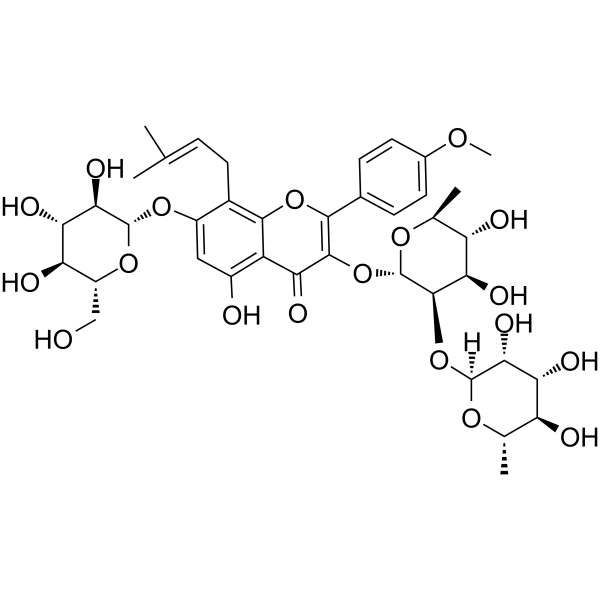
    Rosavin, an orally bioactive phenylpropanoid from Rhodiola rosea L. (RRL), is an adaptogen that enhances the body’s response to environmental stress. Rosavin significantly influences bone tissue metabolism by inhibiting osteoclastogenesis and promoting osteoblast differentiation, also impacts various diseases, demonstrating antidepressant, adaptogenic, and anxiolytic effects in mouse models. Additionally, Rosavin improves survival, reducing intestinal damage in irradiated rats and Ischemia-reperfusion(I/R)-induced cerebral injury in vivo by regulating inflammation and oxidative stress, making it a promising candidate for research in radiation-induced intestinal injury, I/R-induced cerebral injury and osteoporosis .
    Rosavin
  • HY-19416
    AEOL-10150 pentachloride
    1 Publications Verification

    Reactive Oxygen Species (ROS) NF-κB Inflammation/Immunology Cancer
    AEOL-10150 pentachloride is a metalloporphyrin-catalyzed antioxidant and a superoxide dismutase mimetic. AEOL-10150 pentachloride scavenges ROS and RNS, and modulates the NF-κB signaling pathway. AEOL-10150 pentachloride has potent antioxidant and anti-inflammatory activities. AEOL-10150 pentachloride effectively mitigates tissue damage caused by radiation and chemical agents such as CEES (HY-W199190). AEOL-10150 pentachloride synergizes with radiotherapy to exert anticancer effects on prostate tumors .
    AEOL-10150 pentachloride
  • HY-P1108A
    Astressin 2B TFA
    1 Publications Verification

    CRFR Neurological Disease Inflammation/Immunology
    Astressin 2B TFA is a blood-brain barrier-impermeable, highly selective CRFR2 antagonist (rCRFR2, IC50=0.57 nM). Astressin 2B TFA blocks the protective effects mediated by CRFR2, thereby exacerbating indomethacin (HY-14397)-induced hemorrhagic intestinal injury in rats. Astressin 2B TFA reverses the protective effects of Urocortin 1 against intestinal hypermotility, bacterial invasion and upregulation of inflammatory mediators. Astressin 2B TFA also blocks the anxiogenic effect of Urocortin 2 and attenuates stress-induced anxiety-related behaviors. In the Clostridioides difficile toxin A (C. difficile toxin A)-mediated enteritis model, Astressin 2B TFA mimics the phenotype of CRFR2-deficient mice, significantly exacerbating intestinal epithelial damage, edema, neutrophil migration and the expression of multiple proinflammatory cytokines. Astressin 2B TFA is an important tool molecule for investigating the intestinal protective mechanisms of CRFR2 .
    Astressin 2B TFA
  • HY-W011168

    Nucleoside Antimetabolite/Analog DNA/RNA Synthesis Inflammation/Immunology Cancer
    8-Bromo-2'-deoxyguanosine is an inflammation-related DNA halogenated adduct and an early biomarker of inflammation-induced oxidative tissue damage. The formation of 8-Bromo-2'-deoxyguanosine precedes that of oxidative and nitrative products, and it can be generated via the MPO-H2O2-Cl --Br - system. 8-Bromo-2'-deoxyguanosine serves as the immunogen for preparing the monoclonal antibody mAb8B3, which can be used to detect early DNA modifications in preclinical models; its urinary level also increases significantly in inflammatory disease models. 8-Bromo-2'-deoxyguanosine can also be produced in the dermis of UV-B irradiated mice, and the extract of Coprinus comatus significantly reduces its level. 8-Bromo-2'-deoxyguanosine finds applications in studies related to inflammatory diseases, diabetes, hepatocellular carcinoma, and UV-B induced skin inflammation .
    8-Bromo-2'-deoxyguanosine
  • HY-P2807A

    LDH, Lactic Dehydrogenase

    Biochemical Assay Reagents Cardiovascular Disease
    Lactate Dehydrogenase (LDH), Porcine Heart, is an isoenzyme of lactate dehydrogenase derived from porcine heart. Lactate Dehydrogenase (LDH), Porcine Heart, is primarily used in life science research, tissue damage diagnosis, and as an enzyme marker .
    Lactate Dehydrogenase (LDH), Porcine Heart
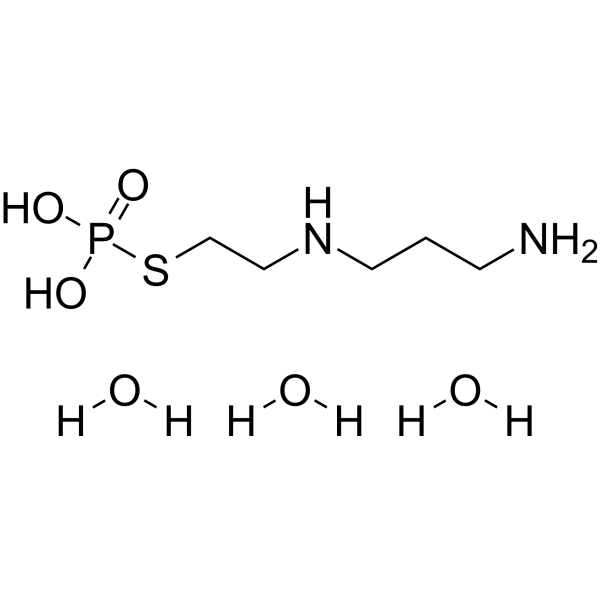
  • HY-B0639A
    Amifostine trihydrate
    10+ Cited Publications

    WR2721 trihydrate

    MDM-2/p53 HIF/HIF Prolyl-Hydroxylase Cancer
    Amifostine trihydrate (WR2721 trihydrate) is a broad-spectrum cytoprotective agent and a radioprotector. Amifostine trihydrate selectively protects normal tissues from damage caused by radiation and chemotherapy. Amifostine trihydrate is potent hypoxia-inducible factor-α1 (HIF-α1) and p53 inducer. Amifostine trihydrate protects cells from damage by scavenging oxygen-derived free radicals. Amifostine trihydrate reduces renal toxicity and has antiangiogenic action .
    Amifostine trihydrate
  • HY-130574

    BMX-010 chloride

    Reactive Oxygen Species (ROS) Cancer
    MnTE-2-PyP (BMX-010) chloride is a ROS scavenger and potent radioprotector. MnTE-2-PyP also is a manganese porphyrin, protects normal prostate tissue from radiation damage. MnTE-2-PyP can be used for the research of diabetic prostate cancer .
    MnTE-2-PyP chloride
  • HY-173425

    STING IFNAR TNF Receptor Interleukin Related Inflammation/Immunology
    STING-IN-15 is an orally active STING inhibitor, with an IC50 of 116 nM against h-STING and an IC50 of 96.3 nM against m-STING. STING-IN-15 inhibits the STING signaling pathway in cells, reduces the secretion of IFN-β and IP-10, downregulates the expression of ISG15, ISG56 and TNF-α, and suppresses the phosphorylation of TBK1/IRF3. STING-IN-15 alleviates systemic and renal inflammation induced by STING agonists in mice, reduces tissue damage and the expression of interferon pathway genes, and inhibits spontaneous tissue inflammation in mice. STING-IN-15 can be used for the research of acute kidney injury and autoimmune/inflammatory diseases .
    STING-IN-15
  • HY-174400

    SGLT SOD Na+/H+ Exchanger (NHE) Autophagy Cardiovascular Disease
    SGLT2-IN-2 (Compound E9) is an inhibitor of SGLT2. SGLT2-IN-2 significantly enhances the inhibition of SGLT2, NHE1, and SOD enzyme activity. SGLT2-IN-2 has protective effect on the glucose-free DMEM-induced injured cardiomyocytes. SGLT2-IN-2 significantly improves cardiac function in TAC-induced HF mice and inhibits cardiomyocyte hypertrophy as well as collagen deposition. SGLT2-IN-2 can ameliorate myocardial tissue damage and enhance mitochondrial autophagy in injured cardiomyocytes, thereby increasing survival rates in HF mice .
    SGLT2-IN-2
  • HY-W017424

    Drug Intermediate Caspase Apoptosis Neurological Disease Cancer
    2-Aminobenzothiazole acts as a caspase 3/7 activator, an anticancer cytotoxic agent, and also exhibits neurotoxicity. 2-Aminobenzothiazole drives the apoptotic pathway by activating caspase 3/7, induces mitochondrial inner membrane depolarization, and triggers both early and late apoptosis via a caspase-dependent pathway. In zebrafish models, 2-Aminobenzothiazole induces oxidative damage in brain tissues and inhibits genes related to GABA and 5-HT synthesis pathways. Long-term exposure to 2-Aminobenzothiazole impairs motor ability, social behavior, anxiety-like state and cognitive function. 2-Aminobenzothiazole can be used in studies of human laryngeal carcinoma and related neurotoxicity .
    2-Aminobenzothiazole
  • HY-125039
    N-Acetyl lysyltyrosylcysteine amide
    2 Publications Verification

    Glutathione Peroxidase Cardiovascular Disease Neurological Disease
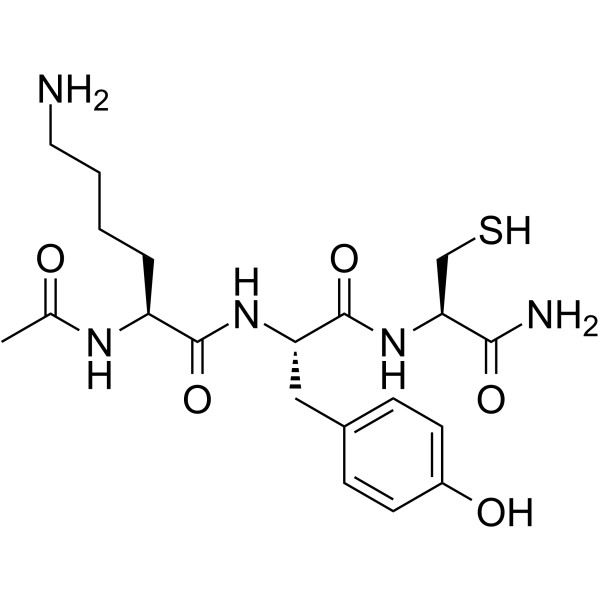
    N-Acetyl lysyltyrosylcysteine amide is a potent, reversible, specific, and non-toxic tripeptide inhibitor of myeloperoxidase (MPO). N-Acetyl lysyltyrosylcysteine amide effectively inhibits MPO generation of toxic oxidants in vivo. N-Acetyl lysyltyrosylcysteine amide reduces neuronal damage and preserves brain tissue and neurological function in the stroked brain. N-Acetyl lysyltyrosylcysteine amide inhibits MPO-dependent hypochlorous acid (HOCl) generation, protein nitration, and LDL oxidation .
    N-Acetyl lysyltyrosylcysteine amide
  • HY-109540

    AF-0150

    Heme Oxygenase (HO) Interleukin Related Inflammation/Immunology
    Perfluorohexane (AF-0150) is a perfluorocarbon. Perfluorohexane is also an enhancer of high-intensity focused ultrasound (HIFU) therapy. Perfluorohexane increases HO-1 and IL-10. Perfluorohexane exerts an antioxidant effect. Perfluorohexane alleviates lung injury induced by LPS (HY-D1056A1). Perfluorohexane improves the efficiency and precision of HIFU and reduces damage to surrounding normal tissues. Perfluorohexane can be used in the study of acute lung injury .
    Perfluorohexane
  • HY-P6084

    NOD-like Receptor (NLR) p38 MAPK Apoptosis Inflammation/Immunology
    RP-220 is a renalase peptide targeting NLRP3. RP220 has anti-inflammatory and anti-apoptotic activities. RP220 inhibits renal tubular epithelial cells apoptosis with alkaline insult by activating MAPK signaling pathway. RP220 significantly inhibits NLRP3 expression and reduces macrophage infiltration and kidney tissue damage in acute kidney injury (AKI) mice model. RP-220 can be uses for systemic lupus erythematosus (SLE) and its complication lupus nephritis (LN) research .
    RP-220
  • HY-17639

    RX-10045

    Biochemical Assay Reagents Inflammation/Immunology
    Navamepent is an analog of naturally occurring resolvin E1 (a major dietary omega-3 polyunsaturated fatty-acid metabolite) with potent anti-inflammatory and cell survival benefits. Navamepent is highly effective against dry eye and goblet cell loss thereby accelerating tear production. Also, Navamepent can reduce corneal inflammation, epithelial damage, and accelerate corneal tissue repair. In addition, Navamepent can inhibit the release of several key proinflammatory mediators from corneal epithelial cells. Navamepent is a click chemistry reagent, it contains an Alkyne group and can undergo copper-catalyzed azide-alkyne cycloaddition (CuAAc) with molecules containing Azide groups.
    Navamepent
  • HY-105017

    ATL 313; DE 112

    Adenosine Receptor Infection Inflammation/Immunology
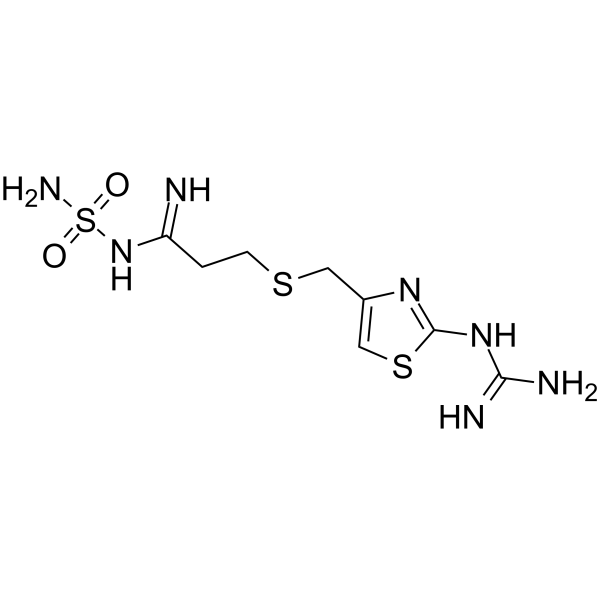
    Evodenoson is a selective agonist of the A2A adenosine receptor. Evodenoson’s primary actions include reducing inflammatory responses, decreasing intestinal fluid secretion, edema, tissue damage, and neutrophil infiltration induced by Clostridium difficile toxin A. Evodenoson’s protective effect is achieved by reducing myeloperoxidase (MPO) and adenosine deaminase (ADA) activities, and by lowering the production of tumor necrosis factor-alpha (TNF-α) .
    Evodenoson
  • HY-144874

    PARP Neurological Disease Cancer
    AZ3391 is a potent inhibitor of PARP. AZ3391 is a quinoxaline derivative. PARP family of enzymes play an important role in a number of cellular processes, such as replication, recombination, chromatin remodeling, and DNA damage repair. AZ3391 has the potential for the research of diseases and conditions occurring in tissues in the central nervous system, such as the brain and spinal cord (extracted from patent WO2021260092A1, compound 23) .
    AZ3391
  • HY-145996

    Biochemical Assay Reagents Cardiovascular Disease Infection
    STC314 is a histone-neutralizing agent. STC314 inhibits histone-mediated cytotoxicity, blocks histone-induced erythrocyte aggregation, reduces fragility, restores deformability and inhibits histone-induced aggregation and degranulation in human erythrocytes. STC314 reduces histone-mediated tissue damage, thrombocytopenia, anemia, and cell death, and improves survival in preclinical models. STC314 can be used for the research of sepsis, ischemia-reperfusion injury, and deep-vein thrombosis .
    STC314
  • HY-155801

    Toll-like Receptor (TLR) NF-κB TNF Receptor MyD88 Apoptosis DNA/RNA Synthesis Cardiovascular Disease Infection Neurological Disease Inflammation/Immunology Cancer
    CRX 527 is a TLR4 agonist. CRX 527 activates the MyD88-dependent, TRIF-dependent, and TRAF6/NF-κB signaling pathways downstream of TLR4, mimics lipid A, and regulates antigen processing and presentation by dendritic cells. CRX 527 stimulates innate immune responses and enhances vaccine efficacy. CRX 527 maintains the structural integrity of hematopoietic tissues, spleen and intestine, alleviates radiation-induced damage, preserves intestinal homeostasis, and inhibits apoptosis, inflammatory responses, oxidative stress and DNA damage. CRX 527 can be used in the research of acute radiation syndrome, melanoma, HPV-related tumors and intracerebral hemorrhage .
    CRX 527
  • HY-P11162

    FGFR Akt ERK mTOR Apoptosis Inflammation/Immunology
    FGF7p is a small molecule peptide and a potential bladder protector. FGF7p can activate downstream signaling pathways of FGFR2 in the urinary tract epithelium (pFRS2α, pAKT and pERK). FGF7p alleviates cyclophosphamide induced apoptosis and tissue damage in urinary tract epithelial cells by activating AKT and its downstream anti apoptotic targets (pBAD, pS6/mTORC1). FGF7p is commonly used in the study of inflammatory conditions .
    FGF7p
  • HY-W698586

    Drug Isomer Others
    (R)-Lotaustralin is a cyanogenic compound derived from Manihot Utilissima, playing a role in the plant's biological defense mechanism. When plant tissue is damaged, (R)-Lotaustralin is hydrolyzed by enzymes such as linamarase, releasing cyanide and thereby exerting a toxic defensive effect .
    (R)-Lotaustralin
  • HY-B1398R
    Ampyrone (Standard)
    1 Publications Verification

    4-Aminophenazone (Standard)

    Reference Standards COX Drug Metabolite Neurological Disease Inflammation/Immunology Cancer
    Ampyrone (4-Aminophenazone) (Standard) is the analytical standard of Ampyrone (HY-B1398). This product is intended for research and analytical applications. Ampyrone (4-Aminophenazone; 4-Aminoantipyrine) is a reversible and low-damage optical clearing agent and non-selective COX inhibitor based on UV absorption properties. Ampyrone can improve the optical transmittance of mouse skin and other tissues. Ampyrone can induce tissue refractive index matching by enhancing UV absorption, reduce light scattering, and achieve tissue transparency in vivo. Ampyrone reduces the synthesis of prostaglandin PGE2, thereby exerting anti-inflammatory, analgesic and antipyretic effects. Ampyrone inhibits DNA damage, cell apoptosis and immune cell phagocytosis induced by Doxorubicin (HY-15142A) and Cisplatin (HY-17394), etc., and participates in the regulation of toxicity in tumor chemotherapy .
    Ampyrone (Standard)
  • HY-N7741

    Dehydrozaluzanin C-derivative

    Bacterial Infection Inflammation/Immunology
    Isozaluzanin C (Dehydrozaluzanin c-derivative) is an anti-inflammatory agent that can be isolated from Saussurea lappa and has immunomodulatory effects. Isozaluzanin C improves tissue damage (lung, kidney, and liver) and excessive inflammation in mice induced by LPS (HY-D1056) or CRKP infection. Isozaluzanin C can be used in the study of bacterial infections and sepsi .
    Isozaluzanin C
  • HY-151542

    Mixed Lineage Kinase Necroptosis RIP kinase Neurological Disease
    MLKL-IN-4 (compound 56) is a potent MLKL (Mixed lineage kinase domain-like protein) inhibitor. MLKL-IN-4 inhibits necroptosis in HT-29 cells and acts downstream of MLKL phosphorylation, with EC50 of 82 nM . MLKL-IN-4 is a click chemistry reagent, it contains an Alkyne group and can undergo copper-catalyzed azide-alkyne cycloaddition (CuAAc) with molecules containing Azide groups.
    MLKL-IN-4
  • HY-151541

    Mixed Lineage Kinase Necroptosis Neurological Disease
    MLKL-IN-3 (compound 66) is a potent MLKL (Mixed lineage kinase domain-like protein) inhibitor. MLKL-IN-3 inhibits necroptosis in HT-29 cells and acts downstream of MLKL phosphorylation, with EC50 of 31 nM . MLKL-IN-3 is a click chemistry reagent, it contains an Alkyne group and can undergo copper-catalyzed azide-alkyne cycloaddition (CuAAc) with molecules containing Azide groups.
    MLKL-IN-3
  • HY-145686

    Wnt Nuclear Factor of activated T Cells (NFAT) Inflammation/Immunology
    AV023 is a potent inhibitor of ANKRD22. AV023 promotes the expansion of gastrointestinal mucosal epithelial stem cells and indirectly activates the Wnt classical pathway, which helps the recovery of damaged gastrointestinal mucosal tissues in the body (extracted from patent CN111205231B) .
    AV023

Inquiry Online

Your information is safe with us. * Required Fields.

Salutation


Country or Region *

Applicant Name *


Organization Name *

Department *


Email Address *


Product Name *

Cat. No.


Requested quantity *

Phone Number *


Remarks

Inquiry Online

Inquiry Information

Product Name:
Cat. No.:
Quantity:
MCE Japan Authorized Agent:

