1. Search Result
Search Result
Results for "

vascular dysfunction

" in MedChemExpress (MCE) Product Catalog:

27

Inhibitors & Agonists

1

Screening Libraries

5

Peptides

6

Natural
Products

2

Isotope-Labeled Compounds

Targets Recommended:
Cat. No. Product Name Target Research Areas Chemical Structure
  • HY-B0561
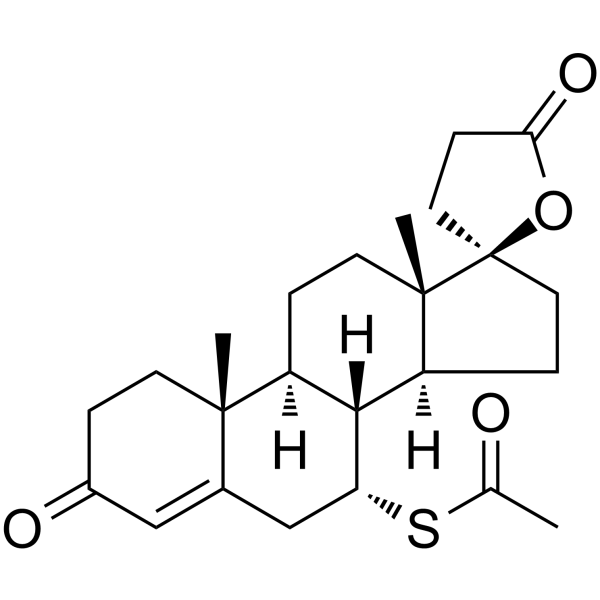
    Spironolactone
    Maximum Cited Publications
    7 Publications Verification

    SC9420

    Mineralocorticoid Receptor Androgen Receptor Autophagy Calcium Channel Cardiovascular Disease Metabolic Disease Endocrinology Cancer
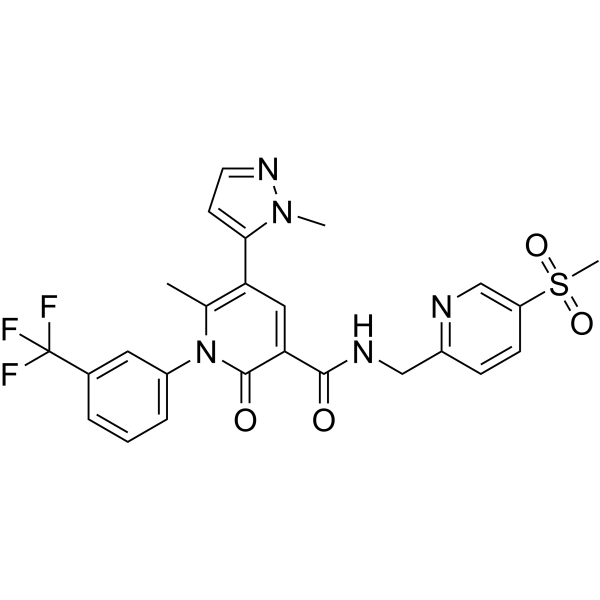
    Spironolactone is an aldosterone antagonist that acts on the aldosterone mineralocorticoid receptor (IC50=24 nM) and androgen receptor (IC50=77 nM), promotes podocyte autophagy and regulates pain. Spironolactone improves hypertension-related vascular hypertrophy and remodeling by reducing angiotensin II (Ang II)-induced inflammation, reduces aldosterone-induced vascular and soft tissue calcification through PIT1-dependent signaling, and alleviates vascular dysfunction in type II diabetic mice by reducing oxidative stress and restoring NO/GC signaling; at low concentrations, it and its metabolites can interfere with aldosterone biosynthesis in the adrenal cortex and inhibit voltage-dependent Ca 2+ channels to exert antihypertensive effects .
    Spironolactone
  • HY-12717
    Phentolamine
    5+ Cited Publications

    Adrenergic Receptor Cardiovascular Disease Endocrinology
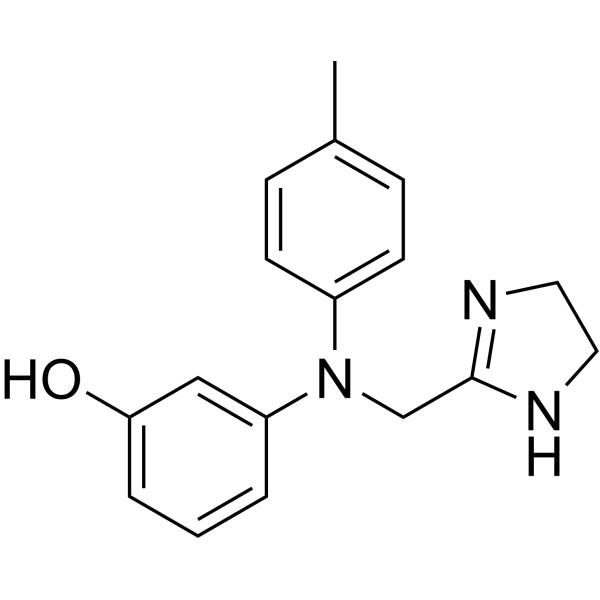
    Phentolamine is an orally active, selective α1 and α2 Adrenergic receptor antagonist. Phentolamine antagonizes the vasodilatory effect of Cromakalim (HY-110011) on isolated circumflex coronary artery segments in dogs. Phentolamine reduces systemic vascular resistance and increases cardiac output. Phentolamine improves erectile dysfunction. Phentolamine can be used for the research of erectile dysfunction .
    Phentolamine
  • HY-N0563
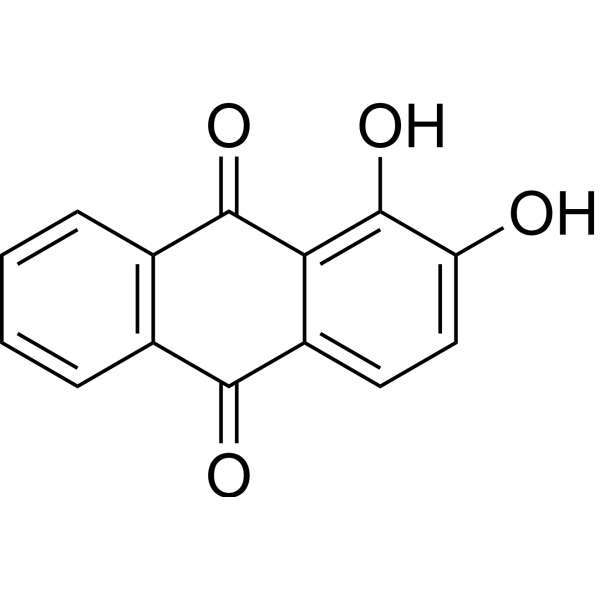
    Alizarin
    1 Publications Verification

    AMPK VEGFR PI3K Akt NF-κB Cytochrome P450 Cardiovascular Disease Cancer
    Alizarin is a natural dye. Alizarin can be extracted from the roots of madder plant. Alizarin activates AMPK and VEGFR2/eNOS pathway. Alizarin regulates PI3K/Akt and inhibits NF-κB pathway. Alizarin enhances CYP1A1 enzyme activity. Alizarin has protective effects on hypertension and vascular endothelial dysfunction. Alizarin has anti-tumor activity against multiple cancers including pancreatic cancer, breast cancer, osteosarcoma and liver cancer. Alizarin has been widely used as a pigment in textile fabrics and paintings .
    Alizarin
  • HY-B0362A
    Phentolamine mesylate
    5+ Cited Publications

    Phentolamine methanesulfonate

    Adrenergic Receptor Cardiovascular Disease Endocrinology Cancer
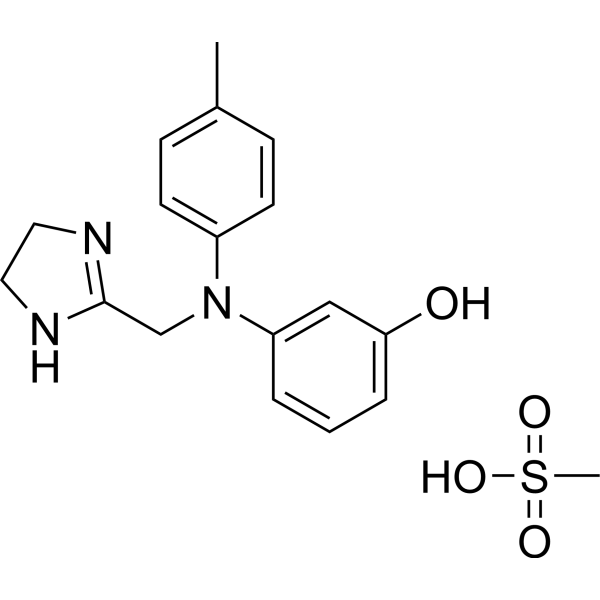
    Phentolamine mesylate (Phentolamine methanesulfonate) is a reversible, non-selective, and orally active blocker of α1 and α2 adrenergic receptor that expands blood vessels to reduce peripheral vascular resistance. Phentolamine mesylate can be used for the research of pheochromocytoma-related hypertension, heart failure and erectile dysfunction .
    Phentolamine mesylate
  • HY-N11848

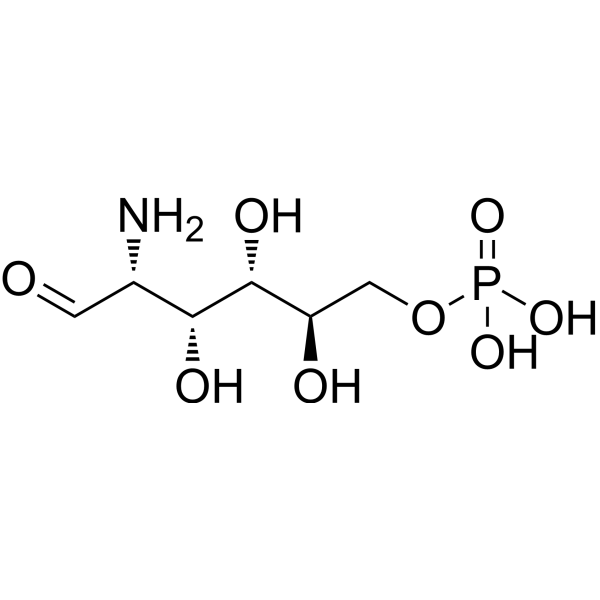
    Glucosamine-6-phosphate; D-GlcN-6-P

    Endogenous Metabolite Metabolic Disease
    D-Glucosamine 6-phosphate is an endogenous metabolite that can be synthesized by glutamine fructose-6-phosphate amidotransferase (GFAT). D-Glucosamine 6-phosphate can be used for the research of diabetes mellitus .
    D-Glucosamine 6-phosphate
  • HY-125864B

    MMP Cadherin Cardiovascular Disease Neurological Disease
    Murine Fibrinogen is a native fibrinogen derived from mouse plasma. Murine Fibrinogen acts as a cerebrovascular permeability enhancer. Murine Fibrinogen activates matrix metalloproteinase-9 (MMP-9), downregulates the expression of vascular endothelial cadherin (VE-cadherin), and upregulates the expression of plasmalemmal vesicle-associated protein-1 (PV-1). Murine Fibrinogen increases macromolecular leakage from pial veins, thereby disrupting the microvascular integrity of cerebral blood vessels. Murine Fibrinogen can be used in studies related to cerebrovascular dysfunction .
    Murine Fibrinogen
  • HY-12717A
    Phentolamine hydrochloride
    5+ Cited Publications

    Adrenergic Receptor Cardiovascular Disease Endocrinology
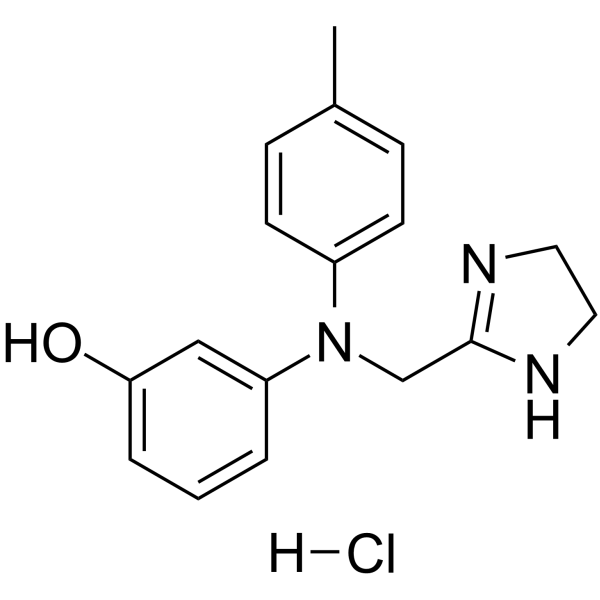
    Phentolamine hydrochloride is an orally active, selective α1 and α2 Adrenergic receptor antagonist. Phentolamine hydrochloride antagonizes the vasodilatory effect of Cromakalim (HY-110011) on isolated circumflex coronary artery segments in dogs. Phentolamine hydrochloride reduces systemic vascular resistance and increases cardiac output. Phentolamine hydrochloride improves erectile dysfunction. Phentolamine hydrochloride can be used for the research of erectile dysfunction .
    Phentolamine hydrochloride
  • HY-A0066A

    Imidaline hydrochloride; NSC35110 hydrochloride

    Adrenergic Receptor Cardiovascular Disease Endocrinology
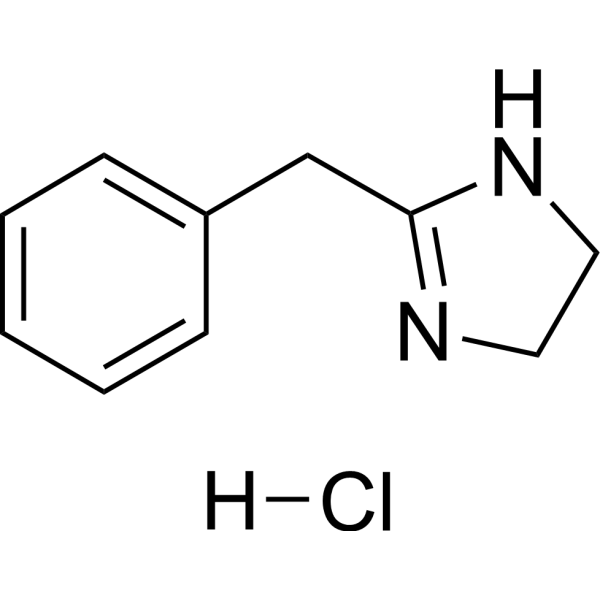
    Tolazoline hydrochloride (Imidaline hydrochloride) is an α-adrenergic receptor antagonist. Tolazoline hydrochloride inhibits Noradrenaline (HY-13715)-induced cell contraction, modulates vascular resistance, increases arterial pressure, and reverses bradycardia and tachypnea. Tolazoline hydrochloride can be used to study erectile dysfunction, α2-adrenergic receptor agonist-related poisoning, and skin vascular disease research .
    Tolazoline hydrochloride
  • HY-107586

    DAQ B1; L-783281; Dimethylasterriquinone

    Insulin Receptor Akt NO Synthase NADPH Oxidase JAK STAT FOXO DNA/RNA Synthesis ERK Flavivirus Cardiovascular Disease Infection Metabolic Disease Inflammation/Immunology
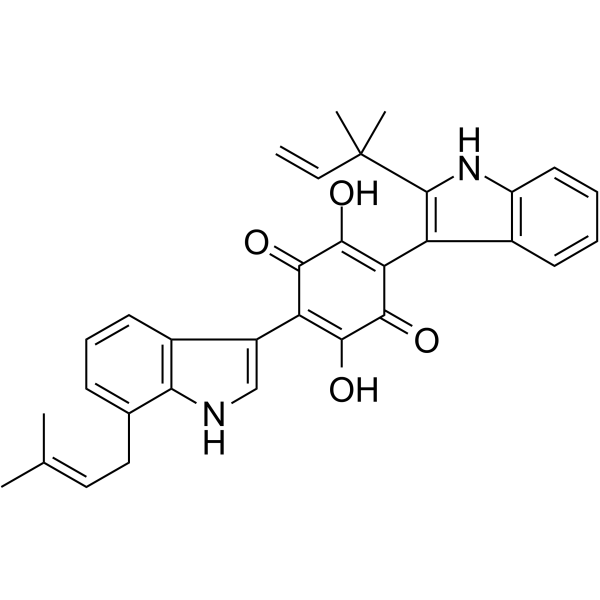
    Demethylasterriquinone B1 (DAQ B1; L-783281) is an orally active insulin receptor (insulin receptor) agonist and AKT activator. By activating AKT, Demethylasterriquinone B1 upregulates the expression and activity of eNOS to increase NO production, while downregulating the expression of the NADPH oxidase subunit p22phox to reduce oxidative stress and improve vascular endothelial dysfunction in hypertensive rats. Demethylasterriquinone B1 combind with an AKT inhibitor targets the insulin signaling pathway to activate two antiviral pathways, RNA interference and JAK/STAT, in mosquitoes, thereby reducing Zika virus infection .
    Demethylasterriquinone B1
  • HY-A0066

    Imidaline; NSC35110

    Adrenergic Receptor Cardiovascular Disease Endocrinology
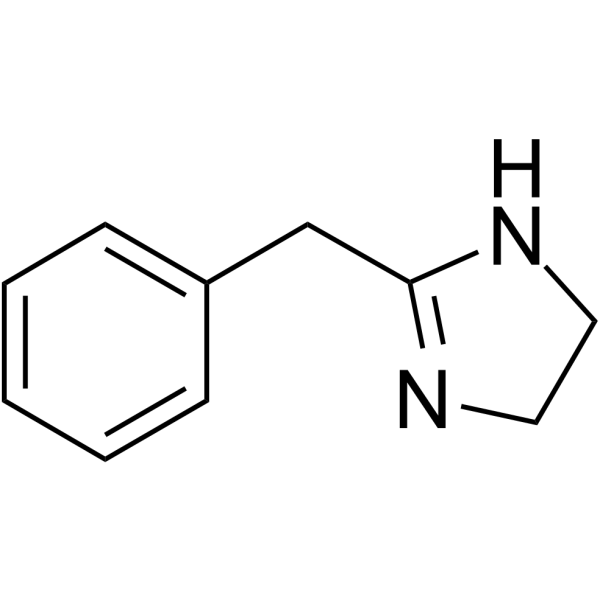
    Tolazoline (Imidaline) is an α-adrenergic receptor antagonist. Tolazoline inhibits Noradrenaline (HY-13715)-induced cell contraction, modulates vascular resistance, increases arterial pressure, and reverses bradycardia and tachypnea. Tolazoline can be used to study erectile dysfunction, α2-adrenergic receptor agonist-related poisoning, and skin vascular disease research .
    Tolazoline
  • HY-P10580

    Tie Infection Metabolic Disease Inflammation/Immunology Cancer
    Vasculotide, an angiopoietin-1 mimetic, is a Tie-2 activator and induces Tie-2 phosphorylation. Vasculotide has anti-inflammatiory effect and anti-permeability. Vasculotide ameliorates endotoxin-induced endothelial barrier dysfunction. Vasculotide promotes angiogenesis in a mouse model of diabetic ulcer. Vasculotide protects mice from vascular leakage and reduces mortality in murine abdominal sepsis. Vasculotide decreases microvascular leakage and improves microcirculatory perfusion in a rat model of hemorrhagic shock .
    Vasculotide
  • HY-N11722

    Apoptosis NF-κB Keap1-Nrf2 AMPK Autophagy SARS-CoV DNA Methyltransferase Infection Inflammation/Immunology Endocrinology
    Panduratin A is an orally active natural compound with multiple pharmacological activities. By specifically inhibiting the NF-κB signaling pathway, Panduratin A exerts potent anti-inflammatory and antioxidant effects in intestinal and vascular inflammation models. Panduratin A exerts a definite protective effect against Colistin (HY-113678)-induced nephrotoxicity by alleviating oxidative stress, improving mitochondrial dysfunction and inhibiting cell apoptosis. Panduratin A activates autophagy via an AMPK-dependent pathway and exhibits anti-tuberculosis activity. Panduratin A exerts antiviral effects by inhibiting the methyltransferase (DNA Methyltransferase) of SARS-CoV-2 .
    Panduratin A
  • HY-P10580A

    Tie Infection Metabolic Disease Inflammation/Immunology Cancer
    Vasculotide TFA, an angiopoietin-1 mimetic, is a Tie-2 activator and induces Tie-2 phosphorylation. Vasculotide has anti-inflammatiory effect and anti-permeability. Vasculotide TFA ameliorates endotoxin-induced endothelial barrier dysfunction. Vasculotide TFA promotes angiogenesis in a mouse model of diabetic ulcer. Vasculotide TFA protects mice from vascular leakage and reduces mortality in murine abdominal sepsis. Vasculotide TFA decreases microvascular leakage and improves microcirculatory perfusion in a rat model of hemorrhagic shock .
    Vasculotide TFA
  • HY-W023144

    Tris(1-chloropropan-2-yl) phosphate

    Environmental Pollutants Apoptosis DNA/RNA Synthesis Reactive Oxygen Species (ROS) Mitochondrial Metabolism Biochemical Assay Reagents Cardiovascular Disease
    Tris (1-chloro-2-propyl) phosphate (Tris (1-chloropropan-2-yl) phosphate) is a chlorinated organophosphate flame retardant. Tris (1-chloro-2-propyl) phosphate induces DNA damage, elevates intracellular ROS levels, and triggers oxidative stress. Tris (1-chloro-2-propyl) phosphate disrupts mitochondrial membrane potential, leading to mitochondrial dysfunction. Tris (1-chloro-2-propyl) phosphate can trigger cell Apoptosis. Tris (1-chloro-2-propyl) phosphate reduces the survival rate of umbilical vein endothelial cells at relatively high concentrations .
    Tris(1-chloro-2-propyl) phosphate
  • HY-N11848R

    Glucosamine-6-phosphate (Standard)

    Endogenous Metabolite Reference Standards Metabolic Disease
    D-Glucosamine 6-phosphate (Glucosamine-6-phosphate; D-GlcN-6-P) (Standard) is an analytical standard for D-Glucosamine 6-phosphate. This product is used for research and analytical applications. D-Glucosamine 6-phosphate is a phosphorylated amino sugar synthesized by glutamine fructose-6-phosphate aminotransferase (GFAT). The expression level of D-Glucosamine 6-phosphate is regulated by glucose and glutamine concentrations .
    D-Glucosamine 6-phosphate (Standard)
  • HY-174829

    Protease Activated Receptor (PAR) NF-κB Reactive Oxygen Species (ROS) Calcium Channel Akt ERK p38 MAPK PKC Cardiovascular Disease Metabolic Disease
    7,4'-Dimethoxy-3-hydroxyflavone is an orally active PAR4 antagonist. 7,4'-Dimethoxy-3-hydroxyflavone inhibits PAR4-mediated human platelet aggregation with an IC50 of 1.4 μM. 7,4'-Dimethoxy-3-hydroxyflavone inhibits PAR4-mediated human platelet aggregation and PAR4 signaling pathways, including NF-κB, Ca 2+/protein kinase C, Akt, ERK and p38. 7,4'-Dimethoxy-3-hydroxyflavone prevents vascular PAR4 expression, endothelial dysfunction and ameliorates oxidative stress in Streptozotocin (STZ) (HY-13753)-induced diabetic mice. 7,4'-Dimethoxy-3-hydroxyflavone prevents thrombosis in mice without affecting bleeding time [1][2].
    7,4'-Dimethoxy-3-hydroxyflavone
  • HY-P3199

    PKC Inflammation/Immunology
    PKCβII Peptide Inhibitor I is a PKCβII inhibitor. PKCβII Peptide Inhibitor I shows cardioprotective effects in rat cardiac Ischemia/reperfusion injury model. PKCβII Peptide Inhibitor I also prevents vascular endothelial dysfunction .
    PKCβII Peptide Inhibitor I
  • HY-10383

    Endothelin Receptor Cardiovascular Disease Metabolic Disease
    J-104132 (L-753037) is a potent, orally active, selective and competitive ETA/ETB receptor antagonist with Ki of 0.034 nM for ETA and 0.104 nM for ETB receptors. J-104132 inhibits Endothelin-1 (ET-1) (HY-P71446)-induced signaling and vascular contractions in vitro. J-104132 alleviates hypertension, vascular remodeling, and diabetic endothelial dysfunction in vivo by dual ETA/ETB blockade. J-104132 can be used for research on diabetic vascular complications [1][3].
    J-104132
  • HY-12717AS

    Isotope-Labeled Compounds Adrenergic Receptor Cardiovascular Disease Endocrinology
    Phentolamine-d4 (hydrochloride) is the deuterium labeled Phentolamine hydrochloride. Phentolamine hydrochloride is a reversible, non-selective, and orally active blocker of α1 and α2 adrenergic receptor that expands blood vessels to reduce peripheral vascular resistance. Phentolamine hydrochloride can be used for the research of pheochromocytoma-related hypertension, heart failure and erectile dysfunction .
    Phentolamine-d4 hydrochloride
  • HY-134314

    Autophagy Endogenous Metabolite Nucleoside Antimetabolite/Analog Cardiovascular Disease Metabolic Disease Inflammation/Immunology
    8-Nitro-cGMP is an electrophilic second messenger of redox signaling that can form a protein-S-cGMP adduct in s-guanylation process. 8-Nitro-cGMP is an autophagy inducer. 8-Nitro-cGMP promotes RANKL-induced osteoclast differentiation from macrophages. 8-Nitro-cGMP has vasodilator effect, and ameliorates the vascular endothelial dysfunction in diabetic mice .
    8-Nitro-cGMP
  • HY-B0561S4

    Isotope-Labeled Compounds Mineralocorticoid Receptor Androgen Receptor Autophagy Calcium Channel Cardiovascular Disease Metabolic Disease Cancer
    Spironolactone-d6-1 is the deuterium labeled Spironolactone (HY-B0561). Spironolactone is an aldosterone antagonist that acts on the aldosterone mineralocorticoid receptor (IC50=24 nM) and androgen receptor (IC50=77 nM), promotes podocyte autophagy and regulates pain. Spironolactone improves hypertension-related vascular hypertrophy and remodeling by reducing angiotensin II (Ang II)-induced inflammation, reduces aldosterone-induced vascular and soft tissue calcification through PIT1-dependent signaling, and alleviates vascular dysfunction in type II diabetic mice by reducing oxidative stress and restoring NO/GC signaling; at low concentrations, it and its metabolites can interfere with aldosterone biosynthesis in the adrenal cortex and inhibit voltage-dependent Ca 2+ channels to exert antihypertensive effects .
    Spironolactone-d6-1
  • HY-105168

    Endothelin Receptor Cardiovascular Disease
    TAK 044 is an antagonist of Endothelin Receptor. TAK 044 strongly inhibits ET-induced deterioration in various animal models. TAK 044 can be used in study ET-related diseases such as acute myocardial infarction,acute renal failure, acute hepatic malfunction, and subarachnoid hemorrhage .
    TAK 044
  • HY-B0362AR

    Phentolamine methanesulfonate (Standard)

    Reference Standards Adrenergic Receptor Cardiovascular Disease Endocrinology Cancer
    Phentolamine (mesylate) (Standard) is the analytical standard of Phentolamine (mesylate). This product is intended for research and analytical applications. Phentolamine mesylate (Phentolamine methanesulfonate) is a reversible, non-selective, and orally active blocker of α1 and α2 adrenergic receptor that expands blood vessels to reduce peripheral vascular resistance. Phentolamine mesylate can be used for the research of pheochromocytoma-related hypertension, heart failure and erectile dysfunction .
    Phentolamine mesylate (Standard)
  • HY-19420

    Phosphodiesterase (PDE) Others
    UK 357903 is a selective inhibitor for phosphodiesterase 5 (PDE5), with IC50s of 1.7 and 714 nM, for PDE5 and PDE6. UK 357903 exhibits vasodilatory effects on the mesenteric and hindlimb vascular beds, and is potential for ameliorating erectile dysfunction .
    UK 357903
  • HY-A0066R

    Imidaline (Standard); NSC35110 (Standard)

    Adrenergic Receptor Reference Standards Cardiovascular Disease Endocrinology
    Tolazoline (Standard) is the analytical standard of Tolazoline. This product is intended for research and analytical applications. Tolazoline (Imidaline) is an α-adrenergic receptor antagonist. Tolazoline inhibits Noradrenaline (HY-13715)-induced cell contraction, modulates vascular resistance, increases arterial pressure, and reverses bradycardia and tachypnea. Tolazoline can be used to study erectile dysfunction, α2-adrenergic receptor agonist-related poisoning, and skin vascular disease research .
    Tolazoline (Standard)
  • HY-A0066AR

    Imidaline hydrochloride (Standard); NSC35110 hydrochloride (Standard)

    Reference Standards Adrenergic Receptor Cardiovascular Disease Endocrinology
    Tolazoline (hydrochloride) (Standard) is the analytical standard of Tolazoline hydrochloride (HY-A0066A). This product is intended for research and analytical applications. Tolazoline hydrochloride (Imidaline hydrochloride) is an α-adrenergic receptor antagonist. Tolazoline hydrochloride inhibits Noradrenaline (HY-13715)-induced cell contraction, modulates vascular resistance, increases arterial pressure, and reverses bradycardia and tachypnea. Tolazoline hydrochloride can be used to study erectile dysfunction, α2-adrenergic receptor agonist-related poisoning, and skin vascular disease research .
    Tolazoline hydrochloride (Standard)
  • HY-167153

    Interleukin Related Reactive Oxygen Species (ROS) Cardiovascular Disease Neurological Disease Inflammation/Immunology
    PNA5 is a novel, blood-brain barrier permeable glycosylated angiotensin-(1-7) peptide and MasR agonist. PNA5 inhibits IL-7, increases IL-10. PNA5 inhibits ROS generation, decreases Iba-1 expression. PNA5 exhibits sustained cognitive protective effects. PNA5 rescues blunted cerebral functional hyperemia. PNA5 can be used in the research of inflammation-related brain diseases .
    PNA5

Inquiry Online

Your information is safe with us. * Required Fields.

Salutation


Country or Region *

Applicant Name *


Organization Name *

Department *


Email Address *


Product Name *

Cat. No.


Requested quantity *

Phone Number *


Remarks

Inquiry Online

Inquiry Information

Product Name:
Cat. No.:
Quantity:
MCE Japan Authorized Agent:

