



Geniposidic acid
Based on 7 publication(s) in Google Scholar
Geniposidic acid is an orally active FXR modulator and SIRT6 activator. Geniposidic acid binds to the Ser332 and His447 sites on the FXR ligand-binding domain, thereby driving nuclear translocation, coactivator recruitment, and transcription of downstream bile acid and cholesterol metabolism-related genes. Geniposidic acid improves metabolic dysfunction-related fatty liver disease by activating the SIRT6 signaling pathway. Geniposidic acid inhibits inflammation and modulates gut microbiota to alleviate colitis. Geniposidic acid can be used in research on drug-induced liver injury, inflammatory bowel disease, metabolic dysfunction-related fatty liver disease, and metabolic dysfunction-related steatohepatitis.
For research use only. We do not sell to patients.
- Purity : 98.87%
- CAS No.: 27741-01-1
- Formula: C16H22O10
- Molecular Weight:374.34
-
Storage:Powder -20°C, 3 years , 4°C, 2 years ; In solvent -80°C, 2 years , -20°C, 1 year

To place orders, for customer services and technical support, please contact: MedChemExpress USA
Tel: 609-228-6898 E-mail: [email protected] [email protected]


-
 Biological Activity
-
Chemical Information
-
Solvent & Solubility
- Protocols
- Purity & Documentation
- References
-
 Help & FAQs


-
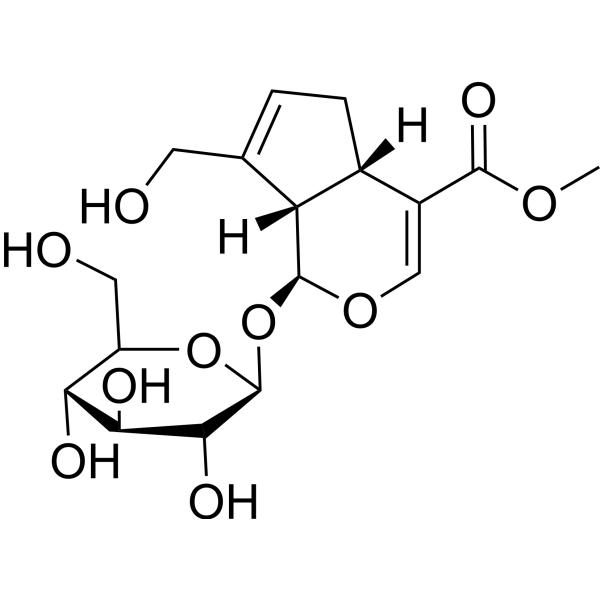
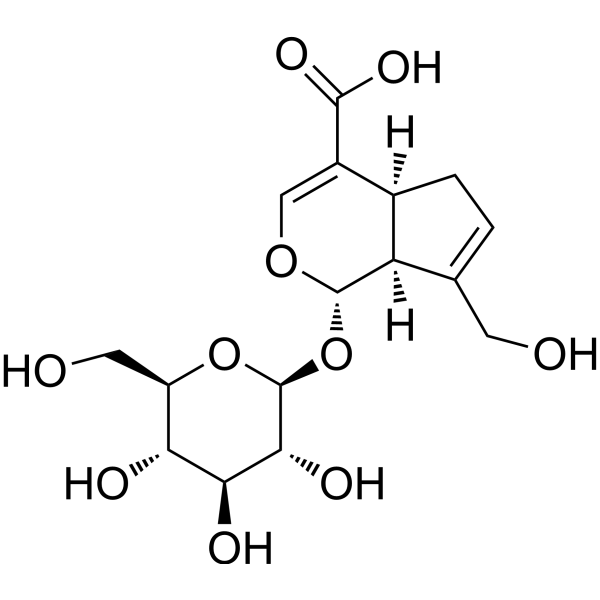
HY-N0009
GeniposideInfluenza Virus Inhibitor -
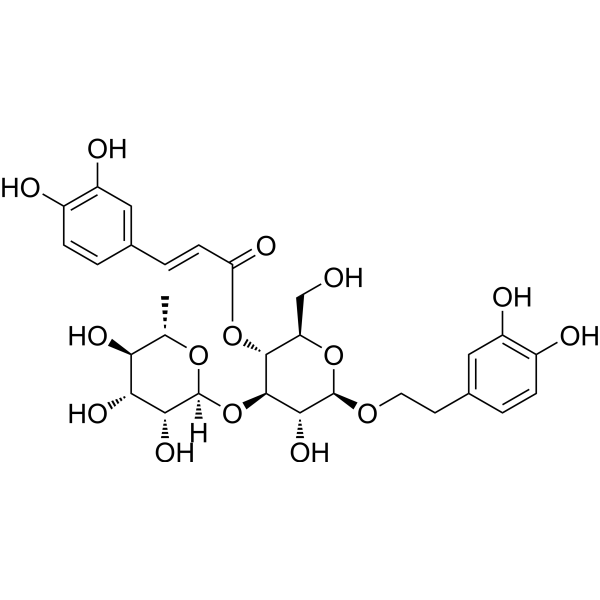
HY-N0021
VerbascosideBacterial Inhibitor -

HY-N0010R
Geniposidic acid (Standard)Endogenous Metabolite -
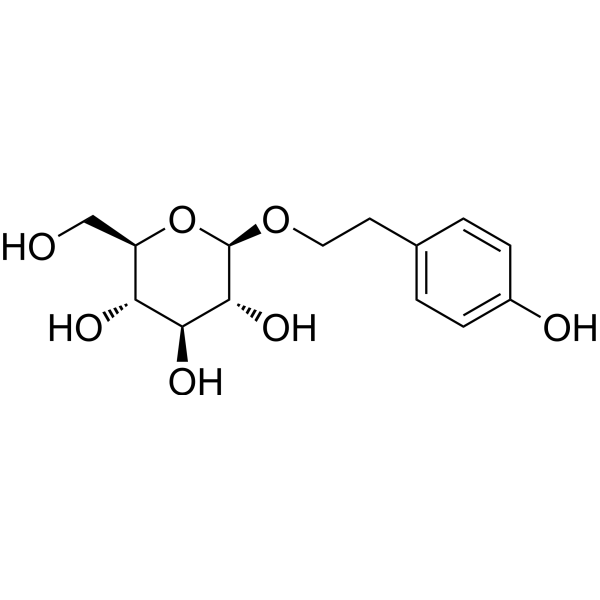
HY-N0109
SalidrosideProlyl Endopeptidase Inhibitor -
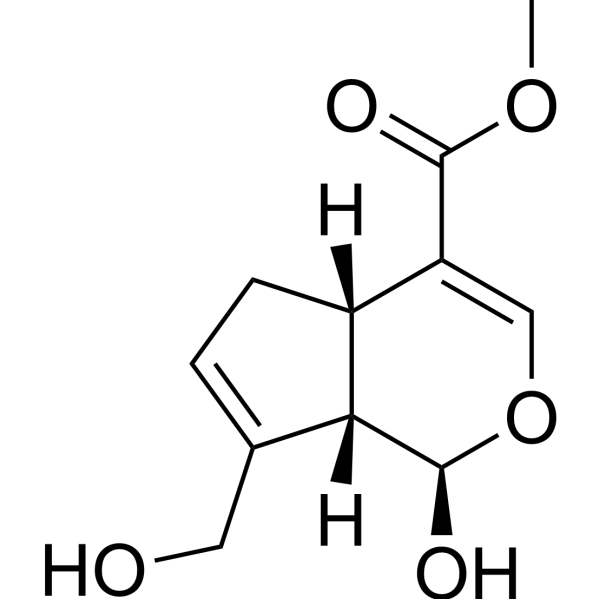
HY-17389
GenipinCrosslinking Reagent -
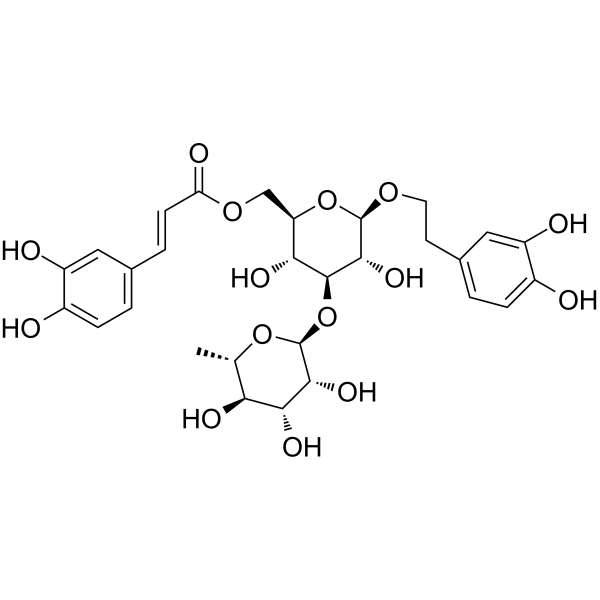
HY-N0022
IsoacteosideNatural Product -
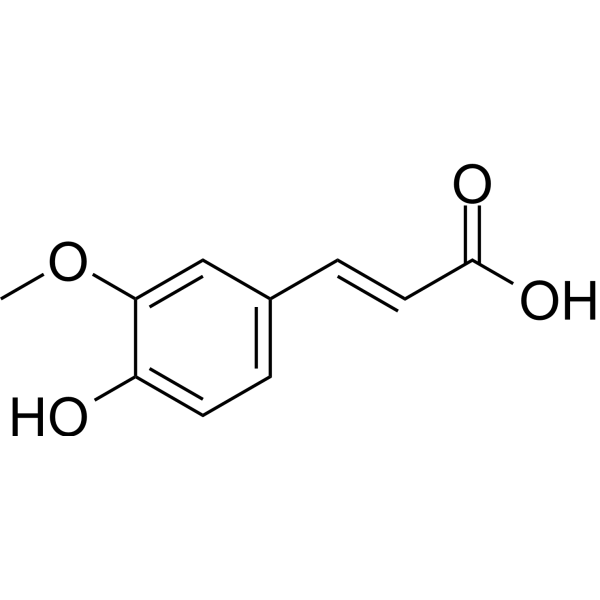
HY-N0060
Ferulic acidFGFR1 Inhibitor -
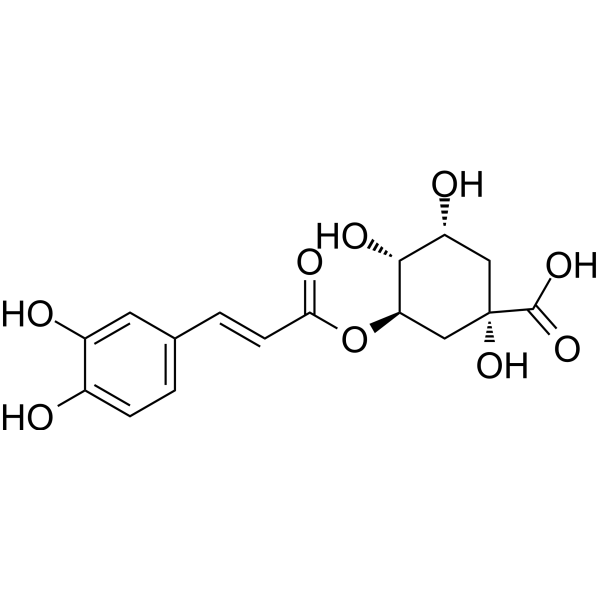
HY-N0055
Chlorogenic acidAntioxidant -
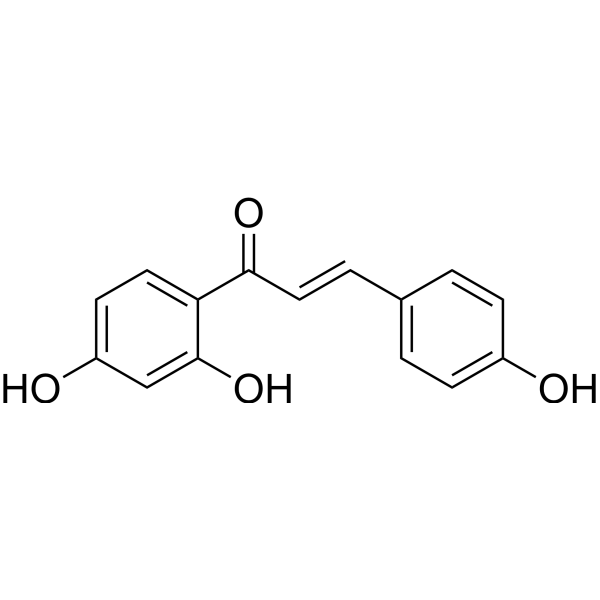
HY-N0102
IsoliquiritigeninAutophagy Inducer -
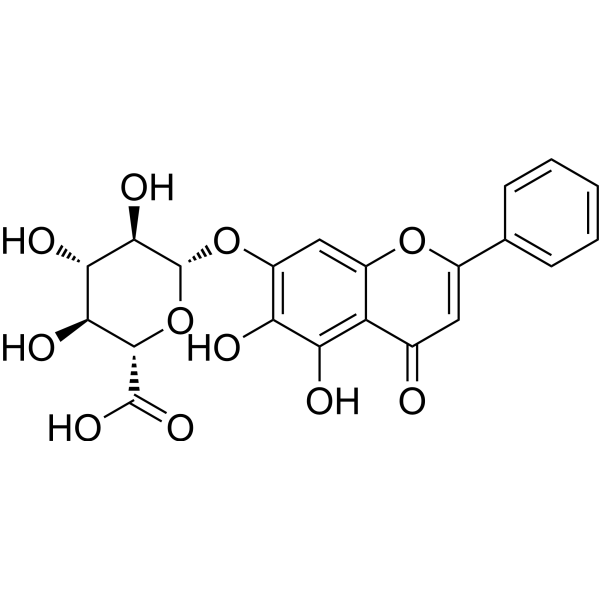
HY-N0197
BaicalinAutophagy Inducer -
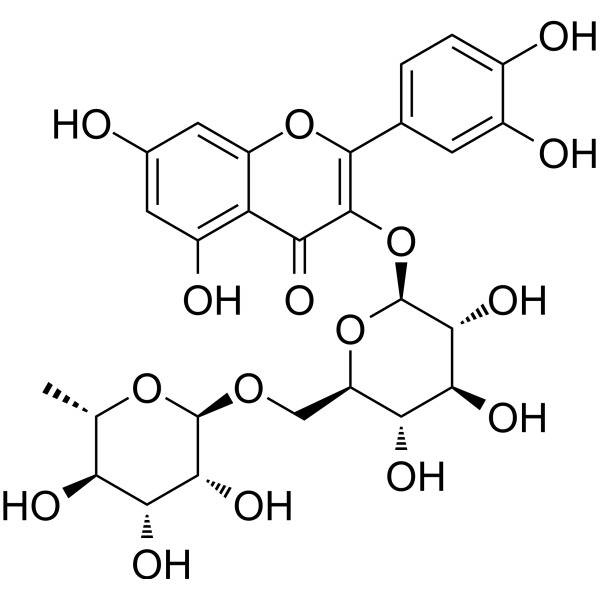
HY-N0148
RutinCBR1 Inhibitor -
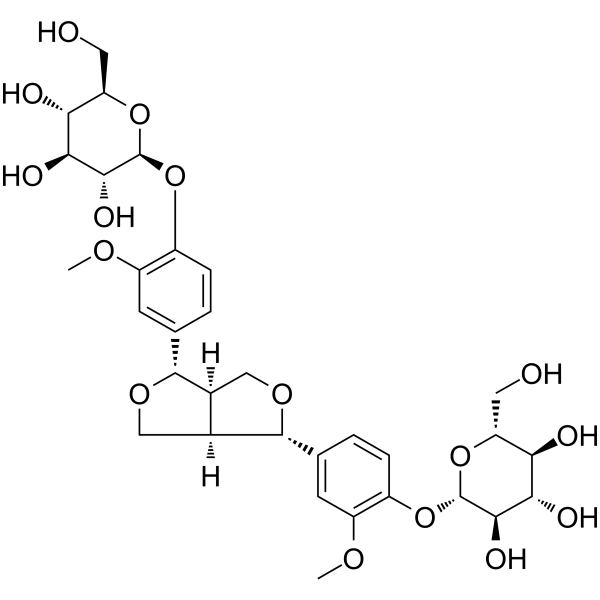
HY-N0657
Pinoresinol DiglucosideLignan
Publications Citing Use of MedChemExpress (MCE) Geniposidic acid
More- Phytomedicine. 2026 Feb:151:157776. [Abstract]
- Molecules. 2022 Dec 5;27(23):8568. [Abstract]
- J Cell Mol Med. 2024 Apr;28(8):e18228. [Abstract]
- Neurotox Res. 2026 Mar 19;44(2):12. [Abstract]
- Viruses. 2025 Apr 27;17(5):628. [Abstract]
- Food Chem Toxicol. 2025 Jul:201:115488. [Abstract]
- Research Square Preprint. 2021 Feb.
 Customer Validation & Images

-
Cell Proliferation/Viability Assay
-
Cell Imaging/Staining
-
IF
-
WB


Biological Activity
Description
IC50 & Target
|
SIRT6 6.751 × 10 μM (Kd) |
In Vitro
Geniposidic acid (25-100 μM; 12 h) activates the nuclear translocation of farnesoid X receptor (FXR) in TP-injured human L02 hepatocytes, upregulates key bile acid synthases and transporters to reduce lipid accumulation, and this activity is absolutely dependent on the expression of FXR[1].
Geniposidic acid directly binds to the ligand-binding domain of human FXR, with a Kd value of 3.905 × 10⁻⁷ M. It binds to FXR in a dose-dependent manner, with an EC50 of 1.076×10⁻⁸ M[1].
Geniposidic acid (25-100 μM; 24 h) activates BSEP-mediated transcription of BSEP target genes in human L02 hepatocytes, with Ser332 and His447 residues being critical for this agonist activity[1].
Geniposidic acid (25-100 μM; 72 h) upregulates the expression and nuclear translocation of miR-19a-3p in TP-damaged human L02 hepatocytes via an FXR-dependent mechanism; miR-19a-3p does not regulate FXR expression, but inhibits LXR-mediated cholesterol synthesis, thereby reducing the expression of cholesterol synthesis genes and lipid droplet accumulation[1].
Geniposidic acid (25-100 μM) reduces OA/PA-induced lipid accumulation and oxidative stress in primary hepatocytes from wild-type mice in a concentration-dependent manner, which depends on functionally intact SIRT6[3].
Geniposidic acid (25-100 μM) upregulates the expression and deacetylase activity of SIRT6 in HepG2 cells and mouse primary hepatocytes under both normal and lipotoxic conditions[3].
Geniposidic acid (0.625-80 μM) binds directly to recombinant human SIRT6, with a Kd value of 6.751 × 10⁻⁸ M[3].
Geniposidic acid (100 μM) reduces OA+PA-induced lipid accumulation in primary hepatocytes from wild-type mice[3].
Geniposidic acid (100 μM) upregulates the expression of fatty acid oxidation-related genes *Pparα*, *Cpt1α* and *Cd36* in primary hepatocytes from wild-type mice under lipotoxic conditions[3].
MedChemExpress (MCE) has not independently confirmed the accuracy of these methods. They are for reference only. Further protocols information, click here.
-
Cell Line:L02 cells treatment with TP
-
Concentration:25, 50, 100 μM
-
Incubation Time:12 h
-
Result:restored the protein levels of CYP7A1, CYP7B1, CYP8B1, CYP27A1, and the transporters BSEP, MRP2, and NTCP, which were downregulated in TP-induced liver cell in-jury.
-
Cell Line:L02 cells treatment with TP
-
Concentration:25, 50, 100 μM
-
Incubation Time:12 h
-
Result:Restored the mRNA levels of CYP7A1, CYP7B1, CYP8B1, CYP27A1, and the transporters BSEP, MRP2, and NTCP, which were downregulated in TP-induced liver cell in-jury.
Activated the expression of mdr2, an FXR target gene.
In Vivo
Geniposidic acid (25-75 mg/kg; i.g.; daily; 7 days) showed a dose-dependent alleviating effect on DSS-induced colitis in male C57BL/6 mice, including reducing disease activity, restoring colon length, improving colonic tissue morphology, inhibiting the production of pro-inflammatory cytokines, inhibiting NF-κB activation, enhancing the expression of intestinal tight junction proteins, and restoring gut microbiota composition[2].
Geniposidic acid (75 mg/kg; i.g.; daily; 7 days) showed no visible adverse effects in healthy male C57BL/6 mice and was able to regulate gut microbiota composition[2].
Geniposidic acid (25-100 mg/kg; i.g.; daily; 4-8 weeks) dose-dependently alleviated metabolic dysfunction-related fatty liver disease induced by high-fat diet (HFD) and MCD in male C57BL/6J mice, with its action dependent on functional liver function[3].
MedChemExpress (MCE) has not independently confirmed the accuracy of these methods. They are for reference only.
-
Animal Model:C57BL/6 (male, 6-8 weeks old, Acetaminophen/Triptolide-induced acute DILI model)[1]
-
Dosage:25 mg/kg; 50 mg/kg; 100 mg/kg
-
Administration:i.g.; daily; 6 days
-
Result:Prevented weight loss caused by acute drug-induced liver injury (DILI).
Reduced acetaminophen-induced increase in liver weight ratio.
Reduced elevated serum ALT and AST levels without affecting ALP levels.
Reduced inflammatory infiltration, hepatocellular necrosis, and F4/80-positive Kupffer cells.
Reduced mRNA levels of hepatic pro-inflammatory cytokines TNF-α, IL-1β, and IL-6, and increases mRNA levels of the anti-inflammatory cytokine IL-10.
Reduced elevated serum and hepatic levels of total bile acids (TBA), total triglycerides (TG), and total cholesterol (TCHO), and reduces hepatic lipid deposition.
Dose-dependently upregulated the mRNA and protein expression of bile acid synthases (CYP7A1, CYP7B1, CYP8B1, CYP27A1) and bile acid transporters (BSEP, MRP2, NTCP) in the liver.
-
Animal Model:C57BL/6 (male, 7-8 weeks old, 21-23 g, DSS-induced colitis model)[2]
-
Dosage:25 mg/kg; 50 mg/kg; 75 mg/kg
-
Administration:i.g.; daily; 7 days
-
Result:Reduced Disease Activity Index (DAI) score and colonic histological damage score.
Increased colonic length.
Decreased colonic TNF-α and IL-1β levels, and NF-κB p65 protein expression.
Upregulated the protein expression of tight junction proteins ZO-1 and occludin in colonic tissue.
Increased the richness and diversity of gut microbiota (Chao1, Shannon, Simpson indices), increases the relative abundance of Bacteroides, and decreases the relative abundance of Verrucous microbes.
-
Animal Model:C57BL/6 (male, 7-8 weeks old, 21-23 g)[2]
-
Dosage:75 mg/kg
-
Administration:i.g.; daily; 7 days
-
Result:Altered the gut microbiota structure, increasing the relative abundance of Proteobacteria, Muribacaceae, Lactobacillus, Verrucomicrobiales, and Akkermansia, while decreasing the relative abundance of Verrucomicrobiota.
-
Animal Model:C57BL/6J (male, 8 weeks old, 20±2 g, HFD/MCD-induced)[3]
-
Dosage:25 mg/kg; 50 mg/kg; 100 mg/kg
-
Administration:p.o.; daily; 4-8 weeks
-
Result:Reduced weight gain and liver weight increase.
Decreased serum ALT, AST, TC, TG, NEFA, and LDL-C levels while increasing serum HDL-C levels.
Reduced macrovesicular steatosis (HE staining) and neutral lipid deposition (Oil Red O staining) in liver sections.
Upregulated the mRNA expression of hepatic fatty acid β-oxidation regulators (Pparα, Cpt1α, Acad1, Acadm).
Increased serum GSH-PX and SOD activities and decreased MDA levels, thereby restoring redox homeostasis.
Reduced fasting blood glucose, improved glucose tolerance and insulin sensitivity, and reduced perirenal fat mass and adipocyte volume.
Reduced F4/80+ macrophage infiltration in liver tissue.
Downregulated the hepatic mRNA expression of pro-inflammatory genes (IL-1β, Ccl2, CXcl1) and fibrosis genes (TGF-β, Fn1, Col1a1).
Reduce liver collagen deposition (Masson trichrome staining, Sirius red staining).


Chemical Information
-
CAS No. 27741-01-1
-
Appearance Solid
-
Molecular Weight 374.34
-
Formula C16H22O10
-
Color White to off-white
-
SMILES
O[C@H]1[C@H](O)[C@@H](CO)O[C@@H](O[C@@H]2OC=C(C(O)=O)[C@]3([H])[C@@]2([H])C(CO)=CC3)[C@@H]1O
-
Structure Classification
-
Initial Source
-
Shipping
Room temperature in continental US; may vary elsewhere.
-
Storage
Powder -20°C 3 years 4°C 2 years In solvent -80°C 2 years -20°C 1 year


Publications (7)
-
Journal Impact Factor
-
Most Recent
-
Phytomedicine
A novel mechanism of Reduning injection in sepsis treatment: Targeting inflammatory kinases TBK1 and IKKβ. [Abstract]2026 Feb:151:157776. PMID: 41512388 -
Molecules
Geniposidic Acid from Eucommia ulmoides Oliver Staminate Flower Tea Mitigates Cellular Oxidative Stress via Activating AKT/NRF2 Signaling. [Abstract]2022 Dec 5;27(23):8568. PMID: 36500666
Geniposidic acid purchased from MedChemExpress. Usage Cited in: Molecules. 2022 Dec 5;27(23):8568. [Abstract]
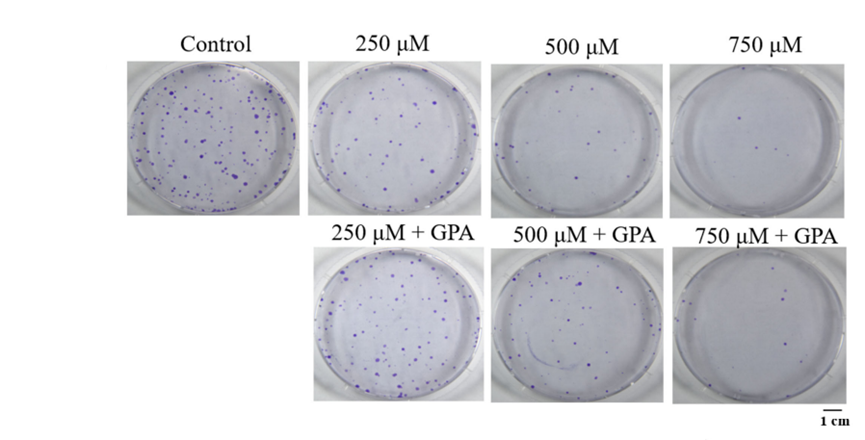
HaCaT cells were treated with GPA (50 μM) for 24 h before being exposed to H2O2 with indicated concentrations (250 μM, 500 μM, 750 μM) for 4 h. Clonogenic surviving assay was used to evaluate the effects of GPA pretreatment on clonogenicity under oxidative stress.
Geniposidic acid purchased from MedChemExpress. Usage Cited in: Molecules. 2022 Dec 5;27(23):8568. [Abstract]
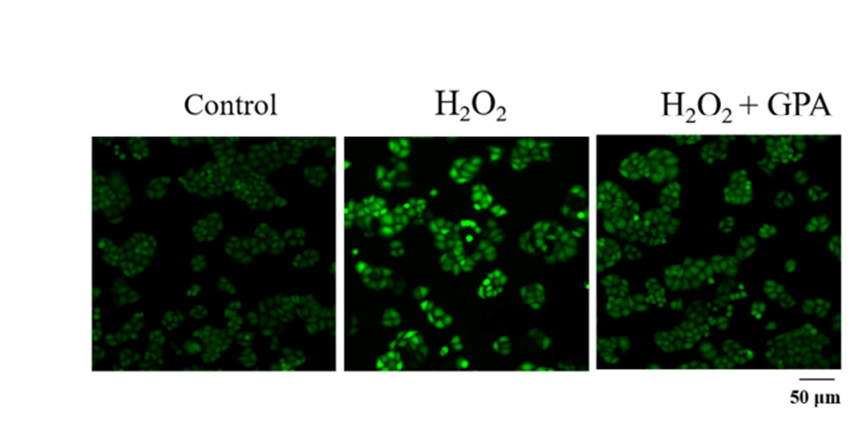
Cells were exposed to H2O2 (750 μM) for 4 h after being pretreated with GPA (50 μM) for 24 h. Intracellular ROS generation was measured by a fluorescence microscope using a CM−H2DCFDA probe.
Geniposidic acid purchased from MedChemExpress. Usage Cited in: Molecules. 2022 Dec 5;27(23):8568. [Abstract]
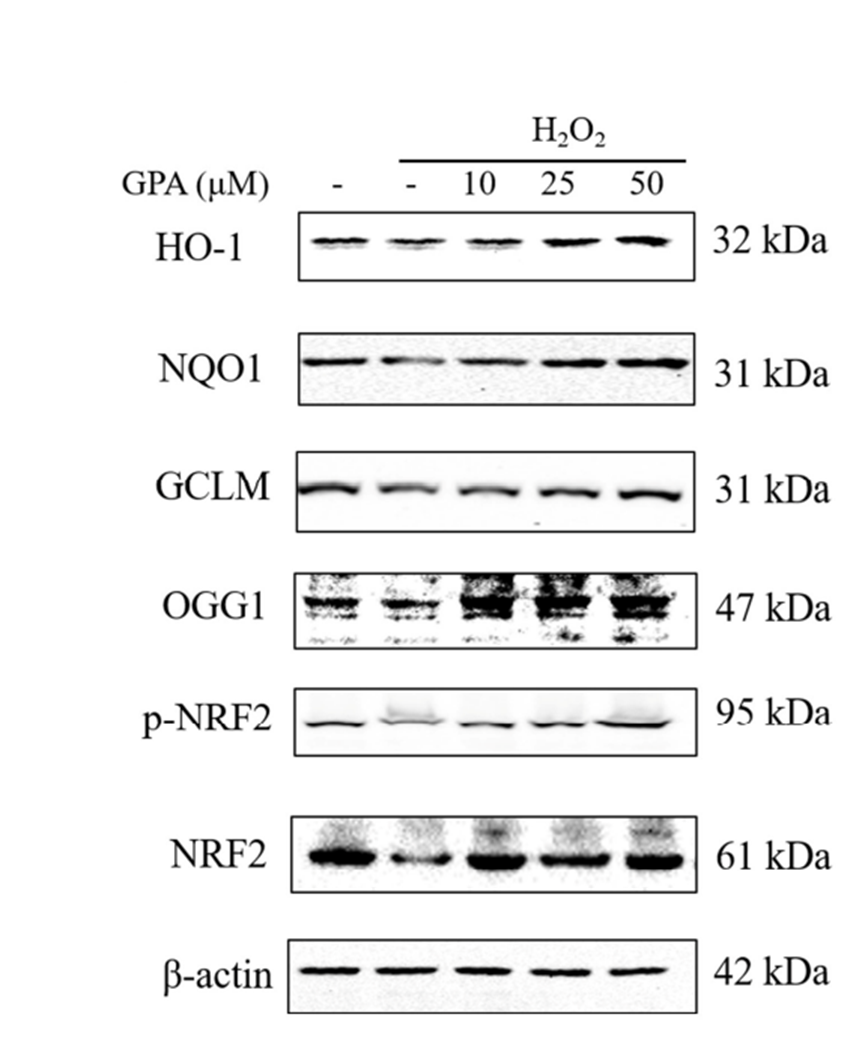
Cells were exposed to H2O2 (750 μM) for 4 h after being pretreated with GPA (10 μM, 25 μM, 50 μM) for 24 h. Western blotting was performed to identify the antioxidative genes expression level.
-
J Cell Mol Med
Geniposidic acid alleviates osteoarthritis progression through inhibiting inflammation and chondrocytes ferroptosis. [Abstract]2024 Apr;28(8):e18228. PMID: 38520209
Geniposidic acid purchased from MedChemExpress. Usage Cited in: J Cell Mol Med. 2024 Apr;28(8):e18228. [Abstract]
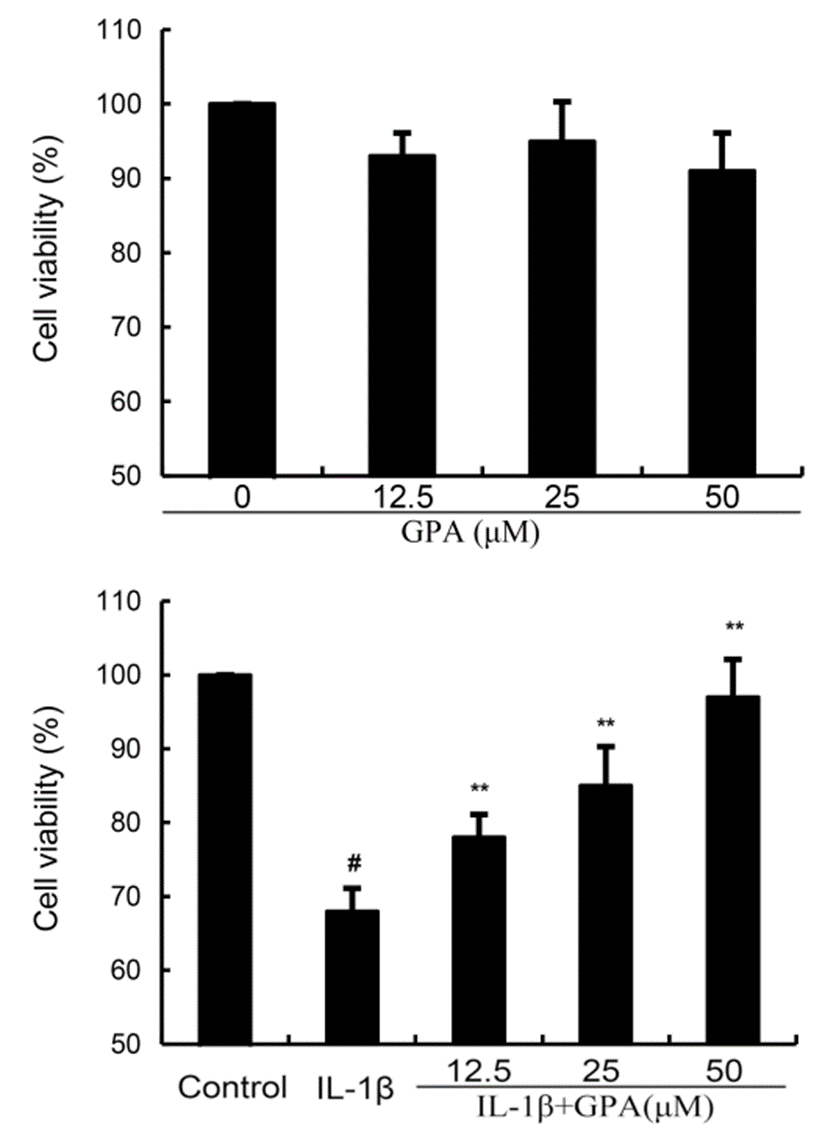
Cells were cultured with different concentrations of Geniposidic acid (GPA) (12.5, 25 and 50 μM) for 24 h. The cell viability was determined by CCK8 assay.
-
Neurotox Res
Tubuloside B Alleviates Aβ25-35 Induced PC12 Cell Injury by Attenuating Pyroptosis, Apoptosis and Excessive Autophagy. [Abstract]2026 Mar 19;44(2):12. PMID: 41854817 -
Viruses
Anthraquinone-2-Carboxylic Acid Is a Potential Antiviral Candidate Against Influenza Viruses In Vitro and In Vivo. [Abstract]2025 Apr 27;17(5):628. PMID: 40431640 -
Food Chem Toxicol
Mechanisms of LPS-induced toxicity in endothelial cells and the protective role of geniposidic acid. [Abstract]2025 Jul:201:115488. PMID: 40288513 -


Solvent & Solubility
In Vitro:
DMSO : ≥ 100 mg/mL (267.14 mM; Hygroscopic DMSO has a significant impact on the solubility of product, please use newly opened DMSO)
* "≥" means soluble, but saturation unknown.
Please refer to the solubility information to select the appropriate solvent. Once prepared, please aliquot and store the solution to prevent product inactivation from repeated freeze-thaw cycles.
Storage method and period of stock solution: -80°C, 2 years; -20°C, 1 year. When stored at -80°C, please use it within 2 years. When stored at -20°C, please use it within 1 year.
Please refer to the solubility information to select the appropriate solvent. Once prepared, please aliquot and store the solution to prevent product inactivation from repeated freeze-thaw cycles.
Storage method and period of stock solution: -80°C, 2 years; -20°C, 1 year. When stored at -80°C, please use it within 2 years. When stored at -20°C, please use it within 1 year.
Concentration (start) × Volume (start) = Concentration (final) × Volume (final)
In Vivo:
Select the appropriate dissolution method based on your experimental animal and administration route.
- For the following dissolution methods, please ensure to first prepare a clear stock solution using an In Vitro approach and then sequentially add co-solvents:
- To ensure reliable experimental results, the clarified stock solution can be appropriately stored based on storage conditions. As for the working solution for In Vivo experiments, it is recommended to prepare freshly and use it on the same day.
- The percentages shown for the solvents indicate their volumetric ratio in the final prepared solution. If precipitation or phase separation occurs during preparation, heat and/or sonication can be used to aid dissolution.
Add each solvent one by one: 10% DMSO 40% PEG300 5% Tween-80 45% Saline
Solubility: ≥ 3 mg/mL (8.01 mM); Clear solution
This protocol yields a clear solution of ≥ 3 mg/mL (saturation unknown).
Taking 1 mL working solution as an example, add 100 μL DMSO stock solution (30.0 mg/mL) to 400 μL PEG300, and mix evenly; then add 50 μL Tween-80 and mix evenly; then add 450 μL Saline to adjust the volume to 1 mL.
Preparation of Saline: Dissolve 0.9 g sodium chloride in ddH₂O and dilute to 100 mL to obtain a clear Saline solution.
Add each solvent one by one: 10% DMSO 90% (20% SBE-β-CD in Saline)
Solubility: ≥ 3 mg/mL (8.01 mM); Clear solution
This protocol yields a clear solution of ≥ 3 mg/mL (saturation unknown).
Taking 1 mL working solution as an example, add 100 μL DMSO stock solution (30.0 mg/mL) to 900 μL 20% SBE-β-CD in Saline, and mix evenly.
Preparation of 20% SBE-β-CD in Saline (4°C, storage for one week): 2 g SBE-β-CD powder is dissolved in 10 mL Saline, completely dissolve until clear.
In Vivo Dissolution Calculator
Please enter the basic information of animal experiments:
-
-
-
-
Recommended: Prepare an additional quantity of animals to account for potential losses during experiments.
Please enter your animal formula composition:
-
%DMSO +
Recommended: Keep the proportion of DMSO in working solution below 2% if your animal is weak.
-
%+
-
+%Tween-80 + +
-
%Saline +
The co-solvents required include: DMSO, . All of co-solvents are available by MedChemExpress (MCE). , Tween 80. All of co-solvents are available by MedChemExpress (MCE).
Working solution concentration: 0.22 mg/mL
Method for preparing stock solution: mg drug dissolved in μL DMSO. Stock solution concentration: mg/mL.
1. Take μL DMSO stock solution;
2. Add μL .
μL , mix evenly;
3. Then add μL Tween 80, mix evenly;
4. Then add μL
Please ensure that the stock solution in the first step is dissolved to a clear state, and add co-solvents in sequence. You can use ultrasonic heating (ultrasonic cleaner, recommended frequency 20-40 kHz), vortexing, etc. to assist dissolution.

Protocols
-
Cytoplasmic-Nuclear Fractionated Protein Extraction
Cytoplasmic-nuclear fractionated protein extraction separates soluble cytoplasmic proteins from nuclear-enriched proteins by mild plasma-membrane permeabilization, differential centrifugation, washing of nuclei, and extraction of nuclear proteins for downstream immunoblotting or related molecular analysis. The readout is the relative abundance of a protein in cytoplasmic and nuclear fractions, commonly assessed by western blotting together with compartment markers such as tubulin or pyruvate kinase for cytoplasm and lamin, nucleoporin, hnRNP, H2AX, or Lamin B for nuclear fractions.
-
DSS-Induced Colitis
Dextran sulfate sodium (DSS)-induced colitis is generated by administering DSS in mouse drinking water, producing epithelial injury, barrier disruption, weight loss, diarrhea, fecal blood, colon shortening, histologic mucosal damage, and inflammatory mediator changes; the model is mainly used to study acute or chronic intestinal inflammation resembling selected features of ulcerative colitis. DSS injury is interpreted through clinical and tissue readouts rather than a single molecular endpoint: daily body weight, stool consistency, and bleeding are combined into a disease activity index, while colon length, histology, cytokines, myeloperoxidase activity, intestinal permeability, and tight-junction markers provide complementary measures of inflammation and barrier damage.
-
TNBS-Induced Colitis
TNBS-induced colitis is produced by intrarectal delivery of 2,4,6-trinitrobenzene sulfonic acid in ethanol, where ethanol disrupts the mucosal barrier and TNBS haptenates colonic proteins, generating immune-mediated colonic inflammation with weight loss, diarrhea, ulceration, transmural injury, inflammatory-cell infiltration, and cytokine responses. The model is used as an experimental intestinal inflammation model with Crohn’s disease–like features, especially when Th1-type responses, IL-12–dependent inflammation, chronic relapsing inflammation, or fibrosis-related endpoints are studied.
-
Research Protocol for Microbiome Analysis
Microbiome analysis characterizes microbial communities in biological or environmental samples by measuring community composition, diversity, taxonomic structure, functional potential, and associations with host or environmental phenotypes. 16S rRNA gene amplicon sequencing is commonly used for bacterial and archaeal taxonomic profiling, while shotgun metagenomics provides higher taxonomic resolution and direct functional information, including microbial genes, pathways, viruses, fungi, and antimicrobial-resistance genes when sequencing depth and host-DNA contamination are adequately controlled. Microbiome results are strongly affected by sample collection, storage, DNA extraction, contamination, sequencing method, reference database, and bioinformatic pipeline; therefore, standardized protocols, negative controls, mock communities, and transparent analysis workflows are required. Unresolved issues include low-biomass contamination, compositional-data bias, inconsistent species-level c
-
Research Protocol for Inflammation-related Diseases
The NLRP3 inflammasome is a cytosolic innate immune signaling platform that integrates priming signals and danger-signal activation to promote caspase-1 activation, maturation of IL-1β and IL-18, and gasdermin D-mediated pyroptotic cell death. The core experimental logic is to determine whether inflammatory disease phenotypes are driven by increased NLRP3 expression, ASC-containing inflammasome assembly, caspase-1 cleavage, GSDMD cleavage, and extracellular release of IL-1β/IL-18 rather than by nonspecific cell injury alone. The pathway is strongly linked to inflammation-related disease phenotypes because monosodium urate crystals activate NALP3/NLRP3 inflammasome signaling in gout-like crystal inflammation, cholesterol crystals activate NLRP3 inflammasomes in atherogenesis models, and DSS-induced intestinal inflammation has been reported to involve NLRP3 inflammasome activity. However, experimental colitis studies also show context-dependent protective effects of NLRP3 inflammasome co
-
Hepatotoxicity Study
This protocol evaluates hepatotoxicity using complementary in vivo mouse APAP acute liver injury and in vitro hepatocyte-based cytotoxicity readouts. In vivo APAP injury is assessed by serum ALT/AST, liver histology, hepatic glutathione, protein adducts, necrosis, inflammation, and regeneration-related endpoints. In vitro hepatotoxicity is assessed by loss of viability, leakage of ALT/AST/LDH, oxidative-stress markers, mitochondrial function, nuclear morphology, intracellular calcium, and high-content imaging endpoints.
-
Research Protocol for Metabolic Diseases
AMP-activated protein kinase, AMPK, is a conserved cellular energy sensor that responds to reduced cellular energy status and coordinates metabolism by increasing ATP-generating catabolic pathways while suppressing ATP-consuming anabolic processes. In metabolic disease research, the AMPK pathway is experimentally relevant because it regulates hepatic lipid synthesis, fatty acid oxidation, glucose production, skeletal-muscle glucose disposal, mTORC1-linked biosynthesis, autophagy, mitochondrial homeostasis, and whole-body energy balance. The central pathway logic is that energy stress, metformin, exercise-like stimulation, or direct AMPK activators increase AMPKα Thr172 phosphorylation and downstream substrate phosphorylation, including ACC and RAPTOR. Phosphorylation of ACC suppresses lipogenesis and supports fatty acid oxidation, whereas phosphorylation of RAPTOR suppresses mTORC1 signaling and links cellular energy status to growth and protein synthesis control. The pathway is linked


Purity & Documentation
-
Data Sheet (293 KB)
-
SDS (393 KB)
- English - EN (393 KB)
- Français - FR (393 KB)
- Deutsch - DE (393 KB)
- Norwegian - NO (393 KB)
- Español - ES (393 KB)
- Swedish - SV (393 KB)
- Italian - IT (393 KB)
- Korean - KR (393 KB)
- Portuguese - PT (393 KB)
-
Handling Instructions (2659 KB)
References
[1]. Fan M, et al. Geniposidic Acid Targeting FXR "S332 and H447" Mediated Conformational Change to Upregulate CYPs and miR-19a-3p to Ameliorate Drug-Induced Liver Injury. Adv Sci (Weinh). 2025;12(15):e2409107. [Content Brief]
[2]. Jiang P, et al. Geniposidic acid attenuates DSS-induced colitis through inhibiting inflammation and regulating gut microbiota. Phytother Res. 2023;37(8):3453-3466. [Content Brief]
[3]. Zhou Y, et al. Geniposidic acid alleviated metabolic dysfunction-associated steatotic liver disease by exciting SIRT6 signaling. Phytomedicine. 2025;146:157140. [Content Brief]


Complete Stock Solution Preparation Table
Please refer to the solubility information to select the appropriate solvent. Once prepared, please aliquot and store the solution to prevent product inactivation from repeated freeze-thaw cycles.
Storage method and period of stock solution: -80°C, 2 years; -20°C, 1 year. When stored at -80°C, please use it within 2 years. When stored at -20°C, please use it within 1 year.
| Optional Solvent | Concentration Solvent Mass | 1 mg | 5 mg | 10 mg | 25 mg |
|---|---|---|---|---|---|
| DMSO | 1 mM | 2.6714 mL | 13.3568 mL | 26.7137 mL | 66.7842 mL |
| 5 mM | 0.5343 mL | 2.6714 mL | 5.3427 mL | 13.3568 mL | |
| 10 mM | 0.2671 mL | 1.3357 mL | 2.6714 mL | 6.6784 mL | |
| 15 mM | 0.1781 mL | 0.8905 mL | 1.7809 mL | 4.4523 mL | |
| 20 mM | 0.1336 mL | 0.6678 mL | 1.3357 mL | 3.3392 mL | |
| 25 mM | 0.1069 mL | 0.5343 mL | 1.0685 mL | 2.6714 mL | |
| 30 mM | 0.0890 mL | 0.4452 mL | 0.8905 mL | 2.2261 mL | |
| 40 mM | 0.0668 mL | 0.3339 mL | 0.6678 mL | 1.6696 mL | |
| 50 mM | 0.0534 mL | 0.2671 mL | 0.5343 mL | 1.3357 mL | |
| 60 mM | 0.0445 mL | 0.2226 mL | 0.4452 mL | 1.1131 mL | |
| 80 mM | 0.0334 mL | 0.1670 mL | 0.3339 mL | 0.8348 mL | |
| 100 mM | 0.0267 mL | 0.1336 mL | 0.2671 mL | 0.6678 mL |


Geniposidic acid Related Classifications
HY-N0010 Related Classifications
 Powered by Bioz