



β-Apo-8'-carotenal

Based on 1 Customer Validation
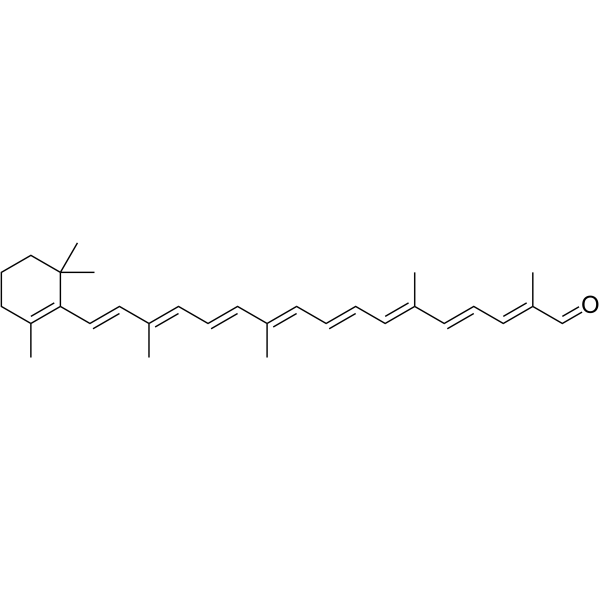
β-Apo-8'-carotenal (Apocarotenal), an orally active provitamin A carotenoid. β-Apo-8'-carotenal can induce the expression of CYP1A through the Ah receptor-dependent pathway. β-Apo-8'-carotenal can induce cancer cells DNA strand breaks and lipid peroxidation. β-Apo-8'-carotenal can be used for the researches of cancer and metabolic disease.
For research use only. We do not sell to patients.
- Purity : 96.57%
- CAS No.: 1107-26-2
- Formula: C30H40O
- Molecular Weight:416.64
-
Storage:
-20°C, sealed storage, away from moisture and light
* In solvent : -80°C, 6 months; -20°C, 1 month (sealed storage, away from moisture and light)

To place orders, for customer services and technical support, please contact: MedChemExpress USA
Tel: 609-228-6898 E-mail: [email protected] [email protected]


-
 Biological Activity
-
Chemical Information
-
Solvent & Solubility
- Protocols
- Purity & Documentation
- References
-
 Help & FAQs


-

HY-B1342
Vitamin A -
HY-B1960
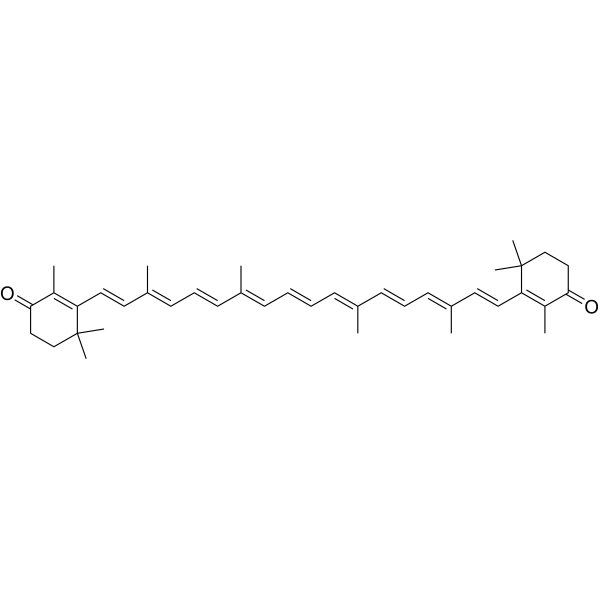
CanthaxanthinAntioxidant -
HY-120318
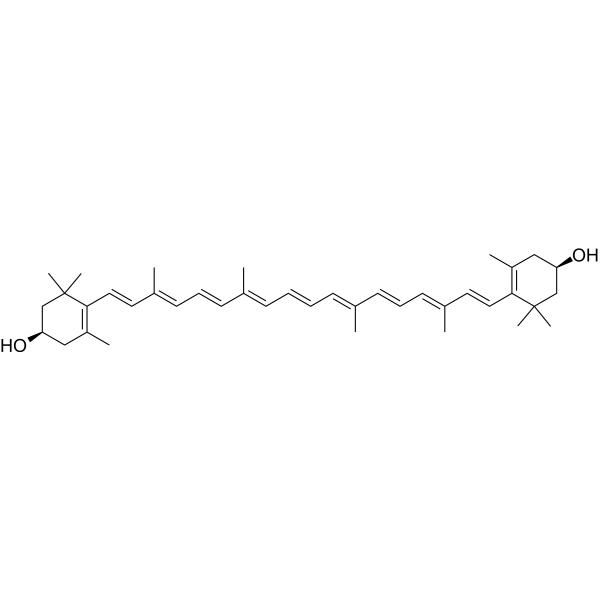
ZeaxanthinDiet-obtained Carotenoid -
HY-N0411
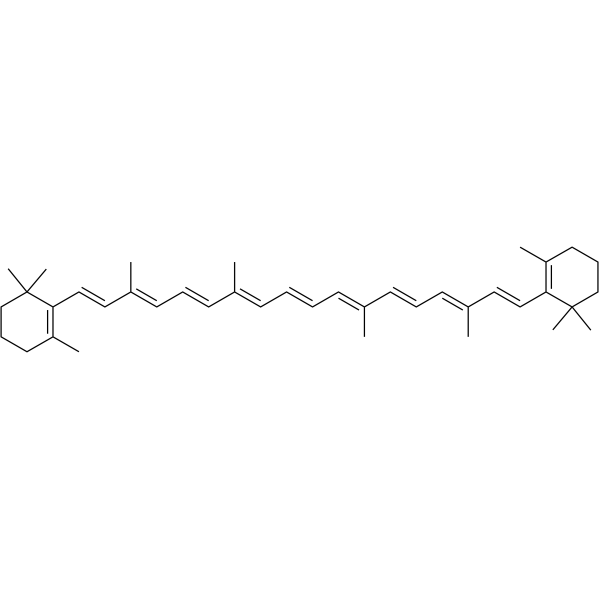
β-CaroteneCarotenoid compound -
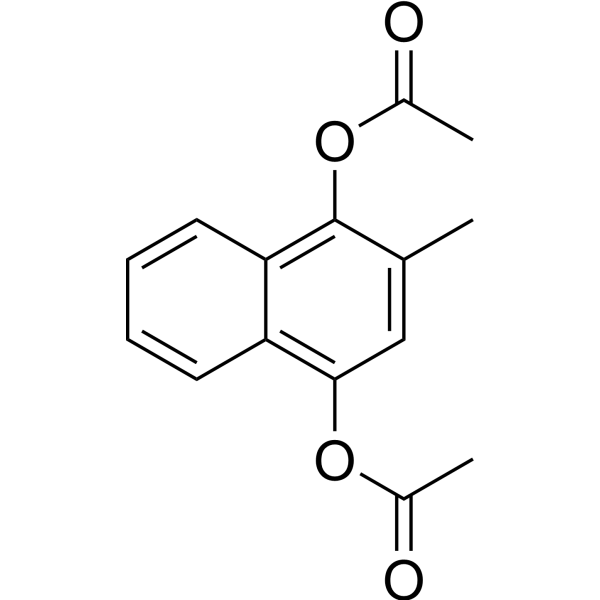
HY-B1508
Vitamin K4Endogenous Metabolite -
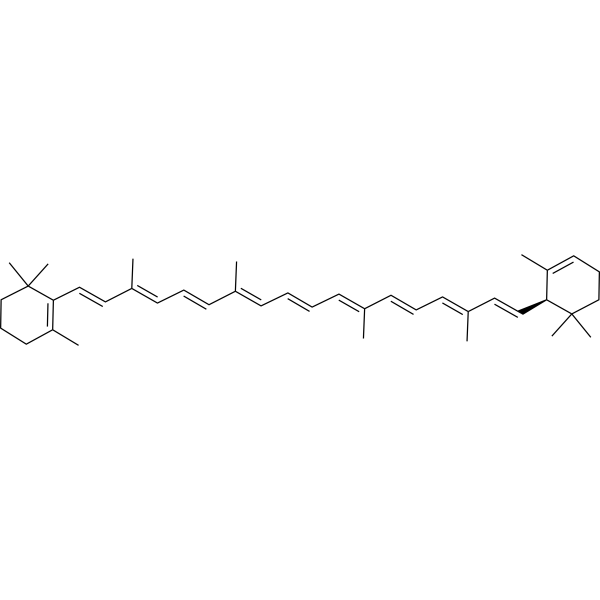
HY-113462
α-CaroteneVitamin A Precursor -
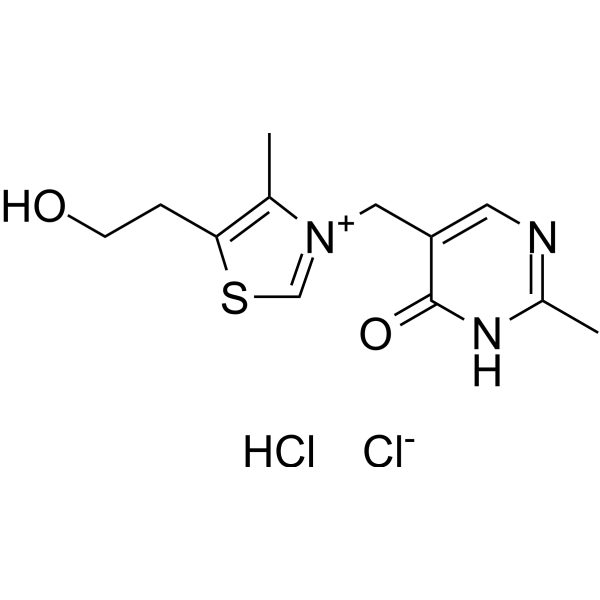
HY-107430A
Oxythiamine chloride hydrochlorideTransketolase Inhibitor -

HY-N0411R
β-Carotene (Standard)Carotenoid compound -
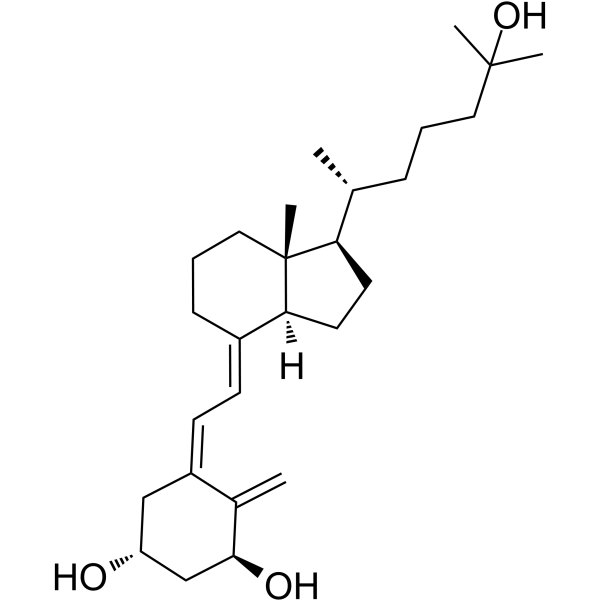
HY-10002
CalcitriolVDR Agonist -
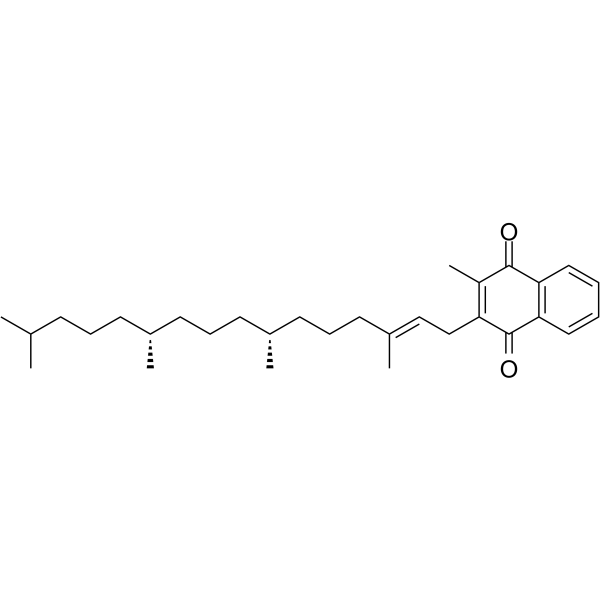
HY-N0684
Vitamin K1Endogenous Metabolite -
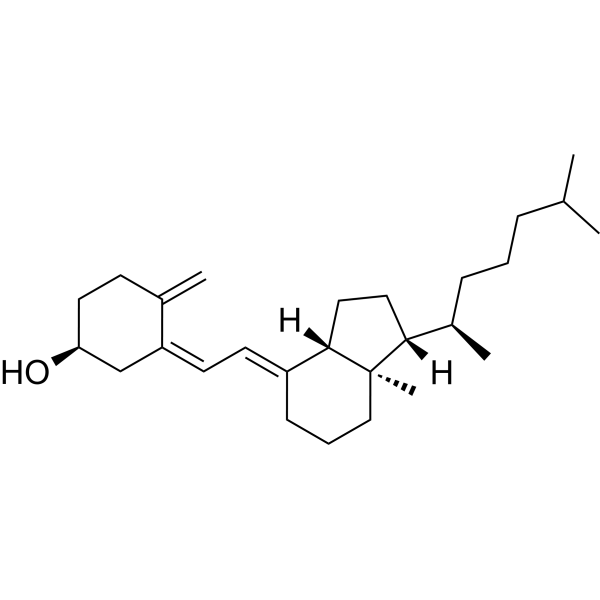
HY-15398
Vitamin D3Vitamin -

HY-B1960R
Canthaxanthin (Standard)Antioxidant
All DNA/RNA Synthesis Isoforms
More

Biological Activity
Description
IC50 & Target
[1]|
CYP1A1 |
CYP1A2 |
In Vitro
β-Apo-8'-carotenal (2-20 μM, retreated for 1 h) induces DNA strand breaks and lipid peroxidation and upregulates CYP1A2 protein expression in human lung adenocarcinoma A549 cells[3].
MedChemExpress (MCE) has not independently confirmed the accuracy of these methods. They are for reference only. Further protocols information, click here.
In Vivo
β-Apo-8'-carotenal (300 mg/kg free diet; 14 days) induces CYP1A2 protein expression and has no inductive effect on CYP1A1 in male Ah receptor-responsive C57BL/6 mice[2].
MedChemExpress (MCE) has not independently confirmed the accuracy of these methods. They are for reference only.


Chemical Information
-
CAS No. 1107-26-2
-
Appearance Solid
-
Molecular Weight 416.64
-
Formula C30H40O
-
Color Brown to black
-
SMILES
O=C/C(C)=C/C=C/C(C)=C/C=C/C=C(C)/C=C/C=C(C)/C=C/C1=C(C)CCCC1(C)C
-
Synonyms
Apocarotenal
-
Structure Classification
-
Initial Source
-
Shipping
Room temperature in continental US; may vary elsewhere.
-
Storage
-20°C, sealed storage, away from moisture and light
* In solvent : -80°C, 6 months; -20°C, 1 month (sealed storage, away from moisture and light)


Solvent & Solubility
In Vitro:
DMSO : 1 mg/mL (2.40 mM; ultrasonic and warming and heat to 60°C; Hygroscopic DMSO has a significant impact on the solubility of product, please use newly opened DMSO)
Please refer to the solubility information to select the appropriate solvent. Once prepared, please aliquot and store the solution to prevent product inactivation from repeated freeze-thaw cycles.
Storage method and period of stock solution: -80°C, 6 months; -20°C, 1 month (sealed storage, away from moisture and light). When stored at -80°C, please use it within 6 months. When stored at -20°C, please use it within 1 month.
Please refer to the solubility information to select the appropriate solvent. Once prepared, please aliquot and store the solution to prevent product inactivation from repeated freeze-thaw cycles.
Storage method and period of stock solution: -80°C, 6 months; -20°C, 1 month (sealed storage, away from moisture and light). When stored at -80°C, please use it within 6 months. When stored at -20°C, please use it within 1 month.
Concentration (start) × Volume (start) = Concentration (final) × Volume (final)
In Vivo:
For the following dissolution methods, please prepare the working solution directly:
It is recommended to prepare fresh solutions and use them promptly within a short period of time.
The percentages shown for the solvents indicate their volumetric ratio in the final prepared solution. If precipitation or phase separation occurs during preparation, heat and/or sonication can be used to aid dissolution.
Add each solvent one by one: Corn Oil
Solubility: 4.17 mg/mL (10.01 mM); Clear solution; Need ultrasonic and warming and heat to 60°C

Protocols
-
RNA extraction experimental
By lysing cells, releasing RNA, and removing impurities such as proteins and DNA, high-purity RNA products are finally obtained. The commonly used traditional method is the guanidine isothiocyanate/phenol/chloroform method (Trizol), which is suitable for a variety of animal materials including animal tissues, microorganisms, cultured cells, etc., and most plant materials.
-
Ferroptosis Solutions
Ferroptosis is an iron-dependent, non-apoptotic form of regulated cell death characterized by lethal lipid peroxidation and sensitivity to suppression by iron chelators or lipophilic radical-trapping antioxidants. The core pathway links cystine uptake through system Xc−, glutathione availability, GPX4-dependent detoxification of phospholipid hydroperoxides, iron-dependent oxidative reactions, and polyunsaturated-phospholipid metabolism into a cell-death program that is biochemically and morphologically distinct from apoptosis, necrosis, and autophagy. The ferroptosis pathway is experimentally linked to phenotype through chemical and genetic perturbation. Erastin induces ferroptosis by inhibiting cystine uptake through system Xc− and weakening antioxidant defenses, while GPX4 inhibition or depletion causes lipid peroxide accumulation and ferroptotic cancer-cell death. ACSL4 and oxidizable arachidonoyl- or adrenoyl-containing phosphatidylethanolamines shape ferroptosis sensitivity by con
-
Research Protocol for Metabolic Diseases
AMP-activated protein kinase, AMPK, is a conserved cellular energy sensor that responds to reduced cellular energy status and coordinates metabolism by increasing ATP-generating catabolic pathways while suppressing ATP-consuming anabolic processes. In metabolic disease research, the AMPK pathway is experimentally relevant because it regulates hepatic lipid synthesis, fatty acid oxidation, glucose production, skeletal-muscle glucose disposal, mTORC1-linked biosynthesis, autophagy, mitochondrial homeostasis, and whole-body energy balance. The central pathway logic is that energy stress, metformin, exercise-like stimulation, or direct AMPK activators increase AMPKα Thr172 phosphorylation and downstream substrate phosphorylation, including ACC and RAPTOR. Phosphorylation of ACC suppresses lipogenesis and supports fatty acid oxidation, whereas phosphorylation of RAPTOR suppresses mTORC1 signaling and links cellular energy status to growth and protein synthesis control. The pathway is linked


Purity & Documentation
-
Data Sheet (269 KB)
-
SDS (393 KB)
- English - EN (393 KB)
- Français - FR (393 KB)
- Deutsch - DE (393 KB)
- Norwegian - NO (393 KB)
- Español - ES (393 KB)
- Swedish - SV (393 KB)
- Italian - IT (393 KB)
- Korean - KR (393 KB)
- Portuguese - PT (393 KB)
-
Handling Instructions (2659 KB)
References
[1]. Gradelet S, et al.beta-Apo-8'-carotenal, but not beta-carotene, is a strong inducer of liver cytochromes P4501A1 and 1A2 in rat.Xenobiotica. 1996 Sep;26(9):909-19. [Content Brief]
[2]. Gradelet S, et al. Ah receptor-dependent CYP1A induction by two carotenoids, canthaxanthin and beta-apo-8'-carotenal, with no affinity for the TCDD binding site. Biochem Pharmacol. 1997 Jul 15;54(2):307-15. [Content Brief]
[3]. Yeh SL, et al. Effects of quercetin on beta-apo-8'-carotenal-induced DNA damage and cytochrome P1A2 expression in A549 cells. Chem Biol Interact. 2006 Nov 7;163(3):199-206. [Content Brief]


Complete Stock Solution Preparation Table
Please refer to the solubility information to select the appropriate solvent. Once prepared, please aliquot and store the solution to prevent product inactivation from repeated freeze-thaw cycles.
Storage method and period of stock solution: -80°C, 6 months; -20°C, 1 month (sealed storage, away from moisture and light). When stored at -80°C, please use it within 6 months. When stored at -20°C, please use it within 1 month.
| Optional Solvent | Concentration Solvent Mass | 1 mg | 5 mg | 10 mg | 25 mg |
|---|---|---|---|---|---|
| DMSO | 1 mM | 2.4002 mL | 12.0008 mL | 24.0015 mL | 60.0038 mL |


β-Apo-8'-carotenal Related Classifications
HY-N6677 Related Classifications
 Powered by Bioz