



17(R)-Resolvin D1
Based on 1 publication(s) in Google Scholar
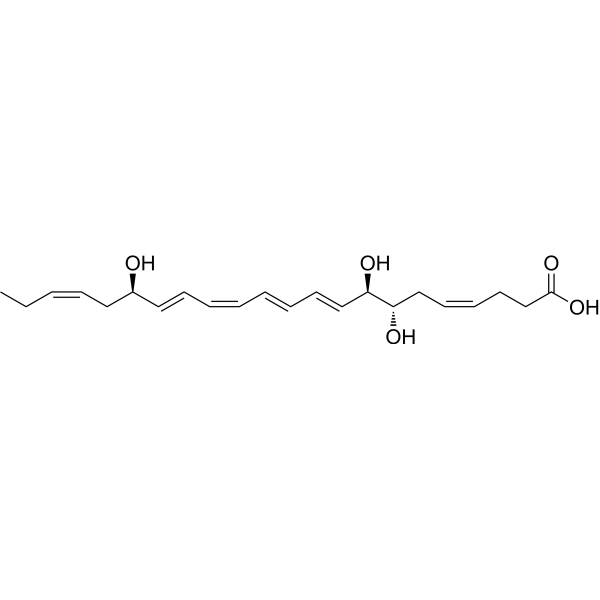
17R-Resolvin D1 (17R-RvD1; AT-RvD1) is an aspirin-triggered epimer of Resolvin D1, which exhibits anti-inflammatory activity in mice and human PMNs cells. 17R-Resolvin D1 specificially inhibits TRPV3 with an IC50 of 398 nM and exhibits peripheral anti-nociceptive efficacy.
For research use only. We do not sell to patients.
- Purity : 99.11%
- CAS No.: 528583-91-7
- Formula: C22H32O5
- Molecular Weight:376.49
-
Storage:
-80°C, protect from light

To place orders, for customer services and technical support, please contact: MedChemExpress USA
Tel: 609-228-6898 E-mail: [email protected] [email protected]


-
 Biological Activity
-
Chemical Information
- Protocols
- Purity & Documentation
- References
-
 Help & FAQs


-
HY-113509
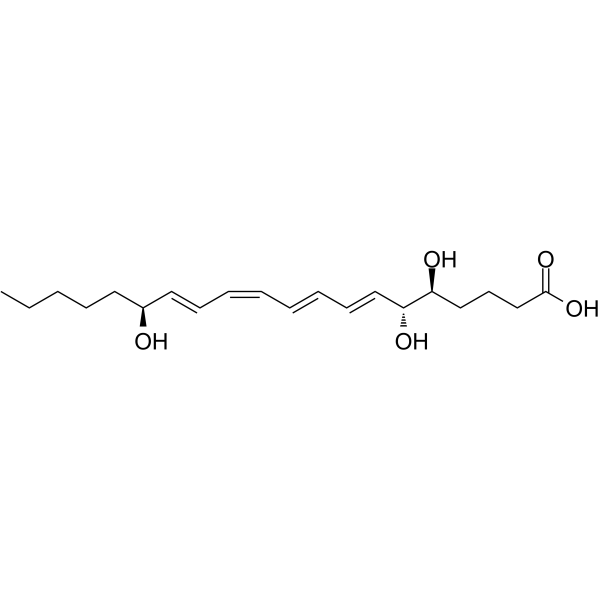
Lipoxin A4Anti-inflammatory Agent -
HY-125527
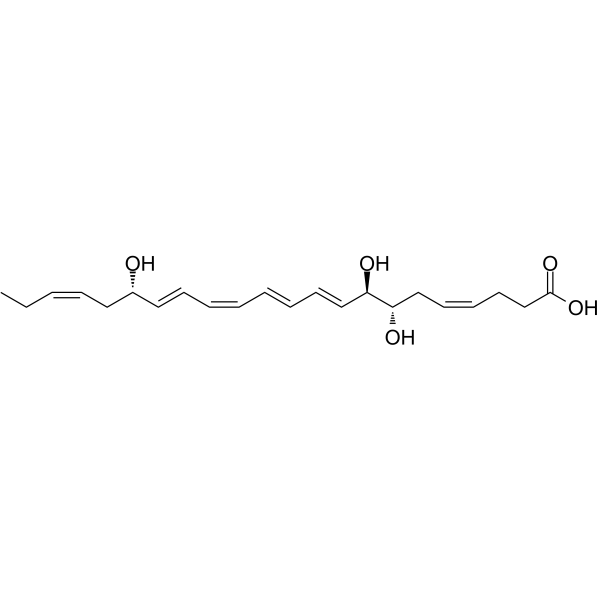
Resolvin D1Endogenous Inflammation Mediator -
HY-113533
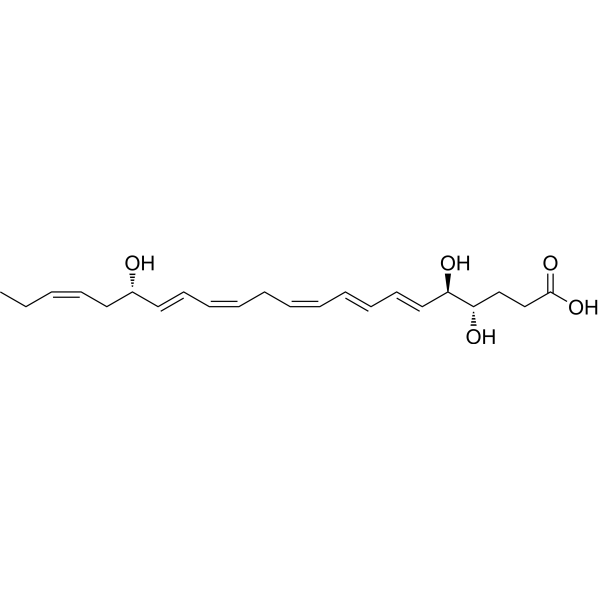
Resolvin D4Proresolving Mediator -
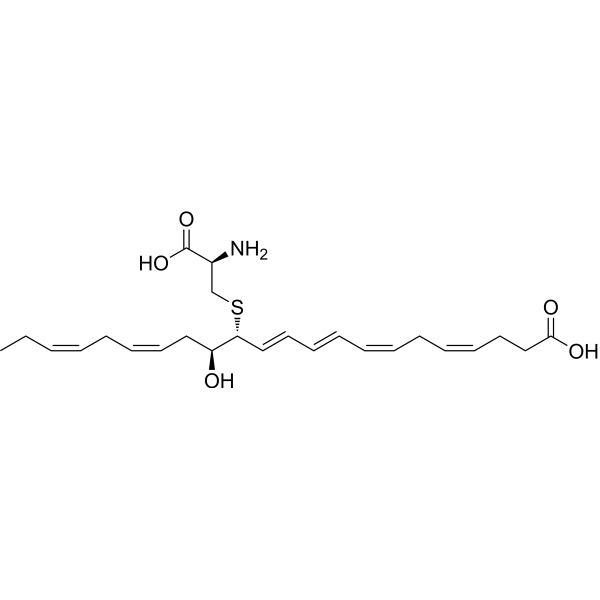
HY-125516
MCTR3Pro-resolving Mediator -
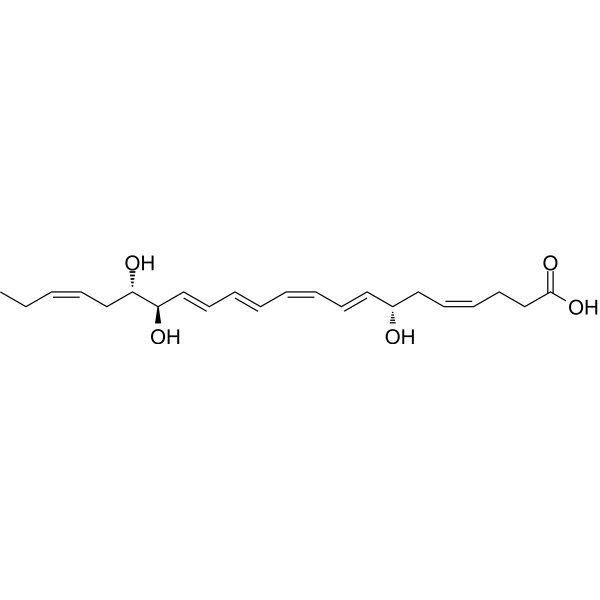
HY-121636
Resolvin D2TRPV1/A1 Inhibitor -

HY-125408
Maresin conjugates in tissue regeneration 1cytokine -

HY-130322
Maresin Conjugates in Tissue Regeneration 2Specialized Pro-resolving Mediator -
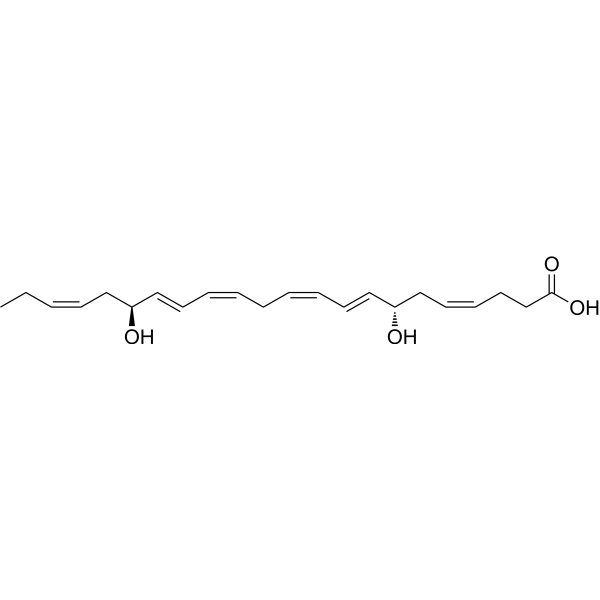
HY-145491
Resolvin D5Inflammation Inhibitor -

HY-170645
Neuroprotectin D1 methyl esterProtectin D1 Intermediate -

HY-155286
(7S,8R,17S)-RCTR1Resolvin-Sulfido Conjugate -
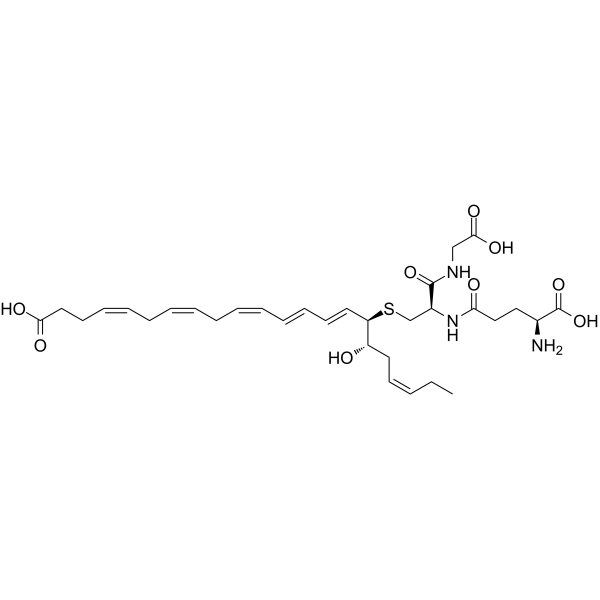
HY-125445
PCTR1Pro-resolving Mediator -

HY-N7109B
Erucic acid sodiumMonounsaturated Fatty Acid
Publications Citing Use of MedChemExpress (MCE) 17(R)-Resolvin D1
More

Biological Activity
Description
IC50 & Target
|
TRPV3 398 nM (IC50) |
In Vitro
17R-Resolvin D1 (0-1000 nM) dose-dependently reduces fMLP-induced human polymorphonuclear leukocyte (PMN) transendothelial migration as first event in acute inflammation response[1].
MedChemExpress (MCE) has not independently confirmed the accuracy of these methods. They are for reference only. Further protocols information, click here.
-
Cell Line:PMNs
-
Concentration:0-1000 nM
-
Incubation Time:30 min
-
Result:Reduced fMLP-induced human PMNs transendothelial migration in a dose-dependent manner, reduced 65% PMNs transmigration at the concentration of 1 μM.
In Vivo
17R-Resolvin D1 (30 µM in 20 µL, i.d.) reduces the TRPV3-specific acute pain in CFA-inflamed ICR mice[2].
MedChemExpress (MCE) has not independently confirmed the accuracy of these methods. They are for reference only.
-
Animal Model:Murine peritonitis bearing FVB mice[1]
-
Dosage:0.05-50 μg/kg
-
Administration:i.v., single dosage
-
Result:Reduced total leukocytic infiltration, the maximal decrease in total leukocytes with a 100 ng dose.
-
Animal Model:CFA-inflamed ICR mice[2]
-
Dosage:30 µM in 20 µL
-
Administration:i.d.
-
Result:Reduced the heat threshold in animals with a CFA-inflamed hind paw.


Chemical Information
-
CAS No. 528583-91-7
-
Appearance Liquid
-
Molecular Weight 376.49
-
Formula C22H32O5
-
Color Colorless to light yellow
-
SMILES
CC/C=C\C[C@@H](O)/C=C/C=C\C=C\C=C\[C@@H](O)[C@@H](O)C/C=C\CCC(O)=O
-
Synonyms
17(R)-RvD1; AT-RvD1
-
Shipping
Shipping with dry ice.
-
Storage
-80°C, protect from light


Publications (1)
-
Journal Impact Factor
-
Most Recent
-
Drug Des Devel Ther
17(R)-RvD1 Ameliorates Liver Injury in Hyperuricemia Through Inhibiting Pyroptosis via NF-κB Signaling Pathway. [Abstract]2025 Jul 30:19:6573-6585. PMID: 40756265

Protocols
-
Cell Cytotoxicity Assay
Cytotoxicity assays are usually based on the assessment of cell membrane damage, which can also be indirectly detected by measuring cell viability. Detection methods include MTT assay, CKK-8 assay, LDH assay and ATP assay, etc.
-
Cotton Pellet Granuloma
Cotton pellet granuloma is a classical in vivo chronic inflammation model used to evaluate the anti-inflammatory potential of test substances by measuring their ability to inhibit granuloma tissue formation around an implanted foreign body (cotton pellet) in rodents. The method is based on the biological response to a sterile implanted material, which induces proliferative phase inflammation characterized by fibroblast proliferation and collagen-rich granuloma formation, and the final readout reflects the extent of chronic inflammatory tissue growth surrounding the pellet. In multiple preclinical pharmacological evaluations, inhibition of cotton pellet-induced granuloma formation has been used as an indicator of anti-inflammatory activity in both synthetic and natural product screening contexts.
-
Carrageenan-Induced Paw Edema
Carrageenan-induced paw edema is an acute inflammation model in which intraplantar injection of carrageenan induces localized inflammatory swelling characterized by vascular permeability, leukocyte infiltration, and production of inflammatory mediators such as prostaglandins and cytokines, making it widely used to evaluate anti-inflammatory agents in vivo. The resulting paw volume or thickness increase is quantified over time as a direct readout of inflammatory intensity and drug efficacy, typically reflecting cyclooxygenase-mediated prostaglandin-driven edema formation and immune cell recruitment in peripheral tissue[20].
-
Research Protocol for Inflammation-related Diseases
The NLRP3 inflammasome is a cytosolic innate immune signaling platform that integrates priming signals and danger-signal activation to promote caspase-1 activation, maturation of IL-1β and IL-18, and gasdermin D-mediated pyroptotic cell death. The core experimental logic is to determine whether inflammatory disease phenotypes are driven by increased NLRP3 expression, ASC-containing inflammasome assembly, caspase-1 cleavage, GSDMD cleavage, and extracellular release of IL-1β/IL-18 rather than by nonspecific cell injury alone. The pathway is strongly linked to inflammation-related disease phenotypes because monosodium urate crystals activate NALP3/NLRP3 inflammasome signaling in gout-like crystal inflammation, cholesterol crystals activate NLRP3 inflammasomes in atherogenesis models, and DSS-induced intestinal inflammation has been reported to involve NLRP3 inflammasome activity. However, experimental colitis studies also show context-dependent protective effects of NLRP3 inflammasome co


Purity & Documentation
-
Data Sheet (268 KB)
-
SDS (394 KB)
- English - EN (394 KB)
- Français - FR (394 KB)
- Deutsch - DE (394 KB)
- Norwegian - NO (394 KB)
- Español - ES (394 KB)
- Swedish - SV (394 KB)
- Italian - IT (394 KB)
- Korean - KR (394 KB)
- Portuguese - PT (394 KB)
-
Handling Instructions (2659 KB)
References
[1]. Sun YP, et al., Resolvin D1 and its aspirin-triggered 17R epimer. Stereochemical assignments, anti-inflammatory properties, and enzymatic inactivation. J Biol Chem. 2007 Mar 30;282(13):9323-9334. [Content Brief]
[2]. Bang S, et al., 17(R)-resolvin D1 specifically inhibits transient receptor potential ion channel vanilloid 3 leading to peripheral antinociception. Br J Pharmacol. 2012 Feb;165(3):683-92. [Content Brief]

Calculators
Concentration (start) × Volume (start) = Concentration (final) × Volume (final)


17(R)-Resolvin D1 Related Classifications
HY-125527A Related Classifications
 Powered by Bioz