



Cancer Immunotherapy
Cancer immunotherapy (CIT) is a type of biological therapy, aiming to improve anti-tumor immune responses with fewer off-target effects than chemotherapy. Several types of immunotherapy include: oncolytic virus therapies, cancer vaccines, cytokine therapies, adoptive cell transfer (ACT), and immune checkpoint inhibitors (ICIs). In particular, ICIs and ACT have obtained immense clinical response, but their efficacy varies from person to person. Immune cells can be harnessed to eliminate tumor cells, such as T cells, B cells, NK cells, and myeloid cells. T cells have potent tumor-killing capability, therefore, a plethora of cancer immunotherapy research have focused on inducing T-cell-mediated anti-tumor responses. CTLA-4 and PD-1 are found on the cell surface of T cells as co-inhibitory receptors. The breakthrough in cancer immunotherapy results from the identification and subsequent targeting of checkpoint mechanisms in T cells with monoclonal antibodies against CTLA-4 and programmed death-ligand 1/programmed death-1 (PD-L1/PD-1).
Several types of cancers (e.g., melanoma, mismatch repair-deficient cancers, bladder cancer, and non-small cell lung cancer) have achieved significant clinical responses in T-cell checkpoint blockade therapies. However, single-mode immunotherapy faces challenges such as low immune response, low tumor infiltration, and complex immunosuppressive tumor microenvironment. Recently, combined therapies based on tumor immunity have received extensive attention in the research of enhancing tumor cells immunogenicity and inhibiting their growth. For example, anti CTLA-4 and PD-1, immune checkpoint blockade (ICB) combined with chemotherapy, anti-angiogenic drugs and kinase inhibitors.
-
Gallic acid-d2
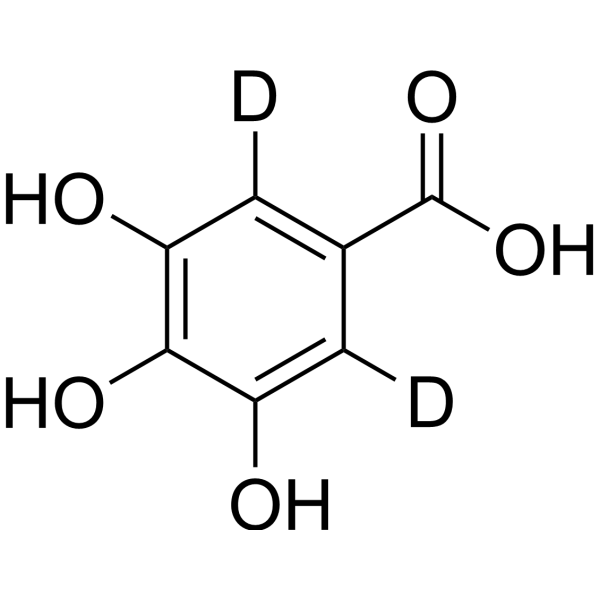 0 ImagesSynonyms: 3,4,5-Trihydroxybenzoic acid-d2
Gallic acid-d2 is the deuterium labeled Gallic acid. Gallic acid (3,4,5-Trihydroxybenzoic acid) is a natural polyhydroxyphenolic compound and an free radical scavenger to inhibit cyclooxygenase-2 (COX-2). Gallic acid has various activities, such as antimicrobial, antioxidant, antimicrobial, anti-inflammatory, and anticance activities.
-
HS-1371
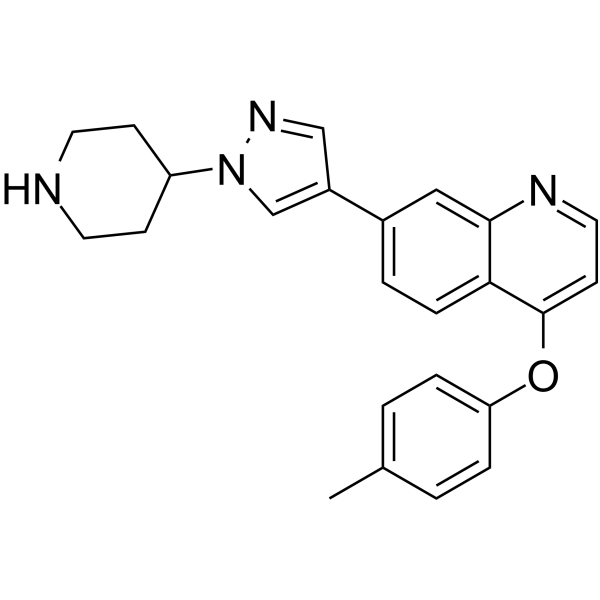 0 Images
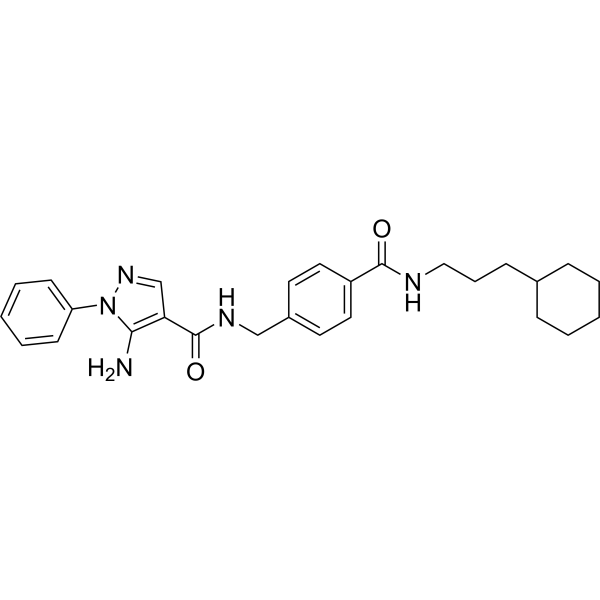
HS-1371 is a potent and ATP-competitive receptor-interacting protein kinase 3 (RIP3) inhibitor with an IC50 of 20.8 nM.
-
DS-437
 0 Images
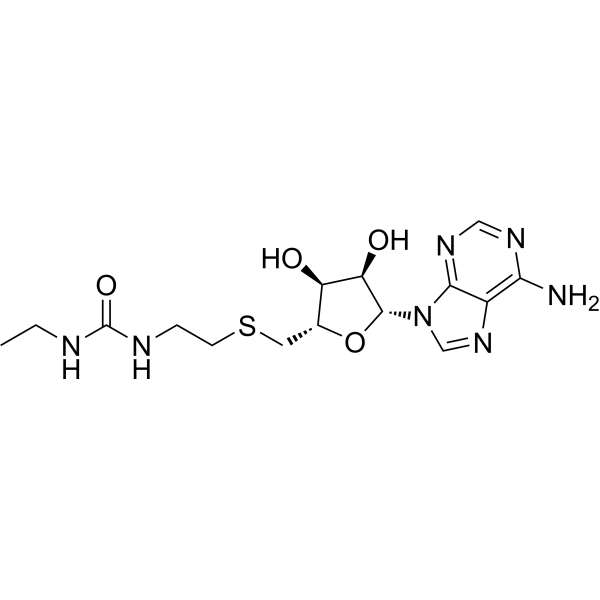
DS-437 is a dual PRMT5/7 inhibitor (IC50s of PRMT5/7=6 μM). DS-437 is selective for PRMT5 and PRMT7 over 29 other human protein-, DNA-, and RNA-methyltransferases. DS-437 is a S-adenosylmethionine (SAM)-competitive inhibitor of PRMT5. DS-437 also inhibits DNMT3A and DNMT3B, with IC50s of 52 and 62 μM, respectively. DS-437 inhibits the methylation of FOXP3.
-
MT-125
 0 ImagesCat. No.: HY-174406Purity: 98.73%
MT-125 is a specific and well-tolerated inhibitor of non-muscle myosin IIA (Ki,NMIIA = 2.7 μM) and IIB (EC50 = 1.7 μM). MT-125 can pass through the blood-brain barrier. MT-125 induces ferroptosis and DNA damage by increasing the levels of reactive oxygen species (ROS) within tumor cells. MT-125 can enhance the PDGFR signaling pathway. MT-125 can be used for research on glioblastoma.
-
LL-K8-22
 0 Images
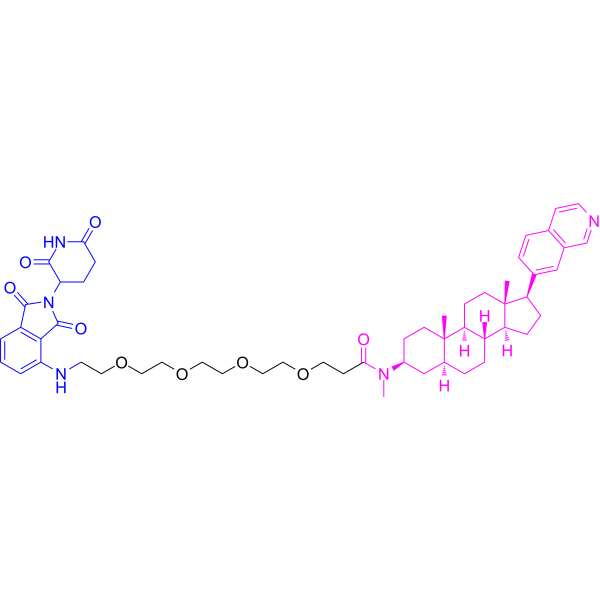
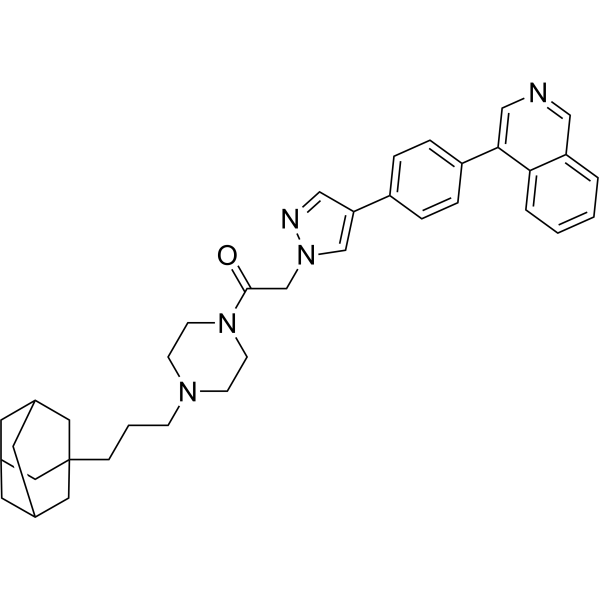
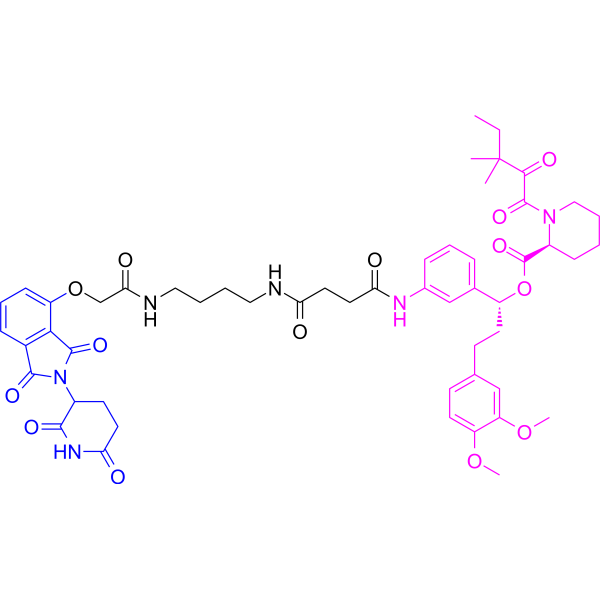
LL-K8-22 is a dual degrader of CDK8 and cyclin C HyT, with DC50 values of 2.52 μM and 2.64 μM, respectively. LL-K8-22 inhibits phosphorylation of STAT1 Ser 727, phosphorylation of the C-terminal domain Ser 2/5 of RNA polymerase II, and phosphorylation of Rb. LL-K8-22 represses E2F- and MYC-driven transcriptional programs and exhibits antiproliferative effects. LL-K8-22 synchronously induces proteasome-dependent selective degradation of CDK8 and cyclin C without degrading CDK19, other CDK family members, or other cyclins. LL-K8-22 can be used in the research of triple-negative breast cancer and colon cancer.
-
STX-721
 0 Images
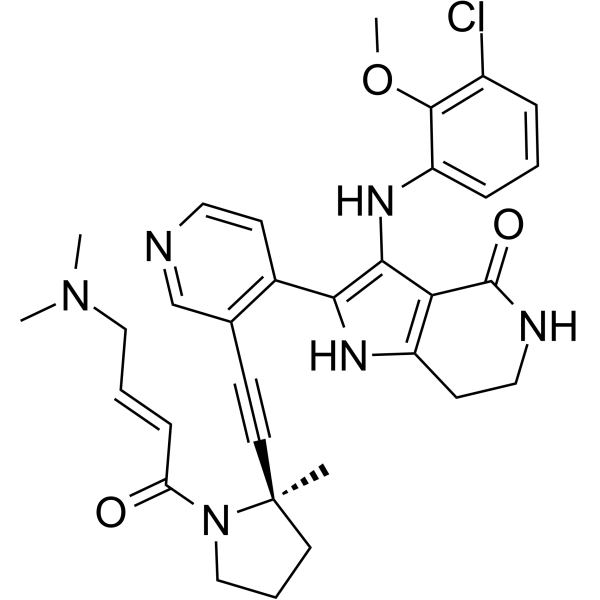
STX-721 is an orally active, irreversible, covalent EGFR exon 20 insertion (ex20ins) inhibitor that selectively targets ex20ins-mutant dynamic protein states. STX-721 potently inhibits the kinase activity of EGFR ex20ins mutants (NPG, ASV, SVD). STX-721 inhibits phosphorylation of EGFR (pEGFR Y1068) and downstream ERK (pERK Thr202/Tyr204), and suppresses proliferation of ex20ins-mutant Ba/F3 cells and human NSCLC cell lines (NCI-H2073 ASV KI, CUTO-14 ASV). STX-721 induces tumor regression in EGFR ex20ins-mutant PDX/CDX models. STX-721 can be used for the study of non-small cell lung cancer (NSCLC) harboring EGFR or HER2 ex20ins mutations.
-
GCN2-IN-7
 0 Images
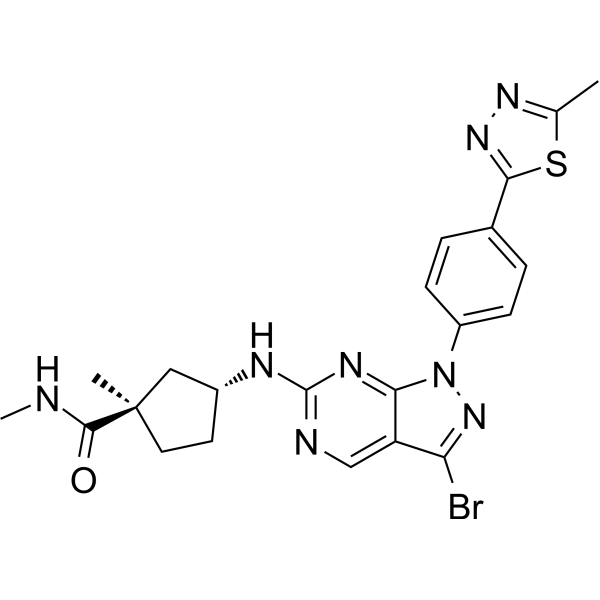
GCN2-IN-7 (compound 39) is an orally active and selective general control nonderepressible 2 (GCN2) inhibitor (IC50=5 nM). GCN2-IN-7 shows anti-tumor activity in vivo.
-
Canertinib dihydrochloride
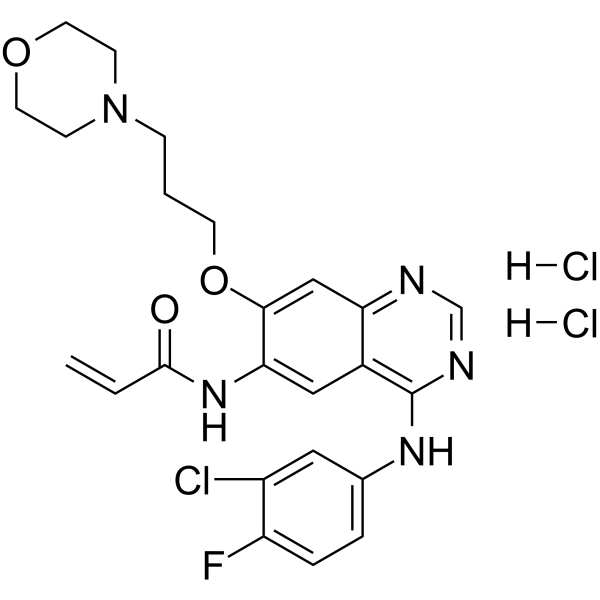 0 ImagesSynonyms: CI-1033 dihydrochloride; PD-183805 dihydrochloride
-
Amrubicin
 0 ImagesCat. No.: HY-B0067CAS No.: 110267-81-7Synonyms: SM-5887
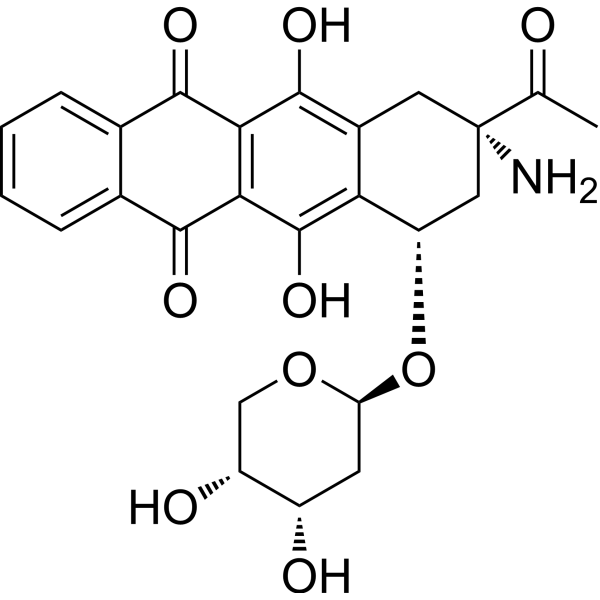
Amrubicin (SM-5887) is a DNA topoisomerase II inhibitor, used for the research of cancer.
-
Zilemaltib
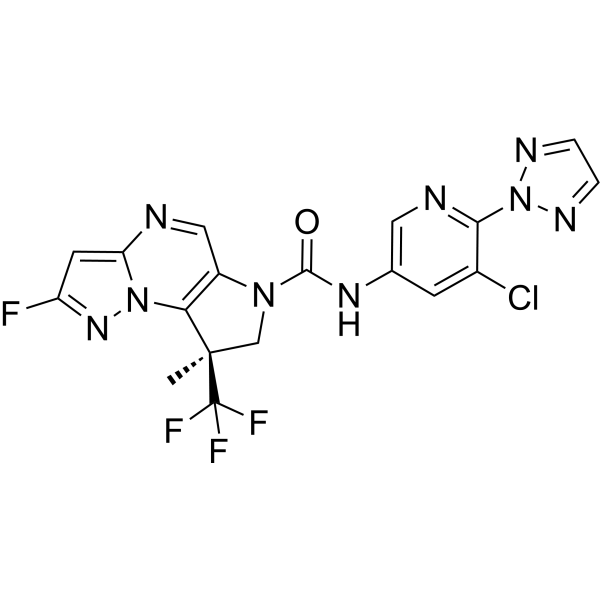 0 ImagesSynonyms: SGR-1505
SGR-1505 is an oral small molecule MALT1 inhibitor with anti-proliferative and antitumor activity.SGR-1505 inhibits MALT1 enzymatic activity to modulate NF-κB pathway gene expression.SGR-1505 induces modulation of cell cycle, DNA damage, and apoptosis-related genes in in vivo tumor samples.SGR-1505 exerts tumorostatic and regressive activity in ABC-DLBCL xenograft models.SGR-1505 can be used for the research of activated B cell-like diffuse large B cell lymphoma, non-Hodgkin B-cell lymphomas, chronic lymphocytic leukemia, and mature B cell neoplasms.
-
Tenofovir Disoproxil
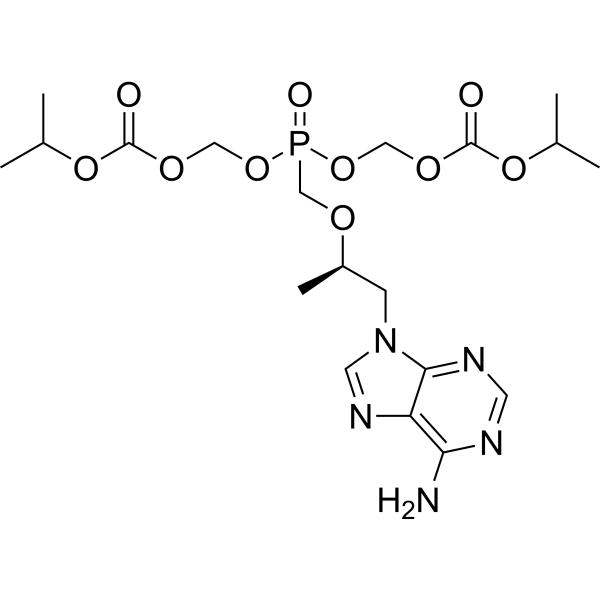 0 ImagesSynonyms: Bis(POC)-PMPA; GS 4331
Tenofovir Disoproxil (Bis(POC)-PMPA) is a nucleotide reverse transcriptase inhibitor to treat HIV and chronic Hepatitis B.
-
Sirexatamab
 0 ImagesSynonyms: DKN-01; LY-2812176
Sirexatamab (DKN-01; LY-2812176) is a humanized IgG4 monoclonal antibody targeting DKK1, with Kd values of 3.3 pM and 20 pM for human and murine (mDKN-01) forms, respectively. Sirexatamab binds to DKK1 to neutralize its activity and reverse the inhibition of the canonical Wnt/β-catenin signaling pathway. Sirexatamab can be used in research related to cancers such as non-small cell lung cancer, endometrial cancer, and ovarian cancer.
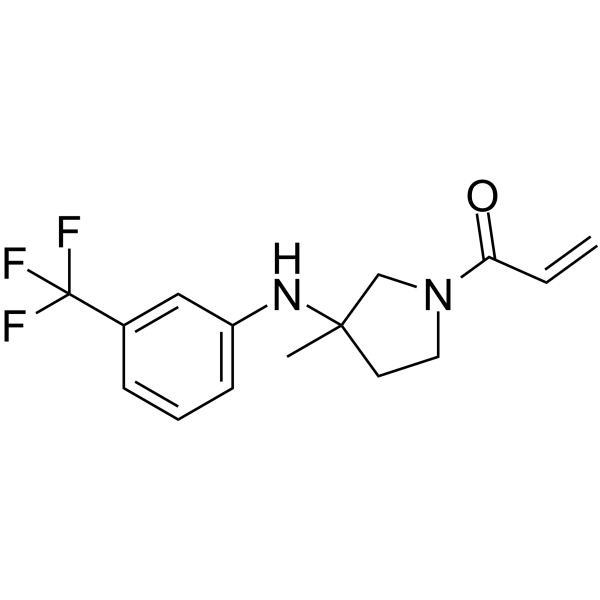
-
Berotralstat
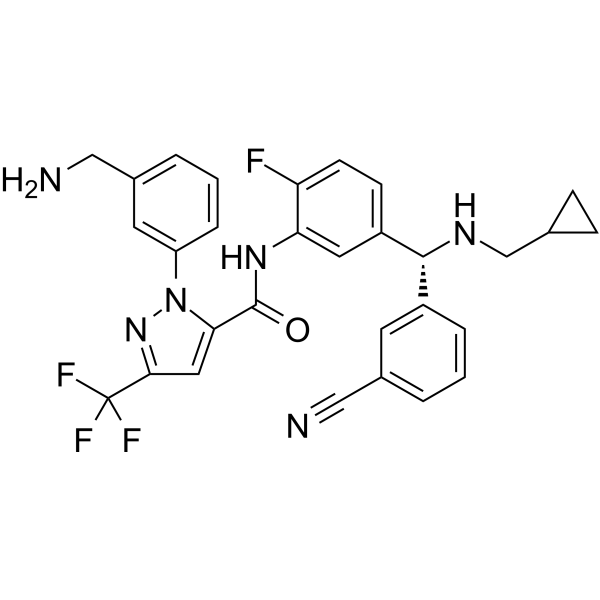 0 ImagesSynonyms: BCX7353
Berotralstat (BCX7353) is an orally active plasma kallikrein inhibitor. Berotralstat can reduce brain edema and is being studied for glioblastoma and hereditary angioedema.
-
Pacanalotamab
 0 ImagesCat. No.: HY-P99798CAS No.: 2251756-52-0Synonyms: AMG 420; BI-836909
Pacanalotamab (AMG 420; BI-836909) is a bispecific T-cell engager (BiTE) targeting to BCMA and CD3E. BCMA refers to B cell maturation antigen, as Pacanalotamab redirecting T cells to BCMA expressing cells on the cell surface. Pacanalotamab conducts T-cell redirected lysis of human multiple myeloma (MM) cell lines.
-
Domvanalimab
 0 ImagesSynonyms: AB154
Domvanalimab (AB154) is an anti-TIGIT humanized monoclonal antibody. Domvanalimab binds human TIGIT9 and blocks the TIGIT-CD155 interaction. Domvanalimab can be used for studies of non-small cell lung cancer and esophageal cancer.



