



Cancer Immunotherapy
Cancer immunotherapy (CIT) is a type of biological therapy, aiming to improve anti-tumor immune responses with fewer off-target effects than chemotherapy. Several types of immunotherapy include: oncolytic virus therapies, cancer vaccines, cytokine therapies, adoptive cell transfer (ACT), and immune checkpoint inhibitors (ICIs). In particular, ICIs and ACT have obtained immense clinical response, but their efficacy varies from person to person. Immune cells can be harnessed to eliminate tumor cells, such as T cells, B cells, NK cells, and myeloid cells. T cells have potent tumor-killing capability, therefore, a plethora of cancer immunotherapy research have focused on inducing T-cell-mediated anti-tumor responses. CTLA-4 and PD-1 are found on the cell surface of T cells as co-inhibitory receptors. The breakthrough in cancer immunotherapy results from the identification and subsequent targeting of checkpoint mechanisms in T cells with monoclonal antibodies against CTLA-4 and programmed death-ligand 1/programmed death-1 (PD-L1/PD-1).
Several types of cancers (e.g., melanoma, mismatch repair-deficient cancers, bladder cancer, and non-small cell lung cancer) have achieved significant clinical responses in T-cell checkpoint blockade therapies. However, single-mode immunotherapy faces challenges such as low immune response, low tumor infiltration, and complex immunosuppressive tumor microenvironment. Recently, combined therapies based on tumor immunity have received extensive attention in the research of enhancing tumor cells immunogenicity and inhibiting their growth. For example, anti CTLA-4 and PD-1, immune checkpoint blockade (ICB) combined with chemotherapy, anti-angiogenic drugs and kinase inhibitors.
-
Sontuzumab
 0 ImagesSynonyms: AS1402; huHMFG-1; Epitumomab
-
Resveratrol analog 1
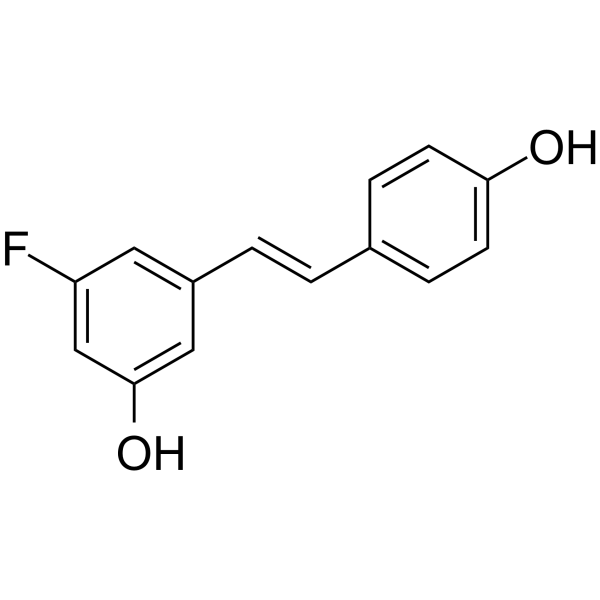 0 Images
Resveratrol analog 1 is an analog of Resveratrol (HY-16561), compound 48. Resveratrol is a natural polyphenolic phytoalexin that possesses anti-oxidant, anti-inflammatory, cardioprotective, and anti-cancer properties.
-
Pasireotide ditrifluoroacetate
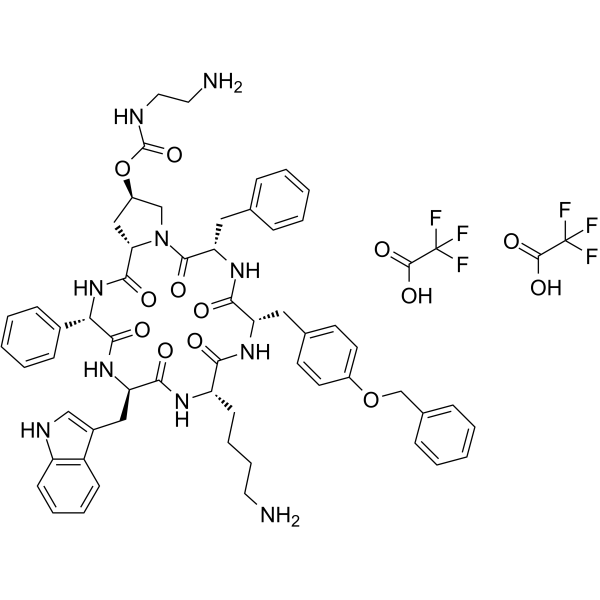 0 ImagesCat. No.: HY-79135Purity: 99.56%Synonyms: SOM230 ditrifluoroacetate; Pasireotide TFA salt
Pasireotide (SOM230) ditrifluoroacetate, a long-acting cyclohexapeptide somatostatin analogue, can improve agonist activity at somatostatin receptors (subtypes sst1/2/3/4/5, pKi=8.2/9.0/9.1/<7.0/9.9, respectively). Pasireotide ditrifluoroacetate exhibits antisecretory, antiproliferative, and proapoptotic activity.
-
2-MSP-5-HA-GGFG-NH-CH2-O-CH2-CO-Exatecan
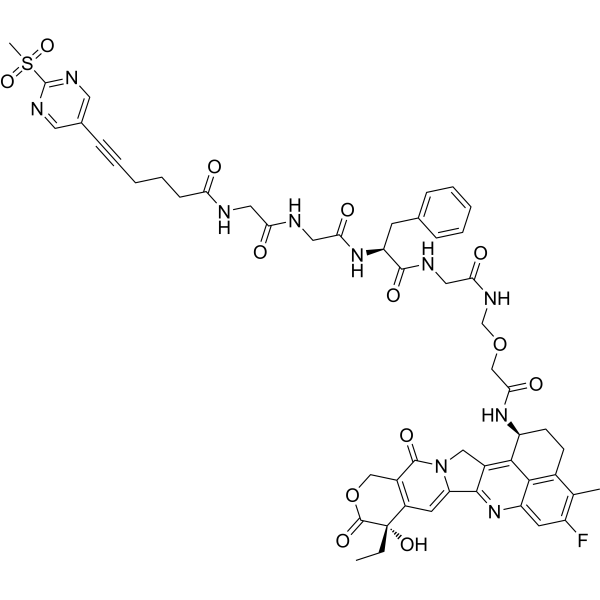 0 Images
2-MSP-5-HA-GGFG-NH-CH2-O-CH2-CO-Exatecan is a drug-linker conjugates for ADC, consiting of a cleavable linker and Exatecan (HY-13631). 2-MSP-5-HA-GGFG-NH-CH2-O-CH2-CO-Exatecan can be linked to anti-Her3 antibody.
-
H-Glu-OtBu
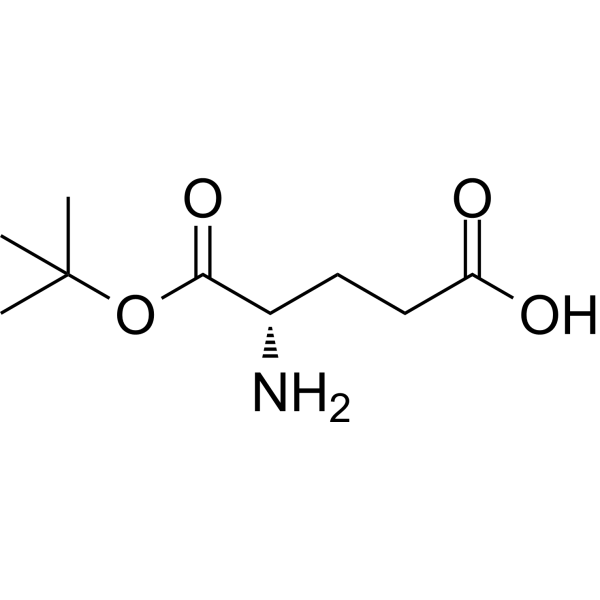 0 Images
H-Glu-OtBu is a non-cleavable ADC linker used in the synthesis of antibody-drug conjugates (ADCs). H-Glu-OtBu is also a alkyl chain-based PROTAC linker that can be used in the synthesis of PROTACs[2
-
F-14512
 0 Images
F-14512 is an anticancer agent that utilizes the polyamine transport system (PTS) to selectively deliver polyamine-containing drugs to cancer cells. F-14512 enhances the affinity of polyamines for DNA, thereby inhibiting topoisomerase II and achieving selective cellular uptake. F-14512 exhibits significant cytotoxicity against cells with high PTS activity and induces DNA damage. F-14512 demonstrates potent antitumor activity in the MX1 breast tumor xenograft model. F-14512 can be used to study breast cancer.
-
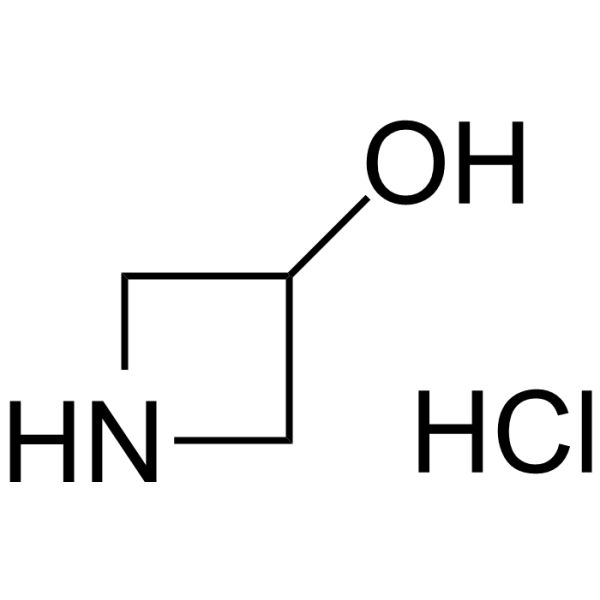
Azetidin-3-ol hydrochloride
 0 Images
Azetidin-3-ol hydrochloride is a non-cleavable ADC linker used in the synthesis of antibody-drug conjugates (ADCs). Azetidin-3-ol hydrochloride is also a alkyl chain-based PROTAC linker that can be used in the synthes PROTAC.
-
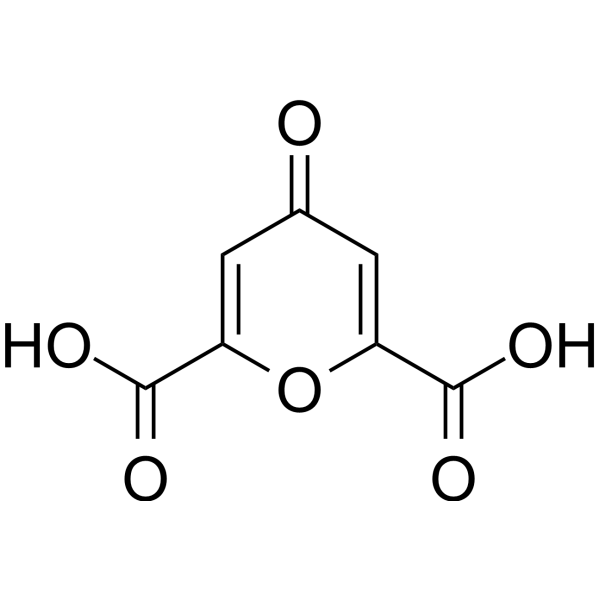
Chelidonic acid
 0 Images
Chelidonic acid is a component of Chelidonium majus L., used as an antimicrobial. Chelidonic acid also shows anti-inflammatory activity. Chelidonic acid has potential to inhibit IL-6 production by blocking NF-κB and caspase-1. Chelidonic acid is a glutamate decarboxylase inhibitor, with a Ki of 1.2 μM.
-
Ammonium citrate dibasic, 99%
 0 ImagesSynonyms: Ammonium hydrogencitrate, 99%; Diammonium hydrogen citrate, 99%
Ammonium citrate dibasic, 99% (Ammonium hydrogencitrate, 99%; Diammonium hydrogen citrate, 99%) is a natural preservative and food tartness enhancer. Ammonium citrate dibasic, 99% induces apoptosis and cell cycle arrest at G2/M phase and S phase in HaCaT cells. Ammonium citrate dibasic, 99% cause oxidative damage of the liver by means of the decrease of antioxidative enzyme activities. Ammonium citrate dibasic, 99% is also an acidulant, emulsifier, sequestrant and buffering agent widely used across many industries.
-
Phenazine
 0 Images
Phenazine belongs to the family of N-heterocyclic compounds. Phenazine can be found in terrestrial and marine microorganisms. Phenazine attracts attention due to its diverse biological activities, including Antimicrobial and enzyme inhibitory properties. Phenazine can be used in breast cancer research.
-
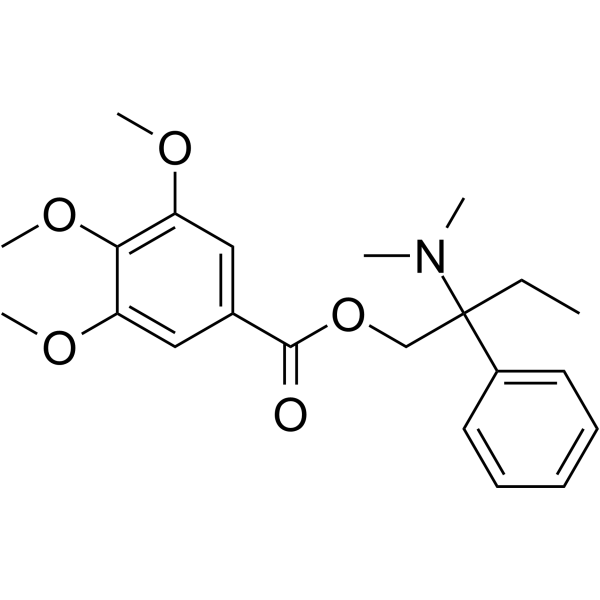
Trimebutine
 0 Images
Trimebutine is a multi-target inhibitor and opioid receptor agonist with antimuscarinic activity. Trimebutine inhibits L-type Ca2+ channels and large-conductance calcium-activated potassium channels (BKCa channels), thereby inhibiting extracellular calcium influx and potassium ion efflux. Trimebutine also targets Toll-like receptors, inhibits Toll-like receptor 2/4/7/8/9 signals, and inhibits LPS-induced IRAK1 activation, as well as ERK1/2, JNK and NF-κB activation, thereby exerting anti-inflammatory effects. Trimebutine also induces tumor cell apoptosis by inhibiting the AKT/ERK pathway. Trimebutine also inhibits excessive contraction of smooth muscle and can be used in the study of gastrointestinal disorders such as irritable bowel syndrome (IBS).
-
Urea (Standard)
 0 Images
Urea (Standard) is the analytical standard of Urea. This product is intended for research and analytical applications. Urea is a powerful protein denaturant via both direct and indirect mechanisms. A potent emollient and keratolytic agent. Used as a diuretic agent. Blood urea nitrogen (BUN) has been utilized to evaluate renal function. Widely used in fertilizers as a source of nitrogen and is an important raw material for the chemical industry.
-
Meropenem trihydrate (Standard)
 0 ImagesSynonyms: SM 7338 trihydrate (Standard)
Meropenem (trihydrate) (Standard) is the analytical standard of Meropenem (trihydrate). This product is intended for research and analytical applications. Meropenem trihydrate (SM 7338 trihydrate) is a carbapenem antibiotic with broad-spectrum antibacterial activity. Meropenem trihydrate has activity against susceptible and resistant N. gonorrhoeae (MIC value of 0.02-0.06 mg/mL), H. influenzae (MIC value of 0.03-0.12 mg/mL), and H. ducreyi (MIC value of 0.015-0.12 mg/mL).
-
Anti-Mouse PD-L1/B7-H1 (LALA-PG) Antibody (10F.9G2)
 0 ImagesCat. No.: HY-P990171Purity: 99.46%
Anti-Mouse PD-L1/B7-H1 (LALA-PG) Antibody (10F.9G2) is a recombinant chimeric version of the original 10F.9G2 antibody (HY-P99145). The variable domain sequences are identical to the original 10F.9G2 but the constant region sequences have been switched from rat IgG2b to mouse IgG2a. Anti-Mouse PD-L1/B7-H1 (LALA-PG) Antibody (10F.9G2) contains a LALA-PG mutation in the Fc fragment rendering it unable to bind to endogenous Fcγ receptors. Anti-Mouse PD-L1/B7-H1 (LALA-PG) Antibody (10F.9G2) blocks PD-1 signaling. Anti-Mouse PD-L1/B7-H1 (LALA-PG) Antibody (10F.9G2) can be used for the research of cancer.
-
4-Hydroxybenzophenone
 0 ImagesSynonyms: 4HBP
4‑Hydroxybenzophenone (4HBP) is a major metabolite of Benzophenone (HY-Y0546) and is orally active. 4-Hydroxybenzophenone triggers endoplasmic reticulum stress and activates the PERK-eIF2α-ATF4-CHOP and IRE1α-XBP1s pathways, and inhibits IκB translation. 4-Hydroxybenzophenone induces endoplasmic reticulum stress, unfolded protein response activation, protein homeostasis imbalance, protein aggregation, oxidative stress, ROS accumulation, mitochondrial membrane potential decrease, ATP depletion, and cytotoxicity. 4-Hydroxybenzophenone induces neural stem cell apoptosis (apoptosis) and affects neuronal differentiation. 4-Hydroxybenzophenone promotes malignant proliferation of hepatocellular carcinoma cells and xenograft tumor growth in nude mice. 4-Hydroxybenzophenone can be used in research related to neurodevelopmental toxicity and hepatocellular carcinoma.
-
Quinine (hydrochloride)
 0 Images
Quinine hydrochloride is an alkaloid extracted from cinchona bark and exhibits oral activity, acting as a potassium channel inhibitor. Quinine hydrochloride modulates the tolerance of red blood cells and presents dose-dependent toxicity and embryonic effects. Quinine hydrochloride is a typical hemolysin that directly lyses red blood cells, with cellular components of red blood cell membranes as its action targets. Quinine hydrochloride disrupts red blood cell membranes and induces hemolysis at high concentrations, while merely weakening the anti-hemolytic capacity of red blood cells at low concentrations. Quinine hydrochloride continuously reduces red blood cell tolerance after in vivo administration, and high doses can also alter blood cell counts. Quinine hydrochloride can be applied to researches related to red blood cell hemolysis, cancer and malaria.
-
Etentamig
 0 ImagesSynonyms: ABBV-383; TNB 383B
Etentamig is a BCMA × CD3 bispecific T-cell engager (BiTE) that can inhibit the activity of B-cell maturation antigen (BCMA) and activate the T-cell surface glycoprotein CD3 complex. Etentamig can be used for research in multiple myeloma, immunoglobulin light chain amyloidosis, and cardiovascular diseases.
-
RO-5429083
 0 ImagesCat. No.: HY-P991558Purity: 98.43%Synonyms: RG-7356
RO-5429083 (RG-7356) is a humanized monoclonal antibody targeting CD44. RO-5429083 binds to the extracellular domain of CD44 and inhibits constitutive EGFR phosphorylation. RO-5429083 suppresses tumor growth in xenograft models and can be used in research related to head and neck squamous cell carcinoma and acute myeloid leukemia.
-
Ramantamig
 0 ImagesCat. No.: HY-P991155CAS No.: 2988886-91-3Synonyms: JNJ-79635322; JNJ-5322
Ramantamig (JNJ-79635322) is a humanized monoclonal antibody targeting human CD3ε, GPRC5D, and TNFRSF17 (BCMA). Ramantamig binds to BCMA and GPRC5D on multiple myeloma cells, binds to CD3ε on T cells, forms immunological synapses, and enables T-cell-mediated cytotoxicity. Ramantamig activates T cells concomitantly with inducing myeloma cell cytotoxicity, with no nonspecific T-cell activation in the absence of target myeloma cells. Ramantamig carries mutations to reduce interaction with Fc receptors and disrupt protein A binding of monomeric and homodimerized chains. Ramantamig can be used for the research of multiple myeloma.



