



Cancer Targeted Therapy
Cancer targeted therapy is the foundation of precision medicine; it uses drugs or other substances to target specific genes and proteins that control cancer cells’ growth, division and spreading. Compared to traditional chemotherapy drugs, targeted-drugs can specifically act on cancer cells with high efficacy without damaging normal cells. Drugs used in cancer targeted therapy mainly includes small molecules and macromolecules (e.g., monoclonal antibodies), which can target cancer cells and constituents in the tumor microenvironment to activate the immune system. Anti-angiogenesis drugs, such as those targeting vascular endothelial growth factor (VEGF), epidermal growth factor receptor (EGFR), transforming growth factor (TGF)-α, TGF-β, Tumor necrosis factor (TNF)-α, and platelet-derived endothelial growth factor (PDGFR) inhibit the proliferation and metastasis of cancer cells. In recent years, the proportion of antibody drugs in cancer treatment has gradually become prominent. Antibody-drug conjugates (ADCs) are a new type of targeted drugs that are composed of monoclonal antibody, cytotoxic drug and linker. ADCs can deliver drugs to tumor cells and minimize the toxicity to normal tissues. Proteolysis-targeting chimera (PROTAC) is a useful technology for targeted protein degradation. PROTAC exploits the ubiquitin-proteasome system and forms a ternary complex with a hijacked E3 ubiquitin ligase and target protein, leading to polyubiquitination and degradation of the target protein.
Targeted therapy is a useful strategy in treatment of cancer either alone or in combination with standard chemotherapy. At present, targeted therapy has proved significant clinical success in the treatment of many types of cancer, including breast cancer, colorectal cancer, leukemia, ovarian cancer and lung cancer.
-
hsa-miR-4458 inhibitor
 0 ImagesCat. No.: HY-RI01064
hsa-miR-4458 inhibitors are chemically-modified oligonucleotides that hybridize with mature miRNAs. The miRNA inhibitors have full-length nucleotide 2'-methoxy modification. The miRNA inhibitors strongly compete with mature miRNAs to prevent the complementary pairing of miRNAs and their target genes, thereby inhibiting miRNAs from functioning.
-
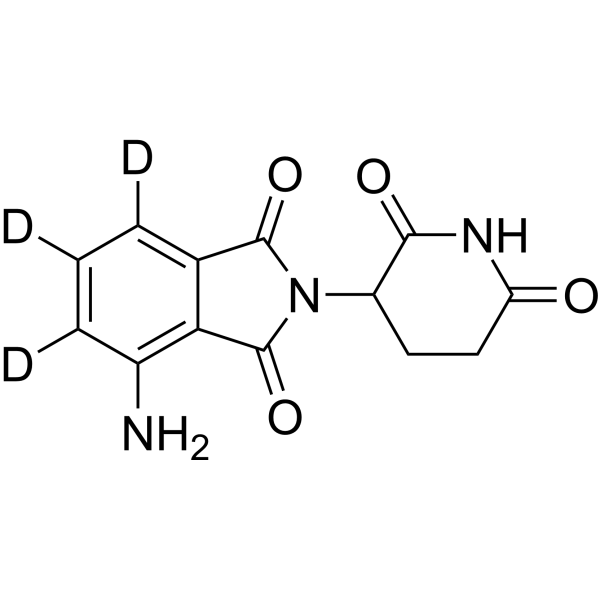
Pomalidomide-d3
 0 ImagesSynonyms: CC-4047-d3
Pomalidomide-d3 is the deuterium labeled Pomalidomide. Pomalidomide, the third-generation immunomodulatory agent, acts as molecular glue. Pomalidomide interacts with the E3 ligase cereblon and induces degradation of essential Ikaros transcription factors.
-
hsa-miR-3154 inhibitor
 0 ImagesCat. No.: HY-RI00603
hsa-miR-3154 inhibitors are chemically-modified oligonucleotides that hybridize with mature miRNAs. The miRNA inhibitors have full-length nucleotide 2'-methoxy modification. The miRNA inhibitors strongly compete with mature miRNAs to prevent the complementary pairing of miRNAs and their target genes, thereby inhibiting miRNAs from functioning.
-
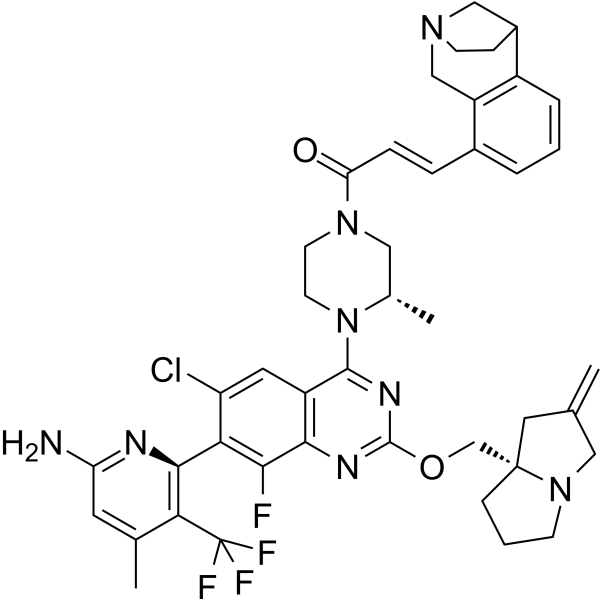
KRAS G13D-IN-1
 0 ImagesCat. No.: HY-161066
KRAS G13D-IN-1 (Compound 41) is a selective and covalently reversible inhibitor of KRASG13D (IC50: 0.41 nM). The selectivity for KRASG13D is 29-fold against KRAS wild type. KRAS G13D-IN-1 is an inhibitor of the GDP state and targets the SWII binding pocket of KRASG13D. KRAS G13D-IN-1 inhibits KRAS binding to GDP and turns on/off downstream signaling cascades. KRAS G13D-IN-1 can be used in the research of colon cancer.
-
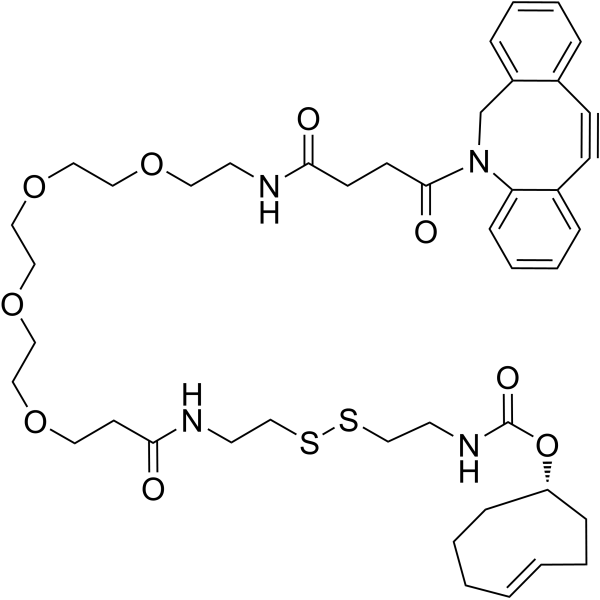
DBCO-PEG4-SS-TCO
 0 ImagesCat. No.: HY-133432Purity: 99.9%
DBCO-PEG4-SS-TCO is a cleavable 4 unit PEG ADC linker used in the synthesis of antibody-drug conjugates (ADCs). DBCO-PEG4-SS-TCO is a click chemistry reagent, it contains a TCO group that can undergo an inverse electron demand Diels-Alder reaction (iEDDA) with molecules containing Tetrazine groups.
-
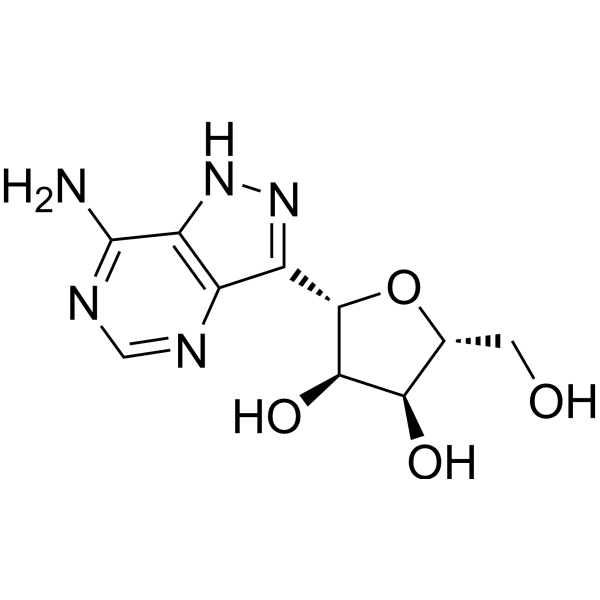
(1S,2S,3R)-PLX-4545
 0 ImagesCat. No.: HY-159647BCAS No.: 2892066-42-9
(1S,2S,3R)-PLX-4545 is the (1S,2S,3R) enantiomer of PLX-4545 (HY-159647). PLX-4545 is an orally active and selective cereblon-based molecular glue degrader of IKZF2 (zinc finger transcription factor Helios). PLX-4545 can reprogram immunosuppressive regulatory T cells into pro-inflammatory effector T cells, thereby enhancing anti-tumor immune responses.

-
hsa-miR-424-5p inhibitor
 0 ImagesCat. No.: HY-RI00928
hsa-miR-424-5p inhibitors are chemically-modified oligonucleotides that hybridize with mature miRNAs. The miRNA inhibitors have full-length nucleotide 2'-methoxy modification. The miRNA inhibitors strongly compete with mature miRNAs to prevent the complementary pairing of miRNAs and their target genes, thereby inhibiting miRNAs from functioning.
-
hsa-miR-223-3p inhibitor
 0 ImagesCat. No.: HY-RI00467
hsa-miR-223-3p inhibitors are chemically-modified oligonucleotides that hybridize with mature miRNAs. The miRNA inhibitors have full-length nucleotide 2'-methoxy modification. The miRNA inhibitors strongly compete with mature miRNAs to prevent the complementary pairing of miRNAs and their target genes, thereby inhibiting miRNAs from functioning.
-
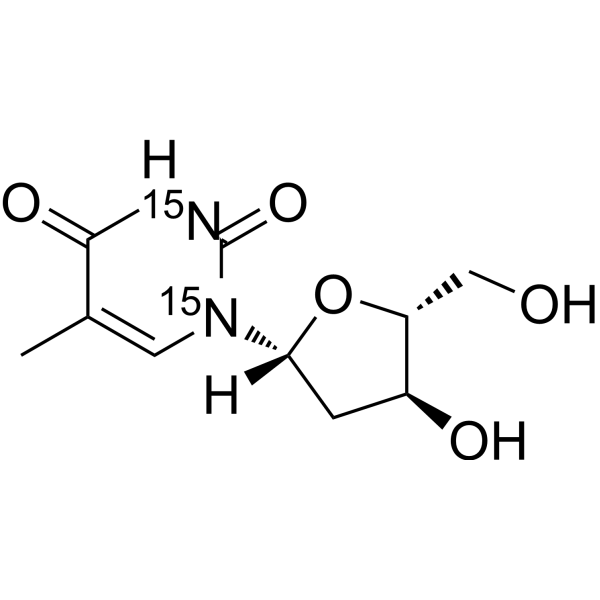
Thymidine-15N2
 0 ImagesCat. No.: HY-N1150S9Purity: 99.0%Synonyms: DThyd-15N2; NSC-15N2
-
S-methyl DM1
 0 Images
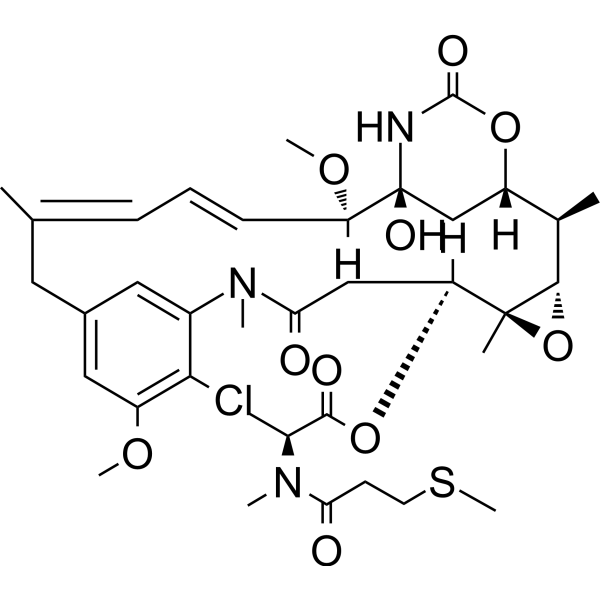
S-methyl DM1 is a thiomethyl derivative of Maytansine. S-methyl DM1 binds to tubulin with a Kd of 0.93 μM and inhibts microtubule polymerization. S-methyl DM1 potently suppresses microtubule dynamic instability and has anticancer effects.
-
Pinocembrin (Standard)
 0 ImagesSynonyms: (+)-Pinocoembrin (Standard); Dihydrochrysin (Standard); Galangin flavanone (Standard)
Pinocembrin (Standard) is the analytical standard of Pinocembrin. This product is intended for research and analytical applications. Pinocembrin ((+)-Pinocoembrin) is a flavonoid found in propolis, acts as a competitive inhibitor of histidine decarboxylase, and is an effective anti-allergic agent, with antioxidant, antimicrobial and anti-inflammatory properties.
-
RJW103
 0 Images
RJW103 is an acid-stable SF-1 (NR5A1) and LRH-1 agonist with pEC50 values of 6.5 and 5.9, respectively. RJW103 activates SF-1- and LRH-1-mediated transcription of endogenous target genes. RJW103 can be used in research on cancer, endocrinology and metabolic diseases, such as adrenocortical tumors.
-
1,4-Naphthoquinone-d6
 0 Images
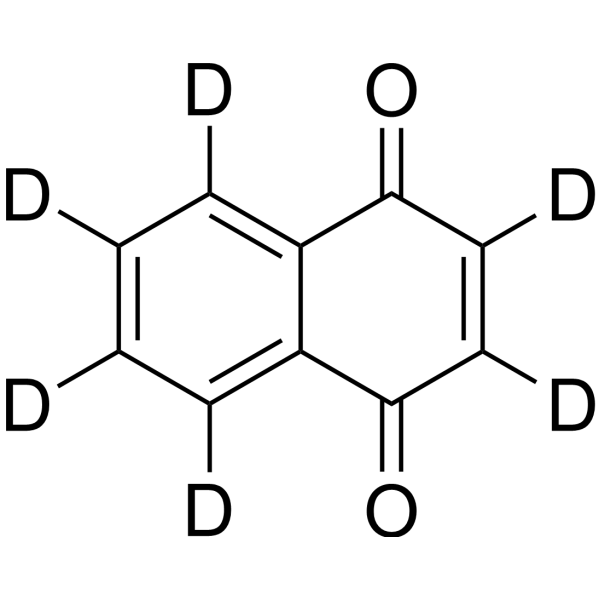
1,4-Naphthoquinone-d6 is the deuterium labeled 1,4-Naphthoquinone. 1,4-Naphthoquinone is an inhibitor with broad-spectrum inhibitory activity targeting DNA polymerase, NF-κB and monoamine oxidase (MAO-A/B), with antibacterial and anti-biofilm efficacy. 1,4-Naphthoquinone is a competitive inhibitor of MAO-B (Ki=1.4 μM) and a non-competitive inhibitor of MAO-A (Ki=7.7 μM). 1,4-Naphthoquinone inhibits DNA polymerase pol α, β, γ, δ, ε, λ with IC50 ranging from 5.57-128 μM. 1,4-Naphthoquinone inhibits tumor cell proliferation, induces apoptosis and necrosis, and has anti-angiogenic and anti-inflammatory activities by inducing oxidative stress, depleting glutathione (GSH), inhibiting DNA polymerase-mediated DNA synthesis and blocking NF-κB nuclear translocation. 1,4-Naphthoquinone can be used in anti-bacterial , anti-tumor and anti-inflammatory studies, including inhibition of melanoma and colon cancer cell growth and endothelial cell function, as well as LPS-induced inflammation models.
-
Fmoc-Hyp(Bom)-OH
 0 Images
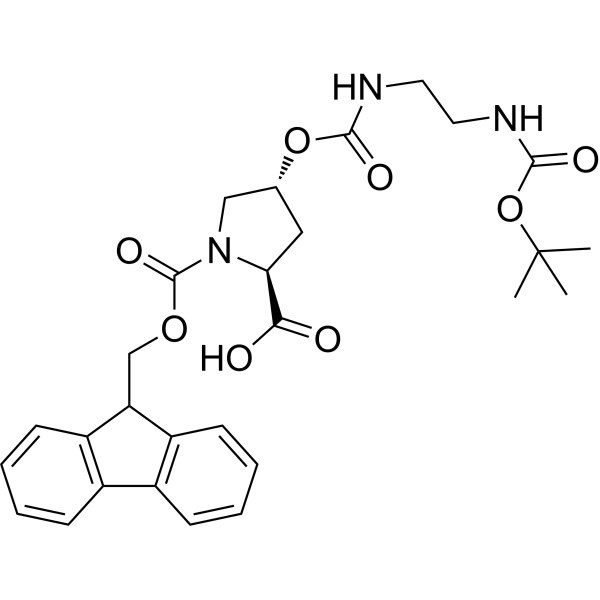
Fmoc-Hyp(Bom)-OH is a non-cleavable ADC linker used in the synthesis of antibody-drug conjugates (ADCs). Fmoc-Hyp(Bom)-OH is also a alkyl chain-based PROTAC linker that can be used in the synthesis of PROTACs<
-
Cbz-NH-PEG2-C2-acid
 0 ImagesCat. No.: HY-140487CAS No.: 1347750-76-8



