Cancer Targeted Therapy
Cancer targeted therapy is the foundation of precision medicine; it uses drugs or other substances to target specific genes and proteins that control cancer cells’ growth, division and spreading. Compared to traditional chemotherapy drugs, targeted-drugs can specifically act on cancer cells with high efficacy without damaging normal cells. Drugs used in cancer targeted therapy mainly includes small molecules and macromolecules (e.g., monoclonal antibodies), which can target cancer cells and constituents in the tumor microenvironment to activate the immune system. Anti-angiogenesis drugs, such as those targeting vascular endothelial growth factor (VEGF), epidermal growth factor receptor (EGFR), transforming growth factor (TGF)-α, TGF-β, Tumor necrosis factor (TNF)-α, and platelet-derived endothelial growth factor (PDGFR) inhibit the proliferation and metastasis of cancer cells. In recent years, the proportion of antibody drugs in cancer treatment has gradually become prominent. Antibody-drug conjugates (ADCs) are a new type of targeted drugs that are composed of monoclonal antibody, cytotoxic drug and linker. ADCs can deliver drugs to tumor cells and minimize the toxicity to normal tissues. Proteolysis-targeting chimera (PROTAC) is a useful technology for targeted protein degradation. PROTAC exploits the ubiquitin-proteasome system and forms a ternary complex with a hijacked E3 ubiquitin ligase and target protein, leading to polyubiquitination and degradation of the target protein.
Targeted therapy is a useful strategy in treatment of cancer either alone or in combination with standard chemotherapy. At present, targeted therapy has proved significant clinical success in the treatment of many types of cancer, including breast cancer, colorectal cancer, leukemia, ovarian cancer and lung cancer.
-
Pomalidomide-d3
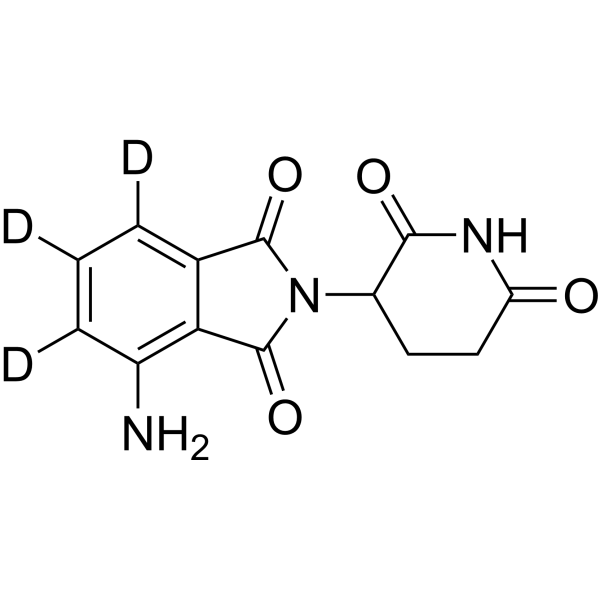 0 ImagesSynonyms: CC-4047-d3
Pomalidomide-d3 is the deuterium labeled Pomalidomide. Pomalidomide, the third-generation immunomodulatory agent, acts as molecular glue. Pomalidomide interacts with the E3 ligase cereblon and induces degradation of essential Ikaros transcription factors.
-
N-Methylthalidomide
 0 Images
N-Methylthalidomide is a cereblon ligand derivative that acts as an E3 ubiquitin ligase ligand for the synthesis of PROTAC LLC0424N (HY-185557). LLC0424N serves as a negative control for NSD2 PROTAC degrader LLC0424 (HY-161574), with weak ability to induce NSD2 degradation and low growth inhibitory effect on cancer cells carrying NSD2 mutations.
-
CRBN modulator-1
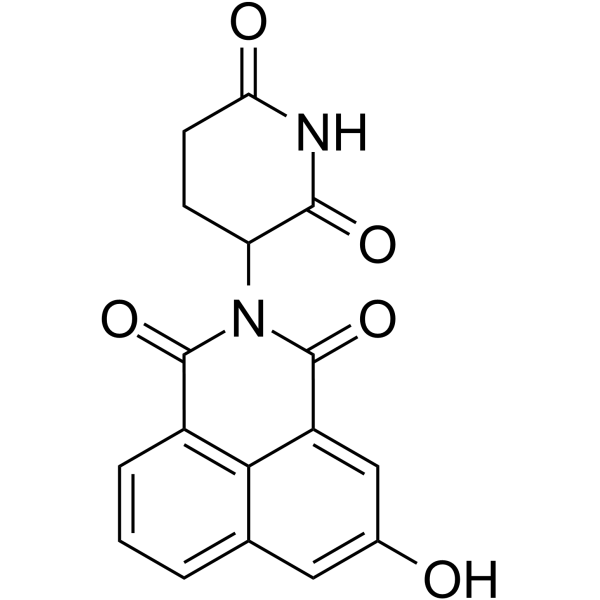 0 Images
CRBN modulator-1, a Thalidomide analog and a CRBN modulator extracted from WO2020006262A1, compound 10, has an IC50 of 3.5 μM and a Ki of 0.98 μM.
-
Cabozantinib-d4
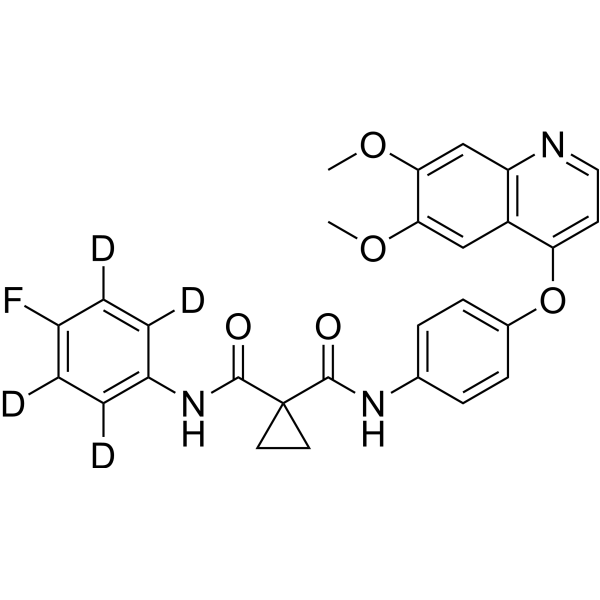 0 ImagesSynonyms: XL184-d4; BMS-907351-d4
-
Lipid C24
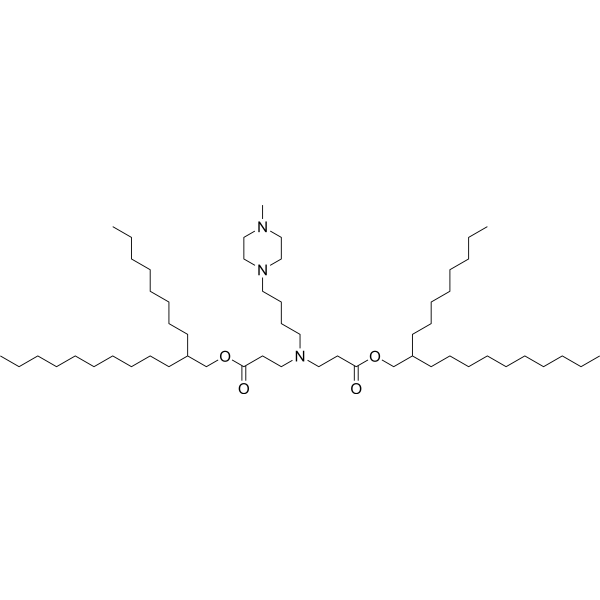 0 Images
Lipid C24 is a cationic ionizable lipid that can be used for synthesizing lipid nanoparticles. Lipid C24 can be used in the study of drug delivery.
-
hsa-miR-1248 inhibitor
 0 ImagesCat. No.: HY-RI00147
hsa-miR-1248 inhibitors are chemically-modified oligonucleotides that hybridize with mature miRNAs. The miRNA inhibitors have full-length nucleotide 2'-methoxy modification. The miRNA inhibitors strongly compete with mature miRNAs to prevent the complementary pairing of miRNAs and their target genes, thereby inhibiting miRNAs from functioning.
-
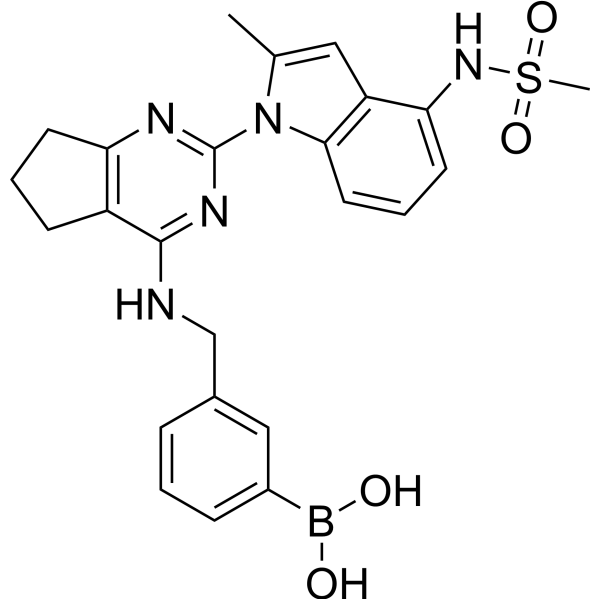
VCP/p97 inhibitor-1
 0 Images
VCP/p97 inhibitor-1 is a potent inhibitor of VCP/p97 (also called Cdc48, CDC-. 48, or Ter94) with an IC50 of 54.7 nM. VCP/p97 inhibitor-1 causes the dysregulation of protein homeostasis and disturbs the degradation of misfolded polypeptides by the ubiquitin-proteasome system (UPS).
-
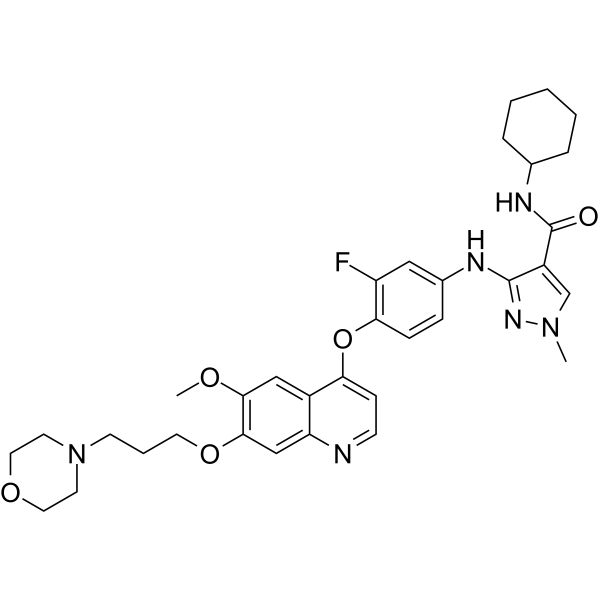
AP232
 0 ImagesCat. No.: HY-178155
AP232 is a selective U2AF1-UHM Inhibitor with an IC50 of 7.96 μM. AP232 exhibits 2.8-24-fold selectivity against other UHM-containing proteins. AP232 exerts anti-leukemia activity and shows higher activities in cell lines carrying splicing factor mutations. AP232 can induce leukemia cells G2/M and G1 arrest, impair lysosome acidification, and inhibit autophagy. AP232 can be used for the research of cancer, such as Leukemia.
-
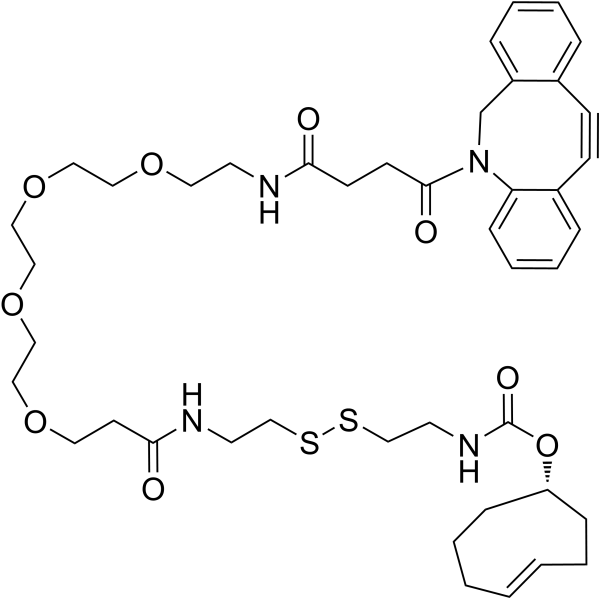
DBCO-PEG4-SS-TCO
 0 ImagesCat. No.: HY-133432Purity: 99.9%
DBCO-PEG4-SS-TCO is a cleavable 4 unit PEG ADC linker used in the synthesis of antibody-drug conjugates (ADCs). DBCO-PEG4-SS-TCO is a click chemistry reagent, it contains a TCO group that can undergo an inverse electron demand Diels-Alder reaction (iEDDA) with molecules containing Tetrazine groups.
-
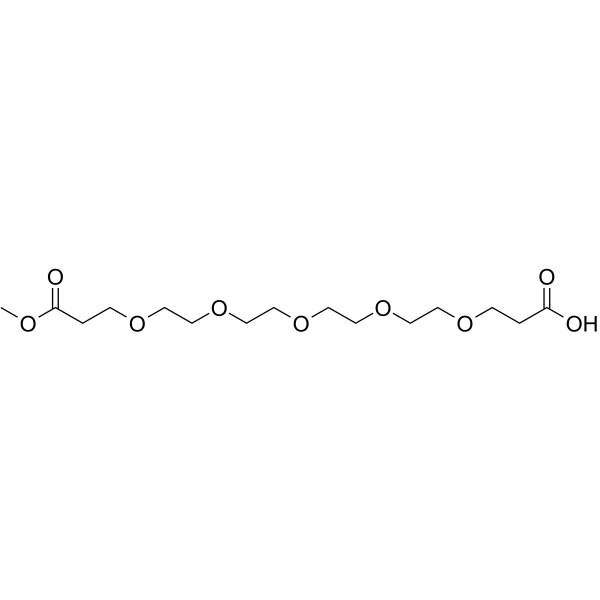
Iodine-C3-O-C3-PEG-Boc
 0 ImagesCat. No.: HY-W442078CAS No.: 2230826-08-9
-
Methyltetrazine-PEG4-SS-NHS ester
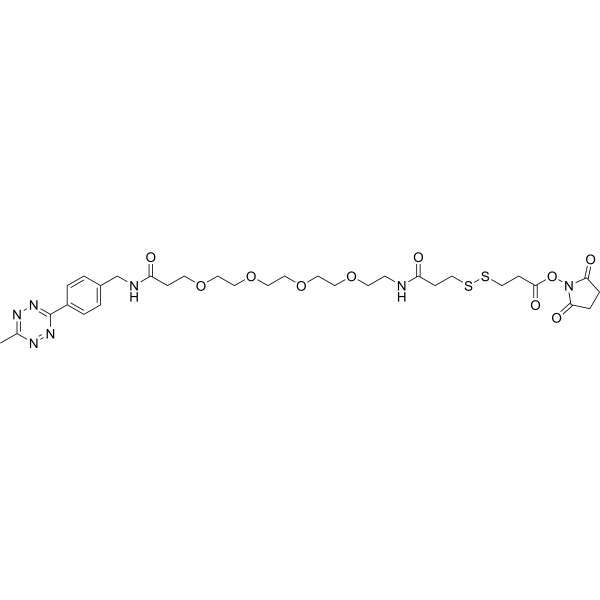 0 ImagesCat. No.: HY-133466CAS No.: 2656478-52-1
Methyltetrazine-PEG4-SS-NHS ester is a cleavable 4 unit PEG ADC linker used in the synthesis of antibody-drug conjugates (ADCs). Methyltetrazine-PEG4-SS-NHS ester is a click chemistry reagent, it contains a Tetrazine group that can undergo an inverse electron demand Diels-Alder reaction (iEDDA) with molecules containing TCO groups.

-
(2S,3R,4S)-ASX-173
 0 Images
(2S,3R,4S)-ASX-173 is the (2S,3R,4S)-enantiomer of ASX-173 (HY-175282). ASX-173 is an orally active inhibitor of asparagine synthetase (ASNS) (IC50 = 0.113 μM, Ki = 0.4 nM). ASX-173 enhances the anticancer activity of L-asparaginase (ASNase) (HY-P1923). ASX-173 disrupts nucleotide synthesis and induces leukemia cell cycle arrest, apoptosis and autophagy in leukemia cells in combination with ASNase. ASX-173 slows the growth of OCI-AML2 xenografts in combination with ASNase. ASX-173 is indicated for the study of acute lymphoblastic leukemia, acute myeloid leukemia, colorectal cancer, and other cancers.