



Cancer Targeted Therapy
Cancer targeted therapy is the foundation of precision medicine; it uses drugs or other substances to target specific genes and proteins that control cancer cells’ growth, division and spreading. Compared to traditional chemotherapy drugs, targeted-drugs can specifically act on cancer cells with high efficacy without damaging normal cells. Drugs used in cancer targeted therapy mainly includes small molecules and macromolecules (e.g., monoclonal antibodies), which can target cancer cells and constituents in the tumor microenvironment to activate the immune system. Anti-angiogenesis drugs, such as those targeting vascular endothelial growth factor (VEGF), epidermal growth factor receptor (EGFR), transforming growth factor (TGF)-α, TGF-β, Tumor necrosis factor (TNF)-α, and platelet-derived endothelial growth factor (PDGFR) inhibit the proliferation and metastasis of cancer cells. In recent years, the proportion of antibody drugs in cancer treatment has gradually become prominent. Antibody-drug conjugates (ADCs) are a new type of targeted drugs that are composed of monoclonal antibody, cytotoxic drug and linker. ADCs can deliver drugs to tumor cells and minimize the toxicity to normal tissues. Proteolysis-targeting chimera (PROTAC) is a useful technology for targeted protein degradation. PROTAC exploits the ubiquitin-proteasome system and forms a ternary complex with a hijacked E3 ubiquitin ligase and target protein, leading to polyubiquitination and degradation of the target protein.
Targeted therapy is a useful strategy in treatment of cancer either alone or in combination with standard chemotherapy. At present, targeted therapy has proved significant clinical success in the treatment of many types of cancer, including breast cancer, colorectal cancer, leukemia, ovarian cancer and lung cancer.
-
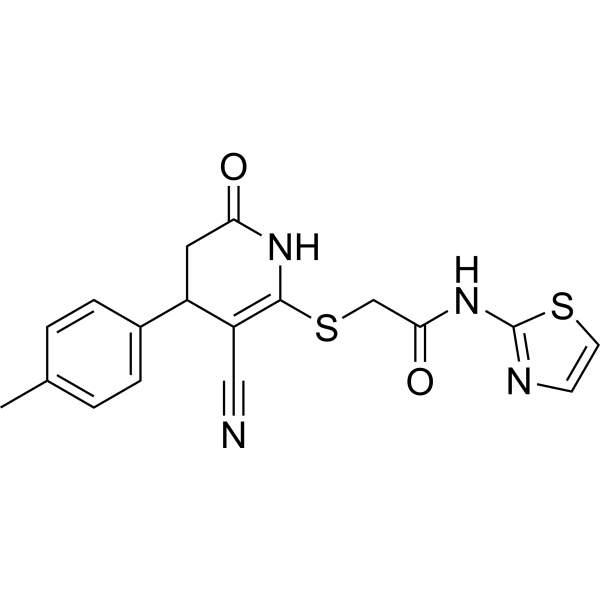
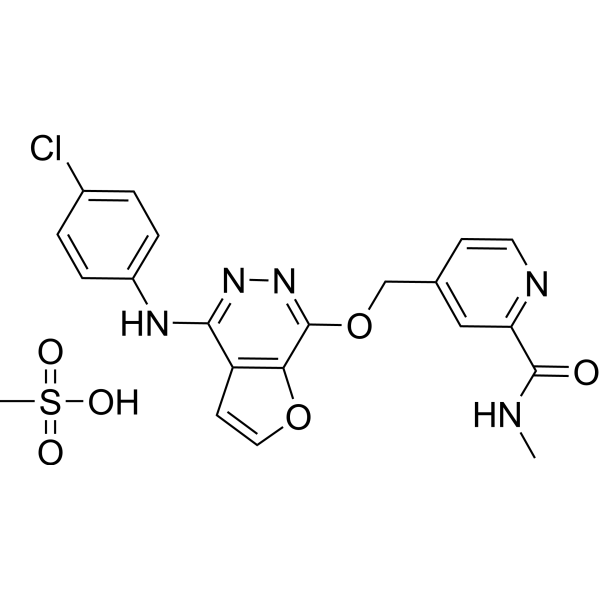
Cdc7-IN-5
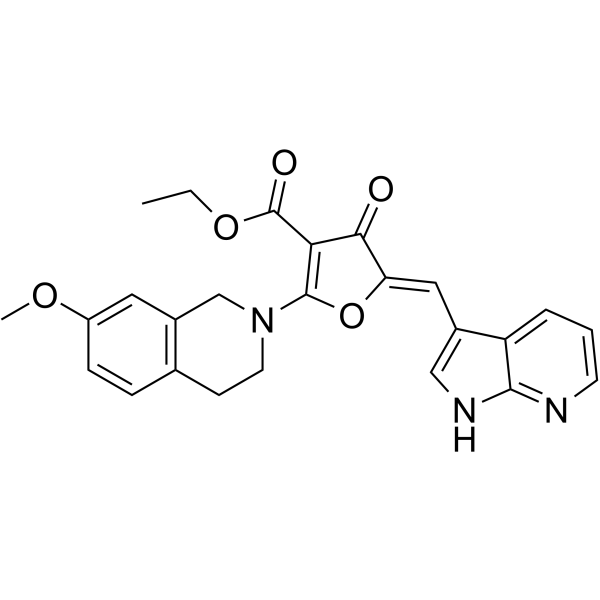 0 ImagesCat. No.: HY-130517CAS No.: 1402057-86-6
-
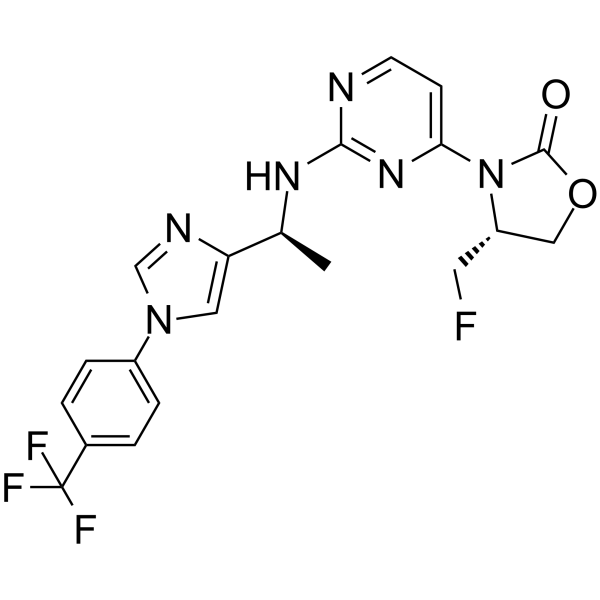
IDH1 Inhibitor 1
 0 Images
IDH1 Inhibitor 1 is a potent, orally bioavailable, brain-penetrant and selective mutant IDH1 inhibitor with IC50s of 0.021 μM, 0.045 μM, and 2.52 μM for IDH1R132H, IDH1R132C, and IDH1WT, respectively. Anticancer activity.
-
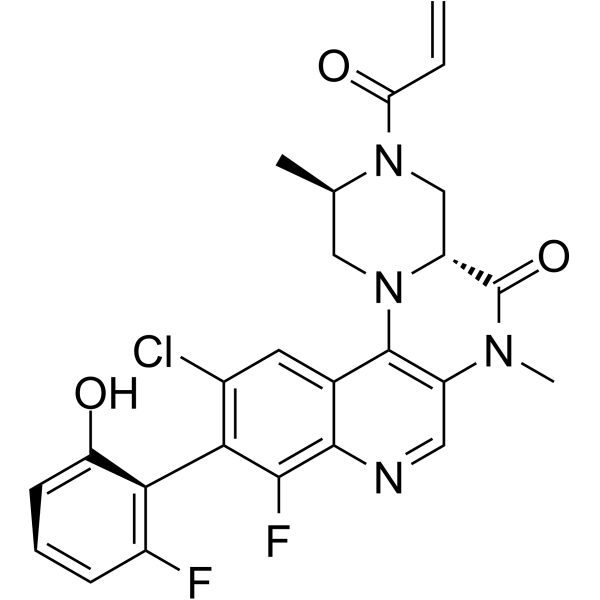
KRAS G12C inhibitor 15
 0 Images
KRAS G12C inhibitor 15 is a potent KRAS G12C inhibitor extracted from patent WO2019110751A1, compound 22, has an IC50 of 5 nM.
-
(S)-Sunvozertinib
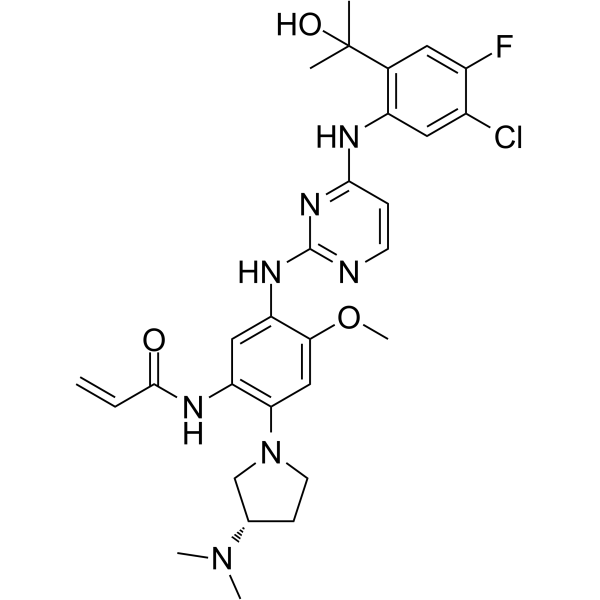 0 ImagesSynonyms: (S)-DZD9008
-
Spartalizumab
 0 ImagesSynonyms: PDR001
Spartalizumab is a humanized PD-1 IgG4 monoclonal antibody, with a Kd of 0.83 nM for human PD-1 and a Kd of 0.93 nM for cynomolgus monkey PD-1. Spartalizumab binds to PD-1 and blocks its interaction with the ligands PD-L1 and PD-L2. Spartalizumab induces increased IFNγ release. Spartalizumab can be used in the research of anaplastic thyroid carcinoma (ATC) and neuroendocrine neoplasms (NENs).
-
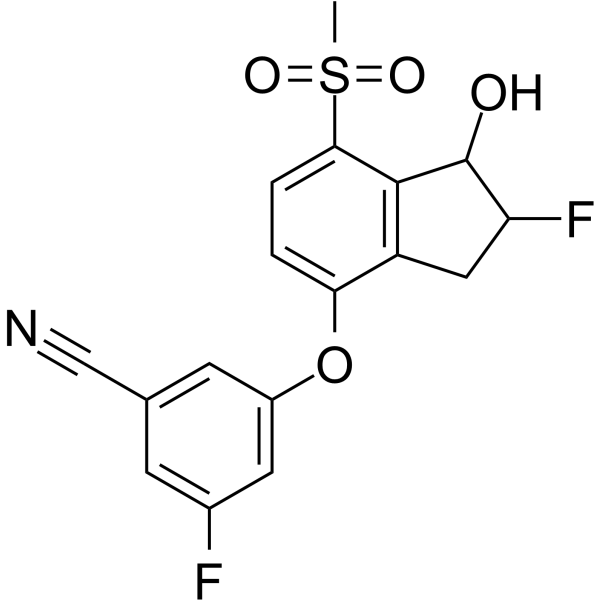
HIF-2α-IN-2
 0 Images
HIF-2α-IN-2 is a hypoxia-inducible factors (HIF-2α) inhibitor extracted from patent WO2015035223A1, Compound 232, has an IC50 of 16 nM in scintillation proximity assay (SPA).
-
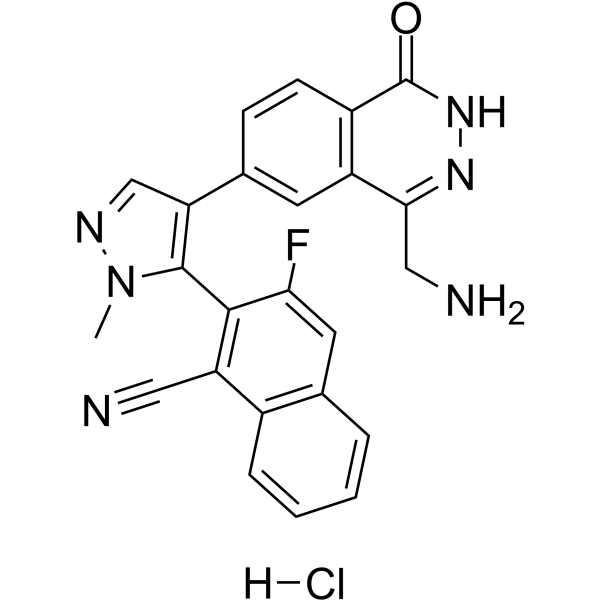
MRTX9768 hydrochloride
 0 Images
MRTX9768 hydrochloride is a potent, selective, orally active, first-in-class PRMT5-MTA complex inhibitor.
-
(S,R,S)-AHPC-PEG3-NH2
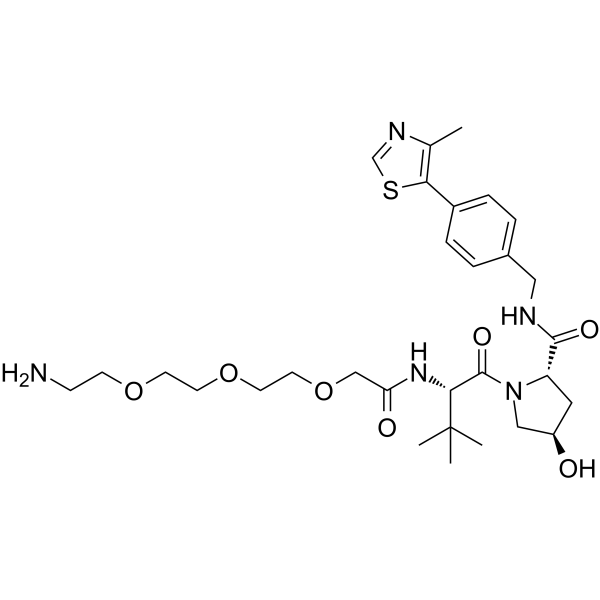 0 ImagesSynonyms: VH032-PEG3-NH2; VHL Ligand-Linker Conjugates 1; E3 ligase Ligand-Linker Conjugates 5 Free Base
-
IPN60090 dihydrochloride
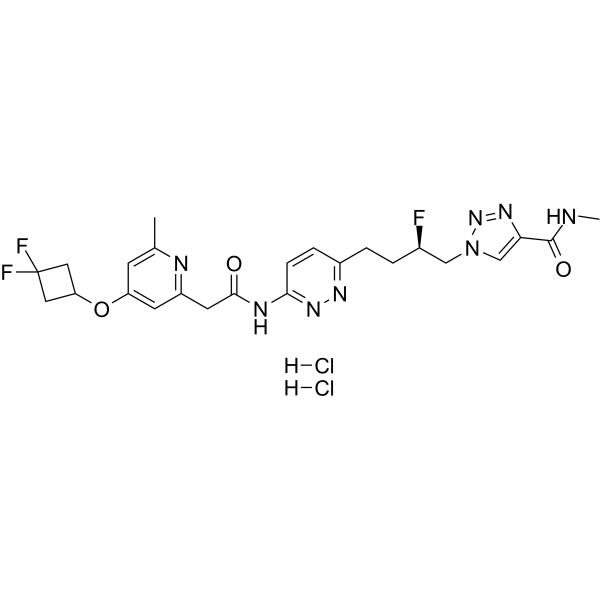 0 Images
IPN-60090 dihydrochloride is an orally active and highly selective inhibitor of glutaminase 1 (GLS1; IC50=31 nM), with no activity observed against GLS-2. IPN-60090 dihydrochloride exhibits excellent physicochemical and pharmacokinetic properties in vivo. IPN-60090 dihydrochloride can be used for solid tumors research, such as lung and ovarian cancers.
-
ZM223
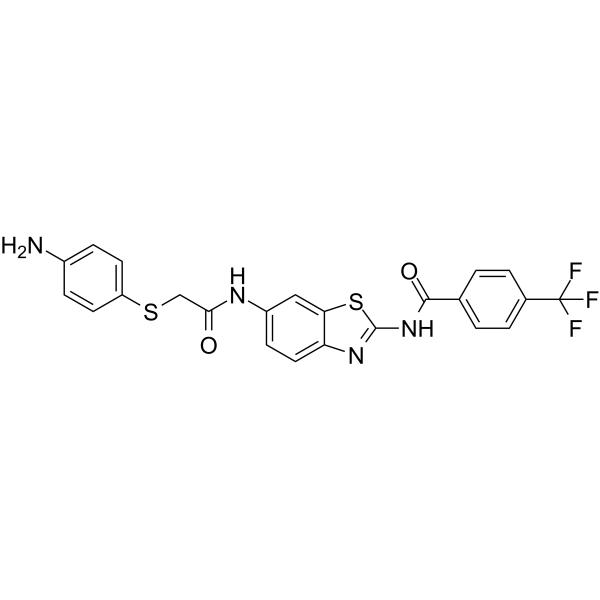 0 ImagesCat. No.: HY-101790CAS No.: 2031177-48-5
ZM223 is a potent non-covalent NEDD8 activating enzyme (NAE) inhibitor, orally active.
-
RAS GTPase inhibitor 1
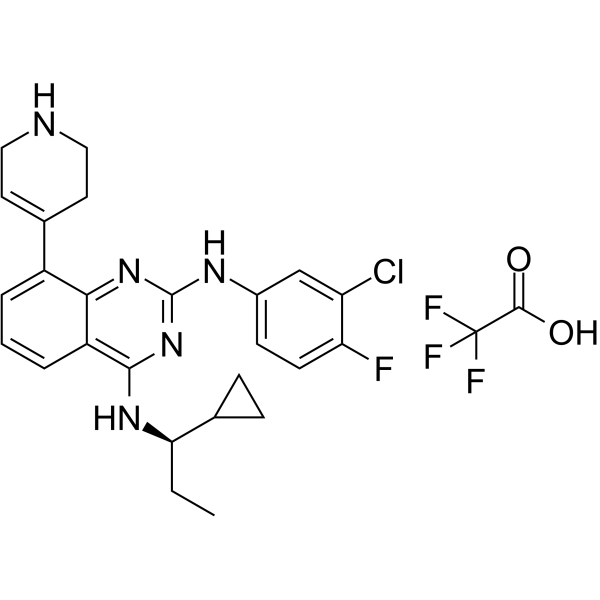 0 ImagesCat. No.: HY-129189CAS No.: 2252242-32-1
-
JBJ-09-063
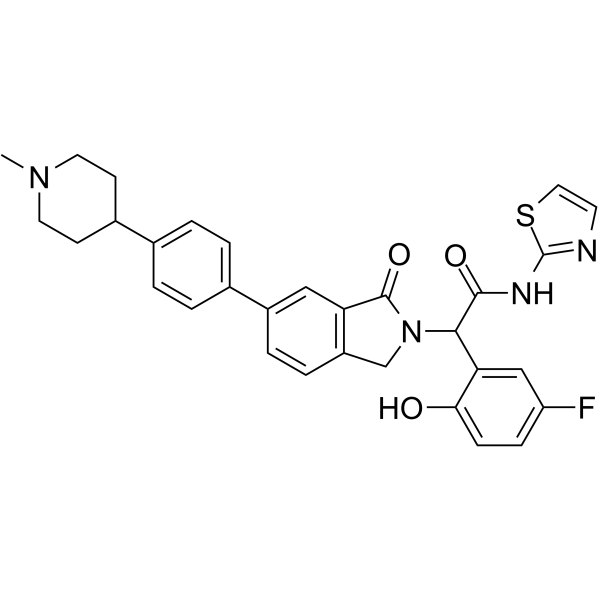 0 ImagesCat. No.: HY-147183CAS No.: 2820336-67-0
JBJ-09-063 is a mutant-selective allosteric EGFR inhibitor with IC50s of 0.147 nM, 0.063 nM, 0.083 nM and 0.396 nM for EGFR L858R, EGFR L858R/T790M, EGFR L858R/T790M/C797S and EGFRLT/L747S. JBJ-09-063 effectively reduces EGFR, Akt and ERK1/2 phosphorylation. JBJ-09-063 is effective across EGFR tyrosine kinase inhibitor (TKI)-sensitive and resistant models. JBJ-09-063 can be used for researching EGFR-mutant lung cancer.
-
Cbl-b-IN-2
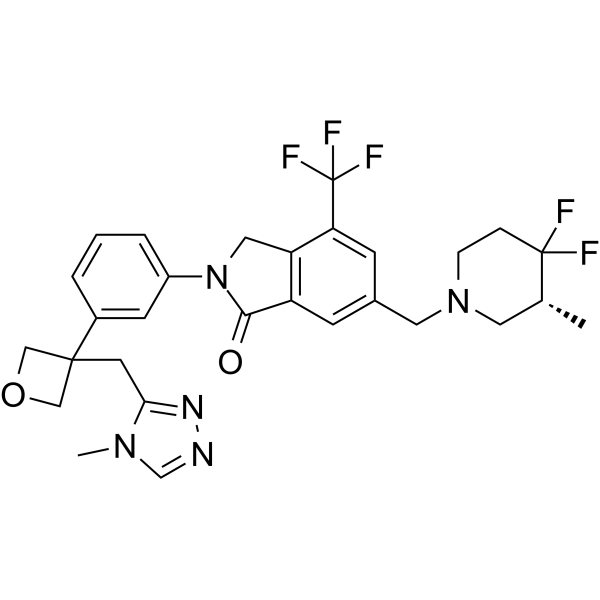 0 ImagesCat. No.: HY-141431CAS No.: 2503325-21-9
Cbl-b-IN-2 (Example 8) is an orally bioavailable compound, can inhibit the E3 enzyme Casitas B-lineage lymphoma proto-oncogene-b (Cbl-b) in the ubiquitin proteasome pathway. Cbl-b-IN-2 can be used to modulate the immune system and diseases amenable to immune system modulation. Cbl-b-IN-2 (Example 8) also may be administered to an individual with cancer, either alone or as part of a combination, with one or more of an immune checkpoint inhibitor, an anti-neoplastic agent, and radiation agent.
-
MS31
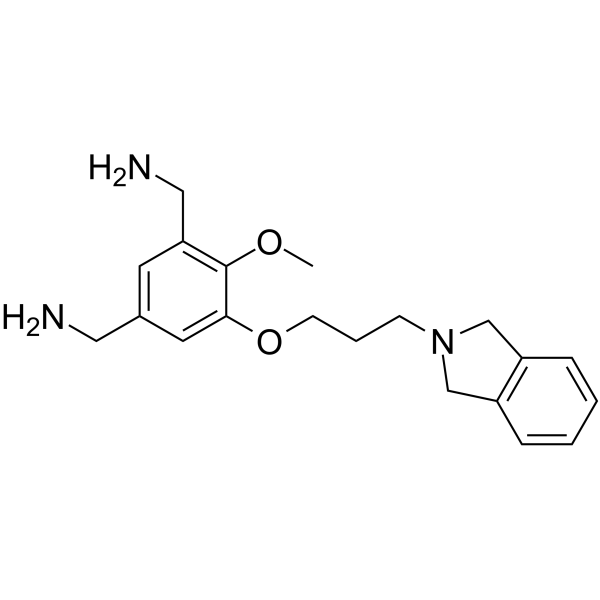 0 ImagesCat. No.: HY-125837CAS No.: 2366264-12-0
MS31 is a potent, highly affinity and selective fragment-like methyllysine reader protein spindlin 1 (SPIN1) inhibitor. MS31 potently inhibits the interactions between SPIN1 and H3K4me3 (IC50=77 nM, AlphaLISA; 243 nM, FP). MS31 selectively binds Tudor domain II of SPIN1 (Kd=91 nM). MS31 potently inhibits binding of trimethyllysine-containing peptides to SPIN1. MS31 is not toxic to nontumorigenic cells.
-
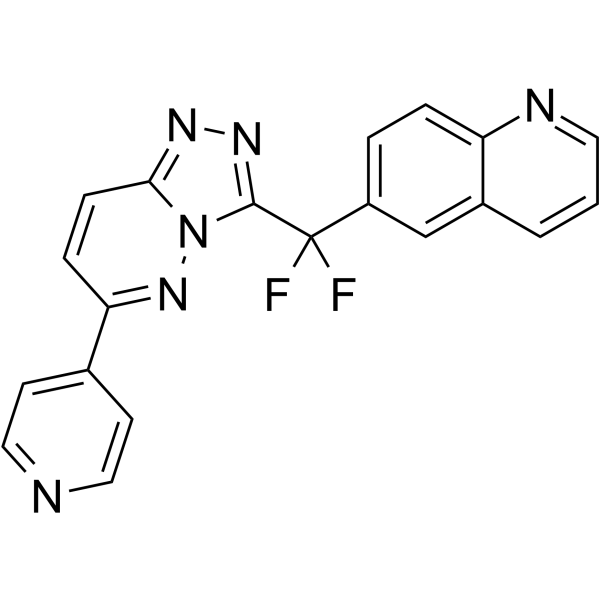
DB1976
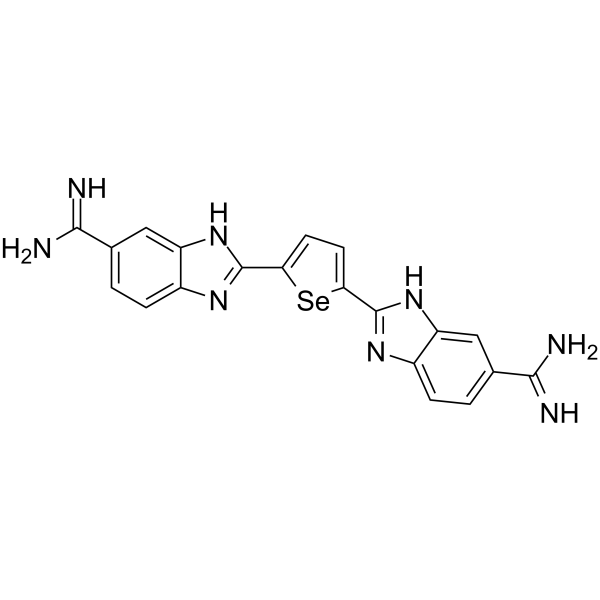 0 ImagesCat. No.: HY-135797CAS No.: 1557397-51-9
DB1976 is a selenophene analog of DB270 and a potent and cell-permeable fully efficacious transcription factor PU.1 inhibitor. DB1976 potently inhibits PU.1 binding (IC50 of 10 nM) and strongly inhibits the PU.1/DNA complex (with high DB1976-λB affinity, KD of 12 nM) in vitro. DB1976 has apoptosis-inducing effect.
-
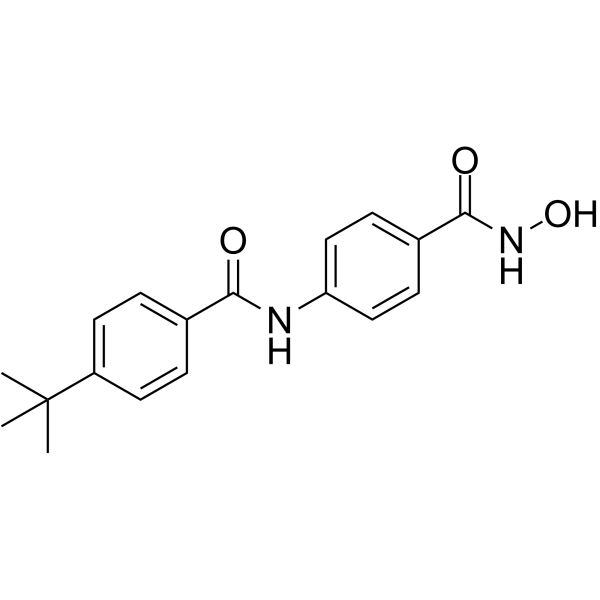
AES-350
 0 Images
AES-350 is a potent and orally active HDAC6 inhibitor with an IC50 and a Ki of 0.0244 μM and 0.035 μM, respectively. AES-350 is also against HDAC3, HDAC8 in an enzymatic activity assay with IC50 values of 0.187 μM and 0.245 μM, respectively. AES-350 triggers apoptosis in AML cells through HDAC inhibition and can be used for acute myeloid leukemia (AML) research.



