Others
-
Others Related Products (76625)
Related Products (76625)

-
Fluralaner intermediate
 0 ImagesSynonyms: 4-Acetyl-2-methylbenzoic acid
Fluralaner intermediate (4-Acetyl-2-methylbenzoic acid) is a drug intermediate for synthesis of various active compounds.
-
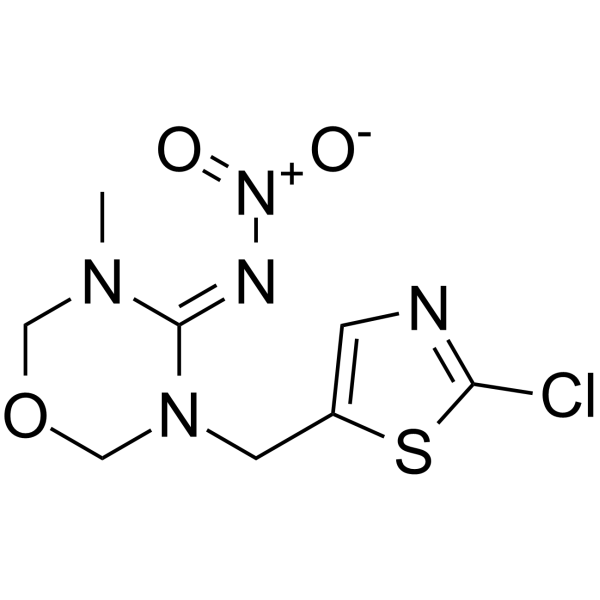
Thiamethoxam
 0 Images
Thiamethoxam is a broad spectrum neonicotinoid insecticide.
-
Phenol Red sodium salt
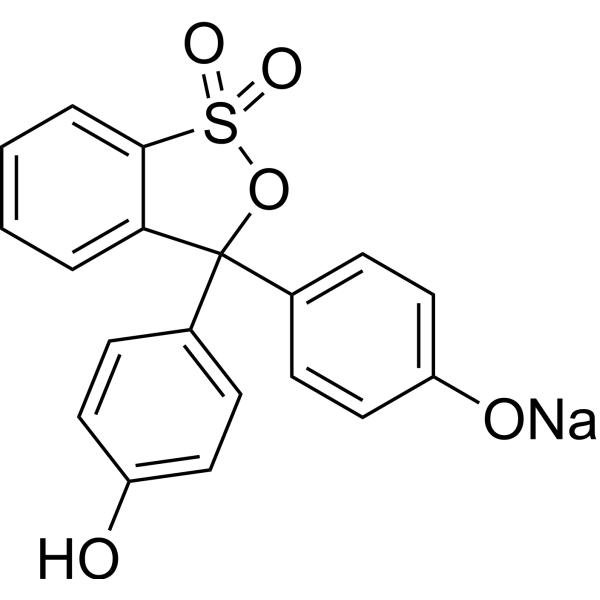 0 ImagesCat. No.: HY-D0169ACAS No.: 34487-61-1Synonyms: Phenolsulfonephthalein sodium salt
Phenol red (Phenolsulfonephthalein) sodium salt is a pH indicator dye. Phenol Red sodium salt is also an antagonist of rat P2X1R. Phenol Red sodium salt enhances the halogenating activity of myeloperoxidase. Phenol Red sodium salt shows a distinct color change from pink to yellow in a positive pH reaction.
-
Poly-L-lysine hydrobromide (MW 150000-300000)
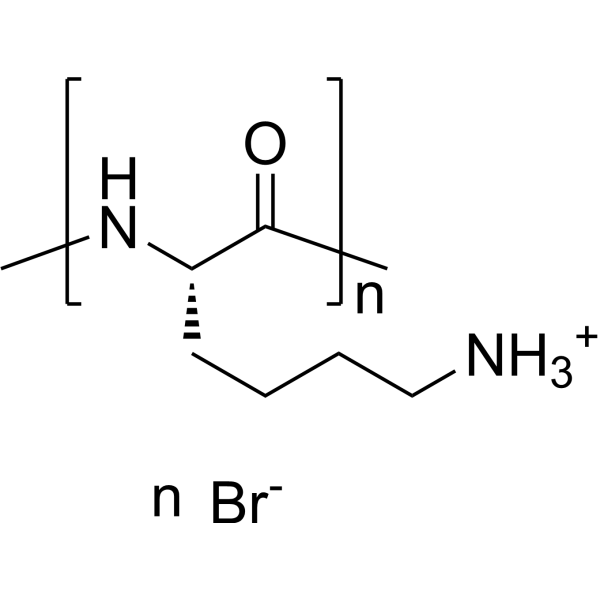 0 ImagesCat. No.: HY-126437CCAS No.: 25988-63-0
Poly-L-lysine (hydrobromide) (MW 150000-300000), a positively charged amino acid polymer, is a nonspecific attachment factor for cells. Poly-L-lysine (hydrobromide) (MW 150000-300000) has good biocompatibility. Poly-L-lysine (hydrobromide) (MW 150000-300000) is used to increase cell adhesion to solid substrates by enhancing electrostatic interaction between negatively charged ions of the cell membrane and the culture surface.
-
β-Glucosidase, almond
 0 Images
β-Glucosidase, almond is the rate-limiting enzyme in cellulose degradation. β-Glucosidase is a major group among glycoside hydrolases. β-Glucosidase is involved in the degradation of cellulose in soils and has potential for monitoring soil quality.
-
Sofituzumab
 0 ImagesSynonyms: MMUC 1206A
Sofituzumab (MMUC 1206A) is an anti-MUC16 antibody with a Kd of 0.3-0.9 nM. Sofituzumab can bind multiple adjacent antibody molecules to the repeat sequences of the same MUC16 molecule. Sofituzumab exhibits no anti-tumor activity in the HPAC pancreatic adenocarcinoma xenograft model.
-
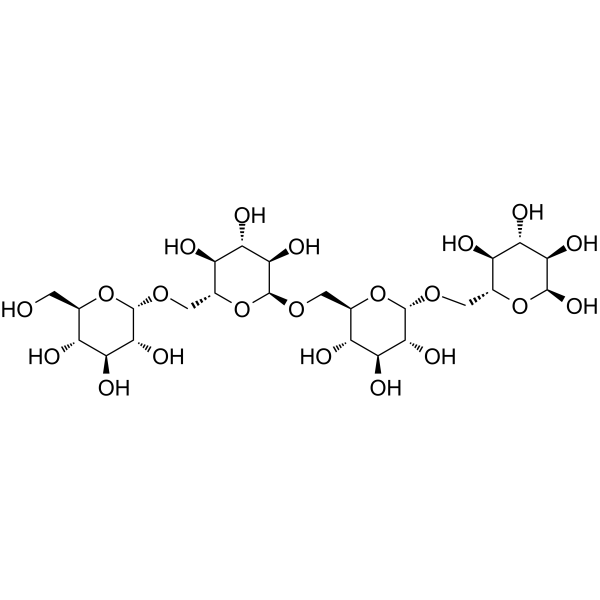
Isomaltotetraose
 0 Images
Isomaltotetraose is an orally active branched isomaltooligosaccharide with α-(1,6) glycosidic linkages. Isomaltotetraose is a prebiotic oligosaccharide present in honey and also a component of isomaltooligosaccharide mixtures. Isomaltotetraose maintains the growth of Prevotella or sustains the *Prevotella* enterotype in both in vitro systems and mouse models.
-
BSA Standard Solution (5 mg/mL)
 0 Images
BSA Standard Solution (5 mg/mL) is a bovine serum albumin solution commonly used as a standard for total serum protein detection. BSA Standard Solution (5 mg/mL) can be used for drawing standard curves and calibrating experiments in total protein assays. BSA Standard Solution (5 mg/mL) is also suitable for various biological experiments, including PCR detection inhibition, antibody desalting, chromatography control, SDS-PAGE electrophoresis, and calibration of UV spectrophotometers.
-
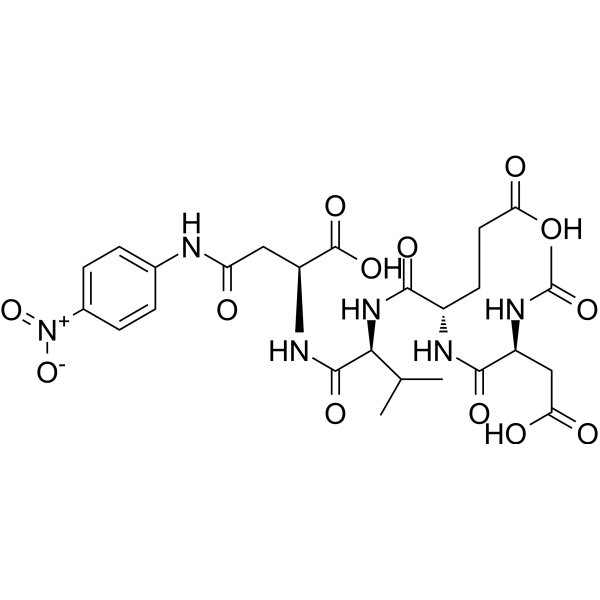
Ac-DEVD-pNA
 0 Images
Ac-DEVD-pNA is a ligand for caspase-3/-7 and related cysteine proteases.
-
AMARA peptide TFA
 0 ImagesCat. No.: HY-P1576APurity: 98.53%
AMARA peptide TFA is a synthetic peptide substrate of sucrose non-fermenting-1-related protein kinase 1 (SnRK1). AMARA peptide TFA contains residues required for SnRK1 phosphorylation, retains the minimal motif recognized by SnRK1, and when this substrate is recognized by cauliflower SnRK1 HRK-A, the hydrophobic residues at the relative positions P-5 and P+4 of the phosphorylated serine require a critical spacing. AMARA peptide TFA can serve as a control substrate in peptide phosphorylation assays for the detection of SnRK1 activity in Arabidopsis thaliana, potato tuber tissues, and during SnRK1 purification.
-
Cathepsin B, Bovine spleen
 0 Images
Cathepsin B, Bovine spleen is a cysteine protease and is involved in multiple kinds of programmed cell death (including apoptosis, pyroptosis, ferroptosis, necroptosis, and autophagic cell death).
-
Nuclease P1
 0 ImagesCat. No.: HY-P2963CAS No.: 54576-84-0
Nuclease P1 is a single-stranded specific endonuclease, it hydrolyzes nucleic acids into 5'-mononucleotides and cleaves the single-stranded region of a double-stranded nucleic acid. Nuclease P1 is one of the most well-known single stranded specific nucleases in the field of molecular biology, it is widely used in the pharmaceutical and food industries. Nuclease P1 can be obtained by fermentation of Penicillium citrinum: through extraction process, ultrafiltration concentration, drying and purification, etc.
-
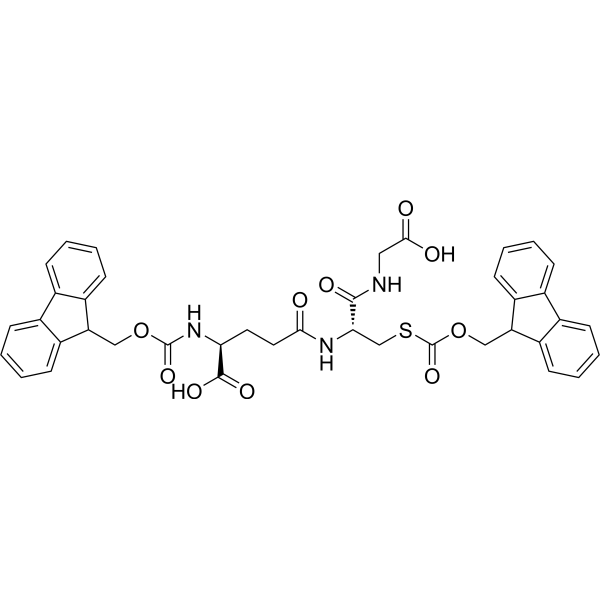
N,S-Bis-Fmoc-Glutathione
 0 Images
N,S-Bis-Fmoc-Glutathione is a potent glyoxalase II inhibitor with a Ki value of 0.75 μM and an IC50 of 2.5 μM.
-
24-Epicastasterone
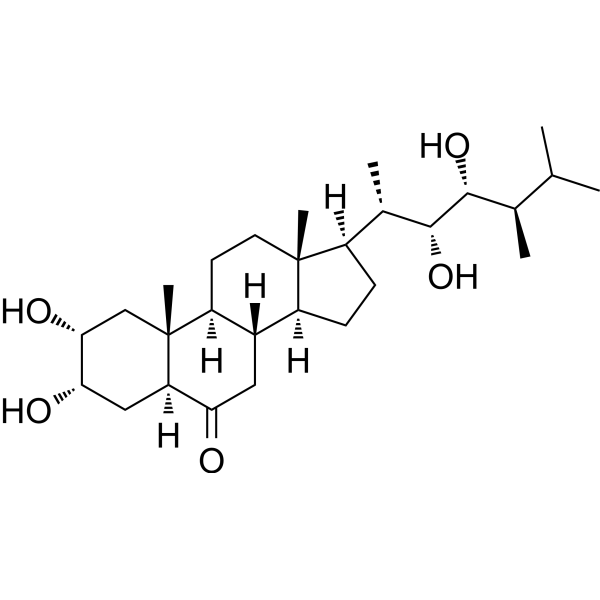 0 ImagesSynonyms: 24-epi-Castasterone
24-Epicastasterone (24-epi-Castasterone) is a bioactive brassinosteroid and a ligand of ABCB1 and ABCB19 in Arabidopsis thaliana. 24-Epicastasterone stimulates the ATPase activity of ABCB19 and the ATP hydrolysis activity of ABCB1, which drive the efflux of substances from plant cells. 24-Epicastasterone increases the activities of catalase and guaiacol peroxidase in the roots of wheat seedlings. 24-Epicastasterone alleviates heat-induced lipid peroxidation through a ROS-dependent mechanism and enhances the heat tolerance of common wheat seedlings.
-
Ethyl cellulose (viscosity 100 cP)
 0 ImagesCat. No.: HY-W115746CAS No.: 9004-57-3Synonyms: Ethyl cellulose N-100
Ethyl cellulose (viscosity 100 cP) is a non-toxic cellulose derivative with unique properties including oil gel formation, active ingredient delivery and film-forming ability. Ethyl cellulose (viscosity 100 cP) can serve as a pharmaceutical excipient, such as a coating agent, flavoring agent, tablet filler, etc..
-
Dodecylbenzenesulfonic acid
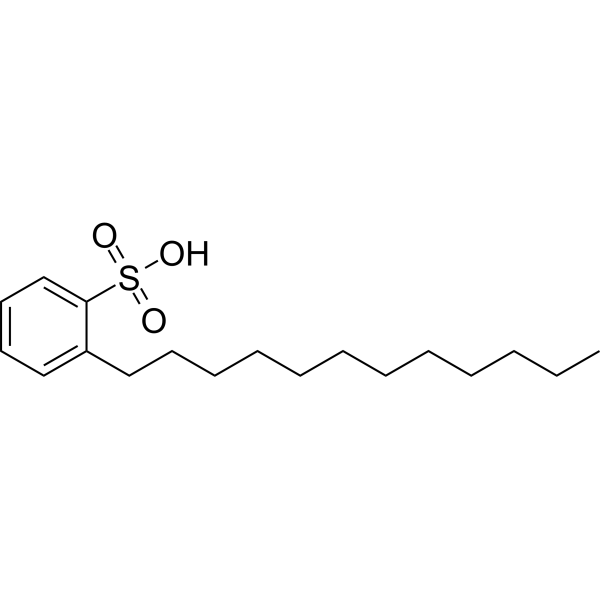 0 ImagesCat. No.: HY-W250144CAS No.: 27176-87-0Synonyms: Dodecylbenzenesulphonic acid
Dodecylbenzenesulfonic acid (Dodecylbenzenesulphonic acid) is an anionic surfactant. Dodecylbenzenesulfonic acid serves as a raw material for various detergents. Dodecylbenzenesulfonic acid can be used as a cleaning agent in the daily chemical industry or a chemical oil-displacing agent in tertiary oil recovery.
-
Carbomer 980
 0 ImagesCat. No.: HY-W250721CAS No.: 9007-20-9Synonyms: CBM 980
Carbomer 980 (CBM 980) is an acrylic acid polymer, which can be used as a thickening agent. Carbomer 980 provides a stable gel matrix, exhibits good heat, light and microbial contamination resistance. Carbomer 980 facilitates the drug release and local application, which can be used in the pharmaceutical industry.
-
3-Iodo-L-phenylalanine
 0 Images
3-Iodo-L-phenylalanine is an unnatural amino acid that can be used for partial codon reassignment. 3-Iodo-L-phenylalanine shows high efficiency in Ser AGU codon reassignment, and also exhibits a certain reassignment effect on Ser UCG codon. 3-Iodo-L-phenylalanine can be applied to researches on genetic code expansion and protein engineering.
-
C6 NBD Ceramide
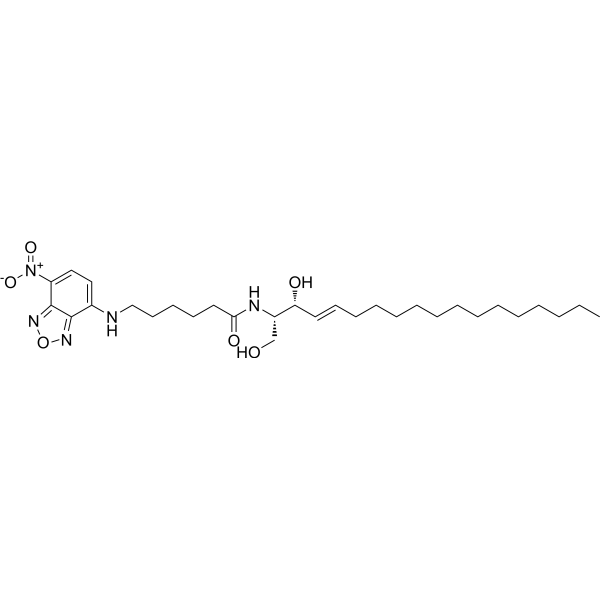 0 ImagesSynonyms: Nbd-ceramide
C6 NBD Ceramide is a Golgi apparatus fluorescent probe with cell membrane permeability. C6 NBD Ceramide can be used for fast and convenient green fluorescent labeling of Golgi in living and fixed cells, and can be used to observe changes in Golgi morphology in living cells (Ex=466 nm, Em=536 nm). C6-NBD-ceramide is metabolized to fluorescent sphingomyelin and glucosylceramide, can be used for the study of sphingolipid transport and metabolic mechanism.