



Bacterial
Anything that destroys bacteria or suppresses their growth or their ability to reproduce. Heat, chemicals such as chlorine, and antibiotic drugs all have antibacterial properties. Many antibacterial products for cleaning and handwashing are sold today. Such products do not reduce the risk for symptoms of viral infectious diseases in otherwise healthy persons. This does not preclude the potential contribution of antibacterial products to reducing symptoms of bacterial diseases in the home.
All Product Categories
-
Bacterial Inhibitors
(7553)
View all products
-
Bacterial Agonists
(3)
View all products
-
Bacterial Antagonists
(9)
View all products
-
Bacterial Activators
(25)
View all products
-
Bacterial Modulators
(27)
View all products
-
Bacterial Chemicals
(2)
View all products
-
Bacterial Inducers
(6)
View all products
-
Bacterial Controls
(14)
View all products
-
Bacterial Substrates
(2)
View all products
-
Bacterial Ligand
(1)
View all products
-
Bacterial Related Products (8893)
Related Products (8893)

-
Antibodies (14)
-
Related Compound Screening Libraries (1)
-
Cys-Pexiganan TFA
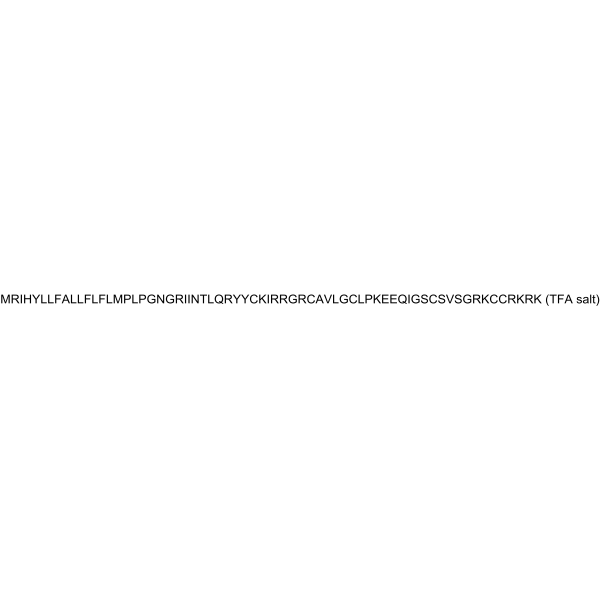
 0 ImagesCat. No.: HY-P10455Cys-Pexiganan TFA is an amphiphilic antimicrobial peptide. Cys-Pexiganan TFA exhibits antibacterial activities against Staphylococcus aureus and Pseudomonas aeruginosa, with MIC of 16 μg/mL and 64.0 μg/mL. Cys-Pexiganan TFA interacts with anionic phospholipids and DNA of microbial cell membranes, disintegrates the cells and leads to cell death.
-
11-Keto fusidic acid
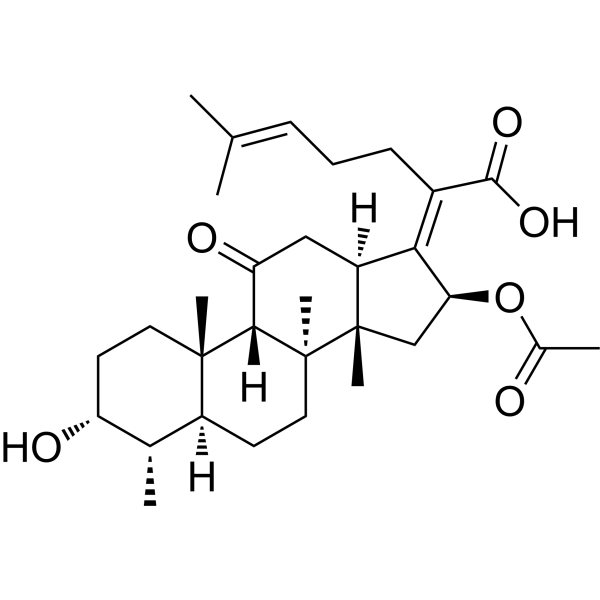 0 ImagesCat. No.: HY-N10181CAS No.: 16711-91-4Synonyms: Simplifusidic acid I11-Keto fusidic acid shows strong antibacterial activity toward Staphylococcus aureus with an MIC value of 0.078 μg/mL.
-
Emeguisin A
 0 ImagesCat. No.: HY-N11982CAS No.: 117032-54-9Emeguisin A is a depsidone with an antibacterial activity. Emeguisin A inhibits the human colon carcinoma (HCT-116) cell viability with rate of 87.06%.
-
FtsZ-IN-6
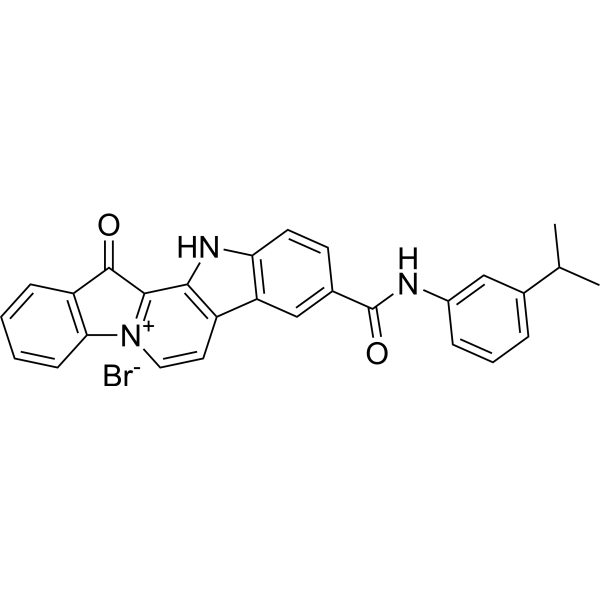 0 ImagesCat. No.: HY-149224FtsZ-IN-6 is a potent FtsZ inhibitor, to promote FtsZ polymerization and inhibit GTPase activity of FtsZ. Thus, FtsZ-IN-6 inhibits bacterial division to lead to death of bacterial cells. FtsZ-IN-6 shows bactericidal activity with no significant tendency to trigger bacterial resistance as well as rapid bactericidal properties. And FtsZ-IN-6 shows low hemolytic activity and cytotoxicity to mammalian cells.
-
Citric acid monohydrate (Standard)
 0 ImagesCitric acid monohydrate (Standard) is the analytical standard of Citric acid monohydrate (HY-N1428A). This product is intended for research and analytical applications. Citric acid monohydrate is a natural preservative and food tartness enhancer. Citric acid monohydrate induces apoptosis and cell cycle arrest at G2/M phase and S phase in HaCaT cells. Citric acid monohydrate cause oxidative damage of the liver by means of the decrease of antioxidative enzyme activities. Citric acid monohydrate is also an acidulant, emulsifier, sequestrant and buffering agent widely used across many industries.
-
Saframycin F
 0 ImagesCat. No.: HY-N14516CAS No.: 92569-03-4Saframycin F has the effect of anti-Gram-positive bacteria. Saframycin F has the effect of inhibiting mouse lymphocyte L-1210 with an ID50 of 0.59 μM.
-
SpHistin
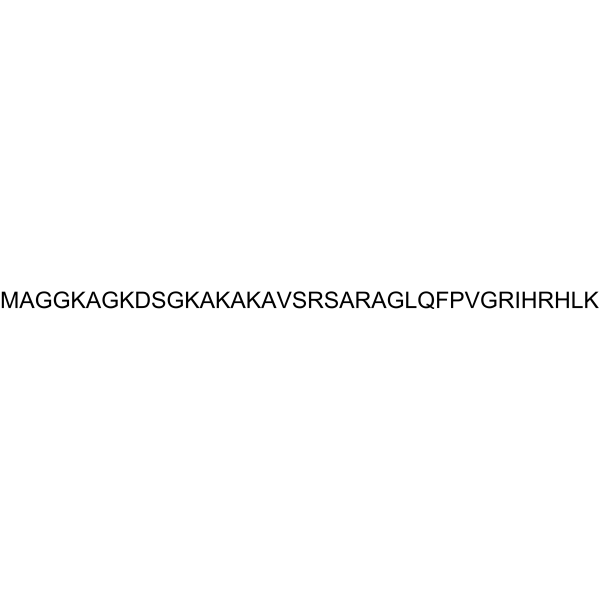 0 ImagesCat. No.: HY-P5680SpHistin is an antimicrobial peptide (AMP). SpHistin can bind to LPS (HY-D1056) and permeabilize the bacterial membrane. SpHistin combined with Rifampicin (HY-B0272) and Azithromycin (HY-17506) promotes the intracellular uptake of the antibiotics and subsequently enhances the bactericidal activity of both agents against P. aeruginosa.
-
Thioridazine (Standard)
 0 ImagesThioridazine (Standard) is the analytical standard of Thioridazine. This product is intended for research and analytical applications. Thioridazine, an antagonist of the dopamine receptor D2 family proteins, exhibits potent anti-psychotic and anti-anxiety activities. Thioridazine is also a potent inhibitor of PI3K-Akt-mTOR signaling pathways with anti-angiogenic effect. Thioridazine shows antiproliferative and apoptosis induction effects in various types of cancer cells, with specificity on targeting cancer stem cells (CSCs).
-
β-Lactamase/Ferroptosis-IN-1
 0 ImagesCat. No.: HY-184667CAS No.: 3115648-56-8β-Lactamase/Ferroptosis-IN-1 is a dual inhibitor of β-Lactamase and ferroptosis, β-Lactamase/Ferroptosis-IN-1 inhibits NDM-1 (metallo-β-lactamase, MBLs, IC50 = 1.8 μM) and KPC-2 (serine-β-lactamase, SBLs, IC50 = 2.6 μM). β-Lactamase/Ferroptosis-IN-1 exerts synergistic antibacterial effects with antibiotics against multidrug-resistant Gram-negative bacteria (MDR-GNB), and alleviates LPS (HY-D1056)-induced acute lung injury by inhibiting ferroptosis via upregulating FTH1 and GPX4 expression and reducing MDA levels. β-Lactamase/Ferroptosis-IN-1 can be used for the study of MDR-GNB infections and acute lung injury.
-
Erythromycin stearate
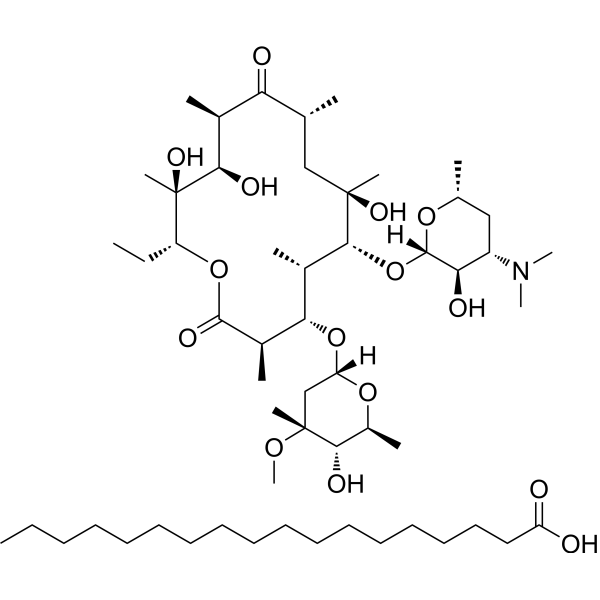 0 ImagesErythromycin stearate is a macrolide antibiotic produced by actinomycete Streptomyces erythreus with a broad spectrum of antimicrobial activity. Erythromycin stearate binds to bacterial 50S ribosomal subunits and inhibits RNA-dependent protein synthesis by blockage of transpeptidation and/or translocation reactions, without affecting synthesis of nucleic acid[1][2]. Erythromycin stearate also exhibits antitumor and neuroprotective effect in different fields of research[3][4].
-
Mafenide hydrochloride (Standard)
 0 ImagesCat. No.: HY-B0614BRCAS No.: 138-37-4Mafenide (hydrochloride) (Standard) is the analytical standard of Mafenide (hydrochloride). This product is intended for research and analytical applications. Mafenide hydrochloride is an effective sulfonamide-type antimicrobial agent used for burn wounds. Mafenide hydrochloride shows activity against both Gram-positive and Gram-negative organisms, including Pseudomonas aeruginosa, via inhibition of nucleotide synthesis[1][2].
-
Antitubercular agent-15
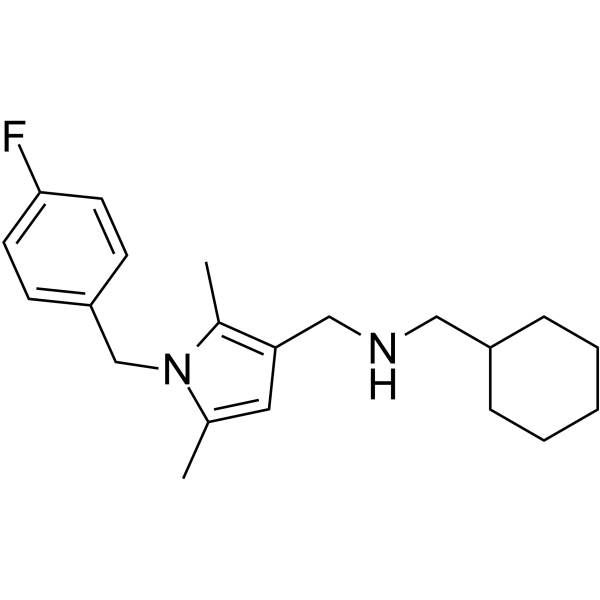 0 ImagesCat. No.: HY-146556CAS No.: 3034700-24-5Antitubercular agent-15 (Compound 5n) is an antitubercular agent with MIC90 values of 0.73, 7.69, 9.38, 18.80, 7.53 and 7.31 μg/mL against M. tuberculosis H37Rv, CF16, CF61, CF76, CF152 and CF161, respectively. Antitubercular agent-15 shows low cytotoxicity against macrophages and pulmonary fibroblasts.
-
TgENR-IN-1
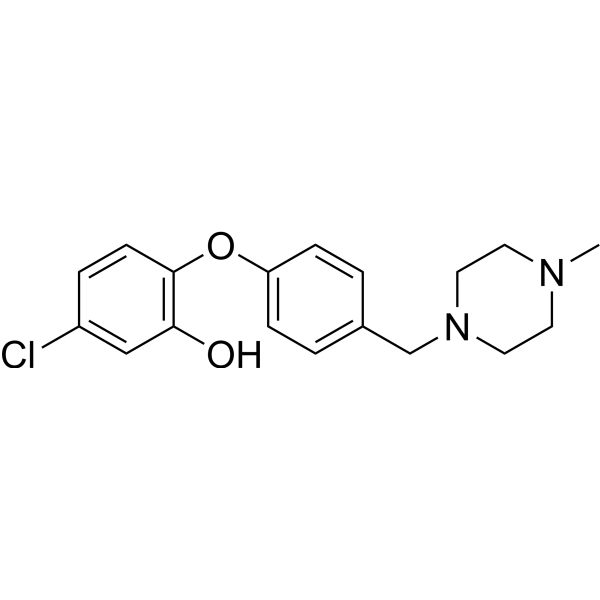 0 ImagesCat. No.: HY-160611CAS No.: 1428626-91-8TgENR-IN-1 (Compound 5a) is an inhibitor for Toxoplasma gondii enoyl reductase (TgENR), which inhibits 25% TgENR at 1 μM. TgENR-IN-1 exhibits toxicity with an IC50 of >10 μM in parasite tissue.
-
Tachyplesin II
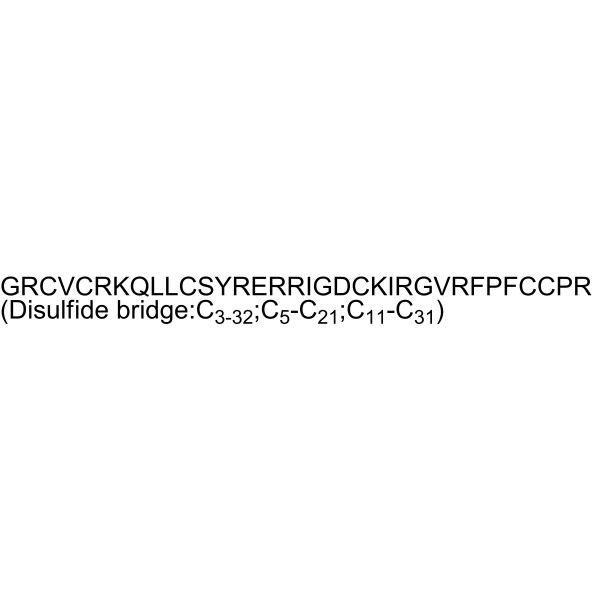
 0 ImagesCat. No.: HY-P11398Tachyplesin II is a broad-spectrum cationic antimicrobial peptide. Tachyplesin II has significant inhibitory effects on Gram-positive bacteria, Gram-negative bacteria, and some fungi. Tachyplesin II binds to bacterial membrane lipopolysaccharides through its positive charge, disrupting membrane integrity and causing leakage of cellular contents. Tachyplesin II can bind to DNA grooves, inhibiting microbial replication, and also suppressing HIV-1 replication and the proliferation of liver cancer cells.
-
Bombolitin IV
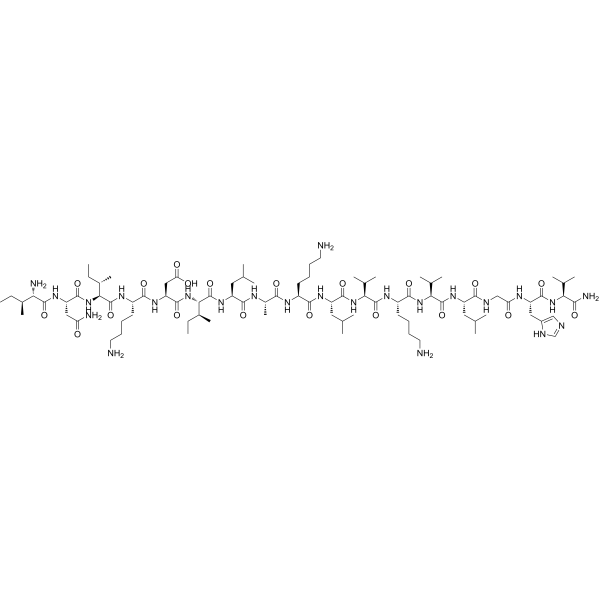 0 ImagesCat. No.: HY-P5654CAS No.: 95753-40-5Bombolitin IV is an antimicrobial peptide derived from bumblebee venom. Bombolitin IV can lysate erythrocyte and liposome.
-
Carbazomycin B
 0 ImagesCat. No.: HY-N12231CAS No.: 75139-38-7Carbazomycin B is a bacterial metabolite and can be isolated from Streptomyces. Carbazomycin B is an antifungal and antibacterial agent. Carbazomycin B inhibits 5-lipoxygenase (5-LO) activity in extract from RBL-1 cell with the IC50 Of 1.5 µMsup>[2]sup>[3]sup>[4].
-
D-Cysteine (Standard)
 0 ImagesD-Cysteine (Standard) is the analytical standard of D-Cysteine. This product is intended for research and analytical applications. D-Cysteine, the D-isomer of cysteine, is an orally active antibacterial agent and a regulator of neural progenitor cell proliferation. D-Cysteine can inhibit Escherichia coli, Streptococcus mutans, and Streptococcus sanguinis. The no-observed-adverse-effect level of D-Cysteine in rats should be less than 500 mg/kg/day[1][2][3][4].
-
C18G
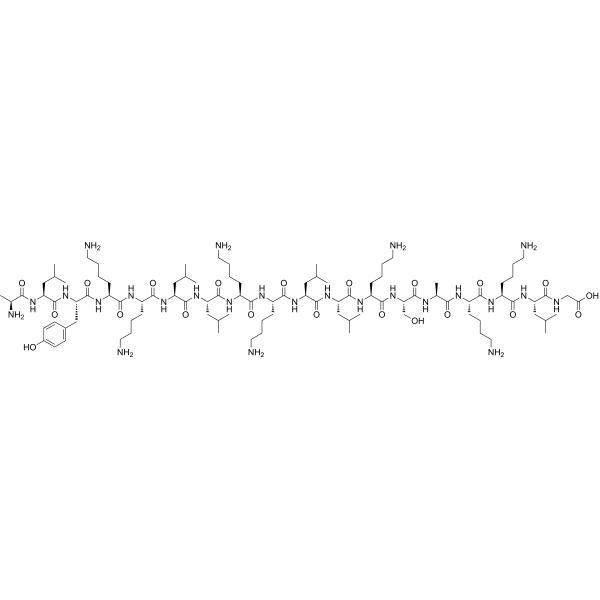 0 ImagesCat. No.: HY-P5463CAS No.: 138555-82-5C18G is a biological active peptide. (C18G is a synthetic α-helical peptide derived from human platelet factor IV. This peptide was found to be antibacterial and is active against Salmonella.)




