



- Signaling Pathways
- Apoptosis
- Bcl-2 Family
Bcl-2 Family
Bcl-2 Family Isoform Specific Products
-
Bcl-2 Family
(448)
View all products
-
Bcl-2
(320)
View all products
-
Bcl-xL
(123)
View all products
-
Bcl-W
(17)
View all products
-
Mcl-1
(97)
View all products
-
Bfl-1
(11)
View all products
-
Bcl-B
(6)
View all products
-
Bax
(213)
View all products
-
Bak
(14)
View all products
-
Bim
(14)
View all products
-
BNIP3
(1)
View all products
-
Bad
(10)
View all products
All Product Categories
-
Bcl-2 Family Inhibitors
(564)
View all products
-
Bcl-2 Family Agonists
(5)
View all products
-
Bcl-2 Family Antagonists
(9)
View all products
-
Bcl-2 Family Activators
(89)
View all products
-
Bcl-2 Family Modulators
(148)
View all products
-
Bcl-2 Family Inducers
(12)
View all products
-
Bcl-2 Family Degraders
(21)
View all products
-
Bcl-2 Family Controls
(2)
View all products
-
Bcl-2 Family Ligands
(9)
View all products
-
Bcl-2 Family Related Products (1035)
Related Products (1035)

-
Antibodies (31)
-
Bcl-2 Family Signaling Pathway
-
Bcl-2 Family Isoform Comparison
- BAM7
-
loading...Please select quantityGet Quote
August 31
-
Please select quantity
August 31
Get Quote
loading... -
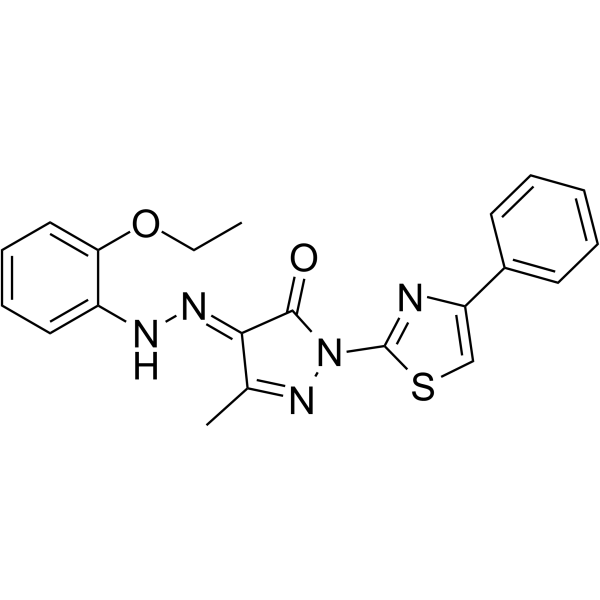
-
Puerarin 6''-O-Xyloside
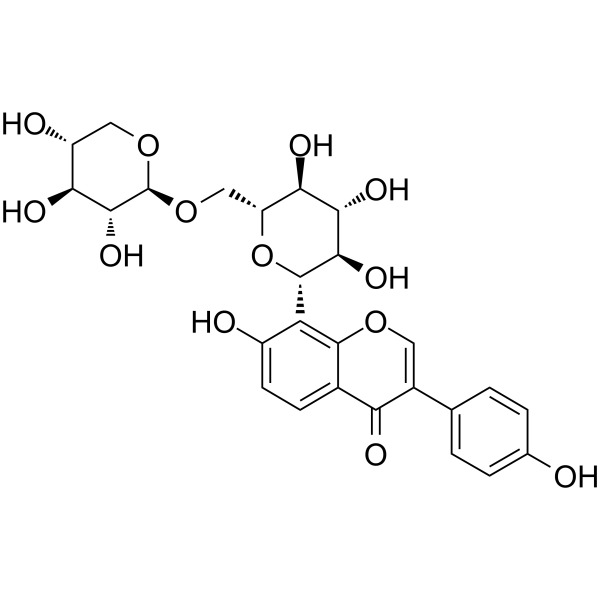 0 ImagesPuerarin 6''-O-Xyloside is one of the major iso-flavones found in P. lobata. Puerarin 6''-O-Xyloside inhibits cancer cells proliferation, induces apoptosis by upregulating cleaved caspase-3, 7, 9, Bax and downregulating Bcl-2 levles and inhibits tumor growth in mice. Puerarin 6''-O-Xyloside has anti-osteoporotic activity in ovariectomized mice. Puerarin 6''-O-Xyloside inhibits mushroom tyrosinase with an IC50 of 513.8 μM. Puerarin 6''-O-Xyloside can be used for the research of human lung carcinoma, osteoporosis, melanosis and melanomar.
 -
loading...Please select quantityGet Quote
August 31
-
Please select quantity
August 31
Get Quote
loading... -
-
Rehmannioside A
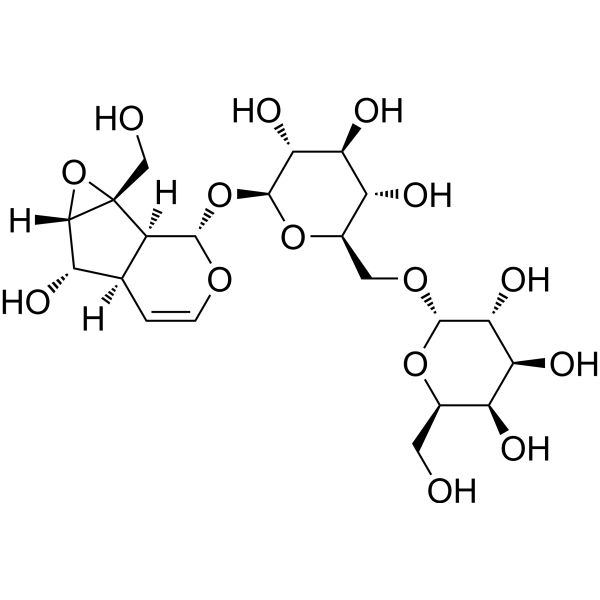 0 ImagesRehmannioside A is a compound that can be isolated from Rehmanniae radix. Rehmannioside A is an inhibitor of CYP3A4, 2C9 and 2D6, with IC50 values of 10.08, 12.62 and 16.43 μM, respectively. Rehmannioside A has anti-inflammatory, antioxidant, anti-apoptosis, anti-ferroptosis, cognitive improvement and neuroprotective activities. Rehmannioside A can be used for the research of nervous system and inflammation-related diseases.
 -
loading...Please select quantityGet Quote
August 31
-
Please select quantity
August 31
Get Quote
loading... -
-
Bfl-1-IN-5
 0 ImagesBfl-1-IN-5 is a covalent and selective Bfl-1 inhibitor with an IC50 of 22 nM. Bfl-1-IN-5 shows selectivity for Bfl-1 over Bcl-xl, Bcl-2 and Mcl-1. Bfl-1-IN-5 induces caspase-3/7 activation, reduces the viability of Bfl-1-expressing lymphoma cells in combination with an Mcl-1 inhibitor, and binds covalently to intracellular Bfl-1. Bfl-1-IN-5 can be used for lymphoma research.
 -
loading...Please select quantityGet Quote
August 31
-
Please select quantity
August 31
Get Quote
loading... -
-
ML311
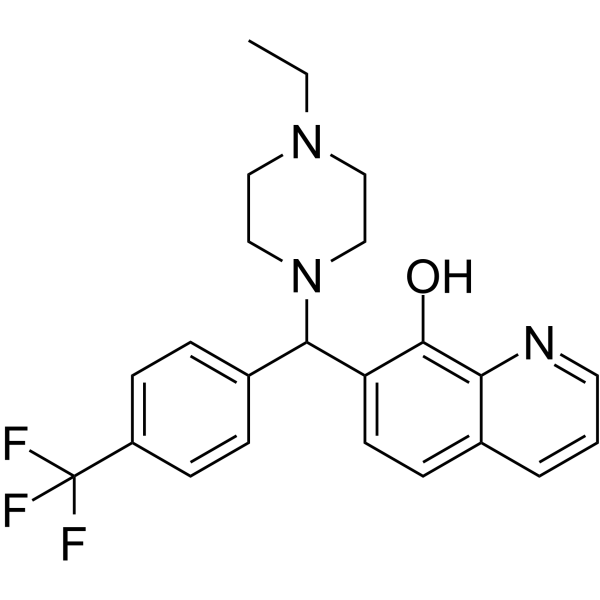 0 ImagesSynonyms: EU-5346ML311 is a potent and selective inhibitor of the Mcl-1/Bim interaction.
 -
loading...Please select quantityGet Quote
August 31
-
Please select quantity
August 31
Get Quote
loading... -
-
Deltamethrin (Standard)
 0 ImagesSynonyms: Decamethrin (Standard)Deltamethrin (Standard) is the analytical standard of Deltamethrin. This product is intended for research and analytical applications. Deltamethrin (Decamethrin) is an orally active synthetic pyrethroid insecticide. Deltamethrin induces oxidative stress and results in inflammation and apoptosis via inhibiting Nrf2/HO-1 pathway. Deltamethrin has an anticancer effect by inducing apoptosis. Deltamethrin can be used extensively in pest control.
 -
loading...Please select quantityGet Quote
August 31
-
Please select quantity
August 31
Get Quote
loading... -
-
Macranthoside B
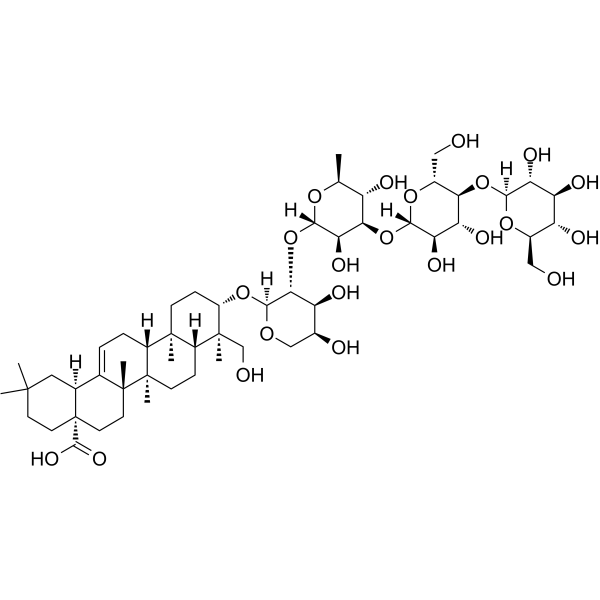 0 ImagesMacranthoside B is an apoptosis inducer with in vitro and in vivo anticancer activity. Macranthoside B induces autophagy and ferroptosis in cancer cells. Macranthoside B induces intracellular ROS accumulation, activates AMPK, inhibits mTOR and P70S6 kinase phosphorylation, and modulates Bcl-2/Bax expression. Macranthoside B activates caspase-3, caspase-9, and the intrinsic caspase cascade, induces PARP cleavage/degradation, and inhibits NRF2 signaling. Macranthoside B disrupts iron homeostasis via NCOA4-dependent ferritinophagy, up-regulates Lip-ROS, reduces mitochondrial membrane potential, and activates the JNK pathway. Macranthoside B can be used for the research of ovarian cancer, hepatoma, gastric carcinoma, breast carcinoma, colon carcinoma, glioma, melanoma, adenocarcinoma of the esophagogastric junction, and cervical cancer.
 -
loading...Please select quantityGet Quote
August 31
-
Please select quantity
August 31
Get Quote
loading... -
-
NSC260594
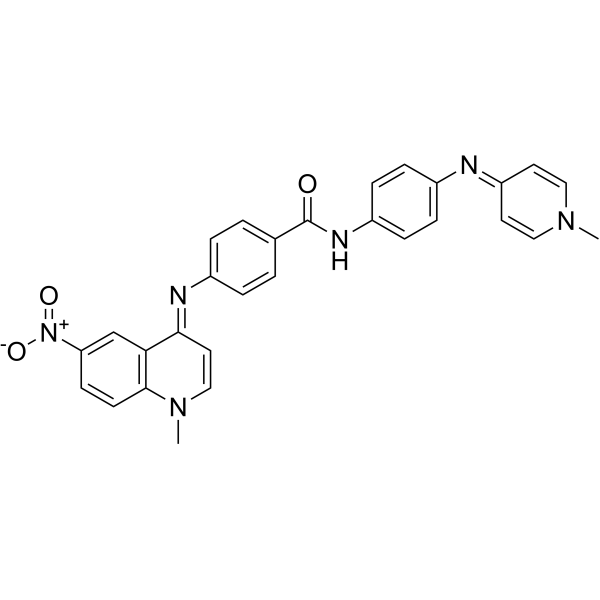 0 ImagesCat. No.: HY-112591CAS No.: 906718-66-9Synonyms: XMH95NSC260594 induces Apoptosis. NSC260594 binds the shallow groove of the Mcl-1 protein, and inhibits Mcl-1 expression through down-regulation of Wnt signaling proteins. NSC260594 can also recognize G9-G10-A11-G12 RNA tetraloop of HIV and prevent the binding of the Gag protein within the 5’-UTR. NSC260594 inhibits tumor growth, and can be used for research of Triple-negative breast cancers (TNBCs).
 -
loading...Please select quantityGet Quote
August 31
-
Please select quantity
August 31
Get Quote
loading... -
-
(E)-Ferulic acid-d3
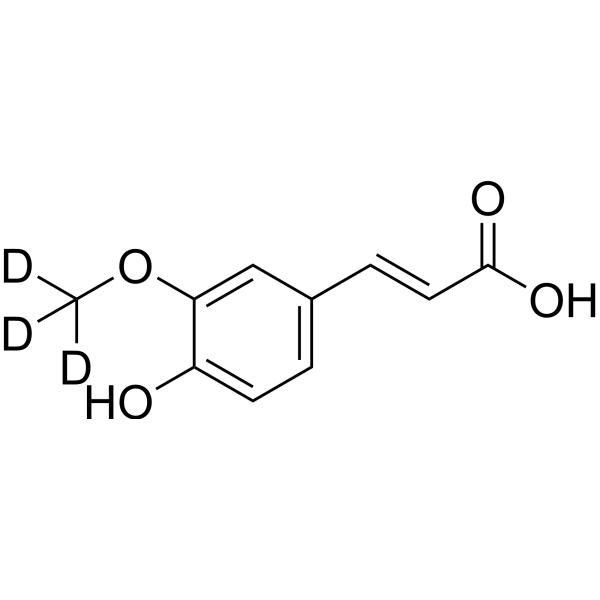 0 ImagesSynonyms: (E)-Coniferic acid-d3(E)-Ferulic acid-d3 is the deuterium labeled (E)-Ferulic acid. (E)-Ferulic acid is a isomer of Ferulic acid which is an aromatic compound, abundant in plant cell walls. (E)-Ferulic acid causes the phosphorylation of β-catenin, resulting in proteasomal degradation of β-catenin and increases the expression of pro-apoptotic factor Bax and decreases the expression of pro-survival factor survivin. (E)-Ferulic acid shows a potent ability to remove reactive oxygen species (ROS) and inhibits lipid peroxidation. (E)-Ferulic acid exerts both anti-proliferation and anti-migration effects in the human lung cancer cell line H1299.
 -
loading...Please select quantityGet Quote
August 31
-
Please select quantity
August 31
Get Quote
loading... -
-
A-385358
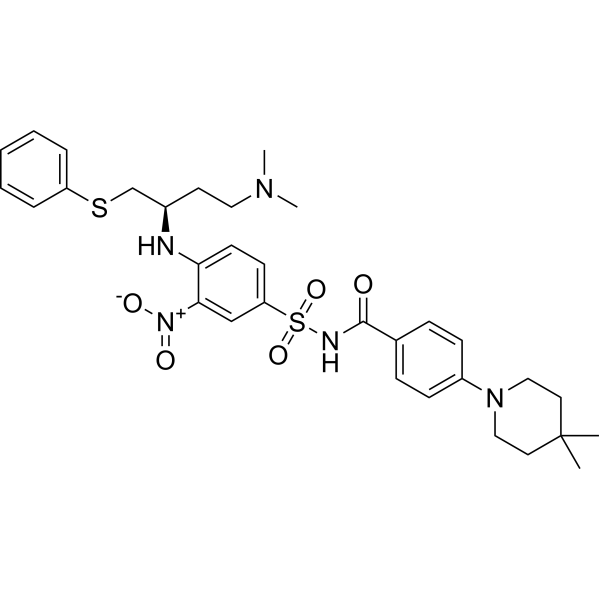 0 ImagesCat. No.: HY-16014CAS No.: 406228-55-5A-385358 is a selective inhibitor of Bcl-XL with Kis of 0.80 and 67 nM for Bcl-XL and Bcl-2, respectively.
 -
loading...Please select quantityGet Quote
August 31
-
Please select quantity
August 31
Get Quote
loading... -
-
Flurochloridone
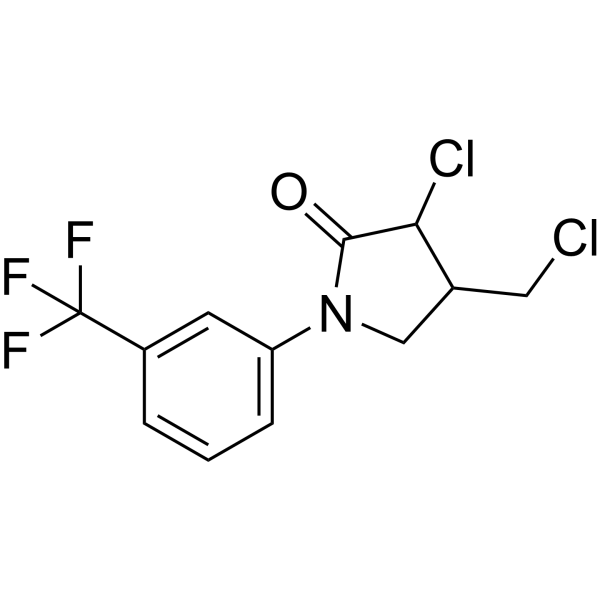 0 ImagesSynonyms: R-40244Flurochloridone (R-40244) is a selective preemergence and persistent herbicide. Flurochloridone induces endoplasmic reticulum (ER) stress and activated unfolded protein response (UPR) signaling pathways. Flurochloridone impairs cell viability and induces cytotoxicity and apoptosis mediated by ER stress via activating eIF2α-ATF4/ATF6-CHOP-Bim/Bax signaling pathways in TM4 cells.
 -
loading...Please select quantityGet Quote
August 31
-
Please select quantity
August 31
Get Quote
loading... -
-
Murizatoclax
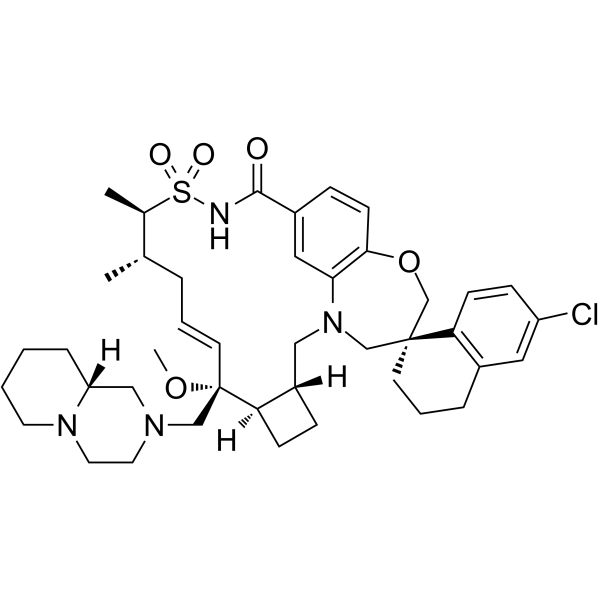 0 ImagesSynonyms: AMG 397Murizatoclax (AMG 397) is a potent, selective and orally active inhibitor of myeloid leukemia 1 (MCL-1) inhibitor, with a Ki of 15 pM. Murizatoclax competitive binds to the BH3-binding groove of MCL1 with pro-apoptotic BCL-2 family members. Murizatoclax can be used for the research of cancer.
 -
loading...Please select quantityGet Quote
August 31
-
Please select quantity
August 31
Get Quote
loading... -
-
GL0388
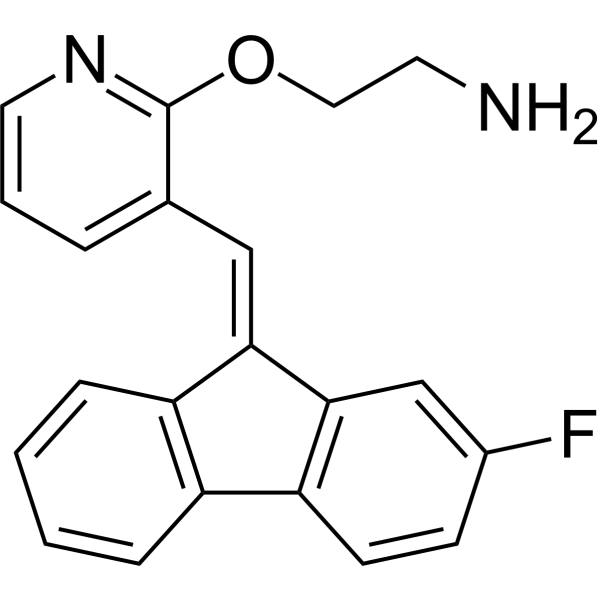 0 ImagesGL0388 is a Bax activator that results in Bax insertion into mitochondrial membrane. GL0388 shows antiproliferative activities against various cancer cells, with IC50s of 0.299-1.57 μM. GL0388 activates Bax and induce Bax-mediated apoptosis. GL0388 suppresses breast cancer xenograft tumor growth in vivo.
 -
loading...Please select quantityGet Quote
August 31
-
Please select quantity
August 31
Get Quote
loading... -
-
PROTAC CDK9 degrader-9
 0 ImagesPROTAC CDK9 degrader-9 is an orally active, selective CDK9 PROTAC degrader with a DC50 of 3.94 nM. PROTAC CDK9 degrader-9 downregulates downstream targets c-Myc and MCL-1. PROTAC CDK9 degrader-9 inhibits the proliferation of breast cancer cells. PROTAC CDK9 degrader-9 can be used for the research of triple-negative breast cancer.
 -
loading...Please select quantityGet Quote
August 31
-
Please select quantity
August 31
Get Quote
loading... -
- SC-2001
-
loading...Please select quantityGet Quote
August 31
-
Please select quantity
August 31
Get Quote
loading... -

- 2-Hydroxychalcone
-
loading...Please select quantityGet Quote
August 31
-
Please select quantity
August 31
Get Quote
loading... -
-
DIM-3,5-Cl2
 0 ImagesDIM-3,5-Cl2 is an inverse NR4A1/NR4A2 agonist with KD values of 7.7 μM and 12.0 μM for NR4A1 and NR4A2, respectively. DIM-3,5-Cl2 acts as an inverse agonist to downregulate pro-oncogenic and proendometriotic gene products, and as an agonist to enhance NR4A1/2/Sp1/Sp4-mediated CD71 transactivation. DIM-3,5-Cl2 induces ferroptosis via ROS formation, lipoperoxidation, MDA production, and reduced GPX4, SLC7A11 expression. DIM-3,5-Cl2 induces apoptosis via PARP and caspase-3 cleavage, reduced BCL-2 expression, and inhibits cancer cell viability. DIM-3,5-Cl2 can be used for the research of triple negative breast cancer, endometriosis, and colorectal cancer.
 -
loading...Please select quantityGet Quote
August 31
-
Please select quantity
August 31
Get Quote
loading... -
- dCDK9-202
-
loading...Please select quantityGet Quote
August 31
-
Please select quantity
August 31
Get Quote
loading... -

-
XZ338
 0 ImagesCat. No.: HY-172798Purity: 98.17%XZ338 is a highly potent and selective BCL-XL PROTAC degrader derived from A-1331852 (HY-19741), with a DC50 of 0.43 nM in MOLT‑4 cells. XZ338 induces the formation of a ternary complex with BCL-XL and VHL E3 ligase, mediates target protein degradation via the ubiquitin-proteasome system, and exhibits significantly weaker degradation activity in platelets than in tumor cells. XZ338 possesses anti-cancer activity. XZ338 can be used in the research of T-cell acute lymphoblastic leukemia (T-ALL).
 -
loading...Please select quantityGet Quote
August 31
-
Please select quantity
August 31
Get Quote
loading... -
-
Salvianolic acid F
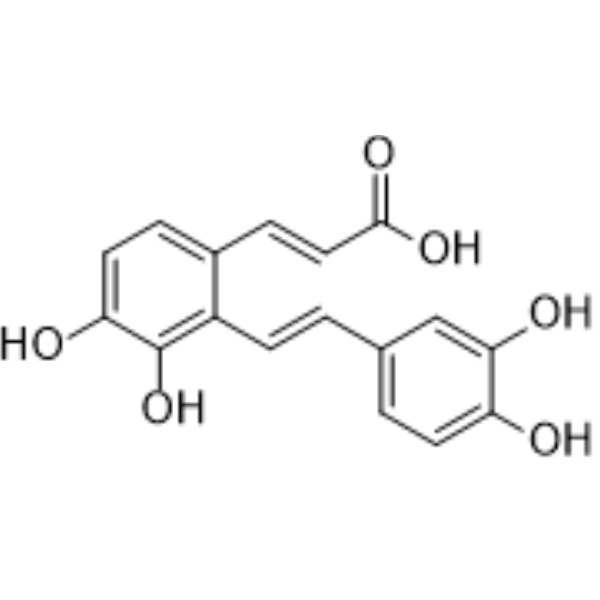 0 ImagesSalvianolic acid F is a KRAS inhibitor, especially for KRAS G12D. Salvianolic acid F inhibits NF-kB, MMP-9, and NO simultaneously. Salvianolic acid F inhibits cancer cell growth, invasion, and migration and induces apoptosis via the EP300/PI3K/AKT pathway in vitro. Salvianolic acid F inhibits the growth of KRAS-dependent lung cancer cells via the PI3K/AKT signaling pathway in vivo. Salvianolic acid F can be used in the research of various cancers, including KRAS G12D-driven non-small cell lung cancer (NSCLC) and ovarian cancer.
 -
loading...Please select quantityGet Quote
August 31
-
Please select quantity
August 31
Get Quote
loading... -
No matching results
No matching results
No matching results
No matching results
No matching results
No matching results
No matching results
No matching results
No matching results
No matching results

Bcl-2 family members have been grouped into three classes. The anti-apoptotic subfamily contains the Bcl-2, Bcl-XL, Bcl-w, Mcl-1, Bfl1/A-1, and Bcl-B proteins, which suppress apoptosis and contain all four Bcl-2 homology domains, designated BH1-4. The pro-apoptotic subfamily contain BH1-3 domains, such as Bax, Bak, and Bok. A third class of BH3 only proteins Bad, Bid, Bim, Noxa and Puma have a conserved BH3 domain that can bind and regulate the anti-apoptotic BCL-2 proteins to promote apoptosis [1].
The intrinsic pathway is initiated by various signals, principally extracellular stimuli. BH3-only proteins (Bim, Bid, Bad, Noxa, Puma) engage with anti-apoptotic Bcl-2 family proteins to relieve their inhibition of Bax and Bak to activate them. Next, Bax and Bak are oligomerized and activated, leading to mitochondrial outer membrane permeabilization. Once mitochondrial membranes are permeabilized, cytochrome c and/or Smac/DIABLO is released into the cytoplasm, wherein they combine with an adaptor molecule, Apaf-1, and an inactive initiator Caspase, Pro-caspase 9, within a multiprotein complex called the apoptosome. Smac/DIABLO inhibits IAPs to activate Caspase 9. Caspase 9 activates Caspase 3, which is the initiation step for the cascade of Caspase activation. The extrinsic pathway can be activated by cell surface receptors, such as Fas and TNF Receptor, subsequently activating Caspase 8, and leads to Caspase 3 activation and cell demolition. Caspases in turn cleave a series of substrates, activate DNases and orchestrate the demolition of the cell. Bcl-2 family proteins are also found on the endoplasmic reticulum and the perinuclear membrane in hematopoietic cells, but they are predominantly localized to mitochondria [2].
Reference:
[1]. Cotter TG, et al. Apoptosis and cancer: the genesis of a research field. Nat Rev Cancer. 2009 Jul;9(7):501-7.
[2]. Kang MH, et al. Bcl-2 inhibitors: targeting mitochondrial apoptotic pathways in cancer therapy. Clin Cancer Res. 2009 Feb 15;15(4):1126-32.
Your Search Returned No Results.
Sorry. There is currently no product that acts on isoform Bcl-2, Bcl-W and Bim together.Please
try each isoform separately.



