



CaMK
Calmodulin-dependent protein kinases; Calmodulin-dependent kinases
The Ca2+/calmodulin-dependent kinase (CaMK) family has been recognized as a key mediator in living organisms and various biological processes.
CaMK II is a multifunctional cytoplasmic calcium and calmodulin-dependent protein kinase that phosphorylates and alters the function of a variety of substrates. The CaMK II pathway has been found to regulate the RANKL-induced osteoclast formation via the cAMP-response element binding protein (CREB) pathway.
Among many signaling pathways of proliferation, intracellular calciumol/L has been extensively demonstrated to be very important. In cytoplasm, calciumol/L binds to calmodulin, and then activates the CaMKs which are a family of structurally related serine/threonine protein kinases including CaMKI-IV. CaMKII, a multi functional protein kinase, is ubiquitously involved in many physiological processes including control of cell cycle, apoptosis, gene expression, and neurotransmission.
CaMK Isoform Specific Products
All Product Categories
-
CaMK Related Products (124)
Related Products (124)

-
Antibodies (7)
-
CaMK Isoform Comparison
-
Gomisin J
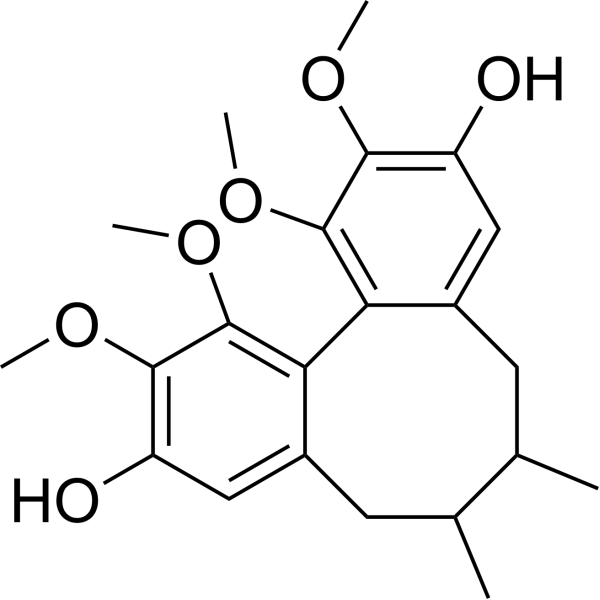 0 ImagesGomisin J is a Schisandra chinensis-derived lignan that can inhibit multiple targets such as eNOS, AMPK (LKB1, CaMKIIβ), fetuin-A, NF-κB, Nrf2/HO-1, and can pass through the blood-brain barrier. Gomisin J increases NO bioavailability by activating eNOS, regulates lipid metabolism by activating the AMPK pathway, inhibits fetuin-A and NF-κB to exert anti-inflammatory effects, and activates Nrf2/HO-1 to enhance antioxidant capacity. Gomisin J has the activities of anti-hypertension, regulating liver lipid metabolism, and reducing cerebral ischemia-reperfusion injury, and can be used for research on hypertension, non-alcoholic fatty liver disease, cerebral ischemia-reperfusion injury, etc.
-
Syntide 2 TFA
 0 ImagesCat. No.: HY-P0271APurity: 99.70%Syntide 2 (TFA), a Ca2+- and calmodulin (CaM)-dependent protein kinase II (CaMKII) substrate peptide, selectively inhibits the gibberellin (GA) response, leaving constitutive and abscisic acid-regulated events unaffected.
-
Cucurbitacin IIa
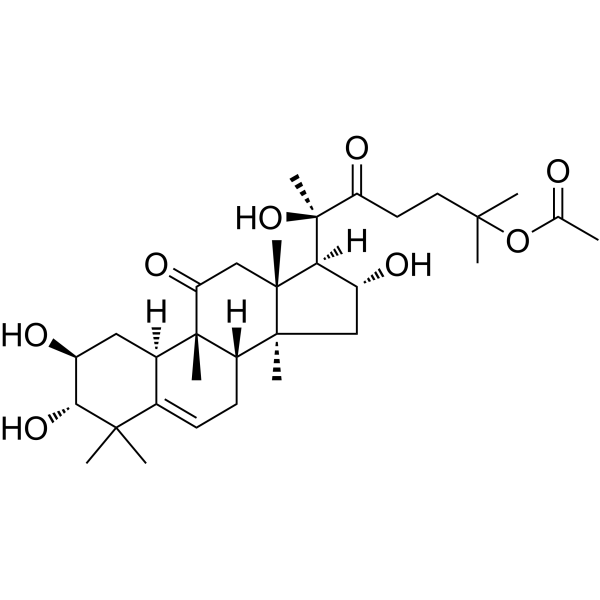 0 ImagesSynonyms: Hemslecin ACucurbitacin IIa (Hemslecin A) is an orally active, blood-brain barrier-permeable EGFR inhibitor with an IC50 of 1.455 nM against human EGFR. Cucurbitacin IIa induces caspase-3-dependent apoptosis, downregulates survivin expression, enhances autophagy levels, disrupts the actin cytoskeleton via actin aggregation, arrests the cell cycle at the G2/M phase, and exerts anti-inflammatory activity by inhibiting the EGFR-MAPK signaling pathway. Cucurbitacin IIa can be used in the research of inflammation-related diseases, depression, and cancers such as non-small cell lung cancer.
-
TIM-063
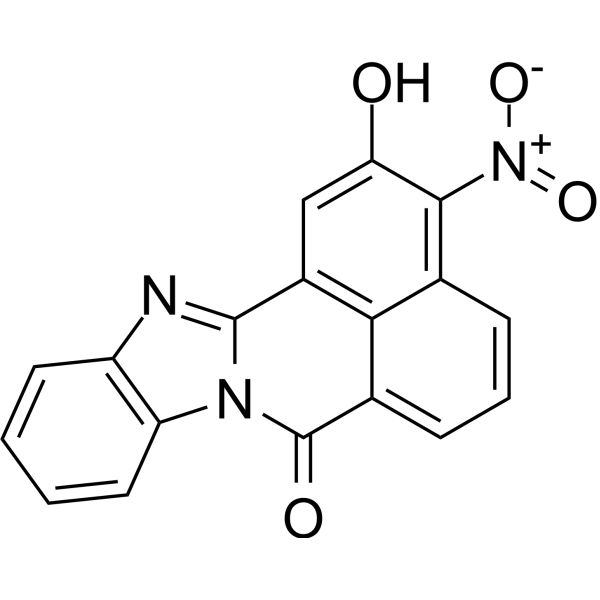 0 ImagesCat. No.: HY-148757CAS No.: 2493978-38-2
-
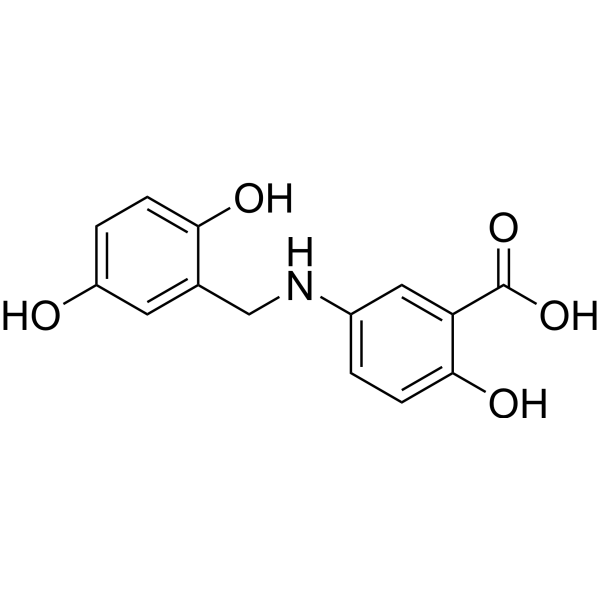
MCB-22-174
 0 ImagesMCB-22-174 is a deuterated Piezo1 agonist, with an EC50 value of 6.28 μM. MCB-22-174 remarkably activates the CaMKII/ERK signaling pathway and initiates Ca2+ influx in rMSCs. MCB-22-174 significantly decreases the expression of chondrogenesis markers (Comp, Acan) and adipogenesis markers (Lpl, Fabp4) in MSCs. MCB-22-174 can effectively improve bone quality in hind-limb unloading (HU) model rats. MCB-22-174 can be used for the study of disuse osteoporosis (OP).
-
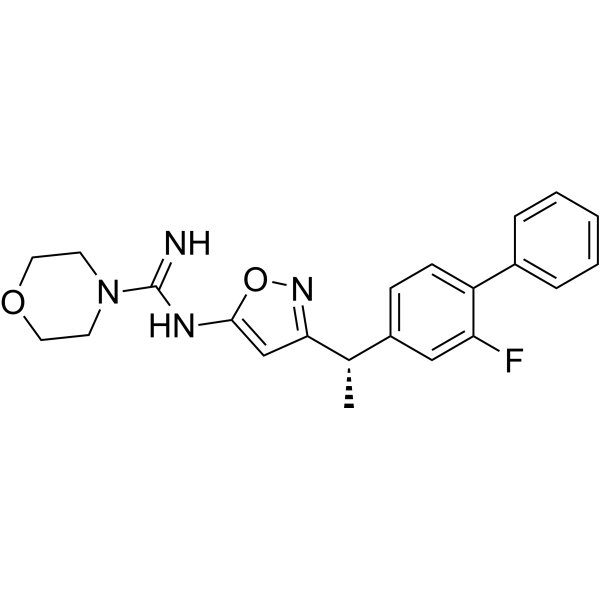
BRD0418
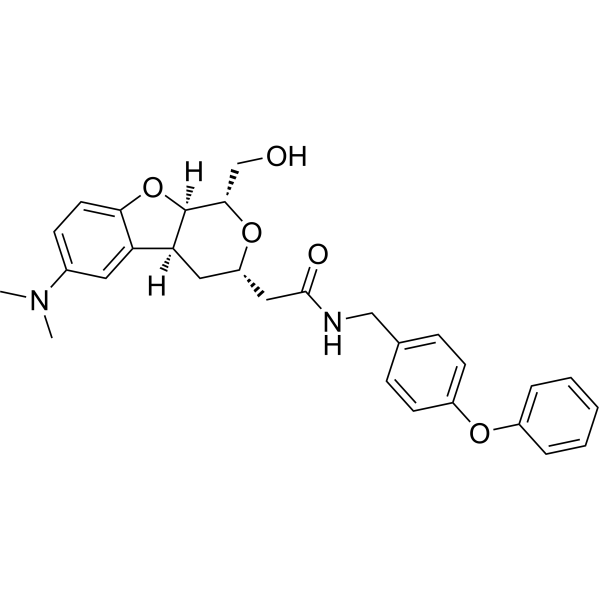 0 ImagesBRD0418 is a diversity-oriented synthesis (DOS) molecule that regulates the expression of tribbles pseudokinase 1. BRD0418 has the effect of causing hot lipoprotein metabolism from fat production to clearance. BRD0418 can be used in the study of coronary artery disease (CAD) .
-
SKF-96365
 0 ImagesSKF-96365 is a TRPC channel antagonist and store-operated calcium entry (SOCE) inhibitor. SKF-96365 reduces calcium ion influx by inhibiting the activity and expression of TRPC6, STIM1 and Orai1. SKF-96365 inhibits voltage-gated sodium current (cardiac INa/NaV1.5) and slows myocardial conduction. SKF-96365 inhibits phosphorylation/activation of CaMKIIγ and suppresses the downstream AKT signaling pathway. SKF-96365 induces G2/M phase cell cycle arrest, apoptosis and cytoprotective autophagy in colorectal cancer cells. SKF-96365 alleviates allergic rhinitis symptoms by reducing inflammatory cytokine levels. SKF-96365 reduces intracellular calcium overload, inhibits Homer1 expression, prevents nuclear damage and suppresses apoptosis. SKF-96365 inhibits the growth of colorectal cancer xenografts in nude mice. SKF-96365 is applicable to research related to allergic rhinitis, colorectal cancer, Parkinson's disease, persistent spontaneous nociception and hyperalgesia.
-
(E)-KN-93 phosphate
 0 Images(E)-KN-93 phosphate is a Ca2+/calmodulin-dependent protein kinase II (CaMKII) inhibitor with IC50 values of 9 μM and 3 μM against CaMKIIδMonomer and CaMKIIδDodecamer, respectively. (E)-KN-93 phosphate can be used in research on epilepsy, depression, and arrhythmias..
-
CaMKIIδ-IN-1 hydrochloride
 0 ImagesCat. No.: HY-171932APurity: 98.95%CaMKIIδ-IN-1 (Compound 15e) hydrochloride is a pyrimidine-based inhibitor of CaMKIIδ with an IC50 of 12 nM.
-
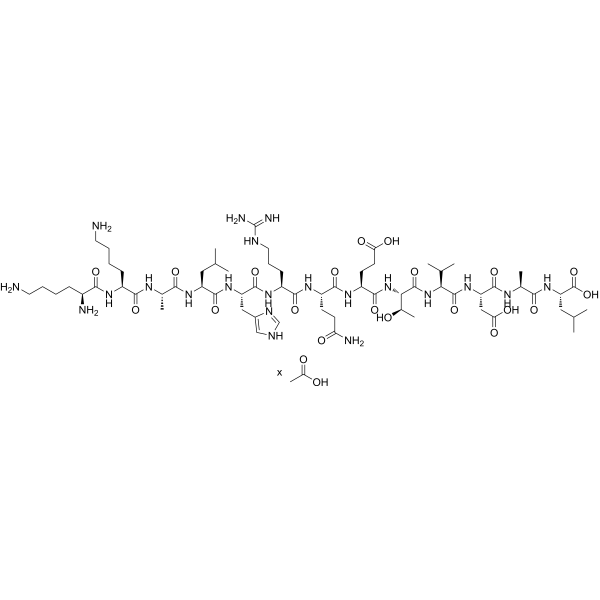
CaMKP inhibitor sodium
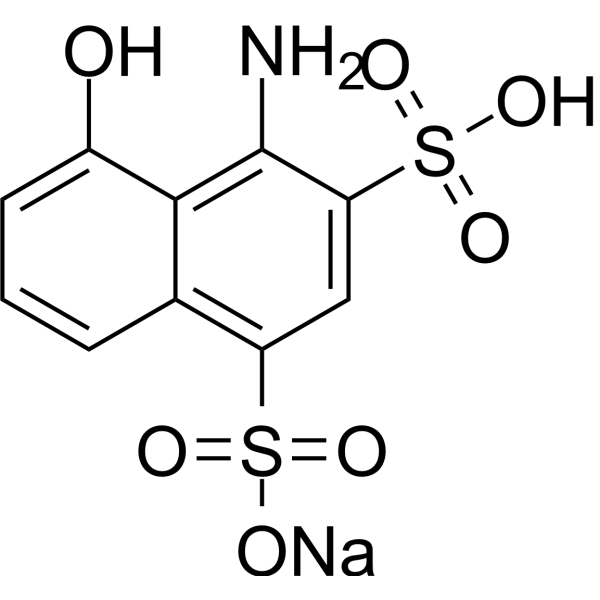 0 ImagesCaMKP inhibitor sodium (compound 5) is an inhibitor of Ca2+/neutral protein-dependent protein concentration (CaMKP) and its nuclear type (CaMKP-N) (IC50: 6.4 μM, CaMKP; 6.6 μM, CaMKP-N). CaMKP is one type of Ser/Thr protein, which can be passed through to remove the oxidized oxidized protein (CaMK). CaMKP inhibitor sodium inhibits CaMKP mediated phospho-CaMKI hydrolysis, unaffectes protein phosphoric acid 2C (PP2C) and calcineurin (CaN).
-
Glycyl H-1152 hydrochloride
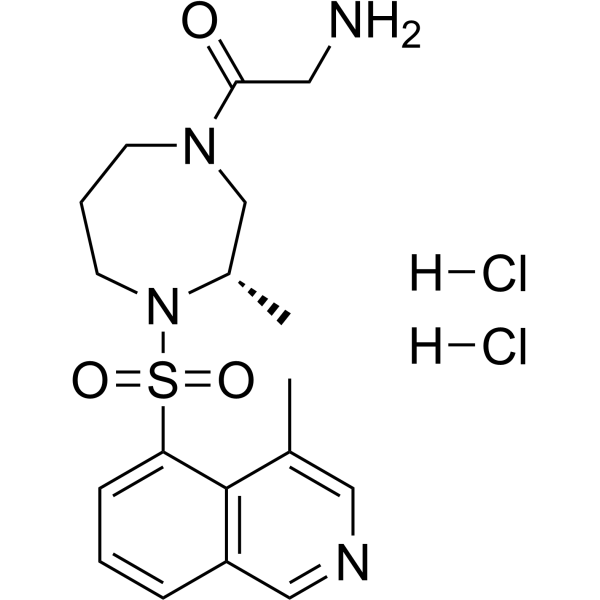 0 ImagesGlycyl H-1152 hydrochloride (compound 18) is a glycyl derivative of Rho-kinase inhibitors H-1152 dihydrochloride. Glycyl H-1152 hydrochloride inhibits ROCKII, Aurora A, CAMKII and PKG, with IC50s of 0.0118, 2.35, 2.57 and 3.26 μM respectively. Glycyl H-1152 hydrochloride has higher selective than H-1152 hydrochloride.
-
TAT-CN21 (scrambled)
 0 ImagesCat. No.: HY-P10638APurity: 99.71%
-
Cabamiquine succinate
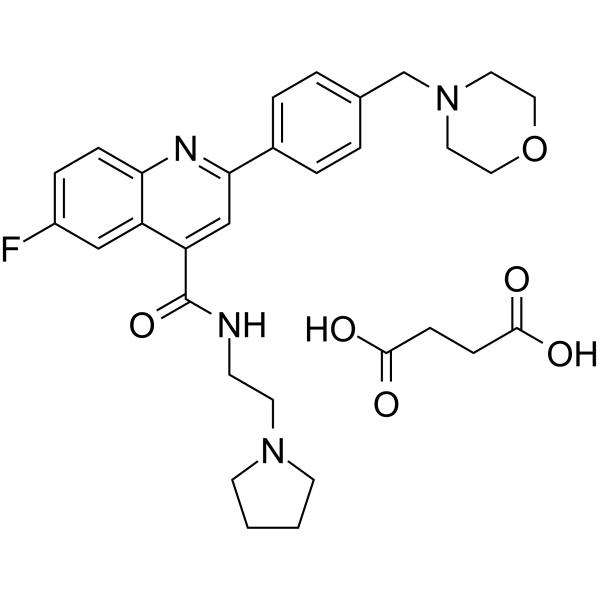 0 ImagesSynonyms: DDD107498 succinate; DDD-498 succinate; M5717 succinateCabamiquine (DDD107498) succinate is a potent and orally active antimalarial agent, inhibits multiple life-cycle stages of the parasite, with an EC50 of 1 nM against P. falciparum 3D7. Cabamiquine succinate inhibits protein synthesis by targeting eEF2/CaMKIII, with an EC50 of 2 nM for WT-PfeEF2.
-
Purine riboside triphosphate
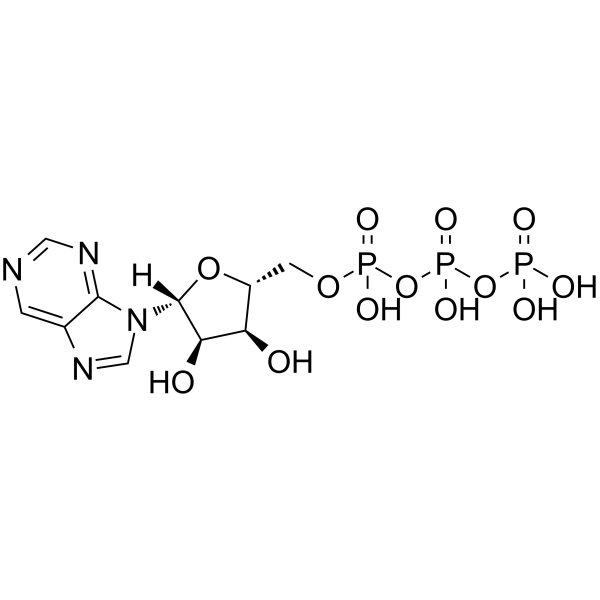 0 ImagesCat. No.: HY-137658CAS No.: 23197-96-8Synonyms: PTPPurine riboside-5'-O-triphosphate, an active metabolite of Nebularine (HY-103694), acts as an inhibitor of DNA primase ATP and GTP polymerization activities, with IC50 values of 35 µM and 28 µM for the human enzyme, respectively. Purine riboside-5'-O-triphosphate also inhibits calmodulin-dependent protein kinase II (CaMKII) with a Ki value of 590 µM.




