



CaMK
Calmodulin-dependent protein kinases; Calmodulin-dependent kinases
The Ca2+/calmodulin-dependent kinase (CaMK) family has been recognized as a key mediator in living organisms and various biological processes.
CaMK II is a multifunctional cytoplasmic calcium and calmodulin-dependent protein kinase that phosphorylates and alters the function of a variety of substrates. The CaMK II pathway has been found to regulate the RANKL-induced osteoclast formation via the cAMP-response element binding protein (CREB) pathway.
Among many signaling pathways of proliferation, intracellular calciumol/L has been extensively demonstrated to be very important. In cytoplasm, calciumol/L binds to calmodulin, and then activates the CaMKs which are a family of structurally related serine/threonine protein kinases including CaMKI-IV. CaMKII, a multi functional protein kinase, is ubiquitously involved in many physiological processes including control of cell cycle, apoptosis, gene expression, and neurotransmission.
CaMK Isoform Specific Products
All Product Categories
-
CaMK Related Products (124)
Related Products (124)

-
Antibodies (7)
-
CaMK Isoform Comparison
-
KN-93 hydrochloride
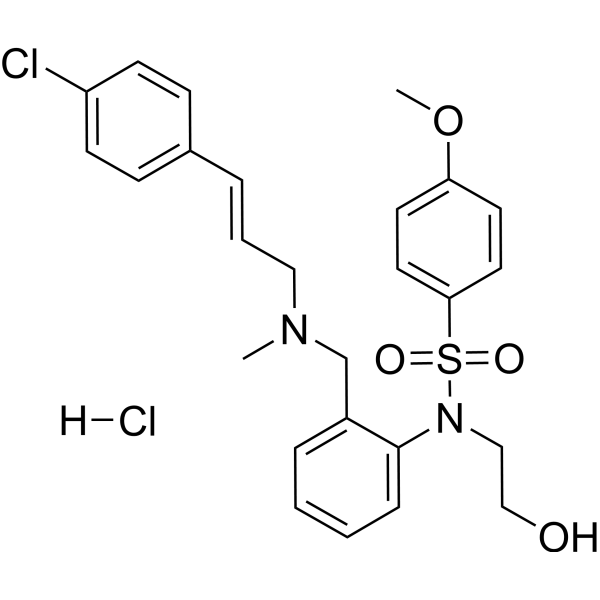 0 ImagesKN-93 hydrochloride is a cell-permeable, reversible and competitive inhibitor calmodulin-dependent kinase type II (CaMKII) with a Ki of 370 nM.
-
CS640
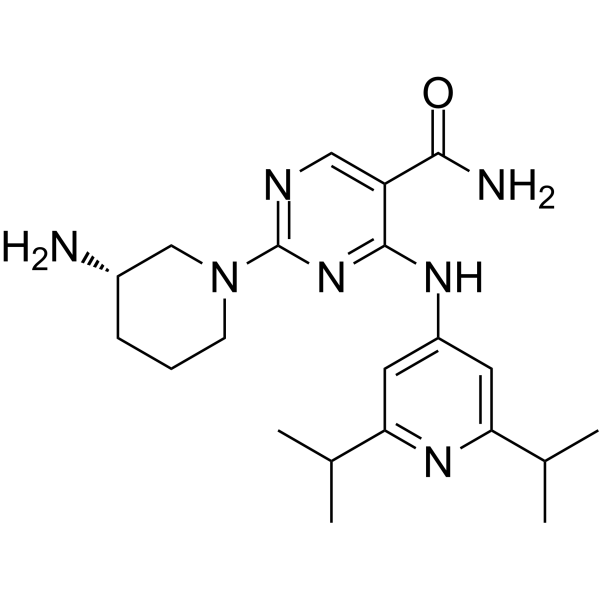 0 ImagesCS640 (Compound 19) is a chemical probe and a calmodulin-dependent kinase inhibitor. CS640 inhibits CaMK1D, CaMK1B, CaMK1A, CaMK1G, MEK5, RIPK4, mLK3 and PIP5K1, with IC50 values of 8, 3, 1, 1, 25 nM, 5.69, 2.75 and 11.2 μM, respectively. CS640 blocks Aβ-induced hyperphosphorylation of tau protein at the Thr181 site, but fails to protect primary mouse cortical neurons from Aβ-induced toxic damage. CS640 is applicable to research related to Alzheimer's disease.
-
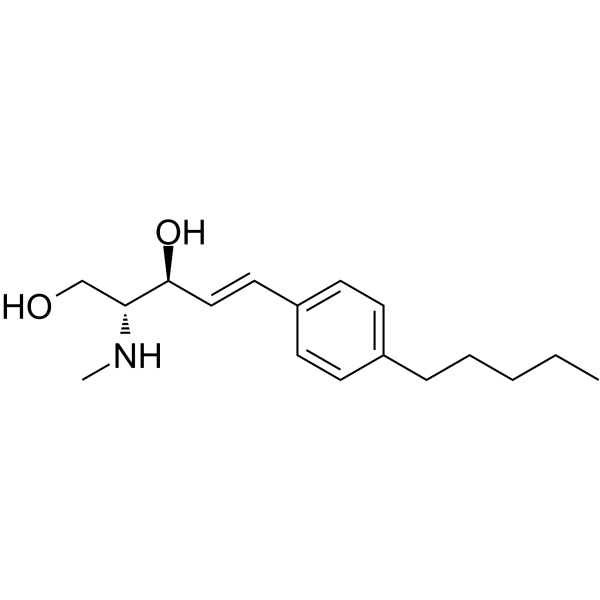
MLCK inhibitor peptide 18
 0 ImagesMLCK inhibitor peptide 18 is a myosin light chain kinase (MLCK) inhibitor with an IC50 of 50 nM, and inhibits CaM kinase II only at 4000-fold higher concentrations.
-
RA306
 0 ImagesCat. No.: HY-173117Purity: 99.54%RA306 is an orally active CaMKIIδ/γ inhibitor with IC50 values of 15, 25, 61, and 420 nM against CaMKIIδ, γ, α, and β isoforms, respectively. RA306 reduces the serine/threonine phosphorylation level of PEAK1, inhibits PEAK1-mediated cancer cell migration and invasion, and attenuates the growth and metastasis of cancer xenografts. RA306 can be used in research related to triple-negative breast cancer and dilated cardiomyopathy.
-
Cabamiquine
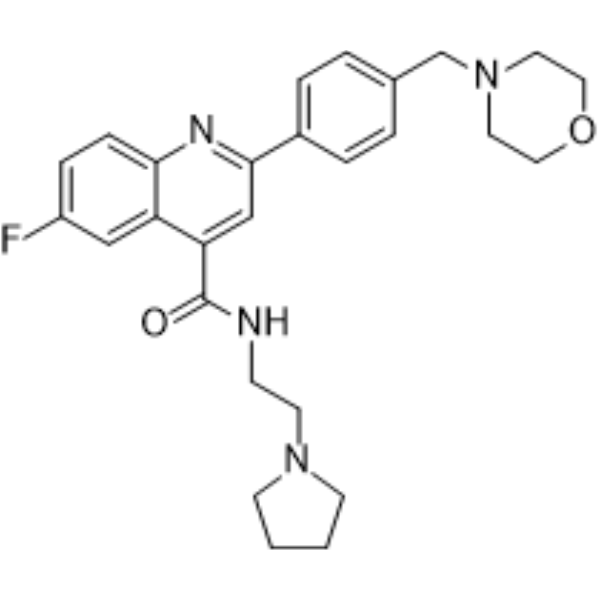 0 ImagesSynonyms: DDD107498; DDD-498; M5717Cabamiquine (DDD107498) is a potent and orally active antimalarial agent, inhibits multiple life-cycle stages of the parasite, with an EC50 of 1 nM against P. falciparum 3D7. Cabamiquine inhibits protein synthesis by targeting eEF2/CaMKIII, with an EC50 of 2 nM for WT-PfeEF2.
-
W-13 hydrochloride
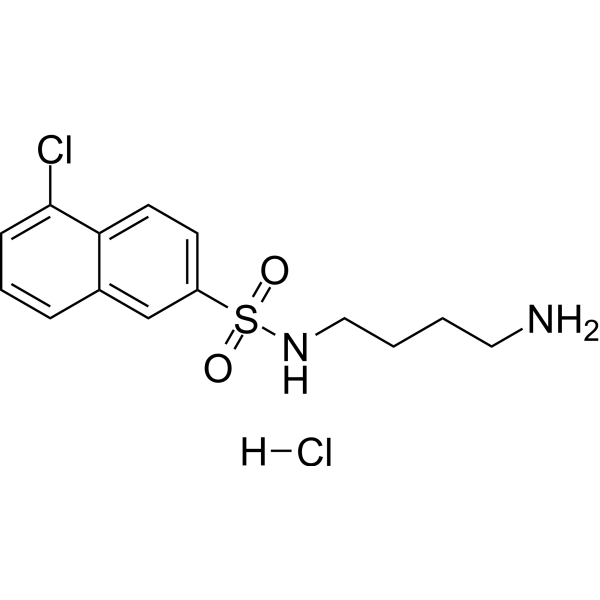 0 ImagesW-13 hydrochloride is a calmodulin antagonist. W-13 hydrochloride can inhibit Tamoxifen (HY-13757A)-resistant human breast cancer cell growth.

-
(-)-Limonene
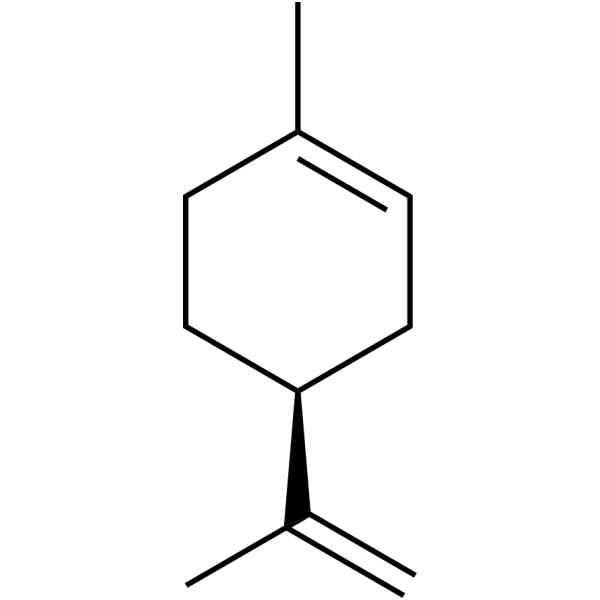 0 Images(-)-Limonene ((S)-(-)-Limonene) is orally active and can cause mild bronchoconstriction. (-)-Limonene alleviates cytosolic and mitochondrial oxidative stress by inhibiting the increase of calcium ions (Ca2+) and Ca2+/calmodulin-dependent protein kinase II (CaMKII). It also exerts anti-stress effects by inhibiting the activity of the hypothalamic-pituitary-adrenal (HPA) axis. Additionally, (-)-Limonene can be used as an antibacterial agent in aquaculture.
-
Alisol B
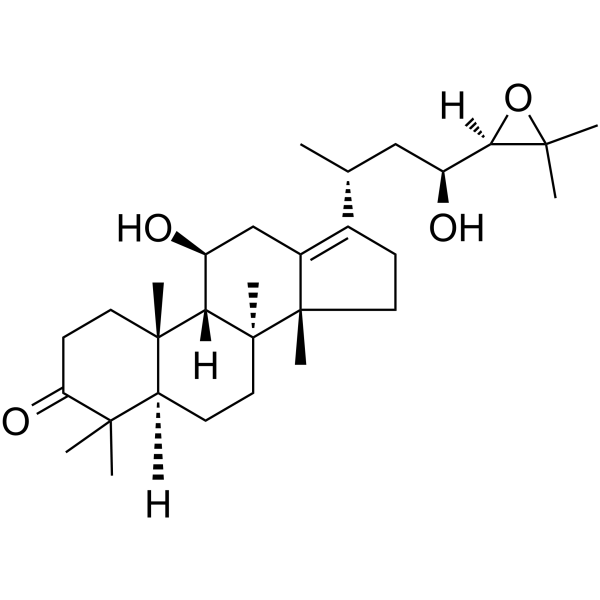 0 ImagesAlisol B is a triterpene with diverse biological activities. Alisol B binds human soluble epoxide hydrolase (sEH) with a Ki of 5.97 μM and reduces sEH activity. Alisol B inhibits RANKL-induced JNK phosphorylation, NFATc1 and c-Fos expression, osteoclast formation, mature osteoclast pit-forming and actin ring activity, and SERCA pump activity. Alisol B induces calcium mobilization, CaMKK-AMPK-mTOR pathway activation, autophagic flux, autophagosome formation, G1 phase cell cycle arrest, endoplasmic reticulum stress, unfolded protein responses, and cancer cell apoptosis. Alisol B can be used for the research of hypercalcemia, osteoporosis, rheumatoid arthritis, periodontitis, acute kidney injury, and breast cancer.
-
KN-92 hydrochloride
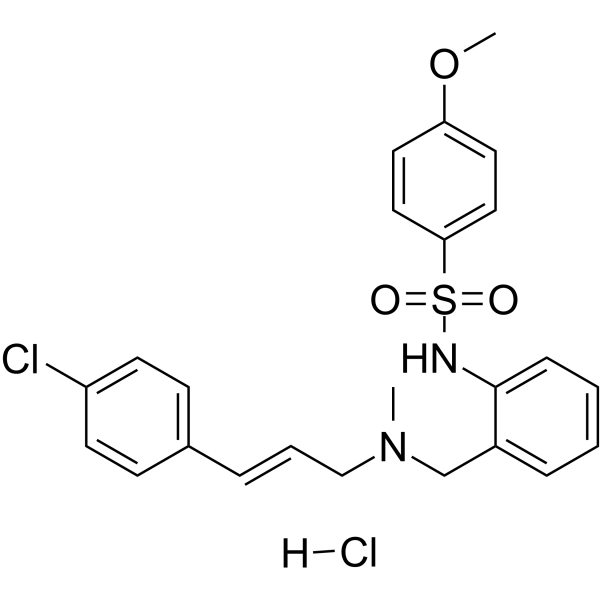 0 ImagesKN-92 hydrochloride is an inactive derivative of KN-93, without CaM kinase inhibitory activity. KN-92 hydrochloride is intended to be used as a control compound in studies designed to elucidate the antagonist activities of KN-93.
-
KN-92 phosphate
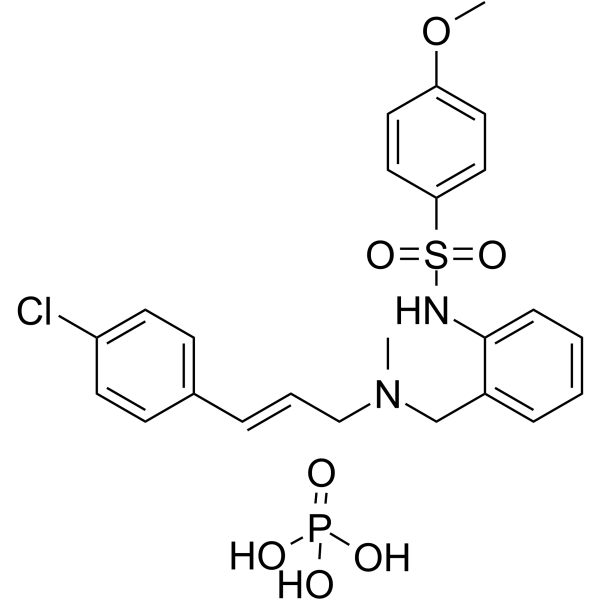 0 ImagesKN-92 phosphate is an inactive derivative of KN-93, without CaM kinase inhibitory activity. KN-92 phosphate is intended to be used as a control compound in studies designed to elucidate the antagonist activities of KN-93. KN-93 is a cell-permeable, reversible and competitive CaMKII inhibitor.
-
Autocamtide 2
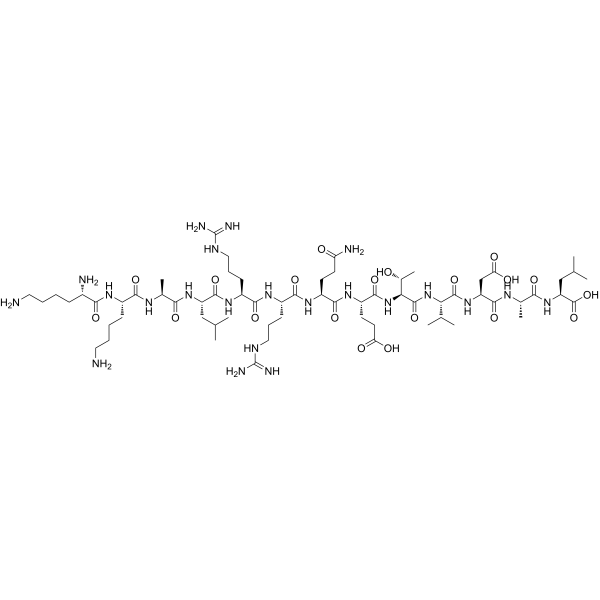 0 ImagesSynonyms: Autocamtide IIAutocamtide 2 is a highly selective peptide substrate of calcium/calmodulin-dependent protein kinase II (CaMKII). It can be used in the CaMKII activity assay.
-
Autocamtide-2-related inhibitory peptide, myristoylated
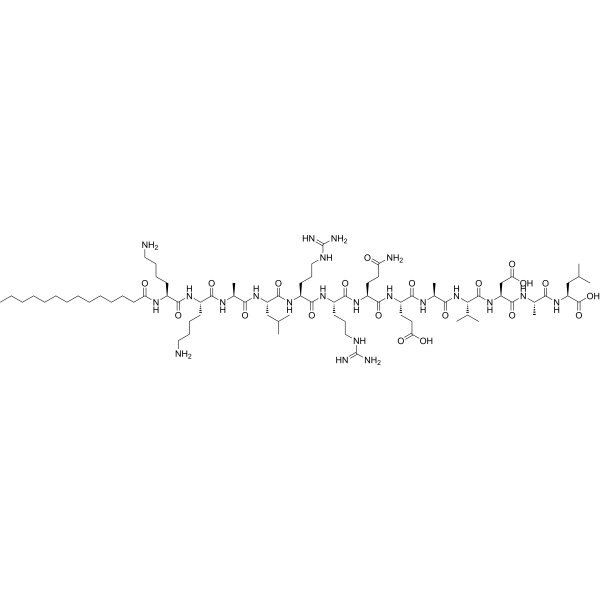 0 ImagesAutocamtide-2-related inhibitory peptide, myristoylated is the myristoylated Autocamtide-2-related inhibitory peptide. Autocamtide-2-related inhibitory peptide is a highly specific and potent inhibitor of CaMKII with an IC50 of 40 nM.
-
CaMKIIδ-IN-1
 0 ImagesCaMKIIδ-IN-1 (Compound 15e) is a pyrimidine-based inhibitor of CaMKIIδ with an IC50 of 12 nM.
-
Sordarin sodium
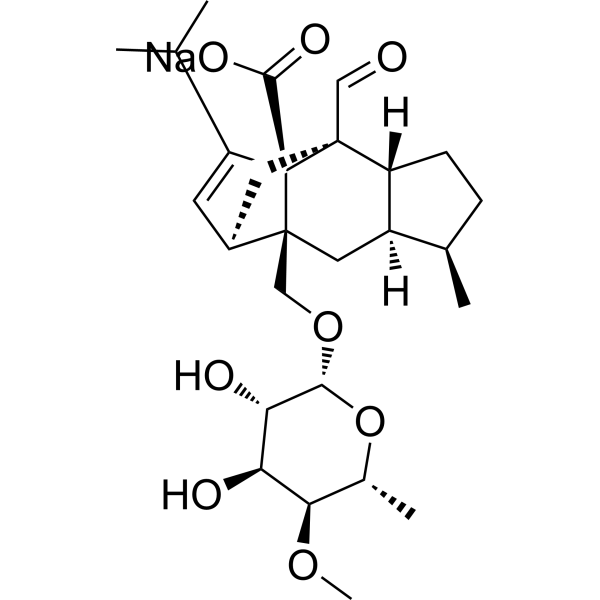 0 ImagesSordarin sodium is an eEF2 inhibitor and antibiotic. Sordarin sodium's function is dependent on the diphthamide modification on eEF2. Sordarin sodium inhibits protein synthesis by preventing the binding of eEF2 to the ribosome complex. Sordarin sodium has antifungal activity.

-
Gomisin J
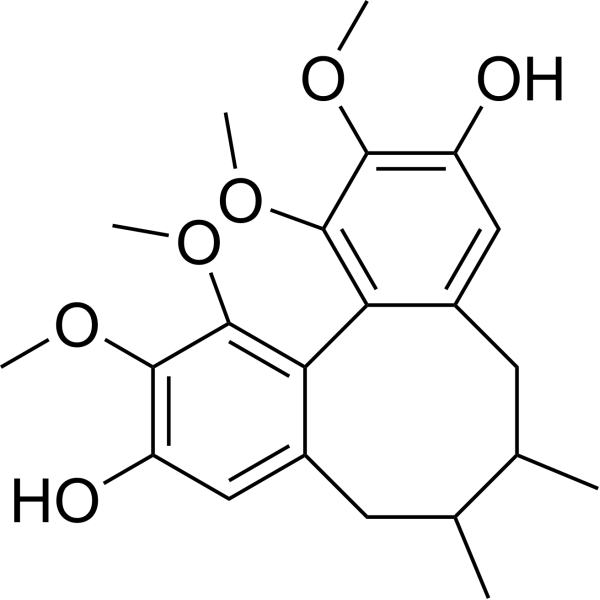 0 ImagesGomisin J is a Schisandra chinensis-derived lignan that can inhibit multiple targets such as eNOS, AMPK (LKB1, CaMKIIβ), fetuin-A, NF-κB, Nrf2/HO-1, and can pass through the blood-brain barrier. Gomisin J increases NO bioavailability by activating eNOS, regulates lipid metabolism by activating the AMPK pathway, inhibits fetuin-A and NF-κB to exert anti-inflammatory effects, and activates Nrf2/HO-1 to enhance antioxidant capacity. Gomisin J has the activities of anti-hypertension, regulating liver lipid metabolism, and reducing cerebral ischemia-reperfusion injury, and can be used for research on hypertension, non-alcoholic fatty liver disease, cerebral ischemia-reperfusion injury, etc.




