



Ferroptosis Inducer
-
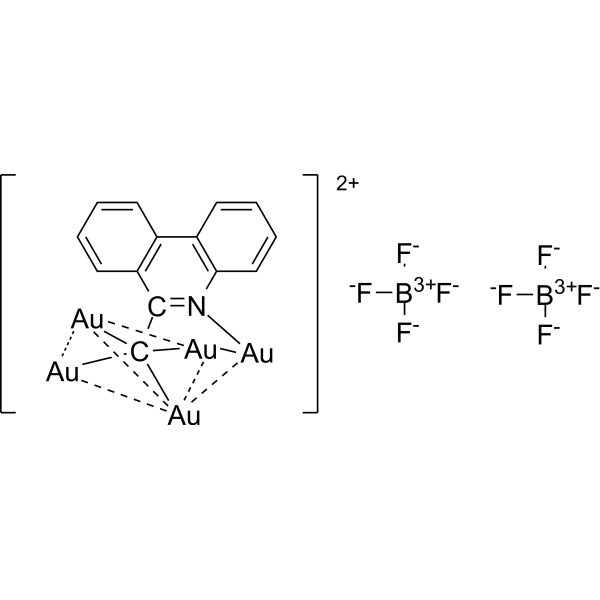
PAA5
 0 ImagesCat. No.: HY-149036
PAA5 is a methide carbon-centered polynuclear Au(I) cluster. PAA5 can release Au(I) causing Pro-oxidant response and accelerated ferroptosis. PAA5 increases the expression of pH2AX in a time-dependent manner. PAA5 has anticancer activity.
-
Anion transporter-4
 0 ImagesCat. No.: HY-174148
Anion transporter-4 (Compound 6) is a small-molecule anion transporter, which induces tubulin degradation and mitochondrial dysfunction. Anion transporter-4 can increase intracellular anion levels such as chloride ions by disrupting microtubule dynamics, promoting lipid peroxidation, and impairing mitochondrial function. Anion transporter-4 triggers ferroptosis to exert anticancer activity. Anion transporter-4 is promising for research of cancers.
-
Solasonine (Standard)
 0 ImagesCat. No.: HY-N0070RCAS No.: 19121-58-5
Solasonine (Standard) is the analytical standard of Solasonine. This product is intended for research and analytical applications. Solasonine is a ferroptosis inducer which can be isolated from Solanum melongena that has anti-infection, anti-cancer, and neurogenesis promoting properties. Solasonine promotes ferroptosis of HCC cells via destruction of the glutathione redox system induced by inhibiting GPX4, and can be used for cancer research.
-
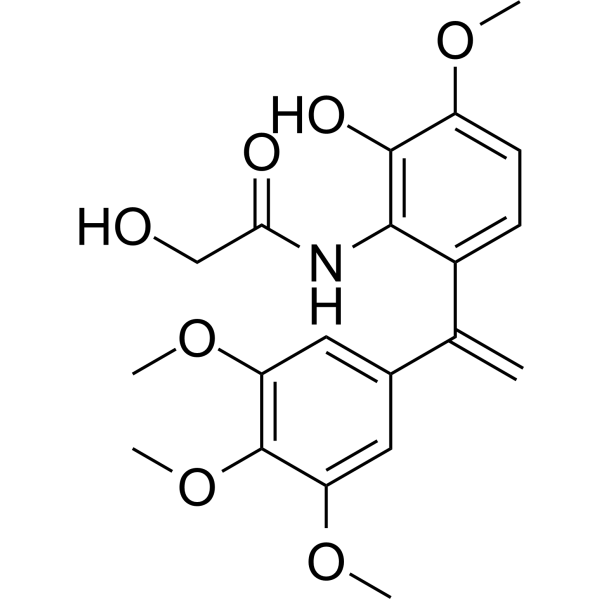
Microtubule inhibitor 2
 0 ImagesCat. No.: HY-145828CAS No.: 3031328-45-4
Microtubule inhibitor 2 is a potent and selective, orally active microtubule inhibitor. Microtubule inhibitor 2 triggers cell death through ferroptosis . Microtubule inhibitor 2 shows antitumor activity.
-
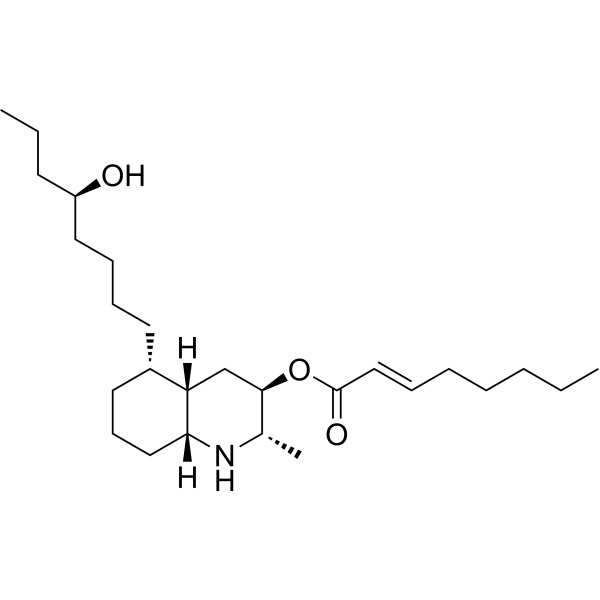
Lepadin E
 0 ImagesCat. No.: HY-155851CAS No.: 444914-19-6
Lepadin E is a significantly cytotoxic ferroptosis inducer that induces iron death through the classical p53-SLC7A11-GPX4 pathway. Lepadin E promoted p53 expression, decreases SLC7A11 and GPX4 levels, and leads to increased ROS and lipid peroxide production, and upregulated ACSL4 expression, thus causes cell death. Lepadin E has significant antitumor effect.
-
HJ03
 0 ImagesCat. No.: HY-181982CAS No.: 3028123-48-7
HJ03 is a blood-brain barrier-permeable, orally active DNA damage and ferroptosis inducer. HJ03 triggers ferroptosis by increasing intracellular ROS, Fe2+ accumulation and lipid peroxidation. HJ03 induces DNA adducts and interstrand crosslinks, blocks DNA replication and transcription, arrests cells at the G2/M phase and induces apoptosis. HJ03 can be used in the research of glioblastoma multiforme and colorectal cancer.
-
Platinum(IV) Prodrug-1
 0 ImagesCat. No.: HY-183544
Platinum (IV) Prodrug-1 is a Pt (IV) prodrug and selective TrxR1 inhibitor. Platinum (IV) Prodrug-1 induces ferroptosis (Ferroptosis) by depleting glutathione, accumulating intracellular lipid peroxides, and inactivating Glutathione peroxidase 4. Platinum (IV) Prodrug-1 triggers endoplasmic reticulum stress and immunogenic cell death via excessive accumulation of intracellular ROS. Platinum (IV) Prodrug-1 exhibits anticancer activity against both Cisplatin (HY-17394)-sensitive and Cisplatin-resistant triple-negative breast cancer cells. Platinum (IV) Prodrug-1 can be used for the research of triple-negative breast cancer.
-
anti-TNBC agent-15
 0 ImagesCat. No.: HY-182067
anti-TNBC agent-15 is a platinum (IV) complex with anti-triple-negative breast cancer activity. anti-TNBC agent-15 inhibits cancer cell viability. anti-TNBC agent-15 reverses the resistance of triple-negative breast cancer cells to Cisplatin (HY-17394), increases intracellular uptake, and effectively triggers apoptosis by inducing DNA damage, enhancing intracellular ROS accumulation and activating the mitochondrial pathway. anti-TNBC agent-15 enhances lipid peroxidation, interferes with the signal transduction of the cystine/glutamate transporter-glutathione peroxidase axis, and induces ferroptosis. anti-TNBC agent-15 significantly inhibits tumor growth in triple-negative breast cancer/Cisplatin xenograft models. anti-TNBC agent-15 can be used for the research of triple-negative breast cancer.
-
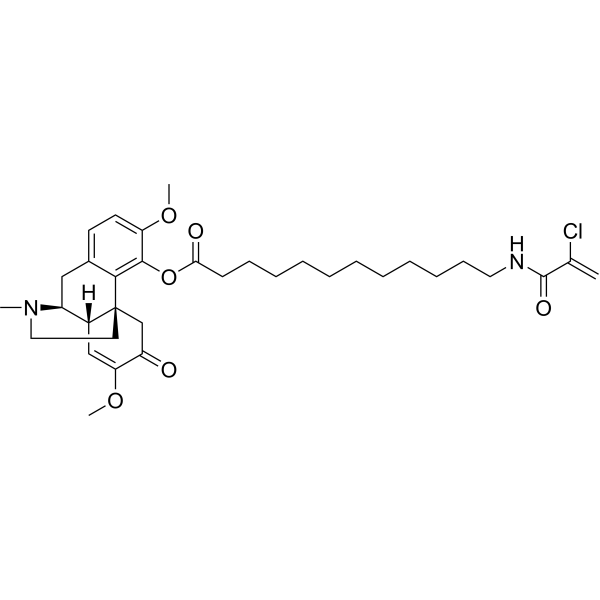
Anticancer agent 193
 0 ImagesCat. No.: HY-162310
Anticancer agent 193 (compound D3-3) is an inducer of ferritinophagy, eventually triggering ferroptosis. Anticancer agent 193 induces the production of lipid ROS, and significantly promoted colorectal cancer cells to release the ferrous ion in an autophagy-dependent manner.
-
Lepadin H
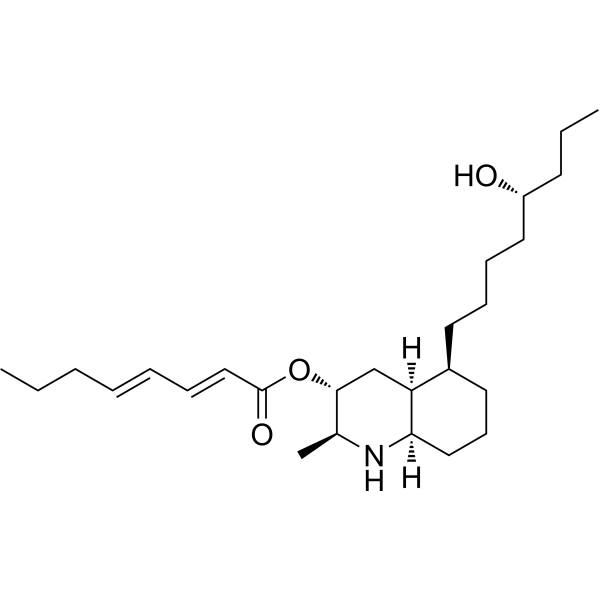 0 ImagesCat. No.: HY-155852CAS No.: 412328-25-7
Lepadin H is a ferroptosis inducer and apoptosis inducer with in vitro cytotoxicity and in vivo antitumor efficacy against cancer cells. Lepadin H reduces GPX4 and SLC7A11 levels, increases p53 and ACSL4 expression, drives lipid hydroperoxide production, elevates reactive oxygen species (ROS) levels, reduces cellular glutathione (GSH) levels, induces lipid peroxidation and G2/M phase cell cycle arrest, and suppresses clonogenic growth and migration of cancer cells.Lepadin H can be used for the research of melanoma.
-
AX-53802
 0 ImagesCat. No.: HY-172761CAS No.: 1008482-71-0
AX-53802 is a ferroptosis inducer targeting GPX4 with an IC50 of 0.34 µM. AX-53802 forms a covalent bond with GPX4, initiating membrane translocation directly upon binding. AX-53802 and FAK/Src inhibitors promotes cell death. AX-53802 can be used for cancer study.

-
Anticancer agent 251
 0 ImagesCat. No.: HY-141649CAS No.: 1648546-79-5
Anticancer agent 251 (compound 7j) can induce cell death of bladder cancer cell T24 by inducing apoptosis, autophagy or ferroptosis.
-
Ferroptosis inducer-7
 0 ImagesCat. No.: HY-172803CAS No.: 2723569-00-2
Ferroptosis inducer-7 is an orally active and selective ferroptosis inducer via inositol 1,4,5-trisphosphate receptor (IP3R)/calcium release-activated calcium channel protein (ORAI). Ferroptosis inducer-7 exhibits a notable effect in alleviating anemia symptoms, suppressing bone marrow CTLs activation, and improving hematopoietic function in immune-mediated bone marrow failure. Ferroptosis inducer-7 can be studied in research for aplastic anemia.
-
Microtubule inhibitor 8
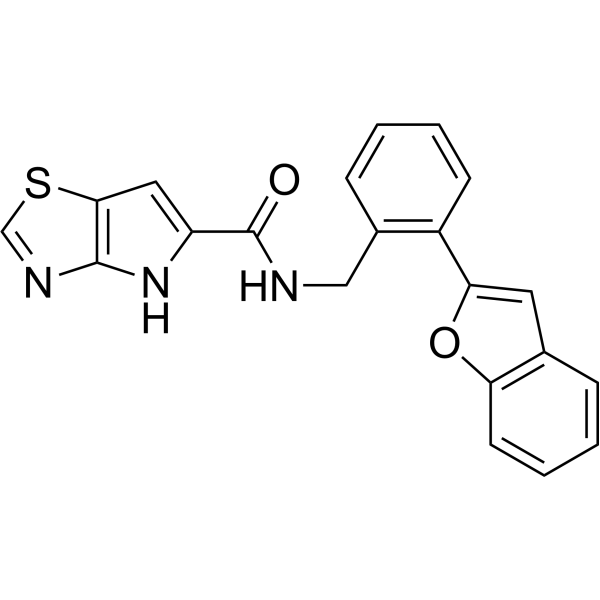 0 ImagesCat. No.: HY-161075CAS No.: 2310293-81-1
Microtubule inhibitor 8 (MP-HJ-1b) is a potent inhibitor of microtubule. Microtubule inhibitor 8 triggers cell death through ferroptosis. Microtubule inhibitor 8 has anti-tumor effect.
-
GDCNF-11
 0 ImagesCat. No.: HY-169133CAS No.: 2991588-80-6
GDCNF-11 is a type of HSP90 interaction-mediated protein degradation chimera (HIM-PROTAC) degrader that targets and degrades GPX4, with a DC50 of 0.08 μM. GDCNF-11 mediates the ubiquitination and proteasome-dependent degradation of GPX4 by recruiting GPX4 to form a ternary complex with HSP90, increases intracellular lipid peroxides and ROS, and ultimately triggers Ferroptosis. GDCNF-11 inhibits tumor growth in mouse models, downregulates GPX4 protein in xenograft tumors, and upregulates the lipid peroxidation marker. GDCNF-11 can be used for the research of fibrosarcoma.
-
Ferroptosis/apoptosis inducer-3
 0 ImagesCat. No.: HY-179016
Ferroptosis/apoptosis inducer-3 (Compound 34) is a Ferroptosis and Apoptosis inducer. Ferroptosis/apoptosis inducer-3 induces both Ferroptosis and Apoptosis by causing G2/M phase cell cycle arrest, disrupting mitochondrial membrane potentials, promoting lipid peroxidation, and increasing the levels of Ca2+ and Fe2+ through the activation of calcium/calmodulin signaling. Ferraplasm/apoptosis inducer-3 shows anticancer effects against cervical cancer, adenocarcinoma, breast cancer, colon cancer, and colorectal carcinoma.
-
Osimertinib (GMP Like)
 0 ImagesCat. No.: HY-15772GLCAS No.: 1421373-65-0Synonyms: AZD-9291 (GMP Like); Mereletinib (GMP Like)
Osimertinib (AZD-9291; Mereletinib) GMP Like is the GMP Like level of Osimertinib (HY-15772). GMP Like small molecules works appropriately as an auxiliary reagent for cell research manufacture. Osimertinib GMP Like is an inhibitor that selectively targets EGFRT790M and activated EGFR mutants. Osimertinib GMP Like exerts multiple anti-tumor mechanisms, including radiosensitization, induction of apoptosis and ferroptosis, as well as inhibition of cancer stemness. Osimertinib GMP Like suppresses EGFR nuclear translocation and downstream survival signaling pathways, significantly reduces cell viability and lipid droplet content, and also exerts synergistic effects with radiotherapy or specific targeted agents to effectively overcome drug resistance and radioresistance. Formulations of Osimertinib GMP Like modified with liposomes or iRGD enable sustained release, tumor-specific accumulation, and breakthrough of the blood-brain barrier limitation. Osimertinib GMP Like can be used in research related to radioresistant glioblastoma and non-small cell lung cancer.
-
E/Z-FETPY
 0 ImagesCat. No.: HY-158336CAS No.: 3056250-97-3
E/Z-FETPY is an organo-diiron(I) complex with strong cytotoxicity in cancer cell lines. E/Z-FETPY induces ferroptosis in low-differentiated cell lines, such as A2780 cells.
-
DHODH-IN-26
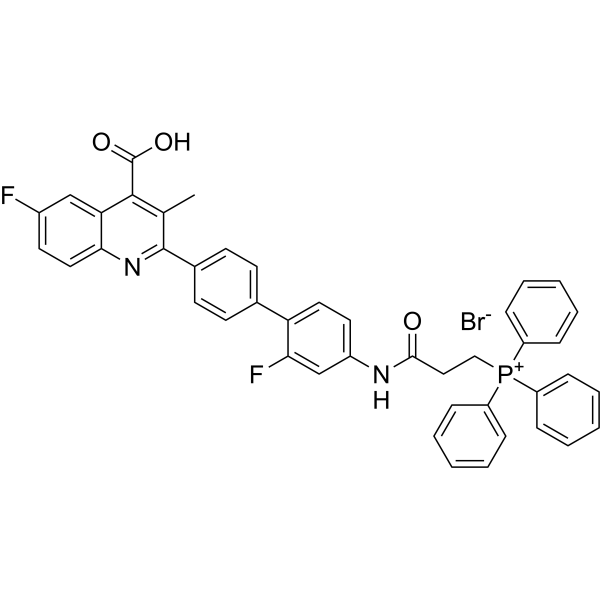 0 ImagesCat. No.: HY-158023
DHODH-IN-26 (compound B2) is a mitochondria-targeting DHODH inhibitor. DHODH-IN-26 shows anticancer activity, triggers the formation of reactive oxygen species (ROS), promots mitochondrial lipid peroxidation, and induces ferroptosis.



