



HSP Inhibitor
-
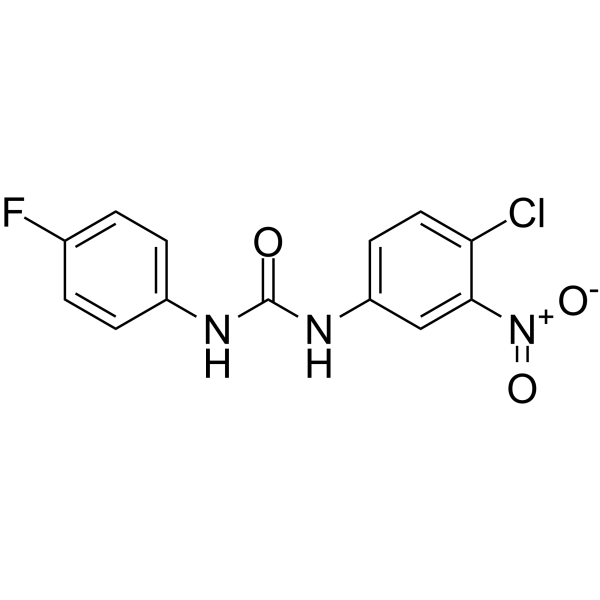
DTHIB
 0 Images
DTHIB is a direct and selective heat shock factor 1 (HSF1) inhibitor with a Kd of 160 nM for DTHIB binding to the HSF1 DNA binding domain (DBD). DTHIB inhibits HSF1 cancer gene signature (HSF1 CaSig) and selectively stimulates degradation of nuclear HSF1. DTHIB has potently anticancer activities and can be used for prostate cancer research.
-
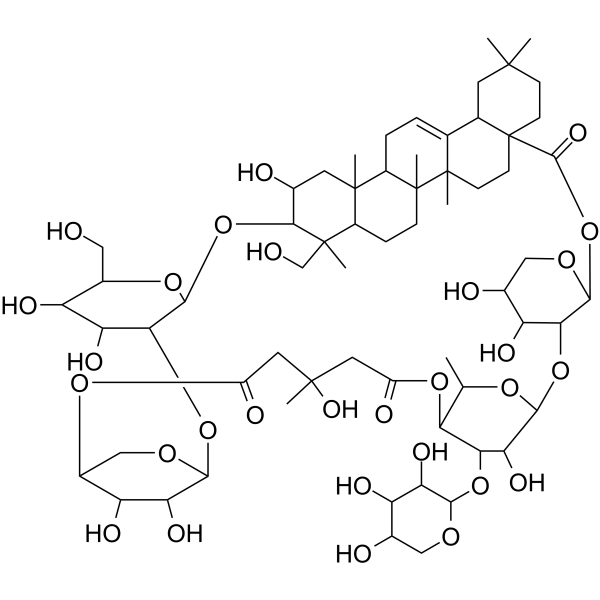
Tubeimoside I
 0 ImagesSynonyms: Tubeimoside-1; Lobatoside-H
Tubeimoside I is an orally active HSPD1 inhibitor. Tubeimoside I inhibits NF-κB, MAPK, as well as regulates eNOS-VEGF. Tubeimoside I induces cytoprotective Autophagy via an Akt-mediated pathway. Tubeimoside I inhibits proinflammatory cytokine (IL-6 and IL-1β) production. Tubeimoside I exhibits anti-inflammatory activities. Tubeimoside I promotes angiogenesis and improves sepsis symptoms. Tubeimoside I is used in the research of inflammatory diseases, various cancers, sepsis and ischemic diseases.
-
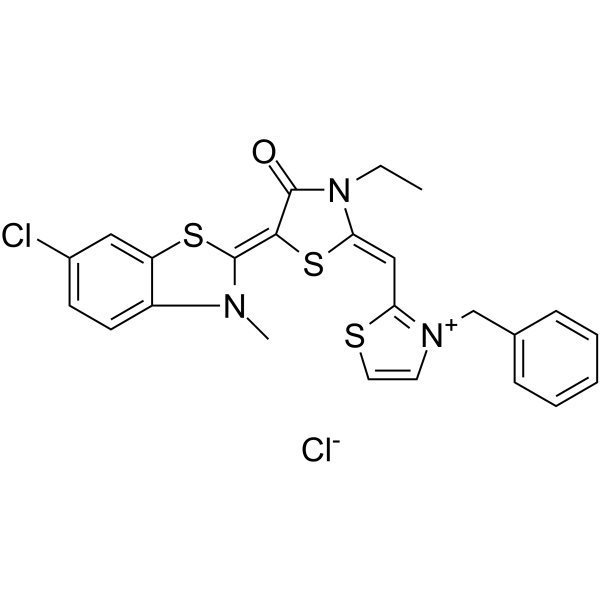
JG-98
 0 Images
JG-98, an allosteric heat shock protein 70 (Hsp70) inhibitor, which binds tightly to a conserved site on Hsp70 and disrupts the Hsp70-Bag3 interaction. JG-98 shows anti-cancer activities affecting both cancer cells and tumor-associated macrophages.
-
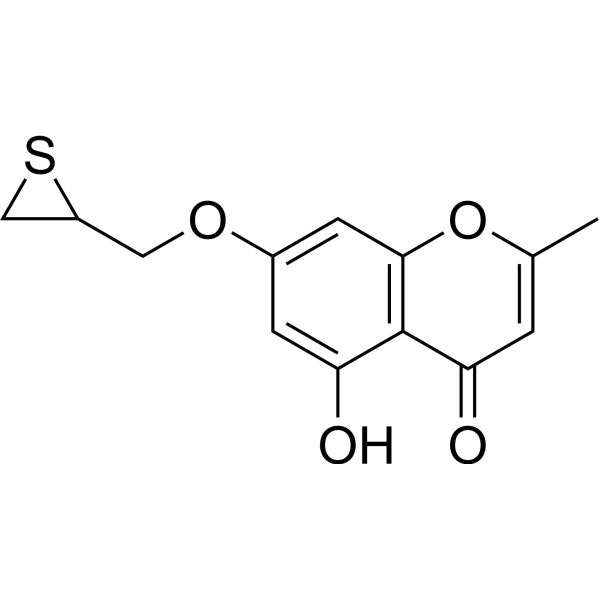
HSP27 inhibitor J2
 0 ImagesSynonyms: J2
HSP27 inhibitor J2 (J2) is a HSP27 inhibitor, which significantly induces abnormal HSP27 dimer formation and inhibits a production of HSP27 giant polymers, thereby having an effect of inhibiting a chaperone function of the HSP27 and reducing a cell protection function thereof. HSP27 inhibitor J2 (J2) remarkably enhances the antiproliferative activity of 17-AAG and sensitizes cisplatin-induced lung cancer cell growth inhibition.
-
Apatorsen sodium
 0 ImagesSynonyms: OGX-427 sodium
Apatorsen (OGX-427) sodium is a 2'-methoxyethyl-modified antisense oligonucleotide and also a Hsp27 inhibitor. Apatorsen sodium reduces Hsp27 mRNA and protein levels, impairs stress-induced cytoprotective functions, induces cell apoptosis, inhibits tumor growth and prevents metastasis. Apatorsen sodium is applicable to research related to non-small cell lung cancer, castration-resistant prostate cancer, breast cancer, ovarian cancer and bladder cancer.
-
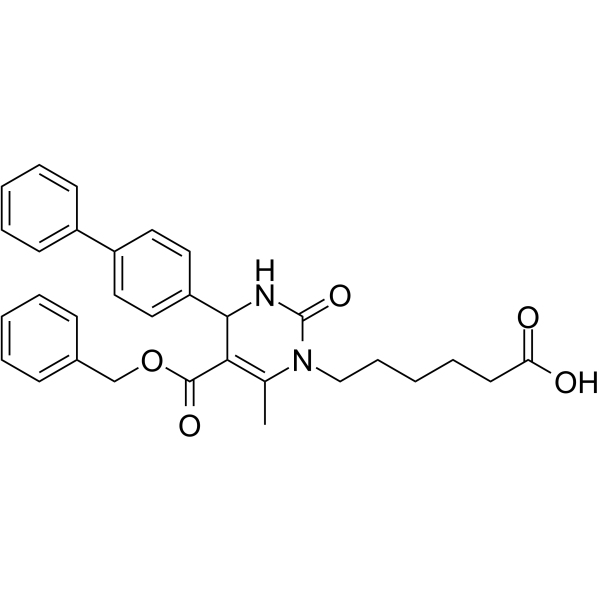
DCEM1
 0 Images
DCEM1 binds to heat shock protein 60 (HSP60) and inhibits the interaction of HSP60 with ClpP, thereby blocking the mitochondrial unfolded protein response. DCEM1 inhibits β-catenin expression and ATP production in PC-3 and TKO cells. DCEM1 can be used in prostate cancer research.
-
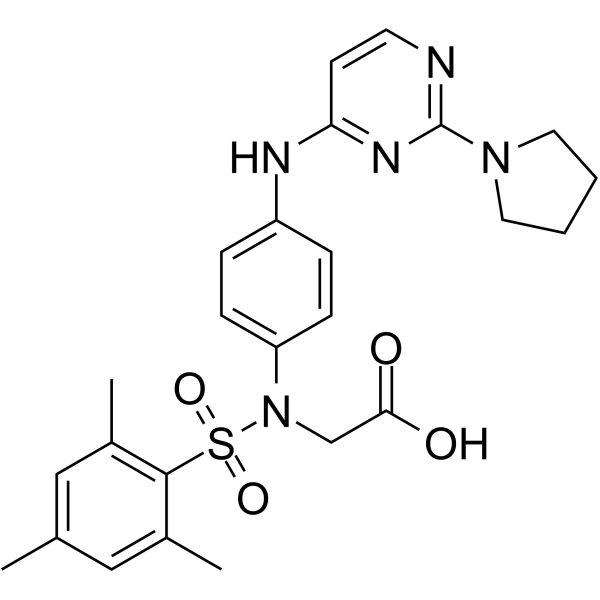
DDO-5936
 0 Images
DDO-5936 is a potent and specific Hsp90-Cdc37 PPI inhibitor. DDO-5936 can be used for the research of colorectal cancer.
-
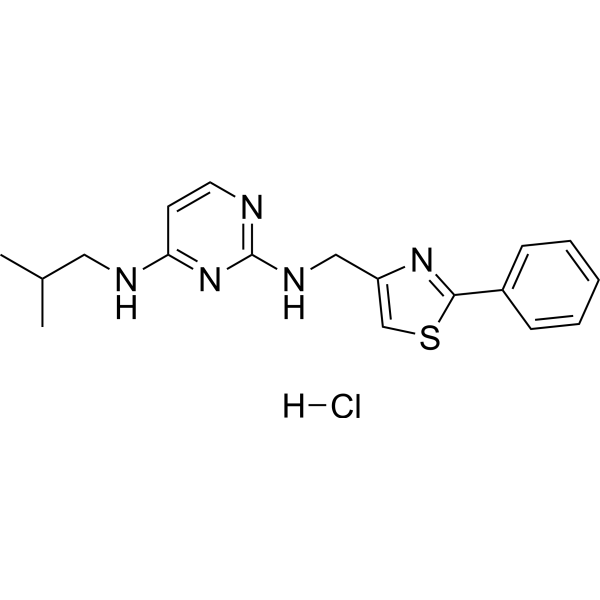
KHS101 hydrochloride
 0 Images
KHS101 is a blood-brain barrier-penetrant anticancer agent that primarily functions by inhibiting HSPD1 (IC50 = 14.4 μM) and TACC3 across different cellular backgrounds. KHS101 promotes the aggregation of HSPD1 with client proteins, destabilizes TACC3, and reduces the levels of TACC3, Aurora A and PLK1. KHS101 induces autophagy, apoptosis, cell cycle exit and neuronal differentiation; it suppresses cancer cell growth, motility, EMT and stemness; it also impairs mitochondrial bioenergetics and glycolysis in glioblastoma cells. KHS101 can be used in research related to glioblastoma multiforme and breast cancer.
-
EC144
 0 Images
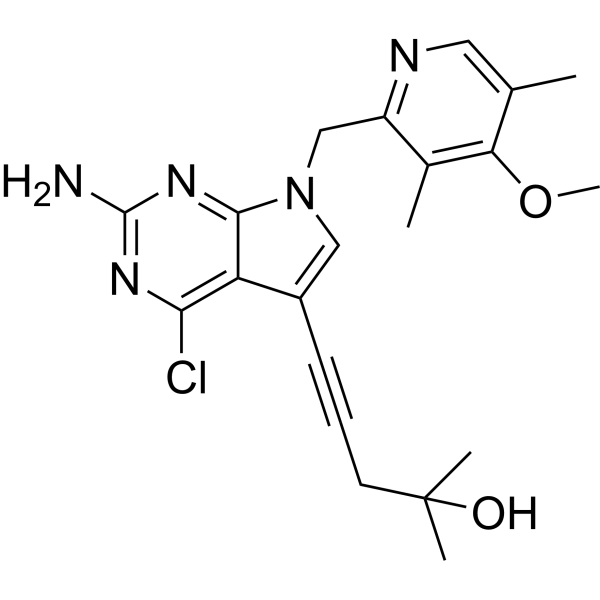
EC144 is a potent and selective inhibitor of heat shock protein 90 (Hsp90) with an IC50 of 1.1 nM. EC144 inhibits tumor growth and causes partial tumor regressions. EC144 has the potential for the research of cancer diseases. EC144 is a click chemistry reagent, it contains an Alkyne group and can undergo copper-catalyzed azide-alkyne cycloaddition (CuAAc) with molecules containing Azide groups.
-
Neoisoliquiritin
 0 ImagesSynonyms: Neoisoliquiritigenin
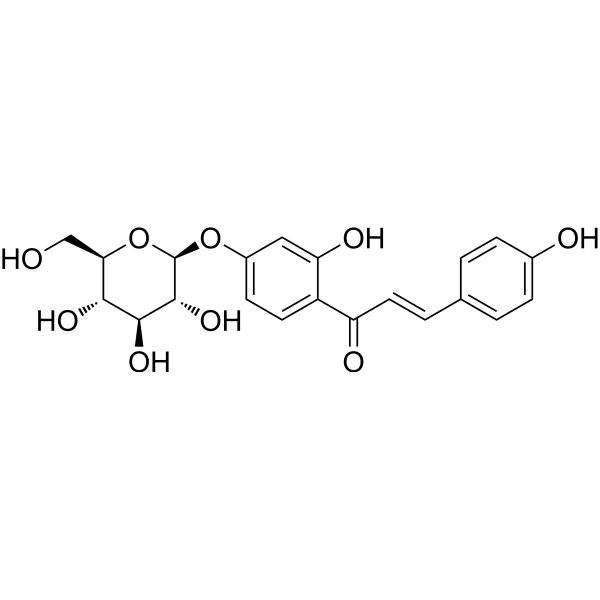
Neoisoliquiritin (Neoisoliquiritigenin) is an androgen receptor (AR) inhibitor. Neoisoliquiritin inhibits the ATPase activity of GRP78. Neoisoliquiritin induces G0/G1 cell cycle arrest and inhibits proliferation in cancer cells, while it also induces cell apoptosis (apoptosis). Neoisoliquiritin suppresses tumor growth in mouse models of prostate cancer and breast cancer. Neoisoliquiritin can be used in studies related to prostate cancer and breast cancer.
-
2-O-β-D-Glucopyranosyl-L-ascorbic acid
 0 ImagesCat. No.: HY-N6958CAS No.: 562043-82-7Synonyms: AA-2βG
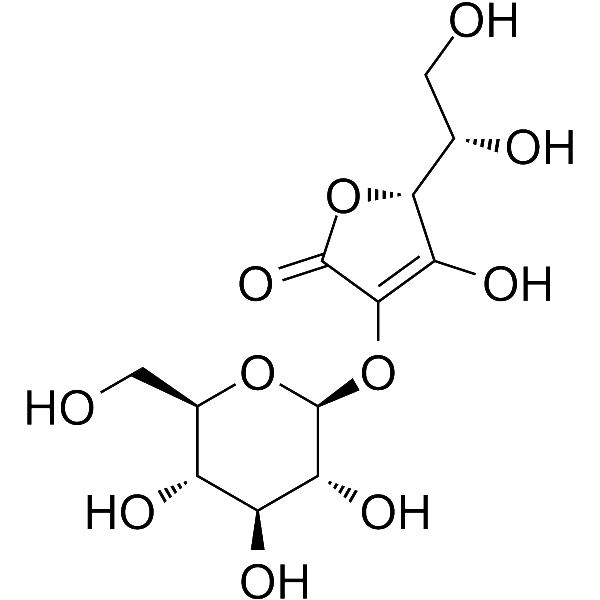
2-O-β-D-Glucopyranosyl-L-ascorbic acid (AA-2βG) is an orally active vitamin C derivative. 2-O-β-D-Glucopyranosyl-L-ascorbic acid exhibits multiple activities including antioxidant, anti-tumor and immunomodulatory effects. 2-O-β-D-Glucopyranosyl-L-ascorbic acid mediates tumor cell apoptosis, induces cell cycle arrest, scavenges free radicals and eliminates oxidative stress. 2-O-β-D-Glucopyranosyl-L-ascorbic acid can be used in studies related to cancer, inflammation and immunity.
-
iHSP110-33
 0 ImagesCat. No.: HY-161765Purity: 99.59%
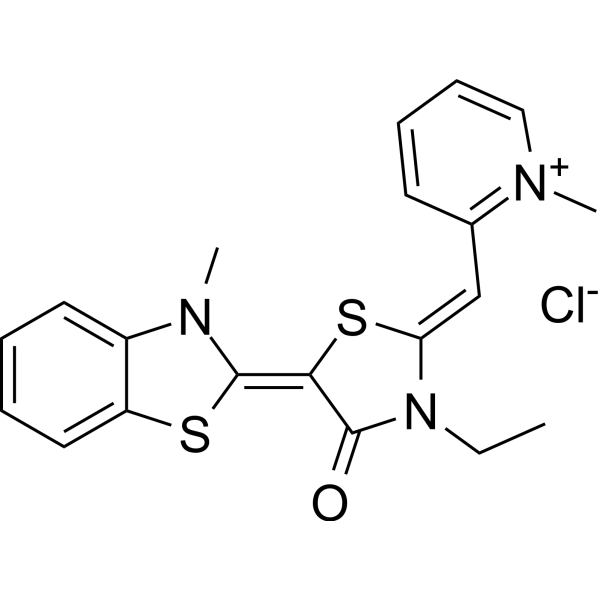
iHSP110-33 is an inhibitor for heat shock protein 110 (HSP110). iHSP110-33 exhibits antitumor efficacy agaisnt large B-cell lymphoma and classical Hodgkin lymphoma. iHSP110-33 shows a synergistic effect with Selinexor (HY-17536), inhibits the STAT6 phosphorylation, and enhances its antitumor activity..
-
MK2-IN-1 hydrochloride
 0 Images
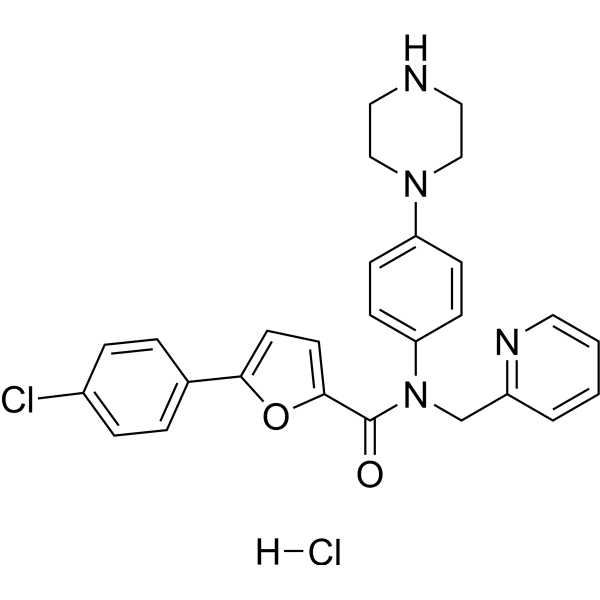
MK2-IN-1 hydrochloride (compound 1) is a potent and selecitve MAPKAPK2 (MK2) inhibitor with an IC50 of 0.11 uM for MK2 and an EC50 of 0.35 uM for pHSP27. MK2-IN-1 hydrochloride impaires the phosphorylation level of serine residues in the Tfcp2l1 protein.
-
Flavokawain C
 0 Images
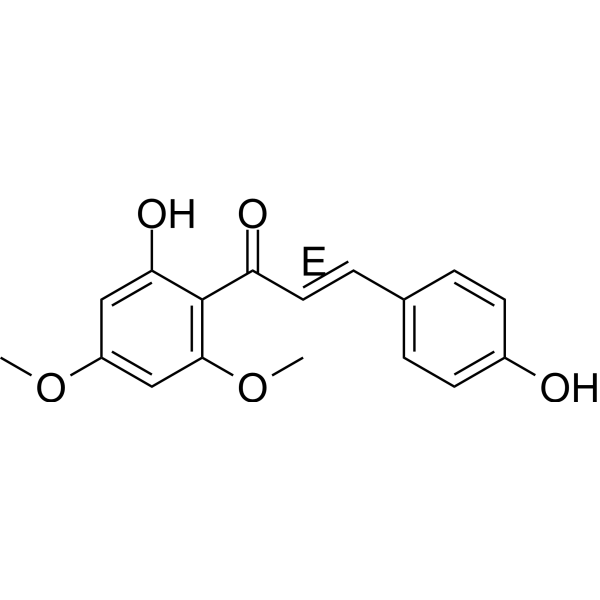
Flavokawain C is an orally active natural chalcone. Flavokawain C inhibits the proliferation of various cancer cells. Flavokawain C upregulates GADD153 in cancer cells, inhibits the phosphorylation of Akt and JNK, suppresses early ERK phosphorylation, activates late ERK phosphorylation, activates caspase related subtypes, induces PARP-1 cleavage, causes upregulation of p21 and p27, downregulation of mutant p53 and anti-apoptotic IAP proteins, elevates intracellular ROS levels, reduces SOD activity, and induces apoptosis. Flavokawain C downregulates FABP4, induces autophagy in cancer cells, and activates the AMPK/mTOR pathway. Flavokawain C decreases the expression of glycolysis-related proteins GLUT1 and HK2, and inhibits glycolysis in nasopharyngeal carcinoma cells. Flavokawain C inhibits the activation of the EGFR/PI3K/Akt/mTOR signaling pathway and reduces the expression of HSP90B1. Flavokawain C inhibits angiogenesis by decreasing the expression of angiogenic proteins Ang-1 and VEGF in human umbilical vein endothelial cells. Flavokawain C increases γ-H2AX levels in cells, inhibits the phosphorylation of FAK, PI3K and AKT in cells, and induces DNA damage in cells. Flavokawain C exerts anti-tumor activity in multiple tumor xenograft mouse models. Flavokawain C is applicable to research related to colorectal cancer, colon adenocarcinoma, nephroblastoma, nasopharyngeal carcinoma and liver cancer.
-
TBPH
 0 ImagesCat. No.: HY-W018587CAS No.: 26040-51-7
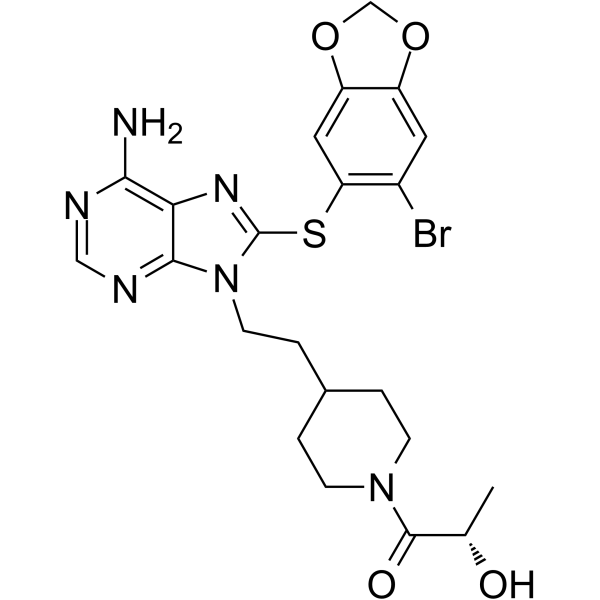
TBPH is a brominated flame retardant. TBPH enhances hepatic steatosis, inflammation, and fibrosis in mice with nonalcoholic steatohepatitis (NASH). TBPH induces dysregulation of phospholipid metabolism, reducing cardiolipin (CL) and phosphatidylserine (PS) levels. TBPH leads to impaired endoplasmic reticulum-mitochondria (ER-Mito) contacts, subsequently causing mitochondrial dysfunction. TBPH induces lung injury through an inflammatory response mediated by mitochondria-derived ds-DNA. TBPH can be used to study the role of MFN2-mediated ER-mitochondria contacts in lipid metabolism homeostasis.

-
Nonactin
 0 Images
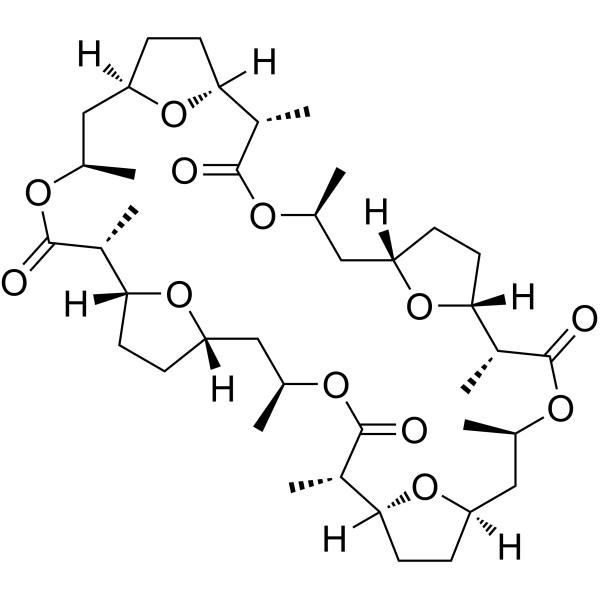
Nonactin is a macrotetrolide antibiotic and mitochondrial uncoupler with antibacterial, insecticidal, and acaricidal activities. Nonactin acts as an ionophore for monovalent cations, including K+, and NH4+, and it can also inhibit the surface expression of endogenous HSP60. In addition, Nonactin can induce apoptosis in β-catenin mutant tumor cells and has anti-tumor activity.



