



IGF-1R Inhibitor
-
Linsitinib
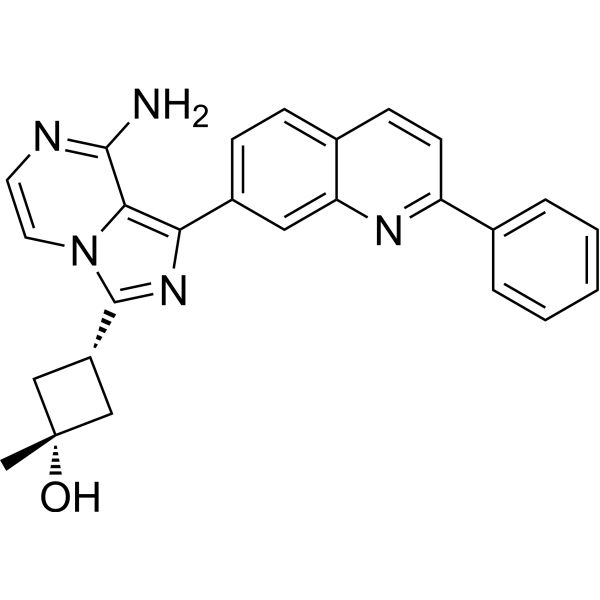 0 ImagesSynonyms: OSI-906
Linsitinib (OSI-906) is a potent, selective and orally bioavailable dual inhibitor of the IGF-1 receptor and insulin receptor (IR) with IC50s of 35 and 75 nM, respectively.
-
Ganitumab
 0 ImagesCat. No.: HY-P99294CAS No.: 905703-97-1Synonyms: AMG 479; Human Anti-IGF1R Recombinant Antibody
Ganitumab (AMG 479) is a recombinant human monoclonal antibody to the human type 1 insulin-like growth factor receptor (IGF1R). Ganitumab recognizes murine IGF1R with sub-nanomolar affinity (KD=0.22 nM) and inhibits the interaction of murine IGF1R with IGF1 and IGF2. Ganitumab can be used in research of cancer.
-
Teprotumumab
 0 Images
Teprotumumab is an IGF-1 receptor (IGF-1R) blocking human monoclonal antibody. Teprotumumab binds to the ligand binding extracellular α-subunit domain of IGF-1R. Teprotumumab inhibits TSH and IGF-1 action in fibrocytes. Teprotumumab attenuates TSH-dependent IL-6 and IL-8 expression and Akt phosphorylation. Teprotumumab can be used for thyroid-associated ophthalmopathy research.
-
NVP-AEW541
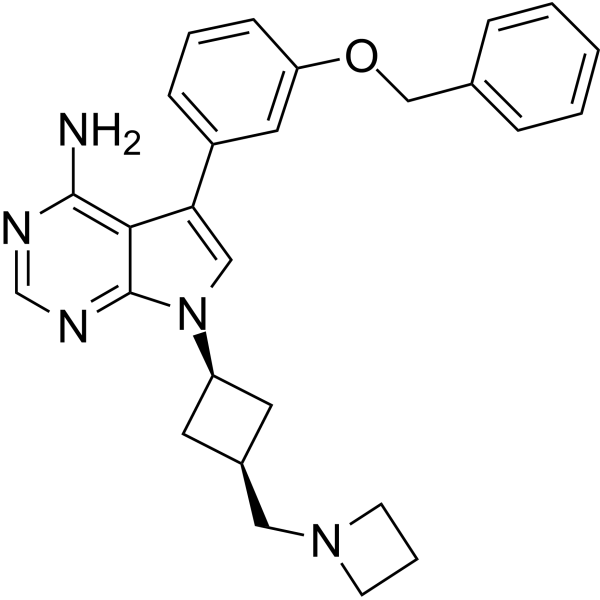 0 ImagesSynonyms: AEW541
NVP-AEW541 (AEW541 ) is an orally active inhibitor of the insulin-like growth factor 1 receptor (IGF-1R) with an IC50 value of 0.15 μM. NVP-AEW541 also inhibits InsR, IC50 with a value of 0.14 μM. NVP-AEW541 has antitumor activity.
-
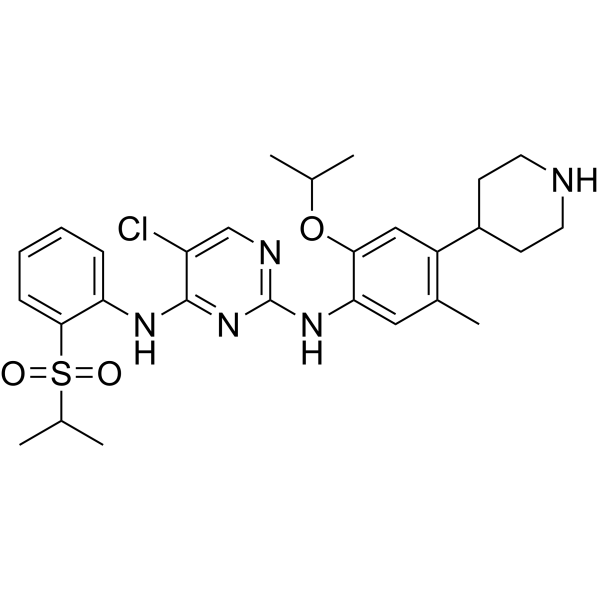
Ceritinib dihydrochloride
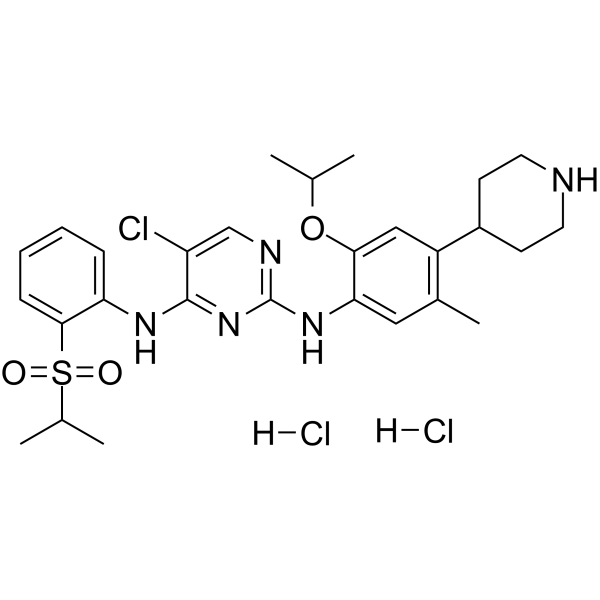 0 ImagesSynonyms: LDK378 dihydrochloride
Ceritinib (LDK378) dihydrochloride is a selective, orally bioavailable and ATP-competitive ALK tyrosine kinase inhibitor with an IC50 of 200 pM. Ceritinib dihydrochloride also inhibits IGF-1R, InsR, and STK22D with IC50 values of 8, 7, and 23 nM, respectively. Ceritinib dihydrochloride shows great antitumor potency.
-
BMS-536924
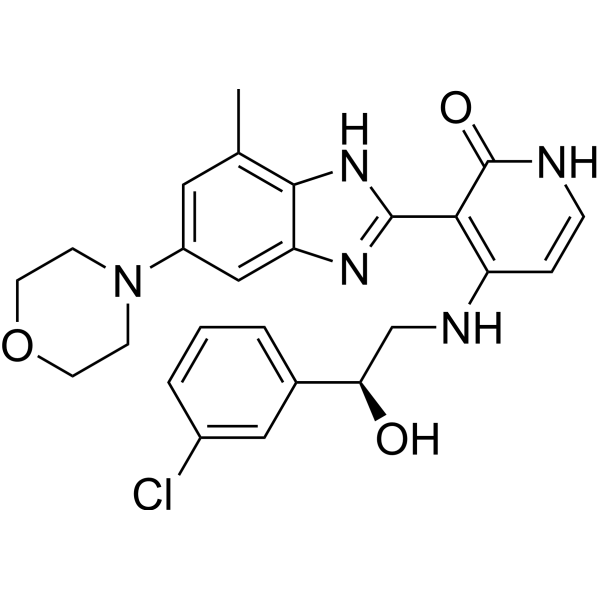 0 Images
BMS-536924 is an orally active, competitive and selective insulin-like growth factor receptor (IGF-1R) kinase and insulin receptor (IR) inhibitor with IC50s of 100 nM and 73 nM, respectively. BMS-536924 has anti-cancer activity.
-
AZD-3463
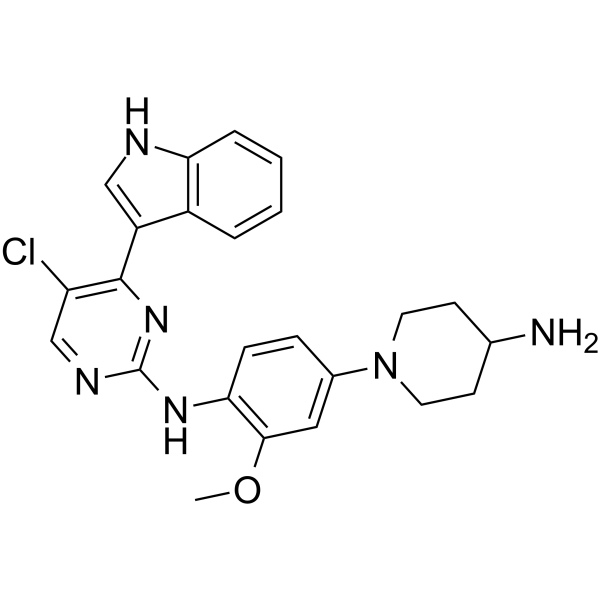 0 ImagesSynonyms: ALK/IGF1R inhibitor
AZD-3463 (ALK/IGF1R inhibitor) is an orally active ALK/IGF1R inhibitor, with a Ki of 0.75 nM for ALK. AZD3463 induces apoptosis and autophagy in neuroblastoma cells.
-
Cixutumumab
 0 ImagesSynonyms: IMC-A12; NSC742460
Cixutumumab (IMC-A12) is a human anti-IGF-1R monoclonal antibody with high affinity that inhibits ligand-dependent receptor activation and downstream signaling. Cixutumumab also mediates the internalization and degradation of IGF-IR. Cixutumumab shows broad-spectrum anti-tumour activity and can be used in studies of cancers such as lung cancer, malignancies, leukaemia, non-small cell lung cancer and prostate cancer.
-
NBI-31772
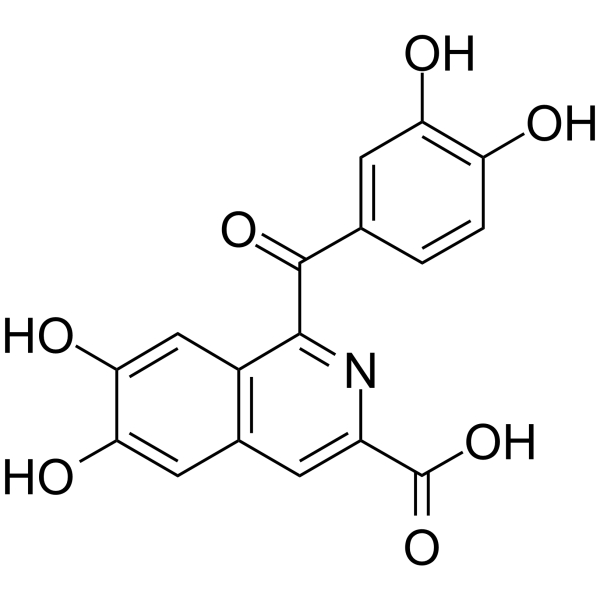 0 Images
NBI-31772 is a non-selective IGFBP inhibitor (Ki=47 nM). NBI-31772 has neuroprotective effects and reduces infarct volume during cerebral ischemia. NBI-31772 can also restore or enhance proteoglycan synthesis in osteoarticular chondrocytes. In addition, NBI-31772 also increases the effect of IGF3 on zebrafish oocyte maturation.
-
BTYNB
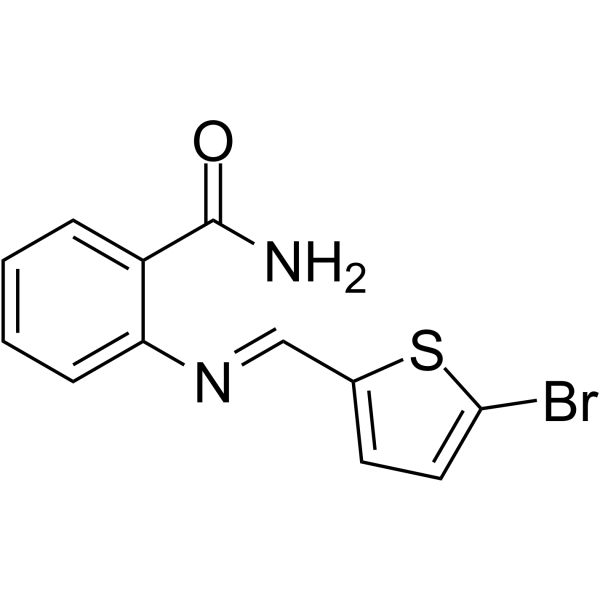 0 Images
BTYNB is a structure-specific nucleic acid binder and IGF2BP1 inhibitor (with an IC50 of 5 μM against hBTYNB). BTYNB disrupts the IGF2BP1-RNA interaction and blocks its binding to oncogenic mRNAs such as c-Myc, MDM2, PD-L1. BTYNB completely blocks the INHBA-Smad2/3 pathway, disrupts the MYCN/IGF2BP1 loop, and thereby induces apoptosis and cell cycle arrest, effectively inhibiting the proliferation and survival of cancer cells. In addition, BTYNB acts as an immune activator and tumor microenvironment modulator, enhances T cell-mediated tumor killing, and produces significant synergistic effects with inhibitors of PD-1, BRD and BIRC5. BTYNB can be used in relevant research on various malignant tumors including ovarian cancer, neuroblastoma, leukemia and melanoma.
-
NVP-TAE 226
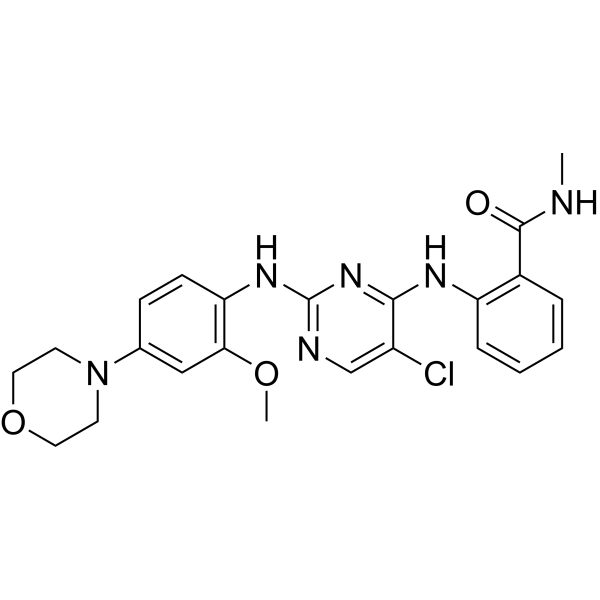 0 ImagesSynonyms: TAE226
NVP-TAE 226 (TAE226) is a potent and ATP-competitive dual FAK and IGF-1R inhibitor with IC50s of 5.5 nM and 140 nM, respectively. NVP-TAE 226 (TAE226) also effectively inhibits Pyk2 and insulin receptor (InsR) with IC50s of 3.5 nM and 44 nM, respectively.
-
NVP-ADW742
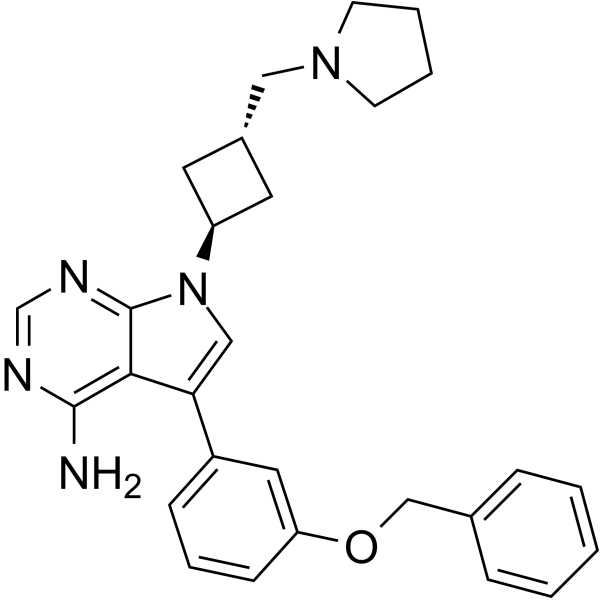 0 ImagesSynonyms: ADW742; GSK 552602A; ADW
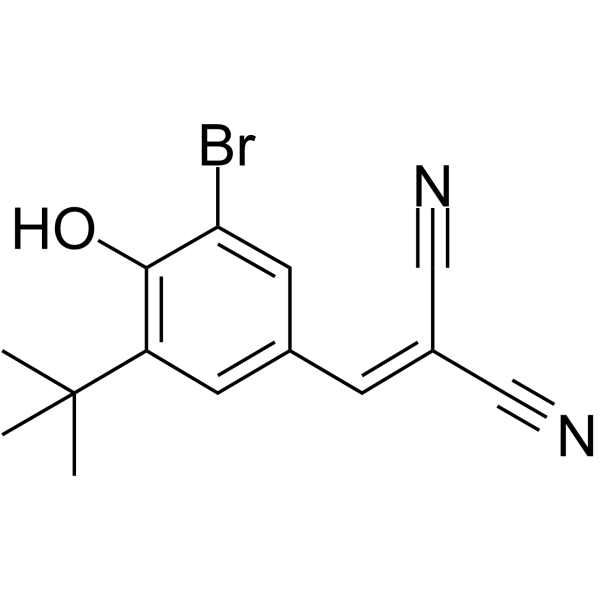
NVP-ADW742 (ADW742) is an orally active, selective IGF-1R tyrosine kinase inhibitor with an IC50 of 0.17 μM. NVP-ADW742 inhibits insulin receptor (InsR) with an IC50 of 2.8 μM. NVP-ADW742 induces pleiotropic antiproliferative/proapoptotic biologic sequelae in tumor cells.
-
GSK1838705A
 0 Images
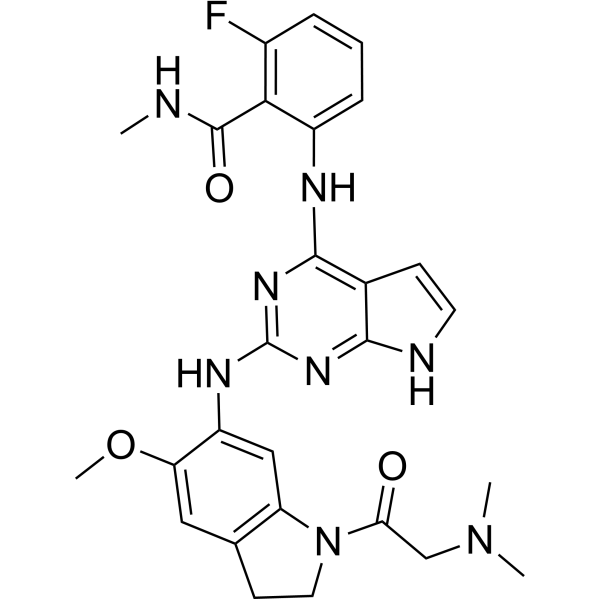
GSK1838705A is a potent and reversible IGF-IR and the insulin receptor inhibitor with IC50s of 2.0 and 1.6 nM, respectively. It also inhibits ALK with an IC50 of 0.5 nM.
-
GSK1904529A
 0 Images
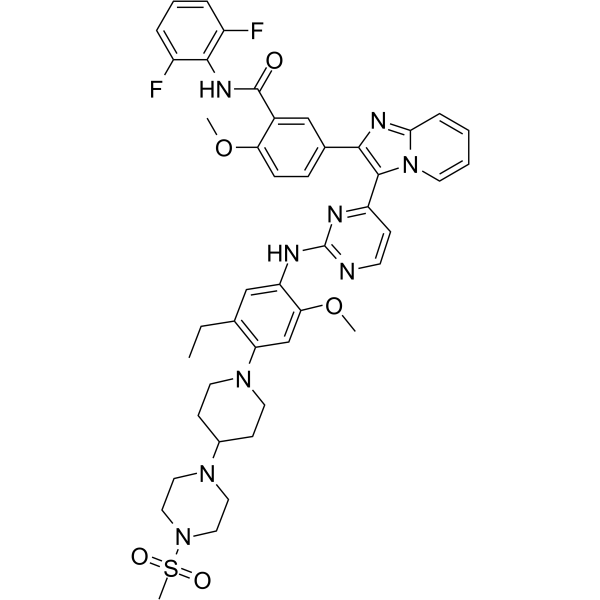
GSK1904529A is a potent, selective, orally active, and ATP-competitive inhibitor of insulin-like growth factor-1 receptor (IGF-1R) and insulin receptor (IR), with IC50s of 27 and 25 nM, respectively. GSK1904529A shows poor activity (IC50>1 μM) in 45 other serine/threonine and tyrosine kinases. GSK1904529A exhibits anti-tumor activity.
-
Chromeceptin
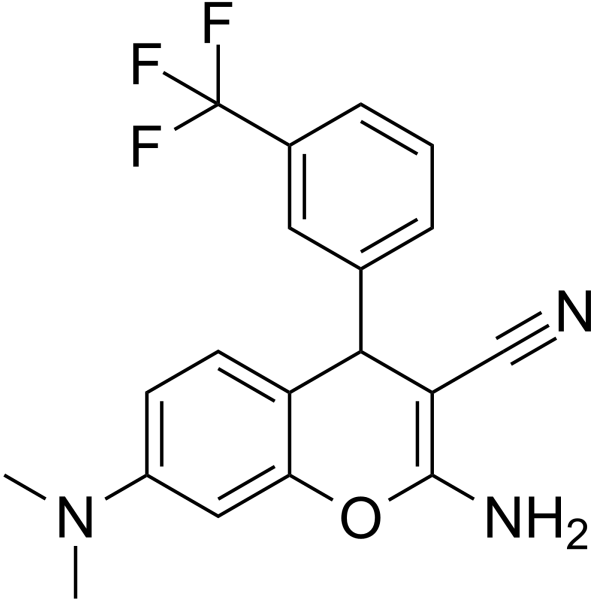 0 ImagesSynonyms: 94G6
-
Dalotuzumab
 0 ImagesCat. No.: HY-P99284CAS No.: 1005389-60-5Synonyms: MK-0646; h7C10
Dalotuzumab (MK-0646) is a recombinant humanized monoclonal antibody (IgG1 type) targeting IGF-1R. Dalotuzumab acts by inhibiting IGF-1- and IGF-2-mediated tumor cell proliferation, IGF-1R autophosphorylation, and Akt phosphorylation. Dalotuzumab also induces apoptosis and cycle arrest. Dalotuzumab in combination with other anticancer agents such as statins can enhance the antitumor activity of Dalotuzumab in vitro and in vivo.



