



Endogenous Metabolite
-
Endogenous Metabolite Related Products (6380)
Related Products (6380)

-
Butylated hydroxytoluene
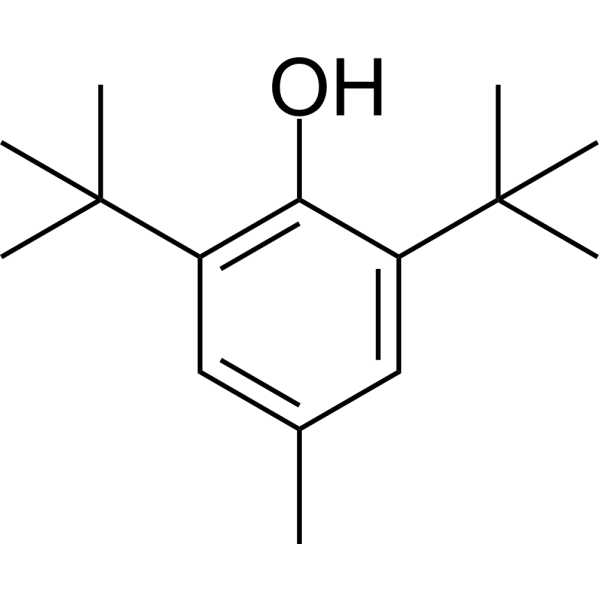 0 ImagesButylated hydroxytoluene is an antioxidant widely used in foods and in food-related products. Butylated hydroxytoluene is a Ferroptosis inhibitor.
-
Bisphenol A
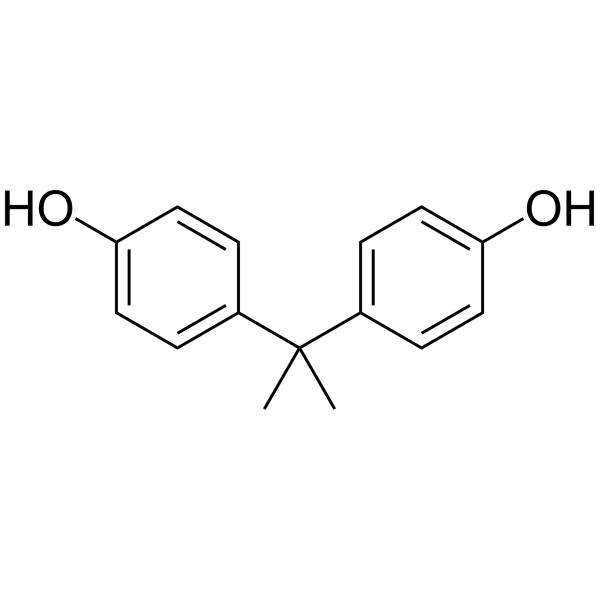 0 ImagesBisphenol A is a phenolic, organic synthetic compound widely used in the production of polycarbonate plastics and epoxy resins. Bisphenol A is a reproductive, developmental, and systemic toxicant, often classified as an endocrine-disrupting compound (EDC). Bisphenol A is associated with many diseases, including cancers, cardiovascular diseases, respiratory diseases, diabetes, kidney diseases, obesity, and reproductivedisorders.
-
Lutein
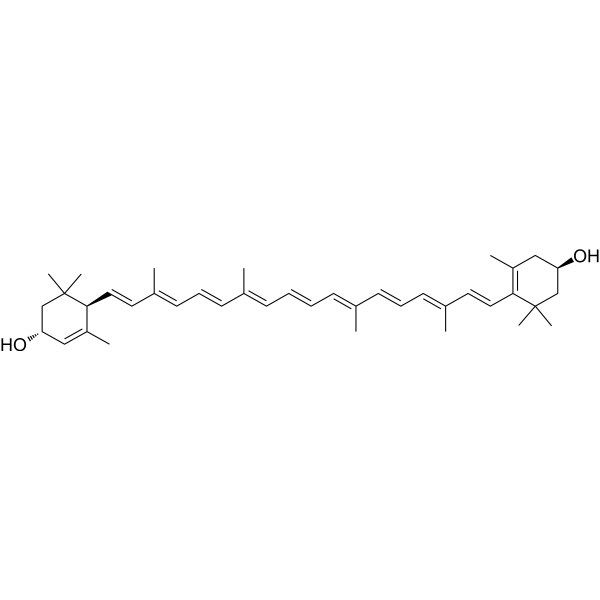 0 ImagesLutein (Xanthophyll) is a carotenoid with reported anti-inflammatory properties. A large body of evidence shows that lutein has several beneficial effects, especially on eye health. Lutein exerts its biological activities, including anti-inflammation, anti-oxidase and anti-apoptosis, through effects on reactive oxygen species (ROS). Lutein is able to arrive in the brain and shows antidepressant-like and neuroprotective effects. Lutein is orally active.
-
Piceatannol
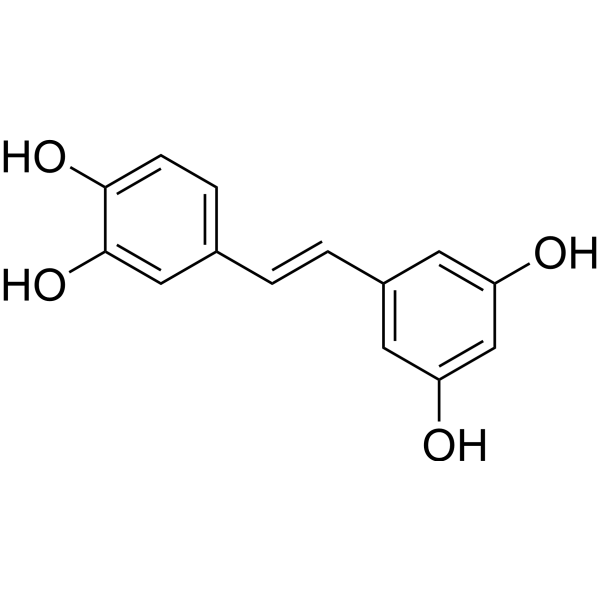 0 ImagesSynonyms: Astringenin; trans-PiceatannolPiceatannol is a well-known Syk inhibitor and reduces the expression of iNOS induced by TNF. Piceatannol is an effective agent for research of acute lung injury (ALI). Piceatannol is a naturally occurring polyphenolic stilbene found in various fruits and vegetables and exhibits anticancer and anti-inflammatory properties. Piceatannol induces apoptosis in DLBCL cell lines. Piceatannol induces autophagy and apoptosis in MOLT-4 human leukemia cells.
-
Glycodeoxycholic acid
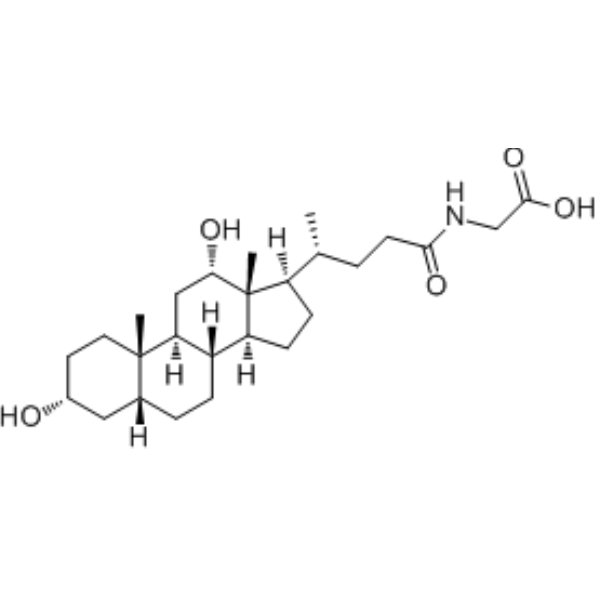 0 ImagesGlycodeoxycholic Acid is a natural product found in Streptomyces nigricans, Trypanosoma brucei and C. elegans. Glycodeoxycholic Acid induces hepatocyte necrosis and autophagy in patients with obstructive cholestasis.
-
c-di-AMP disodium
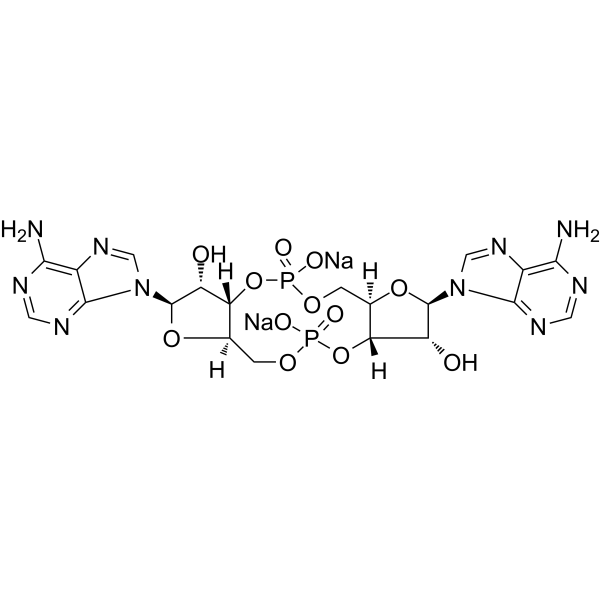 0 ImagesSynonyms: Cyclic diadenylate disodium; Cyclic-di-AMP disodiumc-di-AMP (Cyclic diadenylate) sodium is a STING agonist, which binds to the transmembrane protein STING thereby activating the TBK3-IRF3 signaling pathway, subsequently triggering the production of type I IFN and TNF. c-di-AMP sodium is also a bacterial second messenger, which regulates cell growth, survival, and virulence, primarily within Gram-positive bacteria, and also regulates host immune response. c-di-AMP sodium acts as a potent mucosal adjuvant stimulating both humoral and cellular responses.
-
D-Fructose-6-phosphate disodium
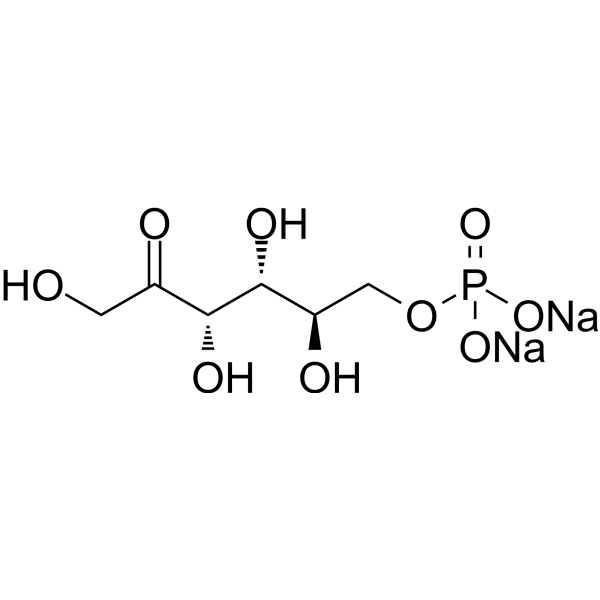 0 ImagesD-Fructose 6-phosphate disodium is an endogenous metabolite. D-Fructose 6-phosphate disodium can be obtained by hydrolysis of Fructose-1,6-bisphosphatase (FBPase). D-Fructose-6-phosphate disodium is a sugar intermediate in the glycolysis pathway and the pentose phosphate pathway. D-Fructose-6-phosphate disodium can be used to detect glucosamine-6-phosphate synthase and TAL activities. D-Fructose 6-phosphate disodium can be used to study Lewy body dementia.
-
DEHP
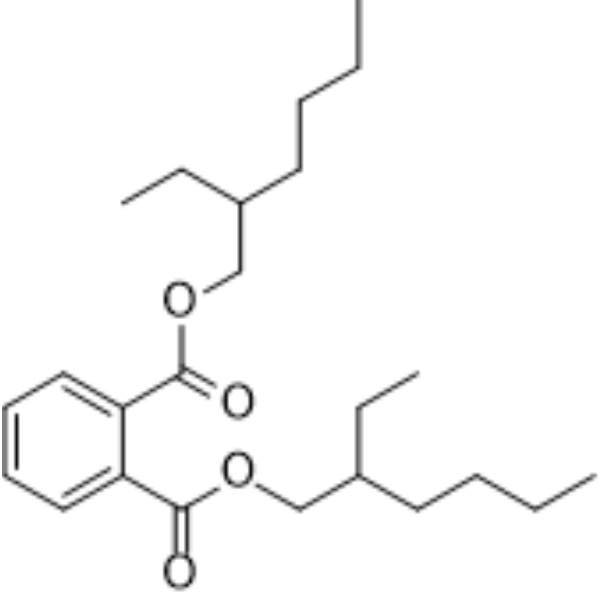 0 ImagesSynonyms: Bis(2-ethylhexyl) phthalate; Ergoplast FDO; ESBO-D 82DEHP (Bis(2-ethylhexyl) phthalate) is a widely used plasticizer, which has orally active. DEHP can produce a wide spectrum of toxic effects on organisms including neurotoxicity, liver toxicity, immunotoxicity, and reproductive toxicity.
-
C18-Ceramide (d18:1/18:0)
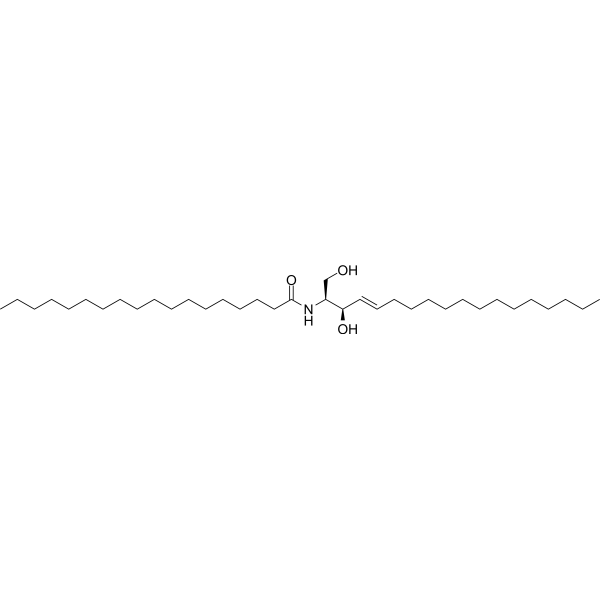 0 ImagesC18-Ceramide (d18:1/18:0) is a bioactive molecule with multiple functions in cells, not a traditional agonist or inhibitor targeting a single site. It can act on multiple cellular targets, such as proteins related to endoplasmic reticulum stress (e.g., ATF-4, XBP-1, CHOP), proteins in the PI3K/AKT signaling pathway, and SNARE complex proteins. It exerts activities like inducing cell death, promoting autophagy, and regulating exocytosis through mechanisms such as activating endoplasmic reticulum stress, inhibiting the PI3K/AKT signaling pathway, and affecting lipid raft - related functions. It can be used in research on the mechanism of neuronal injury in the field of neuroscience and in the treatment research of cancers such as glioma in the field of oncology.
-
Sapropterin dihydrochloride
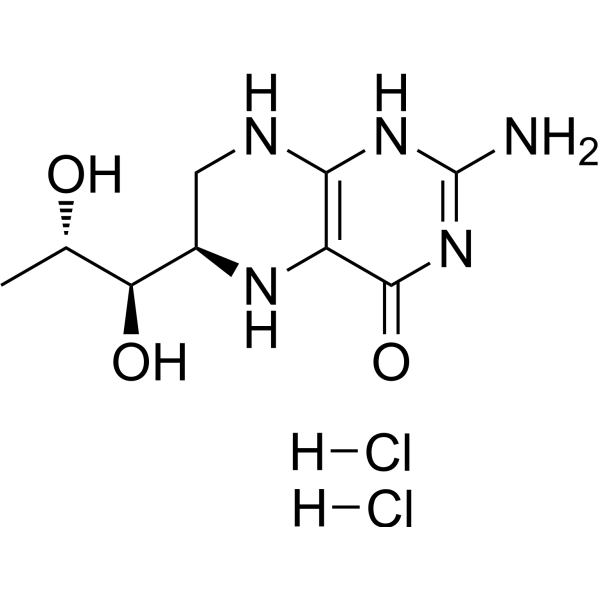 0 ImagesSynonyms: (6R)-BH4 dihydrochloride; (6R)-Tetrahydro-L-biopterin dihydrochlorideSapropterin ((6R)-BH4; (6R)-Tetrahydro-L-biopterin) dihydrochloride is an orally active phenylalanine hydroxylase (PAH) cofactor, which is effective in reducing blood phenylalanine concentrations. Sapropterin dihydrochloride can be used in study of phenylketonuria (PKU) phenylketonuria. Sapropterin dihydrochloride can aggravate experimental autoimmune encephalomyelitis (EAE).
-
Piperine
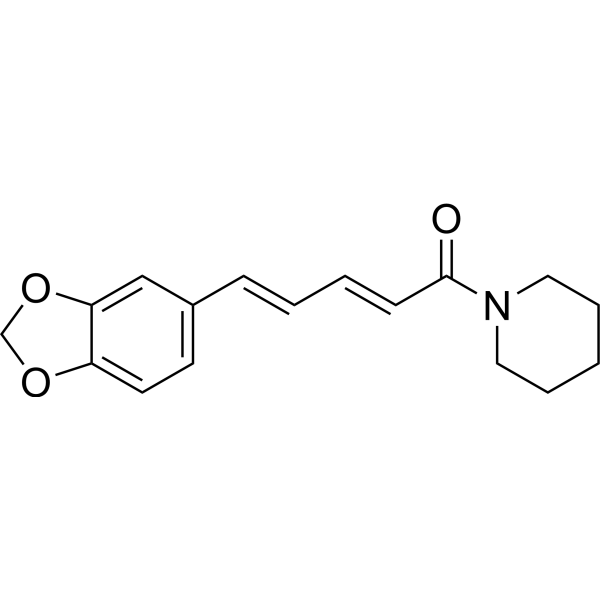 0 ImagesPiperine is an alkaloid, can be isolated from pepper. Piperine can inhibit the activity of P-glycoprotein and CYP3A4. Piperine inhibits HeLa cells with an IC50 of 61.94±0.054 μg/mL.
-
NAD sodium
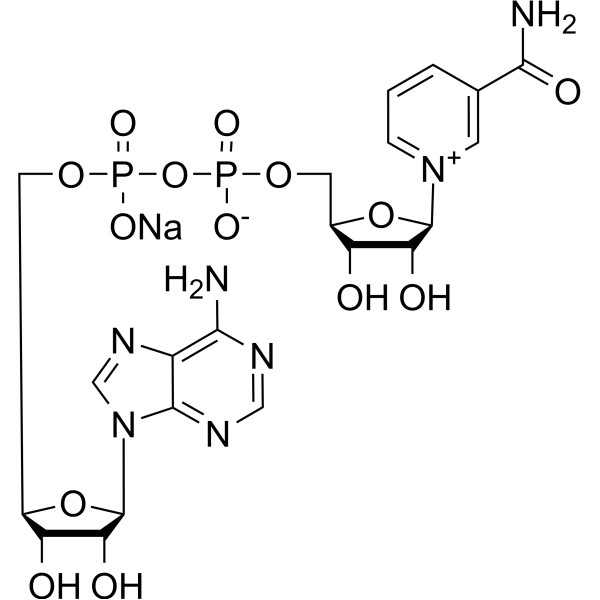 0 ImagesSynonyms: β-DPN sodium; β-NAD sodium; β-Nicotinamide Adenine Dinucleotide sodiumNAD sodium is an orally effective cofactor and homeostatic regulator. NAD sodium can be reduced to β-nicotinamide adenine dinucleotide (NADH) during coupling with reactions that oxidize organic substrates. NAD sodium can be converted to β-nicotinamide adenine dinucleotide (NADH) and passes to the inside of mitochondria, which indirectly generates ATP. NAD sodium can be used for the research of non-alcoholic fatty liver disease, obesity, and glucose intolerance.
-
Crustecdysone
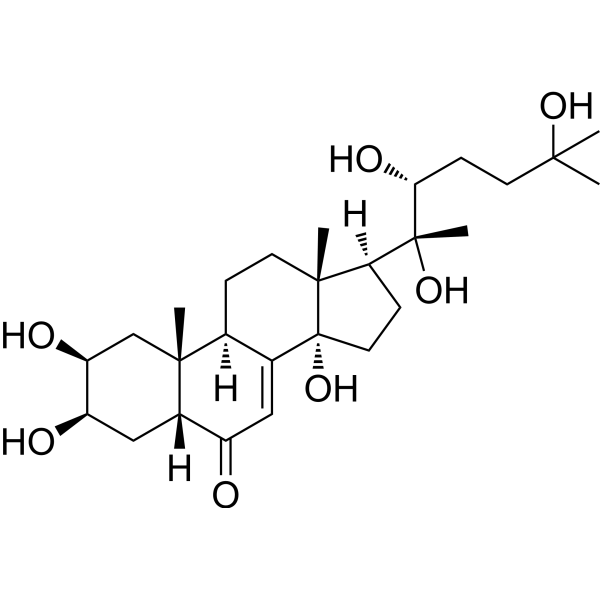 0 ImagesCrustecdysone (20-Hydroxyecdysone) is a naturally occurring ecdysteroid hormone isolated from Serratula coronata which controls the ecdysis (moulting) and metamorphosis of arthropods, it inhibits caspase activity and induces autophagy via the 20E nuclear receptor complex, EcR-USP. Crustecdysone exhibits regulatory or protective roles in the cardiovascular system. Crustecdysone is an active metabolite of Ecdysone (HY-N0179).
-
trans-Cinnamaldehyde
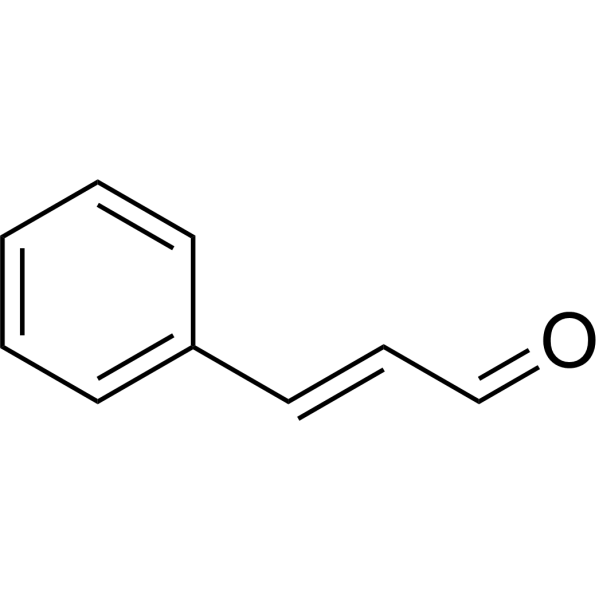 0 Imagestrans-Cinnamaldehyde can be used to prepare highly polyfunctionalized furan ring by reaction of alkyl isocyanides with dialkyl acetylenedicarboxylate. trans-Cinnamaldehyde can be used to synthesize trans-cinnamaldehyde -β-cyclodextrin complex, an antimicrobial edible coating that increases the shelf life of fresh-cut fruits.
-
L-Lactic acid-13C3
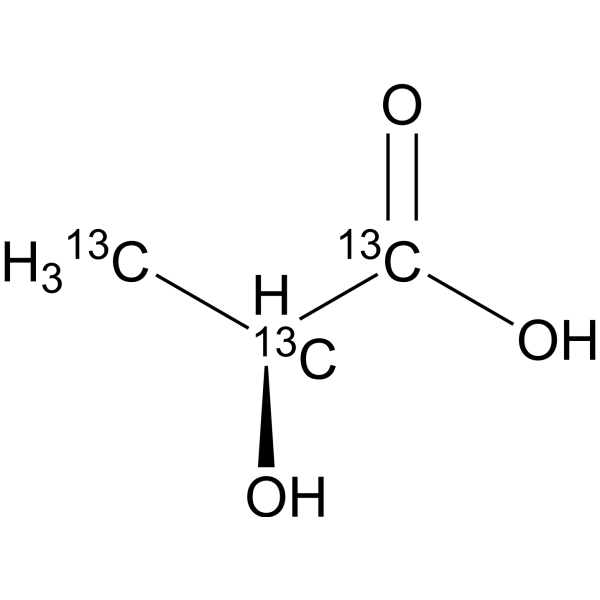 0 ImagesSynonyms: (S)-2-hydroxypropanoic-13-C3L-Lactic acid-13C3 is a 13C-labeled L-Lactic acid (HY-Y0479). L-Lactic acid-13C3 can be used for lactate metabolism research.
-
Beta-Sitosterol (purity>80%)
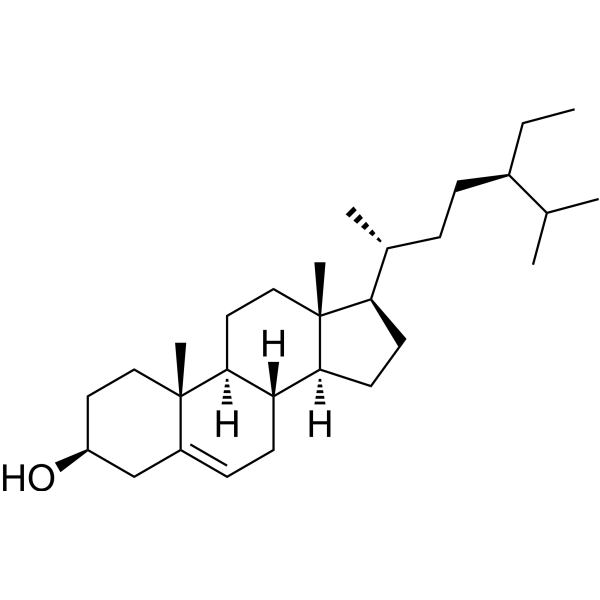 0 ImagesBeta-Sitosterol (purity≥80%) is orally active. Beta-Sitosterol exhibits multiple activities, including anti-inflammatory, anticancer, antioxidant, antimicrobial, antidiabetic, antioxidant enzyme, and analgesic. Beta-Sitosterol inhibits inflammation and impaired adipogenesis in bovine mammary epithelial cells by reducing levels of ROS, TNF-α, IL-1β, and NF-κB p65 and restoring the activity of the HIF-1α/mTOR signaling pathway. Beta-Sitosterol induces apoptosis in cancer cells through ROS-mediated mitochondrial dysregulation and p53 activation. Beta-Sitosterol exerts its anticancer effects in cancer cells by activating caspase-3, caspase-8, and caspase-9, mediating PARP inactivation, MMP loss, altered Bcl-2-Bax ratio, and cytochrome c release. Beta-Sitosterol modulates macrophage polarization and reduces rheumatoid inflammation in mice. Beta-Sitosterol inhibits tumor growth in multiple mouse cancer models. Beta-Sitosterol can be used in the research of arthritis, lung cancer, breast cancer and other cancers, diabetes, etc.



