



PPAR
Peroxisome proliferator-activated receptors (PPARs) are a group of nuclear receptor proteins that function as transcription factors regulating gene expression. There are three main isoforms: PPARα, PPARβ/δ, and PPARγ, each with distinct tissue distribution and biological roles. PPARα is primarily expressed in liver, heart, and muscle, where it regulates fatty acid oxidation and lipid metabolism[1]. PPARβ/δ is widely expressed and involved in energy homeostasis, glucose metabolism, and inflammation modulation[1]. PPARγ is highly expressed in adipose tissue and plays a central role in adipogenesis, insulin sensitivity, and lipid storage[2].
References:
- [1]. Man versus microbe. Nat Med. 2004 Dec;10(12 Suppl):S69. doi: 10.1038/nm1149. PMID: 15577933; PMCID: PMC7096048. et al. Nat Med. 2004 Dec;10(12 Suppl):S69. [Content Brief]
- [2]. Kiros M, et al. Trends in HIV-1 pretreatment drug resistance and HIV-1 variant dynamics among antiretroviral therapy-naive Ethiopians from 2003 to 2018: a pooled sequence analysis. Virol J. 2023 Oct 25;20(1):243. [Content Brief]
- [3]. Brent J, et al. Fomepizole for the treatment of ethylene glycol poisoning. Methylpyrazole for Toxic Alcohols Study Group. N Engl J Med. 1999 Mar 18;340(11):832-8. [Content Brief]
- [4]. Liu Y, et al. Neuron-mediated generation of regulatory T cells from encephalitogenic T cells suppresses EAE. Nat Med. 2006 May;12(5):518-25. [Content Brief]
- [5]. Paranjape AN, et al. Introduction of SV40ER and hTERT into mammospheres generates breast cancer cells with stem cell properties. Oncogene. 2012 Apr 12;31(15):1896-909. [Content Brief]
- [6]. Iancu-Rubin C, et al. Whirling Platelets Away for Transfusion. Cell. 2018 Jul 26;174(3):503-504. [Content Brief]
-
PPAR Related Products (396)
Related Products (396)

-
CP-775146
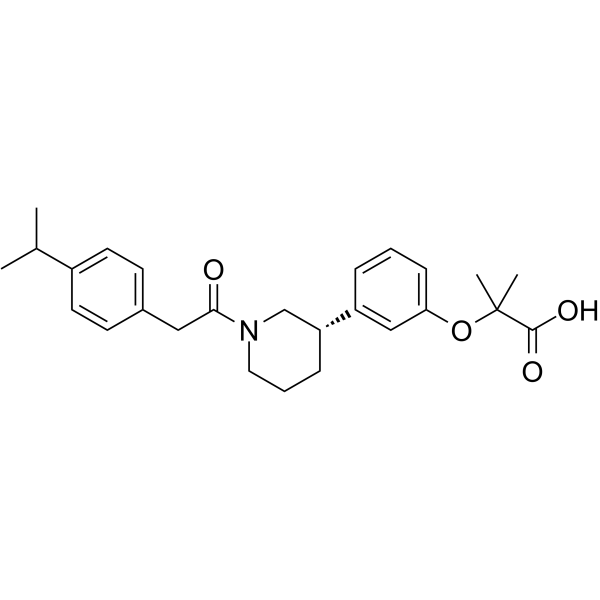 0 ImagesCP-775146 is a selective PPARα agonist (Ki of 24.5 nM) that binds strongly to the PPARα ligand. CP-775146 has no observable affinity for PPARβ and PPARγ.CP-775146 shows hypolipidemic activity. CP-775146 efficiently alleviates obesity-induced liver damage, prevents lipid accumulation by activating the liver fatty acid β-oxidation pathway.
-
Perfluoroenanthic acid
 0 ImagesSynonyms: Perfluoroheptanoic acid; Tridecafluoroheptanoic acid; PFHpAPerfluoroenanthic acid (Perfluoroheptanoic acid) is a kind of perfluoroalkyl carboxylic acid organic pollutant. Perfluoroenanthic acid has environmental persistence and bioaccumulation, and exposure can occur via oral, dermal and other routes. Perfluoroenanthic acid exhibits reproductive toxicity, neurotoxicity, hepatotoxicity, immunotoxicity and endocrine-disrupting effects. Perfluoroenanthic acid exerts definite adverse effects on development, spermatogenesis, neuronal activity and liver tissue.
-
Mavodelpar
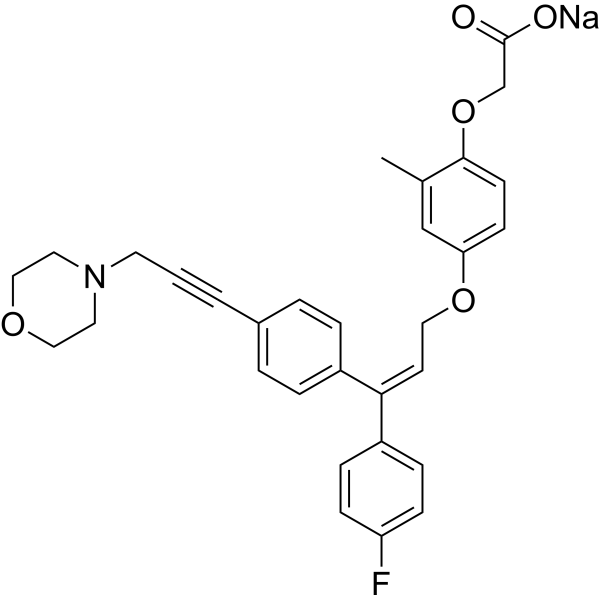 0 ImagesSynonyms: REN001; HPP593Mavodelpar (REN001) is a selective PPARδ agonist. Mavodelpar suppresses glomerular injury and renal fibrosis. Mavodelpar can be used for the research of primary mitochondrial myopathies (PMM) and long-chain fatty acid oxidation disorders (LC-FAOD). Mavodelpar is a click chemistry reagent, it contains an Alkyne group and can undergo copper-catalyzed azide-alkyne cycloaddition (CuAAc) with molecules containing Azide groups.
-
1-Methyladenosine-d3 hydriodide
 0 ImagesCat. No.: HY-113081S1Purity: 99.87%1-Methyladenosine-d3 hydriodide is the deuterium labeled 1-Methyladenosine (HY-113081). 1-Methyladenosine is an RNA modification that can serve as a tumor marker, with elevated levels in the body associated with cancer development. Following 1-methyladenosine methylation, upregulation of PPARδ expression regulates cholesterol metabolism and activates Hedgehog signaling pathway, driving liver tumorigenesis.
-
Methyl clofenapate
 0 ImagesSynonyms: Clofenapate methyl ester; MCPMethyl clofenapate (Clofenapate methyl ester; MCP) is a peroxisome proliferator, which can induce hypolipidemia, peroxisome proliferation, and hepatocarcinogenesis.
-
Monascin
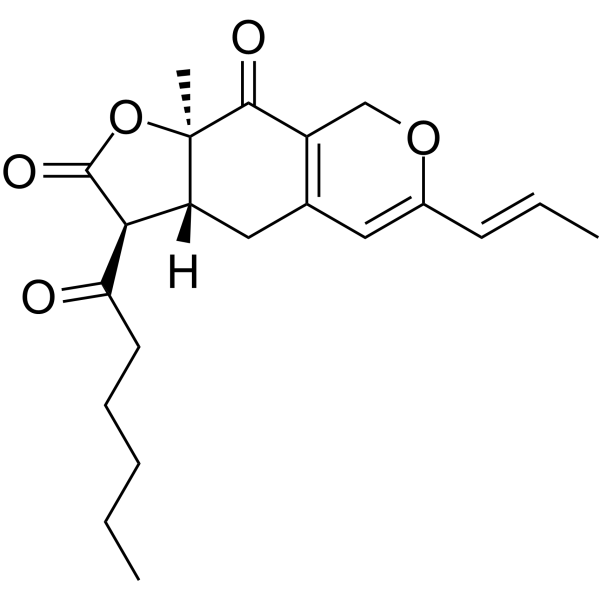 0 ImagesMonascin is a kind of azaphilonoid pigments extracted from Monascus pilosus-fermented rice (red-mold rice). Monascin also exhibits anti-tumor-initiating activity and anti-inflammatory activity with oral administration. Monascin inhibits the activation of NOR 1 (an NO donor). Monascin is a Nrf2 activator and PPARγ agonist.
-
Soyasaponin Ab
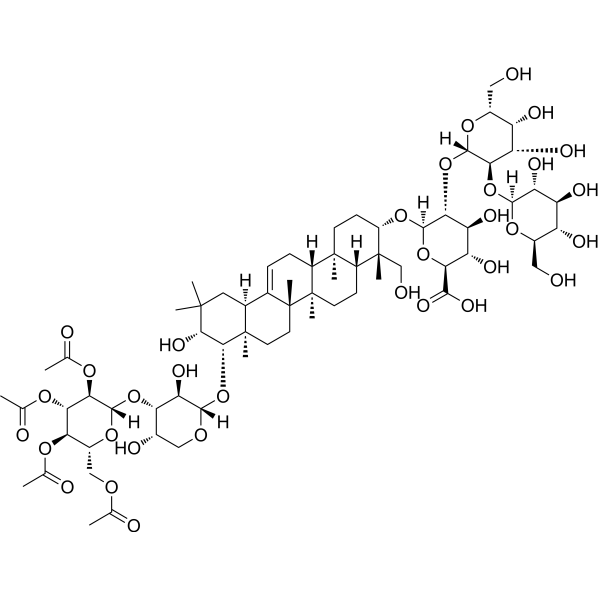 0 ImagesSoyasaponin Ab is an orally active soyasaponin. Soyasaponin Ab inhibits PPARγ transcriptional activity. Soyasaponin Ab induces apoptosis in high concentrations. Soyasaponin Ab exerts anti-obesity, anti-oxidation, anti-inflammation, anti-aging effects. Soyasaponin Ab prevents Scopolamine (HY-N0296)-induced memory impairment.
-
1-O-Hexadecyl-sn-glycerol
 0 ImagesSynonyms: (S)-1-O-HDG; (S)-HXDG1-O-Hexadecyl-sn-glycerol [(S)-HXDG] is an alkyl glycerol monoether derived from T. aurantia.
-
Sodium propionate-13C3
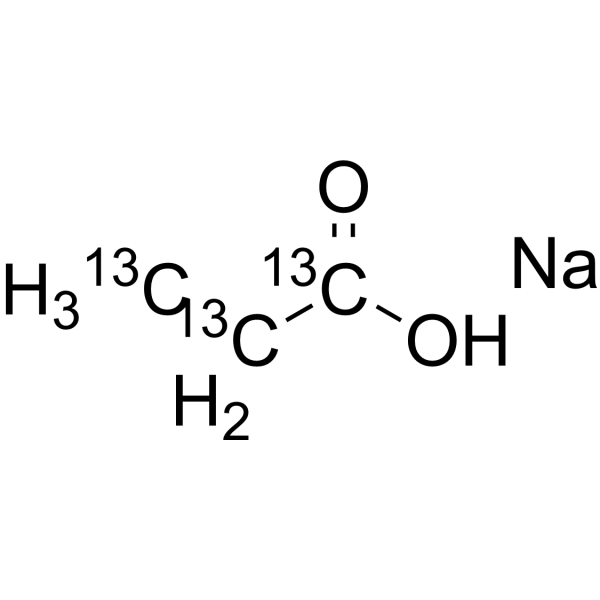 0 ImagesSodium propionate-13C-3 is the 13C-labeled Propionate sodium (HY-B1773A). Sodium propionate is an orally active short-chain fatty acid. Sodium propionate can be produced by intestinal bacteria from the metabolism of dietary fiber. Sodium propionate increases PPAR-γ, inhibits NF-κB activation, and reduces COX-2 expression and NO production. Sodium propionate also induces Apoptosis and Autophagy. Sodium propionate reduces HSV-1-induced keratitis. Sodium propionate has anticancer effects against glioblastoma. Sodium propionate exhibits neuroprotective, antioxidant, and anti-inflammatory activities. Sodium propionate can be used in the research of spinal cord injury and Alzheimer's disease.
-
Fenofibric acid-d6
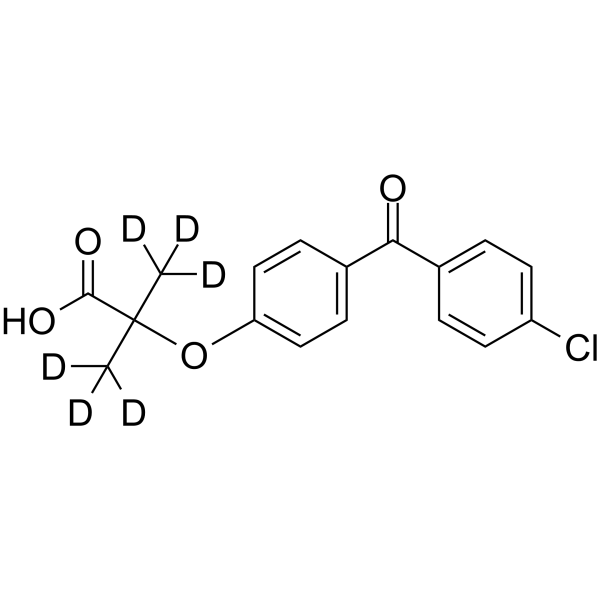 0 ImagesFenofibric acid-d6 (FNF acid-d6) is the deuterium labeled Fenofibric acid. Fenofibric acid, an active metabolite of fenofibrate, is a PPAR activitor, with EC50s of 22.4 µM, 1.47 µM, and 1.06 µM for PPARα, PPARγ and PPARδ, respectively; Fenofibric acid also inhibits COX-2 enzyme activity, with an IC50 of 48 nM.
-
Pioglitazone hydrochloride (Standard)
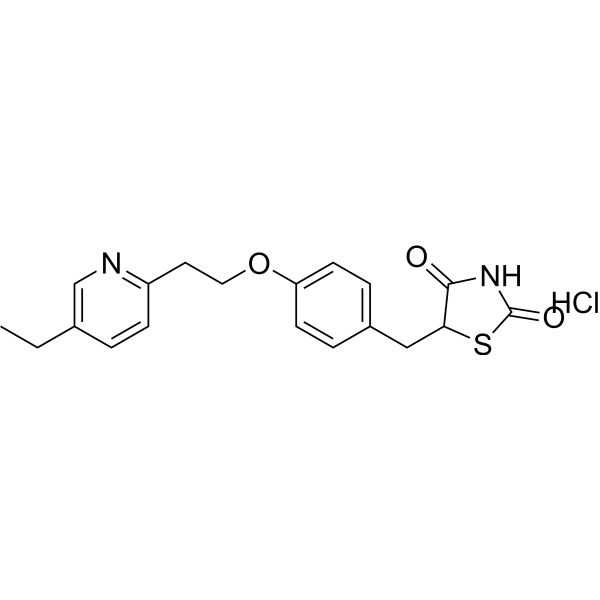 0 ImagesSynonyms: U 72107A (Standard); AD 4833 (Standard)Pioglitazone (hydrochloride) (Standard) is the analytical standard of Pioglitazone (hydrochloride). This product is intended for research and analytical applications. Pioglitazone hydrochloride is a potent and selective PPARγ agonist with EC50s of 0.93 and 0.99 μM for human and mouse PPARγ, respectively.
-
2-(Tetradecylthio)acetic acid
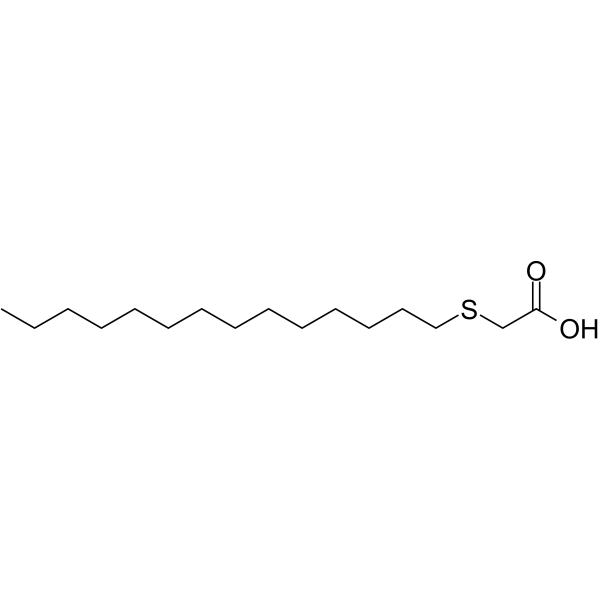 0 Images2-Tetradecylthio acetic acid is a pan-peroxisome proliferator activated receptor (pan-PPAR) activator. 2-Tetradecylthio acetic acid induces hypolipidemia. 2-Tetradecylthio acetic acid reduces plasma lipids and enhances hepatic fatty acid oxidation in rodents. 2-Tetradecylthio acetic acid increases the expression of genes involved in fatty acid uptake, activation, accumulation, and oxidation.
-
13-Oxo-ODE
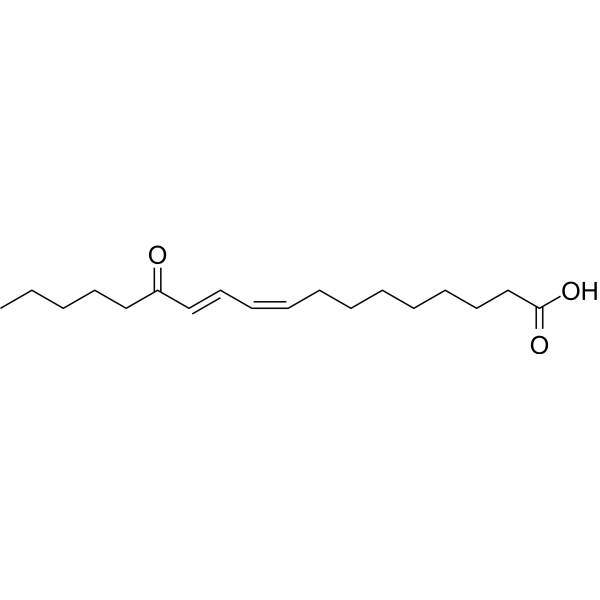 0 Images13-Oxo-ODE is an octadecadienoic acid, that can be isolated from the leaves of Artemisia argyi.
-
8(S)-HETE
 0 ImagesSynonyms: 8(S)-Hydroxyeicosatetraenoic acid8(S)-HETE (8(S)-Hydroxyeicosatetraenoic acid) is a major lipoxygenase product in PMA-treated murine epidermis. It activates mouse keratinocyte protein kinase C with an IC50 of 100 μM. 8(S)-HETE also activates PPARα selectively at concentrations as low as 0.3 μM. Stereochemical assignment of the (S) enantiomer is based on comparison of chiral HPLC retention times to published results.
-
Oleuropein (Standard)
 0 ImagesOleuropein (Standard) is the analytical standard of Oleuropein. This product is intended for research and analytical applications. Oleuropein, found in olive leaves and oil, exerts antioxidant, anti-inflammatory and anti-atherogenic effects through direct inhibition of PPARγ transcriptional activity. Oleuropein induces apoptosis in breast cancer cells via the p53-dependent pathway and through the regulation of Bax and Bcl2 genes. Oleuropein also inhibits aromatase.
-
Anandamide-d8
 0 ImagesSynonyms: AEA-d8Anandamide-d8 is a deuterated labeled Anandamide. Anandamide is an endocannabinoid. Anandamide modulates both neuronal and immune functions through two protein-coupled cannabinoid receptors (CB1 and CB2). Anandamide can activate numerous other receptors like PPARS, TRPV1, and GPR18/GPR55. Anandamide also has potential anti-fungal and anti-inflammatory activities. Anandamide can be used for the research of Alzheimer’s disease (AD) and ulcerative colitis.
-
Arecaidine hydrochloride
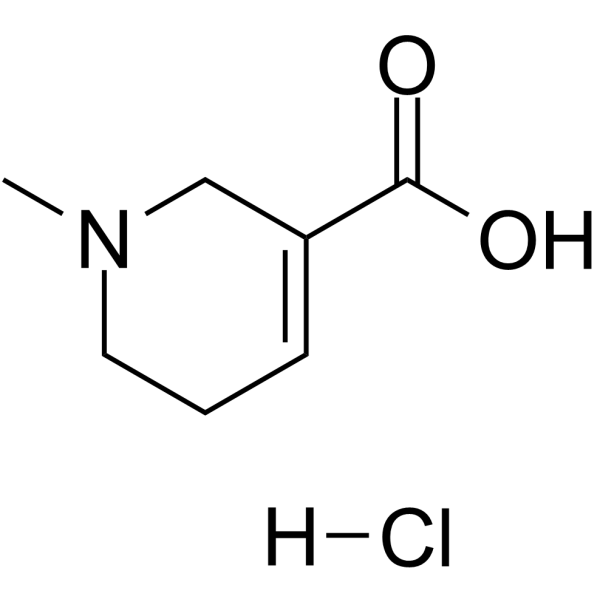 0 ImagesArecaidine hydrochloride is a GABA transport system inhibitor. Arecaidine hydrochloride inhibits the proliferation of oral mucosal fibroblasts, increases the secretion of IL-6, TGF-β and TNF-α in cells, downregulates the expression of PPAR-γ and PCK1 in cells, and upregulates the expression of TGF-β1. Arecaidine hydrochloride inhibits the uptake of γ-aminobutyric acid and β-alanine by the central nervous system of cats. Arecaidine hydrochloride inhibits hPAT1-mediated L-[3H]proline uptake in cells. Arecaidine hydrochloride can be used in research related to neurological diseases.
-
18α-Licorice-saponin H2
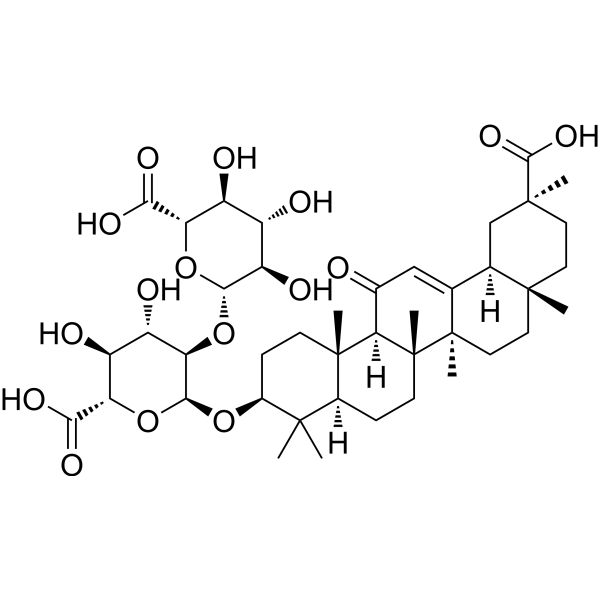 0 ImagesSynonyms: 18α-GA; Isoglycyrrhizinic acid; 18α-Glycyrrhizic acid18α-Glycyrrhizic acid (18α-GA; Isoglycyrrhizinic acid; 18α-Glycyrrhizic acid) is a derivative of glycyrrhizic acid with oral activity. 18α-Glycyrrhizic acid exhibits antioxidant, anti-inflammatory, hepatoprotective and cardioprotective activities. 18α-Glycyrrhizic acid protects against ethanol-induced alcoholic liver disease in rats by upregulating the expression levels of SOD, GSH, PPAR-α and CPT-1. 18α-Glycyrrhizic acid shows cytotoxicity against T lymphocytes and inhibits HIV-1 replication in these cells. 18α-Glycyrrhizic acid alleviates oxidative stress by reducing the levels of ROS, Nrf2, HO-1 and p-P65, and alleviates pyroptosis by downregulating the expression levels of NLRP3, GSDMD-N, P20 and c-IL-1β. 18α-Glycyrrhizic acid inhibits autophagy, colonic fibrosis and myocardial fibrosis, and regulates intestinal barrier integrity. 18α-Glycyrrhizic acid can be used in research related to alcoholic liver disease, HIV-1 infection, hepatotoxicity, acute liver failure, inflammatory bowel disease and myocardial fibrosis.
-
Pentadecanoic acid (Standard)
 0 Imagesα-Linolenic acid (Standard) is the analytical standard of α-Linolenic acid. This product is intended for research and analytical applications. α-Linolenic acid, isolated from Perilla frutescens, is an essential fatty acid that cannot be synthesized by humans. α-Linolenic acid can affect the process of thrombotic through the modulation of PI3K/Akt signaling. α-Linolenic acid possess the anti-arrhythmic properties and is related to cardiovascular disease and cancer.
-
23-epi-26-Deoxyactein
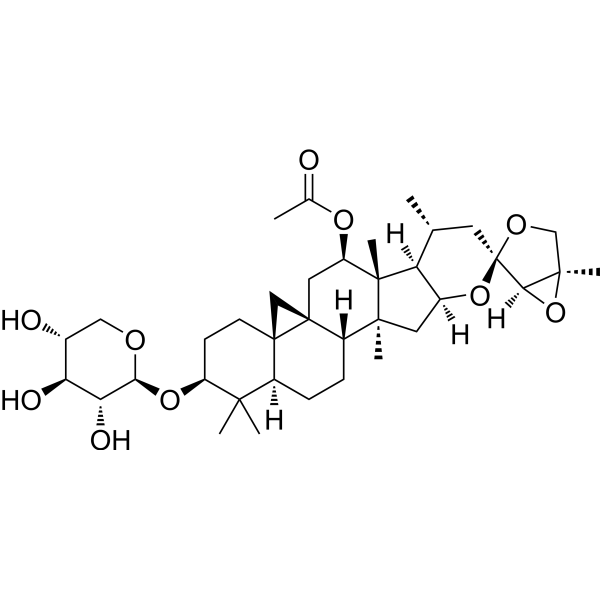 0 ImagesSynonyms: 27-Deoxyactein23-epi-26-Deoxyactein is a natural and orally active anti-obesity and anti-cancer compound.



