



PPAR Inhibitor
-
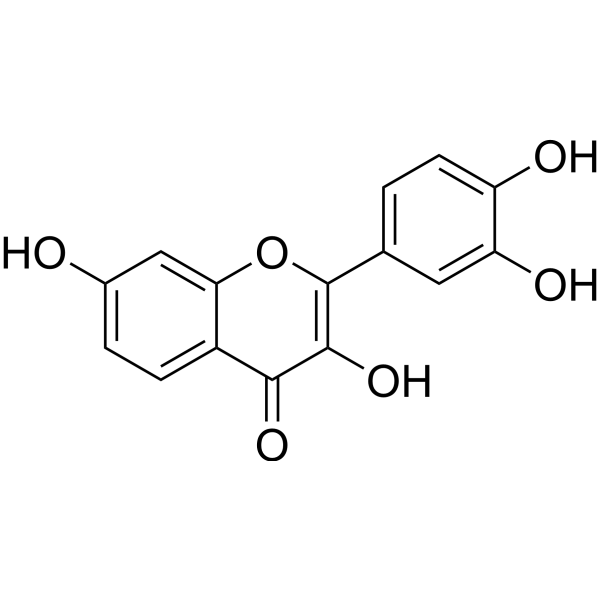
Fisetin
 0 Images
Fisetin is a natural flavonol found in many fruits and vegetables with various benefits, such as antioxidant, anticancer, neuroprotection effects.
-
Palacaparib
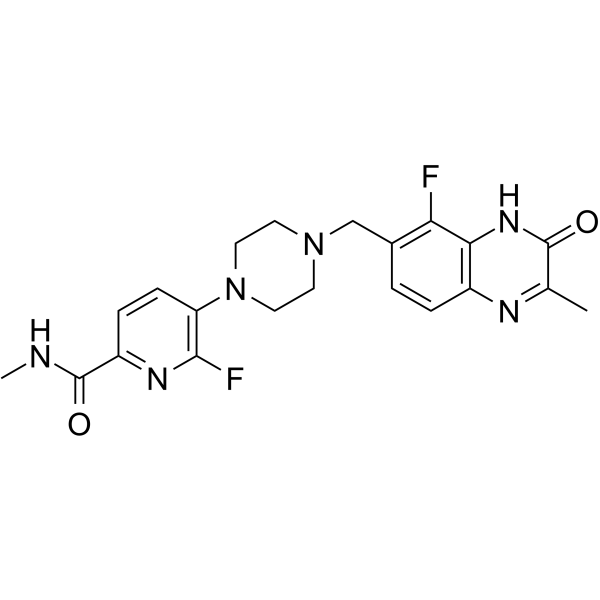 0 ImagesSynonyms: AZD-9574
AZD-9574 is a potent and brain penetrant PARP1 inhibitor and shows >8000-fold selectivity for PARP1 compared to PARP2/3/5a/6. AZD-9574 acts by selectively inhibiting and trapping PARP1 at the sites of SSBs. AZD-9574 is an anti-cancer agent and can be used for HRD+?breast cancer and advanced solid malignancies research.
-
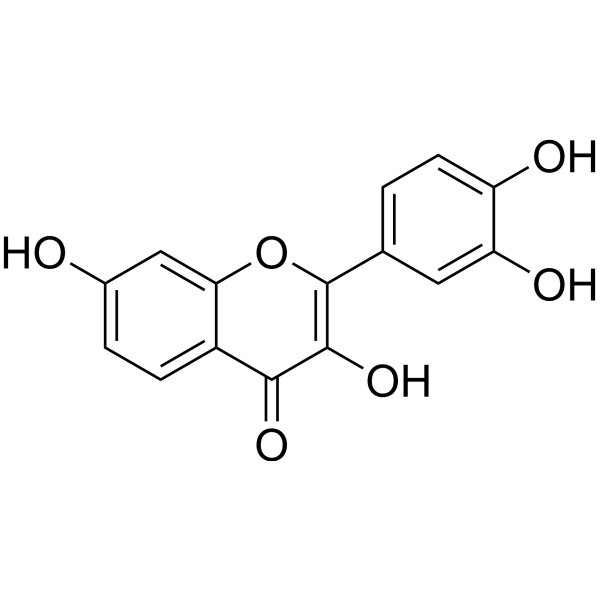
Fisetin (Standard)
 0 Images
Fisetin (Standard) is the analytical standard of Fisetin. This product is intended for research and analytical applications. Fisetin is a natural flavonol found in many fruits and vegetables with various benefits, such as antioxidant, anticancer, neuroprotection effects.
-
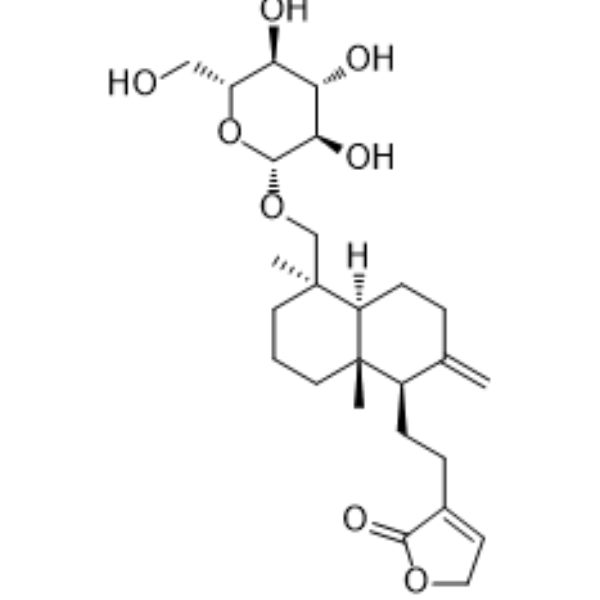
Neoandrographolide
 0 ImagesSynonyms: Neoandrographiside
Neoandrographolide is a diterpenoid compound isolated from Andrographis paniculata. Neoandrographolide inhibits osteoclasts differentiation and bone resorption through inhibition of MAPK/NF-κB/PI3K/AKT/GSK3β/PPAR/CAMK signaling pathway. Neoandrographolide inhibits apoptosis in rat embryonic ventricular cardiomyocytes. Neoandrographolide inhibits iNOS and the generation of ROS, activates eNOS, exhibiting anti-inflammatory and hypolipidemic activity.
-
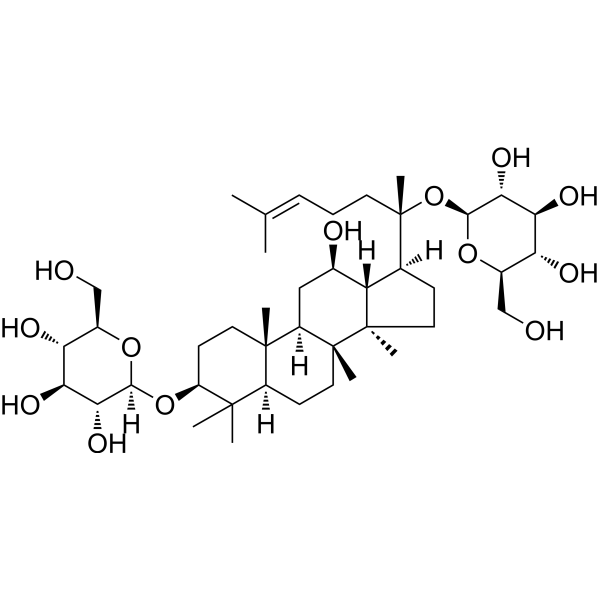
Ginsenoside F2
 0 Images
Ginsenoside F2 is an orally active bioactive compound that participates in the regulation of metabolism and inflammation. Ginsenoside F2 promotes the phosphorylation of AMPK and ACC, binds to PPARγ, inhibits the phosphorylation of MAPK, activates the PI3K/AKT/GSK-3β pathway, reduces GLRX expression, and regulates lipid metabolism. Ginsenoside F2 reduces ROS production and MDA levels, restores SOD activity in cells, and alleviates oxidative stress. Ginsenoside F2 induces cell apoptosis (Apoptosis) and increases the number of cleaved caspase-3-positive cells. Ginsenoside F2 reduces body weight gain, adipose tissue weight and serum lipid levels in obese mice, and activates the hepatic AMPK signaling pathway and the expression of antioxidant enzymes. Ginsenoside F2 alleviates atopic dermatitis in mice by inhibiting inflammation and reshaping the gut microbiota. Ginsenoside F2 is applicable to research related to insulin resistance, obesity, atopic dermatitis, liver cancer, glioblastoma and glioma.
-
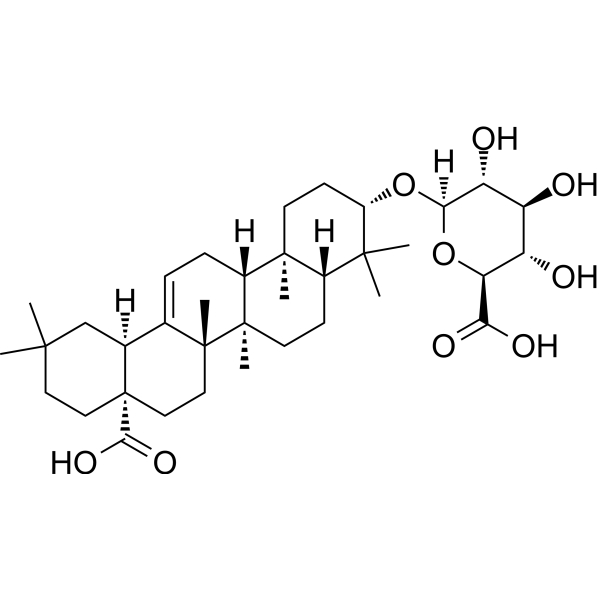
Calenduloside E
 0 Images
Calenduloside E is a pentacyclic triterpenoid saponin that can be extracted from the bark and roots of Aralia ovata, and has anti-inflammatory and anti-apoptotic activities. Calenduloside E alleviates atherosclerosis by regulating macrophage polarization, improves mitochondrial function by regulating the AMPK-SIRT3 pathway, and alleviates acute liver injury. In addition, Calenduloside E promotes the interaction between L-type calcium channels and Bcl-2 related apoptosis genes, inhibits calcium overload, and alleviates myocardial ischemia/reperfusion injury. Calenduloside E also improves non-alcoholic fatty liver disease by regulating heat shock-dependent pathways, and inhibits ROS mediated JAK1-STAT3 pathways to reduce cellular inflammatory responses.
-
Keracyanin chloride
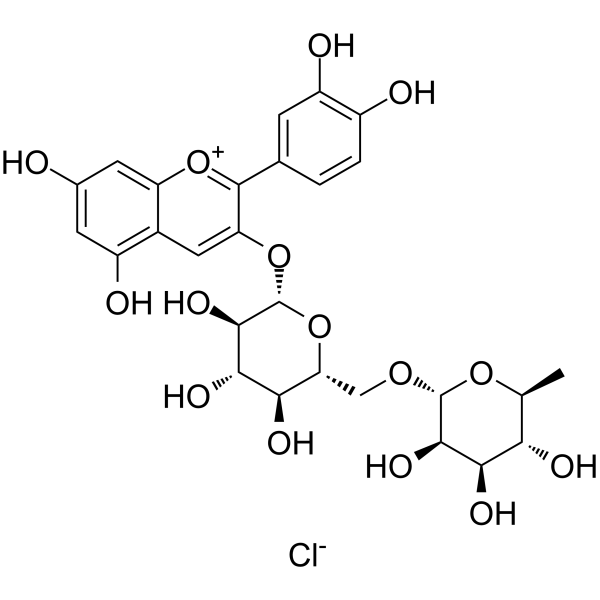 0 ImagesSynonyms: Cyanidin 3-rutinoside chloride; Cyanidin 3-O-rutinoside chloride; Sambucin chloride
Keracyanin chloride inhibits NF-κB/FAK/MAPK signaling pathway. Keracyanin chloride exhibits antioxidant, anti-inflammatory and hypoglycemic effects, and is orally active.
-
Arecaidine
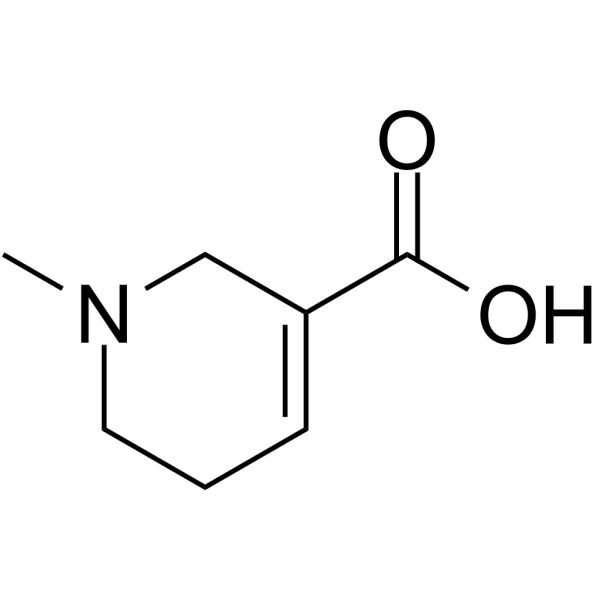 0 Images
Arecaidine is a GABA transport system inhibitor. Arecaidine inhibits the proliferation of oral mucosal fibroblasts, increases the secretion of IL-6, TGF-β and TNF-α in cells, downregulates the expression of PPAR-γ and PCK1 in cells, and upregulates the expression of TGF-β1. Arecaidine inhibits the uptake of γ-aminobutyric acid and β-alanine by the central nervous system of cats. Arecaidine inhibits hPAT1-mediated L-[3H]proline uptake in cells. Arecaidine can be used in research related to neurological diseases.

-
Soyasaponin Ab
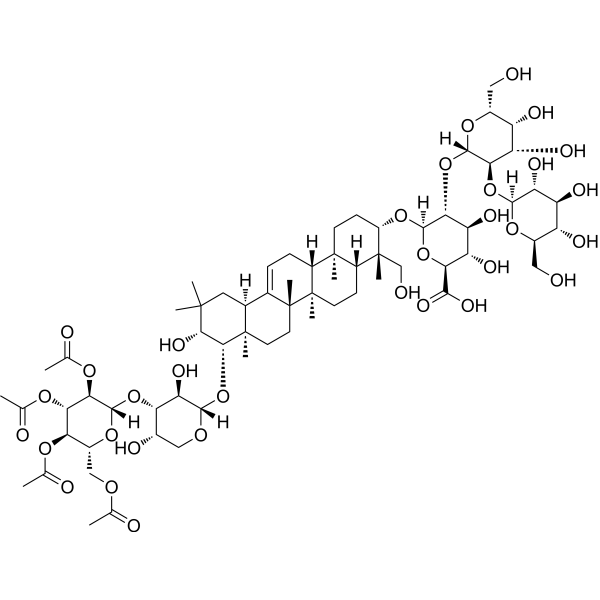 0 Images
Soyasaponin Ab is an orally active soyasaponin. Soyasaponin Ab inhibits PPARγ transcriptional activity. Soyasaponin Ab induces apoptosis in high concentrations. Soyasaponin Ab exerts anti-obesity, anti-oxidation, anti-inflammation, anti-aging effects. Soyasaponin Ab prevents Scopolamine (HY-N0296)-induced memory impairment.
-
Oleuropein (Standard)
 0 Images
Oleuropein (Standard) is the analytical standard of Oleuropein. This product is intended for research and analytical applications. Oleuropein, found in olive leaves and oil, exerts antioxidant, anti-inflammatory and anti-atherogenic effects through direct inhibition of PPARγ transcriptional activity. Oleuropein induces apoptosis in breast cancer cells via the p53-dependent pathway and through the regulation of Bax and Bcl2 genes. Oleuropein also inhibits aromatase.
-
Arecaidine hydrochloride
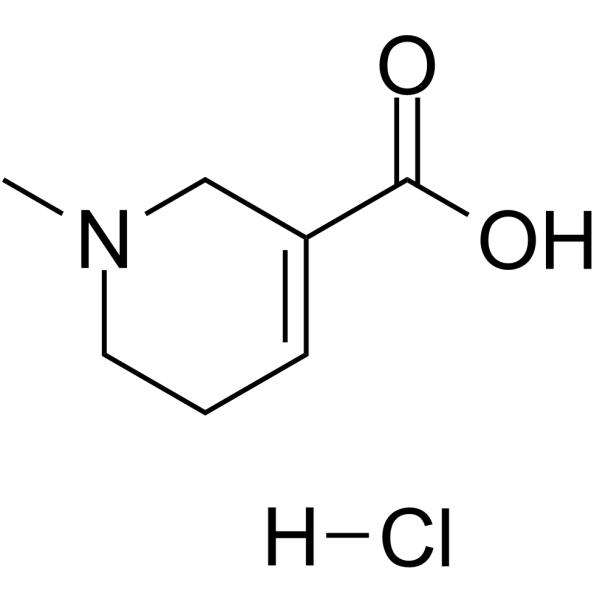 0 Images
Arecaidine hydrochloride is a GABA transport system inhibitor. Arecaidine hydrochloride inhibits the proliferation of oral mucosal fibroblasts, increases the secretion of IL-6, TGF-β and TNF-α in cells, downregulates the expression of PPAR-γ and PCK1 in cells, and upregulates the expression of TGF-β1. Arecaidine hydrochloride inhibits the uptake of γ-aminobutyric acid and β-alanine by the central nervous system of cats. Arecaidine hydrochloride inhibits hPAT1-mediated L-[3H]proline uptake in cells. Arecaidine hydrochloride can be used in research related to neurological diseases.
-
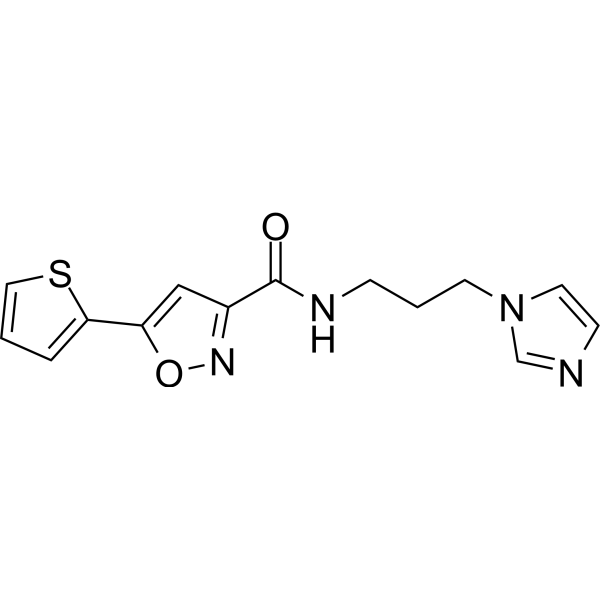
ISX-1
 0 Images
ISX-1 is an isoxazole. ISX-1 has anti-adipogenic and pro-osteogenic activities. ISX-1 can be used for the research of osteopenia and osteoporosis.
-
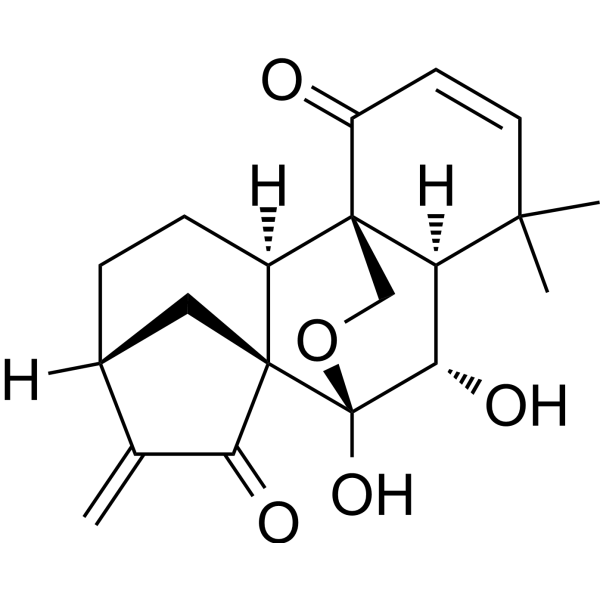
Eriocalyxin B
 0 Images
Eriocalyxin B is a diterpenoid compound that can be isolated from Chinese herb Isodon eriocalyx. Eriocalyxin B exhibits multiple activities, such as anti-cancer, anti-inflammatory, and inhibition of adipogenesis. Eriocalyxin B is capable of inducing apoptosis and autophagy in tumor cells. Eriocalyxin B can be used in the research of cancers, autoimmune diseases, and other conditions.
-
PPARA Human Pre-designed siRNA Set A
 0 ImagesCat. No.: HY-RS10919
PPARA Human Pre-designed siRNA Set A contains three designed siRNAs for PPARA gene (Human), as well as a negative control, a positive control, and a FAM-labeled negative control.
-
SR10221
 0 Images
SR10221, a noncovalent inverse agonist of PPARγ, represses downstream PPARγ target genes leading to growth inhibition in bladder cancer cell lines.
-
Ppara Mouse Pre-designed siRNA Set A
 0 ImagesCat. No.: HY-RS10920
Ppara Mouse Pre-designed siRNA Set A contains three designed siRNAs for Ppara gene (Mouse), as well as a negative control, a positive control, and a FAM-labeled negative control.



