



STAT
STAT is a family of cytoplasmic protein that regulates many aspects of growth, survival and differentiation in cells. The transcription factors of this family are activated by Janus kinase and dysregulation of this pathway is frequently observed in primary tumours and leads to increased angiogenesis, enhanced survival of tumours and immunosuppression. Gene knockout studies have provided evidence that STAT proteins are involved in the development and function of the immune system and play a role in maintaining immune tolerance and tumour surveillance. STAT proteins were originally described as latent cytoplasmic transcription factors that require phosphorylation for nuclear retention. The unphosphorylated STAT proteins shuttle between cytosol and the nucleus waiting for its activation signal. Once the activated transcription factor reaches the nucleus, it binds to consensus DNA-recognition motif called gamma-activated sites (GAS) in the promoter region of cytokine-inducible genes and activates transcription of these genes.
STAT Isoform Specific Products
All Product Categories
-
STAT Inhibitors
(716)
View all products
-
STAT Agonists
(9)
View all products
-
STAT Antagonists
(5)
View all products
-
STAT Activators
(78)
View all products
-
STAT Modulators
(23)
View all products
-
STAT Inducers
(2)
View all products
-
STAT Degraders
(26)
View all products
-
STAT Controls
(2)
View all products
-
STAT Ligands
(7)
View all products
-
STAT 관련 제품 (931)
관련 제품 (931)

-
Antibodies (25)
-
STAT Isoform Comparison
-
Flurbiprofen axetil
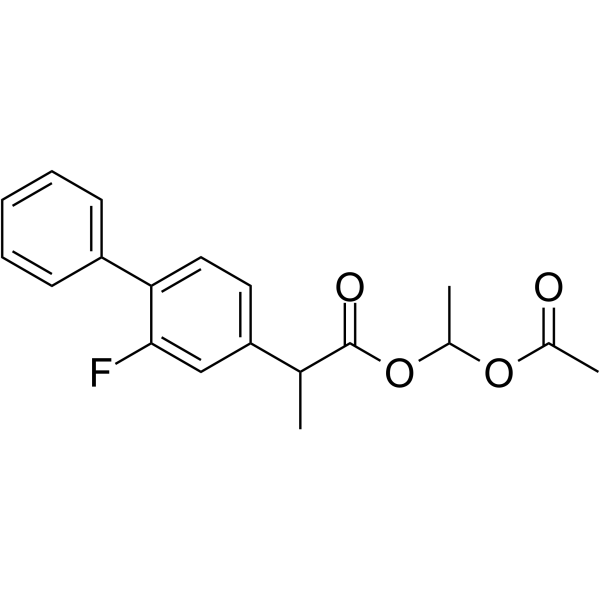 0 ImagesFlurbiprofen axetil is a non-selective COX inhibitor and a nonsteroidal anti-inflammatory agent with anti-inflammatory and analgesic effects. Flurbiprofen axetil inhibits basal-like breast cancer metastasis by inhibiting the MEK/ERK signaling pathway. Flurbiprofen axetil can promote neuroprotection after focal cerebral ischemia in rats by partially activating PPAR-γ. Flurbiprofen axetil alleviates cerebral ischemia/reperfusion injury by reducing inflammation in a transient global cerebral ischemia/reperfusion rat model. Flurbiprofen axetil can alleviate inflammatory responses and cognitive function in a mild cognitive impairment (MCI) SD rat model through the AMPKα/NF-κB signaling pathway.

-
Icotrokinra hydrochloride
 0 ImagesCat. No.: HY-P10587BPurity: 99.74%Synonyms: JNJ-77242113 hydrochloride; JNJ-2113 hydrochloride; PN-235 hydrochlorideIcotrokinra (JNJ-77242113) hydrochloride is an orally available, selective antagonist of the IL-23 receptor. Icotrokinra hydrochloride inhibits IL-23-induced STAT3 phosphorylation in peripheral blood mononuclear cells (IC50=5.6 pM) and inhibits IL-23-induced interferon IFN-γ production in NK cells with an IC50 of 18.4 pM. Icotrokinra hydrochloride exhibits anti-inflammatory activity in a rat TNBS-induced colitis model. Icotrokinra hydrochloride can be used in the study of psoriasis, psoriatic arthritis, and inflammatory bowel disease.
-
Pimozide (Standard)
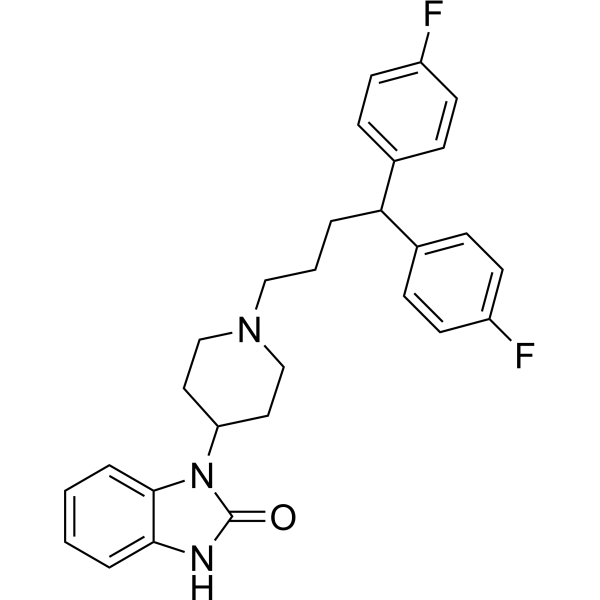 0 ImagesPimozide (Standard) is the analytical standard of Pimozide. This product is intended for research and analytical applications. Pimozide is a dopamine receptor antagonist, with Kis of 1.4 nM, 2.5 nM and 588 nM for dopamine D2, D3 and D1 receptors, respectively, and also has affinity at α1-adrenoceptor, with a Ki of 39 nM; Pimozide also inhibits STAT3 and STAT5.
-
Cyclanoline chloride
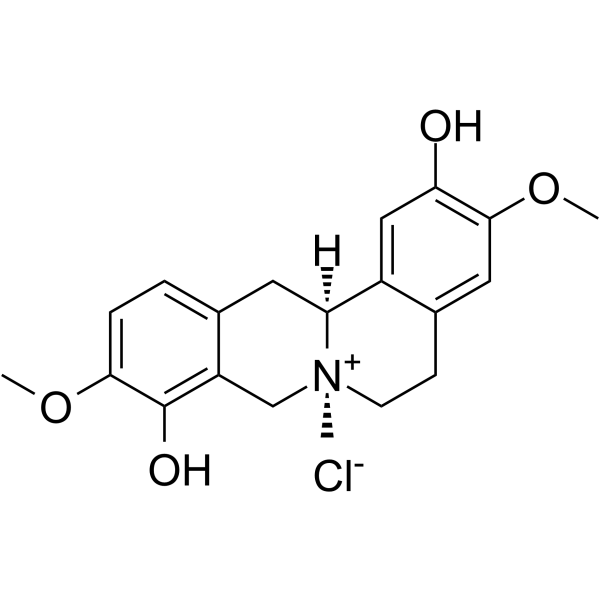 0 ImagesCat. No.: HY-120692CAS No.: 17472-50-3Cyclanoline chloride is an alkaloid. Cyclanoline chloride can be isolated from Fangji. Cyclanoline (chloride) inhibits the phosphorylation of JAK2 and STAT3, and induces Apoptosis. Cyclanoline chloride suppresses tumor growth in subcutaneous bladder cancer xenograft models of nude mice. Cyclanoline chloride reverses cisplatin resistance in bladder cancer cells and enhances the efficacy of Cisplatin (HY-17394). Cyclanoline chloride can be used for research related to bladder cancer.
-
STAT3-IN-24, cell-permeable
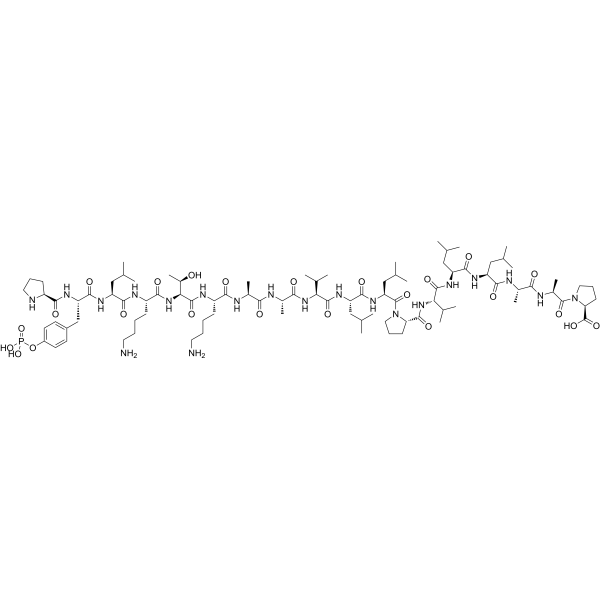 0 ImagesSynonyms: PpYLKTK-mts; STAT3 PI

-
JI069
 0 ImagesJI069 is a novel JAK-STAT inhibitor that demonstrates potent activity in suppressing Th1, Th2, and Th17 differentiation while promoting iTreg differentiation. JI069 effectively inhibits STAT3 activation as well as the activation of other STATs, including STAT1, STAT5, and STAT6. JI069 has shown significant therapeutic potential in alleviating symptoms of collagen-induced arthritis in mice while inhibiting cytokine production from T cells and the phosphorylation of STAT3 in synovial cells.
-
XOMA-213
 0 ImagesCat. No.: HY-P991358Purity: 98.46%Synonyms: LFA-102; X213XOMA-213 (LFA-102; X213) is a human monoclonal antibody (mAb) targeting the prolactin receptor (PRLR), with a Kd value of 2 nM against the human target. XOMA-213 blocks PRL-induced cell proliferation and inhibits the activation of multiple PRLR ligands, including PRL and human growth hormone (hGH). XOMA-213 suppresses PRL-induced phosphorylation of Stat5, Akt and ERK1/2 in cells. XOMA-213 induces tumor regression, delays disease progression, and inhibits PRLR signaling as well as tumor growth. XOMA-213 can be used in research related to breast cancer.

-
Diosgenin (Standard)
 0 ImagesDiosgenin (Standard) is the analytical standard of Diosgenin. This product is intended for research and analytical applications. Diosgenin, a steroidal saponin, can inhibit STAT3 signaling pathway. Diosgenin is an exogenous activator of Pdia3/ERp57. Diosgenin inhibits aortic atherosclerosis progression by suppressing macrophage miR-19b expression.
-
15(R)-Lipoxin A4
 0 ImagesSynonyms: 15-epi-LXA415 (R)-Lipoxin A4 (15-epi-LXA4) is a specialized pro-resolving mediator and an acetylated derivative of COX2. 15 (R)-Lipoxin A4 is present in neurons. 15 (R)-Lipoxin A4 induces the SPM synthases ALOX12 and ALOX15, as well as the pro-resolving receptor ALX. 15 (R)-Lipoxin A4 inhibits protein kinases, including JNK1/2/3, Lyn, STAT-3 and STAT-6. 15 (R)-Lipoxin A4 enhances the release of pro-resolving mediators. 15 (R)-Lipoxin A4 alleviates the pro-inflammatory phenotype of tendon-derived stromal cells. 15 (R)-Lipoxin A4 promotes the resolution of neuroinflammation. 15 (R)-Lipoxin A4 is applicable to research related to achilles tendinitis, achilles tendon rupture and Alzheimer’s disease.
-
Globulol
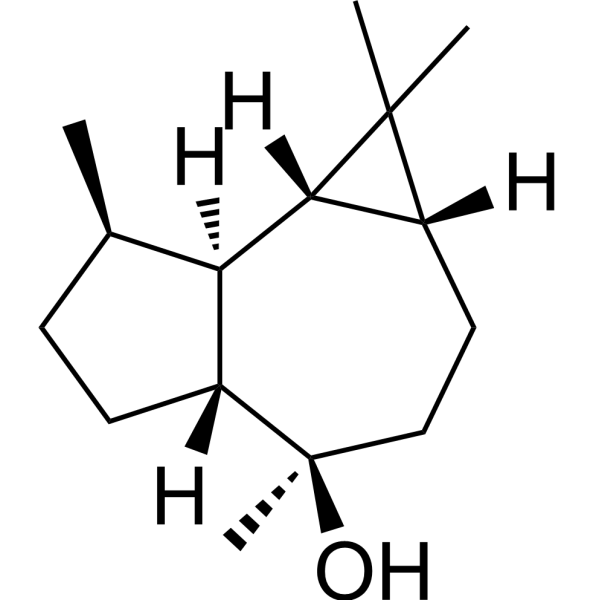 0 ImagesGlobulol is a terpenoid metabolite and Antimicrobial agent. Globulol can be isolated from Alpinia oxyphylla Miq. Globulol binds to PAK4, reduces the expression level of PAK4 in cancer cells, decreases the phosphorylation of AKT, and downregulates the expressions of STAT3, phosphorylated STAT3, and PD-L1. Globulol promotes the secretion of CCL4 by cancer cells. Globulol reduces the viability and proliferation ability of cancer cells, induces G0/G1 cell cycle arrest and Apoptosis in cancer cells, and inhibits cancer cell migration and the integrity of 3D tumor spheres. Globulol enhances the relevant effects of anti-PD-1 agents in the cancer cell microenvironment. Globulol exhibits anticancer activity against liver cancer. Globulol inhibits the mycelial growth of phytopathogenic fungi and the growth of phytopathogenic bacteria. Globulol can be used in studies related to hepatocellular carcinoma.
-
KT-333 ammonium
 0 ImagesKT-333 ammonium (Compound A) is a molecular glues that degrades STAT3 protein. KT-333 ammonium mediates the selective degradation of STAT3 through the ubiquitin-proteasome system by binding to STAT3 protein and E3 ubiquitin ligase von Hippel-Lindau protein (VHL). KT-333 ammonium has strong selectivity for STAT3 protein degradation and good antitumor activity. KT-333 ammonium can be used in the study of hematologic malignancies such as large granular lymphocytic leukemia (LGL-L), peripheral T-cell lymphoma (PTCL), and cutaneous T-cell lymphoma (CTCL).
-
Butamirate
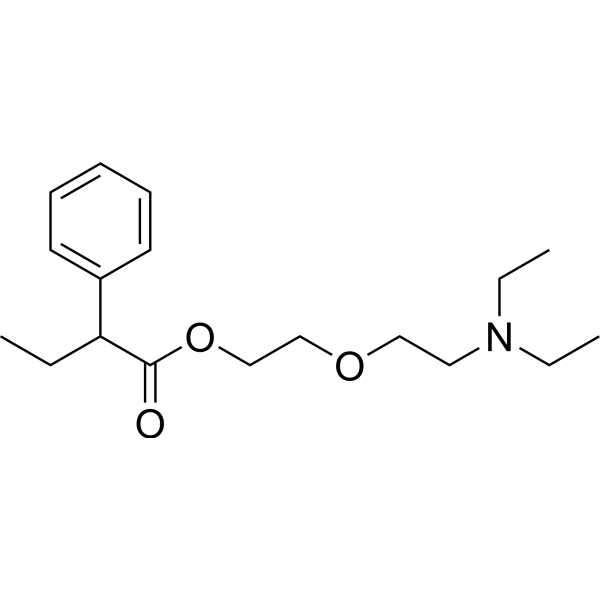 0 ImagesCat. No.: HY-118545CAS No.: 18109-80-3Butamirate is an orally active antitussive agent that acts centrally through the receptors in the brainstem. Butamirate also reduces the resistance in the airways by inhibiting bronchospasm and anti-inflammatory effect. Butamirate inhibits glioblastoma (GBM) growth and STAT3 activity. Butamirate can be used for the study of glioblastoma.
-
Nitroaspirin
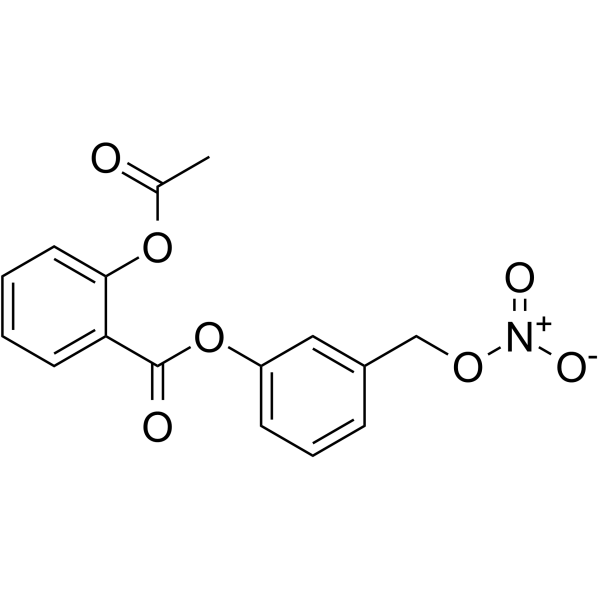 0 ImagesSynonyms: NCX 4016Nitroaspirin (NCX 4016) is an orally active inhibitor of ARG1 and NOS2. Nitroaspirin reduces ARG1 enzymatic activity via the STAT6-mediated signaling pathway, and feedback-inhibits the catalytic activity of NOS2 in a NO-releasing group-dependent manner. Nitroaspirin continuously releases intracellular NO, inducing redox-dependent loss of cell viability. Nitroaspirin also exerts anti-angiogenic effects by causing endothelial barrier dysfunction, and effectively inhibits the proliferation of Cisplatin (HY-17394)-resistant human ovarian cancer cells. Nitroaspirin can be used in research related to colon cancer, breast cancer and Cisplatin-resistant human ovarian cancer.
-
WCY-8-67
 0 ImagesCat. No.: HY-178500CAS No.: 3052618-54-6WCY-8-67 is an orally active and selective USP5 inhibitor, with an IC50 value of 1.33 μM. WCY-8-67 induces apoptosis and suppresses JAK/STAT3 and PI3K/AKT signaling pathways in vitro. WCY-8-67 inhibits proliferation of AE-positive AML cells, induces G1 phase arrest and differentiation of AML cells. WCY-8-67 demonstrates potent anti-leukemic efficacy in mice. WCY-8-67 can be used for the study of acute myeloid leukemia.
-
Itacitinib adipate
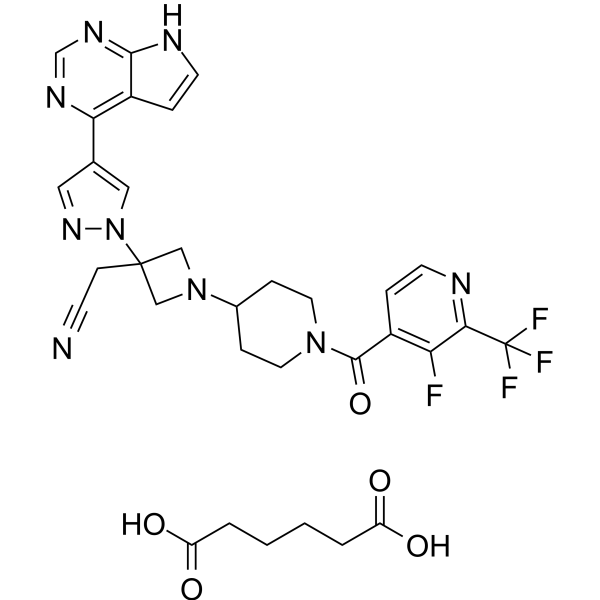 0 ImagesSynonyms: INCB039110 adipateItacitinib adipate (INCB039110 adipate) is an orally active JAK1-selective inhibitor. Itacitinib adipate inhibits IFN-γ-mediated phosphorylation of STAT1 and downstream pro-inflammatory signaling pathways. Itacitinib adipate reduces the frequency and number of splenic neutrophils in mouse models, downregulates the levels of pro-inflammatory cytokines and chemokines, and inhibits pro-inflammatory gene expression pathways. Itacitinib adipate improves survival rate and clinical scores in mouse models of hemophagocytic lymphohistiocytosis (HLH), and also suppresses metastasis in NSCLC models with high Rab1A expression. Itacitinib adipate can be used for research on hemophagocytic lymphohistiocytosis and non-small cell lung cancer.
-
Mocravimod
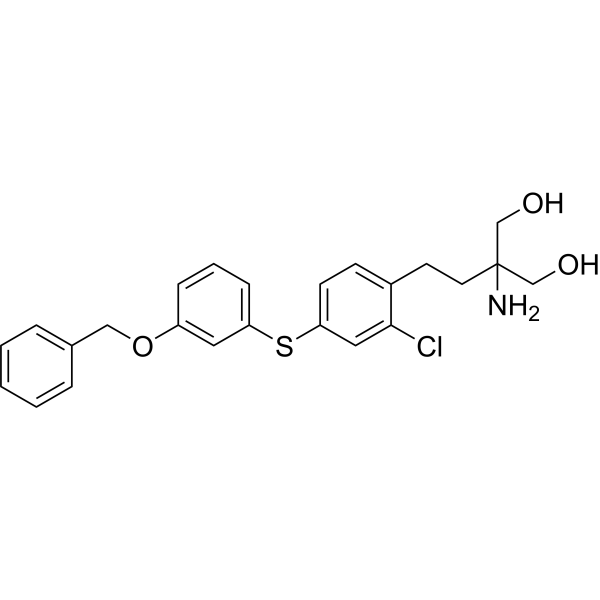 0 ImagesSynonyms: KRP-203 free baseMocravimod (KRP-203 free base) is a sphingosine-1-phosphate receptor (S1PR) modulator that blocks the signal required by T cells to egress from lymph nodes and other lymphoid organs. Mocravimod preferentially binds to S1PR1 over S1PR2 and S1PR3 in cardiomyocytes. Mocravimod significantly lowered the concentration of reactive oxygen species (ROS), prevented mitochondrial permeability transition pore opening, boosted mitochondrial membrane potential (MMP), and increased phosphorylation of AKT, EKR, GSK-3β, JAK2, and STAT3. Mocravimod retains T cell effector function. Mocravimod can be used for the study of acute myelogenous leukemia, diabetes and Myocardial Ischemia-Reperfusion Injury (MIRI).
-
DCZ3301
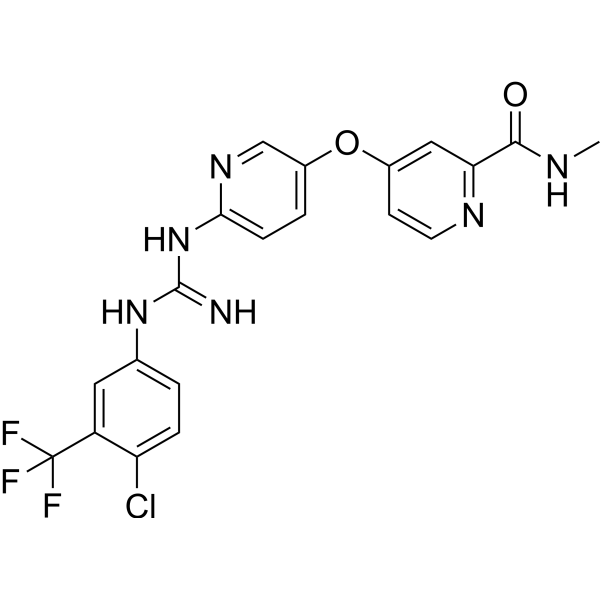 0 ImagesDCZ3301 is an apoptosis inducer. DCZ3301 modulates JAK2/STAT3, ERK1/2, and PI3K/AKT pathways. DCZ3301 induces G2/M and M phase cell cycle arrest and inhibits cell proliferation and viability. DCZ3301 enhances DNA damage, inhibits DNA repair, and suppresses angiogenesis. DCZ3301 can be used for the research of diffuse large B-cell lymphoma, multiple myeloma and leukemia/lymphoma.




