



Fluorescent Dye
Fluorescence is a phenomenon of photoluminescence in luminescence. When an atom is irradiated by light, some electrons around the nucleus jump from their original orbitals to higher energy orbitals under the influence of light energy, i.e., from the ground state to the first or second excited single-line state, etc. Due to the instability of the first or second excited singlet state, the electron returns from the excited singlet state to the ground state accompanied by released energy, resulting in fluorescence.
Fluorescent dyes can be covalently bound or physically adsorbed in the structure of the substance. The fluorescence properties allow for the characterization, localization and quantitative analysis of the labeled object. Fluorescent dyes have shown great potential for the detection of proteins, nucleic acids, cells, and immunoassays, attributed to the advantages in non-radioactive contamination, simple experimental operation and easy observation.
Fluorescent dyes have penetrated many fields such as pharmacology, physiology, environmental science, and information science, as well as functional studies of proteins and drug screening.
All Product Categories
-
Fluorescent Dye Related Products (4914)
Related Products (4914)

-
Antibodies (4)
-
FM1-43 (solution)
 0 ImagesCat. No.: HY-DY1059CAS No.: 149838-22-2FM1-43 (solution) is a very lipophilic, water-soluble styrene dyes, can specifically bind to cell membranes and inner membrane organelles to produce fluorescence. FM1-43 is widely used in endocytic and exospic membrane structure markers.
Solvent and concentration: DMSO: 10 mM
-
BODIPY FL Ethylamine
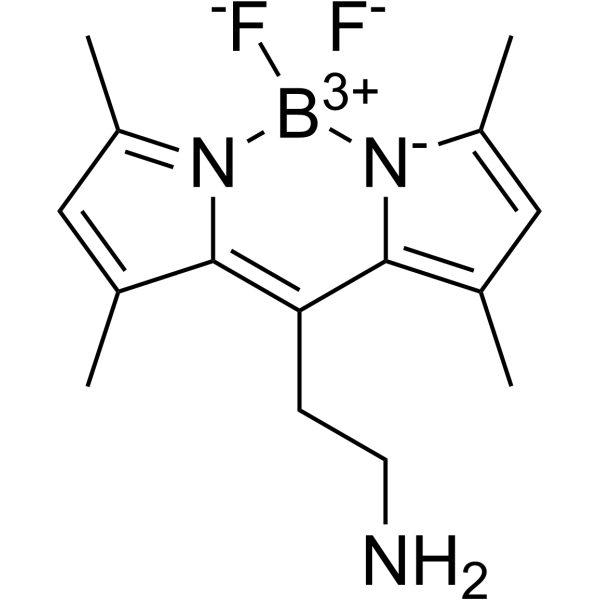 0 ImagesBODIPY FL Ethylamine is a fluorescent dye that reversibly reacts with aldehyde/ketone to yield a Schiff base. BODIPY FL Ethylamine can be reduced to form a stable amine derviative using sodium borohydride or sodium cyanoborohydride.
-
Ricinus Communis Agglutinin I
 0 ImagesCat. No.: HY-NP079Synonyms: RCA IRicinus Communis Agglutinin I (RCA I) is a plant lectin that can be used as a probe to specifically bind biomolecules (such as polysaccharides, peptides, etc.).Ricinus Communis Agglutinin I (RCA I) is a biological material or organic compound that can be used in life science research.
-
3-(Dansylamino)phenylboronic acid
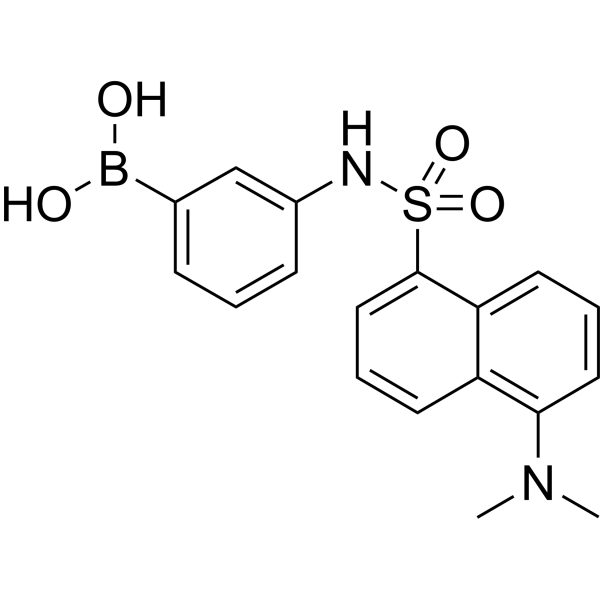 0 Images3-(Dansylamino)phenylboronic acid, a phenylboronic acid derivative, can be used for the glucose detection.
-
ATTO 488 carboxylic acid
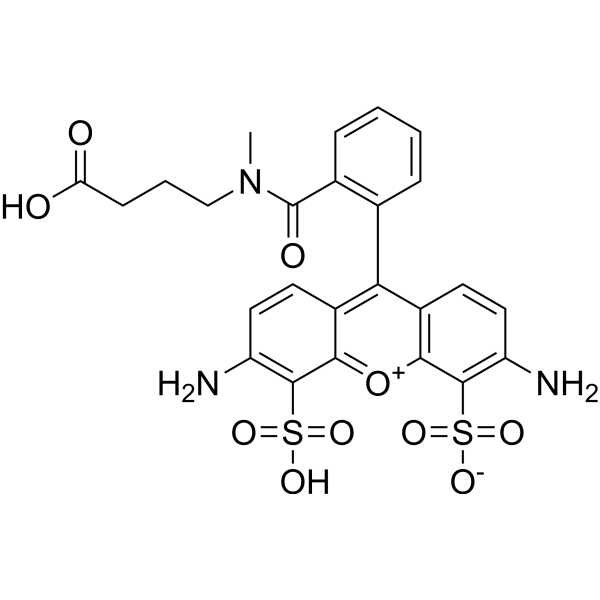 0 ImagesCat. No.: HY-D1305CAS No.: 1443553-08-9ATTO 488 carboxylic acid is a bright green fluorescent dye with high photostability, which is commonly used in protein fluorescent labeling, single-molecule fluorescence imaging and super-resolution microscopy studies. The carboxylic acid form of ATTO 488 can be covalently coupled to primary amines of proteins via activation, or prepared into a maleimide derivative for coupling with thiol groups; it emits green fluorescence after labeling. Ex/Em = 488/524 nm.
-
Umbelliferone (Standard)
 0 ImagesSynonyms: 7-Hydroxycoumarin (Standard); Hydrangin (Standard); NSC 19790 (Standard)Umbelliferone (Standard) (7-Hydroxycoumarin (Standard)) is the analytical standard of Umbelliferone (HY-N0573). This product is intended for research and analytical applications. Umbelliferone (7-Hydroxycoumarin), a natural orally active product of the coumarin family, is a fluorescing compound which can be used as a sunscreen agent. Umbelliferone induces cell cycle arrest, apoptosis and DNA fragmentation in HepG2 cells. Umbelliferone exhibits significant anticancer effects. Umbelliferone attenuates the alteration characteristics of allergic airway inflammation. Umbelliferone displays the neuroprotective effects and cross the blood-brain barrier. Umbelliferone exhibits anti-inflammatory and antioxidant effects in chronic alcohol-fed rats.
-
Semaglutide-FITC
 0 ImagesCat. No.: HY-114118F4Synonyms: Semaglutide-Lys(FITC)Semaglutide-FITC (Semaglutide-Lys(FITC)) is a fluorescent tracer probe (Ex/Em = 495/520 nm) obtained by covalently coupling the green fluorescent dye fluorescein isothiocyanate (FITC) (HY-66019) to the long-acting analogue of GLP-1, Semaglutide (HY-114118). Semaglutide-FITC can be used for studies on Semaglutide receptor binding (GLP-1R), cell uptake and endocytosis, in vivo tissue distribution, and the targeting efficiency of delivery systems.
-
Cy3 dimethyl iodide
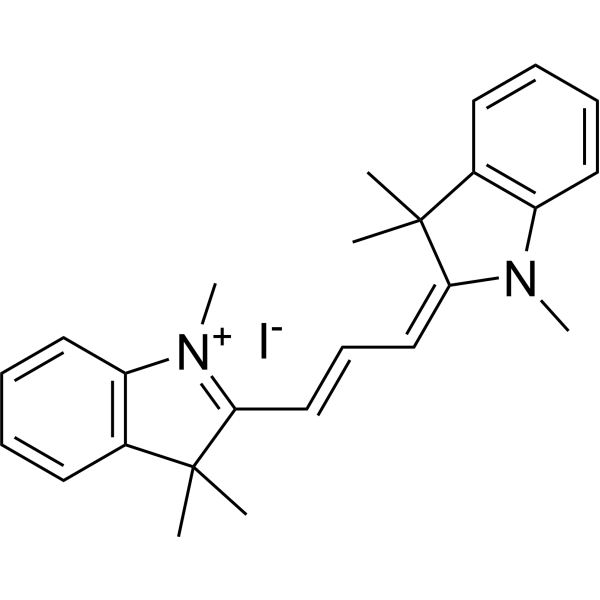 0 ImagesCy3 dimethyl iodide is a dye derivative of Cyanine 3 (Cy3) (HY-D0822) with a dimethyl group in the iodide salt form. The iodide salt form increases the water solubility of the compound, making it suitable for use in aqueous solutions. Cy3 is a near-infrared fluorescent dye commonly used in biolabeling and cell imaging. Cy3 dimethyl iodide binds to biomolecules such as proteins and antibodies to track their location and dynamic changes in biological samples.
-
Coppersensor 1 (solution)
 0 ImagesCat. No.: HY-DY1087CAS No.: 874748-20-6Coppersensor 1 (solution) is a membrane-permeable fluorescent dye. Coppersensor-1 has a picomolar affinity for Cu+ with high selectivity over competing cellular metalions. Coppersensor-1 as a probe, can selective and sensitive detection of copper(I) ions (Cu+) in biological samples, including live cells. Coppersensor-1 can be used for the research of imaging of severe diseases such as cancer, cardiovascular disorders and neurogenerative diseases.
Solvent and concentration: DMSO: 2 mM
-
Dansylamide
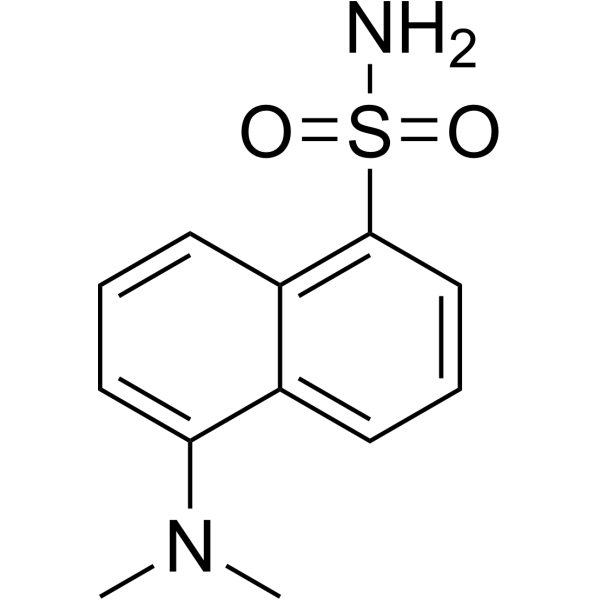 0 ImagesDansyl amide is a fluorescent dye that is used in biochemistry and chemistry to label substances with the fluorescent dansyl group (Ex/Em: 360 nm/465 nm).
-
4-MU-α-GlcNS sodium
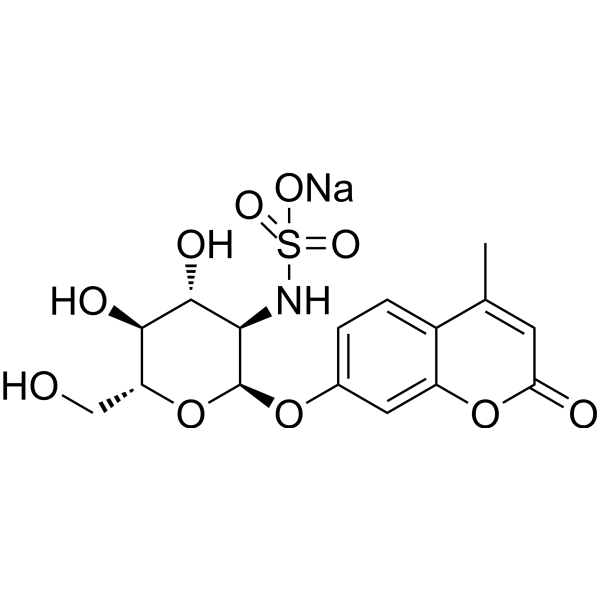 0 Images4-MU-α-GlcNS sodium is a fluorogenic substrate for heparan sulfate sulfamidase, with apparent Km values of 4 mM and 8 mM for fibroblast and leukocyte enzymes, respectively. 4-MU-α-GlcNS sodium undergoes enzymatic desulfation to generate an intermediate, which requires a second incubation with yeast α-glucosidase to hydrolyze and release 4-methylumbelliferone, detected by fluorescence at Ex/Em = 365/450 nm. 4-MU-α-GlcNS sodium is suitable for fibroblast homogenates, leukocytes, and dried leukocyte filter paper samples, and can be used for the detection and study of enzyme activity in mucopolysaccharidosis type IIIA.
-
BIOTIN-PEG11-SH
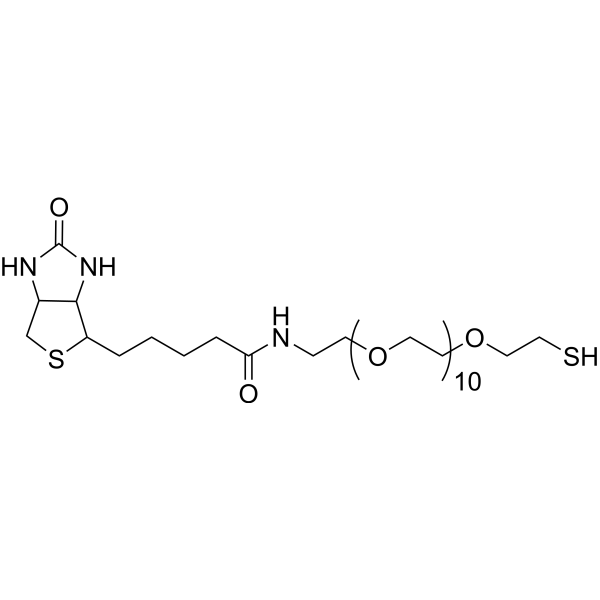 0 ImagesBIOTIN-PEG11-SH enables biotin labeling of protein.
-
BDY FL-X, SE
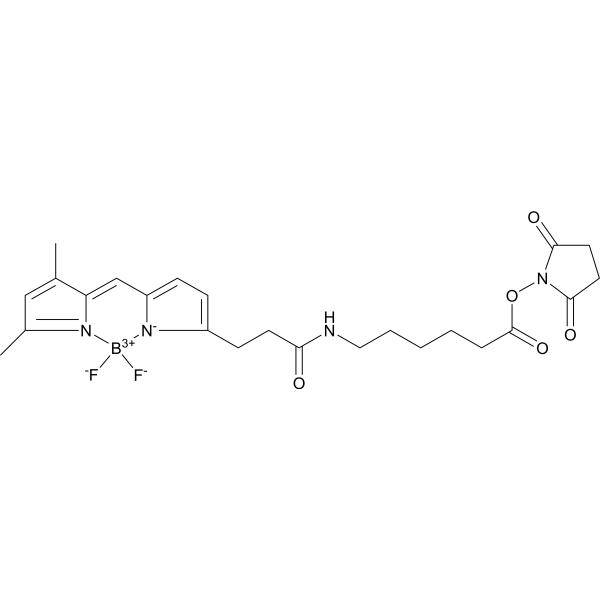 0 ImagesBODIPY FL-X,SE is a fluorescent greendye for the labeling of amine, shows a high fluorescence quantum yield and is relatively insensitive to pH change. BODIPY FL-X,SE can be used as an alternative for FAM, Cy2 or FITC. λabs: 504 nm; λem:510 nm.
-
JOE
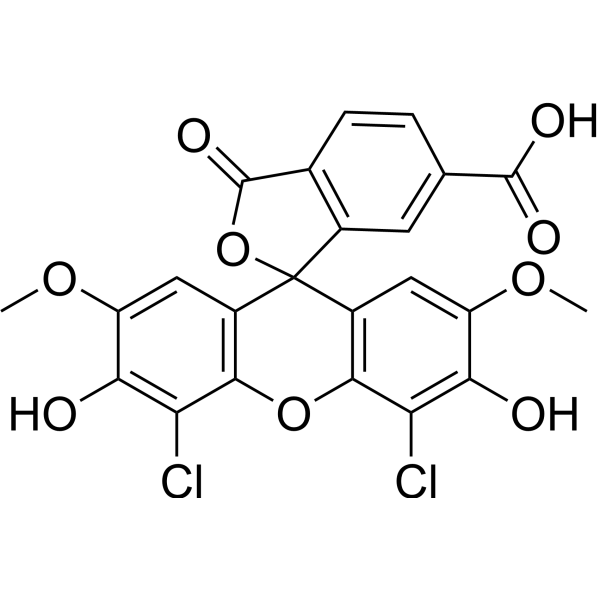 0 ImagesCat. No.: HY-D1090CAS No.: 82855-40-1JOE is a xanthene fluorophore (i.e., 4′,5′-dichloro-2′,7′-dimethoxy-5 (6)-carboxyfluorescein; 2',7'-dimethoxy-4',5'-dichloro-6-carboxyfluorescein) with an absorption wavelength of approximately 525 nm and an emission wavelength of approximately 550 nm. The fluorescence quantum yield of JOE correlates with the rigidity of the linker arm and the distance to dG nucleoside. JOE is commonly used as a fluorescent label for oligonucleotides and molecular beacon probes, and also serves as the acceptor fluorophore in fluorescence energy transfer primers for DNA sequencing.
-
TSPP tetrasodium
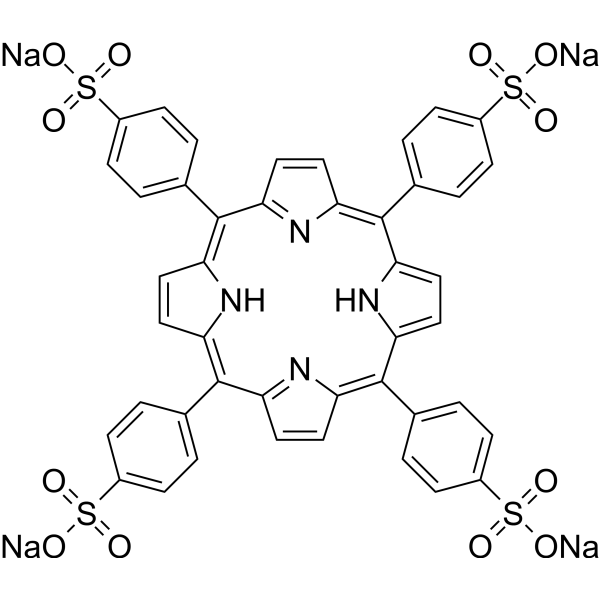 0 ImagesCat. No.: HY-W035051CAS No.: 39050-26-5TSPP tetrasodium is a photosensitizer that has shown impressive effects in in vivo regression of cancer and microorganism infections (Ex: 413 nm, Em: 640 nm).
-
Vari Fluor 532 TSA (200×)
 0 ImagesCat. No.: HY-D1832Synonyms: VF 532 TyramideVari Fluor 532 TSA (200×) (VF 532 Tyramide) is a fluorescent probe belonging to the Vari Fluor TSA series. Vari Fluor TSA series fluorescent probes can be used for high-density in situ labeling of target antigens using horseradish peroxidase (HRP) assays, which are widely used in ELISA, IF, IHC and other techniques with high detection sensitivity.
-
7-Methoxyindole, 98%
 0 Images7-Methoxyindole, 98% is a Fluorescent emitter. 7-Methoxyindole, 98% exhibits a relatively blue excitation spectrum.\n
-
Flutax-2 (5/6-mixture)
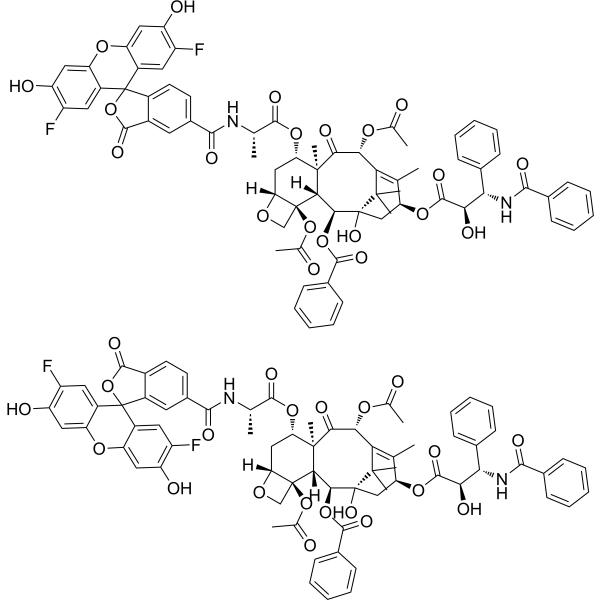 0 ImagesCat. No.: HY-131010Flutax-2 (5/6-mixture) is an active fluorescent derivative of paclitaxel. Flutax-2 (5/6-mixture) binds to a polymerized α,β tubulin dimer. Excitation/emission wavelength: 496/524 nm. Paclitaxel, a diterpenoid secondary metabolite produced by Taxus species, can be used for the research of a variety of cancers.
-
HKPerox-1
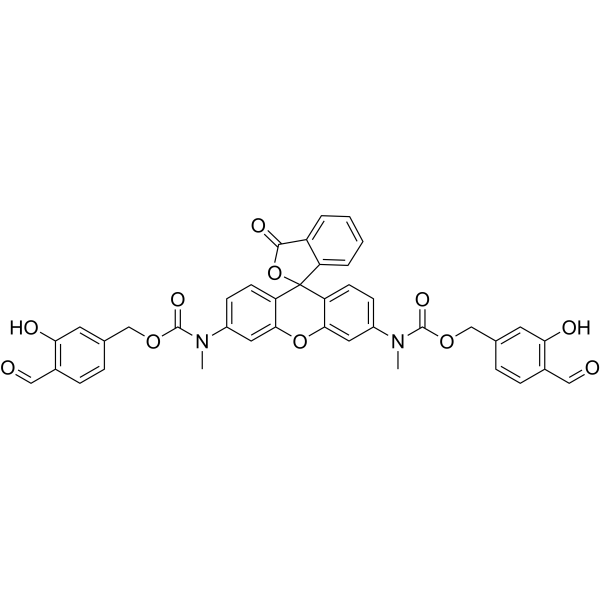 0 ImagesHKPerox-1 is a highly sensitive green fluorescent probe for the specific detection of H2O2 in living cells with a maximum excitation wavelength and emission wavelength of 520 nm and 543 nm, respectively.
-
FITC-hyodeoxycholic acid
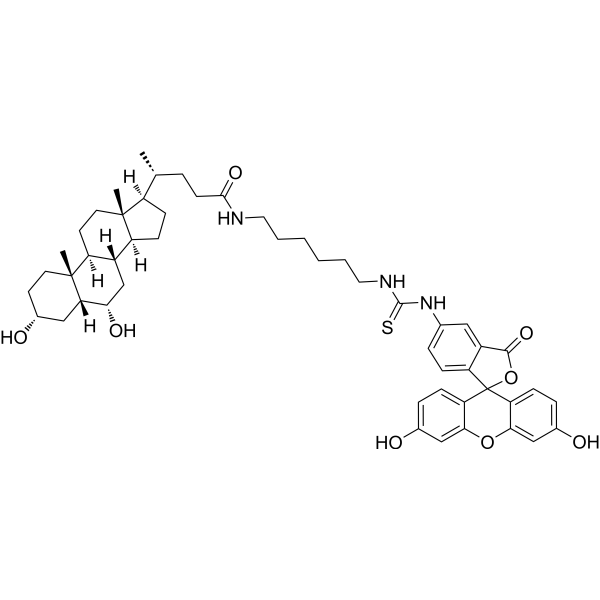 0 ImagesFITC-hyodeoxycholic acid is a hyodeoxycholic acid labeled with FITC, which can be used to study the mechanism of action of hyodeoxycholic acid.




