



Oxidative Phosphorylation
Oxidative phosphorylation is a cellular process that harnesses the reduction of oxygen to generate high-energy phosphate bonds in the form of adenosine triphosphate (ATP). It is a series of oxidation-reduction reactions that involve the transfer electrons from NADH and FADH2 to oxygen across several protein, metal, and lipid complexes in the mitochondria known as the electron transport chain (ETC). The electron transport chain utilizes NADH and FADH2 generated from several catabolic cellular processes. Also, oxidative phosphorylation utilizes elemental oxygen as the final oxidizing agent (and electron acceptor). Mitochondrial function and the electron transport chain shed light on the evolution and advancement of aerobic eukaryotic life, especially when compared to anaerobic organisms. It is the hallmark of aerobic respiration and is the reason why a plethora of lifeforms require oxygen to survive.
Most of the usable energy obtained from the breakdown of carbohydrates or fats is derived by oxidative phosphorylation, which takes place within mitochondria. For example, the breakdown of glucose by glycolysis and the citric acid cycle yields a total of four molecules of ATP, ten molecules of NADH, and two molecules of FADH2. Electrons from NADH and FADH2 are then transferred to molecular oxygen, coupled to the formation of an additional 32 to 34 ATP molecules by oxidative phosphorylation. Electron transport and oxidative phosphorylation are critical activities of protein complexes in the inner mitochondrial membrane, which ultimately serve as the major source of cellular energy[1][2].
Most of the usable energy obtained from the breakdown of carbohydrates or fats is derived by oxidative phosphorylation, which takes place within mitochondria. For example, the breakdown of glucose by glycolysis and the citric acid cycle yields a total of four molecules of ATP, ten molecules of NADH, and two molecules of FADH2. Electrons from NADH and FADH2 are then transferred to molecular oxygen, coupled to the formation of an additional 32 to 34 ATP molecules by oxidative phosphorylation. Electron transport and oxidative phosphorylation are critical activities of protein complexes in the inner mitochondrial membrane, which ultimately serve as the major source of cellular energy[1][2].
All Product Categories
-
Oxidative Phosphorylation Related Products (113)
Related Products (113)

-
Mito-LND
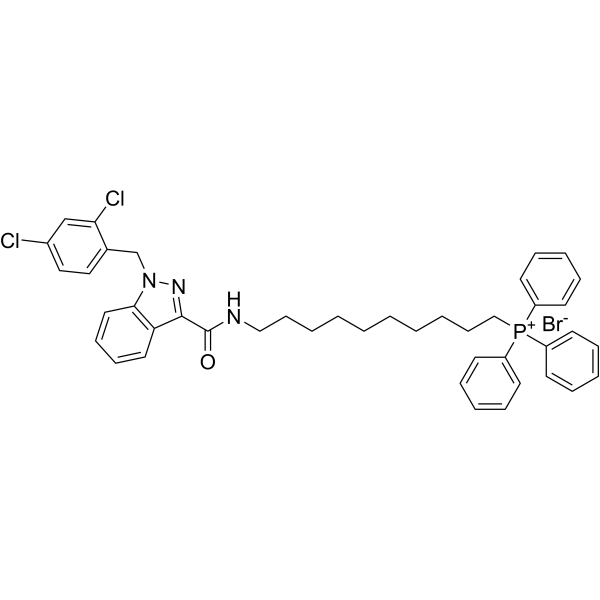 0 ImagesCat. No.: HY-134832CAS No.: 2361564-49-8Synonyms: Mito-LonidamineMito-LND (Mito-Lonidamine) is an orally active and mitochondria-targeted inhibitor of oxidative phosphorylation (OXPHOS). Mito-LND inhibits mitochondrial bioenergetics, stimulates the formation of reactive oxygen species, and induces autophagic cell death in lung cancer cells.
-
Ureidopropionic acid
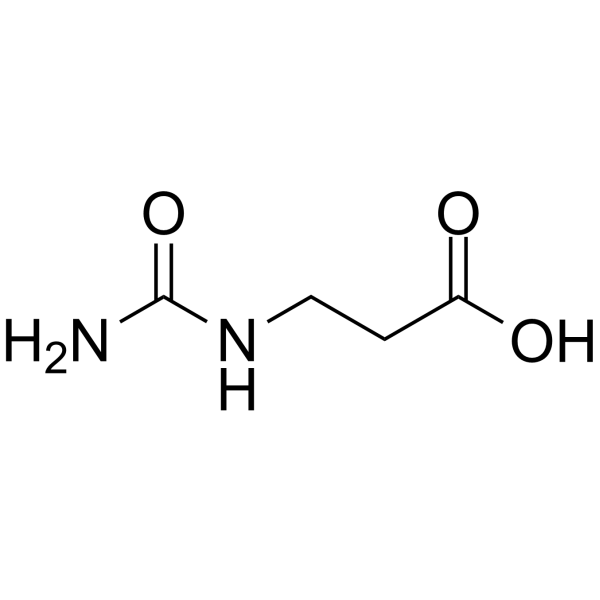 0 ImagesUreidopropionic acid (3-Ureidopropionic acid) is a selective mitochondrial respiratory chain complex V inhibitor. Ureidopropionic acid induces the production of reactive oxygen species, delayed elevation of intracellular calcium concentration, secondary energy-dependent excitotoxicity and neurodegeneration in neurons. Ureidopropionic acid promotes neuropathological changes by impairing mitochondrial energy metabolism, oxidative stress and excitotoxicity pathways. Ureidopropionic acid can be used in studies related to 3-ureidopropionase deficiency and severe propionic aciduria.
-
Acetyl coenzyme A lithium
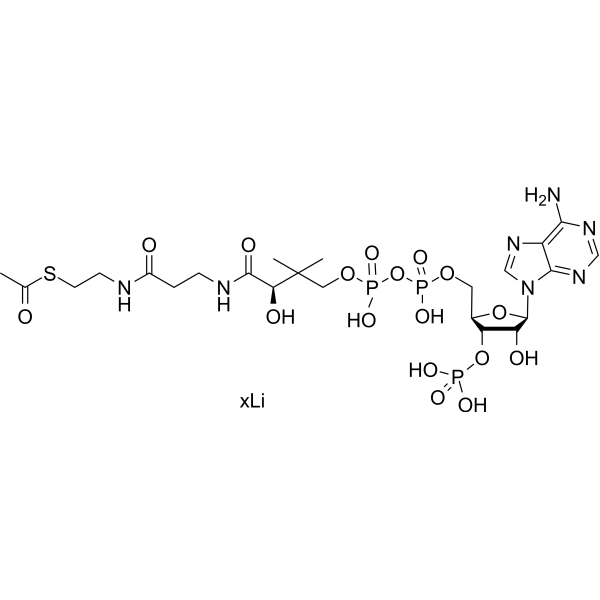 0 ImagesCat. No.: HY-113596ACAS No.: 32140-51-5Synonyms: Acetyl-CoA lithiumAcetyl-coenzyme A (Acetyl-CoA) lithium is a membrane-impermeant central metabolic intermediate, participates in the TCA cycle and oxidative phosphorylation metabolism. Acetyl-coenzyme A lithium, regulates various cellular mechanisms by providing (sole donor) acetyl groups to target amino acid residues for post-translational acetylation reactions of proteins. Acetyl Coenzyme A lithium is also a key precursor of lipid synthesis.
-
BDE 47
 0 ImagesBDE 47 targets mitochondria, inhibits mitochondrial oxidative phosphorylation (OXPHOS), decreases mitochondrial membrane potential (MMP) and induces apoptosis in embryonic cell. BDE 47 induces the generation of ROS, and activates the JNK signaling pathway. BDE 47 exhibits embryonic developmental toxicity in zebrafish.
-
Rafoxanide
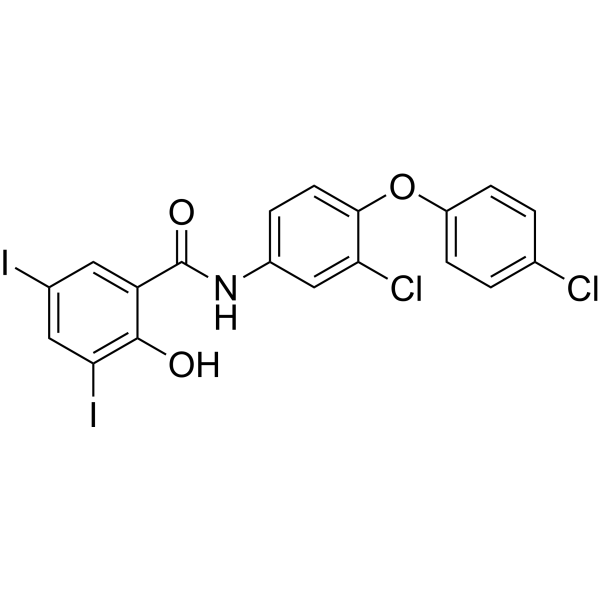 0 ImagesRafoxanide is a poent, orally active halogenated salicylaniline agent with antiparasitic activity. Rafoxanide interferes with energy metabolism in trematodes by uncoupling oxidative phosphorylation. Rafoxanide is also found to be a potent inhibitor of the BRAF V600E mutant protein, which is important in colorectal cancer. Rafoxanide can be used for the control of infestation with Hemonchus species or Fasciola species in sheep and cattle as well as Oestrus ovis in sheep. Rafoxanide can also be used for cancer research.
-
Phenoxyethanol
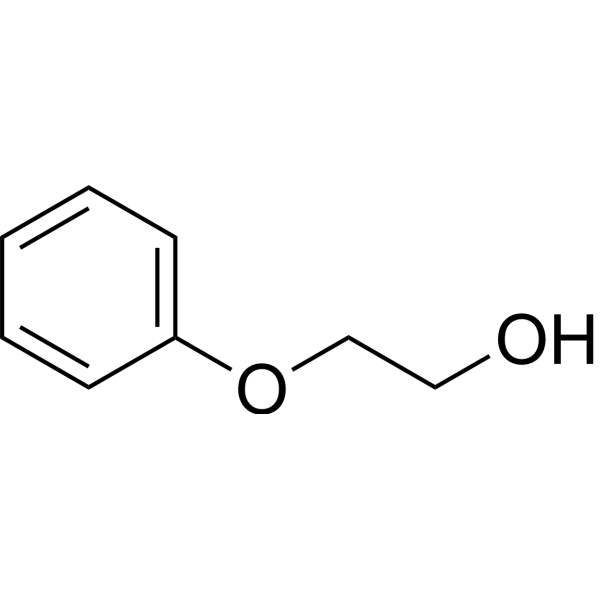 0 ImagesPhenoxyethanol has a broad spectrum of antimicrobial agent. Phenoxyethanol is an uncouple agent in oxidative phosphorylation from respiration and competitively inhibits malate dehydrogenase. Phenoxyethanol is used as a preservative in cosmetic, vaccine, and textile, et al.
-
MS-L6
 0 ImagesMS-L6 is a OXPHOS inhibitor and antimalarial agent. MS-L6 inhibits NADH oxidation and electron transport. MS-L6 induces OXPHOS uncoupling, dissipates mitochondrial membrane potential, increases non-ATP-coupled oxygen consumption, and reduces ATP synthesis. MS-L6 triggers the production of ROS. MS-L6 exhibits anti-amoebic activity. MS-L6 exerts antitumor activity in mouse lymphoma xenograft models. MS-L6 can be used in research related to B-cell lymphoma, T-cell lymphoma, and non-Hodgkin B-cell lymphoma.
-
Buprofezin
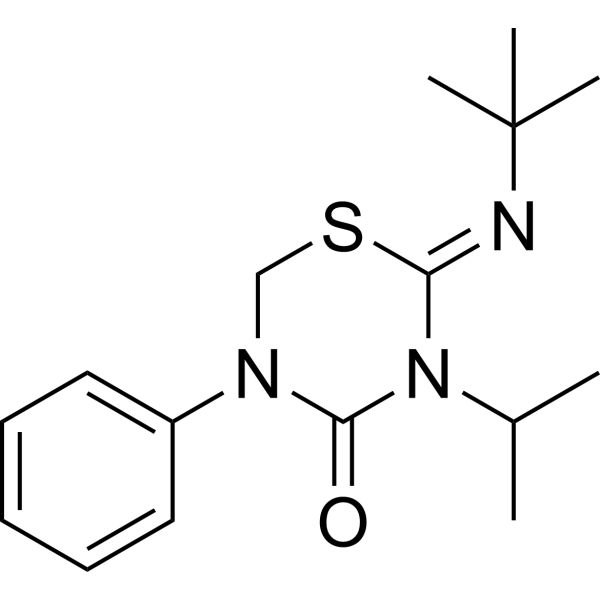 0 ImagesBuprofezin is a broad-spectrum insecticide and chitin synthesis inhibitor that targets developmental stage coleopteran pests.Buprofezin promotes the conversion of energy metabolism from the aerobic tricarboxylic acid (TCA) cycle and oxidative phosphorylation to anaerobic glycolysis. Buprofezin also promotes the production of reactive oxygen species (ROS) by inhibiting cytochrome c oxidase.
-
Chlorfenapyr
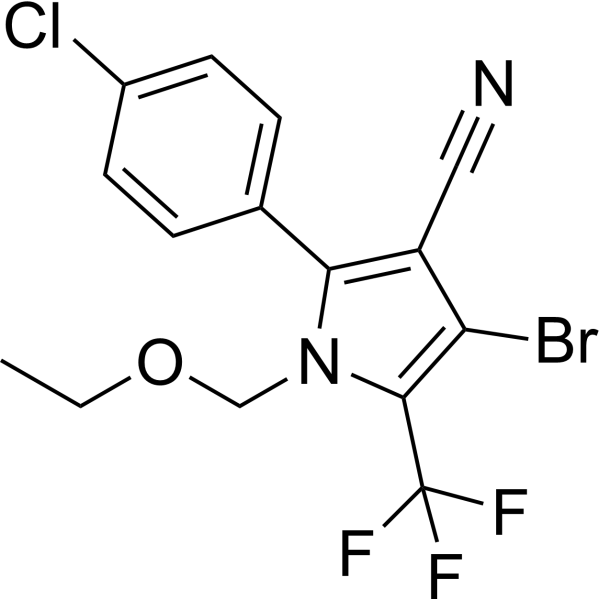 0 ImagesChlorfenapyr is a pyrrole insecticide. Chlorfenapyr has a mode of action: the mixed function oxidase oxidizes and removes the Nethoxymethyl group to form the active metabolite, CL 303268. Chlorfenapyr is used for termite control and crop protection against a variety of insect and mite pests.
-
PZL-A
 0 ImagesPZL-A is a activator of mitochondrial DNA (mtDNA) synthesis. PZL-A restores wild-type-like activity to mutant forms of polymerase γ (POLγ) with AC50 s of 160 and 20 nM for A467T and G848S. PZL-A activates mtDNA synthesis in cells, enhancing biogenesis of the oxidative phosphorylation machinery and cellular respiration. PZL-A is promising for relieving POLG disease and other severe conditions linked to depletion of mtDNA.
-
2,8-Dihydroxyadenine
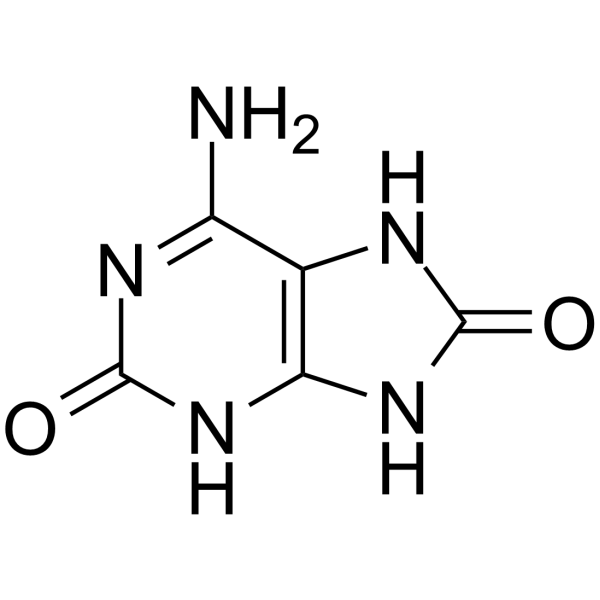 0 ImagesCat. No.: HY-N9941CAS No.: 30377-37-82,8-Dihydroxyadenine is an endogenous metabolite that forms crystals in urine, leading to kidney stone formation and crystal deposition in the kidney. 2,8-Dihydroxyadenine induces crystal-induced tubular injury, inflammation, and fibrosis through crystal deposition in renal tubules, where crystals are excreted in urine, internalized by tubular epithelial cells, and transported to the interstitium. 2,8-Dihydroxyadenine upregulates CD44 expression near crystals, TNF-α signaling through NF-κB, and mTORC1 signaling, while inducing actin stress fiber formation and cytoskeletal remodeling. 2,8-Dihydroxyadenine downregulates epithelial-mesenchymal transition pathways and oxidative phosphorylation, and induces changes affecting inflammation, metabolism, and cell cycle regulation. 2,8-Dihydroxyadenine can be used in research on kidney disease, adenine phosphoribosyltransferase deficiency, and kidney stone disease.
-
Coenzyme Q2
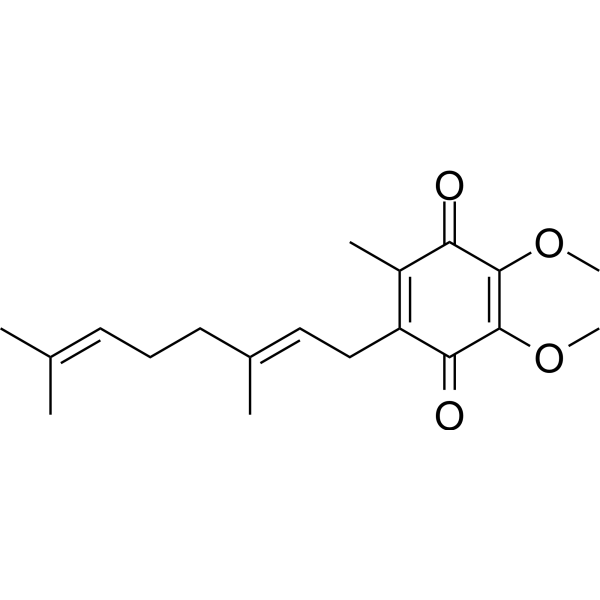 0 ImagesCoenzyme Q2 is a benzoquinone electron carrier in the mitochondrial electron transport chain and a p53-dependent apoptosis inducer. Coenzyme Q2 induces p53 phosphorylation at Ser15, promoting p53 accumulation and functional activation. Coenzyme Q2 induces ROS generation, caspase-3 activation, DNA fragmentation, phosphatidylserine externalization, mitochondrial permeability transition pore opening, and oxidative phosphorylation uncoupling. Coenzyme Q2 inhibits Complex I, Complex III, and Complex IV activities, disrupting electron transport and membrane potential generation. Coenzyme Q2 induces excessive mitochondrial proton leak in forebrain mitochondria. Coenzyme Q2 causes loss of righting reflex in mice, accompanied by slow-wave delta EEG activity and reversible loss of wakefulness. Coenzyme Q2 inhibits lipid peroxidation and scavenges superoxide radicals. Coenzyme Q2 is used in research on leukemia, myocardial ischemia-reperfusion injury, and mitochondrial encephalomyopathy.
-
Oxyclozanide
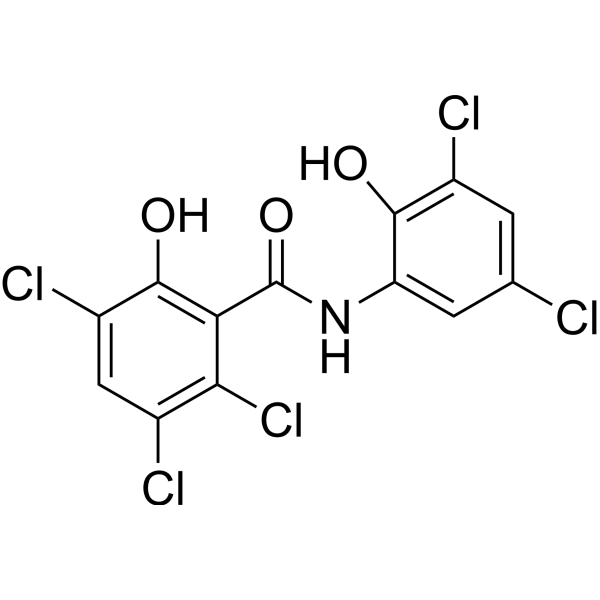 0 ImagesOxyclozanide is an orally active salicylanilide anthelmintic agent that mainly acts by uncoupling oxidative phosphorylation in flukes. Oxyclozanide shows good anti-adenovirus, anti-biofilm, antifungal, and antibacterial activity.
-
Acetyl coenzyme A-13C2 lithium
 0 ImagesCat. No.: HY-114293SSynonyms: Acetyl-CoA-13C2 lithiumAcetyl coenzyme A-13C2 lithium is the 13C-labeled Acetyl coenzyme A (HY-114293). Acetyl-coenzyme A (Acetyl-CoA) is a membrane-impermeant central metabolic intermediate, participates in the TCA cycle and oxidative phosphorylation metabolism. Acetyl-coenzyme A, regulates various cellular mechanisms by providing (sole donor) acetyl groups to target amino acid residues for post-translational acetylation reactions of proteins. Acetyl Coenzyme A is also a key precursor of lipid synthesis.
-
W1131
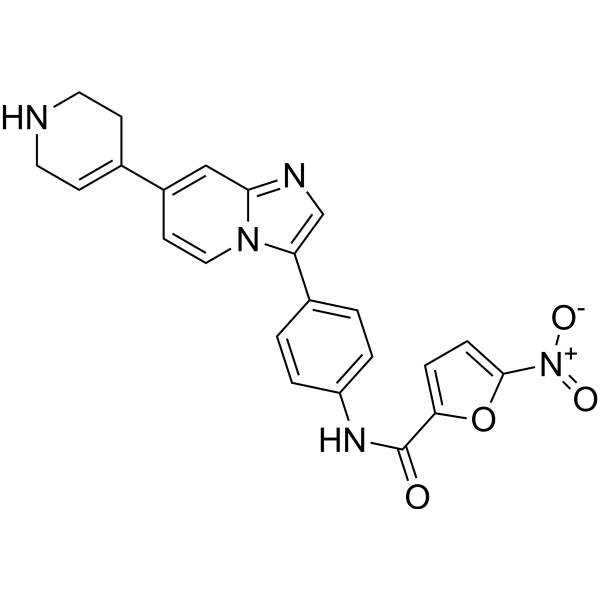 0 ImagesW1131 is a potent STAT3 inhibitor, triggering ferroptosis. W1131 suppresses cancer progression in gastric cancer cell subcutaneous xenograft model, organoids model, and PDX model. W1131 effectively alleviates chemical resistance of cancer cells to 5-FU (HY-90006). W1131 regulates cell cycle, DNA damage response, and oxidative phosphorylation, including IL6-JAK-STAT3 pathway and ferroptosis pathway.
-
4'-Hydroxychalcone
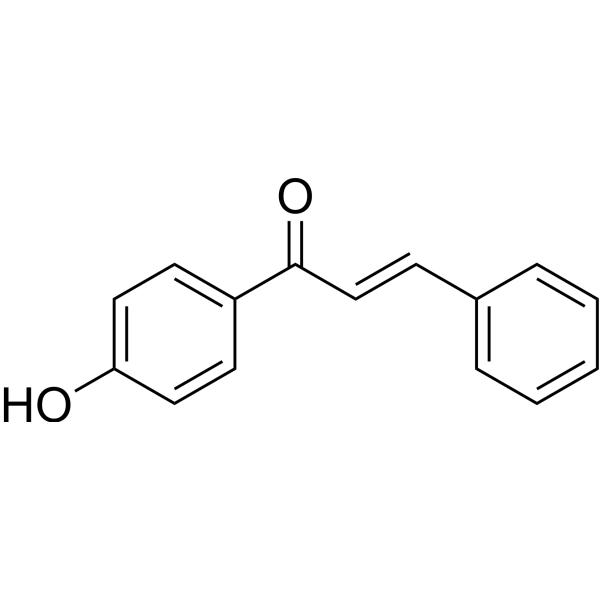 0 Images4'-Hydroxychalcone is a chalcone isolated from licorice root, with hepatoprotective activity. 4'-Hydroxychalcone inhibits TNFα-induced NF-κB activation via proteasome inhibition. 4'-Hydroxychalcone induces a rapid potassium release from mitochondrial vesicles and causes deterioration of respiratory control and oxidative phosphorylation of isolated rat liver mitochondria.
-
Diafenthiuron
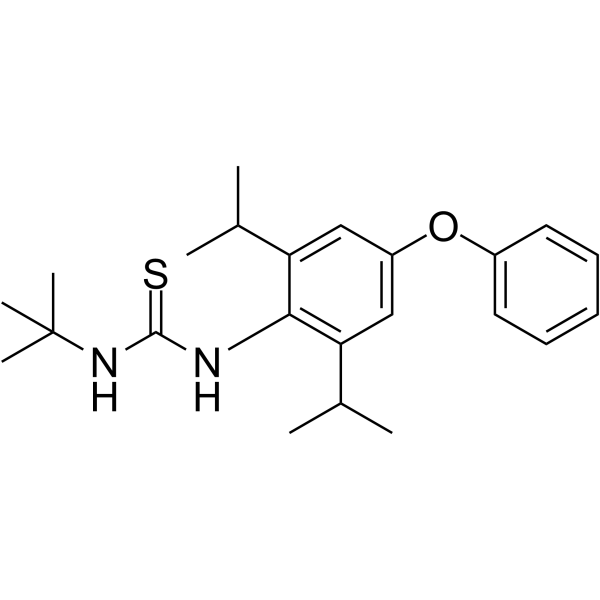 0 ImagesDiafenthiuron is a thiourea compound commonly used a broad-spectrum insecticide and acaricide. Diafenthiuron disturbs the insect respiratory system by inhibiting the oxidative phosphorylation and mitochondrial ATP synthesis.
-
DX3-213B
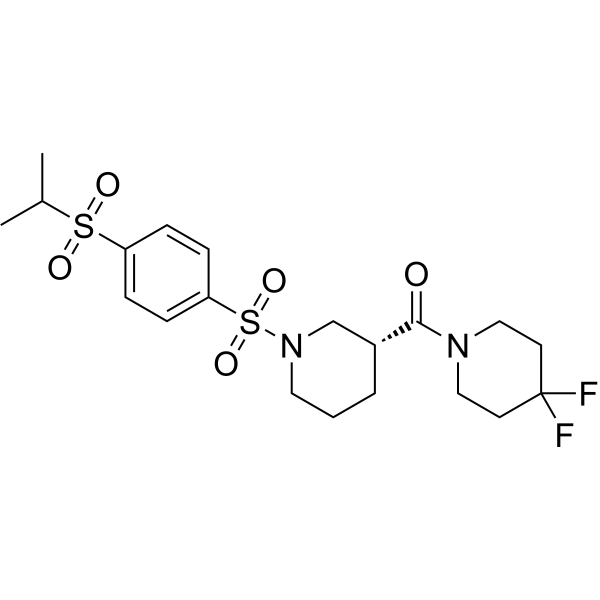 0 ImagesDX3-213B is a highly potent, orally active oxidative phosphorylation (OXPHOS) complex I inhibitor (IC50=3.6 nM). DX3-213B impairs ATP generation (IC50=11 nM), and blocks MIA PaCa-2 cell growth (GI50=11 nM). DX3-213B is used for the research of the pancreatic cancer.
-
Acetyl coenzyme A trilithium
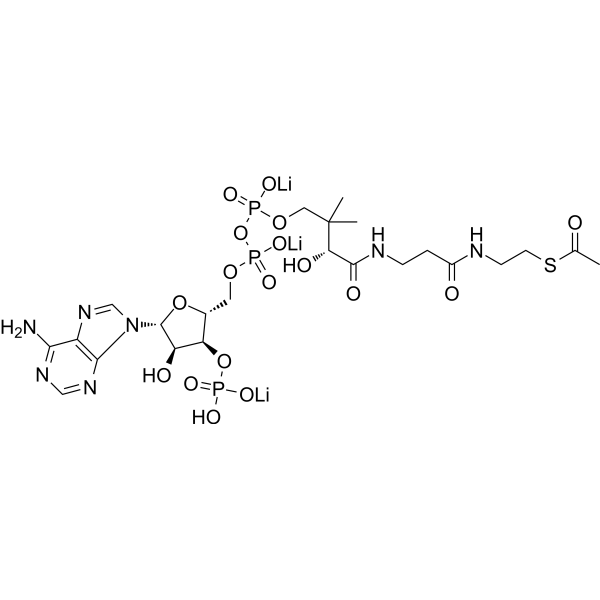 0 ImagesCat. No.: HY-114293ACAS No.: 75520-41-1Synonyms: Acetyl-CoA trilithiumAcetyl-coenzyme A (Acetyl-CoA) trilithium is a membrane-impermeant central metabolic intermediate, participates in the TCA cycle and oxidative phosphorylation metabolism. Acetyl-coenzyme A trilithium regulates various cellular mechanisms by providing (sole donor) acetyl groups to target amino acid residues for post-translational acetylation reactions of proteins. Acetyl Coenzyme A trilithium is also a key precursor of lipid synthesis.
-
Nonactin
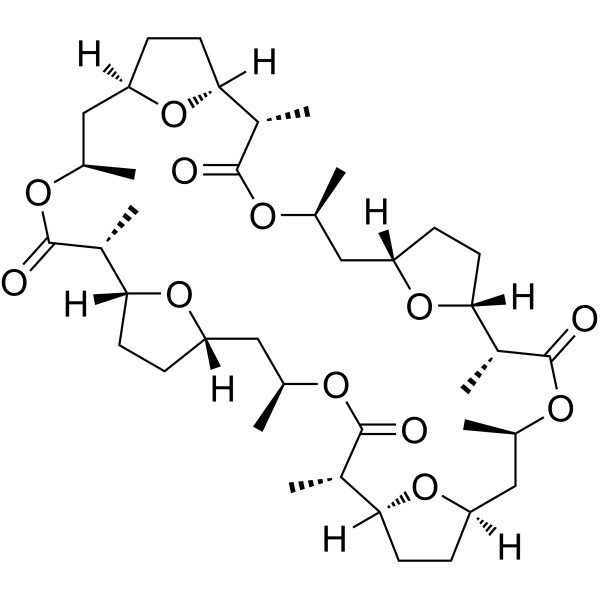 0 ImagesNonactin is a macrotetrolide antibiotic and mitochondrial uncoupler with antibacterial, insecticidal, and acaricidal activities. Nonactin acts as an ionophore for monovalent cations, including K+, and NH4+, and it can also inhibit the surface expression of endogenous HSP60. In addition, Nonactin can induce apoptosis in β-catenin mutant tumor cells and has anti-tumor activity.



