



ACBI1
Based on 11 publication(s) in Google Scholar
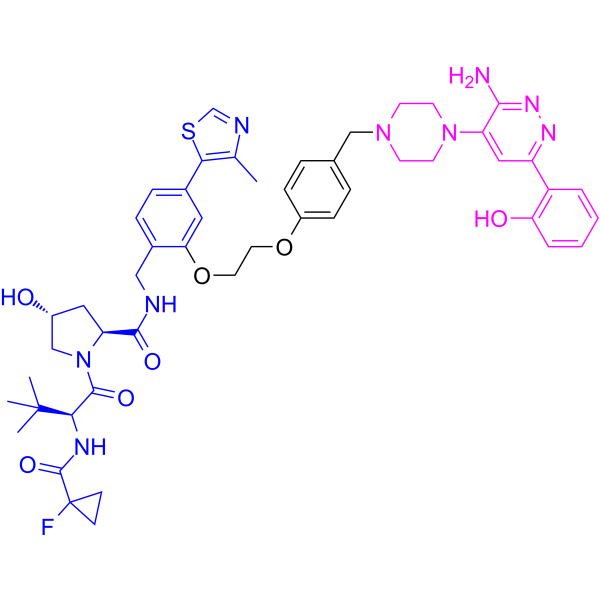
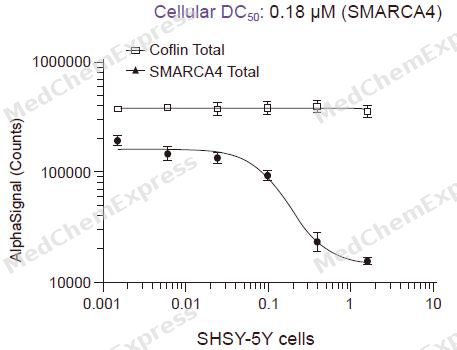
ACBI1 is a potent and cooperative SMARCA2, SMARCA4 and PBRM1 degrader with DC50s of 6, 11 and 32 nM, respectively. ACBI1 is a PROTAC degrader. ACBI1 shows anti-proliferative activity. ACBI1 induces apoptosis.
(Pink: SMARCA2 and SMARCA4 and PBRM1 ligand (HY-44012); Blue: VHL ligand (HY-125905); Black: linker).
For research use only. We do not sell to patients.
The ACBI1 was designed by Boehringer Ingelheim and could be obtained free of charge through the Boehringer Ingelheim open innovation portal opnMe.com, associated with its negative control.
- Purity : 99.34%
- CAS No.: 2375564-55-7
- Formula: C49H58FN9O7S
- Molecular Weight:936.10
-
Storage:
-20°C, protect from light, stored under nitrogen
* In solvent : -80°C, 6 months; -20°C, 1 month (protect from light, stored under nitrogen)

To place orders, for customer services and technical support, please contact: MedChemExpress USA
Tel: 609-228-6898 E-mail: [email protected] [email protected]


-
 Biological Activity
-
Chemical Information
-
Solvent & Solubility
- Purity & Documentation
- References
-
 Help & FAQs


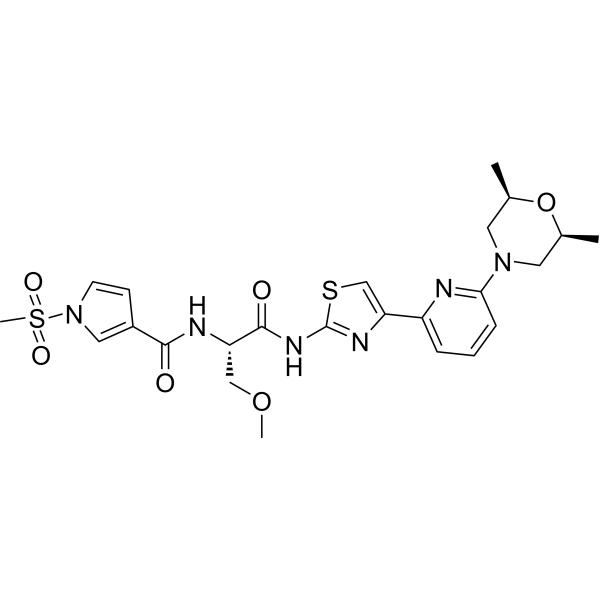
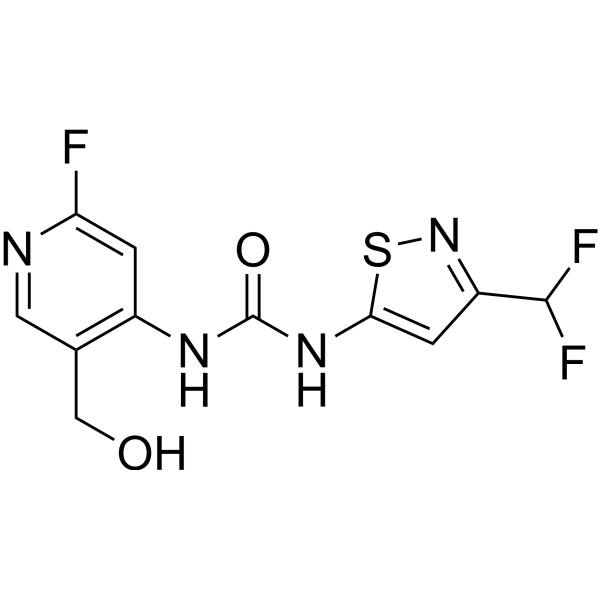
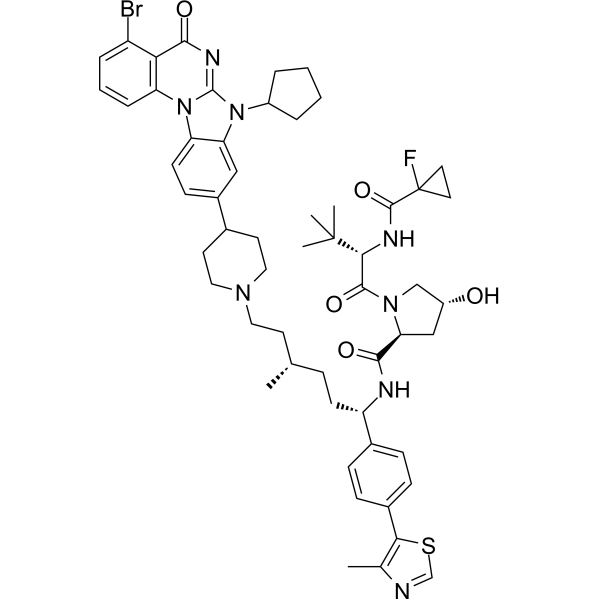
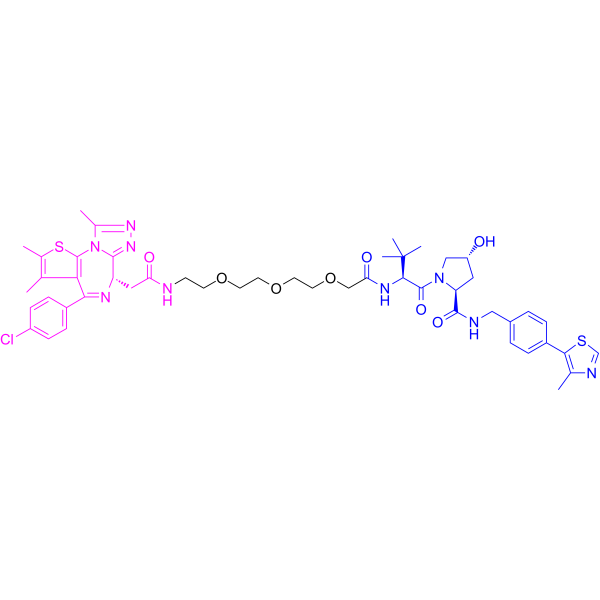
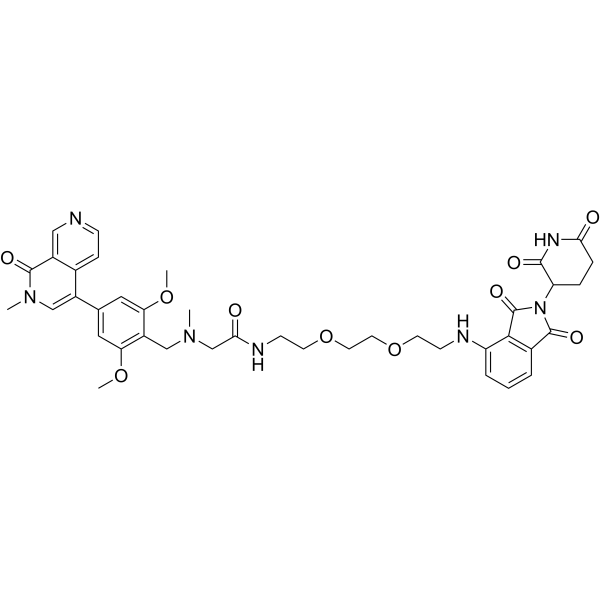
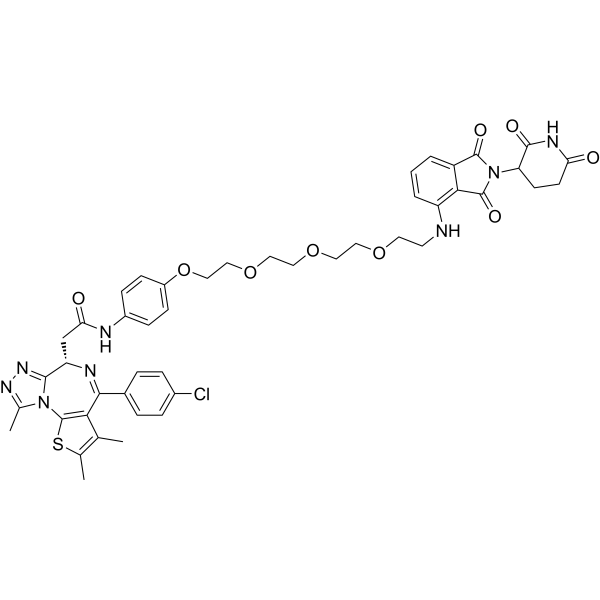
Publications Citing Use of MedChemExpress (MCE) ACBI1
More- Nat Genet. 2023 Mar;55(3):471-483. [Abstract]
- Nat Commun. 2022 Nov 28;13(1):7159. [Abstract]
- Adv Sci (Weinh). 2025 Oct 24:e13981. [Abstract]
- Nat Struct Mol Biol. 2023 Nov;30(11):1640-1652. [Abstract]
- Oncogenesis. 2022 Jun 1;11(1):30. [Abstract]
- Structure. 2024 Dec 5;32(12):2352-2363.e8. [Abstract]
- Epigenetics Chromatin. 2025 Jun 2;18(1):31. [Abstract]
- bioRxiv. 2026 Jan 27:2026.01.26.701739. [Abstract]
- bioRxiv. 2025 Jul 17:2025.06.28.662102. [Abstract]
- bioRxiv. 2025 April 16.
- bioRxiv. 2025 March 03.
 Customer Validation & Images

-
WB
-
IF
-
IF
-
WB
-
Cell Imaging/Staining
All PROTACs Isoforms
MoreAll SWI/SNF Complex Isoforms
More

Biological Activity
Description
IC50 & Target
[1]|
VHL |
SMARCA2 |
SMARCA4 |
PBRM1 |
MCE Validation Data
Cellular Effect
|
Cell Line

|
Type | Value | Description | References |
|---|---|---|---|---|
| MV4-11 | IC50 |
28 nM
Compound: 25
|
Antiproliferative activity against human MV4-11 cells assessed as growth inhibition
Antiproliferative activity against human MV4-11 cells assessed as growth inhibition
|
[PMID: 32858471] |
In Vitro
ACBI1 (1-10000 nM; 3-7 days) shows anti-proliferative activity[1].
ACBI1 (0.3 μM; 100 h) induces apoptosis in SK-MEL-5 cells[1].
ACBI1 is composed of a bromodomain ligand, a linker, and the E3 ubiquitin ligase von Hippel-Lindau[1].
MedChemExpress (MCE) has not independently confirmed the accuracy of these methods. They are for reference only.
-
Cell Line:MV-4-11, NCI-H1568 cells
-
Concentration:0-1000 nM
-
Incubation Time:3-7 days
-
Result:Showed anti-proliferative activity with IC50 of 29, 68 nM for MV-4-11, NCI-H1568 cells, respectively.
-
Cell Line:SK-MEL-5 cells
-
Concentration:0.3 µM
-
Incubation Time:100 h
-
Result:Induced apoptosis in SK-MEL-5 cells.


Chemical Information
-
CAS No. 2375564-55-7
-
Appearance Solid
-
Molecular Weight 936.10
-
Formula C49H58FN9O7S
-
Color White to yellow
-
SMILES
CC(N=CS1)=C1C2=CC=C(CNC([C@@H]3C[C@@H](O)CN3C([C@H](C(C)(C)C)NC(C4(CC4)F)=O)=O)=O)C(OCCOC5=CC=C(CN6CCN(C7=CC(C8=C(O)C=CC=C8)=NN=C7N)CC6)C=C5)=C2
-
Shipping
Room temperature in continental US; may vary elsewhere.
-
Storage
-20°C, protect from light, stored under nitrogen
* In solvent : -80°C, 6 months; -20°C, 1 month (protect from light, stored under nitrogen)


Publications (11)
-
Journal Impact Factor
-
Most Recent
-
Nat Genet
2023 Mar;55(3):471-483. PMID: 36894709
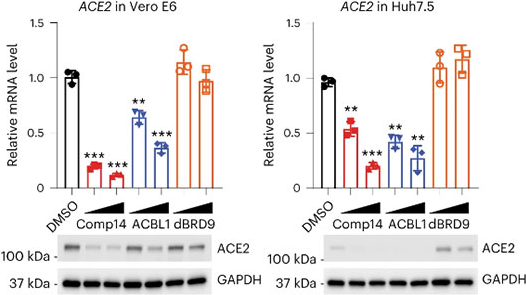
ACBI1 purchased from MedChemExpress. Usage Cited in: Nat Genet. 2023 Mar;55(3):471-483. [Abstract]
ACBI1 (1.25, 2.5 μM; 2 days) inhibits ACE2 expression in both Vero E6 and Huh7.5 cells.
-
Nat Commun
PCGF1-PRC1 links chromatin repression with DNA replication during hematopoietic cell lineage commitment. [Abstract]2022 Nov 28;13(1):7159. PMID: 36443290 -
Adv Sci (Weinh)
Arid1a Deficiency Drives Aristolochic Acid-Induced Liver Tumorigenesis through Ctnnb1 Mutation and Defective Nucleotide Excision Repair. [Abstract]2025 Oct 24:e13981. PMID: 41133886 -
Nat Struct Mol Biol
Aberrant gene activation in synovial sarcoma relies on SSX specificity and increased PRC1.1 stability. [Abstract]2023 Nov;30(11):1640-1652. PMID: 37735617
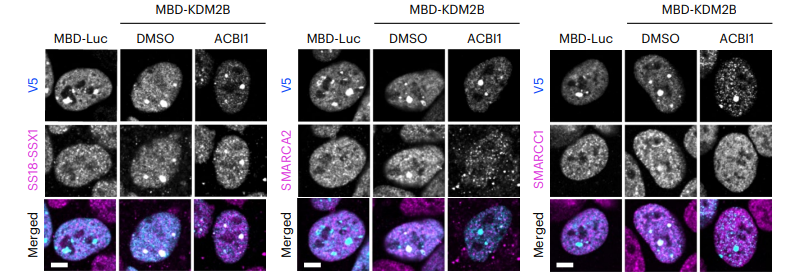
ACBI1 purchased from MedChemExpress. Usage Cited in: Nat Struct Mol Biol. 2023 Nov;30(11):1640-1652. [Abstract]
Immunofluorescence of MBD constructs (V5, cyan) and SS18-SSX1 (HA), SMARCA2 or SMARCC1 (magenta) in HS-SY-II cells not treated (MBD-Luc) or treated with DMSO or 500 nM ACBI1 (MBD-KDM2B).
ACBI1 purchased from MedChemExpress. Usage Cited in: Nat Struct Mol Biol. 2023 Nov;30(11):1640-1652. [Abstract]
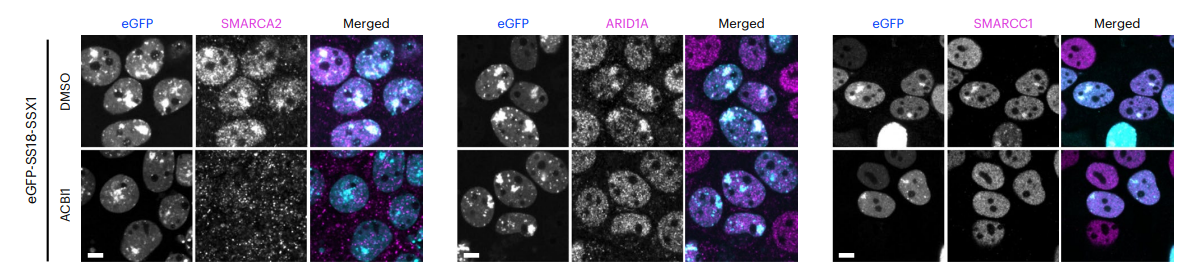
Immunofluorescence of HEK293T cells expressing eGFP-SS18-SSX1 (cyan) treated with DMSO (top) or 500 nM ACBI1 (bottom) stained for BAF subunits (magenta) SMARCA2 (BRM, left), ARID1A (middle) or SMARCC1 (right). Images are representative of two biological replicates.
ACBI1 purchased from MedChemExpress. Usage Cited in: Nat Struct Mol Biol. 2023 Nov;30(11):1640-1652. [Abstract]
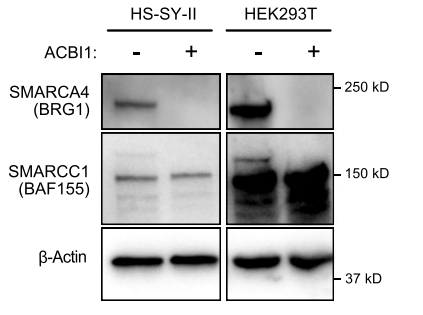
Western Blot of whole cell extracts from HS-SY-II or HEK293T cells collected 72 h without or with 500 nM ACBI1 treatment.
ACBI1 purchased from MedChemExpress. Usage Cited in: Nat Struct Mol Biol. 2023 Nov;30(11):1640-1652. [Abstract]
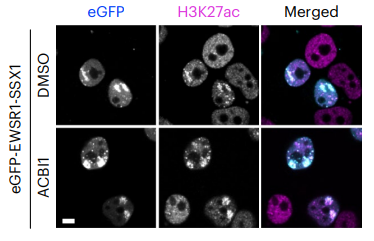
H3K27ac immunofluorescence of HEK293T cells expressing eGFP-EWSR1-SSX1 (left) or eGFP-MN1-SSX1 (right) treated with DMSO (top) or 500 nM ACBI1 (bottom) for SMARCA2 (BRM, left), ARID1A (middle) or SMARCC1 (right). Merge channels display eGFP (cyan) and BAF H3K27ac (magenta) overlays. Images are representative of three biological replicates.
-
Oncogenesis
The SWI/SNF ATPase BRG1 facilitates multiple pro-tumorigenic gene expression programs in SMARCB1-deficient cancer cells. [Abstract]2022 Jun 1;11(1):30. PMID: 35650187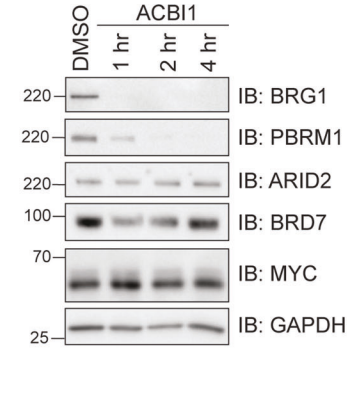
ACBI1 purchased from MedChemExpress. Usage Cited in: Oncogenesis. 2022 Jun 1;11(1):30. [Abstract]
G401 cells were treated with 250 nM ACBI1 for the indicated times and protein lysates were probed for expression of BRG1, pBAF-specific subunits PBRM1, ARID2, and BRD7, and MYC. DMSO control is matched to longest treatment. GAPDH is used as a loading control.
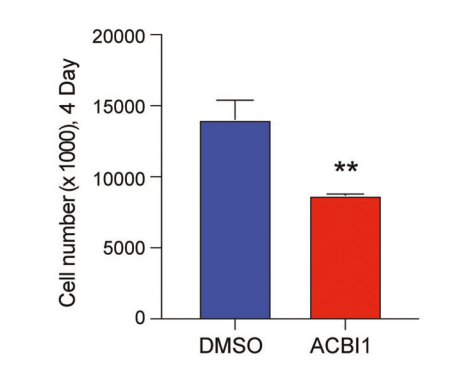
ACBI1 purchased from MedChemExpress. Usage Cited in: Oncogenesis. 2022 Jun 1;11(1):30. [Abstract]
G401 cells in c were allowed to grow for 4 days in the presence of ACBI1 or DMSO control and cells counted at this timepoint.
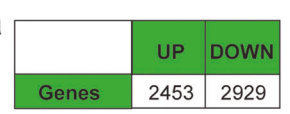
ACBI1 purchased from MedChemExpress. Usage Cited in: Oncogenesis. 2022 Jun 1;11(1):30. [Abstract]
Total number of differentially expressed genes that were increased in expression ("up") or decreased ("down") in response to 24 h ACBI1 treatment. FDR < 0.05 was used for determining significantly changed genes.
-
Structure
PROTAC-mediated activation, rather than degradation, of a nuclear receptor reveals complex ligand-receptor interaction network. [Abstract]2024 Dec 5;32(12):2352-2363.e8. PMID: 39389062 -
Epigenetics Chromatin
Unraveling the cohesin-chromatin interface: identifying protein interactions that modulate chromosome structure and function. [Abstract]2025 Jun 2;18(1):31. PMID: 40452075 -
bioRxiv
2026 Jan 27:2026.01.26.701739. PMID: 41659547 -
bioRxiv
2025 Jul 17:2025.06.28.662102. PMID: 40631164 -
-


Solvent & Solubility
In Vitro:
DMSO : ≥ 100 mg/mL (106.83 mM; Hygroscopic DMSO has a significant impact on the solubility of product, please use newly opened DMSO)
* "≥" means soluble, but saturation unknown.
Please refer to the solubility information to select the appropriate solvent. Once prepared, please aliquot and store the solution to prevent product inactivation from repeated freeze-thaw cycles.
Storage method and period of stock solution: -80°C, 6 months; -20°C, 1 month (protect from light, stored under nitrogen). When stored at -80°C, please use it within 6 months. When stored at -20°C, please use it within 1 month.
Please refer to the solubility information to select the appropriate solvent. Once prepared, please aliquot and store the solution to prevent product inactivation from repeated freeze-thaw cycles.
Storage method and period of stock solution: -80°C, 6 months; -20°C, 1 month (protect from light, stored under nitrogen). When stored at -80°C, please use it within 6 months. When stored at -20°C, please use it within 1 month.
Concentration (start) × Volume (start) = Concentration (final) × Volume (final)
In Vivo:
Select the appropriate dissolution method based on your experimental animal and administration route.
- For the following dissolution methods, please ensure to first prepare a clear stock solution using an In Vitro approach and then sequentially add co-solvents:
- To ensure reliable experimental results, the clarified stock solution can be appropriately stored based on storage conditions. As for the working solution for In Vivo experiments, it is recommended to prepare freshly and use it on the same day.
- The percentages shown for the solvents indicate their volumetric ratio in the final prepared solution. If precipitation or phase separation occurs during preparation, heat and/or sonication can be used to aid dissolution.
Add each solvent one by one: 10% DMSO 40% PEG300 5% Tween-80 45% Saline
Solubility: ≥ 2.5 mg/mL (2.67 mM); Clear solution
This protocol yields a clear solution of ≥ 2.5 mg/mL (saturation unknown).
Taking 1 mL working solution as an example, add 100 μL DMSO stock solution (25.0 mg/mL) to 400 μL PEG300, and mix evenly; then add 50 μL Tween-80 and mix evenly; then add 450 μL Saline to adjust the volume to 1 mL.
Preparation of Saline: Dissolve 0.9 g sodium chloride in ddH₂O and dilute to 100 mL to obtain a clear Saline solution.
In Vivo Dissolution Calculator
Please enter the basic information of animal experiments:
-
-
-
-
Recommended: Prepare an additional quantity of animals to account for potential losses during experiments.
Please enter your animal formula composition:
-
%DMSO +
Recommended: Keep the proportion of DMSO in working solution below 2% if your animal is weak.
-
%+
-
+%Tween-80 + +
-
%Saline +
The co-solvents required include: DMSO, . All of co-solvents are available by MedChemExpress (MCE). , Tween 80. All of co-solvents are available by MedChemExpress (MCE).
Working solution concentration: 0.22 mg/mL
Method for preparing stock solution: mg drug dissolved in μL DMSO. Stock solution concentration: mg/mL. * In solvent : -80°C, 6 months; -20°C, 1 month (protect from light, stored under nitrogen)
1. Take μL DMSO stock solution;
2. Add μL .
μL , mix evenly;
3. Then add μL Tween 80, mix evenly;
4. Then add μL
Please ensure that the stock solution in the first step is dissolved to a clear state, and add co-solvents in sequence. You can use ultrasonic heating (ultrasonic cleaner, recommended frequency 20-40 kHz), vortexing, etc. to assist dissolution.


Purity & Documentation
-
Data Sheet (276 KB)
-
SDS (393 KB)
- English - EN (393 KB)
- Français - FR (393 KB)
- Deutsch - DE (393 KB)
- Norwegian - NO (393 KB)
- Español - ES (393 KB)
- Swedish - SV (393 KB)
- Italian - IT (393 KB)
- Korean - KR (393 KB)
- Portuguese - PT (393 KB)
-
Handling Instructions (2659 KB)
References


Complete Stock Solution Preparation Table
Please refer to the solubility information to select the appropriate solvent. Once prepared, please aliquot and store the solution to prevent product inactivation from repeated freeze-thaw cycles.
Storage method and period of stock solution: -80°C, 6 months; -20°C, 1 month (protect from light, stored under nitrogen). When stored at -80°C, please use it within 6 months. When stored at -20°C, please use it within 1 month.
| Optional Solvent | Concentration Solvent Mass | 1 mg | 5 mg | 10 mg | 25 mg |
|---|---|---|---|---|---|
| DMSO | 1 mM | 1.0683 mL | 5.3413 mL | 10.6826 mL | 26.7065 mL |
| 5 mM | 0.2137 mL | 1.0683 mL | 2.1365 mL | 5.3413 mL | |
| 10 mM | 0.1068 mL | 0.5341 mL | 1.0683 mL | 2.6707 mL | |
| 15 mM | 0.0712 mL | 0.3561 mL | 0.7122 mL | 1.7804 mL | |
| 20 mM | 0.0534 mL | 0.2671 mL | 0.5341 mL | 1.3353 mL | |
| 25 mM | 0.0427 mL | 0.2137 mL | 0.4273 mL | 1.0683 mL | |
| 30 mM | 0.0356 mL | 0.1780 mL | 0.3561 mL | 0.8902 mL | |
| 40 mM | 0.0267 mL | 0.1335 mL | 0.2671 mL | 0.6677 mL | |
| 50 mM | 0.0214 mL | 0.1068 mL | 0.2137 mL | 0.5341 mL | |
| 60 mM | 0.0178 mL | 0.0890 mL | 0.1780 mL | 0.4451 mL | |
| 80 mM | 0.0134 mL | 0.0668 mL | 0.1335 mL | 0.3338 mL | |
| 100 mM | 0.0107 mL | 0.0534 mL | 0.1068 mL | 0.2671 mL |


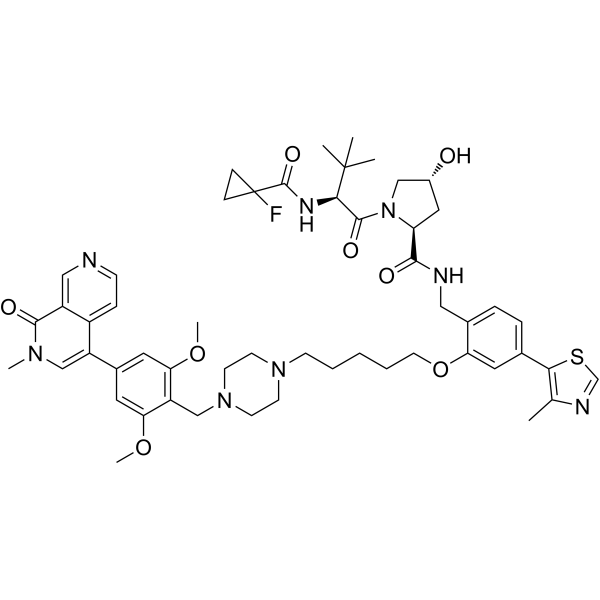
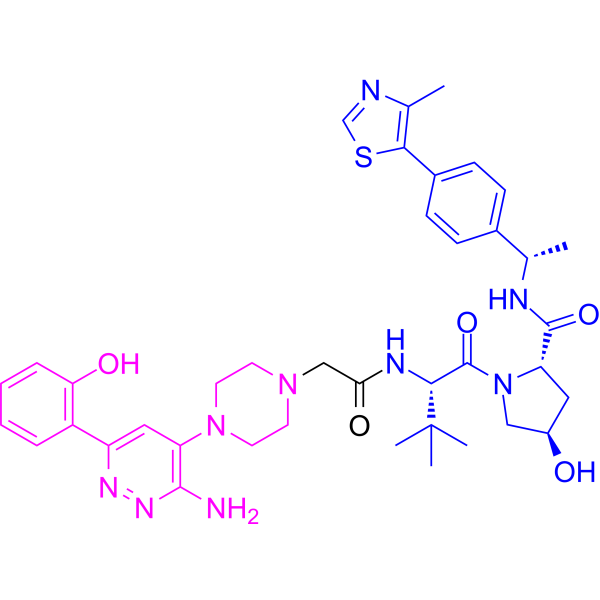
ACBI1 Related Classifications
HY-128359 Related Classifications
 Powered by Bioz