



Clemastine
Based on 14 publication(s) in Google Scholar
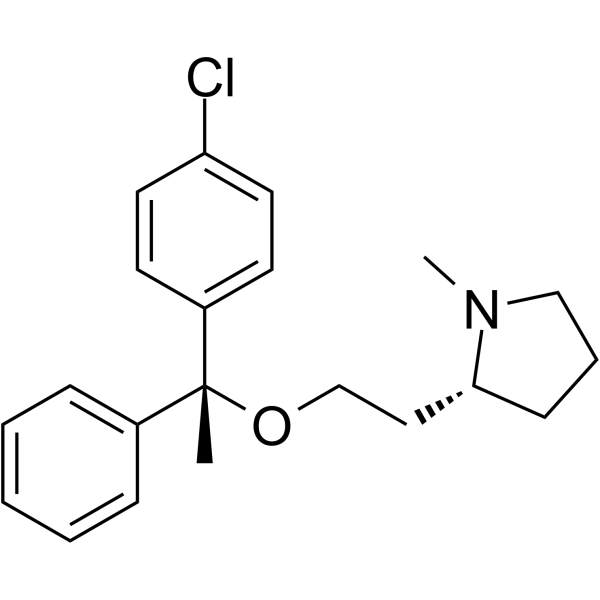
Clemastine (HS-592; Meclastine) is an orally active, blood-brain barrier-permeable H1 histamine receptor (H1 histamine receptor) antagonist with potent antiallergic effects. Clemastine also antagonizes muscarinic acetylcholine receptors (mAChR), particularly the M1 and M4 subtypes. In addition to antihistamine effects, Clemastine exhibits multiple pharmacological activities, especially in promoting central nervous system remyelination, activating autophagy and pyroptosis, exerting anti-apoptotic and neuroprotective effects, and suppressing inflammation.
For research use only. We do not sell to patients.
- Purity : 99.26%
- CAS No.: 15686-51-8
- Formula: C21H26ClNO
- Molecular Weight:343.89
-
Storage:Pure form -20°C, 3 years , 4°C, 2 years ; In solvent -80°C, 6 months , -20°C, 1 month

To place orders, for customer services and technical support, please contact: MedChemExpress USA
Tel: 609-228-6898 E-mail: [email protected] [email protected]


-
 Biological Activity
-
Chemical Information
-
Solvent & Solubility
- Protocols
- Purity & Documentation
- References
-
 Help & FAQs


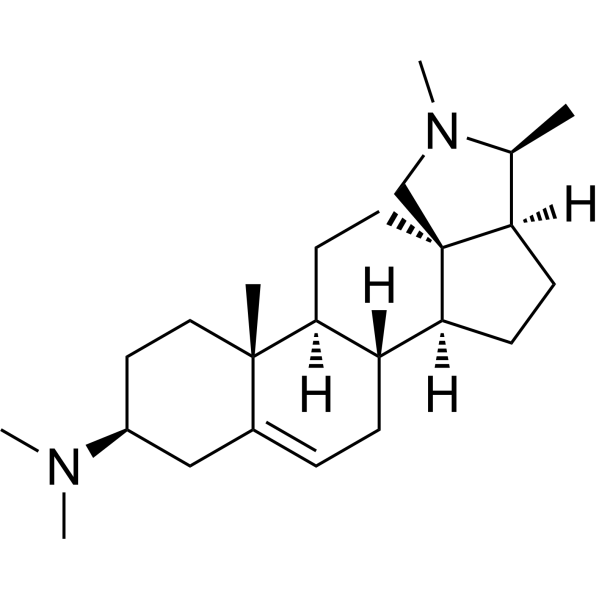
Publications Citing Use of MedChemExpress (MCE) Clemastine
More- Redox Biol. 2025 Sep 20:87:103875. [Abstract]
- Acta Pharmacol Sin. 2026 Jun 23. [Abstract]
- Cell Prolif. 2021 Jan;54(1):e12953. [Abstract]
- Br J Pharmacol. 2025 Jun;182(12):2730-2753. [Abstract]
- J Ethnopharmacol. 2027 Jan 10:372:122159.
- Neurosci Bull. 2025 Jul 17. [Abstract]
- Exp Neurol. 2025 Mar:385:115086. [Abstract]
- Prog Neuropsychopharmacol Biol Psychiatry. 2024 Feb 8:129:110901. [Abstract]
- Microbiol Spectr. 2022 Apr 27;10(2):e0054121. [Abstract]
- Viruses. 2021 Jun 28;13(7):1255. [Abstract]
- Biochem Biophys Res Commun. 2020 Feb 19;522(4):862-868. [Abstract]
- Res Sq. 2026 Jun 25.
- Res Sq. 2026 Mar 23.
- Methods Mol Biol. 2023:2683:103-111. [Abstract]
 Customer Validation & Images

-
IP
-
Bio/Physico-chemical Assay
-
WB
-
RT-PCR
-
Microbiological Assay
All Histamine Receptor Isoforms
More

Biological Activity
Description
IC50 & Target
|
H1 Receptor |
Cellular Effect
|
Cell Line

|
Type | Value | Description | References |
|---|---|---|---|---|
| HEK293 | IC50 |
4.9 μM
Compound: clemastine
|
Inhibition of 4-(4-(dimethylamino)styryl)-N-methylpyridinium uptake at human OCT1 expressed in HEK293 cells by confocal microscopy
Inhibition of 4-(4-(dimethylamino)styryl)-N-methylpyridinium uptake at human OCT1 expressed in HEK293 cells by confocal microscopy
|
[PMID: 18788725] |
| HeLa | IC50 |
1.1 μM
Compound: Clemastine
|
Inhibition of Ebolavirus glycoprotein/matrix protein VP40 entry in human HeLa cells after 4.5 hrs beta-lactamase reporter assay
Inhibition of Ebolavirus glycoprotein/matrix protein VP40 entry in human HeLa cells after 4.5 hrs beta-lactamase reporter assay
|
[PMID: 29624387] |
In Vitro
Clemastine (10 μM; 12 h) promotes Nrf2 nuclear translocation, activates the Nrf2/SQSTM1 pathway, and increases autophagy-related gene transcription in Hb-treated HT-22 cells[1].
Clemastine (10-50 μM; 1 h for DARTS assay) directly binds to the M4 receptor, and M4 receptor signalling mediates clemastine-induced activation of the Nrf2/SQSTM1/TBK1 autophagy pathway in HT-22 cells[1].
Clemastine (10 μg/mL; 3-18 h, 90 min) potentiates ATP-induced inflammasome activation and GSDMD-dependent pyroptotic cell death in LPS-primed THP-1 cells[2].
Clemastine (10 μg/mL; 3-18 h) potentiates ATP-induced inflammasome activation and pyroptotic cell death in LPS-primed primary human monocyte-derived macrophages via a P2RX7-dependent mechanism[2].
Clemastine (10 μg/mL; 18 h) induces lytic cell death in LPS-primed human iPSC-derived oligodendrocytes when combined with 2 mM ATP[2].
Clemastine promotes oligodendrocyte precursor cell differentiation into mature myelinating oligodendrocytes via CHRM1 blockade and ERK pathway activation[3].
Clemastine induces an NMDA receptor-rich state in oligodendrocyte precursor cells by modifying their membrane properties[3].
Clemastine (1.25 μg/mL) reduces cellular apoptosis, improves mitochondrial structural damage, and promotes autophagy in LPS-stimulated H9c2 cardiomyocytes[5].
MedChemExpress (MCE) has not independently confirmed the accuracy of these methods. They are for reference only. Further protocols information, click here.
In Vivo
Clemastine (10 mg/kg; p.o.; once daily; for 28 consecutive days) reverses long-term cognitive impairment and attenuates hippocampal neuronal damage in a mouse model of subarachnoid hemorrhage (SAH)[1].
Clemastine enhances remyelination and reverses behavioral changes in cuprizone-induced mouse models of multiple sclerosis[2].
Clemastine accelerates remyelination, prevents axonal loss, and improves functional recovery in a mouse model of inflammatory demyelination-related multiple sclerosis[2].
Clemastine enhances myelination in the prefrontal cortex and reverses behavioral alterations in socially isolated mice[2].
Clemastine enhances myelination, delays axonal loss, and promotes functional recovery in mouse models of spinal cord injury[2].
Clemastine preserves myelin integrity, reduces axonal loss, promotes oligodendrocyte differentiation, and improves motor function recovery in a rat model of spinal cord contusion injury[4].
Clemastine promotes the differentiation of oligodendrocyte precursor cells and remyelination in a rat model of Pelizaeus-Merzbacher disease without immunosuppressive effects[4].
Clemastine promotes remyelination in a lysophosphatidylcholine-induced demyelination mouse model[4].
Clemastine (10-50 mg/kg; i.p.; single administration) increases the 7-day survival rate and reduces serum cTnI levels in CLP-induced septic rats; in addition, 30 mg/kg Clemastine improves cardiac function, alleviates cardiomyocyte apoptosis and mitochondrial damage, and promotes autophagy, with its anti-apoptotic effect dependent on autophagy activation[5].
Clemastine (10 mg/kg; p.o.; once daily for 21 consecutive days) promotes oligodendrocyte precursor cell differentiation and remyelination, thereby improving the structural recovery and functional outcomes of the optic nerve and retina in a mouse model of glaucoma[6].
MedChemExpress (MCE) has not independently confirmed the accuracy of these methods. They are for reference only.
-
Animal Model:C57BL/6 (male, 8 weeks old, subarachnoid haemorrhage model via stereotactic injection of autologous blood)[1]
-
Dosage:1 mg/kg
-
Administration:i.p.; single dose
-
Result:Improved modified Garcia scale scores relative to SAH + vehicle controls.
Reduced beam balance test hind limb slippage frequency relative to SAH + vehicle controls.
Reduced number of DHE-positive superoxide-producing neurons relative to SAH + vehicle controls.
Reduced number of FJC-positive degenerating neurons relative to SAH + vehicle controls.
Increased Nrf2 protein expression and nuclear translocation, increased LC3-II/LC3-I ratio, and increased autophagosome formation relative to SAH + vehicle controls.
Abolished protective effects on modified Garcia and beam balance scores, as well as changes in Nrf2, Keap1, p-SQSTM1, SQSTM1, and LC3-II/LC3-I levels when co-administered with mTOR activator MHY1485.
Abolished protective effects on modified Garcia and beam balance scores, as well as changes in Nrf2, Keap1, p-SQSTM1, SQSTM1, and LC3-II/LC3-I levels when co-administered with Nrf2 inhibitor ML385.
-
Animal Model:C57BL/6 (male, 8 weeks old, subarachnoid haemorrhage model via stereotactic injection of autologous blood)[1]
-
Dosage:10 mg/kg/day
-
Administration:p.o.; daily; 28 days
-
Result:Reduced escape latency in the Morris water maze acquisition phase relative to SAH + vehicle controls.
Increased number of platform site crossings, increased time spent in the platform quadrant, and increased total distance travelled in the platform quadrant in the Morris water maze probe trial relative to SAH + vehicle controls.
Improved recognition index in the novel object recognition test relative to SAH + vehicle controls.
Improved preference index in the Y-maze test relative to SAH + vehicle controls.
Reduced number of FJC-positive degenerating neurons in the hippocampal CA1, CA3, and DG regions relative to SAH + vehicle controls.
Attenuated hippocampal neuronal shrinkage and death relative to SAH + vehicle controls.
-
Animal Model:Sprague Dawley (adult male, 220-250 g, CLP-induced sepsis)[5]
-
Dosage:10 mg/kg; 30 mg/kg; 50 mg/kg
-
Administration:i.p.; single dose
-
Result:Significantly reduced serum cardiac troponin I (cTnI) levels and increased 7-day survival rate at 30 mg/kg and 50 mg/kg, with minimal effect at 10 mg/kg.
Significantly increased left ventricular ejection fraction (LVEF) and left ventricular fraction shortening (LVFS), decreased left ventricular end-systolic diameter (LVESD), and attenuated myocardial fiber disorder, edema, red blood cell exudation, and inflammatory cell infiltration at 30 mg/kg.
Reduced the number of TUNEL-positive cardiomyocytes, decreased BAX protein expression, and increased Bcl-2 protein expression at 30 mg/kg.
Improved mitochondrial ultrastructure (reduced swelling, cristae disruption, and vacuolation), increased myocardial ATP content, decreased dynamin-related protein 1 (DRP1) expression, suppressed mitochondrial ROS production, and increased superoxide dismutase 2 (SOD2) expression at 30 mg/kg.
Increased the number of myocardial autophagosomes, elevated the LC3II/LC3I ratio, and increased Beclin 1 protein expression at 30 mg/kg.
Abolished the anti-apoptotic effect (reduced TUNEL-positive cells, reduced BAX, increased Bcl-2) of 30 mg/kg when co-administered with autophagy inhibitor 3-methyladenine.
-
Animal Model:C57BL/J mice (12 weeks old, 20.0 g; includes NG2-CreERT; Tau-mGFP transgenic mice and littermate controls)[6]
-
Dosage:10 mg/kg
-
Administration:p.o.; daily; day 7 to day 28 post-microbead injection
-
Result:Increased the number of CC1+ mature oligodendrocytes, Olig2+ total oligodendroglial lineage cells, and reduced the number of Tunel+/Olig2+ apoptotic oligodendroglial cells on day 28 compared to untreated glaucoma mice.
Increased myelinated axon numbers and improved myelin thickness (reduced G-ratio) in optic nerves on day 28 compared to untreated glaucoma mice.
Clinical Trial
| NCT Number | Sponsor | Condition | Start Date |
Phase
|
|---|---|---|---|---|
| NCT01329991 | Plexxikon| | 2011-05 | PHASE1 |


Chemical Information
-
CAS No. 15686-51-8
-
Appearance Oil
-
Molecular Weight 343.89
-
Formula C21H26ClNO
-
Color Colorless to light yellow
-
SMILES
CN1[C@@H](CCO[C@](C2=CC=CC=C2)(C3=CC=C(Cl)C=C3)C)CCC1
-
Synonyms
HS-592; Meclastine
-
Shipping
Room temperature in continental US; may vary elsewhere.
-
Storage
Pure form -20°C 3 years 4°C 2 years In solvent -80°C 6 months -20°C 1 month


Publications (14)
-
Journal Impact Factor
-
Most Recent
-
Redox Biol
Sigma-1 receptor counteracts non-cell-autonomous poly-PR-induced astrocytic oxidative stress in C9orf72 ALS. [Abstract]2025 Sep 20:87:103875. PMID: 40992079
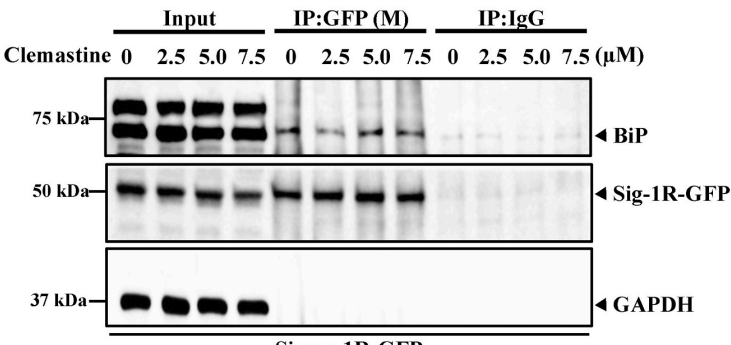
Clemastine purchased from MedChemExpress. Usage Cited in: Redox Biol. 2025 Sep 20:87:103875. [Abstract]
Immunoprecipitation analysis of BiP-Sigma-1R interaction following Clemastine fumarate (0-7.5 μM) treatment. Sigma-1R agonist activity leads to dissociation from BiP, indicative of functional activation.
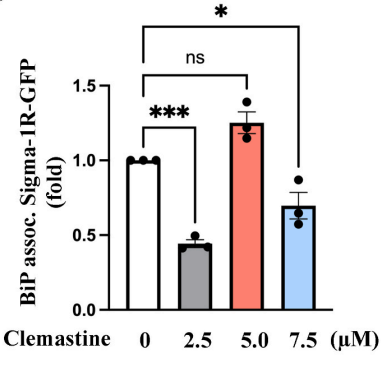
Clemastine purchased from MedChemExpress. Usage Cited in: Redox Biol. 2025 Sep 20:87:103875. [Abstract]
Quantification of BiP associated with Sigma-1R showed a significant reduction at 2.5 μM Clemastine fumarate.
Clemastine purchased from MedChemExpress. Usage Cited in: Redox Biol. 2025 Sep 20:87:103875. [Abstract]
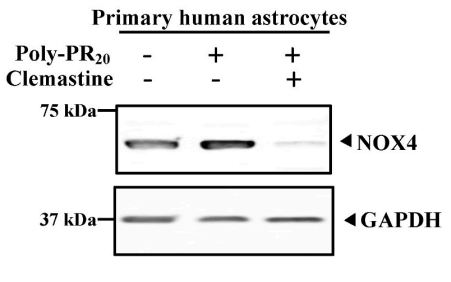
Western blot analysis of NOX4 protein levels in astrocytes treated with exogenous poly-PR20, with or without 2.5 μM Clemastine fumarate.
Clemastine purchased from MedChemExpress. Usage Cited in: Redox Biol. 2025 Sep 20:87:103875. [Abstract]
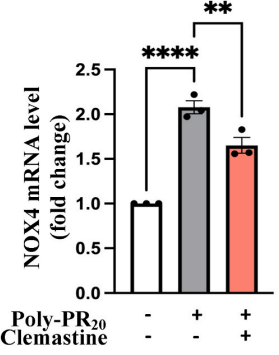
RT-qPCR analysis showed decreased NOX4 mRNA expression in Clemastine fumarate-treated astrocytes under poly-PR20 conditions.
-
Acta Pharmacol Sin
Clemastine alleviates cognitive dysfunction after SAH by targeting neuronal CNTN1 to regulate the ADA-adenosine pathway. [Abstract]2026 Jun 23. PMID: 42337055 -
Cell Prolif
Direct inhibitory effect on viral entry of influenza A and SARS-CoV-2 viruses by azithromycin. [Abstract]2021 Jan;54(1):e12953. PMID: 33211371 -
Br J Pharmacol
Clemastine attenuates subarachnoid haemorrhage pathology in a mouse model via Nrf2/SQSTM1-mediated autophagy. [Abstract]2025 Jun;182(12):2730-2753. PMID: 40052261 -
-
Neurosci Bull
Hippocampal Oligodendrocytes Regulate Mossy Fiber Development Involved in Epileptic Responses. [Abstract]2025 Jul 17. PMID: 40673958 -
Exp Neurol
Inhibition of histamine receptor 3 alleviates sevoflurane-induced hypomyelination and neurobehavioral deficits. [Abstract]2025 Mar:385:115086. PMID: 39637962 -
Prog Neuropsychopharmacol Biol Psychiatry
Demyelination in the medial prefrontal cortex by withdrawal from chronic nicotine causes impaired cognitive memory. [Abstract]2024 Feb 8:129:110901. PMID: 38036034 -
Microbiol Spectr
Clemastine Inhibits the Biofilm and Hemolytic of Staphylococcus aureus through the GdpP Protein. [Abstract]2022 Apr 27;10(2):e0054121. PMID: 35234502
Clemastine purchased from MedChemExpress. Usage Cited in: Microbiol Spectr. 2022 Apr 27;10(2):e0054121. [Abstract]
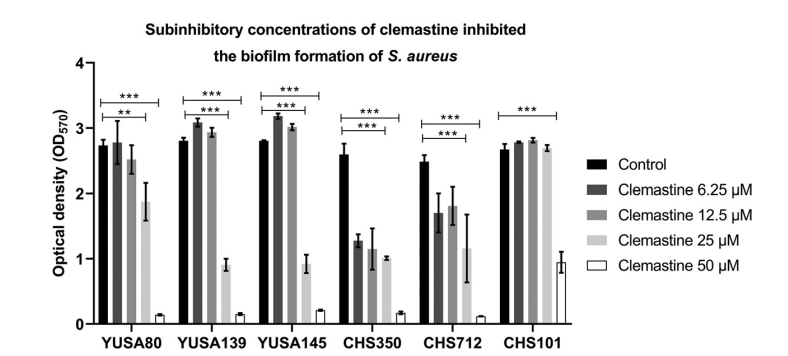
The Clemastine fumarate with a series of inhibitory concentrations inhibited the biofilm formation of S. aureus by the crystal violet staining method. YuSA80, YUSA139, YuSA145, CHS350, CHS712, and CHS101 strains were incubated with Clemastine fumarate 24 h at a series of concentrations of 0, 6.25, 12.5, 25, and 50 μM. The biofilm was then measured by crystal violet staining. The biofilm formation of six S. aureus strains was inhibited by clemastine at 50 μM.
Clemastine purchased from MedChemExpress. Usage Cited in: Microbiol Spectr. 2022 Apr 27;10(2):e0054121. [Abstract]
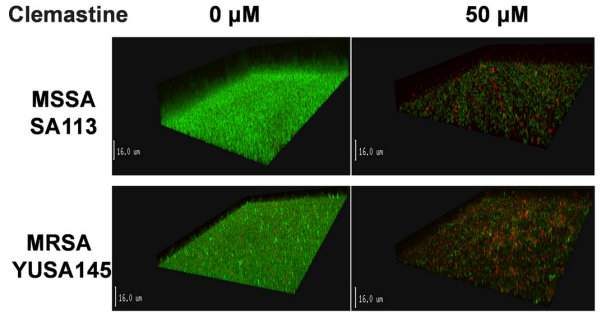
The Clemastine fumarate inhibited the biofilm formation of S. aureus observed by CLSM. Twenty-four-hour-old biofilms of MSSA SA113 and MRSA YUSA145 were grown on cover glass in a cell culture dish and observed by CLSM. Three-dimensional (3D) structural images were reconstructed. Viable and dead cells were stained green (SYTO9) and red (PI), respectively.
-
Viruses
Screening and Identification of Lujo Virus Inhibitors Using a Recombinant Reporter Virus Platform. [Abstract]2021 Jun 28;13(7):1255. PMID: 34203149 -
Biochem Biophys Res Commun
Combinatorial screening of a panel of FDA-approved drugs identifies several candidates with anti-Ebola activities. [Abstract]2020 Feb 19;522(4):862-868. PMID: 31806372 -
-
-
Methods Mol Biol
Characterizing the Neuron-Glial Interactions by the Co-cultures of Human iPSC-Derived Oligodendroglia and Neurons. [Abstract]2023:2683:103-111. PMID: 37300770


Solvent & Solubility
In Vitro:
DMSO : 100 mg/mL (290.79 mM; Need ultrasonic; Hygroscopic DMSO has a significant impact on the solubility of product, please use newly opened DMSO)
Please refer to the solubility information to select the appropriate solvent. Once prepared, please aliquot and store the solution to prevent product inactivation from repeated freeze-thaw cycles.
Storage method and period of stock solution: -80°C, 6 months; -20°C, 1 month. When stored at -80°C, please use it within 6 months. When stored at -20°C, please use it within 1 month.
Please refer to the solubility information to select the appropriate solvent. Once prepared, please aliquot and store the solution to prevent product inactivation from repeated freeze-thaw cycles.
Storage method and period of stock solution: -80°C, 6 months; -20°C, 1 month. When stored at -80°C, please use it within 6 months. When stored at -20°C, please use it within 1 month.
Concentration (start) × Volume (start) = Concentration (final) × Volume (final)
In Vivo:
Select the appropriate dissolution method based on your experimental animal and administration route.
- For the following dissolution methods, please ensure to first prepare a clear stock solution using an In Vitro approach and then sequentially add co-solvents:
- To ensure reliable experimental results, the clarified stock solution can be appropriately stored based on storage conditions. As for the working solution for In Vivo experiments, it is recommended to prepare freshly and use it on the same day.
- The percentages shown for the solvents indicate their volumetric ratio in the final prepared solution. If precipitation or phase separation occurs during preparation, heat and/or sonication can be used to aid dissolution.
Add each solvent one by one: 10% DMSO 40% PEG300 5% Tween-80 45% Saline
Solubility: ≥ 2.5 mg/mL (7.27 mM); Clear solution
This protocol yields a clear solution of ≥ 2.5 mg/mL (saturation unknown).
Taking 1 mL working solution as an example, add 100 μL DMSO stock solution (25.0 mg/mL) to 400 μL PEG300, and mix evenly; then add 50 μL Tween-80 and mix evenly; then add 450 μL Saline to adjust the volume to 1 mL.
Preparation of Saline: Dissolve 0.9 g sodium chloride in ddH₂O and dilute to 100 mL to obtain a clear Saline solution.
Add each solvent one by one: 10% DMSO 90% (20% SBE-β-CD in Saline)
Solubility: ≥ 2.5 mg/mL (7.27 mM); Clear solution
This protocol yields a clear solution of ≥ 2.5 mg/mL (saturation unknown).
Taking 1 mL working solution as an example, add 100 μL DMSO stock solution (25.0 mg/mL) to 900 μL 20% SBE-β-CD in Saline, and mix evenly.
Preparation of 20% SBE-β-CD in Saline (4°C, storage for one week): 2 g SBE-β-CD powder is dissolved in 10 mL Saline, completely dissolve until clear.
In Vivo Dissolution Calculator
Please enter the basic information of animal experiments:
-
-
-
-
Recommended: Prepare an additional quantity of animals to account for potential losses during experiments.
Please enter your animal formula composition:
-
%DMSO +
Recommended: Keep the proportion of DMSO in working solution below 2% if your animal is weak.
-
%+
-
+%Tween-80 + +
-
%Saline +
The co-solvents required include: DMSO, . All of co-solvents are available by MedChemExpress (MCE). , Tween 80. All of co-solvents are available by MedChemExpress (MCE).
Working solution concentration: 0.22 mg/mL
Method for preparing stock solution: mg drug dissolved in μL DMSO. Stock solution concentration: mg/mL.
1. Take μL DMSO stock solution;
2. Add μL .
μL , mix evenly;
3. Then add μL Tween 80, mix evenly;
4. Then add μL
Please ensure that the stock solution in the first step is dissolved to a clear state, and add co-solvents in sequence. You can use ultrasonic heating (ultrasonic cleaner, recommended frequency 20-40 kHz), vortexing, etc. to assist dissolution.

Protocols
-
Apoptosis
Apoptosis, also called programmed cell death, is generally characterized by distinct morphological characteristics.
-
Autophagy
Autophagy is a process in which eukaryotic cells use lysosomes to degrade their own cytoplasmic proteins and damaged organelles under the regulation of autophagy related gene (Atg). Microtubule-associated proteins light chain 3 (LC3) is recognized as autophagy marker, which transfers from cytoplasmic LC3 (LC3-I) to membrane type (LC3-II). LC3-II/I ratio could be detected by Western Blot and fluorescence microscopy.
-
Apoptosis Solutions
Apoptosis is a regulated, generally non-lytic cell-death pathway that removes unwanted, damaged, infected, or abnormal cells through coordinated morphological changes, caspase activation, DNA fragmentation, and membrane remodeling. The intrinsic apoptosis pathway is controlled mainly by mitochondrial outer membrane permeabilization, BCL-2 family proteins, cytochrome c release, apoptosome formation, caspase-9 activation, and downstream executioner caspase-3/7 activation. The extrinsic apoptosis pathway is initiated by death receptors such as Fas, TNFR, and TRAIL receptors, which recruit adaptor proteins and activate caspase-8 before engaging executioner caspases or mitochondrial amplification through BID cleavage. Apoptosis is linked to many phenotypes, including cancer cell killing, tissue homeostasis, immune regulation, neurodegeneration, infection response, and treatment-induced cytotoxicity; unresolved questions include how apoptosis interacts with necroptosis, pyroptosis, ferroptos
-
Lysosome and acidic-vesicle live-cell staining
Lysosome and acidic-vesicle live-cell staining detects acidic intracellular compartments by using membrane-permeant acidotropic probes that accumulate in low-pH vesicles, including lysosomes, late endosomes, autolysosomes, and acidic phagosomes. LysoTracker staining is commonly used as an intensity-based readout of acidic lysosomal compartment abundance or enlargement, while acridine orange produces green fluorescence in less concentrated compartments and red fluorescence after concentration-dependent accumulation in acidic vesicular organelles. Loss or reduction of acridine-orange red signal can be used as a readout of lysosomal membrane permeabilization or reduced acidic-vesicle integrity. This protocol is designed for live cultured cells and can be adapted for fluorescence microscopy, high-content imaging, plate-reader readout, or flow cytometry when the selected literature supports the readout. Because these dyes report acidotropic accumulation rather than lysosome identity alone,
-
Research Protocol for Inflammation-related Diseases
The NLRP3 inflammasome is a cytosolic innate immune signaling platform that integrates priming signals and danger-signal activation to promote caspase-1 activation, maturation of IL-1β and IL-18, and gasdermin D-mediated pyroptotic cell death. The core experimental logic is to determine whether inflammatory disease phenotypes are driven by increased NLRP3 expression, ASC-containing inflammasome assembly, caspase-1 cleavage, GSDMD cleavage, and extracellular release of IL-1β/IL-18 rather than by nonspecific cell injury alone. The pathway is strongly linked to inflammation-related disease phenotypes because monosodium urate crystals activate NALP3/NLRP3 inflammasome signaling in gout-like crystal inflammation, cholesterol crystals activate NLRP3 inflammasomes in atherogenesis models, and DSS-induced intestinal inflammation has been reported to involve NLRP3 inflammasome activity. However, experimental colitis studies also show context-dependent protective effects of NLRP3 inflammasome co
-
Macroautophagy Solutions
Macroautophagy is a conserved lysosome-dependent degradation pathway in which cytoplasmic material is sequestered into double-membrane autophagosomes and delivered to lysosomes for degradation and recycling. The pathway supports cellular homeostasis during nutrient limitation, organelle stress, protein-aggregate accumulation, infection, differentiation, and tissue remodeling by coupling cargo sequestration, autophagosome maturation, lysosomal fusion, and degradation of cargo-derived macromolecules. The core molecular sequence includes initiation by nutrient- and stress-regulated autophagy machinery, autophagosome nucleation, LC3/ATG8-family conjugation to autophagosomal membranes, cargo selection through receptors such as SQSTM1/p62, autophagosome-lysosome fusion, and lysosomal degradation. LC3 was identified as a mammalian homolog of yeast Atg8 that localizes to autophagosomal membranes after processing, and p62/SQSTM1 was shown to connect ubiquitinated cargo with autophagic degradati
-
Pyroptosis Solutions
Pyroptosis is a lytic inflammatory cell-death pathway executed by gasdermin pores, most classically through inflammasome-mediated activation of caspase-1, cleavage of gasdermin D, membrane pore formation, LDH release, and secretion of IL-1β and IL-18. The canonical pathway is commonly modeled by priming cells with an inflammatory signal such as LPS to induce pro-IL-1β and inflammasome components, followed by an activation signal such as ATP or nigericin to activate NLRP3, ASC speck formation, caspase-1 cleavage, GSDMD cleavage, cytokine release, and pyroptotic membrane rupture. The non-canonical pathway is triggered when cytosolic LPS activates mouse caspase-11 or human caspase-4/5, leading to GSDMD cleavage and pyroptosis, and this can secondarily activate NLRP3-dependent IL-1β release. Pyroptosis is linked to inflammatory injury, infection, cancer, liver disease, ocular disease, placental inflammation, and other disease phenotypes, but unresolved questions include which gasdermin fam


Purity & Documentation
-
Data Sheet (289 KB)
-
SDS (254 KB)
- English - EN (254 KB)
- Français - FR (254 KB)
- Deutsch - DE (254 KB)
- Norwegian - NO (254 KB)
- Español - ES (254 KB)
- Swedish - SV (254 KB)
- Italian - IT (254 KB)
- Korean - KR (254 KB)
- Portuguese - PT (254 KB)
-
Handling Instructions (2659 KB)
References
[1]. Zou Y, et al. Clemastine attenuates subarachnoid haemorrhage pathology in a mouse model via Nrf2/SQSTM1-mediated autophagy. Br J Pharmacol. 2025;182(12):2730-2753. [Content Brief]
[2]. Kocot J, et al. Clemastine fumarate accelerates accumulation of disability in progressive multiple sclerosis by enhancing pyroptosis. J Clin Invest. 2025;135(10):e183941. Published 2025 May 15. [Content Brief]
[3]. Yamazaki R, et al. The potential of repurposing clemastine to promote remyelination. Front Cell Neurosci. 2025;19:1582902. Published 2025 May 7. [Content Brief]
[4]. Myatich A, et al. Clemastine in remyelination and protection of neurons and skeletal muscle after spinal cord injury. Neural Regen Res. 2023;18(5):940-946. [Content Brief]
[5].
Wang X, et al. Clemastine protects against sepsis-induced myocardial injury in vivo and in vitro. Bioengineered. 2022 Mar;13(3):7134-7146.
[Content Brief]
[6]. Liu K, et al. Remyelination-oriented clemastine treatment attenuates neuropathies of optic nerve and retina in glaucoma. Glia. 2024;72(9):1555-1571. [Content Brief]


Complete Stock Solution Preparation Table
Please refer to the solubility information to select the appropriate solvent. Once prepared, please aliquot and store the solution to prevent product inactivation from repeated freeze-thaw cycles.
Storage method and period of stock solution: -80°C, 6 months; -20°C, 1 month. When stored at -80°C, please use it within 6 months. When stored at -20°C, please use it within 1 month.
| Optional Solvent | Concentration Solvent Mass | 1 mg | 5 mg | 10 mg | 25 mg |
|---|---|---|---|---|---|
| DMSO | 1 mM | 2.9079 mL | 14.5395 mL | 29.0791 mL | 72.6977 mL |
| 5 mM | 0.5816 mL | 2.9079 mL | 5.8158 mL | 14.5395 mL | |
| 10 mM | 0.2908 mL | 1.4540 mL | 2.9079 mL | 7.2698 mL | |
| 15 mM | 0.1939 mL | 0.9693 mL | 1.9386 mL | 4.8465 mL | |
| 20 mM | 0.1454 mL | 0.7270 mL | 1.4540 mL | 3.6349 mL | |
| 25 mM | 0.1163 mL | 0.5816 mL | 1.1632 mL | 2.9079 mL | |
| 30 mM | 0.0969 mL | 0.4847 mL | 0.9693 mL | 2.4233 mL | |
| 40 mM | 0.0727 mL | 0.3635 mL | 0.7270 mL | 1.8174 mL | |
| 50 mM | 0.0582 mL | 0.2908 mL | 0.5816 mL | 1.4540 mL | |
| 60 mM | 0.0485 mL | 0.2423 mL | 0.4847 mL | 1.2116 mL | |
| 80 mM | 0.0363 mL | 0.1817 mL | 0.3635 mL | 0.9087 mL | |
| 100 mM | 0.0291 mL | 0.1454 mL | 0.2908 mL | 0.7270 mL |


Clemastine Related Classifications
HY-B0298 Related Classifications
 Powered by Bioz
Keywords
- Clemastine
- 15686-51-8
- HS-592
- Meclastine
- HS592
- HS 592
- Histamine Receptor
- mAChR
- Autophagy
- Apoptosis
- Keap1-Nrf2
- p62
- mTOR
- Pyroptosis
- IKK
- p38 MAPK/NLRP3 signaling
- THP-1 cells
- HT-22 cells
- H9c2 cardiomyocytes
- Nrf2
- P2RX7
- muscarinic acetylcholine receptor M4
- CHRM1
- oligodendrocyte precursor cell
- histamine H1 receptor
- Inhibitor
- inhibitor
- inhibit