



BIX-01294 hydrochloride hydrate
Based on 26 publication(s) in Google Scholar
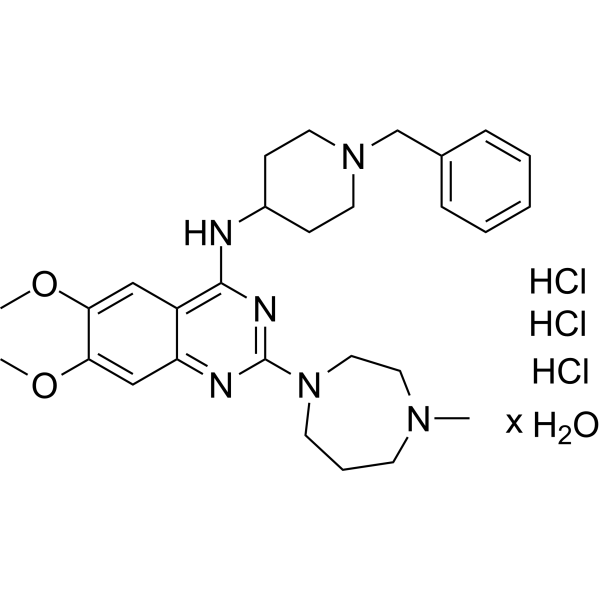
BIX-01294 hydrochloride hydrate is a histone-lysine methyltransferase (HMTase) inhibitor, which selective inhibits the G9aHMTase with IC50 of 1.7 μM, reduces histone-3 lysine (9) methylation (H3K9me), induces autophagy and apoptosis in human glioma cells.
For research use only. We do not sell to patients.
- CAS No.: 1808255-64-2
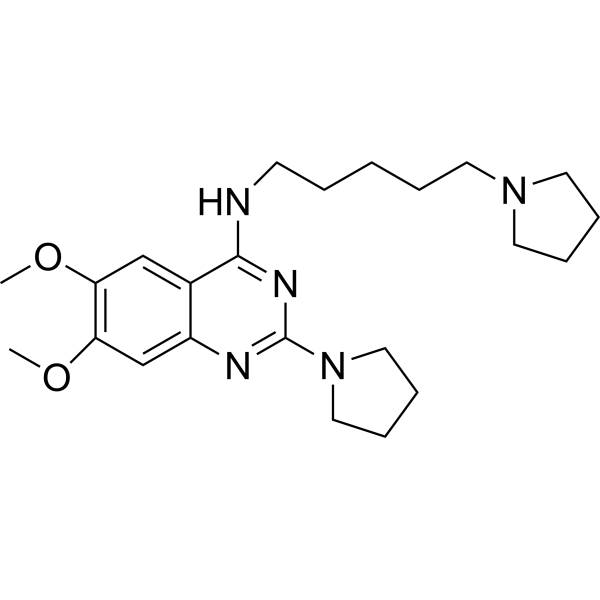
- Formula: C28H38N6O2.3ClH.xH2O
-
Storage:
Please store the product under the recommended conditions in the Certificate of Analysis.

To place orders, for customer services and technical support, please contact: MedChemExpress USA
Tel: 609-228-6898 E-mail: [email protected] [email protected]


-
 Biological Activity
-
Chemical Information
- Protocols
- Purity & Documentation
- References
-
 Help & FAQs


-
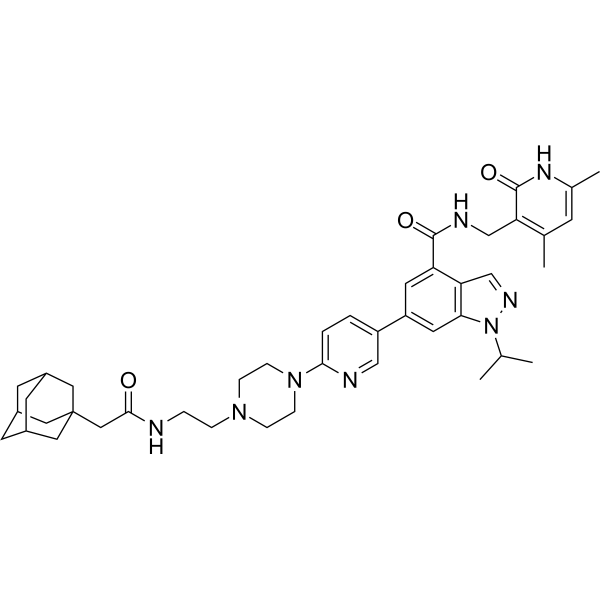
HY-133129
MS1943EZH2 HyT Degrader -
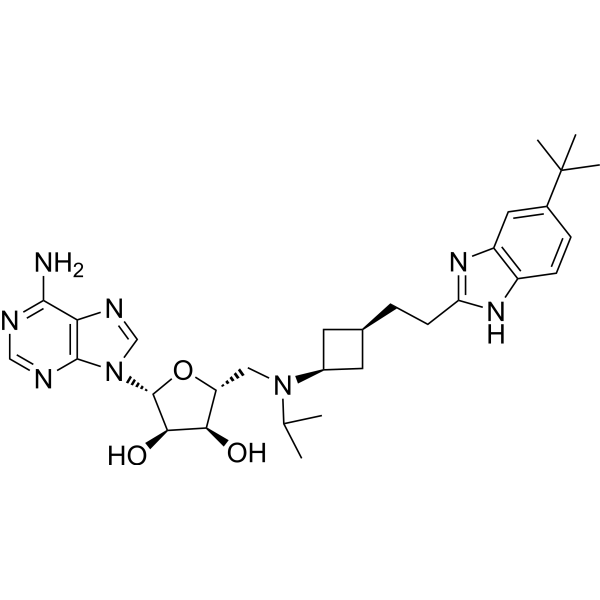
HY-15593
PinometostatDOT1L Inhibitor -
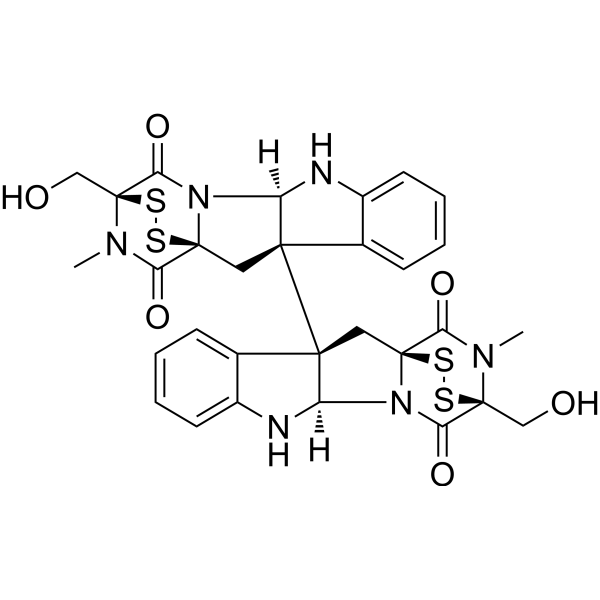
HY-N2019
ChaetocinSU(VAR)3-9 Inhibitor -
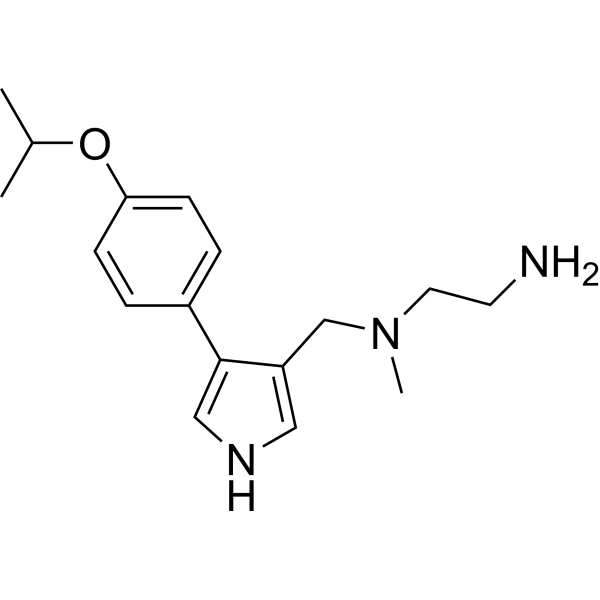
HY-19615
MS023Type I PRMT Inhibitor -
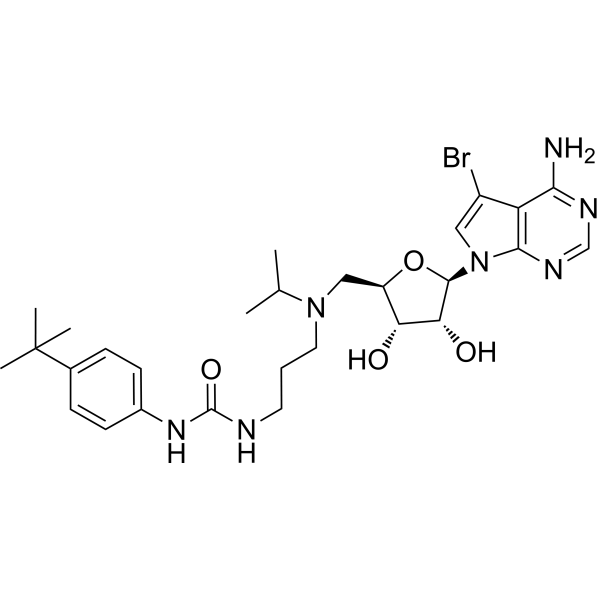
HY-15650
SGC0946DOT1L Inhibitor -
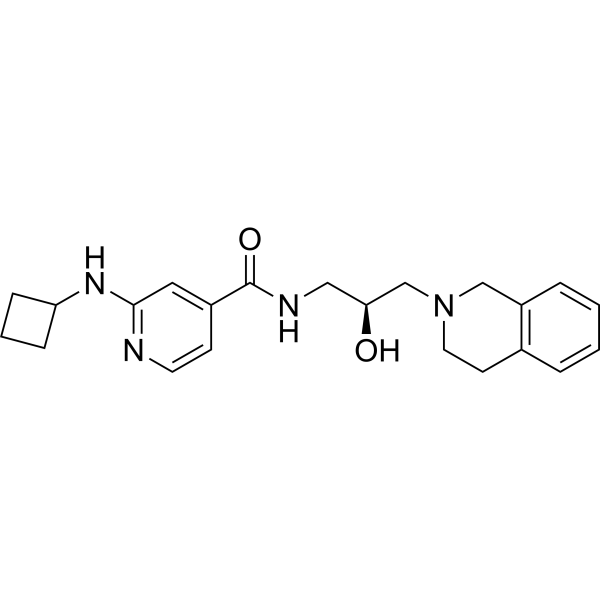
HY-100235
GSK591PRMT5 Inhibitor -
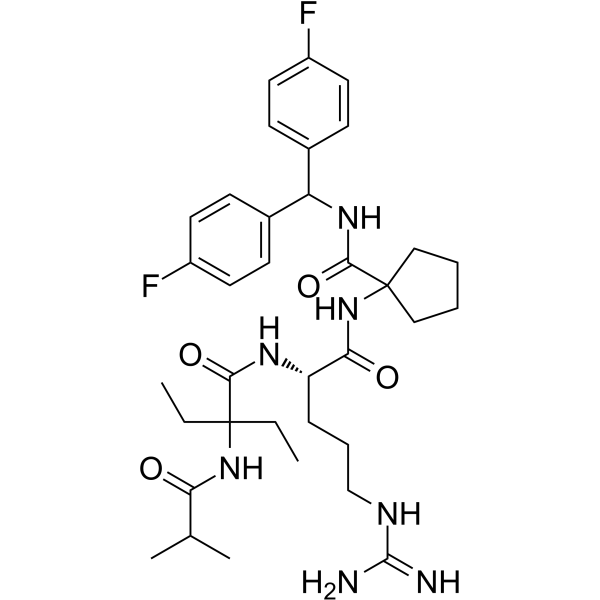
HY-12220
MM-102WDR5/MLL Inhibitor -
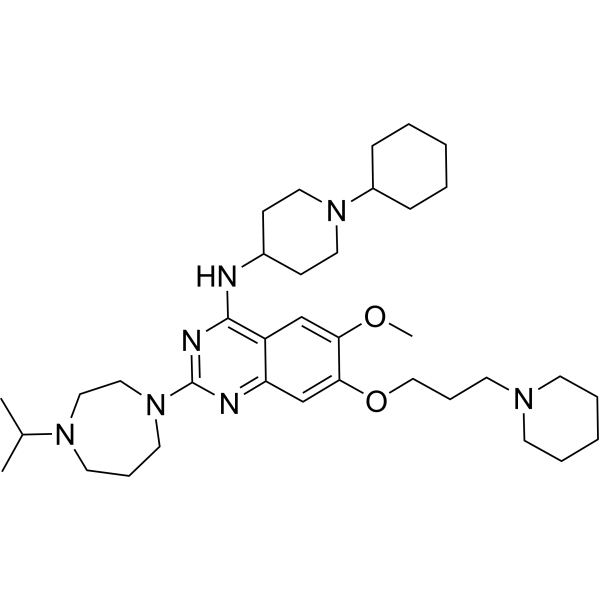
HY-13807
UNC0646G9a Inhibitor -
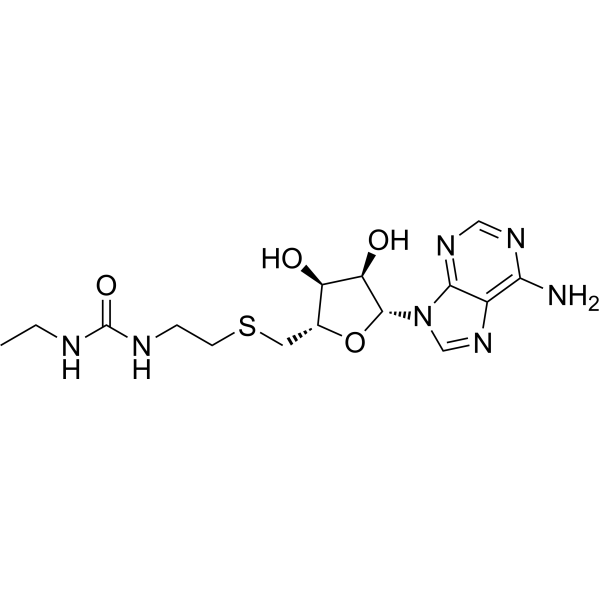
HY-124131
DS-437PRMT5/7 Inhibitor -
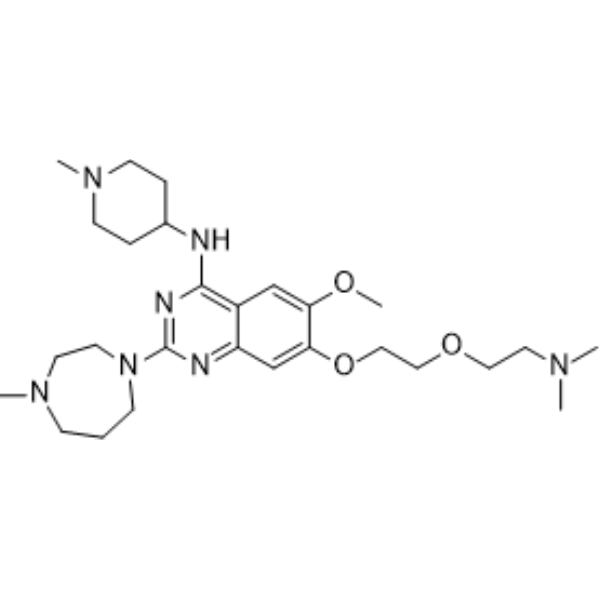
HY-10930
UNC0321G9a Inhibitor -
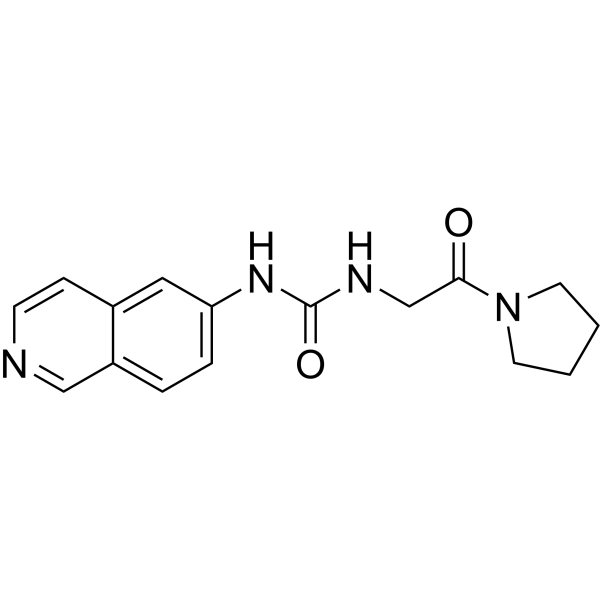
HY-19715
SGC707PRMT3 Inhibitor -
HY-12335
UNC0379SETD8 Inhibitor
Publications Citing Use of MedChemExpress (MCE) BIX-01294 hydrochloride hydrate
More- Nat Microbiol. 2025 Oct 10. [Abstract]
- ACS Nano. 2023 Feb 14;17(3):3181-3193. [Abstract]
- J Exp Clin Cancer Res. 2018 Aug 17;37(1):196. [Abstract]
- Adv Sci (Weinh). 2024 Oct;11(40):e2309983. [Abstract]
- Cell Death Dis. 2019 Apr 15;10(5):331. [Abstract]
- Cell Death Dis. 2017 Apr 6;8(4):e2726. [Abstract]
- Cell Syst. 2018 Apr 25;6(4):424-443.e7. [Abstract]
- NPJ Regen Med. 2024 Apr 29;9(1):17. [Abstract]
- Molecules. 2025 Jul 22;30(15):3054. [Abstract]
- Mol Med Rep. 2023 Feb;27(2):21. [Abstract]
- Mol Med Rep. 2021 Aug;24(2):616. [Abstract]
- Biochim Biophys Acta Mol Basis Dis. 2018 May;1864(5 Pt A):1744-1753. [Abstract]
- J Cell Mol Med. 2022 Nov;26(21):5539-5550. [Abstract]
- iScience. 2021 Oct 14;24(11):103271. [Abstract]
- Biomedicines. 2020 Nov 9;8(11):485. [Abstract]
- Exp Cell Res. 2020 Aug 15;393(2):112090. [Abstract]
- Invest New Drugs. 2021 Jun;39(3):686-696. [Abstract]
- PLoS One. 2023 Aug 29;18(8):e0289510. [Abstract]
- Biochem Biophys Res Commun. 2026 Jan 1:794:153072. [Abstract]
- Biochem Biophys Res Commun. 2025 Jan:743:151171. [Abstract]
- Cell J. 2023 Feb 1;25(2):118-125. [Abstract]
- bioRxiv. 2024 Oct 30:2024.09.30.615828. [Abstract]
- Research Square Print. September 20th, 2022.
- Aging (Albany NY). 2021 Mar 19;13(7):9704-9718. [Abstract]
- bioRxiv. 2020 Jun.
- Patent. US20180263995A1.
 Customer Validation & Images

-
Bio/Physico-chemical Assay
-
Cell Proliferation/Viability Assay
-
ELISA
-
RT-PCR
-
WB
All Histone Methyltransferase Isoforms
More

Biological Activity
Description
IC50 & Target
|
G9a 1.7 μM (IC50) |
GLP 38 μM (IC50) |
In Vitro
BIX-01294 hydrochloride hydrate (1-10 μM) induces autophagy and apoptosis and reduces cell viability in LN18 glioma cells[1]. BIX-01294 hydrochloride hydrate (1-10 μM) upregulates levels of autophagy-related genes LC3B, WIPI1 and downregulates the differentiation-related genes GFAP, TUBB3, results in an autophagy-dependent differentiation in glioma stem-like cells (GSC)[1].
MedChemExpress (MCE) has not independently confirmed the accuracy of these methods. They are for reference only. Further protocols information, click here.
-
Cell Line:LN18
-
Concentration:1–10 μM
-
Incubation Time:24-72 h
-
Result:Reduced cell viability of LN18 in a dose-dependent manner.
-
Cell Line:LN18
-
Concentration:1–10 μM
-
Incubation Time:24-72 h
-
Result:Increased levels of cleaved caspase3/7 and cleaved PARP. Decreased levels of H3K9me2, H3K27me3 and accumulation of LC3-II.


Chemical Information
-
CAS No. 1808255-64-2
-
Formula C28H38N6O2.3ClH.xH2O
-
SMILES
COC1=CC2=C(NC3CCN(CC3)CC4=CC=CC=C4)N=C(N5CCN(CCC5)C)N=C2C=C1OC.Cl.O.Cl.Cl.[x]
-
Shipping
Room temperature in continental US; may vary elsewhere.
-
Storage
Please store the product under the recommended conditions in the Certificate of Analysis.


Publications (26)
-
Journal Impact Factor
-
Most Recent
-
Nat Microbiol
2025 Oct 10. PMID: 41073665
BIX-01294 hydrochloride hydrate purchased from MedChemExpress. Usage Cited in: Nat Microbiol. 2025 Oct 10. [Abstract]
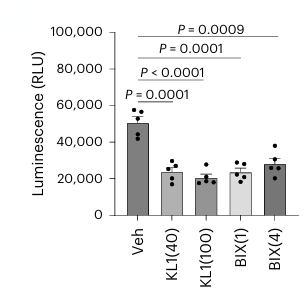
Both KL1 (40, 100 µM) and BIX-01294 (1, 4 µM) reduced ROS levels at 4 hpi. Chemiluminescent L-012 probes were used to quantify reactive species.
BIX-01294 hydrochloride hydrate purchased from MedChemExpress. Usage Cited in: Nat Microbiol. 2025 Oct 10. [Abstract]
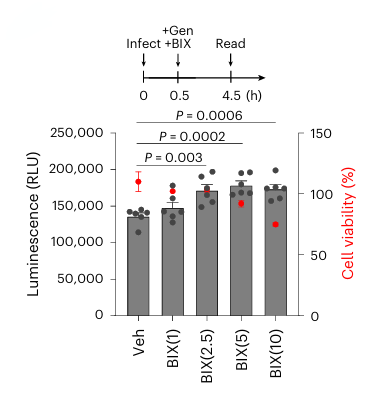
Inhibition of EHMT2/G9a phenocopied KL1-mediated sensitization in intracellular S. aureus. A selective EHMT2/G9a inhibitor, BIX-01294 (BIX; 1–10 µM), increased the bioluminescence signal (grey bars) of strain JE2-lux compared to the vehicle control (Veh; 0.1% DMSO). Cytotoxicity of BIX was also assessed (red circles). Representative data of 3 experiments (n = 6, two-sided unpaired t-test) were obtained.
-
ACS Nano
Binary Colloidal Crystals Promote Cardiac Differentiation of Human Pluripotent Stem Cells via Nuclear Accumulation of SETDB1. [Abstract]2023 Feb 14;17(3):3181-3193. PMID: 36655945 -
J Exp Clin Cancer Res
2018 Aug 17;37(1):196. PMID: 30119635
BIX-01294 hydrochloride hydrate purchased from MedChemExpress. Usage Cited in: J Exp Clin Cancer Res. 2018 Aug 17;37(1):196. [Abstract]
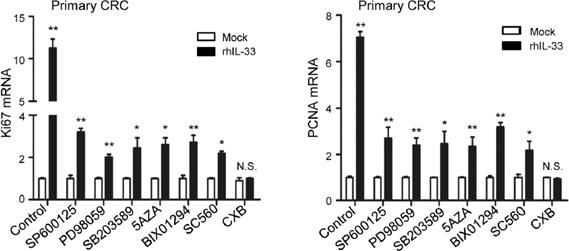
The relative mRNA levels of Ki67 and PCNA in primary CRC cells responding to rhIL-33 (100 ng/mL) incubation and/ or indicated inhibitors (SB203580, 10 μg/mL; PD98059, 20 μg/mL; SP600125, 10 μg/mL; BIX01294, 2 μM; 5Aza, 10 μM; SC560, 0.1 μg/mL; celecoxib, 20 μg/mL) for 24 h.
-
Adv Sci (Weinh)
KDM3A Ablation Activates Endogenous Retrovirus Expression to Stimulate Antitumor Immunity in Gastric Cancer. [Abstract]2024 Oct;11(40):e2309983. PMID: 39031630 -
Cell Death Dis
Ferritinophagy is required for the induction of ferroptosis by the bromodomain protein BRD4 inhibitor (+)-JQ1 in cancer cells. [Abstract]2019 Apr 15;10(5):331. PMID: 30988278 -
Cell Death Dis
G9A promotes tumor cell growth and invasion by silencing CASP1 in non-small-cell lung cancer cells. [Abstract]2017 Apr 6;8(4):e2726. PMID: 28383547
BIX-01294 hydrochloride hydrate purchased from MedChemExpress. Usage Cited in: Cell Death Dis. 2017 Apr 6;8(4):e2726. [Abstract]
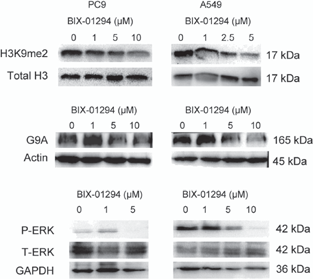
Upper and middle panels: WB detection of H3K9me2 and G9A in PC9 and A549 cells treated with 0, 1, 2.5, 5 or 10 μM BIX-01294. The total level of histone H3 and actin serve as loading controls. Lower panel: WB detection of the total (T-) level of and phosphorylated (P-) ERK kinase in PC9 and A549 cells treated with 0, 1, 5 or 10 μM BIX-01294. GAPDH serves as the loading control
-
Cell Syst
A Library of Phosphoproteomic and Chromatin Signatures for Characterizing Cellular Responses to Drug Perturbations. [Abstract]2018 Apr 25;6(4):424-443.e7. PMID: 29655704 -
NPJ Regen Med
Epigenetic mechanisms regulate sex differences in cardiac reparative functions of bone marrow progenitor cells. [Abstract]2024 Apr 29;9(1):17. PMID: 38684697
BIX-01294 hydrochloride hydrate purchased from MedChemExpress. Usage Cited in: NPJ Regen Med. 2024 Apr 29;9(1):17. [Abstract]
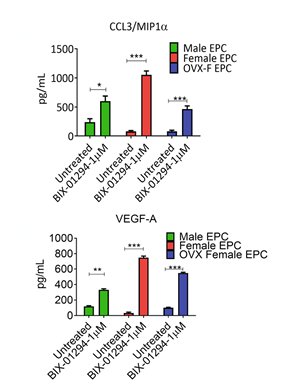
CCL3 was found to be the most altered cytokine by inhibiting G9a using BIX-01294 (1 μM). Inhibition of G9a using BIX-01294 (1 μM) largely altered the secretion in the F-EPC and OVX-EPC. ELISA showed secretory upregulation of CCL3 and VEGF-A in M-EPC, F-EPC, and OVX-EPC with the inhibition of G9a using BIX-01294.
-
Molecules
Modulatory Effect of Curcumin on Expression of Methyltransferase/Demethylase in Colon Cancer Cells: Impact on wt p53, mutp53 and c-Myc. [Abstract]2025 Jul 22;30(15):3054. PMID: 40807229 -
Mol Med Rep
G9a inhibition promotes the formation of pacemaker-like cells by reducing the enrichment of H3K9me2 in the HCN4 promoter region. [Abstract]2023 Feb;27(2):21. PMID: 36484369 -
Mol Med Rep
H3K9me2 regulates early transcription factors to promote mesenchymal stem‑cell differentiation into cardiomyocytes. [Abstract]2021 Aug;24(2):616. PMID: 34184085 -
Biochim Biophys Acta Mol Basis Dis
2018 May;1864(5 Pt A):1744-1753. PMID: 29499325 -
J Cell Mol Med
Larotrectinib induces autophagic cell death through AMPK/mTOR signalling in colon cancer. [Abstract]2022 Nov;26(21):5539-5550. PMID: 36251949 -
iScience
miR-1307 promotes hepatocarcinogenesis by CALR-OSTC-endoplasmic reticulum protein folding pathway. [Abstract]2021 Oct 14;24(11):103271. PMID: 34761190 -
Biomedicines
Exosome-Mediated Differentiation of Mouse Embryonic Fibroblasts and Exocrine Cells into β-Like Cells and the Identification of Key miRNAs for Differentiation. [Abstract]2020 Nov 9;8(11):485. PMID: 33182285 -
Exp Cell Res
Lamin B2 promotes the malignant phenotype of non-small cell lung cancer cells by upregulating dimethylation of histone 3 lysine 9. [Abstract]2020 Aug 15;393(2):112090. PMID: 32416090 -
Invest New Drugs
BIX-01294, a G9a inhibitor, suppresses cell proliferation by inhibiting autophagic flux in nasopharyngeal carcinoma cells. [Abstract]2021 Jun;39(3):686-696. PMID: 33387131 -
PLoS One
DNA methylation cooperates with H3K9me2 at HCN4 promoter to regulate the differentiation of bone marrow mesenchymal stem cells into pacemaker-like cells. [Abstract]2023 Aug 29;18(8):e0289510. PMID: 37643180 -
Biochem Biophys Res Commun
Inhibition of histone-lysine N-methyltransferase G9a exacerbates alcoholic steatohepatitis (ASH) in mice. [Abstract]2026 Jan 1:794:153072. PMID: 41344213 -
Biochem Biophys Res Commun
Inhibition of histone methyltransferase G9a aggravates phenotypic severity of hepatic lipotoxicity in non-alcoholic steatohepatitis (NASH). [Abstract]2025 Jan:743:151171. PMID: 39693938 -
Cell J
2023 Feb 1;25(2):118-125. PMID: 36840458 -
bioRxiv
A host-directed adjuvant resuscitates and sensitizes intracellular bacterial persisters to antibiotics. [Abstract]2024 Oct 30:2024.09.30.615828. PMID: 39554024 -
-
Aging (Albany NY)
Uhrf1 regulates H3K9me2 modification of mTOR to inhibit the effect of autophagy in myocardial ischemia-reperfusion injury. [Abstract]2021 Mar 19;13(7):9704-9718. PMID: 33744855 -
-

Protocols
-
Apoptosis
Apoptosis, also called programmed cell death, is generally characterized by distinct morphological characteristics.
-
TUNEL staining for apoptotic DNA fragmentation
TUNEL staining detects DNA strand breaks by using terminal deoxynucleotidyl transferase to add labeled nucleotides to exposed 3′-OH DNA termini, generating either microscopic staining in fixed cells or tissue sections, or fluorescence/cytometric signal in cell suspensions. TUNEL positivity reflects DNA fragmentation but should not be interpreted alone as definitive apoptosis, because TUNEL can also label necrotic, autolytic, mechanically damaged, or DNA-repair-associated DNA breaks.
-
Cell Cytotoxicity Assay
Cytotoxicity assays are usually based on the assessment of cell membrane damage, which can also be indirectly detected by measuring cell viability. Detection methods include MTT assay, CKK-8 assay, LDH assay and ATP assay, etc.
-
Annexin V plus membrane-impermeant dye apoptosis staining
Annexin V-based apoptosis assays rely on the detection of phosphatidylserine (PS) externalization from the inner leaflet of the plasma membrane to the outer leaflet, an early biochemical hallmark of apoptosis. Fluorescently labeled Annexin V binds PS in a calcium-dependent manner, enabling identification of early apoptotic cells by flow cytometry or fluorescence microscopy. When combined with a membrane-impermeant DNA-binding dye (e. g. , propidium iodide), this approach allows discrimination between viable (Annexin V−/dye−), early apoptotic (Annexin V+/dye−), and late apoptotic or necrotic (Annexin V+/dye+) cell populations by assessing membrane integrity and PS exposure.
-
Autophagy
Autophagy is a process in which eukaryotic cells use lysosomes to degrade their own cytoplasmic proteins and damaged organelles under the regulation of autophagy related gene (Atg). Microtubule-associated proteins light chain 3 (LC3) is recognized as autophagy marker, which transfers from cytoplasmic LC3 (LC3-I) to membrane type (LC3-II). LC3-II/I ratio could be detected by Western Blot and fluorescence microscopy.
-
Apoptosis Solutions
Apoptosis is a regulated, generally non-lytic cell-death pathway that removes unwanted, damaged, infected, or abnormal cells through coordinated morphological changes, caspase activation, DNA fragmentation, and membrane remodeling. The intrinsic apoptosis pathway is controlled mainly by mitochondrial outer membrane permeabilization, BCL-2 family proteins, cytochrome c release, apoptosome formation, caspase-9 activation, and downstream executioner caspase-3/7 activation. The extrinsic apoptosis pathway is initiated by death receptors such as Fas, TNFR, and TRAIL receptors, which recruit adaptor proteins and activate caspase-8 before engaging executioner caspases or mitochondrial amplification through BID cleavage. Apoptosis is linked to many phenotypes, including cancer cell killing, tissue homeostasis, immune regulation, neurodegeneration, infection response, and treatment-induced cytotoxicity; unresolved questions include how apoptosis interacts with necroptosis, pyroptosis, ferroptos
-
Lysosome and acidic-vesicle live-cell staining
Lysosome and acidic-vesicle live-cell staining detects acidic intracellular compartments by using membrane-permeant acidotropic probes that accumulate in low-pH vesicles, including lysosomes, late endosomes, autolysosomes, and acidic phagosomes. LysoTracker staining is commonly used as an intensity-based readout of acidic lysosomal compartment abundance or enlargement, while acridine orange produces green fluorescence in less concentrated compartments and red fluorescence after concentration-dependent accumulation in acidic vesicular organelles. Loss or reduction of acridine-orange red signal can be used as a readout of lysosomal membrane permeabilization or reduced acidic-vesicle integrity. This protocol is designed for live cultured cells and can be adapted for fluorescence microscopy, high-content imaging, plate-reader readout, or flow cytometry when the selected literature supports the readout. Because these dyes report acidotropic accumulation rather than lysosome identity alone,
-
Macroautophagy Solutions
Macroautophagy is a conserved lysosome-dependent degradation pathway in which cytoplasmic material is sequestered into double-membrane autophagosomes and delivered to lysosomes for degradation and recycling. The pathway supports cellular homeostasis during nutrient limitation, organelle stress, protein-aggregate accumulation, infection, differentiation, and tissue remodeling by coupling cargo sequestration, autophagosome maturation, lysosomal fusion, and degradation of cargo-derived macromolecules. The core molecular sequence includes initiation by nutrient- and stress-regulated autophagy machinery, autophagosome nucleation, LC3/ATG8-family conjugation to autophagosomal membranes, cargo selection through receptors such as SQSTM1/p62, autophagosome-lysosome fusion, and lysosomal degradation. LC3 was identified as a mammalian homolog of yeast Atg8 that localizes to autophagosomal membranes after processing, and p62/SQSTM1 was shown to connect ubiquitinated cargo with autophagic degradati


Purity & Documentation
References
[1]. Ciechomska IA, et al., BIX01294, an inhibitor of histone methyltransferase, induces autophagy-dependent differentiation of glioma stem-like cells. Sci Rep. 2016 Dec 9;6:38723. [Content Brief]
[2]. Kubicek S, O'Sullivan RJ, August EM, Hickey ER, Zhang Q, Teodoro ML, Rea S, Mechtler K, Kowalski JA, Homon CA, Kelly TA, Jenuwein T. Reversal of H3K9me2 by a small-molecule inhibitor for the G9a histone methyltransferase. Mol Cell. 2007 Feb 9;25(3):473-81. [Content Brief]

Calculators
Concentration (start) × Volume (start) = Concentration (final) × Volume (final)


BIX-01294 hydrochloride hydrate Related Classifications
HY-10587A Related Classifications
 Powered by Bioz