



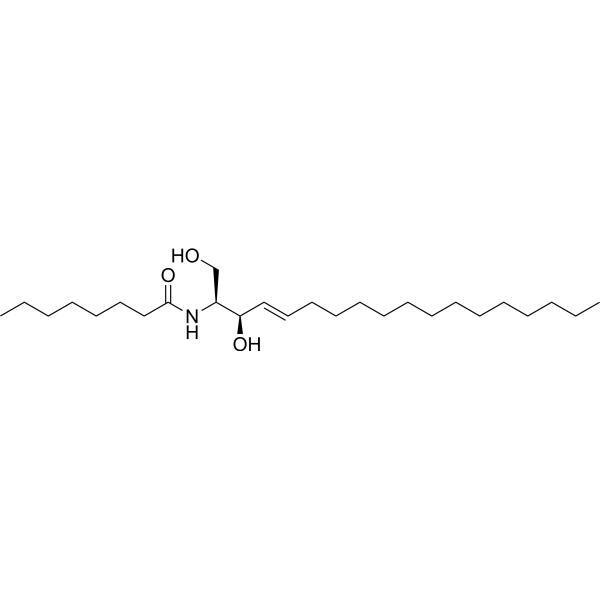
C8-Ceramide

Based on 1 Customer Validation
C8-Ceramide (N-Octanoyl-D-erythro-sphingosine) is a cell-permeable analog of naturally occurring ceramides. C8-Ceramide has anti-proliferation properties and acts as a potent chemotherapeutic agent. C8-Ceramide stimulates dendritic cells to promote T cell responses upon virus infections. C8-Ceramide induces slight activation of protein kinase (PKC) in vitro.
For research use only. We do not sell to patients.
- Purity : 98.0%
- CAS No.: 74713-59-0
- Formula: C26H51NO3
- Molecular Weight:425.69
-
Storage:
-20°C, stored under nitrogen
* In solvent : -80°C, 6 months; -20°C, 1 month (stored under nitrogen)

To place orders, for customer services and technical support, please contact: MedChemExpress USA
Tel: 609-228-6898 E-mail: [email protected] [email protected]


-
 Biological Activity
-
Chemical Information
-
Solvent & Solubility
- Protocols
- Purity & Documentation
- References
-
 Help & FAQs


-
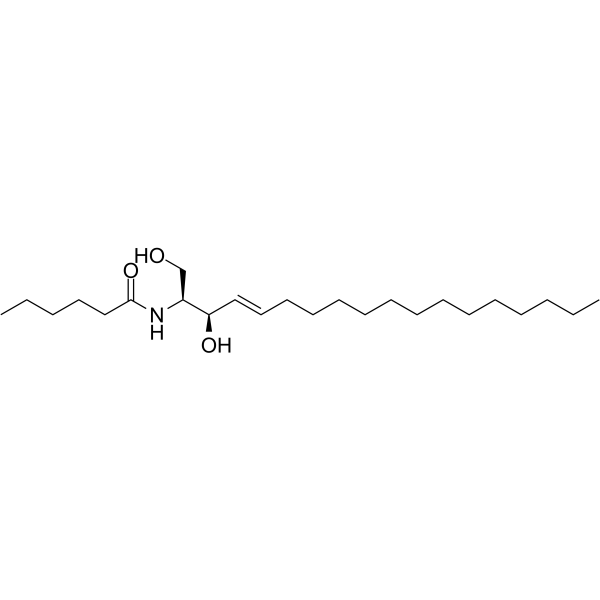
HY-19542
C6 CeramideCeramide Pathway Activator -
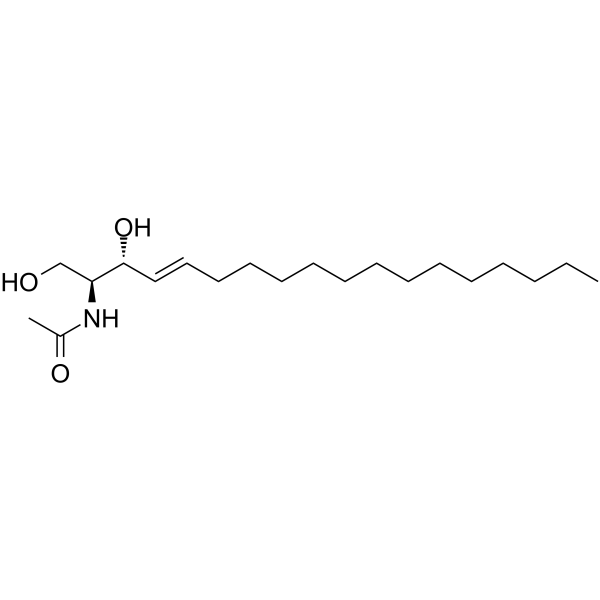
HY-101180
C2 CeramideProtein Phosphatase 1 Activator -
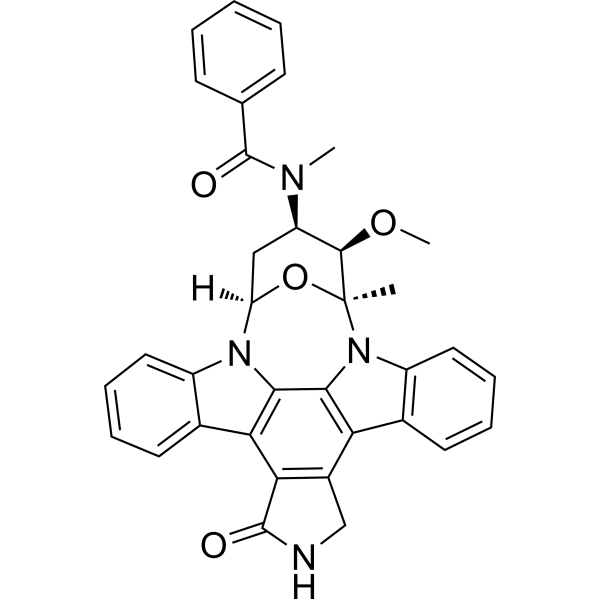
HY-10230
MidostaurinMulti-targeted Protein Kinase Inhibitor -

HY-108391R
C8-Ceramide (Standard)Reference Standard -
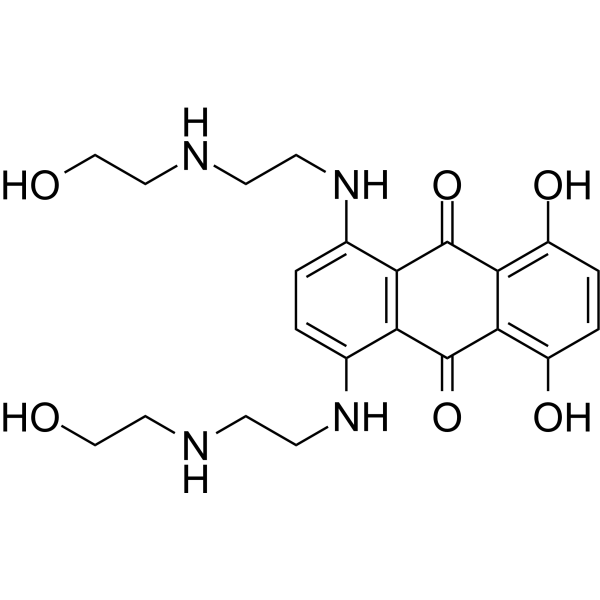
HY-13502
MitoxantroneTop II/PKC Inhibitor -
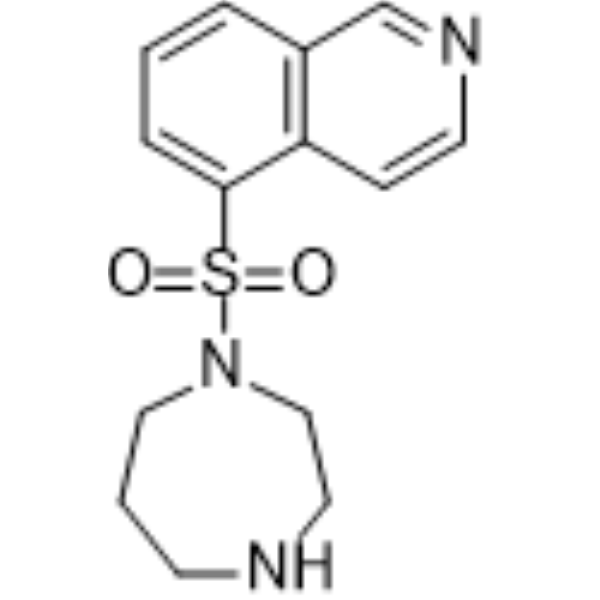
HY-10341A
FasudilRhoA/ROCK Inhibitor -
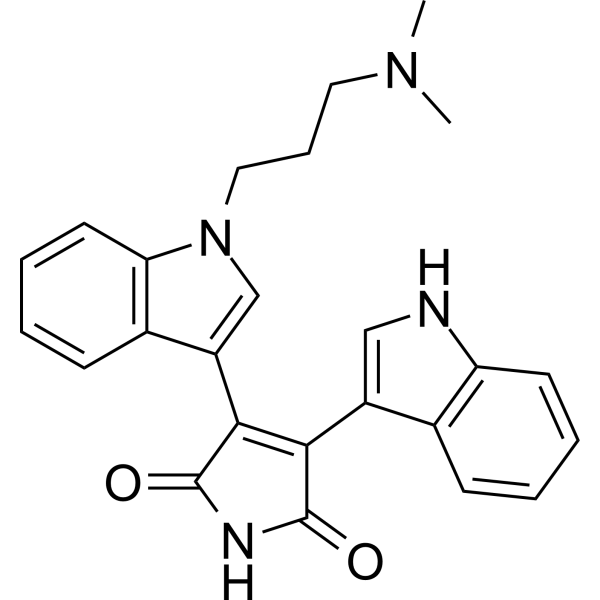
HY-13867
Bisindolylmaleimide IPKC Inhibitor -
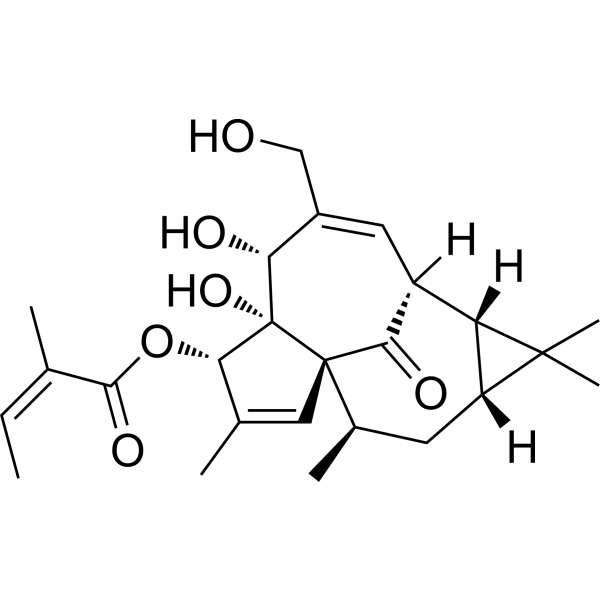
HY-B0719
Ingenol MebutatePKC Modulator -
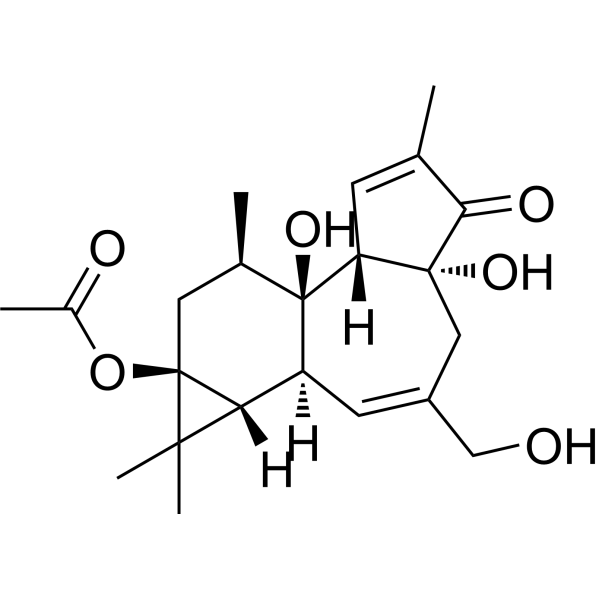
HY-107421
ProstratinPKC Activator -
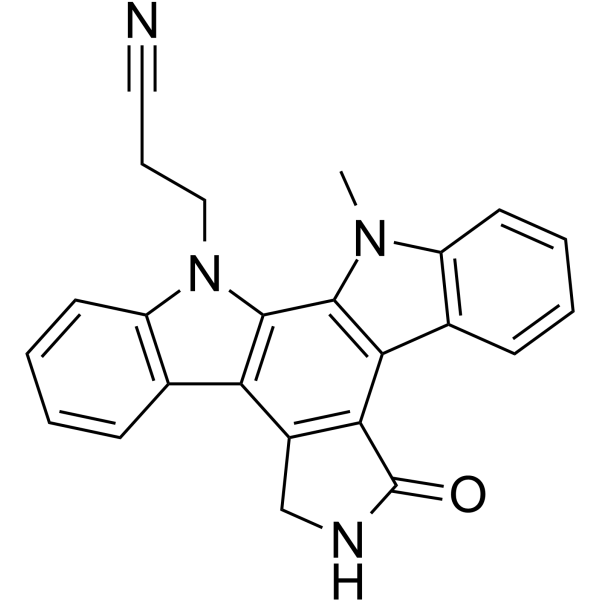
HY-10183
Go6976PKC Inhibitor -
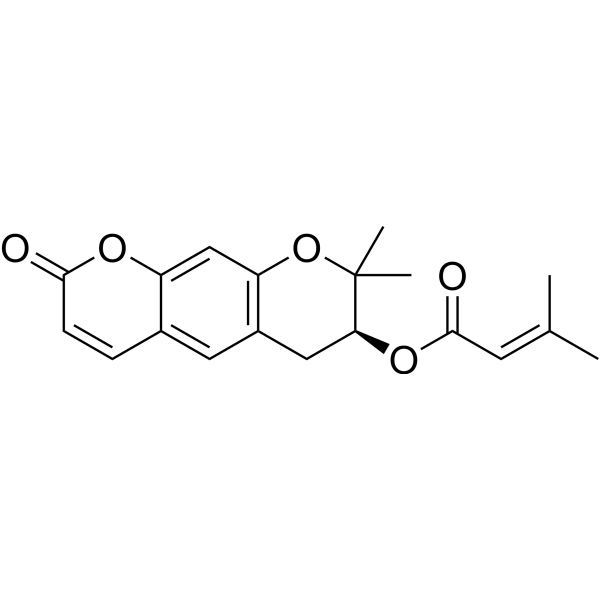
HY-18981
DecursinAnti-tumor Agent -
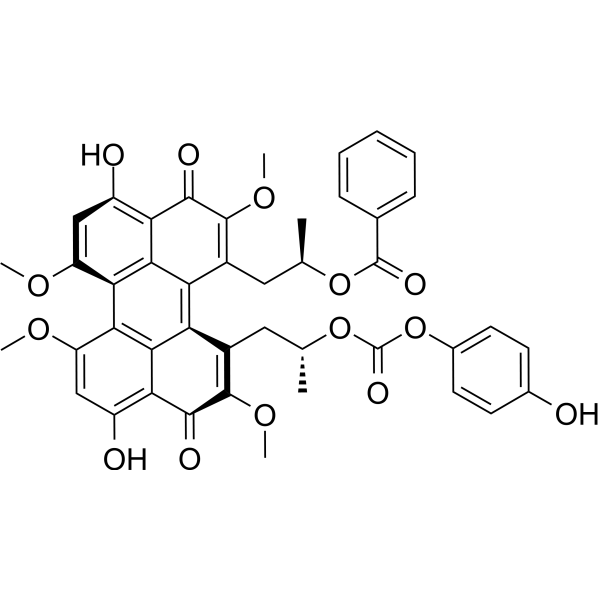
HY-105416
Calphostin CPKC Inhibitor


Biological Activity
Description
|
PKC |
apoptosis |
autophagy |
Cellular Effect
|
Cell Line

|
Type | Value | Description | References |
|---|---|---|---|---|
| MCF7 | IC50 |
1.2 μM
Compound: C8-cer
|
Antiproliferative activity against tumor necrosis factor-resistant human MCF7 cells after 24 hrs by MTT assay
Antiproliferative activity against tumor necrosis factor-resistant human MCF7 cells after 24 hrs by MTT assay
|
[PMID: 19694470] |
| MCF7 | IC50 |
4.2 μM
Compound: C8-cer
|
Inhibition of clonogenic survival of human MCF7 cells after 10 days by microscopy
Inhibition of clonogenic survival of human MCF7 cells after 10 days by microscopy
|
[PMID: 19694470] |
| MCF7 | IC50 |
4.5 μM
Compound: C8-cer
|
Antiproliferative activity against human MCF7 cells after 24 hrs by MTT assay
Antiproliferative activity against human MCF7 cells after 24 hrs by MTT assay
|
[PMID: 19694470] |
| MCF7 | IC50 |
8.6 μM
Compound: C8-cer
|
Inhibition of clonogenic survival of tumor necrosis factor-resistant human MCF7 cells after 10 days by microscopy
Inhibition of clonogenic survival of tumor necrosis factor-resistant human MCF7 cells after 10 days by microscopy
|
[PMID: 19694470] |
| MDA-MB-231 | IC50 |
1.8 μM
Compound: C8-cer
|
Antiproliferative activity against endocrine-resistant human MDA-MB-231 cells after 24 hrs by MTT assay
Antiproliferative activity against endocrine-resistant human MDA-MB-231 cells after 24 hrs by MTT assay
|
[PMID: 19694470] |
| MDA-MB-231 | IC50 |
3 μM
Compound: C8-cer
|
Inhibition of clonogenic survival of endocrine-resistant human MDA-MB-231 cells after 10 days by microscopy
Inhibition of clonogenic survival of endocrine-resistant human MDA-MB-231 cells after 10 days by microscopy
|
[PMID: 19694470] |
In Vitro
C8-ceramide (3 μM; 48 hours) irreversibly reduces tumor-cell proliferation and induces morphological changes[1].
C8-ceramide can induce necrosis-like cell death, but does not induce caspase-dependent cleavage of PARP (biochemical marker of apoptosis) in human cervical tumor cells[1].
C8-ceramide may increase the endogenous ROS level (10-30 µM; 24 hours) by regulating the switch of SOD1 and SOD2, causing the anti-proliferation (10-50 µM; 24 hours), and consequently triggering the apoptosis (10-50 µM; 48 hours) of NSCLC H1299 cells[2].
MedChemExpress (MCE) has not independently confirmed the accuracy of these methods. They are for reference only. Further protocols information, click here.
-
Cell Line:CALO cells, INBL cells, HeLa cells
-
Concentration:3 μM
-
Incubation Time:48 hours
-
Result:Markedly reduced the tumor cell number.
-
Cell Line:H1299 cells
-
Concentration:10 µM, 20 µM, 30 µM, 40 µM, 50 µM
-
Incubation Time:24 hours
-
Result:Decreased the rate of cellular proliferation in a dose-dependent manner, with an IC50 of 22.9 µM.
-
Cell Line:H1299 cells
-
Concentration:10 µM, 20 µM, 30 µM, 40 µM, 50 µM
-
Incubation Time:24 hours
-
Result:Caused the G1 arrest.
-
Cell Line:H1299 cells
-
Concentration:10 µM, 20 µM, 30 µM
-
Incubation Time:24 hours, 48 hours
-
Result:Increased the level of cleaved caspase-3.
In Vivo
MedChemExpress (MCE) has not independently confirmed the accuracy of these methods. They are for reference only.
-
Animal Model:C57BL/6 mice, with lymphocytic choriomeningitis virus infected[3]
-
Dosage:0.1 mg/kg
-
Administration:Intranasal administration
-
Result:Increased the CD8+ T cell response to influenza in the lungs.


Chemical Information
-
CAS No. 74713-59-0
-
Appearance Solid
-
Molecular Weight 425.69
-
Formula C26H51NO3
-
Color White to off-white
-
SMILES
CCCCCCCC(N[C@@H](CO)[C@H](O)/C=C/CCCCCCCCCCCCC)=O
-
Synonyms
N-Octanoyl-D-erythro-sphingosine
-
Shipping
Room temperature in continental US; may vary elsewhere.
-
Storage
-20°C, stored under nitrogen
* In solvent : -80°C, 6 months; -20°C, 1 month (stored under nitrogen)


Solvent & Solubility
In Vitro:
DMSO : ≥ 100 mg/mL (234.91 mM; Hygroscopic DMSO has a significant impact on the solubility of product, please use newly opened DMSO)
* "≥" means soluble, but saturation unknown.
Please refer to the solubility information to select the appropriate solvent. Once prepared, please aliquot and store the solution to prevent product inactivation from repeated freeze-thaw cycles.
Storage method and period of stock solution: -80°C, 6 months; -20°C, 1 month (stored under nitrogen). When stored at -80°C, please use it within 6 months. When stored at -20°C, please use it within 1 month.
Please refer to the solubility information to select the appropriate solvent. Once prepared, please aliquot and store the solution to prevent product inactivation from repeated freeze-thaw cycles.
Storage method and period of stock solution: -80°C, 6 months; -20°C, 1 month (stored under nitrogen). When stored at -80°C, please use it within 6 months. When stored at -20°C, please use it within 1 month.
Concentration (start) × Volume (start) = Concentration (final) × Volume (final)

Protocols
-
Monocyte-derived dendritic cell differentiation
Human monocyte-derived dendritic cells are generated by isolating PBMC-derived monocytes and culturing them with GM-CSF plus IL-4, which produces cells with dendritic-cell antigen-presenting properties, reduced monocyte phenotype, and increased dendritic-cell functional readouts such as antigen uptake, allogeneic T-cell stimulation, and expression of markers including HLA-DR, CD80, CD86, CD83, CD1a, or CD209 depending on protocol and maturation state. The main readout is phenotypic and functional differentiation: immature MoDCs are commonly evaluated by loss or reduction of CD14 with acquisition of dendritic-cell markers and antigen uptake capacity, whereas mature MoDCs are evaluated by increased CD83, CD80, CD86, HLA-DR, and T-cell stimulatory function after exposure to maturation stimuli such as TNF-α or a cytokine/PGE2 cocktail.
-
Research Protocol for Cancer Immunology
Cancer immunology studies how the immune system recognizes, suppresses, edits, or fails to eliminate malignant cells through tumor antigen release, antigen presentation, T-cell priming, immune trafficking, tumor-cell killing, and feedback inhibition in the tumor microenvironment. The cancer-immunity cycle links tumor antigenicity, dendritic-cell priming, CD8+ T-cell infiltration, cytotoxic function, and immune-checkpoint regulation to tumor rejection or immune escape. Immune-checkpoint pathways such as PD-1/PD-L1 and CTLA-4 suppress antitumor T-cell activity and can be therapeutically blocked, but many tumors remain resistant because of poor antigen presentation, weak T-cell infiltration, suppressive myeloid cells, regulatory T cells, and tumor-intrinsic immune-exclusion programs. Unresolved questions include which immune-cell states predict response, how tumor-intrinsic pathways exclude immune cells, how myeloid suppression limits checkpoint blockade, and which combination strategies
-
Cell Viability Determination by MTT Colorimetric Assay
The following protocol uses the MTT colorimetric assay as a classic literature-established method for assessing cell viability/metabolic activity in cultured mammalian cells. MTT[3-(4,5-dimethylthiazol-2-yl)-2,5-diphenyltetrazolium bromide] is reduced by metabolically active cells to a colored formazan product; the amount of formazan is quantified spectrophotometrically and provides an indirect measure of metabolically active viable cells. Importantly, MTT reduction reflects cellular oxidoreductase/metabolic activity rather than an absolute direct count of living cells, so changes in cellular metabolism can alter the signal independently of cell number.


Purity & Documentation
-
Data Sheet (272 KB)
-
SDS (393 KB)
- English - EN (393 KB)
- Français - FR (393 KB)
- Deutsch - DE (393 KB)
- Norwegian - NO (393 KB)
- Español - ES (393 KB)
- Swedish - SV (393 KB)
- Italian - IT (393 KB)
- Korean - KR (393 KB)
- Portuguese - PT (393 KB)
-
Handling Instructions (2659 KB)
References
[1]. Rebeca López-Marure , et al. Ceramide promotes the death of human cervical tumor cells in the absence of biochemical and morphological markers of apoptosis. Biochem Biophys Res Commun. 2002 May 10;293(3):1028-36. [Content Brief]
[2]. Yuli C. Chang, et al. Exogenous C8-Ceramide Induces Apoptosis by Overproduction of ROS and the Switch of Superoxide Dismutases SOD1 to SOD2 in Human Lung Cancer Cells. Int J Mol Sci. 2018 Oct; 19(10): 3010. [Content Brief]
[3]. Curtis J. Pritzl, et al. A ceramide analogue stimulates dendritic cells to promote T cell responses upon virus infections. J Immunol. 2015 May 1; 194(9): 4339-4349. [Content Brief]
[4]. H W Huang, et al. Ceramides modulate protein kinase C activity and perturb the structure of Phosphatidylcholine/Phosphatidylserine bilayers. Biophys J. 1999 Sep; 77(3): 1489-1497. [Content Brief]
[5]. Lan Weiss, et al. Ceramide contributes to pathogenesis and may be targeted for therapy in VCP inclusion body myopathy. Hum Mol Genet. 2021 Jan 7;ddaa248. [Content Brief]


Complete Stock Solution Preparation Table
Please refer to the solubility information to select the appropriate solvent. Once prepared, please aliquot and store the solution to prevent product inactivation from repeated freeze-thaw cycles.
Storage method and period of stock solution: -80°C, 6 months; -20°C, 1 month (stored under nitrogen). When stored at -80°C, please use it within 6 months. When stored at -20°C, please use it within 1 month.
| Optional Solvent | Concentration Solvent Mass | 1 mg | 5 mg | 10 mg | 25 mg |
|---|---|---|---|---|---|
| DMSO | 1 mM | 2.3491 mL | 11.7456 mL | 23.4913 mL | 58.7282 mL |
| 5 mM | 0.4698 mL | 2.3491 mL | 4.6983 mL | 11.7456 mL | |
| 10 mM | 0.2349 mL | 1.1746 mL | 2.3491 mL | 5.8728 mL | |
| 15 mM | 0.1566 mL | 0.7830 mL | 1.5661 mL | 3.9152 mL | |
| 20 mM | 0.1175 mL | 0.5873 mL | 1.1746 mL | 2.9364 mL | |
| 25 mM | 0.0940 mL | 0.4698 mL | 0.9397 mL | 2.3491 mL | |
| 30 mM | 0.0783 mL | 0.3915 mL | 0.7830 mL | 1.9576 mL | |
| 40 mM | 0.0587 mL | 0.2936 mL | 0.5873 mL | 1.4682 mL | |
| 50 mM | 0.0470 mL | 0.2349 mL | 0.4698 mL | 1.1746 mL | |
| 60 mM | 0.0392 mL | 0.1958 mL | 0.3915 mL | 0.9788 mL | |
| 80 mM | 0.0294 mL | 0.1468 mL | 0.2936 mL | 0.7341 mL | |
| 100 mM | 0.0235 mL | 0.1175 mL | 0.2349 mL | 0.5873 mL |


C8-Ceramide Related Classifications
HY-108391 Related Classifications
 Powered by Bioz