5239 Results for "

Anti-Cancer

" in MedChemExpress (MCE) Product Catalog:
Products (5239)

5239 Results for "Anti-Cancer" in MCE Product Catalog:

153
153 Cited Publications
Cat. No.: HY-B0407A
CAS No.: 69-09-0
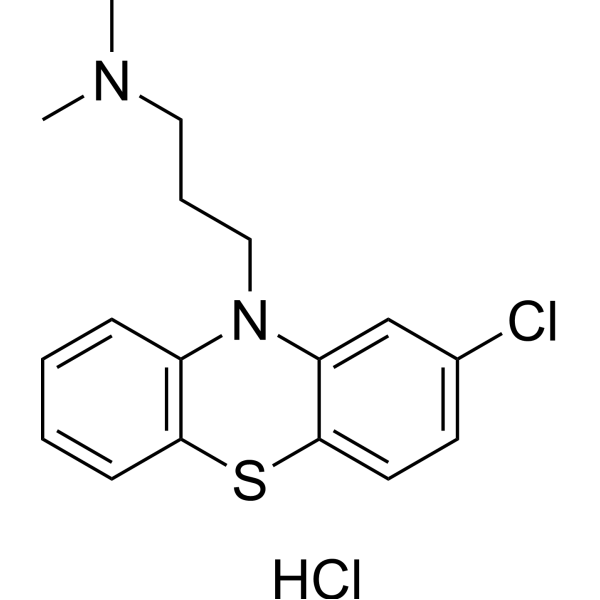
Chlorpromazine hydrochloride is an orally active, blood-brain barrier-transparent antipsychotic agent that effectively antagonises D2 dopamine receptors and 5-HT2A, which is widely used in schizophrenia and other psychiatric disorders. Chlorpromazine hydrochloride exerts anti-cancer activity through a variety of pathways, including anti-proliferation, induction of autophagy and cycle arrest (G2-M phase), inhibition of cytochrome c oxidase (CcO), inhibition of tumour growth and metastasis, and inhibition of tumour immune escape. Chlorpromazine hydrochloride also blocks hNav1.7 channels (IC50=25.9 μM; concentration-dependent) and HERG potassium channels (IC50=21.6 μM), which has potential for analgesic and cardiac arrhythmic studies. Chlorpromazine hydrochloride also can inhibit clathrin-mediated endocytosis .
loading...
    loading...
145
145 Cited Publications
Cat. No.: HY-10295A
CAS No.: 350228-36-3
Purity:  99.66%
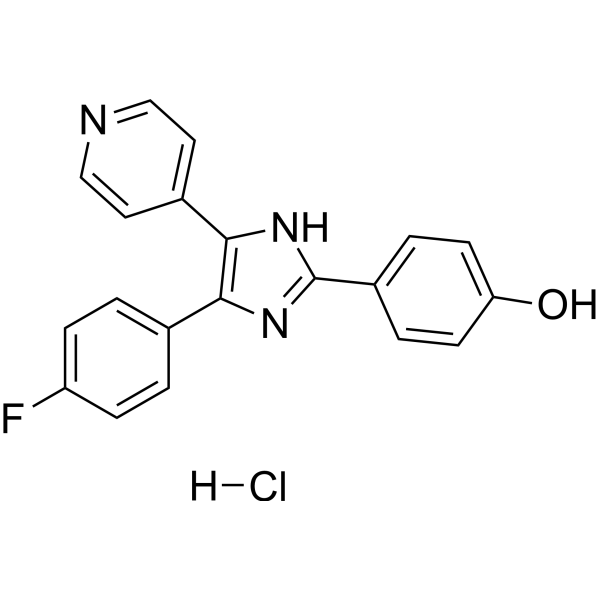
SB 202190 hydrochloride is a selective p38 MAP kinase inhibitor with IC50s of 50 nM and 100 nM for p38α and p38β2, respectively. SB 202190 hydrochloride binds to the ATP pocket of the active recombinant human p38 kinase with a Kd of 38 nM. SB 202190 hydrochloride has anti-cancer activity . SB202190 hydrochloride induces autophagy .
loading...
    loading...
145
145 Cited Publications
Cat. No.: HY-10295
CAS No.: 152121-30-7
Purity:  99.89%
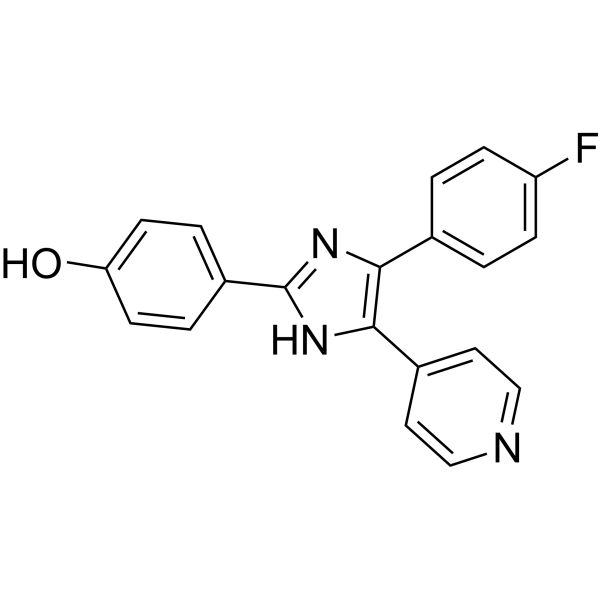
SB 202190 is a selective p38 MAP kinase inhibitor with IC50s of 50 nM and 100 nM for p38α and p38β2, respectively. SB 202190 binds to the ATP pocket of the active recombinant human p38 kinase with a Kd of 38 nM. SB 202190 has anti-cancer activity and rescued memory deficits . SB202190 induces autophagy .
loading...
    loading...
125
125 Cited Publications
Cat. No.: HY-10218
CAS No.: 159351-69-6
Purity:  99.85%
Synonyms: RAD001; SDZ-RAD
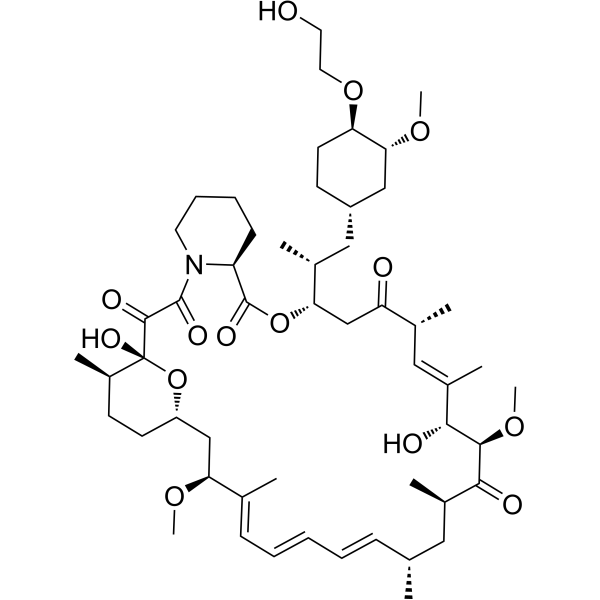
Everolimus (RAD001) is a Rapamycin (HY-10219) derivative and a potent, selective, orally active, blood-brain barrier-permeable mTOR1 inhibitor. Everolimus binds to FKBP-12 to generate an immunosuppressive complex. Everolimus inhibits tumor cells proliferation and induces cell apoptosis and autophagy. Everolimus has potent immunosuppressive and anticancer activities .
loading...
    loading...
98
98 Cited Publications
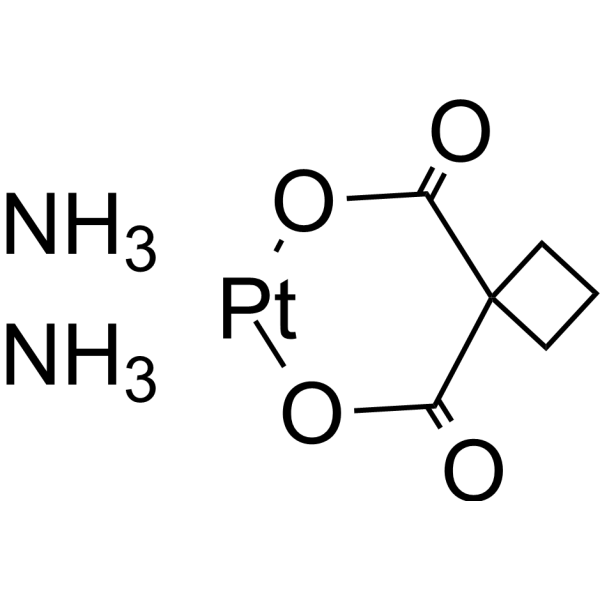
Cat. No.: HY-17393
CAS No.: 41575-94-4
Synonyms: NSC 241240
Carboplatin (NSC 241240) is a DNA synthesis inhibitor which binds to DNA, inhibits replication and transcription and induces cell death. Carboplatin (NSC 241240) is a derivative of CDDP and a potent anti-cancer agent.
loading...
    loading...
96
96 Cited Publications
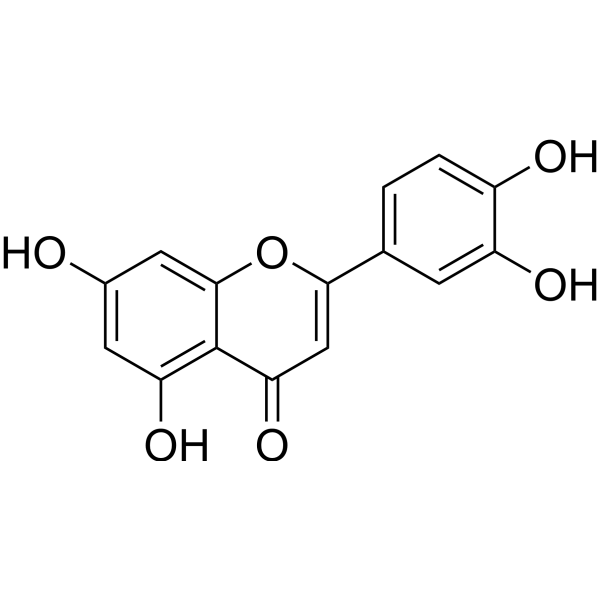
Cat. No.: HY-N0162
CAS No.: 491-70-3
Synonyms: Luteoline; Luteolol; Digitoflavone
Luteolin (Luteoline), a flavanoid compound, is a potent Nrf2 inhibitor. Luteolin has anti-inflammatory, anti-cancer properties, including the induction of apoptosis and cell cycle arrest, and the inhibition of metastasis and angiogenesis, in several cancer cell lines, including human non-small lung cancer cells .
loading...
    loading...
96
96 Cited Publications
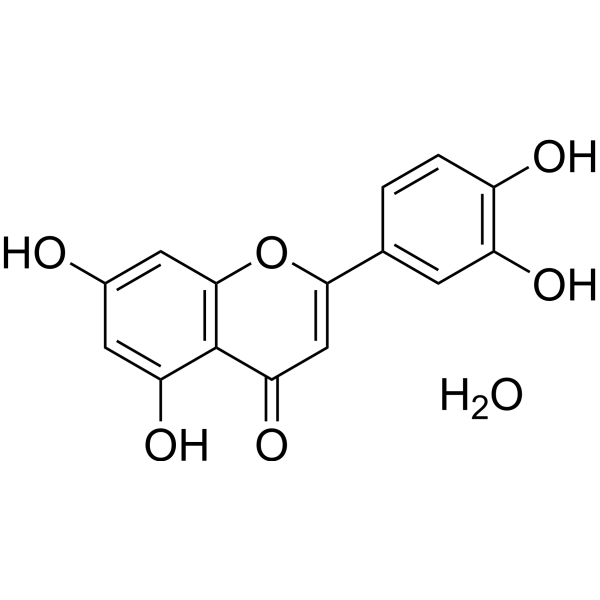
Cat. No.: HY-W303895
CAS No.: 6113-16-2
Luteolin (monohydrate) is the monohydrate of Luteolin. Luteolin (Luteoline), a flavonoid, is also a potent Nrf2 inhibitor. Luteolin has anti-inflammatory and anticancer properties, induces apoptosis and cell cycle arrest in multiple human cancer cell lines, including non-small lung cancer cells, and inhibits cell metastasis and angiogenesis .
loading...
    loading...
91
91 Cited Publications
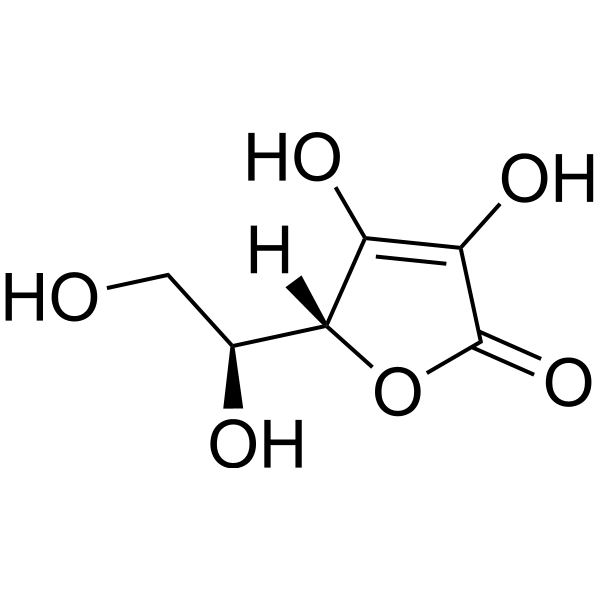
Cat. No.: HY-B0166
CAS No.: 50-81-7
Synonyms: L-Ascorbate; Vitamin C
L-Ascorbic acid (L-Ascorbate), an electron donor, is an endogenous antioxidant agent. L-Ascorbic acid inhibits selectively Cav3.2 channels with an IC50 of 6.5 μM. L-Ascorbic acid is also a collagen deposition enhancer and an elastogenesis inhibitor . L-Ascorbic acid exhibits anti-cancer effects through the generation of reactive oxygen species (ROS) and selective damage to cancer cells .
loading...
    loading...
87
87 Cited Publications
Cat. No.: HY-10448
CAS No.: 404-86-4
Purity:  99.79%
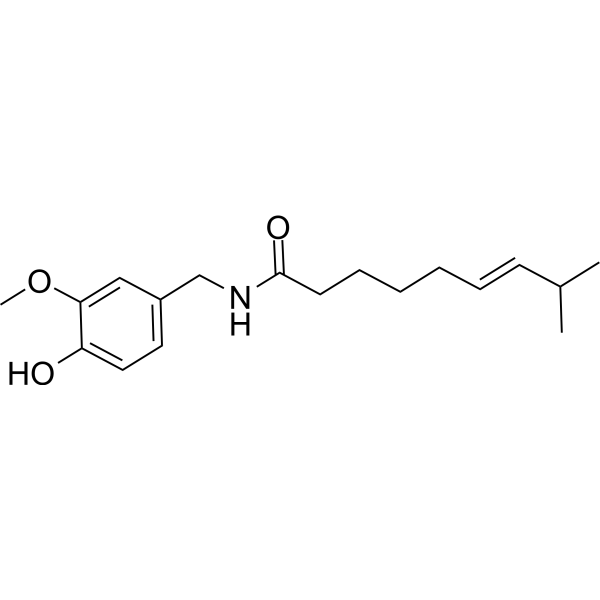
Synonyms: (E)-Capsaicin
Capsaicin ((E)-Capsaicin), an active component of chili peppers, is a TRPV1 agonist. Capsaicin induces a nociceptive response by binding to its receptors. Capsaicin has analgesic effects on neurological disorders. Capsaicin has antioxidant, anti-inflammatory, anti-cancer effects .
loading...
    loading...
85
85 Cited Publications
Cat. No.: HY-14397
CAS No.: 53-86-1
Purity:  99.91%
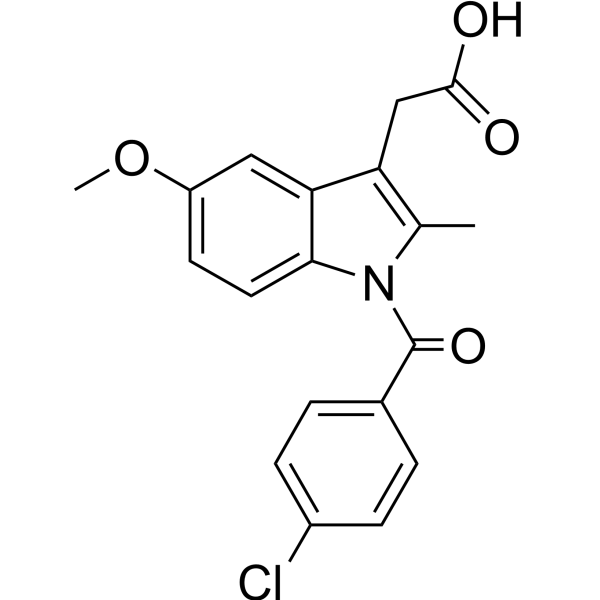
Synonyms: Indometacin
Indomethacin (Indometacin) is a potent, orally active COX1/2 inhibitor with IC50 values of 18 nM and 26 nM for COX-1 and COX-2, respectively. Indomethacin has anticancer activity and anti-infective activity. Indomethacin can be used for cancer, inflammation and viral infection research .
loading...
    loading...
85
85 Cited Publications
Cat. No.: HY-14397A
CAS No.: 74252-25-8
Purity:  99.85%
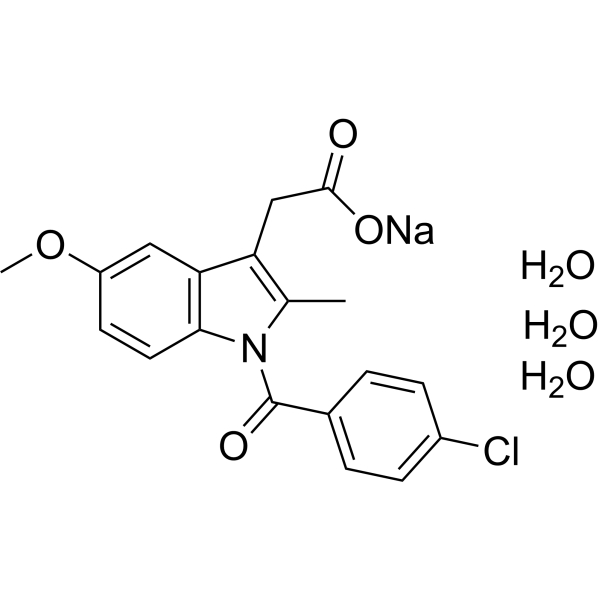
Synonyms: Indometacin sodium hydrate
Indomethacin (Indometacin) sodium hydrateis a orally active and BBB-permeable COX1/2 inhibitor with IC50 values of 18 nM and 26 nM for COX-1 and COX-2, respectively. Indomethacin sodium hydrateis has anticancer activity and anti-infective activity. Indomethacin sodium hydrateis can be used for cancer, inflammation and viral infection research .
loading...
    loading...
84
84 Cited Publications
Cat. No.: HY-B0166C
CAS No.: 5743-28-2
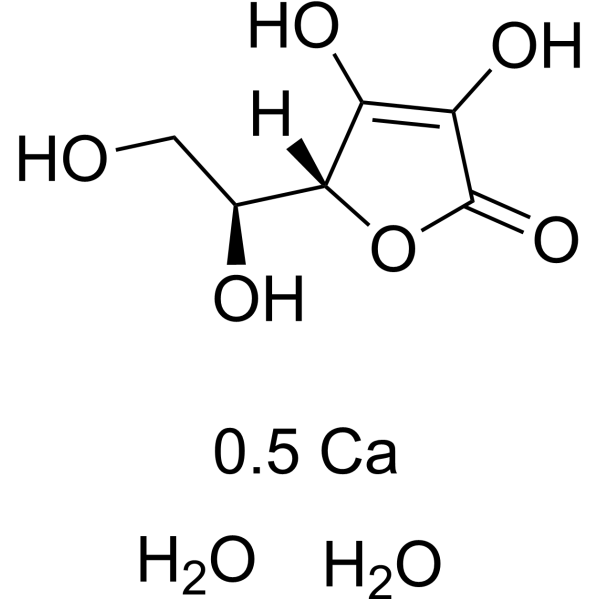
Synonyms: L-Ascorbate calcium dihydrate; Vitamin C calcium dihydrate
L-Ascorbic acid calcium dihydrate (L-Ascorbate calcium dihydrate), an electron donor, is an endogenous antioxidant agent. L-Ascorbic acid calcium dihydrate inhibits selectively Cav3.2 channels with an IC50 of 6.5 μM. L-Ascorbic acid calcium dihydrate is also a collagen deposition enhancer and an elastogenesis inhibitor . L-Ascorbic acid calcium dihydrate exhibits anti-cancer effects through the generation of reactive oxygen species (ROS) and selective damage to cancer cells .
loading...
    loading...
79
79 Cited Publications
Cat. No.: HY-13755
CAS No.: 4478-93-7
Purity:  98.87%
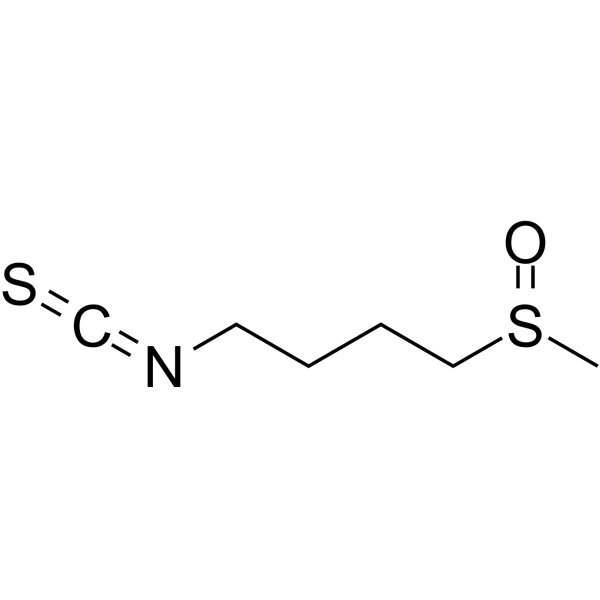
Sulforaphane is an orally active inducer of the Keap1/Nrf2/ARE pathway. Sulforaphane promotes the transcription of tumor-suppressing proteins and effectively inhibits the activity of HDACs. Through the activation of the Keap1/Nrf2/ARE pathway and further induction of HO-1 expression, Sulforaphane protects the heart. Sulforaphane suppresses high glucose-induced pancreatic cancer through AMPK-dependent signal transmission. Sulforaphane exhibits both anticancer and anti-inflammatory properties .
loading...
    loading...
76
76 Cited Publications
Cat. No.: HY-17412
CAS No.: 13614-98-7
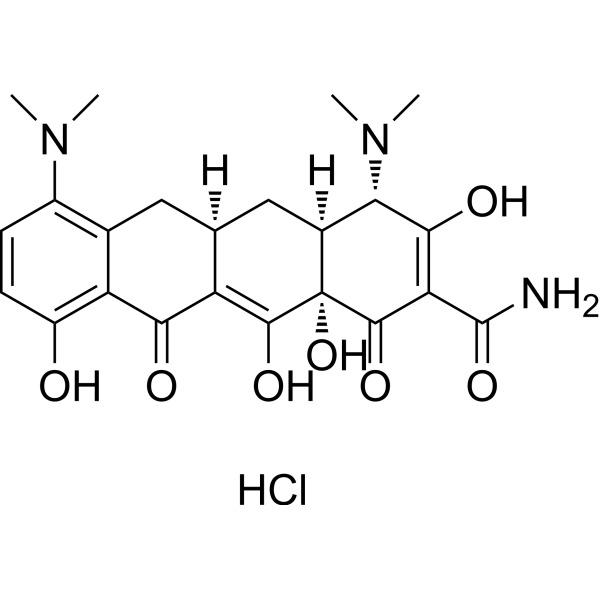
Minocycline hydrochloride is an orally active, potent and BBB-penetrated semi-synthetic tetracycline antibiotic. Minocycline hydrochloride is a hypoxia-inducible factor (HIF)-1α inhibitor. Minocycline hydrochloride shows anti-cancer, anti-inflammatory, and glutamate antagonist effects. Minocycline hydrochloride reduces glutamate neurotransmission and shows neuroprotective properties and antidepressant effects. Minocycline hydrochloride inhibits bacterial protein synthesis through binding with the 30S subunit of the bacterial ribosome, resulting in a bacteriostatic effect .
loading...
    loading...
76
76 Cited Publications
Cat. No.: HY-17412A
CAS No.: 10118-90-8
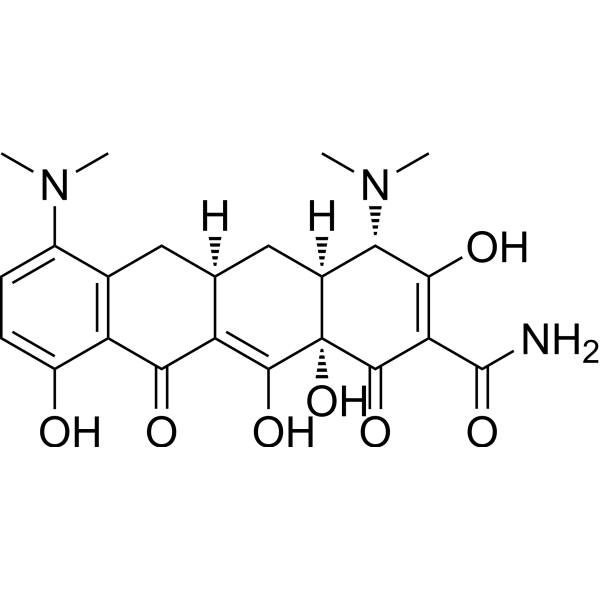
Minocycline is an orally active, potent and BBB-penetrated semi-synthetic tetracycline antibiotic. Minocycline is a hypoxia-inducible factor (HIF)-1α inhibitor. Minocycline shows anti-cancer, anti-inflammatory, and glutamate antagonist effects. Minocycline reduces glutamate neurotransmission and shows neuroprotective properties and antidepressant effects. Minocycline inhibits bacterial protein synthesis through binding with the 30S subunit of the bacterial ribosome, resulting in a bacteriostatic effect .
loading...
    loading...
71
71 Cited Publications
Cat. No.: HY-101193
CAS No.: 15442-64-5
Purity:  99.87%
Synonyms: Zn(II)-protoporphyrin IX; ZnPP; Zinc Protoporphyrin-9
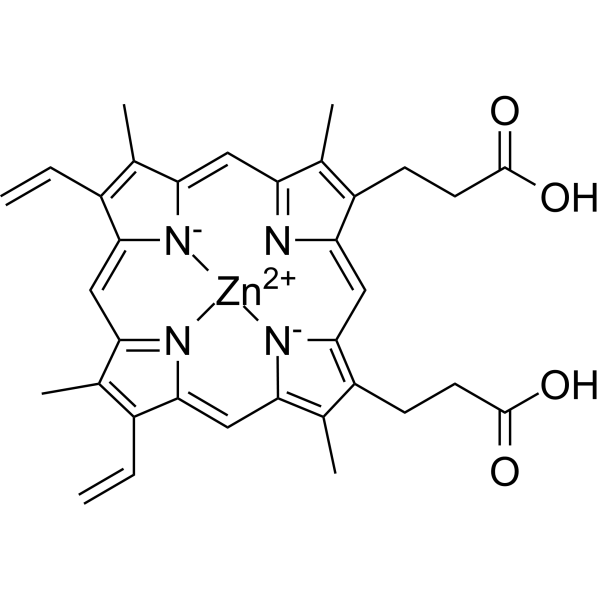
Zinc Protoporphyrin (Zn(II)-protoporphyrin IX) is an orally active and competitive heme oxygenase-1 (HO-1) inhibitor. Zinc Protoporphyrin regulates expression of HO-1 at the transcriptional level. The effect of Zinc Protoporphyrin on HO-1 expression is controversial.  It was shown to induce HO-1 expression in some cells, but suppress it in others. Zinc Protoporphyrin is used as a screening marker of iron deficiency in vivo. Zinc Protoporphyrin has anti-cancer activity .
loading...
    loading...
70
70 Cited Publications
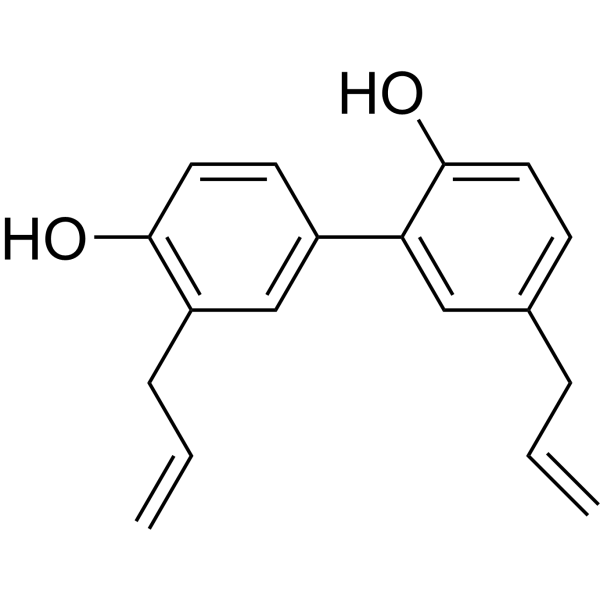
Cat. No.: HY-N0003
CAS No.: 35354-74-6
Synonyms: NSC 293100
Honokiol is a bioactive, biphenolic phytochemical that possesses potent antioxidative, anti-inflammatory, antiangiogenic, and anticancer activities by targeting a variety of signaling molecules. It inhibits the activation of Akt. Honokiol can readily cross the blood brain barrier .
loading...
    loading...
67
67 Cited Publications
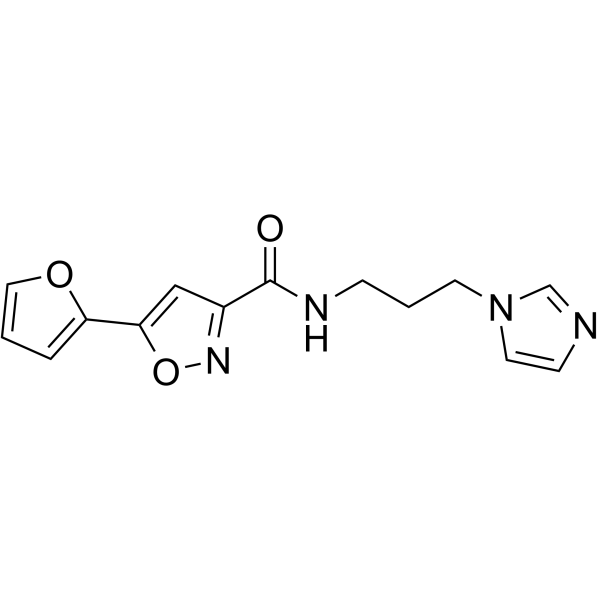
Cat. No.: HY-101085
CAS No.: 909089-13-0
Purity:  99.68%
Target:  

Wnt β-catenin

Research Areas:  

Cancer

SKL2001 is an agonist of the Wnt/β-catenin pathway, with anti-cancer activity. SKL2001 stabilizes intracellular β-catenin via disruption of the Axin/β-catenin interaction .
loading...
    loading...
65
65 Cited Publications
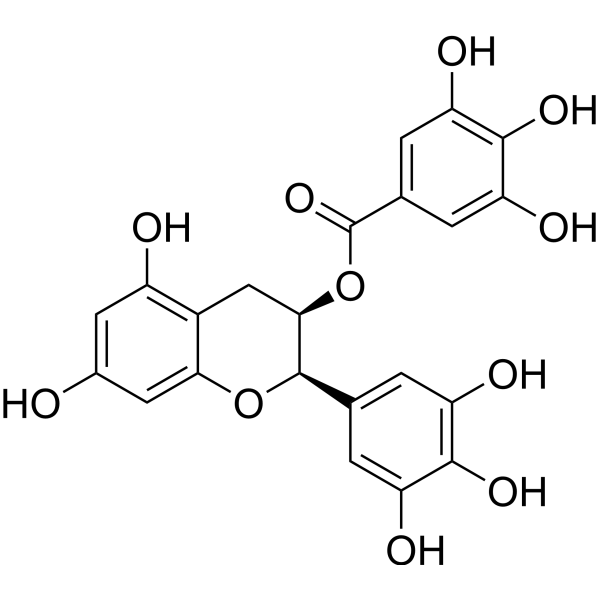
Cat. No.: HY-13653
CAS No.: 989-51-5
Purity:  99.75%
Synonyms: EGCG; Epigallocatechol Gallate
(-)-Epigallocatechin Gallate (EGCG) is a major polyphenol in green tea, which can inhibit cell proliferation and induce cell apoptosis. (-)-Epigallocatechin Gallate inhibits glutamate dehydrogenase 1/2 (GDH1/2, GLUD1/2) activity. (-)-Epigallocatechin Gallate has a potent anticancer, antioxidant and anti-inflammatory properties against various types of cancers such as colorectal cancer, myeloid leukemia, thyroid carcinoma .
loading...
    loading...
65
65 Cited Publications
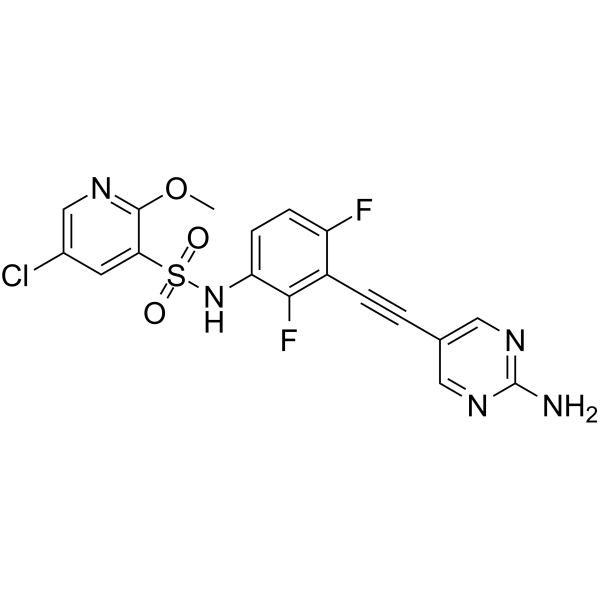
Cat. No.: HY-112654
CAS No.: 2183470-12-2
Purity:  99.83%
GCN2iB is an ATP-competitive, selective GCN2 inhibitor with an IC50 of 2.4 nM. GCN2iB inhibits the activation of the GCN2 pathway and upregulates GPX4. GCN2iB enhances the anticancer effect of ASNase against acute lymphoblastic leukemia. GCN2iB increases left ventricular ejection fraction, while reducing fasting blood glucose and myocardial fibrosis. GCN2iB can be used in research related to acute lymphoblastic leukemia, acute myeloid leukemia and diabetic cardiomyopathy .
loading...
    loading...

