



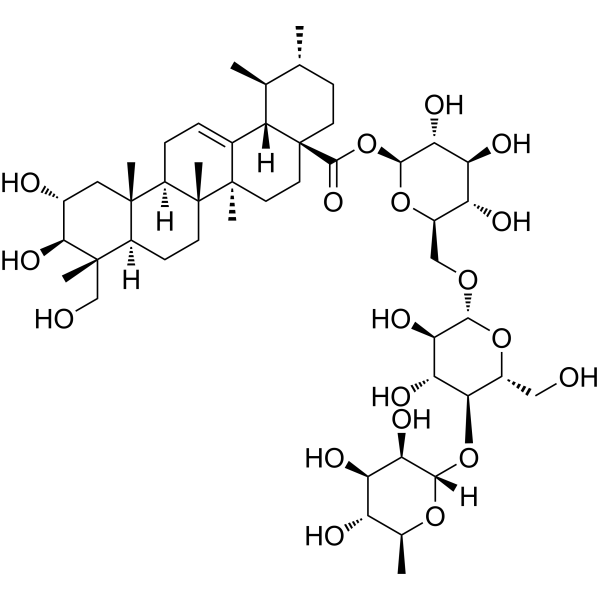
Asiaticoside
Based on 20 publication(s) in Google Scholar
Asiaticoside, a trisaccaride triterpene from Centella asiatica, suppresses TGF-β/Smad signaling through inducing Smad7 and inhibiting TGF-βRI and TGF-βRII in keloid fibroblasts; Asiaticoside shows antioxidant, anti-inflammatory, and anti-ulcer properties.
For research use only. We do not sell to patients.
- Purity : 99.67%
- CAS No.: 16830-15-2
- Formula: C48H78O19
- Molecular Weight:959.12
-
Storage:Powder -20°C, 3 years , 4°C, 2 years ; In solvent -80°C, 2 years , -20°C, 1 year

To place orders, for customer services and technical support, please contact: MedChemExpress USA
Tel: 609-228-6898 E-mail: [email protected] [email protected]


-
 Biological Activity
-
Chemical Information
-
Solvent & Solubility
- Protocols
- Purity & Documentation
- References
-
 Help & FAQs


-
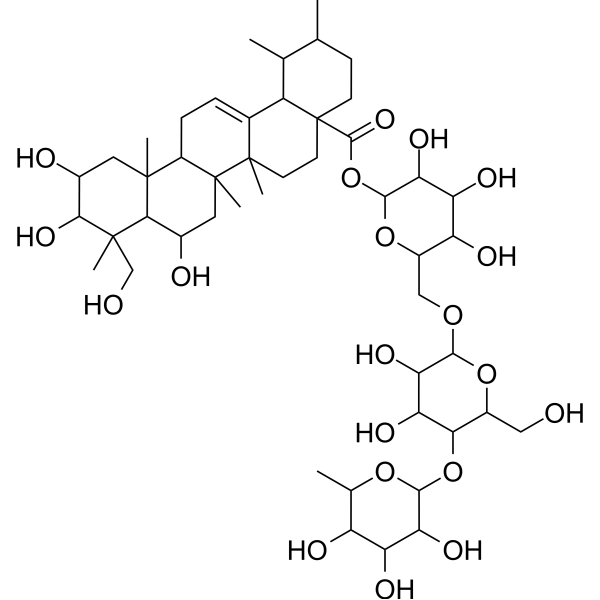
HY-N0568
MadecassosideEndogenous Metabolite -
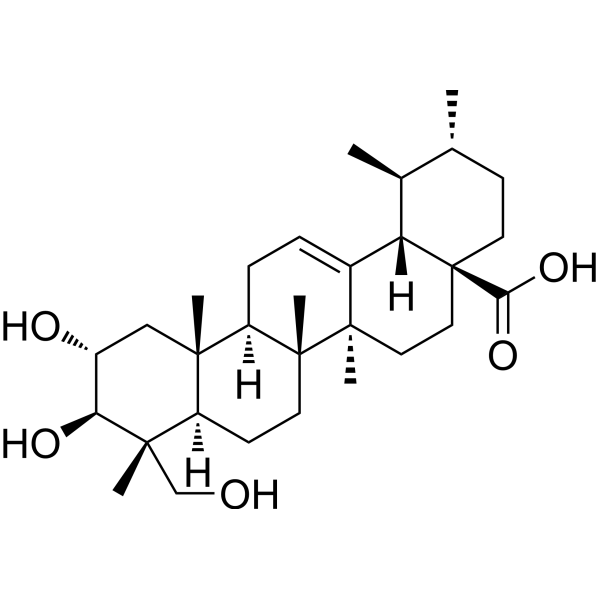
HY-N0194
Asiatic acidApoptosis Inducer -
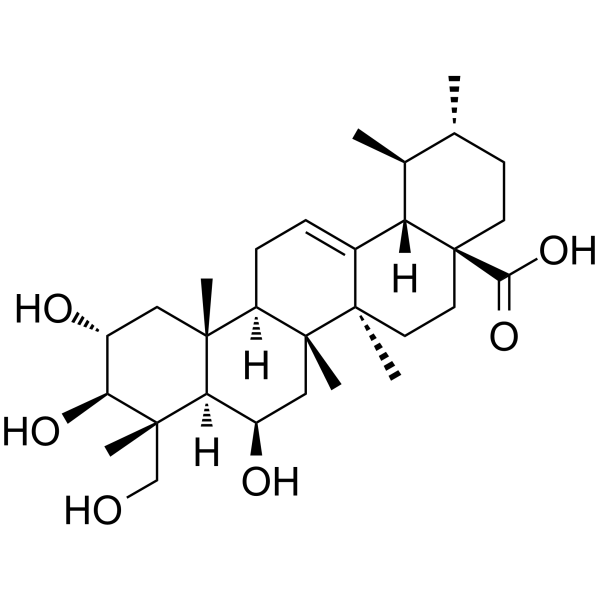
HY-N0569
Madecassic acidNO Synthase Inhibitor -
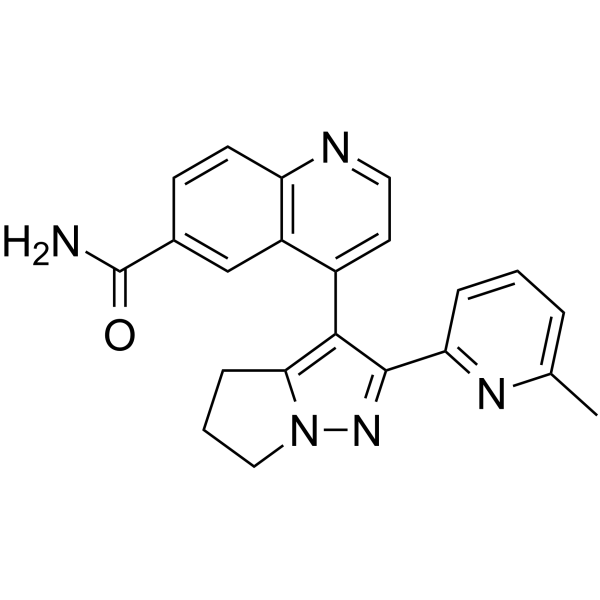
HY-13226
GalunisertibTGFβRI Inhibitor -

HY-N0439R
Asiaticoside (Standard)Triterpene Glycoside -
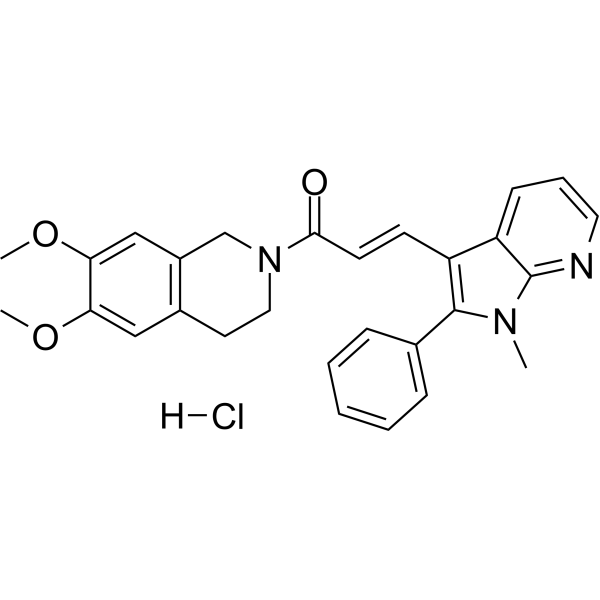
HY-13013
SIS3Smad3 Inhibitor -
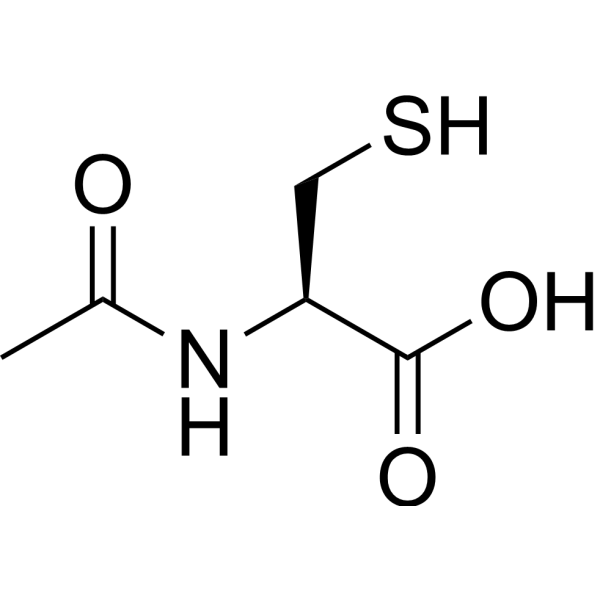
HY-B0215
AcetylcysteineMucolytic Agent -
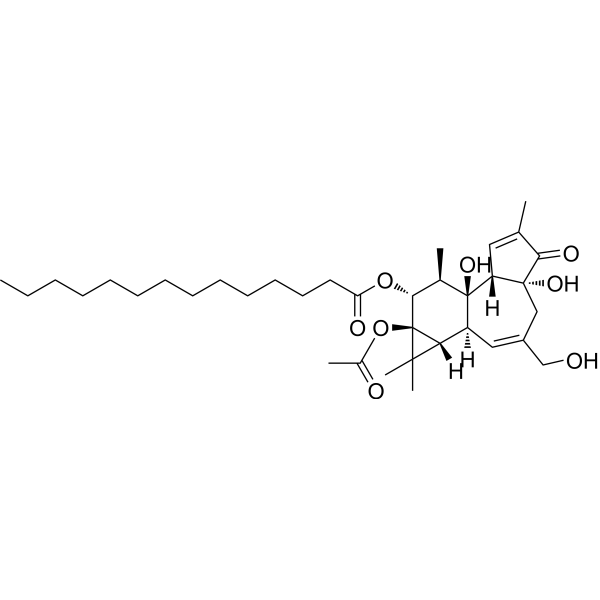
HY-18739
Phorbol 12-myristate 13-acetatePKC Activator -
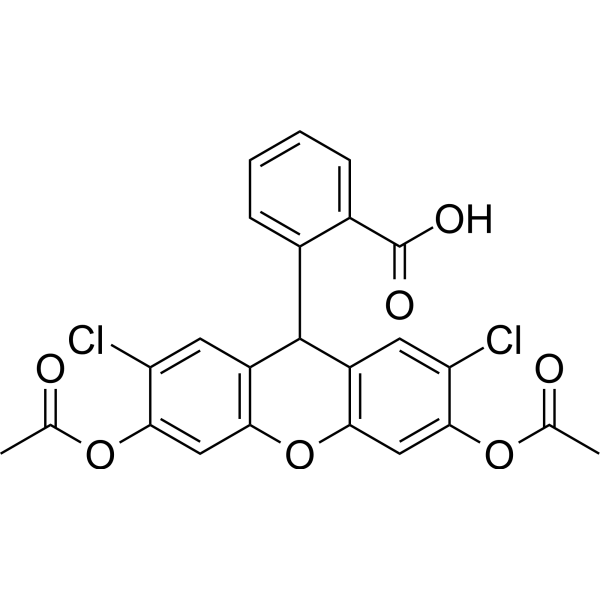
HY-D0940
H2DCFDAROS-Sensitive Probe -
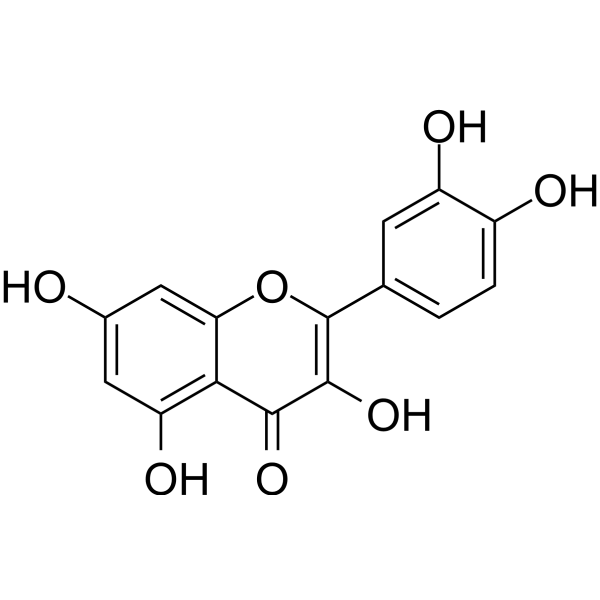
HY-18085
QuercetinFlavonoid Antioxidant -
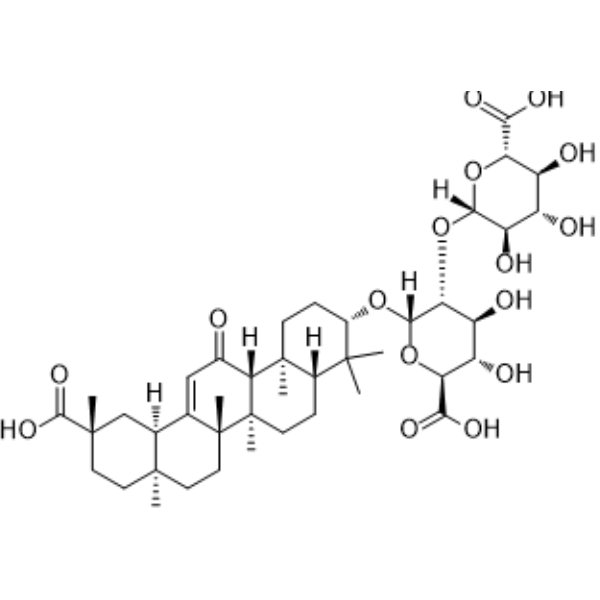
HY-N0184
Glycyrrhizic acidHMGB1 Antagonist -
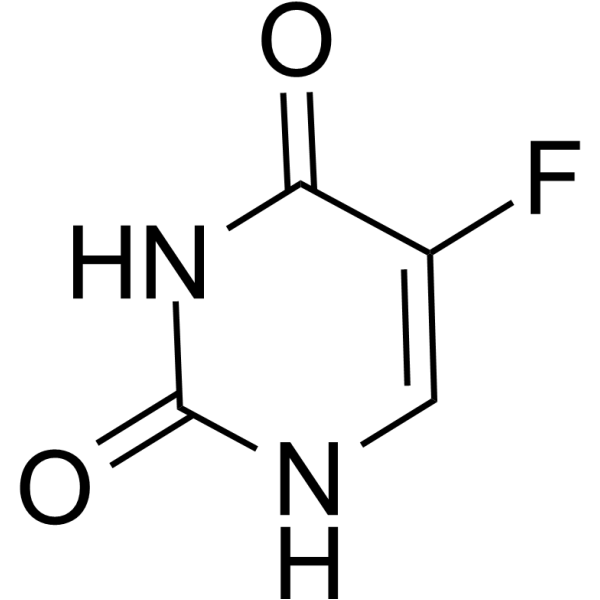
HY-90006
5-FluorouracilThymidylate Synthase Inhibitor
Publications Citing Use of MedChemExpress (MCE) Asiaticoside
More- J Exp Clin Cancer Res. 2021 Feb 9;40(1):62. [Abstract]
- Adv Sci (Weinh). 2026 Apr;13(21):e17108. [Abstract]
- Phytomedicine. 2025 Sep 23:148:157317. [Abstract]
- Phytother Res. 2023 May;37(5):1771-1786. [Abstract]
- Pharmaceutics. 2023 Aug 28;15(9):2220. [Abstract]
- Ecotoxicol Environ Saf. 2025 Dec:308:119482. [Abstract]
- Biomater Sci. 2021 Jul 27;9(15):5227-5236. [Abstract]
- Int Immunopharmacol. 2024 Jun 15:134:112175. [Abstract]
- Int Immunopharmacol. 2022 Jul:108:108864. [Abstract]
- Mol Pharm. 2022 Nov 7;19(11):4320-4332. [Abstract]
- Drug Dev Res. 2024 Sep;85(6):e22242. [Abstract]
- Microbiol Spectr. 2022 Dec 21;10(6):e0219822. [Abstract]
- Naunyn Schmiedebergs Arch Pharmacol. 2026 May 16. [Abstract]
- Toxicol Appl Pharmacol. 2026 Jun 23:514:117925. [Abstract]
- J Biochem Mol Toxicol. 2024 Sep;38(9):e23843. [Abstract]
- J Radiat Res Appl Sci. 2026 Aug 2;19(3):102597.
- Iran J Basic Med Sci. 2019 Jul;22(7):797-805. [Abstract]
- Biochem Biophys Res Commun. 2026 Jan 8:795:153102. [Abstract]
- Biomed Pharmacother. 2025 Jun:187:118094. [Abstract]
- Heliyon. 2024 Aug 29;10(18):e37169. [Abstract]
 Customer Validation & Images

-
Cell Proliferation/Viability Assay
-
Cell Proliferation/Viability Assay
-
Cell Migration/Invasion Assay
-
Flow Cytometry
-
Cell Proliferation/Viability Assay
All Endogenous Metabolite Isoforms
More

Biological Activity
Description
IC50 & Target
TGF-beta/Smad[1]
In Vitro
Asiaticoside (0, 100, 250, and 500 mg/L) dose-dependently inhibits keloid fibroblasts proliferation. Asiaticoside (100, 250, and 500 mg/L) decreases the expression of collagen protein and mRNA, reduces the expression of TGF-bRI, TGF-bRII protein, and mRNA, increases the expression of Smad7, but does not affect Smad2, Smad3, Smad4, phosphorylated Smad2, and phosphorylated Smad3 in keloid fibroblasts[1]. Asiaticoside (12.5 and 50, and 25 and 50 μg/mL) prevents endothelial cells from hypoxia-induced inhibition of cell viability and NO production. Asiaticoside (50 μg/mL) also protects endothelial cells from hypoxia-induced apoptosis and upregulates and phosphorylation of AKT/eNOS in hypoxia-exposed HPAECs[2].
MedChemExpress (MCE) has not independently confirmed the accuracy of these methods. They are for reference only.
In Vivo
MedChemExpress (MCE) has not independently confirmed the accuracy of these methods. They are for reference only.
Clinical Trial
| NCT Number | Sponsor | Condition | Start Date |
Phase

|
|---|---|---|---|---|
| NCT01329991 | Plexxikon| | 2011-05 | PHASE1 |


Chemical Information
-
CAS No. 16830-15-2
-
Appearance Solid
-
Molecular Weight 959.12
-
Formula C48H78O19
-
Color White to off-white
-
SMILES
C[C@@H]1CC[C@@]2(C(O[C@@H]3O[C@H](CO[C@H]4[C@H](O)[C@@H](O)[C@H](O[C@@]5([H])[C@H](O)[C@H](O)[C@@H](O)[C@H](C)O5)[C@@H](CO)O4)[C@@H](O)[C@H](O)[C@H]3O)=O)[C@@](C6=CC[C@@]([C@](C[C@@H](O)[C@H](O)[C@]7(CO)C)(C)[C@@]7([H])CC8)([H])[C@]8(C)[C@]6(C)CC2)([H])[C@H]1C
-
Structure Classification
-
Shipping
Room temperature in continental US; may vary elsewhere.
-
Storage
Powder -20°C 3 years 4°C 2 years In solvent -80°C 2 years -20°C 1 year


Publications (20)
-
Journal Impact Factor
-
Most Recent
-
J Exp Clin Cancer Res
HOXA10 mediates epithelial-mesenchymal transition to promote gastric cancer metastasis partly via modulation of TGFB2/Smad/METTL3 signaling axis. [Abstract]2021 Feb 9;40(1):62. PMID: 33563300 -
Adv Sci (Weinh)
Targeted Extracellular Vesicles Deliver Asiaticoside to Inhibit AURKB/DRP1-Mediated Mitochondrial Fission and Attenuate Hypertrophic Scar Formation. [Abstract]2026 Apr;13(21):e17108. PMID: 41637535 -
Phytomedicine
Novel AMPK/ORP8-lipophagy axis: A therapeutic target for asiaticoside-mediated cardioprotection against ischemia-reperfusion injury in hyperlipidemia. [Abstract]2025 Sep 23:148:157317. PMID: 41027151 -
Phytother Res
Asiaticoside hampers epithelial-mesenchymal transition by promoting PPARG expression and suppressing P2RX7-mediated TGF-β/Smad signaling in triple-negative breast cancer. [Abstract]2023 May;37(5):1771-1786. PMID: 36444395 -
Pharmaceutics
Multifunctional PDO Thread Coated with Mg(OH)2/ZnO Nanoparticles and Asiaticoside for Improved Facial Lifting. [Abstract]2023 Aug 28;15(9):2220. PMID: 37765189 -
Ecotoxicol Environ Saf
Asiaticoside ameliorates pyrimethanil-induced autophagy-dependent liver injury by suppressing CRHR1. [Abstract]2025 Dec:308:119482. PMID: 41338089 -
Biomater Sci
Asiaticoside-laden silk nanofiber hydrogels to regulate inflammation and angiogenesis for scarless skin regeneration. [Abstract]2021 Jul 27;9(15):5227-5236. PMID: 34190240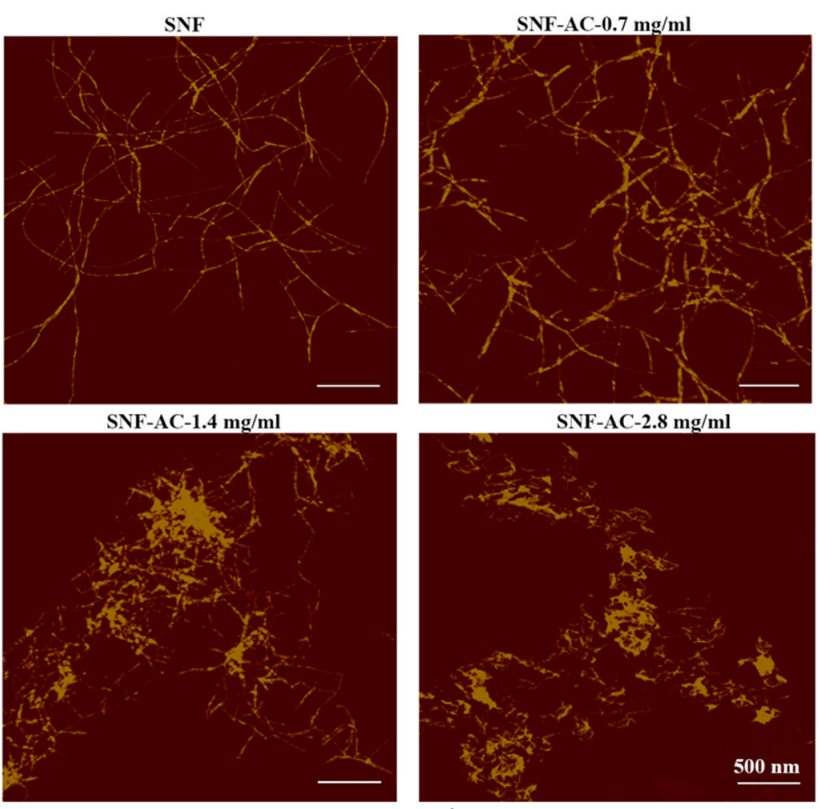
Asiaticoside purchased from MedChemExpress. Usage Cited in: Biomater Sci. 2021 Jul 27;9(15):5227-5236. [Abstract]
AFM images of Asiaticoside-laden silk nanofiber hydrogels with different Asiaticoside concentrations (0, 0.7, 1.4, 2.8 mg/ml). Scale bars 500 nm.
-
Int Immunopharmacol
Asiaticoside promoted ferroptosis and suppressed immune escape in gastric cancer cells by downregulating the Wnt/β-catenin pathway. [Abstract]2024 Jun 15:134:112175. PMID: 38733821 -
Int Immunopharmacol
Asiaticoside ameliorates osteoarthritis progression through activation of Nrf2/HO-1 and inhibition of the NF-κB pathway. [Abstract]2022 Jul:108:108864. PMID: 35623293 -
Mol Pharm
2022 Nov 7;19(11):4320-4332. PMID: 36269563 -
Drug Dev Res
Asiaticoside enhances the effect of propofol on the invasion, ferroptosis and immune escape of bladder cancer. [Abstract]2024 Sep;85(6):e22242. PMID: 39161064 -
Microbiol Spectr
25-Hydroxycholesterol Mediates Cholesterol Metabolism to Restrict Porcine Deltacoronavirus Infection via Suppression of Transforming Growth Factor β1. [Abstract]2022 Dec 21;10(6):e0219822. PMID: 36314946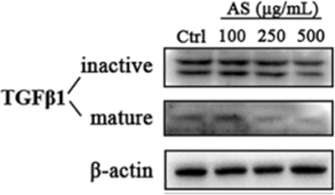
Asiaticoside purchased from MedChemExpress. Usage Cited in: Microbiol Spectr. 2022 Dec 21;10(6):e0219822. [Abstract]
Asiaticoside (AS) (250, 500 µg/mL; 24 h) significantly inhibits the expression of mature TGF-β1 in LLC-PK1 cells.
-
Naunyn Schmiedebergs Arch Pharmacol
Asiaticoside alleviates inflammation and intestinal barrier dysfunction in Crohn's disease-like colitis in a manner associated with the RhoA/ROCK/MLC pathway. [Abstract]2026 May 16. PMID: 42142140 -
Toxicol Appl Pharmacol
Asiaticoside alleviates metabolic associated fatty liver disease via PI3K/AKT/mTOR signaling pathway. [Abstract]2026 Jun 23:514:117925. PMID: 42336298 -
J Biochem Mol Toxicol
Asiaticoside protected brain injury in hypertensive intracerebral hemorrhage via activation of the PI3K/AKT pathway. [Abstract]2024 Sep;38(9):e23843. PMID: 39253885 -
-
Iran J Basic Med Sci
2019 Jul;22(7):797-805. PMID: 32373302 -
Biochem Biophys Res Commun
The role and mechanism of asiaticoside in regulating smooth muscle cell mitochondrial Drp1 during neointimal hyperplasia and atherosclerosis. [Abstract]2026 Jan 8:795:153102. PMID: 41371186 -
Biomed Pharmacother
Transforming growth factor-β receptor I kinase plays a crucial role in oligodendrocyte regeneration after demyelination. [Abstract]2025 Jun:187:118094. PMID: 40315672 -
Heliyon
Asiaticoside inhibits breast cancer progression and tumor angiogenesis via YAP1/VEGFA signal pathway. [Abstract]2024 Aug 29;10(18):e37169. PMID: 39309801
Asiaticoside purchased from MedChemExpress. Usage Cited in: Heliyon. 2024 Aug 29;10(18):e37169. [Abstract]
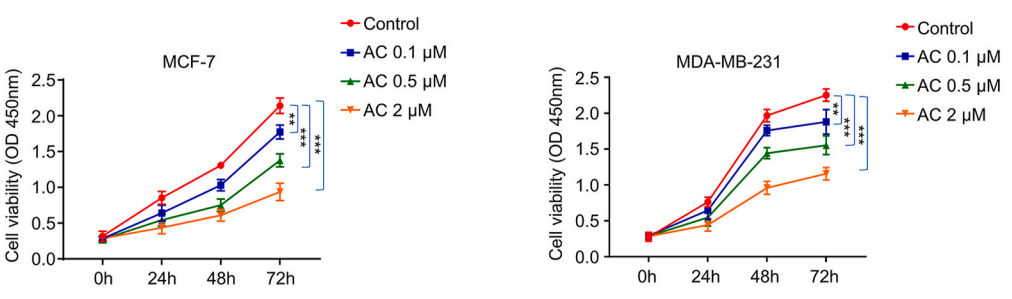
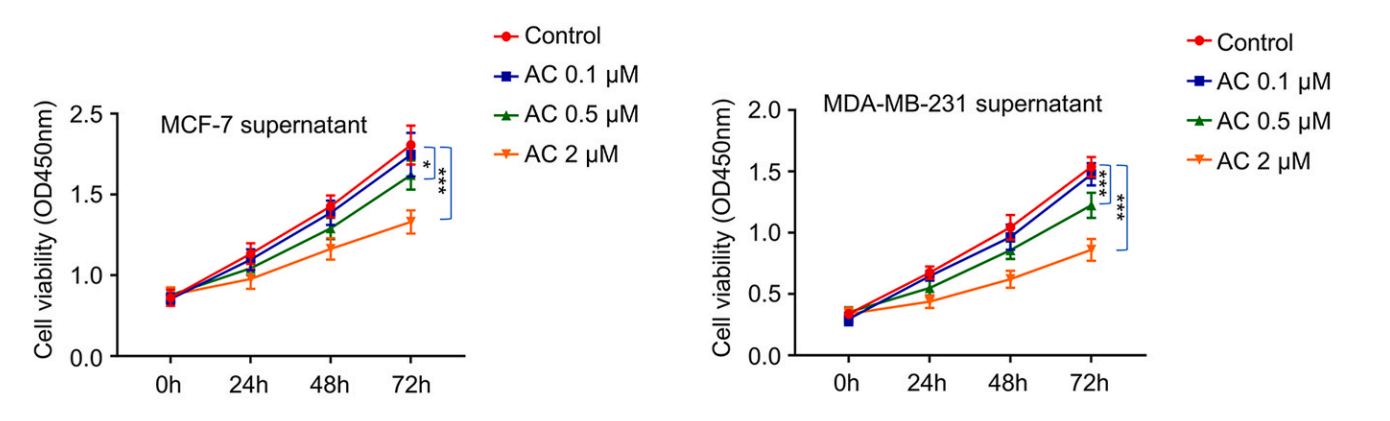
Cell growth assay in MCF-7 and MDA-MB-231 cells treated with different doses of Asiaticoside (0, 0.1, 0.5, or 2 μM; 72 h).
Asiaticoside purchased from MedChemExpress. Usage Cited in: Heliyon. 2024 Aug 29;10(18):e37169. [Abstract]
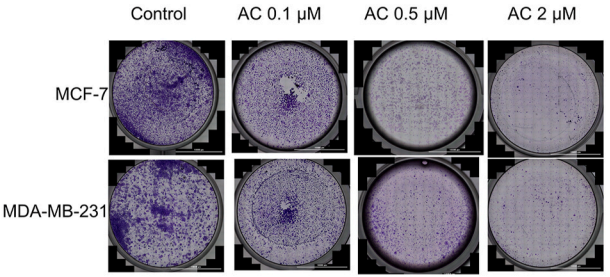
Colony formation in MCF-7 and MDA-MB-231 cells treated with different doses of Asiaticoside (0, 0.1, 0.5, or 2 μM; 72 h).
Asiaticoside purchased from MedChemExpress. Usage Cited in: Heliyon. 2024 Aug 29;10(18):e37169. [Abstract]
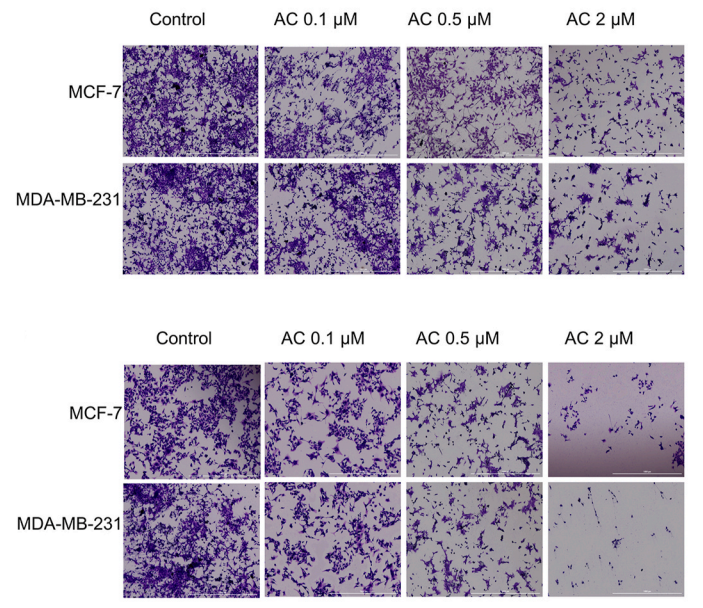
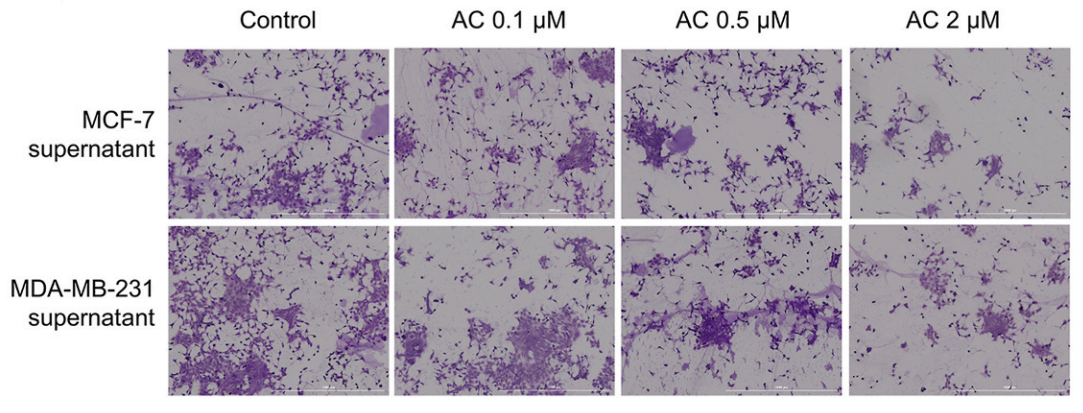
Transwell migration assay (24 h) in MCF-7 and MDA-MB-231 cells treated with different doses of Asiaticoside (0, 0.1, 0.5, or 2 μM).
Asiaticoside purchased from MedChemExpress. Usage Cited in: Heliyon. 2024 Aug 29;10(18):e37169. [Abstract]
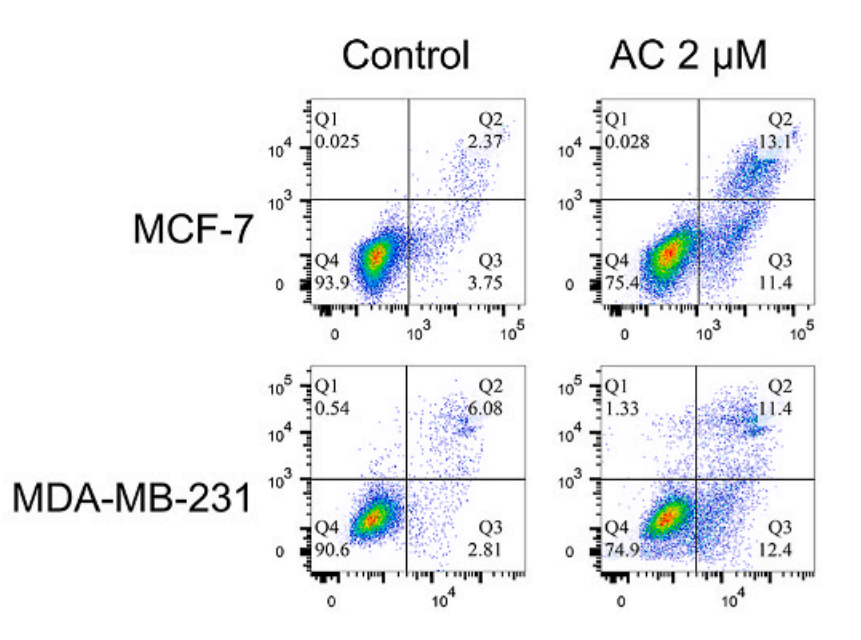
Flow cytometry analysis of apoptotic events in control and Asiaticoside (2 μM, 48 h)-treated cells.
Asiaticoside purchased from MedChemExpress. Usage Cited in: Heliyon. 2024 Aug 29;10(18):e37169. [Abstract]
The culture supernatants of control- and Asiaticoside (0.1, 0.5, 2 μM, 72 h)-treated breast cancer cells were collected for incubating HUVEC cells. CCK8 assay shows a decreased cell proliferation in Asiaticoside-conditioned medium-treated HUVECs.
Asiaticoside purchased from MedChemExpress. Usage Cited in: Heliyon. 2024 Aug 29;10(18):e37169. [Abstract]
The culture supernatants of control- and Asiaticoside (0.1, 0.5, 2 μM)-treated breast cancer cells were collected for incubating HUVEC cells. Transwell assay (24-h incubation) shows the impaired cell migration in Asiaticoside-conditioned medium-treated HUVECs.


Solvent & Solubility
In Vitro:
DMSO : 100 mg/mL (104.26 mM; Need ultrasonic; Hygroscopic DMSO has a significant impact on the solubility of product, please use newly opened DMSO)
Please refer to the solubility information to select the appropriate solvent. Once prepared, please aliquot and store the solution to prevent product inactivation from repeated freeze-thaw cycles.
Storage method and period of stock solution: -80°C, 2 years; -20°C, 1 year. When stored at -80°C, please use it within 2 years. When stored at -20°C, please use it within 1 year.
Please refer to the solubility information to select the appropriate solvent. Once prepared, please aliquot and store the solution to prevent product inactivation from repeated freeze-thaw cycles.
Storage method and period of stock solution: -80°C, 2 years; -20°C, 1 year. When stored at -80°C, please use it within 2 years. When stored at -20°C, please use it within 1 year.
Concentration (start) × Volume (start) = Concentration (final) × Volume (final)
In Vivo:
Select the appropriate dissolution method based on your experimental animal and administration route.
- For the following dissolution methods, please ensure to first prepare a clear stock solution using an In Vitro approach and then sequentially add co-solvents:
- To ensure reliable experimental results, the clarified stock solution can be appropriately stored based on storage conditions. As for the working solution for In Vivo experiments, it is recommended to prepare freshly and use it on the same day.
- The percentages shown for the solvents indicate their volumetric ratio in the final prepared solution. If precipitation or phase separation occurs during preparation, heat and/or sonication can be used to aid dissolution.
Add each solvent one by one: 10% DMSO 40% PEG300 5% Tween-80 45% Saline
Solubility: ≥ 2.5 mg/mL (2.61 mM); Clear solution
This protocol yields a clear solution of ≥ 2.5 mg/mL (saturation unknown).
Taking 1 mL working solution as an example, add 100 μL DMSO stock solution (25.0 mg/mL) to 400 μL PEG300, and mix evenly; then add 50 μL Tween-80 and mix evenly; then add 450 μL Saline to adjust the volume to 1 mL.
Preparation of Saline: Dissolve 0.9 g sodium chloride in ddH₂O and dilute to 100 mL to obtain a clear Saline solution.
Add each solvent one by one: 10% DMSO 90% (20% SBE-β-CD in Saline)
Solubility: ≥ 2.5 mg/mL (2.61 mM); Clear solution
This protocol yields a clear solution of ≥ 2.5 mg/mL (saturation unknown).
Taking 1 mL working solution as an example, add 100 μL DMSO stock solution (25.0 mg/mL) to 900 μL 20% SBE-β-CD in Saline, and mix evenly.
Preparation of 20% SBE-β-CD in Saline (4°C, storage for one week): 2 g SBE-β-CD powder is dissolved in 10 mL Saline, completely dissolve until clear.
In Vivo Dissolution Calculator
Please enter the basic information of animal experiments:
-
-
-
-
Recommended: Prepare an additional quantity of animals to account for potential losses during experiments.
Please enter your animal formula composition:
-
%DMSO +
Recommended: Keep the proportion of DMSO in working solution below 2% if your animal is weak.
-
%+
-
+%Tween-80 + +
-
%Saline +
The co-solvents required include: DMSO, . All of co-solvents are available by MedChemExpress (MCE). , Tween 80. All of co-solvents are available by MedChemExpress (MCE).
Working solution concentration: 0.22 mg/mL
Method for preparing stock solution: mg drug dissolved in μL DMSO. Stock solution concentration: mg/mL.
1. Take μL DMSO stock solution;
2. Add μL .
μL , mix evenly;
3. Then add μL Tween 80, mix evenly;
4. Then add μL
Please ensure that the stock solution in the first step is dissolved to a clear state, and add co-solvents in sequence. You can use ultrasonic heating (ultrasonic cleaner, recommended frequency 20-40 kHz), vortexing, etc. to assist dissolution.


Purity & Documentation
-
Data Sheet (287 KB)
-
SDS (393 KB)
- English - EN (393 KB)
- Français - FR (393 KB)
- Deutsch - DE (393 KB)
- Norwegian - NO (393 KB)
- Español - ES (393 KB)
- Swedish - SV (393 KB)
- Italian - IT (393 KB)
- Korean - KR (393 KB)
- Portuguese - PT (393 KB)
-
Handling Instructions (2659 KB)
References
[1]. Tang B, et al. Asiaticoside suppresses collagen expression and TGF-β/Smad signaling through inducing Smad7 and inhibiting TGF-βRI and TGF-βRII in keloid fibroblasts. h Dermatol Res. 2011 Oct;303(8):563-72. [Content Brief]
[2]. Wang X, et al. Effect of asiaticoside on endothelial cells in hypoxia‑induced pulmonary hypertension. Mol Med Rep. 2018 Feb;17(2):2893-2900. [Content Brief]
[3]. Zhang Z, et al. Asiaticoside ameliorates β-amyloid-induced learning and memory deficits in rats by inhibiting mitochondrial apoptosis and reducing inflammatory factors. Exp Ther Med. 2017 Feb;13(2):413-420. [Content Brief]


Complete Stock Solution Preparation Table
Please refer to the solubility information to select the appropriate solvent. Once prepared, please aliquot and store the solution to prevent product inactivation from repeated freeze-thaw cycles.
Storage method and period of stock solution: -80°C, 2 years; -20°C, 1 year. When stored at -80°C, please use it within 2 years. When stored at -20°C, please use it within 1 year.
| Optional Solvent | Concentration Solvent Mass | 1 mg | 5 mg | 10 mg | 25 mg |
|---|---|---|---|---|---|
| DMSO | 1 mM | 1.0426 mL | 5.2131 mL | 10.4262 mL | 26.0656 mL |
| 5 mM | 0.2085 mL | 1.0426 mL | 2.0852 mL | 5.2131 mL | |
| 10 mM | 0.1043 mL | 0.5213 mL | 1.0426 mL | 2.6066 mL | |
| 15 mM | 0.0695 mL | 0.3475 mL | 0.6951 mL | 1.7377 mL | |
| 20 mM | 0.0521 mL | 0.2607 mL | 0.5213 mL | 1.3033 mL | |
| 25 mM | 0.0417 mL | 0.2085 mL | 0.4170 mL | 1.0426 mL | |
| 30 mM | 0.0348 mL | 0.1738 mL | 0.3475 mL | 0.8689 mL | |
| 40 mM | 0.0261 mL | 0.1303 mL | 0.2607 mL | 0.6516 mL | |
| 50 mM | 0.0209 mL | 0.1043 mL | 0.2085 mL | 0.5213 mL | |
| 60 mM | 0.0174 mL | 0.0869 mL | 0.1738 mL | 0.4344 mL | |
| 80 mM | 0.0130 mL | 0.0652 mL | 0.1303 mL | 0.3258 mL | |
| 100 mM | 0.0104 mL | 0.0521 mL | 0.1043 mL | 0.2607 mL |


Asiaticoside Related Classifications
HY-N0439 Related Classifications
 Powered by Bioz