



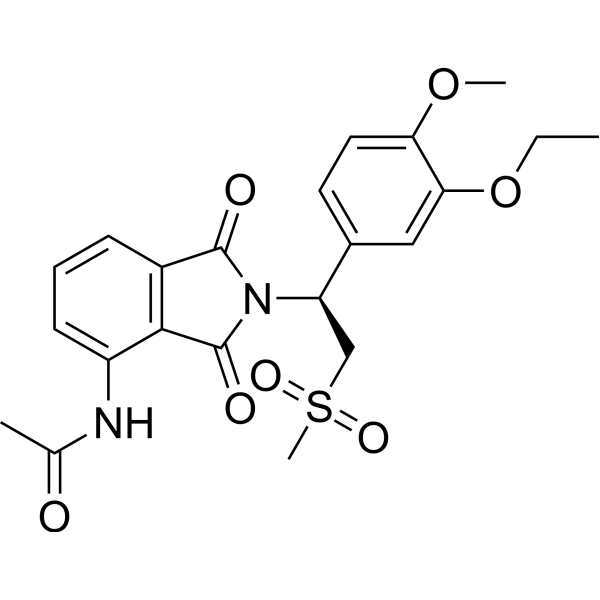
Apremilast
Based on 10 publication(s) in Google Scholar
Apremilast (CC-10004) is an orally available inhibitor of type-4 cyclic nucleotide phosphodiesterase (PDE-4) with an IC50 of 74 nM. Apremilast inhibits TNF-α release by lipopolysaccharide (LPS) with an IC50 of 104 nM.
Para uso exclusivo en investigación. No vendemos a pacientes.
- Pureza : 99.79%
- No. CAS: 608141-41-9
- Fòrmula: C22H24N2O7S
- Peso molecular:460.50
-
Almacenamiento:Powder -20°C, 3 years , 4°C, 2 years ; In solvent -80°C, 1 year , -20°C, 6 months

To place orders, for customer services and technical support, please contact: MedChemExpress USA
Tel: 609-228-6898 E-mail: [email protected] [email protected]


-
 Actividad biológica
-
Chemical Information
-
Solvente y solubilidad
- Pureza y Documentación
- Referencias
-
 Help & FAQs


-
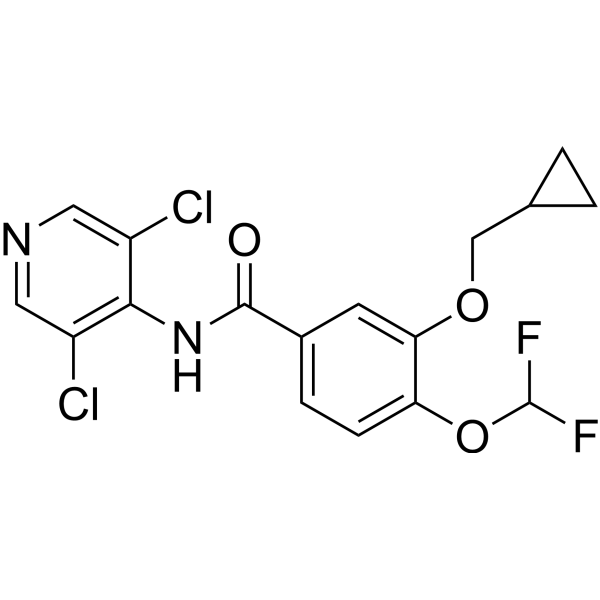
HY-15455
RoflumilastPDE4 Inhibitor -
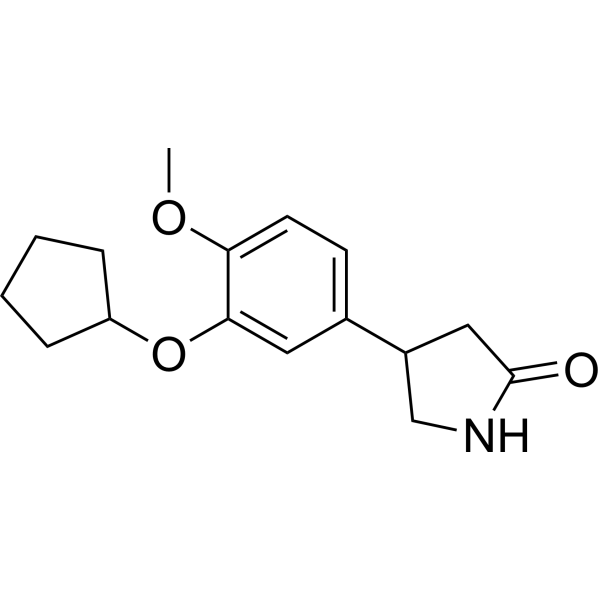
HY-16900
RolipramPDE4 Inhibitor -
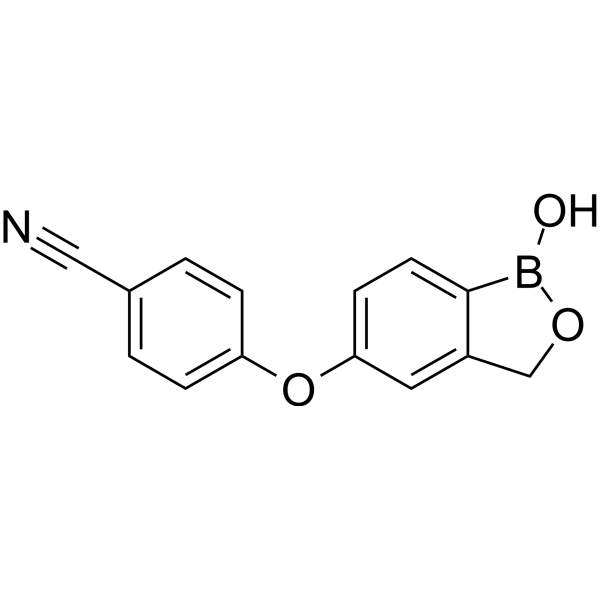
HY-10978
CrisaborolePDE Inhibitor -

HY-12085R
Apremilast (Standard)PDE-4 Inhibitor -
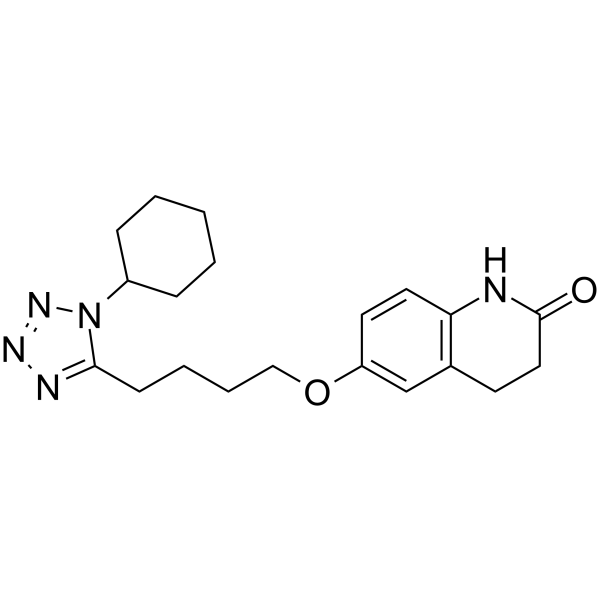
HY-17464
CilostazolPDE3 Inhibitor -
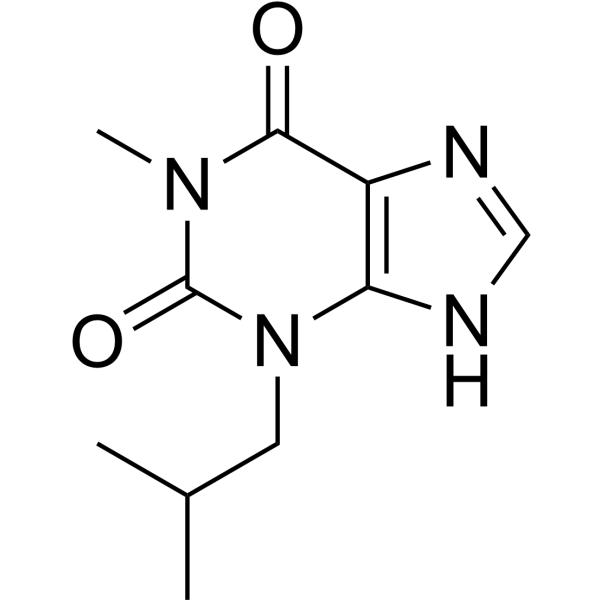
HY-12318
IBMXPDE Inhibitor -
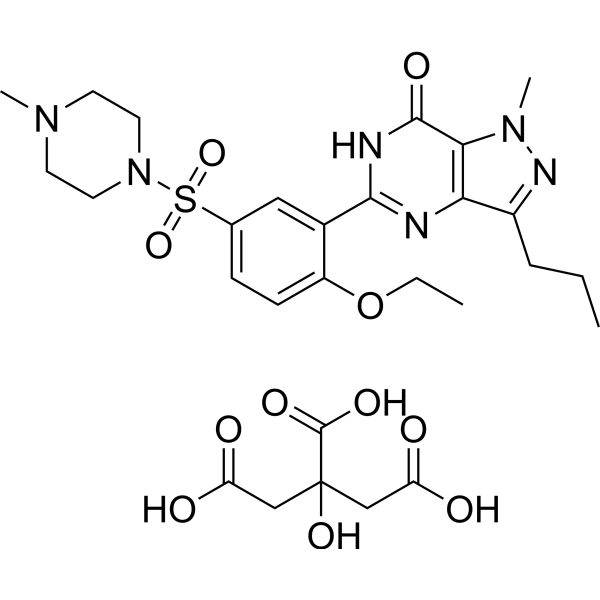
HY-15025A
Sildenafil citratePDE5 Inhibitor -
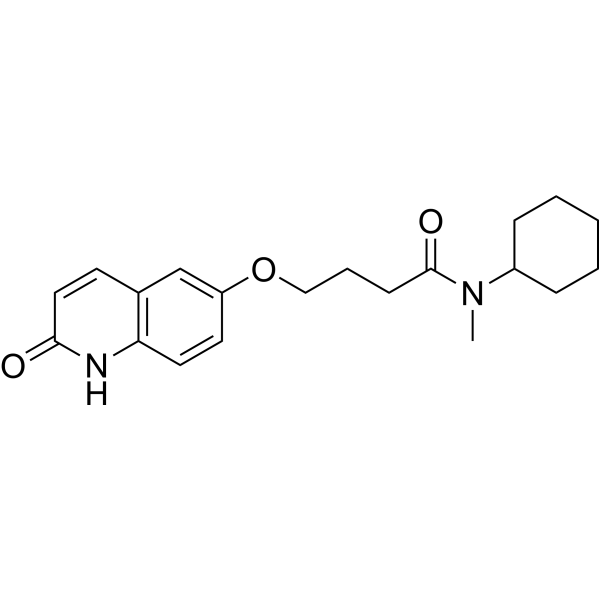
HY-101312
CilostamidePDE3 Inhibitor -
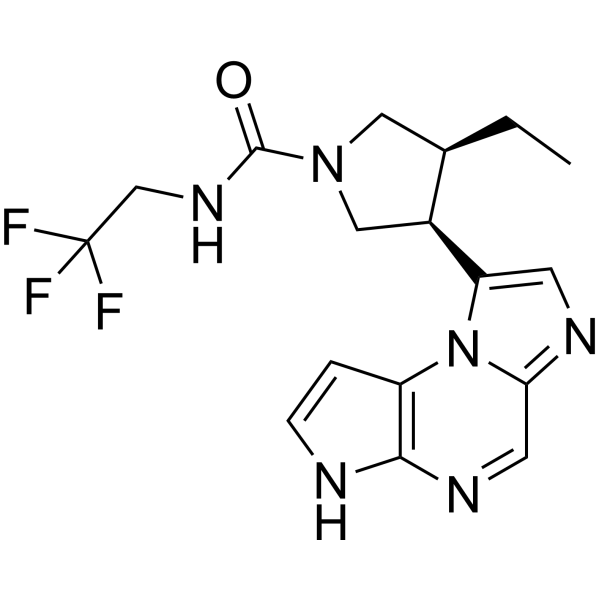
HY-19569
UpadacitinibJAK1 Inhibitor -
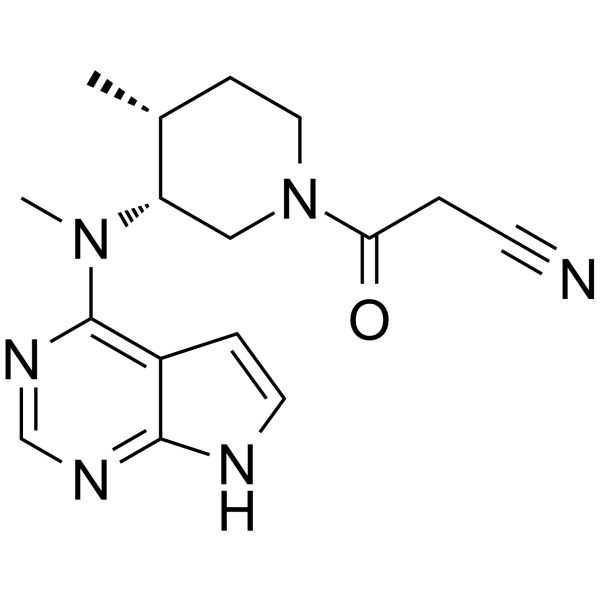
HY-40354
TofacitinibJAK1/JAK3 Inhibitor -
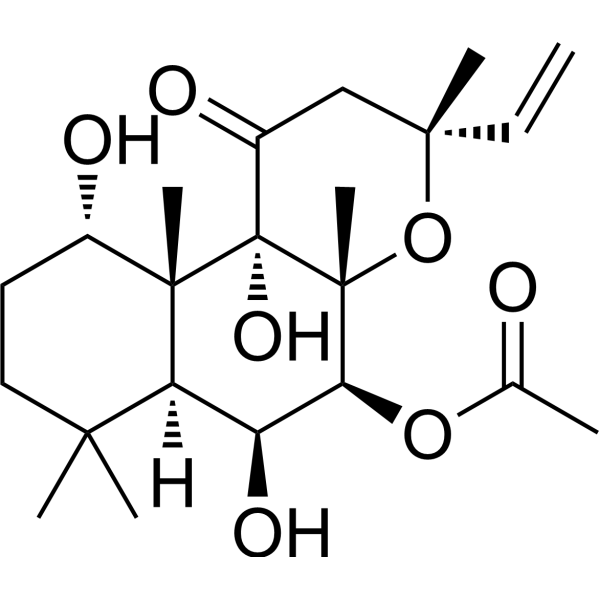
HY-15371
ForskolinAdenylate Cyclase Activator -
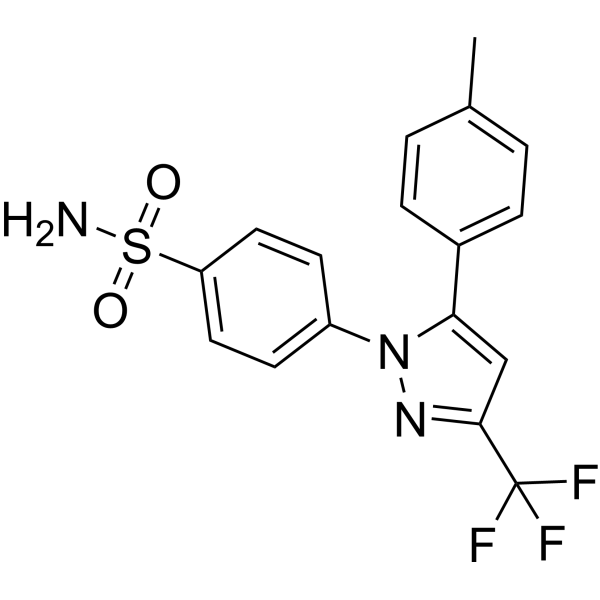
HY-14398
CelecoxibCOX-2inhibitor
Publications Citing Use of MedChemExpress (MCE) Apremilast
More- Phytomedicine. 2025 Mar:138:156401. [Abstract]
- Int J Mol Med. 2021 Mar;47(3):12. [Abstract]
- Eur J Pharmacol. 2020 Oct 15:885:173508. [Abstract]
- J Dermatol Sci. 2023 May;110(2):61-68. [Abstract]
- J Dermatol Sci. 2019 Apr;94(1):244-251. [Abstract]
- Neuroscience. 2026 Feb 16:595:20-27. [Abstract]
- Biochem Biophys Rep. 2021 Aug 28:28:101118. [Abstract]
- Res Sq. 2024 Sep 10:rs.3.rs-4870330. [Abstract]
- bioRxiv. 2024 Jun 6:2024.06.04.597429. [Abstract]
- Heinrich Heine University Dusseldorf. 2022 May.
 Customer Validation & Images

-
RT-PCR
-
ELISA
-
Cell Imaging/Staining
-
Cell Imaging/Staining
-
Flow Cytometry
Ver todos los productos específicos de isoformas TNF Receptor
More

Actividad biológica
Descripciòn
IC50 & Target
[1]|
PDE4 74 nM (IC50) |
Cellular Effect
|
Cell Line

|
Type | Value | Description | References |
|---|---|---|---|---|
| PBMC | IC50 |
0.077 μM
Compound: 1S
|
Inhibition of TNFalpha production in LPS-stimulated human PBMC preincubated before LPS challenge measured after 4 hrs by enzyme immunoassay
Inhibition of TNFalpha production in LPS-stimulated human PBMC preincubated before LPS challenge measured after 4 hrs by enzyme immunoassay
|
[PMID: 19256507] |
| Sf9 | IC50 |
21 nM
Compound: 30
|
Inhibition of recombinant human His6-tagged PDE4D UCR2 deletion mutant catalytic domain expressed in baculovirus infected Sf9 insect cells using cAMP as substrate preincubated for 5 to 10 mins followed by substrate addition and measured for 10 mins by yea
Inhibition of recombinant human His6-tagged PDE4D UCR2 deletion mutant catalytic domain expressed in baculovirus infected Sf9 insect cells using cAMP as substrate preincubated for 5 to 10 mins followed by substrate addition and measured for 10 mins by yea
|
[PMID: 31013090] |
| Sf9 | IC50 |
23 nM
Compound: 30
|
Inhibition of recombinant human His6-tagged PDE4D3 UCR1 S54D mutant expressed in baculovirus infected Sf9 insect cells using cAMP as substrate preincubated for 5 to 10 mins followed by substrate addition and measured for 10 mins by yeast myokinase/pyruvat
Inhibition of recombinant human His6-tagged PDE4D3 UCR1 S54D mutant expressed in baculovirus infected Sf9 insect cells using cAMP as substrate preincubated for 5 to 10 mins followed by substrate addition and measured for 10 mins by yeast myokinase/pyruvat
|
[PMID: 31013090] |
| Sf9 | IC50 |
24 nM
Compound: 30
|
Inhibition of recombinant human His6-tagged PDE4B1 UCR1 S133D mutant expressed in baculovirus infected Sf9 insect cells using cAMP as substrate preincubated for 5 to 10 mins followed by substrate addition and measured for 10 mins by yeast myokinase/pyruva
Inhibition of recombinant human His6-tagged PDE4B1 UCR1 S133D mutant expressed in baculovirus infected Sf9 insect cells using cAMP as substrate preincubated for 5 to 10 mins followed by substrate addition and measured for 10 mins by yeast myokinase/pyruva
|
[PMID: 31013090] |
| Sf9 | IC50 |
26 nM
Compound: 30
|
Inhibition of recombinant human His6-tagged PDE4D7 UCR1 S129D mutant expressed in baculovirus infected Sf9 insect cells using cAMP as substrate preincubated for 5 to 10 mins followed by substrate addition and measured for 10 mins by yeast myokinase/pyruva
Inhibition of recombinant human His6-tagged PDE4D7 UCR1 S129D mutant expressed in baculovirus infected Sf9 insect cells using cAMP as substrate preincubated for 5 to 10 mins followed by substrate addition and measured for 10 mins by yeast myokinase/pyruva
|
[PMID: 31013090] |
| Sf9 | IC50 |
32 nM
Compound: 30
|
Inhibition of recombinant human wild-type His6-tagged PDE4D7 UCR1 domain (S129 residues) expressed in baculovirus infected Sf9 insect cells using cAMP as substrate preincubated for 5 to 10 mins followed by substrate addition and measured for 10 mins by ye
Inhibition of recombinant human wild-type His6-tagged PDE4D7 UCR1 domain (S129 residues) expressed in baculovirus infected Sf9 insect cells using cAMP as substrate preincubated for 5 to 10 mins followed by substrate addition and measured for 10 mins by ye
|
[PMID: 31013090] |
| Sf9 | IC50 |
35 nM
Compound: 30
|
Inhibition of recombinant human His6-tagged PDE4D2 expressed in baculovirus infected Sf9 insect cells using cAMP as substrate preincubated for 5 to 10 mins followed by substrate addition and measured for 10 mins by yeast myokinase/pyruvate kinase/lactate
Inhibition of recombinant human His6-tagged PDE4D2 expressed in baculovirus infected Sf9 insect cells using cAMP as substrate preincubated for 5 to 10 mins followed by substrate addition and measured for 10 mins by yeast myokinase/pyruvate kinase/lactate
|
[PMID: 31013090] |
In Vitro
Apremilast (CC-10004) inhibits TNF-α release by lipopolysaccharide (LPS) with an IC50 of 104 nM (pIC50=6.98±0.2), which almost exactly replicates previous reported TNF-α inhibition by Apremilast on peripheral blood mononuclear cells (PBMCs) (IC50=110 nM) and which is similar to the potency of Apremilast for PDE4 enzymatic inhibition (IC50=74 nM). These results are clearly consistent with the hypothesis that Apremilast inhibits TNF-α by increasing intracellular cAMP levels. PKA, Epac1 and Epac2 knockdowns prevented TNF-α inhibition and IL-10 stimulation by Apremilast[1].
MedChemExpress (MCE) has not independently confirmed the accuracy of these methods. They are for reference only.
In Vivo
Apremilast is a novel, oral PDE4 inhibitor that has been shown to regulate inflammatory mediators. After oral administration of Apremilast, a mean maximum plasma concentration (Cmax) is found to be 67.00±14.87 ng/mL. The plasma concentration of Apremilast decreases rapidly and is eliminated from plasma with a terminal half-life of 0.92±0.46 h[2]
MedChemExpress (MCE) has not independently confirmed the accuracy of these methods. They are for reference only.
Ensayo clínico
| NCT Number | Sponsor | Condition | Start Date |
Phase
|
|---|---|---|---|---|
| NCT01329991 | 2011-05 | PHASE1 |


Chemical Information
-
No. CAS 608141-41-9
-
Appearance Solid
-
Peso molecular 460.50
-
Fòrmula C22H24N2O7S
-
Color White to light yellow
-
SMILES
CC(NC1=CC=CC(C(N2[C@@H](C3=CC=C(OC)C(OCC)=C3)CS(=O)(C)=O)=O)=C1C2=O)=O
-
Synonyms
CC-10004
-
Envío
Room temperature in continental US; may vary elsewhere.
-
Almacenamiento
Powder -20°C 3 years 4°C 2 years In solvent -80°C 1 year -20°C 6 months


Publications (10)
-
Journal Impact Factor
-
Most Recent
-
Phytomedicine
Syringin inhibits the crosstalk between macrophages and fibroblast-like synoviocytes to treat rheumatoid arthritis via PDE4. [Abstract]2025 Mar:138:156401. PMID: 39842374 -
Int J Mol Med
Apremilast prevents IL‑17‑induced cellular senescence in ATDC5 chondrocytes mediated by SIRT1. [Abstract]2021 Mar;47(3):12. PMID: 33448323
Apremilast purchased from MedChemExpress. Usage Cited in: Int J Mol Med. 2021 Mar;47(3):12. [Abstract]
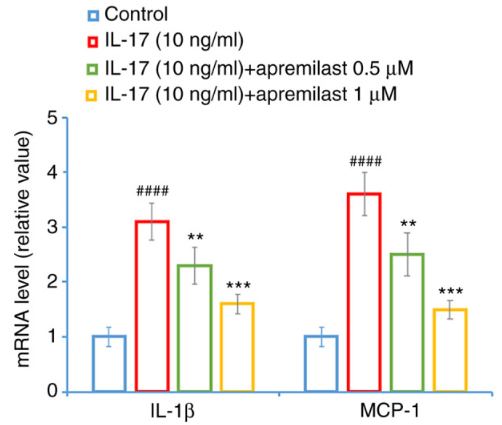
Apremilast prevented IL-17-induced expression of pro-inflammatory cytokines in mouse ATDC5 chondrocytes. Cells were treated with IL-17 (10 ng/ml) in the presence or absence of Apremilast (0.5 and 1 µM) for 24 h.
Apremilast purchased from MedChemExpress. Usage Cited in: Int J Mol Med. 2021 Mar;47(3):12. [Abstract]
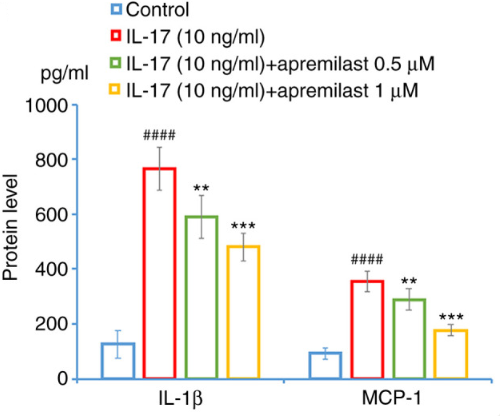
Apremilast prevents IL-17-induced secretions of pro-inflammatory cytokines in mouse ATDC5 chondrocytes. Cells were treated with IL-17 (10 ng/ml) in the presence or absence of Apremilast (0.5 and 1 µM) for 24 h.
Apremilast purchased from MedChemExpress. Usage Cited in: Int J Mol Med. 2021 Mar;47(3):12. [Abstract]
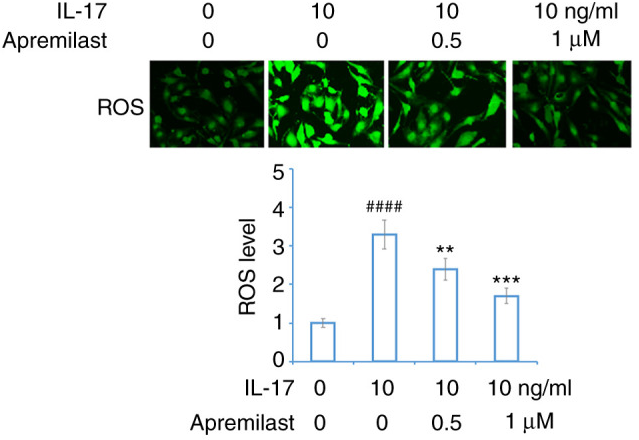
Apremilast prevented IL-17-induced production of ROS in mouse ATDC5 chondrocytes. Cells were treated with IL-17 (10 ng/ml) in the presence or absence of Apremilast (0.5 and 1 µM) for 24 h. Production of ROS was measured using DCFH-DA staining (magnification, ×10). ROS, reactive oxygen species; IL, interleukin; DCFH-DA, 2,7-dichlorodihydrofluorescein diacetate.
Apremilast purchased from MedChemExpress. Usage Cited in: Int J Mol Med. 2021 Mar;47(3):12. [Abstract]
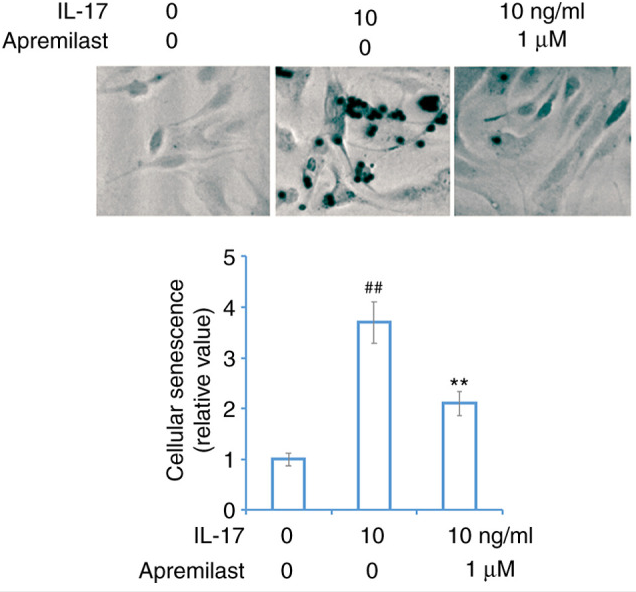
Apremilast prevented IL-17-induced cellular senescence in mouse ATDC5 chondrocytes. Cells were treated with IL-17 (10 ng/ml) in the presence or absence of Apremilast (1 µM) for 7 days. Cellular senescence was measured using SA-β-gal staining. IL, interleukin; SA-β-gal, senescence-associated-β-galactosidase.
Apremilast purchased from MedChemExpress. Usage Cited in: Int J Mol Med. 2021 Mar;47(3):12. [Abstract]
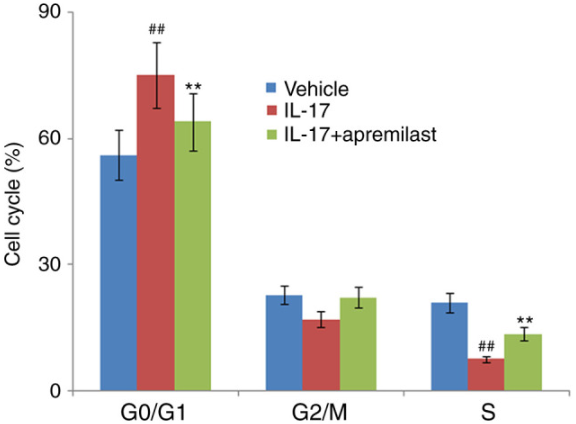
Apremilast prevented IL-17-induced cell cycle arrest in the G0/G1 phase in mouse ATDC5 chondrocytes. Cells were treated with IL-17 (10 ng/ml) in the presence or absence of Apremilast (1 µM) for 7 days. The cell cycle was assayed using flow cytometry. G0/G1 phase, G2/M phase, and S phase of cells were measured.
Apremilast purchased from MedChemExpress. Usage Cited in: Int J Mol Med. 2021 Mar;47(3):12. [Abstract]
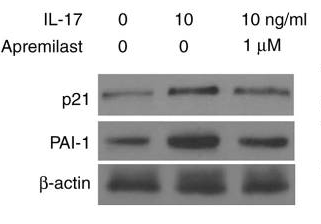
Apremilast prevented IL-17-induced expression of p21 and PAI-1 in mouse ATDC5 chondrocytes. Cells were treated with IL-17 (10 ng/ml) in the presence or absence of Apremilast (1 µM) for 24 h.
-
Eur J Pharmacol
A novel phosphodiesterase 4 inhibitor, AA6216, reduces macrophage activity and fibrosis in the lung. [Abstract]2020 Oct 15:885:173508. PMID: 32858049 -
J Dermatol Sci
PDE4 inhibition by difamilast regulates filaggrin and loricrin expression via keratinocyte proline-rich protein in human keratinocytes. [Abstract]2023 May;110(2):61-68. PMID: 37156706 -
J Dermatol Sci
Cyto/chemokine profile of in vitro scratched keratinocyte model: Implications of significant upregulation of CCL20, CXCL8 and IL36G in Koebner phenomenon. [Abstract]2019 Apr;94(1):244-251. PMID: 31010609 -
Neuroscience
Apremilast-mediated protection against Aβ-induced cytotoxicity correlates with PI3K/Akt pathway activation. [Abstract]2026 Feb 16:595:20-27. PMID: 41443295 -
Biochem Biophys Rep
The phosphodiesterase 4 inhibitor AA6216 suppresses activity of fibrosis-specific macrophages. [Abstract]2021 Aug 28:28:101118. PMID: 34485715 -
Res Sq
FDA-approved PDE4 inhibitors alleviate the dominant toxicity of ALS-FTD-associated CHCHD10S59L by reducing the PINK1/Parkin pathway. [Abstract]2024 Sep 10:rs.3.rs-4870330. PMID: 39315251 -
bioRxiv
FDA-approved PDE4 inhibitors reduce the dominant toxicity of ALS-FTD-associated CHCHD10 S59L. [Abstract]2024 Jun 6:2024.06.04.597429. PMID: 38895204 -


Solvente y solubilidad
In Vitro:
DMSO : 44 mg/mL (95.55 mM; Need ultrasonic; Hygroscopic DMSO has a significant impact on the solubility of product, please use newly opened DMSO)
Please refer to the solubility information to select the appropriate solvent. Once prepared, please aliquot and store the solution to prevent product inactivation from repeated freeze-thaw cycles.
Storage method and period of stock solution: -80°C, 1 year; -20°C, 6 months. When stored at -80°C, please use it within 1 year. When stored at -20°C, please use it within 6 months.
Please refer to the solubility information to select the appropriate solvent. Once prepared, please aliquot and store the solution to prevent product inactivation from repeated freeze-thaw cycles.
Storage method and period of stock solution: -80°C, 1 year; -20°C, 6 months. When stored at -80°C, please use it within 1 year. When stored at -20°C, please use it within 6 months.
Concentration (start) × Volume (start) = Concentration (final) × Volume (final)
In Vivo:
Select the appropriate dissolution method based on your experimental animal and administration route.
- For the following dissolution methods, please ensure to first prepare a clear stock solution using an In Vitro approach and then sequentially add co-solvents:
- To ensure reliable experimental results, the clarified stock solution can be appropriately stored based on storage conditions. As for the working solution for In Vivo experiments, it is recommended to prepare freshly and use it on the same day.
- The percentages shown for the solvents indicate their volumetric ratio in the final prepared solution. If precipitation or phase separation occurs during preparation, heat and/or sonication can be used to aid dissolution.
Add each solvent one by one: 10% DMSO 40% PEG300 5% Tween-80 45% Saline
Solubility: ≥ 2.5 mg/mL (5.43 mM); Clear solution
This protocol yields a clear solution of ≥ 2.5 mg/mL (saturation unknown).
Taking 1 mL working solution as an example, add 100 μL DMSO stock solution (25.0 mg/mL) to 400 μL PEG300, and mix evenly; then add 50 μL Tween-80 and mix evenly; then add 450 μL Saline to adjust the volume to 1 mL.
Preparation of Saline: Dissolve 0.9 g sodium chloride in ddH₂O and dilute to 100 mL to obtain a clear Saline solution.
Add each solvent one by one: 10% DMSO 90% (20% SBE-β-CD in Saline)
Solubility: 2.5 mg/mL (5.43 mM); Suspended solution; Need ultrasonic
This protocol yields a suspended solution of 2.5 mg/mL. Suspended solution can be used for oral and intraperitoneal injection.
Taking 1 mL working solution as an example, add 100 μL DMSO stock solution (25.0 mg/mL) to 900 μL 20% SBE-β-CD in Saline, and mix evenly.
Preparation of 20% SBE-β-CD in Saline (4°C, storage for one week): 2 g SBE-β-CD powder is dissolved in 10 mL Saline, completely dissolve until clear.
For the following dissolution methods, please prepare the working solution directly:
It is recommended to prepare fresh solutions and use them promptly within a short period of time.
The percentages shown for the solvents indicate their volumetric ratio in the final prepared solution. If precipitation or phase separation occurs during preparation, heat and/or sonication can be used to aid dissolution.
In Vivo Dissolution Calculator
Please enter the basic information of animal experiments:
-
-
-
-
Recommended: Prepare an additional quantity of animals to account for potential losses during experiments.
Please enter your animal formula composition:
-
%DMSO +
Recommended: Keep the proportion of DMSO in working solution below 2% if your animal is weak.
-
%+
-
+%Tween-80 + +
-
%Saline +
The co-solvents required include: DMSO, . All of co-solvents are available by MedChemExpress (MCE). , Tween 80. All of co-solvents are available by MedChemExpress (MCE).
Working solution concentration: 0.22 mg/mL
Method for preparing stock solution: mg drug dissolved in μL DMSO. Stock solution concentration: mg/mL.
1. Take μL DMSO stock solution;
2. Add μL .
μL , mix evenly;
3. Then add μL Tween 80, mix evenly;
4. Then add μL
Please ensure that the stock solution in the first step is dissolved to a clear state, and add co-solvents in sequence. You can use ultrasonic heating (ultrasonic cleaner, recommended frequency 20-40 kHz), vortexing, etc. to assist dissolution.


Pureza y Documentación
-
Ficha de datos (285 KB)
-
SDS (557 KB)
- English - EN (557 KB)
- Français - FR (557 KB)
- Deutsch - DE (557 KB)
- Norwegian - NO (557 KB)
- Español - ES (557 KB)
- Swedish - SV (557 KB)
- Italian - IT (557 KB)
- Korean - KR (557 KB)
- Portuguese - PT (557 KB)
-
Instrucciones de manejo (2659 KB)
Referencias
[1]. Perez-Aso M, et al. Apremilast, a novel phosphodiesterase 4 (PDE4) inhibitor, regulates inflammation through multiple cAMP downstream effectors. Arthritis Res Ther. 2015 Sep 15;17:249. [Content Brief]
[2]. Chen LG, et al. Determination of Apremilast in Rat Plasma by UPLC-MS-MS and Its Application to a Pharmacokinetic Study. J Chromatogr Sci. 2016 Sep;54(8):1336-40. [Content Brief]


Complete Stock Solution Preparation Table
Please refer to the solubility information to select the appropriate solvent. Once prepared, please aliquot and store the solution to prevent product inactivation from repeated freeze-thaw cycles.
Storage method and period of stock solution: -80°C, 1 year; -20°C, 6 months. When stored at -80°C, please use it within 1 year. When stored at -20°C, please use it within 6 months.
| Optional Solvent | Concentration Solvent Mass | 1 mg | 5 mg | 10 mg | 25 mg |
|---|---|---|---|---|---|
| DMSO | 1 mM | 2.1716 mL | 10.8578 mL | 21.7155 mL | 54.2888 mL |
| 5 mM | 0.4343 mL | 2.1716 mL | 4.3431 mL | 10.8578 mL | |
| 10 mM | 0.2172 mL | 1.0858 mL | 2.1716 mL | 5.4289 mL | |
| 15 mM | 0.1448 mL | 0.7239 mL | 1.4477 mL | 3.6193 mL | |
| 20 mM | 0.1086 mL | 0.5429 mL | 1.0858 mL | 2.7144 mL | |
| 25 mM | 0.0869 mL | 0.4343 mL | 0.8686 mL | 2.1716 mL | |
| 30 mM | 0.0724 mL | 0.3619 mL | 0.7239 mL | 1.8096 mL | |
| 40 mM | 0.0543 mL | 0.2714 mL | 0.5429 mL | 1.3572 mL | |
| 50 mM | 0.0434 mL | 0.2172 mL | 0.4343 mL | 1.0858 mL | |
| 60 mM | 0.0362 mL | 0.1810 mL | 0.3619 mL | 0.9048 mL | |
| 80 mM | 0.0271 mL | 0.1357 mL | 0.2714 mL | 0.6786 mL |


Apremilast Related Classifications
HY-12085 Related Classifications
 Powered by Bioz