2438 Results for "

decrease

" in MedChemExpress (MCE) Product Catalog:
Products (2438)

2438 Results for "decrease" in MCE Product Catalog:

1
1 Cited Publications
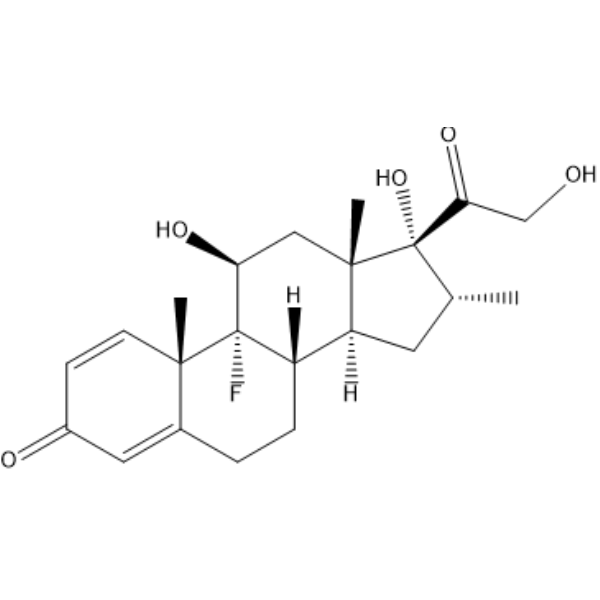
Cat. No.: HY-14648R
CAS No.: 50-02-2
Synonyms: Hexadecadrol(Standard); Prednisolone F (Standard)
Dexamethasone (Standard) is the analytical standard of Dexamethasone. This product is intended for research and analytical applications. Dexamethasone (Hexadecadrol) is a glucocorticoid receptor agonist. Dexamethasone also significantly decreases CD11b, CD18, and CD62L expression on neutrophils, and CD11b and CD18 expression on monocytes. Dexamethasone is highly effective in the control of COVID-19 infection. Dexamethasone inhibits production of exosomes containing inflammatory microRNA-155 in lipopolysaccharide-induced macrophage inflammatory responses.
loading...
    loading...
1
1 Cited Publications
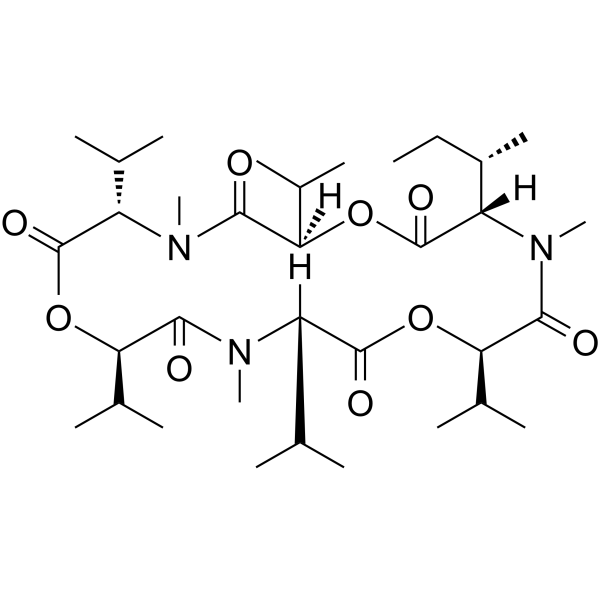
Cat. No.: HY-N3807
CAS No.: 19914-20-6
Enniatin B1 is a Fusarium mycotoxin. Enniatin B1 inhibits acyl-CoA: cholesterol acyltransferase (ACAT) activity with an IC50 of 73 μM in an enzyme assay using rat liver microsomes . Enniatin B1 crosss the blood-brain barrier . Enniatin B1 decreases the activation of ERK (p44/p42). Enniatin B1 inhibits moderately TNF-α-induced NF-κB activation .
loading...
    loading...
1
1 Cited Publications
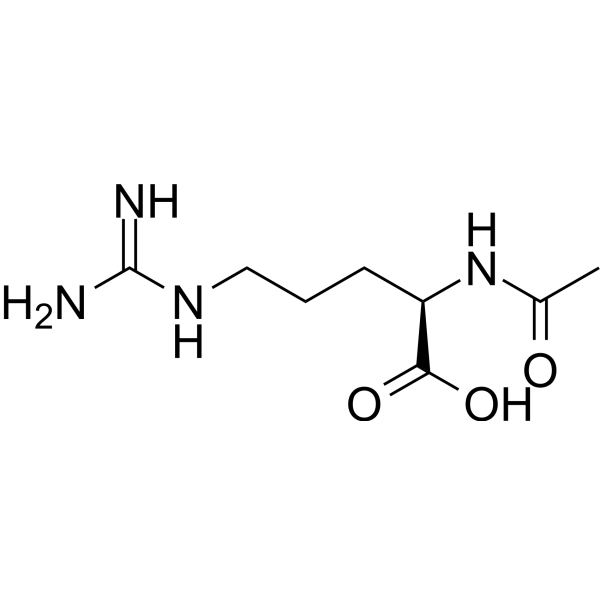
Cat. No.: HY-W014130
CAS No.: 155-84-0
Synonyms: Ac-Arg-OH
N-Acetyl-L-arginine (Ac-Arg-OH) is one of the guanidino compounds found elevated in the serum of a hemodialyzed renal insufficient (uremic) pediatric population. N-Acetyl-L-arginine shows synergistic activity with glycine buffer. N-Acetyl-L-arginine suppresses the aggregation of intravenous immunoglobulins with a minimum decrease in transition temperature. N-Acetyl-L-arginine dramatically reduces IL-1 expression in the presence of silicone oil. N-Acetyl-L-arginine also demonstrates colloidal stability .
loading...
    loading...
1
1 Cited Publications
Cat. No.: HY-W016562R
CAS No.: 495-69-2
Synonyms: Benzoylglycine (Standard)
Hippuric acid (Standard) is the analytical standard of Hippuric acid. This product is intended for research and analytical applications. Hippuric Acid is an orally active metabolite. Hippuric Acid can be produced by intestinal microorganisms from the metabolism of polyphenols, benzoic acid. Hippuric Acid decreases NRF2, MMP9 and leads to ROS accumulation. Hippuric Acid activates TGFβ/SMAD signaling. Hippuric Acid improves hyperuricemia and colitis. Hippuric Acid can also be used in cardiovascular disease research . .
loading...
    loading...
1
1 Cited Publications
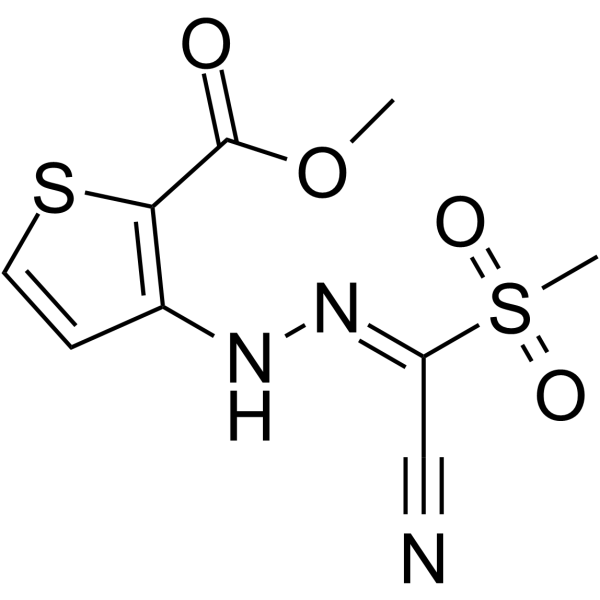
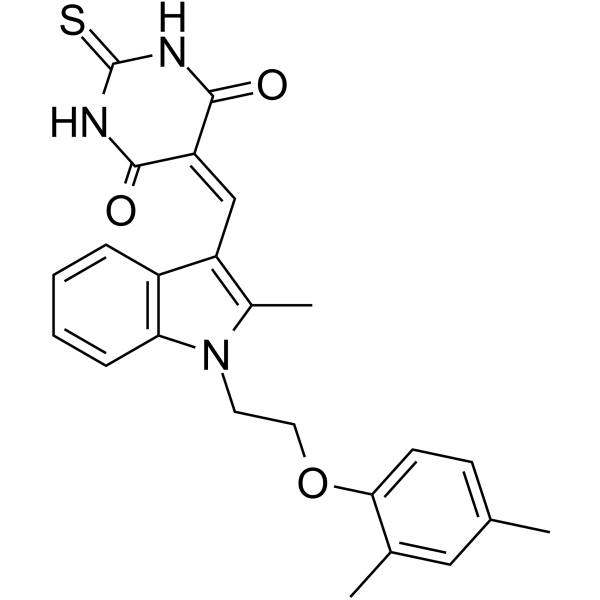
Cat. No.: HY-136748
CAS No.: 882268-69-1
Purity:  99.96%
연구분야:  

Cancer

HIF-2α-IN-4 is a potent inhibitor of hypoxia inducible factor-2α (HIF-2α) translation, with an IC50 of 5 μM. HIF-2α-IN-4 decreases both constitutive and hypoxia-induced HIF-2α protein expression. HIF-2α-IN-4 links its 5'UTR iron-responsive element to oxygen sensing .
loading...
    loading...
1
1 Cited Publications
Cat. No.: HY-144987
CAS No.: 2597933-17-8
Purity:  98.84%
Target:  

CD38 LAG-3 Tim3 PD-1/PD-L1

연구분야:  

Inflammation/Immunology Cancer

RBN013209 is an orally active small molecule inhibitor of CD38 with an IC50 of 0.01 to 0.1 μM for human CD38. RBN013209 prevents the conversion of extracellular NAD + to ADPR or cADPR in tumor cells and PBMCs. RBN013209 can be used in the study of tumor. In addition, RBN013209 enables CAR-T cells to maintain the naive state and central memory state, and decreases the expression of cell activation markers and exhaustion-related inhibitory receptors .
loading...
    loading...
1
1 Cited Publications
Cat. No.: HY-171006
CAS No.: 701225-07-2
IRF1-IN-1 (Compound I-2) is an IRF1 inhibitor. IRF1-IN-1 decreases the recruitment of IRF1 to the promoter of CASP1. IRF1-IN-1 inhibits cell death signaling pathway (i.e., cleavage of Caspase 1, GSDMD, IL-1 and PARP1). IRF1-IN-1 has a protective effect on ionizing radiation-induced inflammatory skin injury .
loading...
    loading...
1
1 Cited Publications
Cat. No.: HY-17609
CAS No.: 1024828-77-0
Synonyms: CR-845; FE-202845
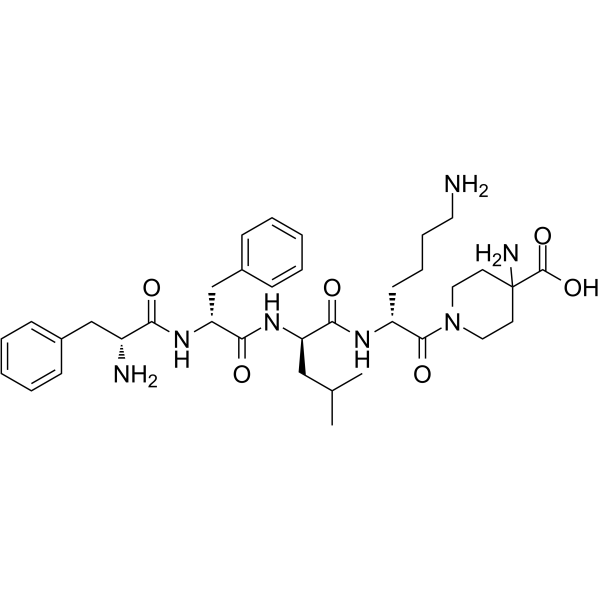
Difelikefalin (CR-845; FE-202845) is an orally active peripherally acting kappa opioid receptor agonist. Difelikefalin reduces acute kidney injury, decreases oliguria, maintains urine flow, inhibits cytokine expression, and improves survival in endotoxemia after ischemia/reperfusion. Difelikefalin suppresses pruritus signals and exhibits neuromodulatory antipruritic activity. Difelikefalin can be used in research related to acute kidney injury, chronic kidney disease-associated pruritus, and atopic dermatitis .
loading...
    loading...
1
1 Cited Publications
Cat. No.: HY-17609C
CAS No.: 2803411-76-7
Synonyms: CR-845 acetate; FE-202845 acetate
Difelikefalin acetate (CR-845 acetate; FE-202845 acetate) is an orally active peripherally acting kappa opioid receptor agonist. Difelikefalin acetate reduces acute kidney injury, decreases oliguria, maintains urine flow, inhibits cytokine expression, and improves survival in endotoxemia after ischemia/reperfusion. Difelikefalin acetate suppresses pruritus signals and exhibits neuromodulatory antipruritic activity. Difelikefalin acetate can be used in research related to acute kidney injury, chronic kidney disease-associated pruritus, and atopic dermatitis .
loading...
    loading...
1
1 Cited Publications
Cat. No.: HY-N1428R
CAS No.: 77-92-9
Citric acid (Standard) is the analytical standard of Citric acid (HY-N1428). This product is intended for research and analytical applications. Citric acid is a natural preservative and food tartness enhancer. Citric acid induces apoptosis and cell cycle arrest at G2/M phase and S phase in HaCaT cells. Citric acid cause oxidative damage of the liver by means of the decrease of antioxidative enzyme activities. Citric acid is also an acidulant, emulsifier, sequestrant and buffering agent widely used across many industries .
loading...
    loading...
1
1 Cited Publications
Cat. No.: HY-Q51222
CAS No.: 100264-64-0
연구분야:  

Cancer

ZINC110492 is a selective ligand of CS-ΔEx4 (a splicing isoform of citrate synthase (CS)). ZINC110492 does not bind to CS full-length (CS-FL). ZINC110492 inhibits colorectal cancer (CRC) cell growth in cells overexpressing CS-ΔEx4 with an IC50 of 7.840 µM. ZINC110492 significantly decreases both citrate and 2-hydroxyglutarate (2-HG) levels in the CS-ΔEx4-overexpressing SW1116 cells .
loading...
    loading...
1
1 Cited Publications
Cat. No.: HY-W042301
CAS No.: 14293-44-8
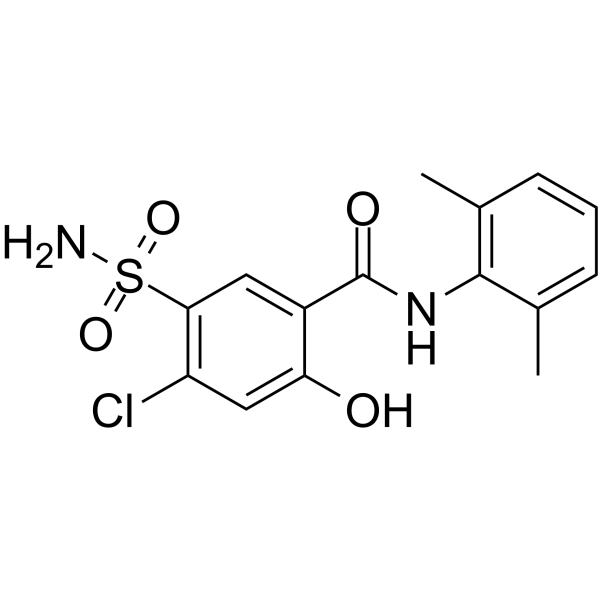
Xipamide is an orally active carbonic anhydrase (CA) inhibitor and Na +/Cl --potassium cotransporter inhibitor, with diuretic and antihypertensive effects. Xipamide reduces NaCl reabsorption by inhibiting the Cl -/NaCO 3- anion exchanger, promoting potassium and magnesium excretion while increasing calcium reabsorption. Xipamide is cleared primarily via the renal route and causes a transient decrease in glomerular filtration rate under specific conditions. Xipamide can be applied in research related to cardiovascular diseases, hypertension, advanced renal failure, and cirrhosis with ascites .
loading...
    loading...
1
1 Cited Publications
Cat. No.: HY-W129633
CAS No.: 1266615-56-8
Synonyms: DCIP sodium hydrate; DPIP sodium hydrate
2,6-Dichlorophenolindophenol (DCIP; DPIP) sodium hydrate is a redox chromogenic indicator with a redox potential of +217 mV relative to SHE, and it acts as a substrate for reduction reactions. During the metabolic process of nutrient consumption by Saccharomyces cerevisiae, 2,6-Dichlorophenolindophenol sodium hydrate is reduced from dark blue to colorless, resulting in a decrease in absorbance. 2,6-Dichlorophenolindophenol sodium hydrate is widely used in spectrophotometric biochemical oxygen demand determination and preclinical colorimetric toxicity analysis for heavy metal ion detection based on Saccharomyces cerevisiae .
loading...
    loading...
1
1 Cited Publications
Cat. No.: HY-Y1881B
CAS No.: 7758-99-8
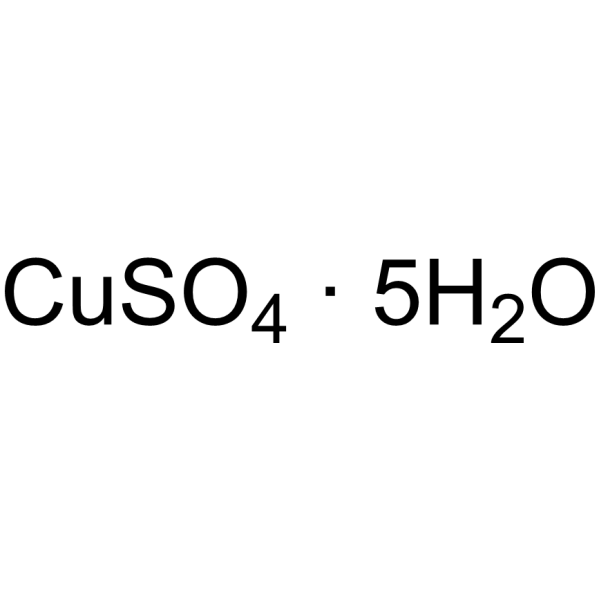
Copper sulfate pentahydrate, for cell culture, 98% is a biochemical reagent. Copper sulfate pentahydrate, for cell culture, 98% reduces the production of ROS and the expression levels of MyD88 as well as c-Rel genes. Copper sulfate pentahydrate, for cell culture, 98% decreases the activities of T-SOD, CAT, and GSH, increases the activities of caspase-3, caspase-8, and caspase-9. Copper sulfate pentahydrate, for cell culture, 98% is cytotoxic to various cells .
loading...
    loading...
1
1 Cited Publications
Cat. No.: HY-123931
CAS No.: 667880-38-8
Purity:  98.78%
연구분야:  

Cancer

ZLDI-8 is a Notch activating/cleaving enzyme ADAM-17 inhibitor and inhibits the cleavage of Notch protein. ZLDI-8 decreases the expression of pro-survival/anti-apoptosis and epithelial-mesenchymal transition (EMT) related proteins. ZLDI-8 is also a competitive and irreversible tyrosine phosphatase (Lyp) inhibitor with an IC50 of 31.6 μM and a Ki of 26.22 μM. ZLDI-8 inhibits the growth of MHCC97-H cells with an IC50 of 5.32 μM .
loading...
    loading...
1
1 Cited Publications
Cat. No.: HY-159569
CAS No.: 1643444-62-5
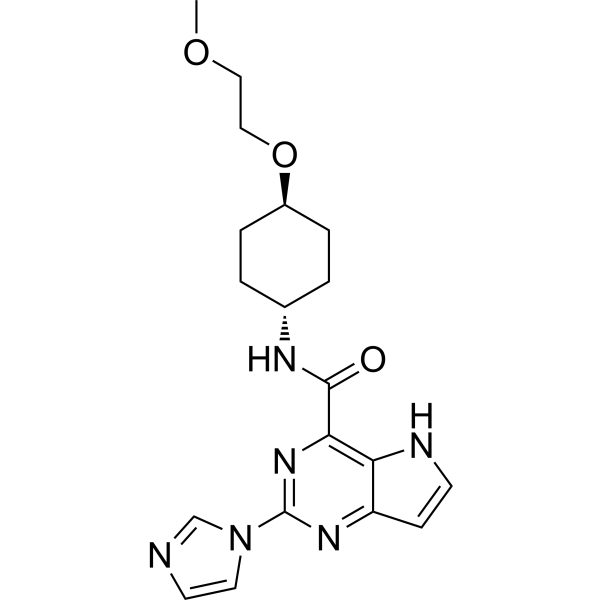
TfR-1-IN-1 is a transferrin receptor-1 (TfR-1) inhibitor with tumor cell-specific activity. TfR-1-IN-1 reduces TfR-1 expression, impairs mitochondrial function, induces cell apoptosis, necroptosis and ferroptosis, and increases intracellular iron (II) levels. TfR-1-IN-1 decreases the metabolic activity of cancer cells. TfR-1-IN-1 can be used for the research of ovarian cancer, breast cancer and acute myeloid leukemia .
loading...
    loading...
1
1 Cited Publications
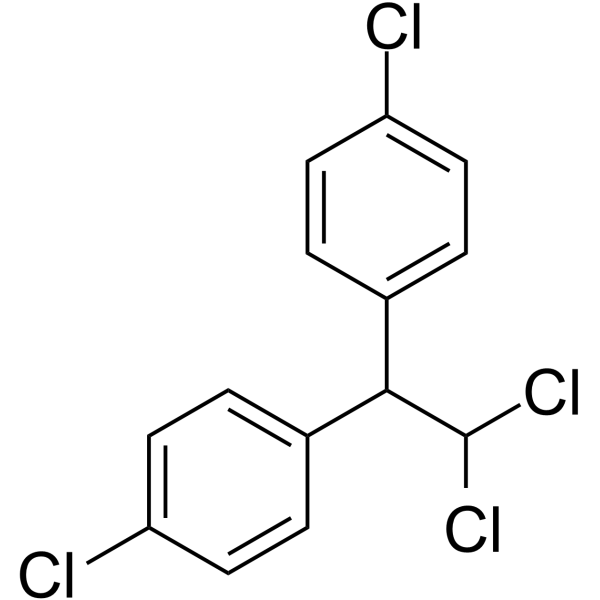
Cat. No.: HY-B1984
CAS No.: 72-54-8
Synonyms: 4,4'-DDD; p,p'-Dichlorodiphenyl dichloroethane
p,p'-DDD (4,4’-DDD) is an organochlorine insecticide, a major metabolite of p,p'-DDT. p,p'-DDD is an agonist at estrogen receptor α(ERα) and ERβ. p,p'-DDD increases DNA damage, apoptosis and necrosis in peripheral blood. p,p'-DDD stimulates cell proliferation in SKBR3 cells. p,p'-DDD activates the AP-1 transcription factor. p,p'-DDD decreases sleep times of barbiturates and steroids in rats .
loading...
    loading...
1
1 Cited Publications
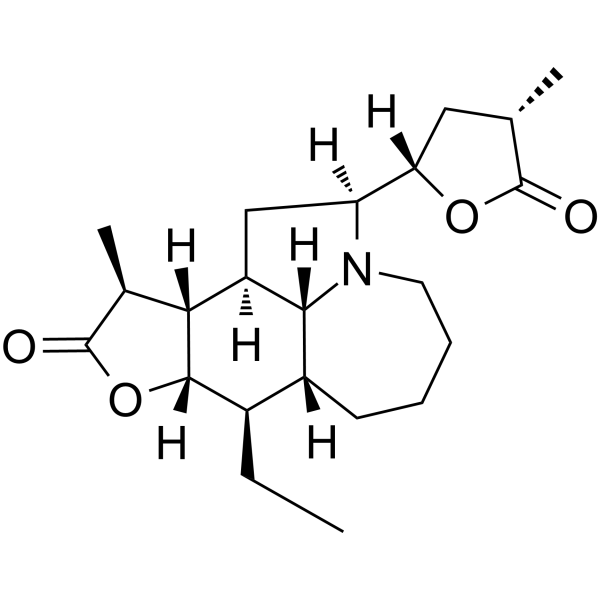
Cat. No.: HY-N0352
CAS No.: 6879-01-2
Tuberostemonine is a stenine alkaloid that can be isolated from Stemona tuberosa and Stemona sessifolia. Tuberostemonine is an antimalarial agent that has inhibitory activity against Ferredoxin-NADP + reductases (FNRs) from Plasmodium falciparum (PfFNR). Tuberostemonine can reduce the number of citric acid-induced coughs in guinea pigs. Tuberostemonine decreases bronchoalveolar lavage fluid (BALF), neutrophil and macrophage infiltration and reduces peribronchial and perivascular inflammatory cell infiltration in mouse model of acute lung inflammation. Tuberostemonine has a level of activity as a feeding deterrent .
loading...
    loading...
1
1 Cited Publications
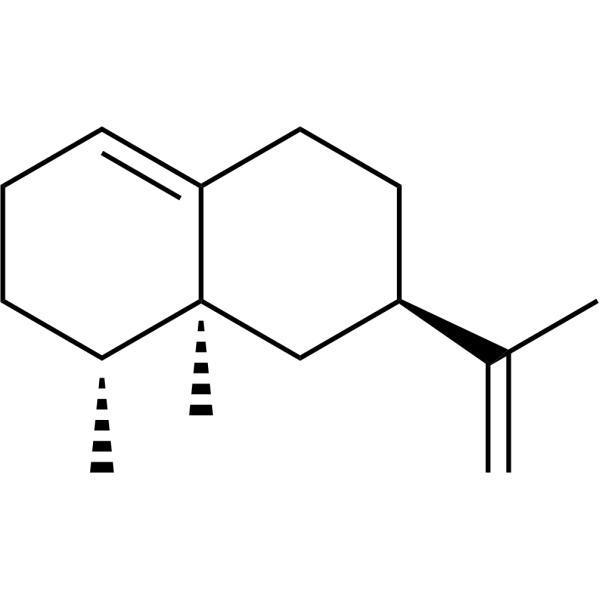
Cat. No.: HY-N6636
CAS No.: 4630-07-3
Valencene is a sesquiterpene that can be isolated from Cyperus rotundus. Valencene possesses antiallergic, antimelanogenesis, anti-infammatory, and antioxidant activitivies. Valencene inhibits the exaggerated expression of Th2 chemokines and proinflammatory chemokines through blockade of the NF-κB pathway. Valencene inhibits the production and expression of proinflammatory cytokines IL-1β and IL-6 in LPS-stimulated RAW 264.7 cells. Valencene can reduce atopic dermatitis symptoms and recover decreased expression of filaggrin in DNCB-sensitized mouse model .
loading...
    loading...
1
1 Cited Publications
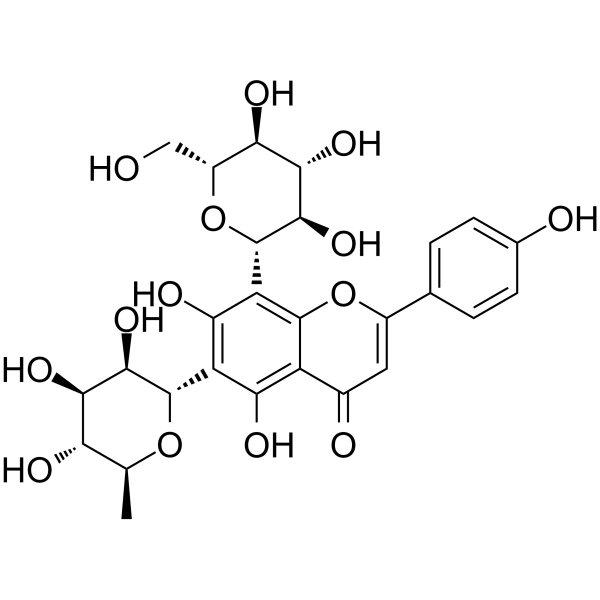
Cat. No.: HY-N6896
CAS No.: 40788-84-9
Isoviolanthin is a flavonoid glycoside. Isoviolanthin can be extracted from Dendrobium officinale. Isoviolanthin has a strong affinity for binding to KDM6B, CHAC2, ESCO2, and IPO4. Isoviolanthin decreases MMP-2 and MMP-9. Isoviolanthin inhibits TGF-β/Smad and PI3K/Akt/mTOR signaling pathways. Isoviolanthin increases Fhl3 expression. Isoviolanthin has cytoprotective effects. Isoviolanthin has anticancer activity against hepatocellular carcinoma .
loading...
    loading...

