



-
Animals (800)

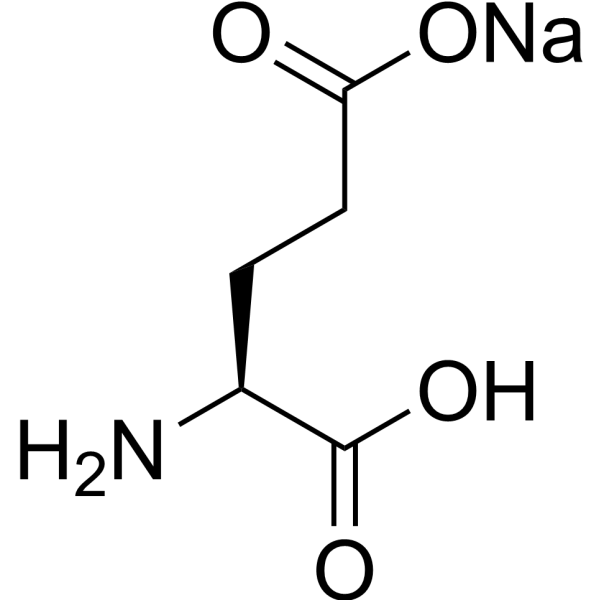
- Formula: C5H8NNaO4
- Molecular Weight: 169.11
L-Glutamic acid monosodium salt is an excitatory amino acid neurotransmitter that acts as an agonist for all subtypes of glutamate receptors (metabolic rhodophylline, NMDA, and AMPA). L-Glutamic acid monosodium salt has an agonist effect on the release of DA from dopaminergic nerve endings. L-Glutamic acid monosodium salt can be used in the study of neurological diseases. L-Glutamic acid monosodium salt acts at ionotropic and metabotropic glutamate receptors.
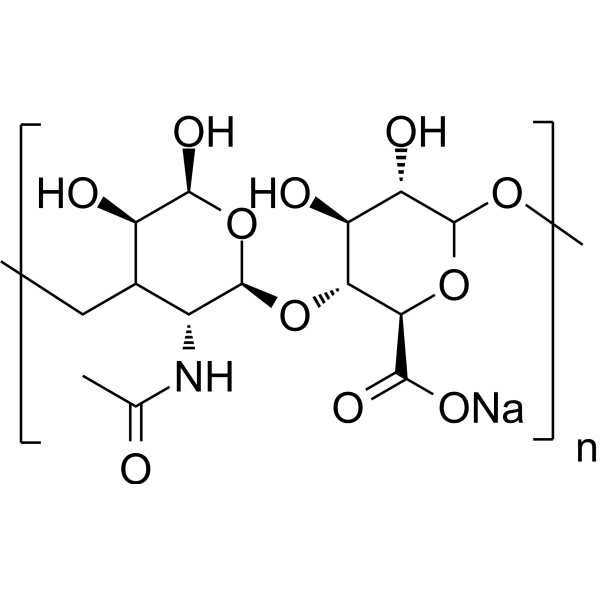
- Molecular Weight: 1500 (kDa)
Hyaluronic acid sodium (Sodium hyaluronate) is a biopolymer composed of repeating units of disaccharides with various applications. Hyaluronic acid sodium is a major component of the extracellular matrix (ECM). Hyaluronic acid sodium is synthesized at the plasma membrane. Increased hyaluronic acid sodium levels are associated with tumor cell growth, adhesion, migration, invasion and angiogenesis in digestive cancers. Hyaluronic acid sodium participates in tissue remodeling and rapid cell proliferation in some physiological processes including embryonic morphogenesis and wound-healing. Hyaluronic acid sodium activates the PI3K-Akt signaling. Hyaluronic acid sodium acts as a regulator of cancer-associated lymphangiogenesis. Hyaluronic acid sodium also enhances cell invasion and angiogenesis by promoting proteolytic MMP-9 binding to cell surface or stimulating MMP-9 binding to cell surface. Hyaluronic acid sodium can be used as drug delivery for sodium butyrate to improve the anti-proliferative activity on breast cancer cell line. Hyaluronic acid sodium can be studied in joint diseases, wound healing and cancer.
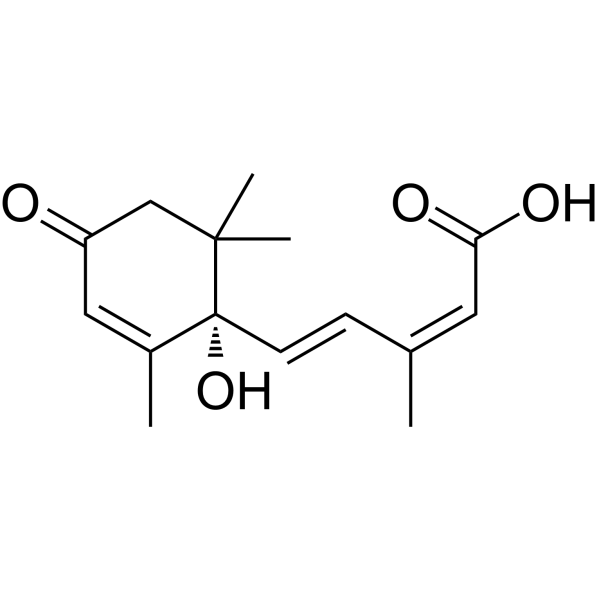
- Formula: C15H20O4
- Molecular Weight: 264.32
Abscisic acid ((S)-(+)-Abscisic acid), an orally active phytohormone in fruits and vegetables, is an endogenously produced mammalian hormone. Abscisic acid is a growth inhibitor and can regulate many aspects of plant growth and development. Abscisic acid inhibits proton pump (H+-ATPase) and leads to the plasma membrane depolarization in a Ca2+-dependent manner. Abscisic acid, a LANCL2 natural ligand, is a potent insulin-sensitizing compound and has the potential for pre-diabetes, type 2 diabetes and metabolic syndrome.
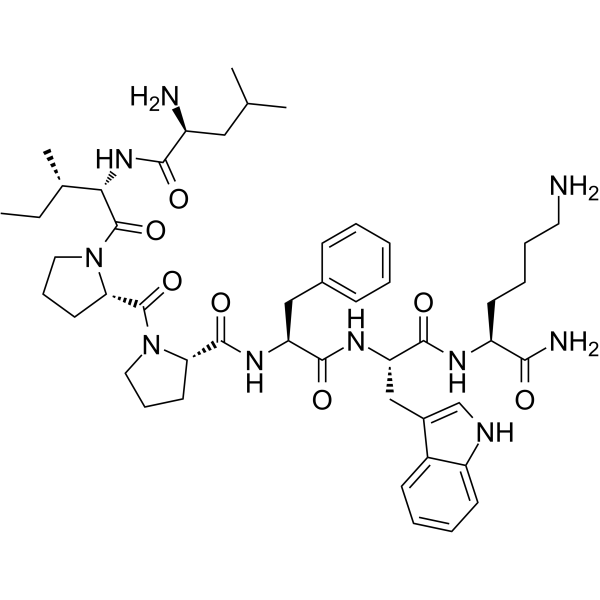
- Formula: C48H70N10O7
- Molecular Weight: 899.13
Cardiotoxin Analog (CTX) IV (6-12) is a membrane active peptide that specifically targets negatively charged phospholipid membranes (such as phosphatidylserine and phosphatidylinositol). Cardiotoxin Analog (CTX) IV (6-12) was discovered in the venom of the Taiwan cobra. Cardiotoxin Analog (CTX) IV (6-12) is a chemically synthesized snake venom cardiotoxin that binds to cell membranes and embeds into lipid bilayers through hydrophobic interactions and electrostatic attraction, thereby destroying the stability of membrane structure. Cardiotoxin Analog (CTX) IV (6-12) can induce membrane lipid disorder and cell lysis, exhibiting hemolysis and cytotoxicity.
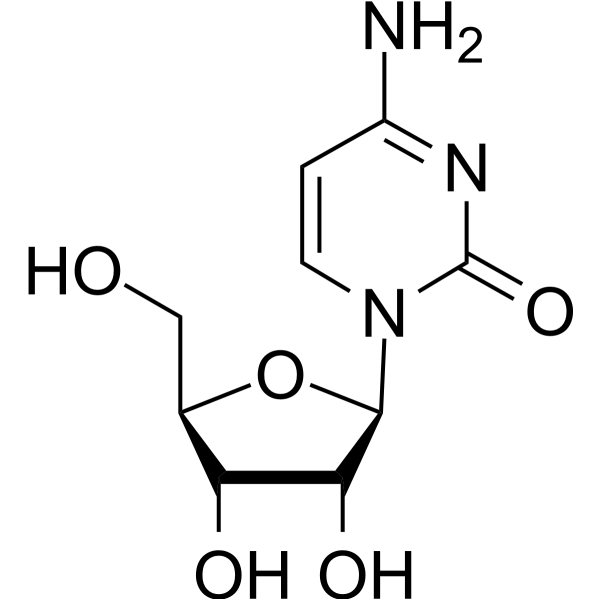
- Formula: C9H13N3O5
- Molecular Weight: 243.22
Cytidine is a pyrimidine nucleoside and acts as a component of RNA. Cytidine is a precursor of uridine. Cytidine controls neuronal-glial glutamate cycling, affecting cerebral phospholipid metabolism, catecholamine synthesis, and mitochondrial function.
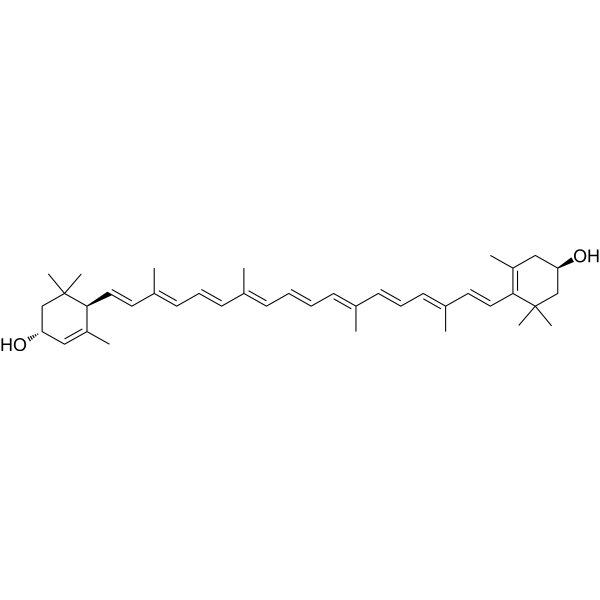
- Formula: C40H56O2
- Molecular Weight: 568.87
Lutein (Xanthophyll) is a carotenoid with reported anti-inflammatory properties. A large body of evidence shows that lutein has several beneficial effects, especially on eye health. Lutein exerts its biological activities, including anti-inflammation, anti-oxidase and anti-apoptosis, through effects on reactive oxygen species (ROS). Lutein is able to arrive in the brain and shows antidepressant-like and neuroprotective effects. Lutein is orally active.
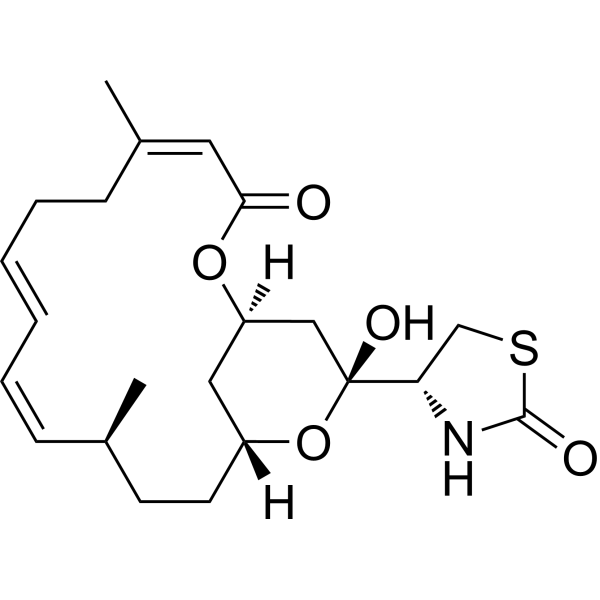
- Formula: C22H31NO5S
- Molecular Weight: 421.55
Latrunculin A (LAT-A), found in the red sea sponge Latrunculia magnifica, is a G-actin polymerization inhibitor. Latrunculin A binds to actin monomers and inhibits polymerization of actin with Kds of 0.1, 0.4, 4.7 μM and 0.19 μM for ATP-actin, ADP-Pi-actin, ADP-actin and G-actin, respectively. Latrunculin A has effective anti-metastatic properties for cancer research. Latrunculin A blocks cell migration.
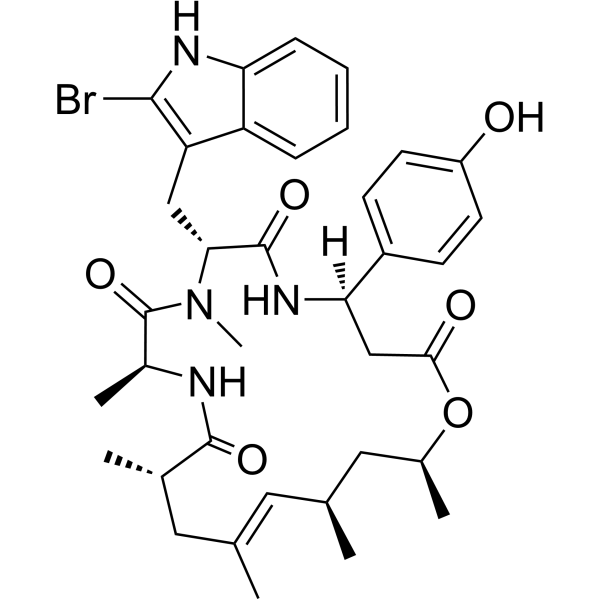
- Formula: C36H45BrN4O6
- Molecular Weight: 709.67
Jasplakinolide is a potent actin polymerization inducer and stabilizes pre-existing actin filaments. Jasplakinolide binds to F-actin competitively with phalloidin with a Kd of 15 nM. Jasplakinolide, a naturally occurring cyclic peptide from the marine sponge, has both fungicidal and anti-cancer activity.
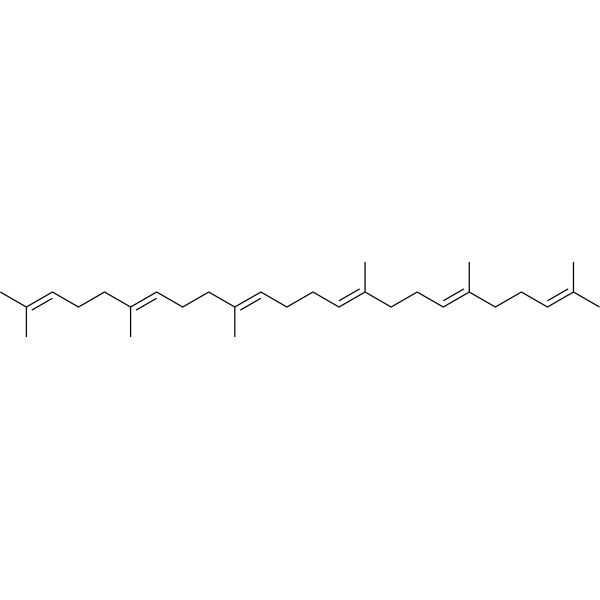
- Formula: C30H50
- Molecular Weight: 410.72
Squalene (Super Squalene) is an intermediate product in the synthesis of cholesterol, and shows several pharmacological properties such as hypolipidemic, hepatoprotective, antiatherosclerotic, cardioprotective, antioxidant, and antitumour activity.
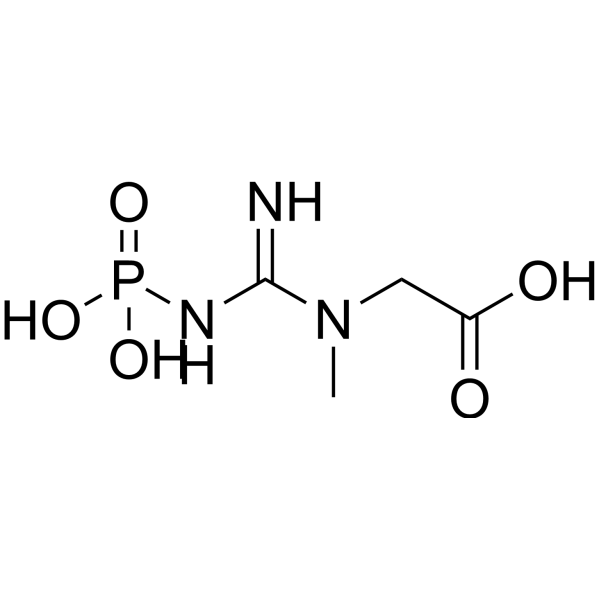
- Formula: C4H10N3O5P
- Molecular Weight: 211.11
Phosphocreatine (creatine phosphate) is an organic compound found in vertebrate skeletal muscles. Phosphocreatine enhances antioxidant activity, and activates the TAK1 pathway to protect the heart. Phosphocreatine normalizing mitochondrial function and reducing oxidative stress via Akt mediated Nrf2/HO-1 pathway. Phosphocreatine provides renal protection by suppressing Apoptosis and ROS (Reactive Oxygen Species) generation through ERK mediated mediated Nrf-2/HO-1 pathway..
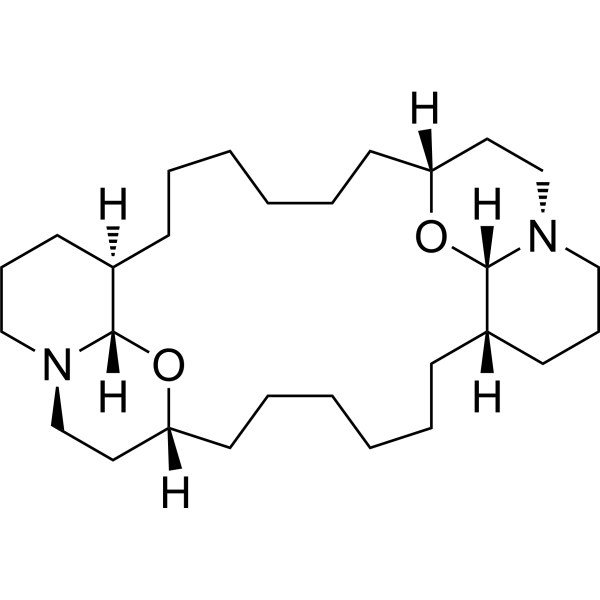
- Formula: C28H50N2O2
- Molecular Weight: 446.71
Xestospongin C ((-)-Xestospongin C) is a selective, reversible inositol 1,4,5-trisphosphate receptor (IP3R) inhibitor. Xestospongin C acts as an inhibitor of the sarcoplasmic/endoplasmic reticulum Ca2+ ATPase (SERCA) pump of internal stores. Xestospongin C blocks IP3-induced Ca2+ release from cerebellar microsomes with an IC50 of 358 nM. Xestospongin C is a valuable tool for investigating the structure and function of IP3Rs and Ca2+ signaling in neuronal and nonneuronal cells.
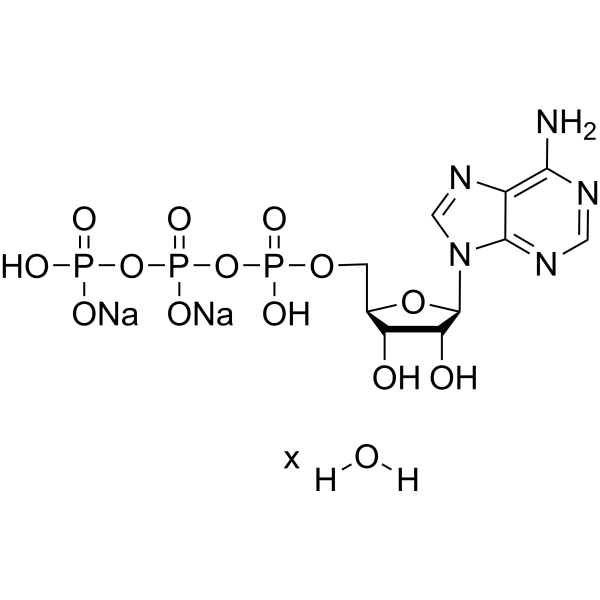
- Formula: C10H14N5O13Na2P3.xH2O
ATP (Adenosine 5'-triphosphate) disodium salt hydrate is a central component of energy storage and metabolism in vivo. ATP disodium salt hydrate provides the metabolic energy to drive metabolic pumps and serves as a coenzyme in cells. ATP disodium salt hydrate is an important endogenous signaling molecule in immunity and inflammation. ATP disodium salt hydrate can activate the NLRP3 inflammasome and induce IL-1β and chemokines secretion. ATP disodium salt hydrate has anti-bacterial infection effects and can protect mice against bacterial infection in mice.
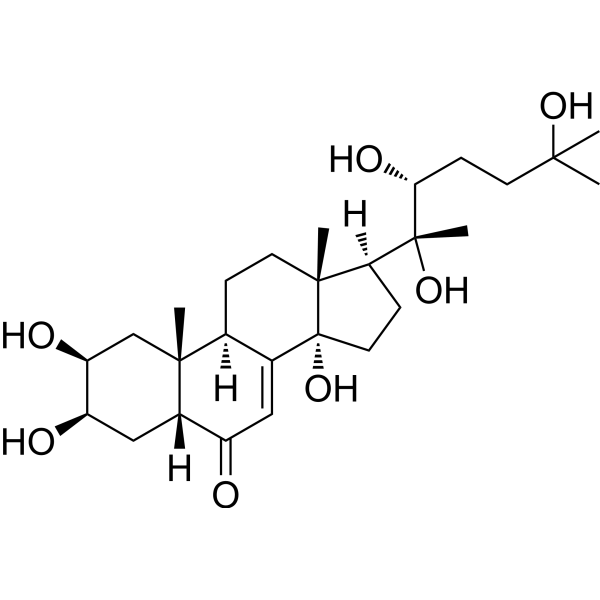
- Formula: C27H44O7
- Molecular Weight: 480.63
Crustecdysone (20-Hydroxyecdysone) is a naturally occurring ecdysteroid hormone isolated from Serratula coronata which controls the ecdysis (moulting) and metamorphosis of arthropods, it inhibits caspase activity and induces autophagy via the 20E nuclear receptor complex, EcR-USP. Crustecdysone exhibits regulatory or protective roles in the cardiovascular system. Crustecdysone is an active metabolite of Ecdysone (HY-N0179).
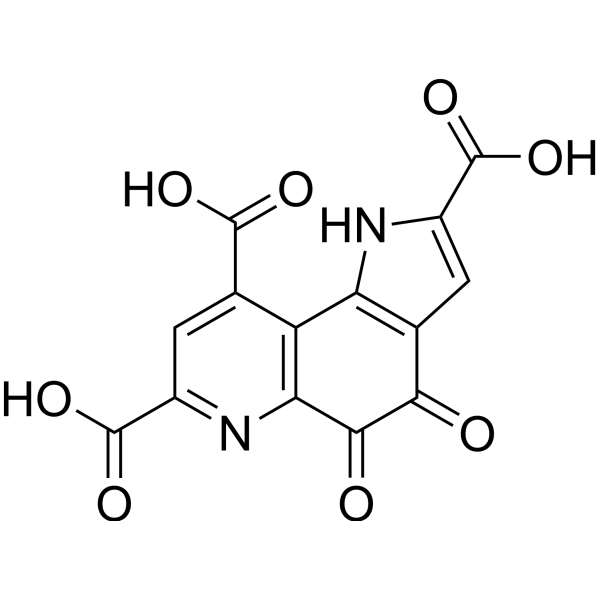
- Formula: C14H6N2O8
- Molecular Weight: 330.21
Pyrroloquinoline quinone (PQQ), a redox co-factor, is an anionic, redox-cycling orthoquinone. Pyrroloquinoline quinone is isolated from cultures of methylotropic bacteria and tissues of mammals. Pyrroloquinoline quinone is an essential nutrient for mammals and is important for immune function.
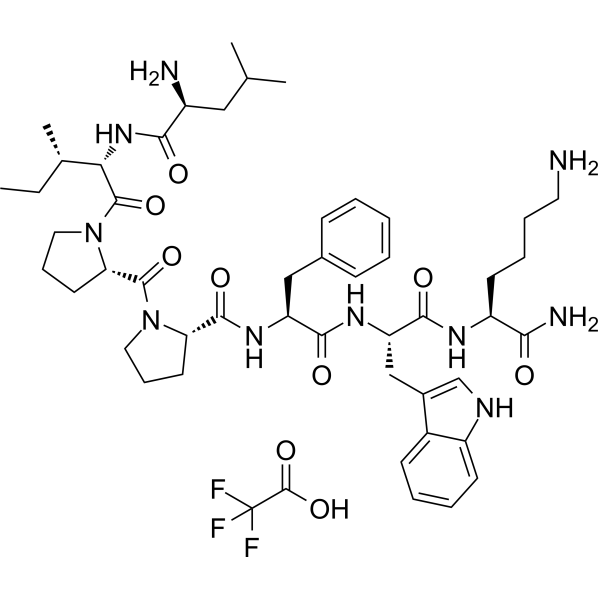
- Formula: C50H71F3N10O9
- Molecular Weight: 1013.16
Cardiotoxin Analog (CTX) IV (6-12) TFA is a membrane active peptide that specifically targets negatively charged phospholipid membranes (such as phosphatidylserine and phosphatidylinositol). Cardiotoxin Analog (CTX) IV (6-12) TFA was discovered in the venom of the Taiwan cobra. Cardiotoxin Analog (CTX) IV (6-12) TFA is a chemically synthesized snake venom cardiotoxin that binds to cell membranes and embeds into lipid bilayers through hydrophobic interactions and electrostatic attraction, thereby destroying the stability of membrane structure. Cardiotoxin Analog (CTX) IV (6-12) TFA can induce membrane lipid disorder and cell lysis, exhibiting hemolysis and cytotoxicity.

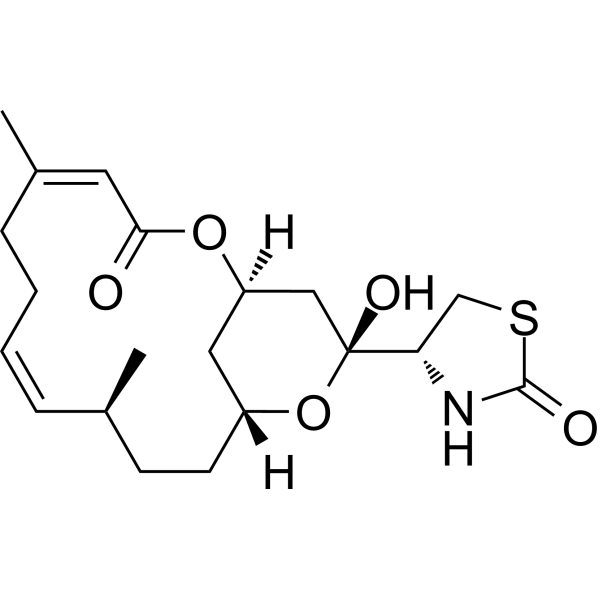
- Formula: C20H29NO5S
- Molecular Weight: 395.51
Latrunculin B, an antimicrobial marine alkaloid, is an actin polymerization inhibitor. Latrunculin B regulates pulmonary vein electrophysiological characteristics and attenuates stretch-induced arrhythmogenesis. Antifungal and antiprotozoal activity.
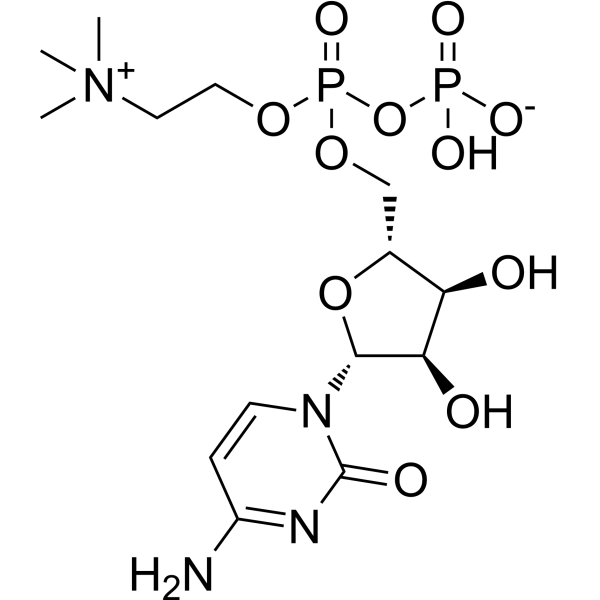
- Formula: C14H26N4O11P2
- Molecular Weight: 488.32
Citicoline is an endogenous intermediate in the synthesis of phosphatidylcholine which is a component of cell membranes. Citicoline inhibits reactive oxygen species (ROS) and apoptosis. Citicoline can be used for neurological disease and hearing loss study.



